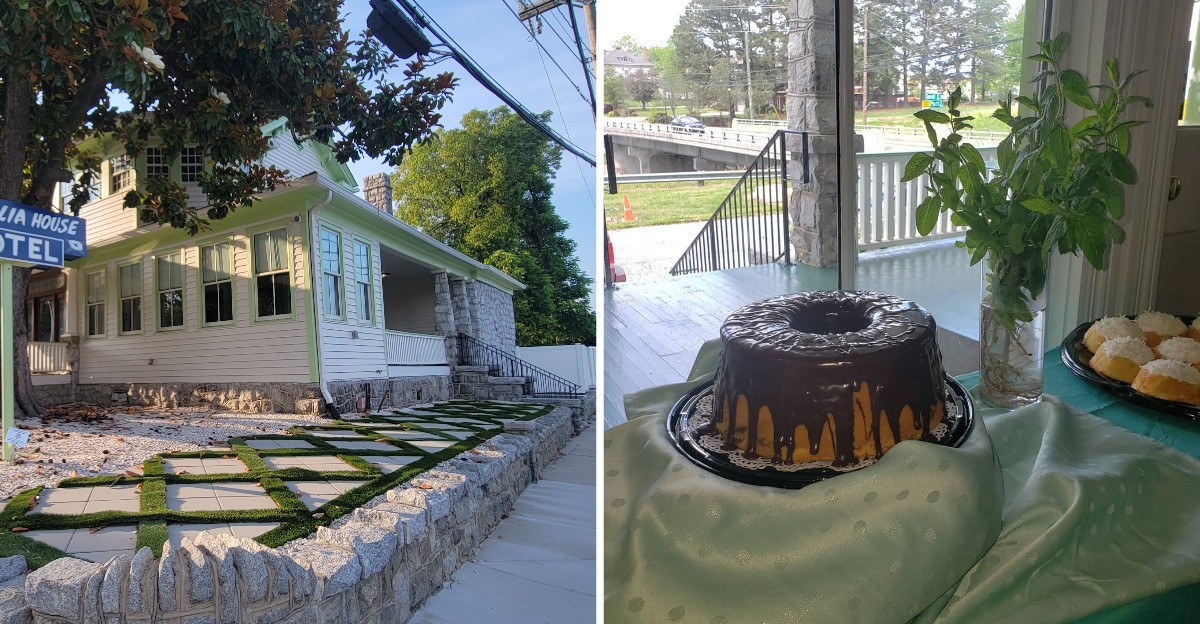
A porch that seemed to lean toward me was the first thing I noticed, and the story took hold before I even reached the front steps. I had pulled up to a quiet corner in North Carolina expecting a pretty old house and not much more.
The place opened its doors in 1949 to Black travelers who were refused rooms almost everywhere else in the segregated South. Musicians, athletes, writers, and ordinary families all slept under this roof because someone decided they deserved a warm bed and a hot plate.
For many guests, finding a safe place to stop was not simply a matter of comfort. It could shape an entire journey.
That history made every room feel more significant, especially knowing how many conversations, meals, and moments of relief must have unfolded inside these walls over the years. I walked through slowly, reading names, looking at photographs, listening to the floorboards complain a little.
Small details kept pulling me back to the people who once arrived here carrying suitcases and stories of their own. By the time I left, I understood this place is less a museum and more a promise that was kept.
A Safe Bed in the Green Book Years
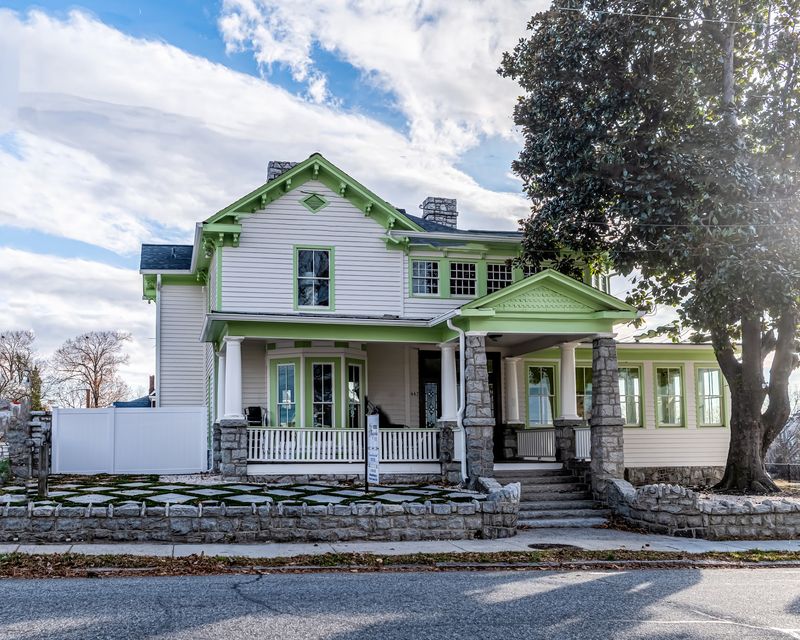
The first thing I learned about this house reshaped how I saw the whole neighborhood. Built in 1889 as a private home, the Victorian-Italianate structure took on a very different purpose in 1949.
That year Arthur and Louise Gist, an African American couple, bought the property and opened it as a bed and breakfast called The Magnolia House. Their timing mattered enormously.
Travel through the segregated South meant constant rejection at hotel desks, restaurants, and gas stations. Between Atlanta, Georgia, and Richmond, Virginia, safe lodging for Black travelers was scarce, and drivers often planned routes around where they could actually stop.
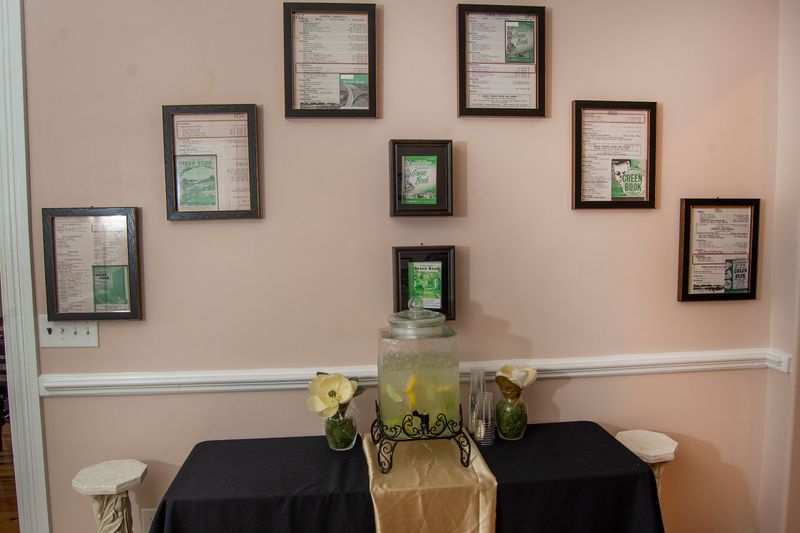
The Magnolia House appeared in six editions of The Negro Motorist Green Book, the travel guide published by Victor Hugo Green, between 1955 and 1961. Being listed there meant something practical and something emotional at once.
Guests knew they would be served, not scanned and dismissed. I kept thinking about how ordinary a clean room and a good breakfast sound, and how extraordinary they became when the rest of the road said no.
That contrast is the heart of this place, and it still lands hard.
Famous Names Who Slept Under This Roof
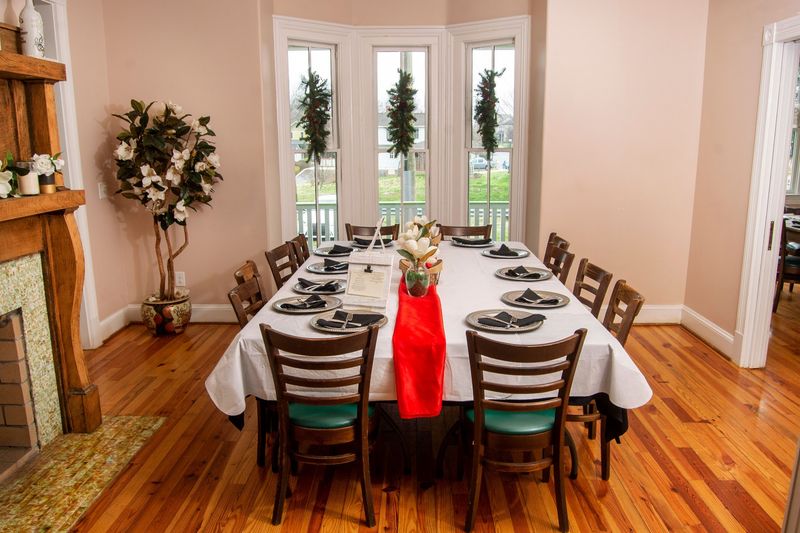
Reading the guest list gave me goosebumps, honestly. Some of the most influential African American performers of the twentieth century stayed here when the concert halls that hired them would not house them.
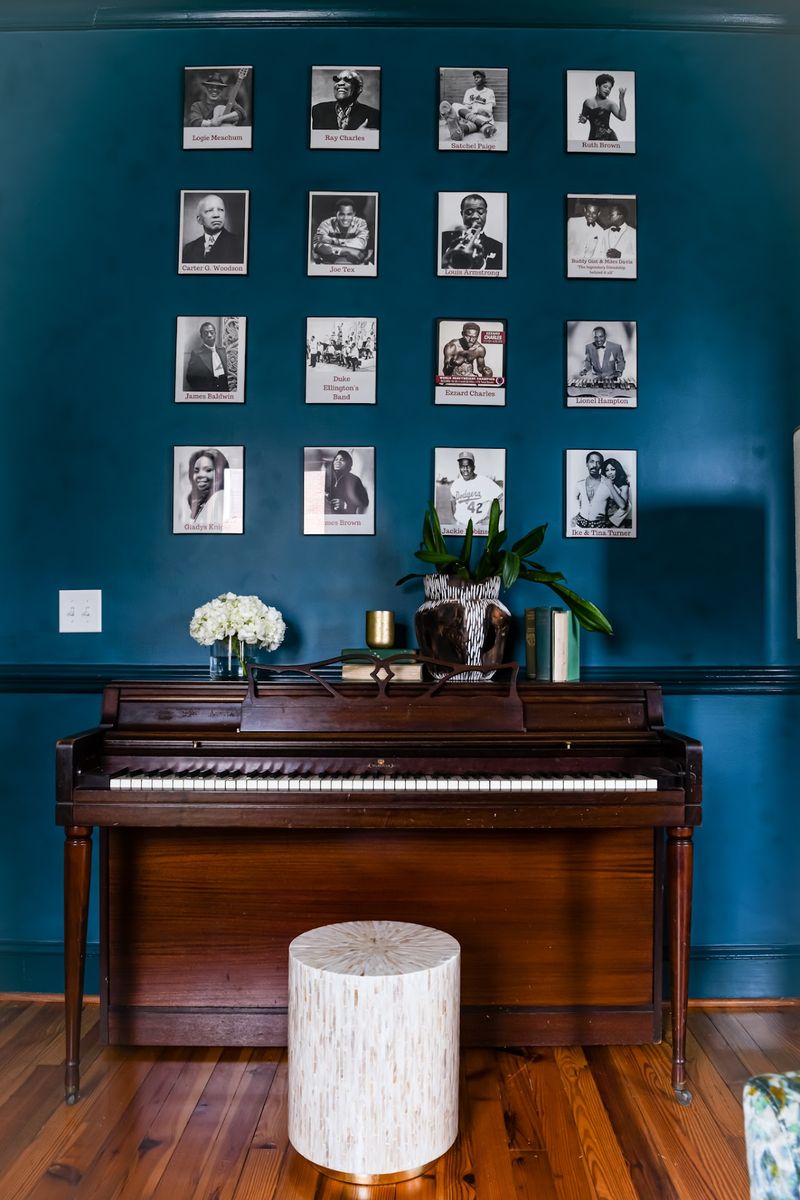
James Brown, Ray Charles, Sam Cooke, Ike and Tina Turner, Miles Davis, and Joe Tex all passed through these rooms. Stories tell of Brown playing with neighborhood children outside and Tex signing autographs on the front porch.
Sports history shows up too. Jackie Robinson and Satchel Paige, two men who cracked open American baseball, rested here between games.
Writers and scholars found the same welcome, including James Baldwin and Carter G. Woodson, whose work still shapes how the country understands its own past.
What struck me most, though, was the less glamorous side of the register. Families visiting students at North Carolina A&T State University and Bennett College booked rooms here because they had nowhere else to go.
Celebrity and everyday life shared the same hallway. I like that detail more than any famous name, because it shows the house never sorted people by fame.
Where Movement Meetings Took Shape
Rooms like this one usually get described as cozy. Here, cozy also meant strategic.
The Gist family stayed active in political reform and civil rights work around Greensboro, and their guesthouse naturally turned into a meeting ground. Organizing takes space, and safe space was hard to come by.
Gatherings for the National Association for the Advancement of Colored People and the Congress on Racial Equality took place inside these walls. The Guilford County Negro Democratic Club held its organizational meeting here, and Arthur Gist was elected treasurer.
Freedom Riders, the activists who challenged segregation on interstate buses, also found shelter at the house during their travels. Picture people arriving tired, planning the next leg of a dangerous trip, then heading back out.
I stood in a doorway trying to imagine the volume of those conversations, whether they were loud with argument or kept deliberately low.
Either way, the house did more than watch history happen. It supplied the table, the chairs, and the privacy that made the work possible, which feels like a quieter kind of courage worth naming.
Arthur and Louise Gist, the Family Behind It All
Behind every good story there is usually someone stubborn enough to build it. In this case, two people.
Arthur Gist served in World War I and worked as a skilled brick mason. Louise, known as Louie, was a college-educated seamstress.
Their combined skills show up in the building itself and in the care guests received. They set out to offer distinguished, upscale accommodations, not a bare-bones stopover, which was a deliberate statement in an era built on daily insult.
Their children carried the family reputation forward in different directions. Herman Gist became a state legislator.
Arthur Gist Jr., known as Buddy, worked alongside musical legends and later founded coffee companies.
Annie Lou Gist earned a Ph.D. and remained active with the NAACP and civil rights causes.
Learning all of that shifted my view of the house from charming landmark to family project. Hospitality here was not a business tactic, it was a stance.
I left thinking about how much quiet planning it must have taken to make strangers feel genuinely respected, night after night, year after year, in a region determined to do the opposite.
Closed Doors and a Second Chance
Progress can have odd side effects. After the Civil Rights Act of 1964 opened hotels and restaurants to everyone, the demand for Green Book lodging dropped sharply.
The Magnolia House kept going for a while as a boarding house into the 1970s, then closed. The building slipped into that fragile category where old houses either get saved or get bulldozed.
Its rescue came in 1996, when Greensboro resident Sam Pass bought the property from Grace Gist, Herman’s widow. He remembered the place from its busier days and understood what would be lost if it disappeared.
Rather than simply patching walls, he aimed to bring the house back as a living history site. That work continues today under his daughter, Natalie Pass-Miller, who leads restoration and programming.
Preservation stories often sound tidy in summary, though anyone who has repaired an old porch knows better. Standing in front of the finished facade, I found the effort obvious in the details.
Straight lines, careful paint, original character intact. The house survived because specific people refused to let it go.
Booking a Night in a Living Museum
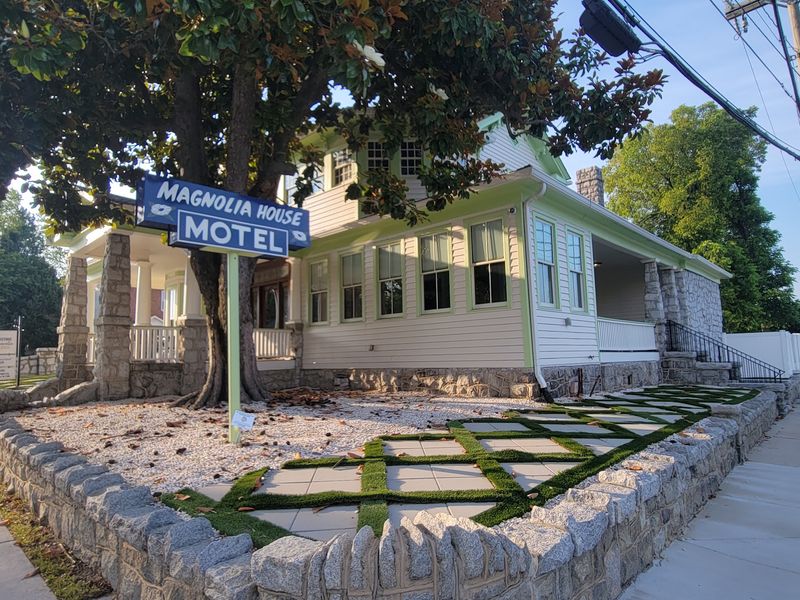
Here is the part that surprised me most: you can actually stay here. The Historic Magnolia House reopened as a boutique hotel and bed and breakfast in January 2022.
Guests sleep in a house that doubles as a living museum, with events and programs built around its history. The recognition it has collected since reopening is impressive.
Listed on the National Register of Historic Places in 1991, the property received individual listing in 2026. In 2023 it joined the African American Civil Rights Network.
Fall of 2022 brought induction into Historic Hotels of America, making it the first Green Book hotel ever given that honor. It was also named a USA TODAY 10Best Bed & Breakfast.
Awards aside, the experience feels personal rather than institutional. Nothing is roped off in that stiff, don’t-touch-anything way.
I walked through rooms that felt lived in, which is exactly the point, since the whole purpose of this building was comfort. Sleeping here means participating in the story instead of reading a plaque about it, and that difference stayed with me.
What the Porch Still Says
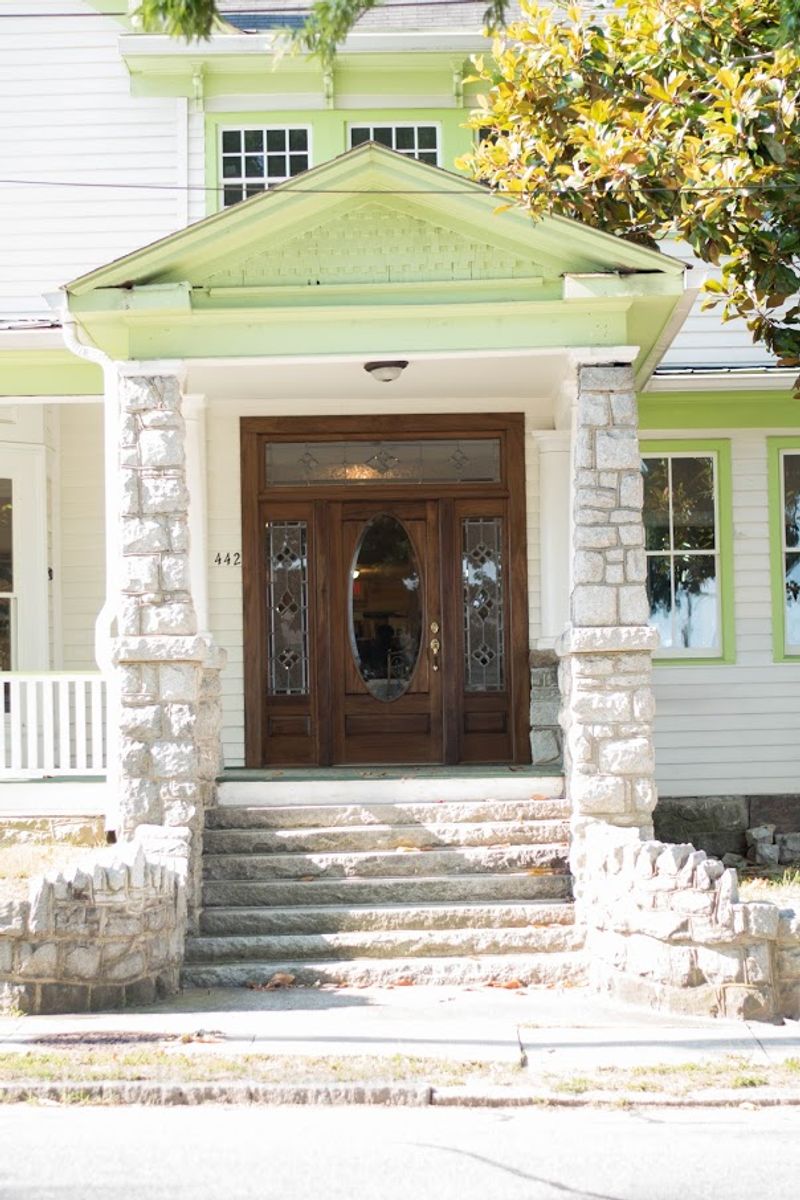
My last few minutes were spent on the porch, not inside. Something about that spot pulls the whole visit together.
Travelers once arrived here after hours of being turned away, and this was the place where the answer finally changed to yes. Hospitality sounds like a soft word until you see what it cost to provide.
The Pass family keeps that thread running, sharing the house’s history with anyone who shows up curious. What they protect is not only wood and plaster but a record of how a community built its own safety when the wider world withheld it.
I would tell anyone passing through Greensboro to give this stop real time, not fifteen rushed minutes. Read the names, sit down, let it sink in.
Plenty of historic sites ask you to imagine the past from a distance. Here you get to walk the same hallway, climb the same stairs, and feel how ordinary kindness became something close to heroic.
That memory has a way of following you home.
Address: 442 Gorrell St, Greensboro, North Carolina 27406
