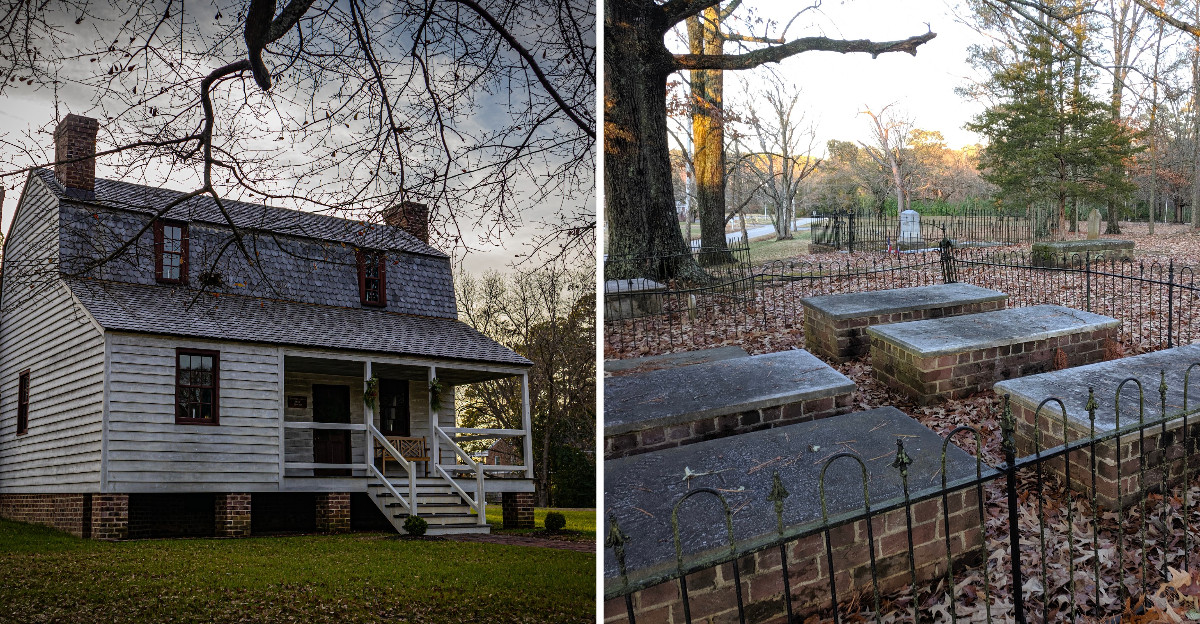
Warm weekday mornings promise quiet detours, but the town that appeared instead helped set America on the road to independence. Shaded streets and soft grass lead past houses built when King George III still ruled the colonies.
What surprised me most is how personal it all feels, since you can walk right up to a 1760s doorway and peek inside a room where real decisions were argued out loud. The state flag carries a date, April 12, 1776, and it originated right here in North Carolina.
Half a day disappeared while wandering between clapboard walls, brick foundations, and a path that drops toward the Roanoke River. The history is not behind glass here; it lives in the doorframes and the worn floorboards.
By the time I left, I understood why people keep calling this little place the birthplace of freedom. Even the quieter corners reward a closer look, with old taverns, homes, and public buildings revealing how an ordinary colonial community functioned.
It is easy to slow down here, especially when each short walk seems to uncover another piece of the story.
The Halifax Resolves and Why April 12, 1776 Matters
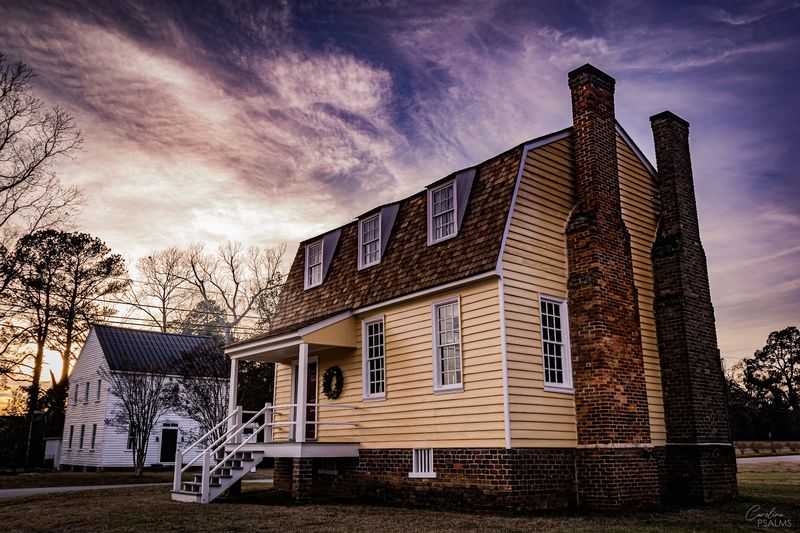
Before I visited, I honestly thought North Carolina sat on the sidelines during the Revolution. Turns out the opposite is true.
In April of 1776, the Fourth Provincial Congress gathered right here in Halifax, and on the twelfth of that month the delegates unanimously adopted a resolution now called the Halifax Resolves. It was the first time an entire American colony officially told its representatives to vote for independence from Great Britain.
That happened almost three months before the Declaration of Independence was signed in Philadelphia. Eighty-three delegates put their names behind the idea when doing so was genuinely dangerous.
Look closely at the North Carolina state flag and you will spot the date April 12, 1776 printed across it. I had seen that flag hundreds of times without ever knowing what the numbers meant.
The visitor center explains the whole sequence with clear panels and maps, and the staff are happy to fill in the gaps. Start there before you walk the grounds, because the buildings mean much more once you understand what was decided inside them.
It reframes the entire town. Small place, enormous consequence.
Eagle Tavern and the Tap Room, Where Travelers Once Landed
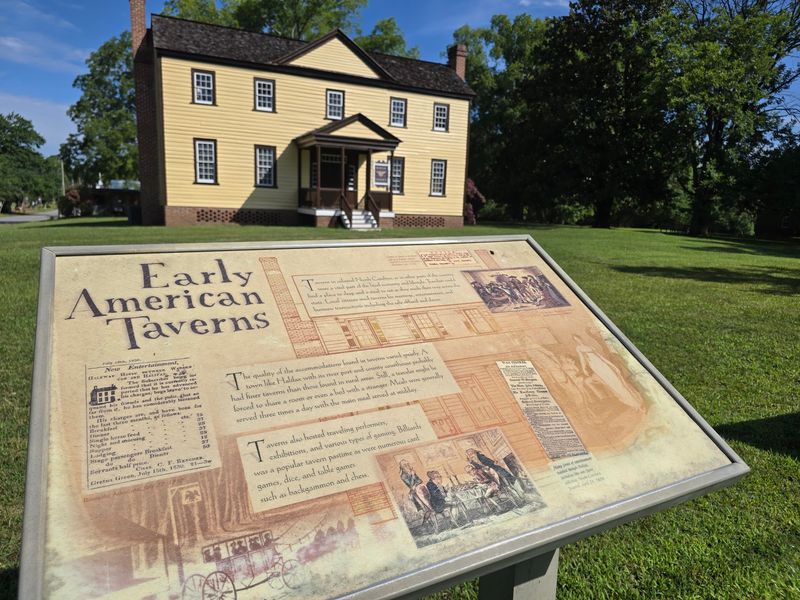
Old taverns were the internet of the 1700s, and the two here prove it. News arrived by horse, by boat, and by loud conversation.
The Tap Room goes back to 1760, making it one of the oldest structures still standing on the site. Eagle Tavern followed in 1790 and is the larger of the pair, with a long facade and rooms that once welcomed merchants, lawyers, and anyone passing through the river port.
I found Eagle Tavern open during my visit, and stepping through the doorway was the closest thing to time travel I have felt in a while. The floorboards creak in a way that no modern reproduction ever manages.
Picture the room full of travelers swapping rumors about the British fleet or the price of tobacco downriver. Decisions that shaped a colony probably got hashed out over supper here long before they reached any formal meeting.
Interpretive signs and furnished spaces help you imagine the noise and bustle. Give yourself time to linger rather than rushing to the next stop, because the details in the woodwork are half the fun.
The Owens House, a Merchant’s Home from 1760
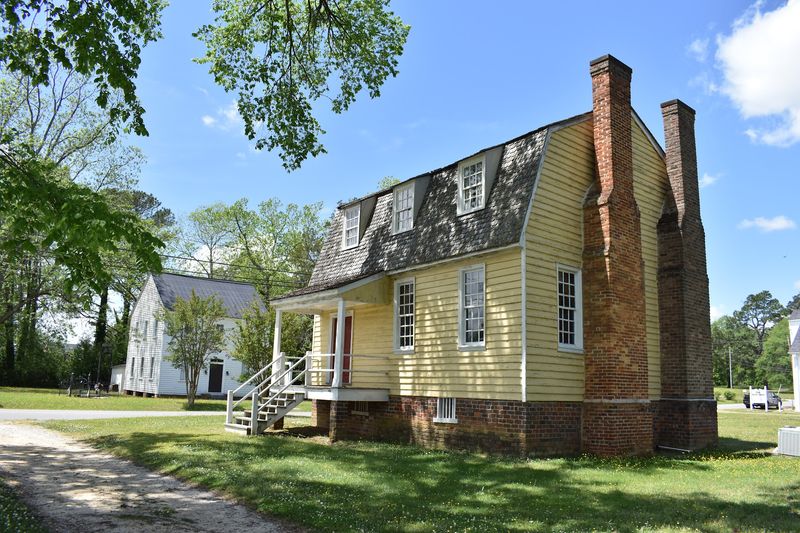
Some houses feel grand. The Owens House feels lived in, which is exactly why I liked it.
Built around 1760, it belonged to a successful merchant at a time when Halifax was humming as a commercial center on the Roanoke River. Goods moved upriver and down, and men who understood trade did very well for themselves.
The rooms are furnished with period pieces, so you get a real sense of scale. Ceilings sit lower than you expect, windows are smaller, and the whole space was designed around firelight and daylight rather than switches on the wall.
What struck me was the mix of practicality and pride. A merchant’s home had to show a little status to visiting business partners while still functioning as a working household.
Guides often point out construction details you would otherwise walk right past, things like hand-planed trim and original hardware. Ask questions, because the staff genuinely enjoy the conversation.
It also gives useful context for the political story. The men who signed the Halifax Resolves lived in houses like this one, not marble halls.
Bradford-Denton House, Complete With Kitchen and Blacksmith Shop
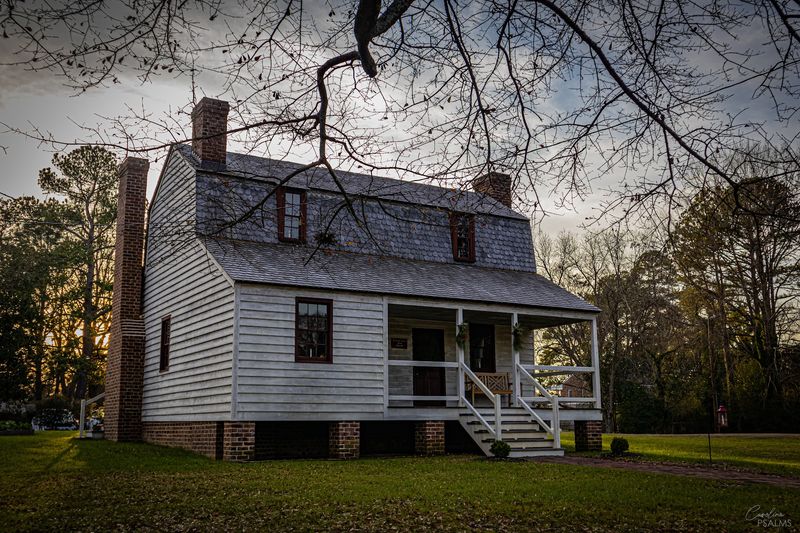
Here is the stop that made history feel like actual work instead of a list of dates.
The Bradford-Denton House dates to 1760 and once belonged to Colonel Micajah Bradford, who served as a delegate to that pivotal Fourth Provincial Congress. So the man who lived inside these walls had a direct hand in the vote for independence.
What sets this property apart are the newer replica outbuildings. A working kitchen and a blacksmith’s shop have been reconstructed on the grounds, showing the side of colonial life that rarely makes it into textbooks.
Cooking happened away from the main house because of fire risk and heat, and the kitchen setup makes that obvious the moment you see it. The blacksmith shop is equally grounding, with the forge reminding you that every nail and hinge in town came from somebody’s hammer.
During special events you may catch demonstrations, which are worth timing your trip around. Reenactments happen at the site periodically, so a quick call ahead can pay off.
Kids especially perk up here. Tools beat plaques every time.
The Sally Billy House and Its Unusual Three-Part Design
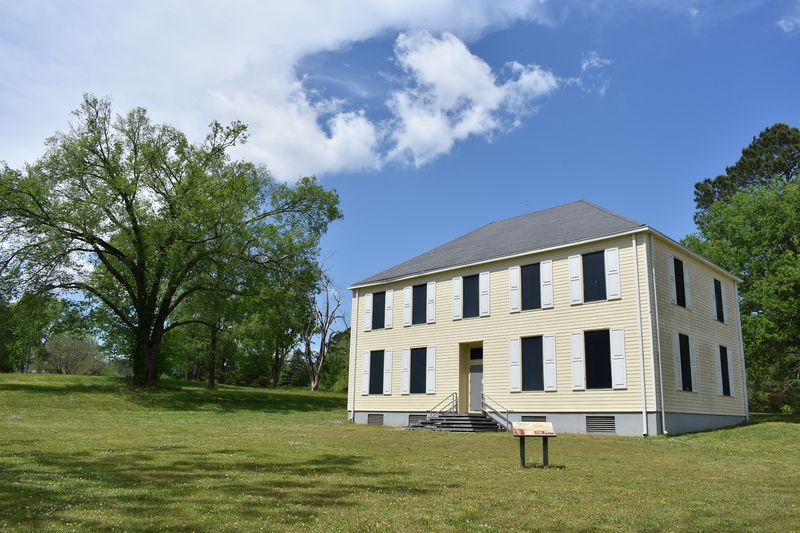
Architecture nerds, this one is for you, and honestly it converted me a little.
Built in 1808, the Sally Billy House shows off a tripartite design that was popular among Halifax County planters in the early 1800s. Tripartite simply means three parts: a central block with matching wings on either side, arranged for balance.
Standing back from it on the lawn, the symmetry clicks into place. The house looks calm and orderly, which was exactly the point for wealthy families wanting to project stability.
It also marks a shift in time. Most of the site sits firmly in the Revolutionary era, while this one steps into the young republic, when Halifax was still prosperous and fashions in building had moved on.
Comparing it side by side with the 1760s homes nearby is the real treat. You can watch taste change across a few decades just by walking a couple hundred yards.
Bring a camera. The proportions photograph beautifully in late afternoon light, especially when the crepe myrtles along the streets are blooming.
Law Office, Clerk’s Office, and the 1838 Jail
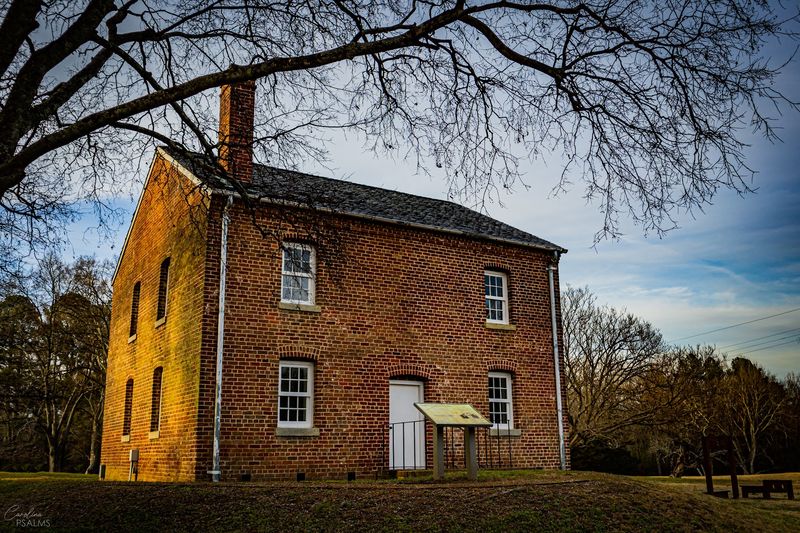
Courthouse towns have a particular rhythm, and Halifax kept its legal buildings close together.
The Burgess Law Office, built in 1806, served attorney Thomas Burgess as both his workplace and townhouse. It is compact, tidy, and a good reminder that a country lawyer’s office did not need much square footage to matter.
Nearby sits the Clerk’s Office from 1832 or 1833, where records were kept and the everyday machinery of county government ground along. Deeds, wills, court filings, all of it passed through a room like that one.
Then there is the jail, finished in 1838 and open for visitors to walk through. I will admit the cells gave me a chill, since the thick walls and small barred openings make the reality of nineteenth century confinement very clear.
Several reviewers mention the jail as a highlight, and I understand why. It is the least romantic building on the site and maybe the most honest.
Together these three show the unglamorous side of a functioning town. Independence was declared here, but somebody still had to file the paperwork.
The Riverside Path, Magazine Spring, and the Old Town Cemetery
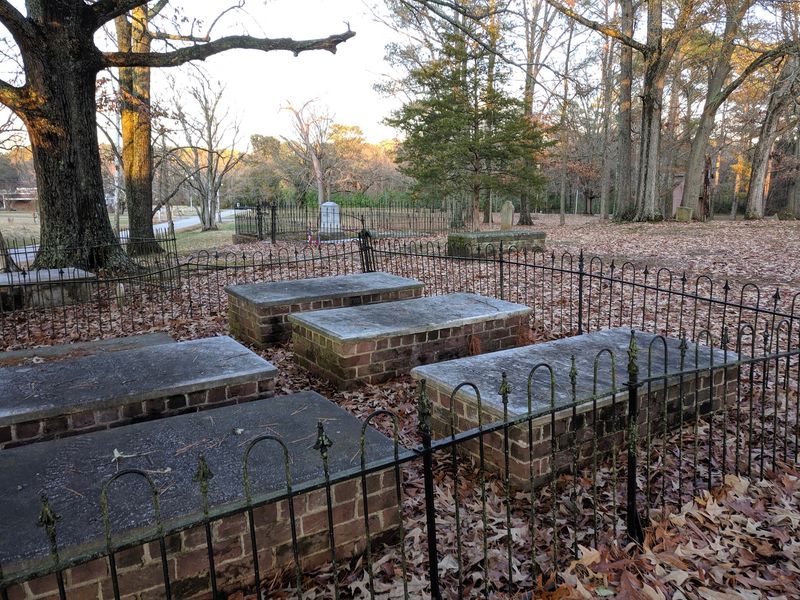
My favorite stretch of the visit had almost no buildings in it at all.
A quarter-mile interpretive path leads from the historic area down toward the Roanoke River, ending at an overlook near where an early ferry landing once operated. There is a bench up there, and the water moves slowly enough that you can sit and think without much interruption.
The trail also tells the story of the Underground Railroad and the enslaved people whose lives were bound to this port. It is a thoughtful, sobering addition to the site, and it deserves unhurried attention.
Along the way you can find the magazine spring, which supplied the town with water for generations. Market Square and the old town cemetery fill in more of the picture, along with the Montfort House archaeological exhibit built over original foundations.
One practical note from visitors: the gate toward the river closes earlier than the museum, so head down before four in the afternoon.
Plan on half a day minimum for everything. The site is open Tuesday through Saturday, nine to five.
Address: 25 Saint David Street, Halifax, North Carolina
