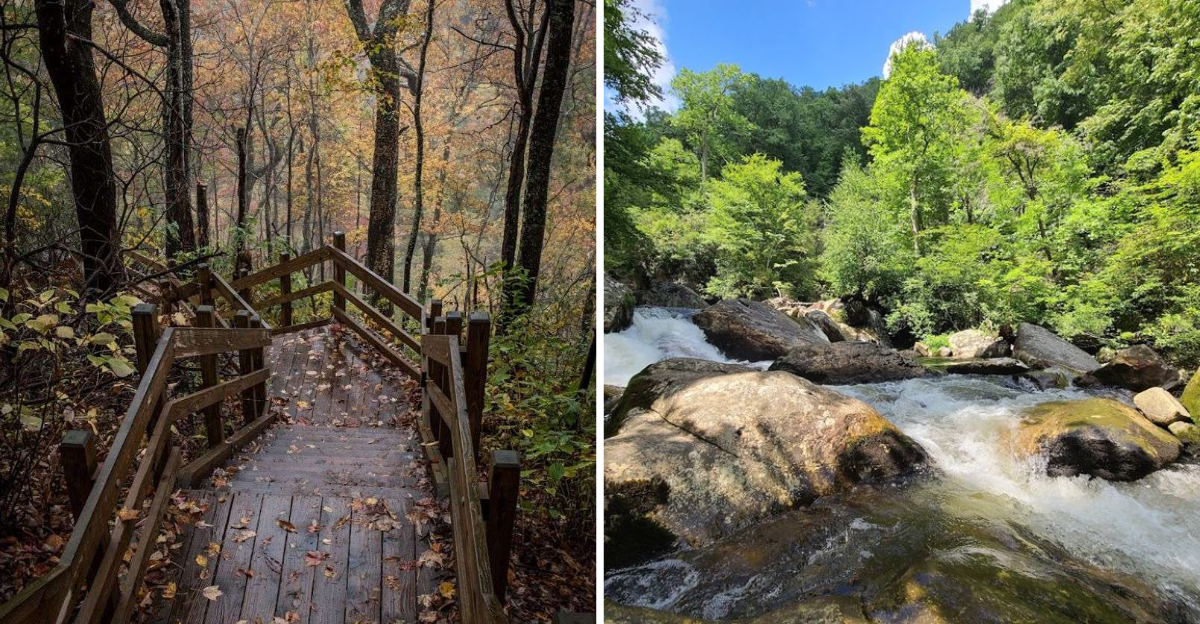
The roar reaches you before the view does, and then that North Carolina waterfall appears, all 411 feet of it crashing down through ancient rock and mist. I had heard about this spot from a friend who kept saying I needed to go, and honestly, I should have listened sooner.
That place holds the title of the highest waterfall east of the Rockies, which sounds like a big claim until you actually see it and realize the title barely does it justice. I stood at the overlook, the spray hitting my face, and watched the water drop into the gorge below.
The trail is short, the scenery is lush, and the experience feels like stumbling into a secret even though thousands of people visit every year. If you are looking for a cool-off spot on a hot summer day or just need a reason to get outside, that place delivers in every possible way.
The Waterfall That Holds a Record Worth Seeing
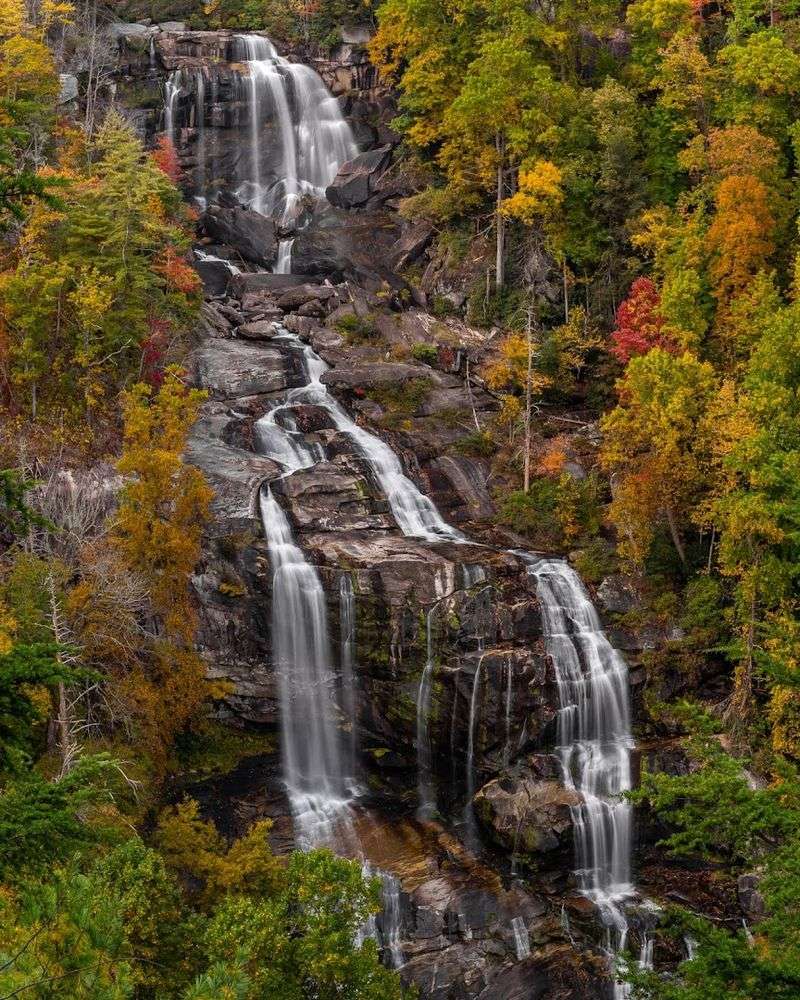
Some waterfalls are pretty. Whitewater Falls is something else entirely.
Upper Whitewater Falls drops a jaw-dropping 411 feet, earning its title as the tallest waterfall east of the Rocky Mountains. That is not a tourist board exaggeration.
That is a geological fact backed up by the sheer force of water you feel even from the viewing overlook.
The falls exist because of the Blue Ridge Escarpment, a dramatic drop in elevation where the mountains give way to the Piedmont. That transition creates the kind of terrain that produces waterfalls like this one, powerful, loud, and relentless.
The Whitewater River has been carving through this landscape for thousands of years, and the result is nothing short of spectacular.
A few miles downstream, across the state line into South Carolina, Lower Whitewater Falls drops another 400 feet. Together, the two falls create one of the most impressive natural water systems in the entire eastern United States.
Most visitors only see the upper falls, which is reason enough to make the trip.
The sound alone is worth the drive. From the upper overlook, you can hear the thunder of the water long before you see it, and that first glimpse through the trees genuinely catches you off guard.
There is real power in watching something that massive move that fast, and it reminds you just how wild this corner of North Carolina still is. No filter needed, no hype required.
Getting There: What to Know Before You Go
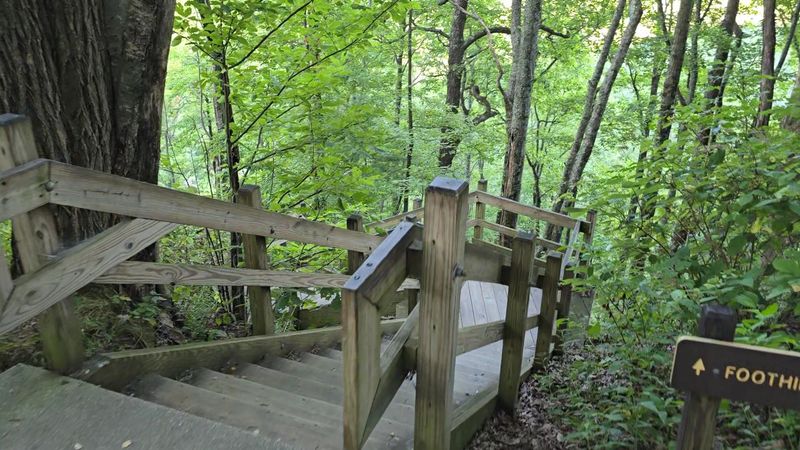
Finding Whitewater Falls is straightforward once you know what to look for. The recreation area sits off NC 281 South in Jackson County, close to the Cashiers and Sapphire communities.
Google Maps can sometimes drop pins in odd spots on this road, so keep your eyes open for signs pointing to White Water National Forest and the Foothills Trail rather than relying entirely on your phone.
The parking area is large and paved, with space for regular vehicles and RVs. There is a small day-use fee of three dollars per vehicle, paid via an honor system kiosk at the trailhead.
If you have a national park annual pass, that works here too, which makes the stop essentially free.
Restrooms are available on site, which is a genuine convenience when you are out on a road trip. Potable water is not provided, so bring your own.
A few picnic tables are scattered around the area, making it easy to pack a lunch and turn this into a full afternoon outing rather than just a quick stop.
The recreation area is open year-round from dawn until dusk. Morning visits are ideal if you want the parking lot to yourself and a quieter experience overall.
Midday on weekends and holidays tends to draw the biggest crowds. Dogs are welcome on leash, which makes this a solid option for four-legged travel companions looking for their own adventure in the mountains.
The Trail Experience: Easy Enough for Almost Everyone
The trail to the main overlook is one of the more accessible hikes you will find in the Nantahala National Forest. It is a paved, quarter-mile walkway that runs from the parking area to the upper viewing platform, with a gentle incline and wooden benches placed at regular intervals.
Families with strollers, visitors using wheelchairs, and older hikers all manage this stretch without much trouble.
The forest on either side of the path feels alive in the best way. Cove forest species line the route, with mosses, ferns, and wildflowers filling in the ground cover.
Salamanders are common in the wetter sections, and the canopy overhead keeps the trail shaded and cool even on warmer days.
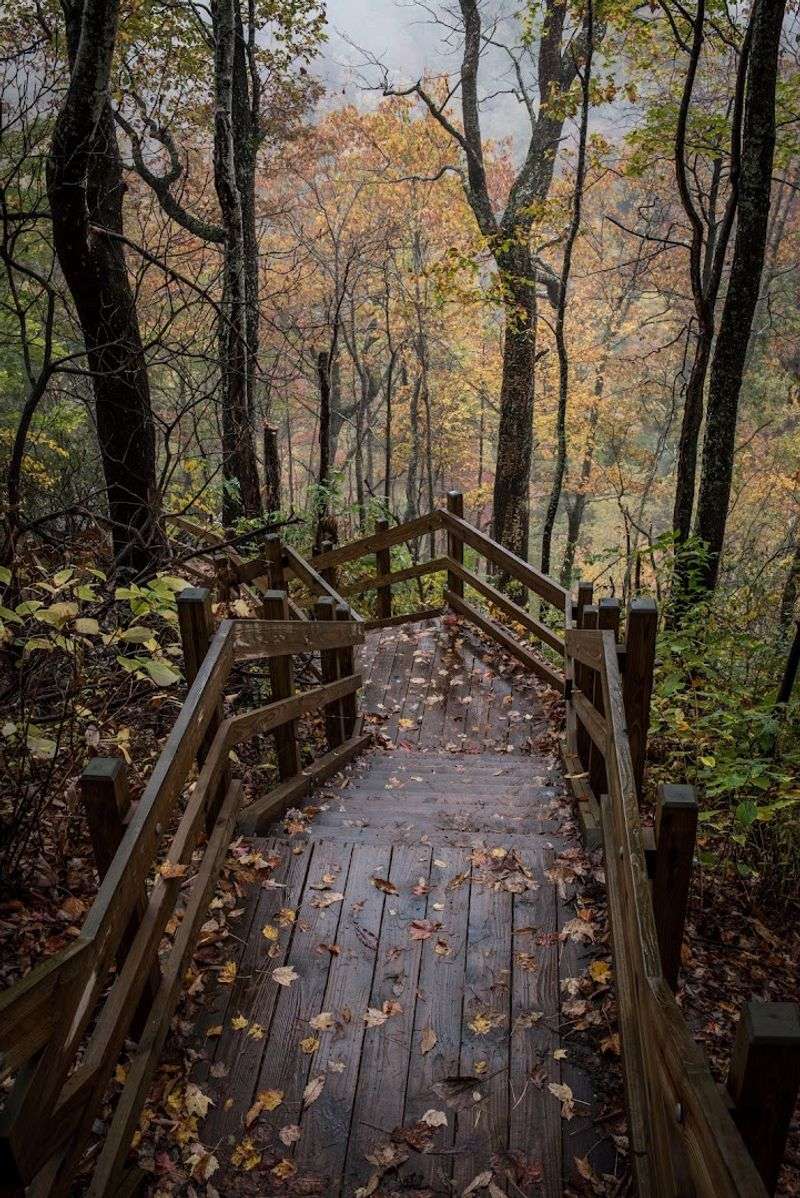
For those wanting a closer look, 154 wooden steps lead down from the upper overlook to a lower observation deck. That lower platform gives you a more centered, head-on view of the falls and a genuine sense of their scale.
Going down is straightforward. Coming back up takes a little more effort, but most visitors find it well worth the burn.
The trail to the lower deck is not wheelchair accessible, but the upper overlook still delivers a genuinely impressive view. Benches are available partway down the stairs too, which makes the descent feel less daunting.
Afternoon sun sometimes catches the mist just right and throws a rainbow across the face of the falls. That kind of moment is hard to plan for but impossible to forget when it happens.
Swimming Near the Falls: The Real Story
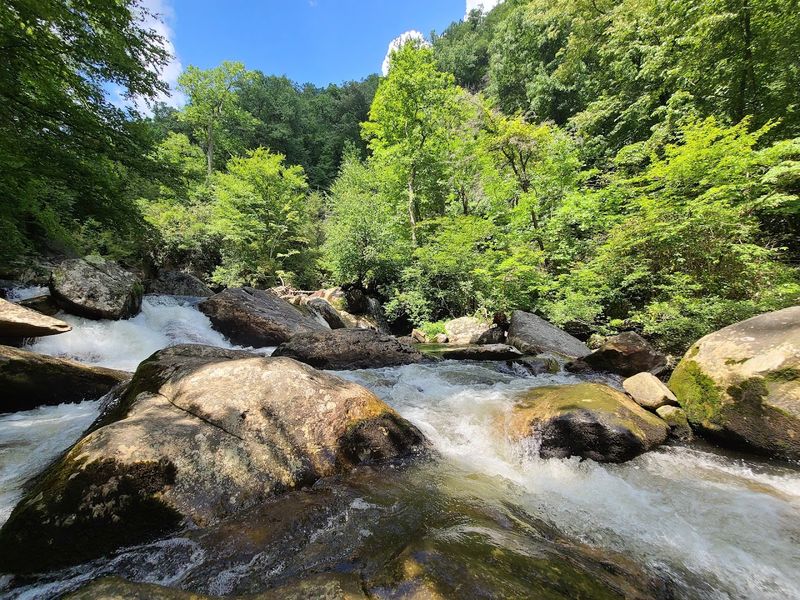
The idea of swimming right up to a waterfall sounds like a dream, and at Whitewater Falls, the reality is more complicated but still worth understanding. There is a spot near the base of the falls that hikers have described as a popular swimming area, with large flat rocks for sitting and cold, clear mountain water flowing around them.
Getting there, though, is a serious undertaking.
From the lower observation deck, a spur trail descends roughly 600 feet in elevation over about half a mile to reach the Whitewater River and the Foothills Trail. The path is steep, often slippery, and not well-marked.
Rangers and safety officials strongly recommend this route only for experienced hikers in solid physical condition. The rocks throughout this area are notoriously slick, even when they appear dry.
Authorities have issued clear warnings about venturing off established trails near the falls. The current in the Whitewater River can be deceptively powerful, and the area directly below an active waterfall creates hydraulic forces that are genuinely dangerous.
Fatalities have occurred here, and that is not something to take lightly.
If you are a strong hiker who knows how to read terrain and respects water safety, the river access below is a stunning reward. If you are visiting with kids or are newer to trail hiking, the overlooks deliver more than enough magic without the added risk.
The falls are extraordinary from every vantage point, no swimming required to have a memorable experience.
Best Times to Visit and What to Expect Each Season
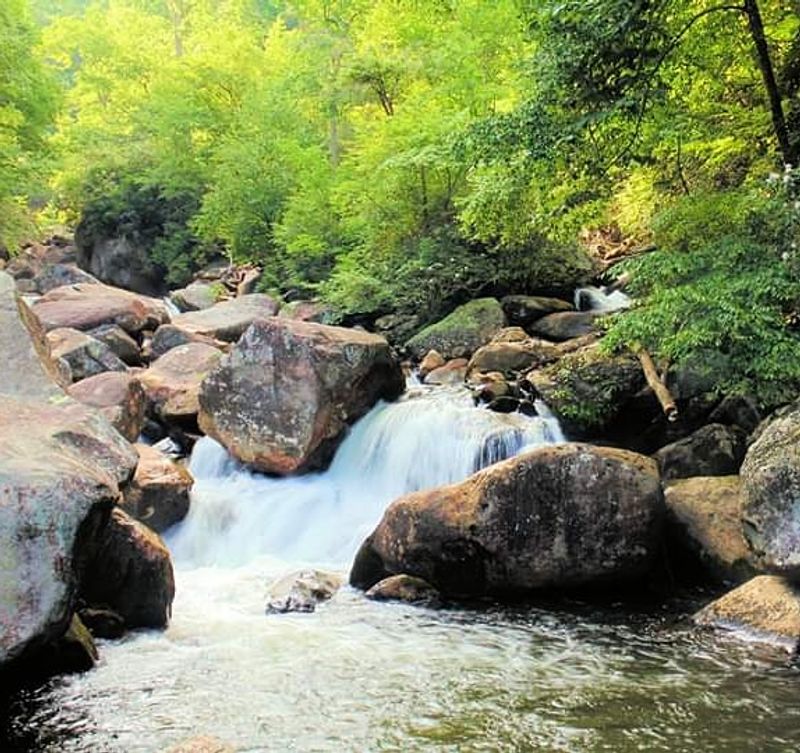
Whitewater Falls is open year-round, and each season brings something genuinely different to the experience. Spring is arguably the most dramatic time to visit.
Snowmelt and spring rains push the water volume up significantly, and the falls roar with an intensity that is hard to match. The surrounding forest fills in with wildflowers and fresh green growth, making the whole trail feel like a scene from a nature documentary.
Summer draws the biggest crowds, especially on weekends and holidays. Arriving early in the morning or later in the afternoon helps you avoid the midday rush at the parking lot.
The tree canopy keeps the trail shaded and relatively cool, which makes even a summer visit comfortable as long as you bring water.
Fall is when the scenery becomes almost unfair in its beauty. The hardwood forest surrounding the falls turns gold, orange, and deep red, framing the white cascade in a way that makes every photo look professionally composed.
Peak fall color typically arrives in mid to late October in this part of the mountains, though the exact timing shifts year to year.
Winter visits are quiet and often underrated. The crowds disappear almost entirely, parking is easy even at midday, and the falls take on a stark, powerful character that feels different from every other season.
Ice occasionally forms on the rock face near the falls, adding an unexpected visual element. Going off-season is a genuinely good call if your schedule allows it.
Tips for Making the Most of Your Visit
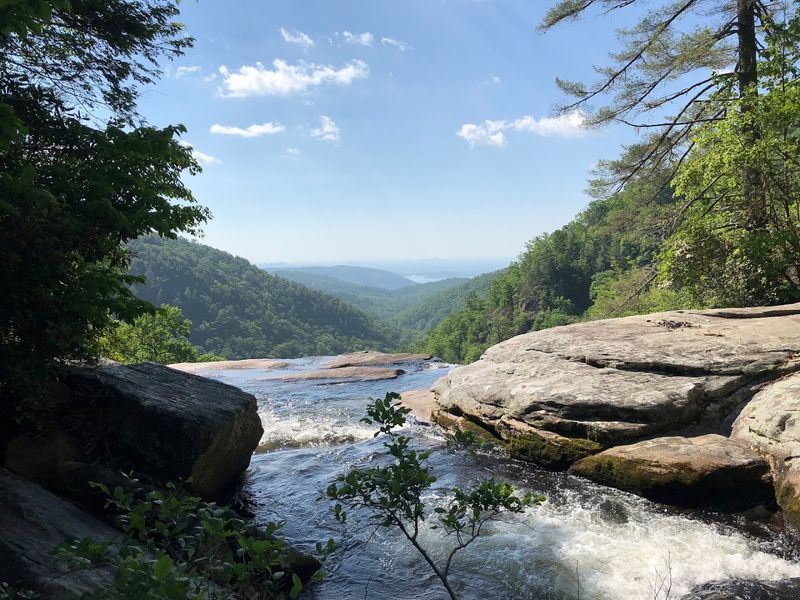
A little preparation goes a long way at Whitewater Falls, even though the main trail is short and easy. Bringing cash or having a payment app ready for the three-dollar parking fee saves you a small headache at the kiosk.
Your national park annual pass covers the fee entirely, which is worth knowing if you visit federal recreation areas regularly.
Wear shoes with decent grip. The paved trail is smooth, but the wooden steps to the lower overlook can get slick when wet.
Sandals and flip-flops work fine for the upper overlook but become a liability on the stairs. Comfortable sneakers or light hiking shoes are the practical call for most visitors.
Bring more water than you think you need. There is no potable water available at the site, and the mountain air combined with the short hike can leave you thirstier than expected.
A small snack and a blanket for one of the picnic tables turn a quick stop into a relaxed afternoon.
Photography fans should note that afternoon sun hitting the mist from the falls sometimes creates a visible rainbow at the lower overlook. Early morning light gives the forest a softer, more atmospheric quality that photographs beautifully.
The falls themselves are photogenic at any hour, but golden hour visits tend to produce the most dramatic results.
The address for the recreation area is 101 Whitewater Falls Ln, Cashiers, NC 28717. Plug that directly into your navigation app and watch for the National Forest signage along North Carolina 281 South.
