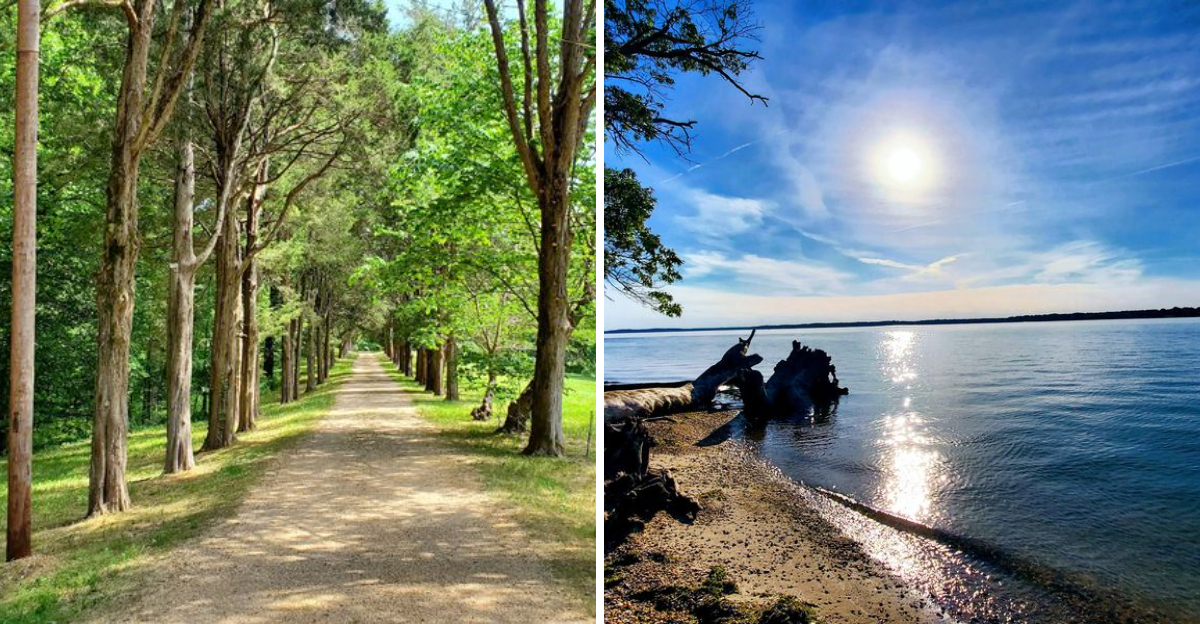
Some Maryland state parks announce themselves with famous views, crowded parking lots, and enough online photos to spoil the surprise before you arrive.
This one feels refreshingly different, with more than 800 acres of mature forest, rare plants, Potomac River scenery, trails, and a historic mansion connected to a prominent Maryland family.
Bald eagles are also known to frequent the area, which is a pretty impressive bonus for a place that still manages to fly under many weekend-trip radars.
It is the kind of park where a simple walk can unexpectedly turn into a mix of nature, waterfront scenery, and local history without requiring an overstuffed itinerary.
For anyone who likes Maryland escapes that feel discovered rather than advertised, this overlooked park makes keeping a lower profile look very appealing.
The Quiet Arrival That Sets the Whole Mood
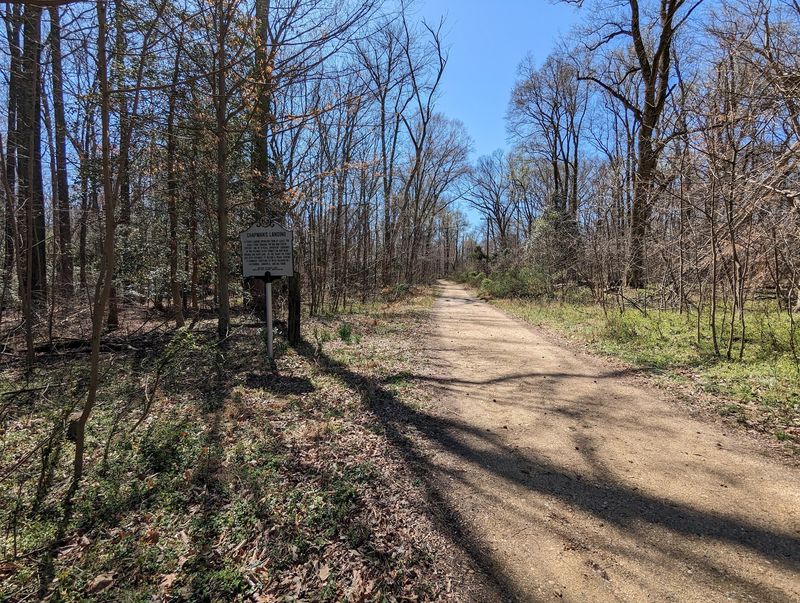
Most parks announce themselves. Chapman does the opposite.
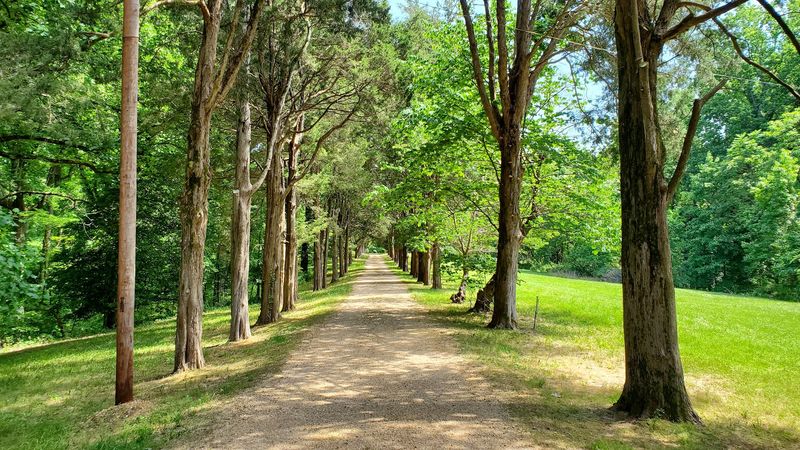
The main gate usually stays closed to vehicles except during special events, so visitors park near the entrance and slip through a walk-in gate instead. That small detail changes everything about the visit, because the moment feet hit gravel, the noise of the road disappears behind a wall of trees.
Entry costs nothing, which still surprises people who expect a booth and a line of cars. The park runs sunrise to sunset, with exceptions built in for anglers, boaters, and permitted hunters who may need to be there outside posted hours.
Restrooms are available on site, and that is worth knowing before setting out on the longer loops. The park also follows a trash-free policy, meaning whatever gets carried in has to be carried back out again, snack wrappers included.
Pets are welcome, which makes it a favorite for anyone with a dog who needs miles rather than minutes. Just keep in mind that the trails here are foot-traffic only, so bikes stay in the car.
What sticks with visitors is the hush. No snack stand, no piped music, no crowd shuffling toward a viewpoint.
Arriving early rewards the effort, since the light through the ravines in the first hour is genuinely lovely and the birdsong is at full volume. Bring water, bug spray in warmer months, and shoes that can handle roots.
The lack of fuss is the whole appeal here.
Mount Aventine and the Long Story Behind It
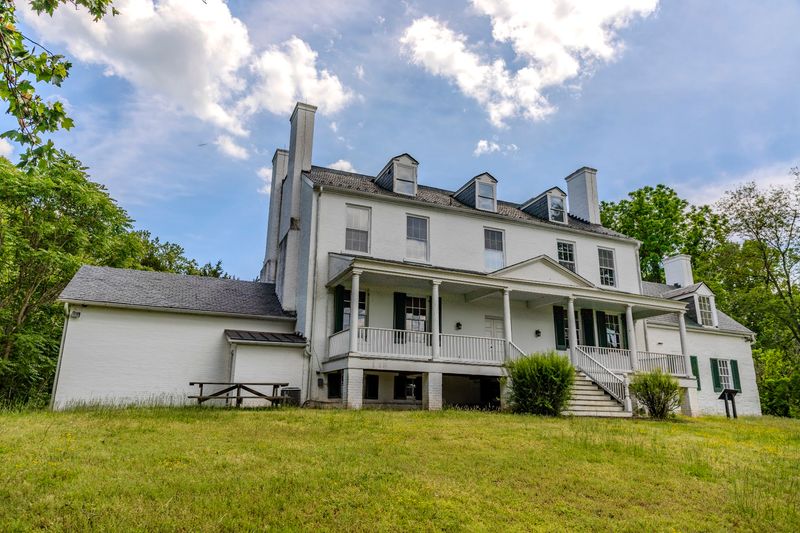
A pale mansion sitting on a rise above the trees is not what most hikers expect to find inside a state park. Mount Aventine has been there, in one form or another, since about 1840, with expansions added in the 1860s.
The Chapman family started a 580-acre plantation on this ground back in 1751, and the property grew into something far more complicated than a country home.
It functioned as a tobacco plantation, a ferry landing, and a fishery, and those operations depended on the forced labor of enslaved Africans and African Americans.
Naming that history matters, because the beauty of the setting and the truth of what happened here exist in the same place. Interpretive programs at the park address both.
During the Civil War, the mansion’s cupola served the Federal government as a signal station, which makes sense once the view of the Potomac comes into focus. From up there, river traffic would have been easy to track.
Maryland acquired the land in 1998 after a preservation push through the 1990s, and the mansion came with it. Without that effort, this shoreline would likely look very different today.
The house hosts open house events every Sunday from April through September, with guided nature walks, history talks, and activities aimed at kids. Those Sundays are the best window for anyone curious about the interior and the layered story attached to it.
Photographers tend to linger on the lawn.
Two Miles of Potomac Shoreline Almost Nobody Talks About
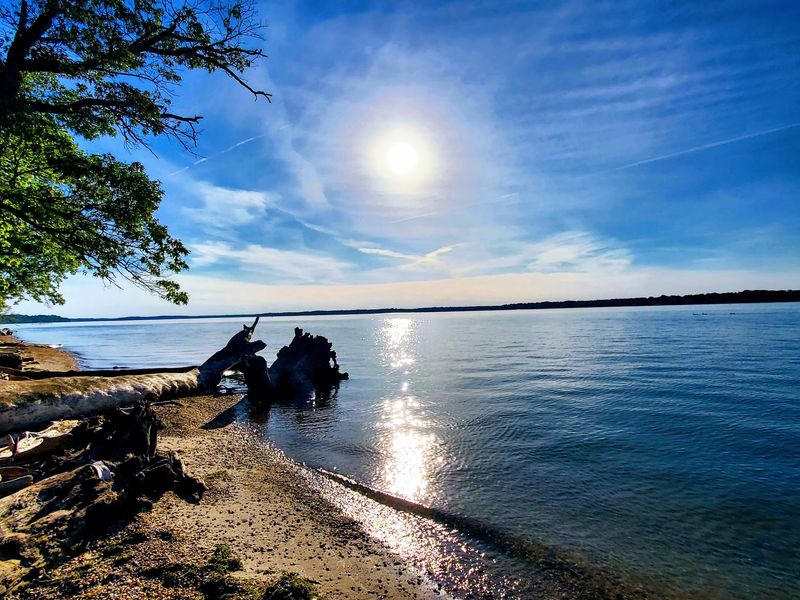
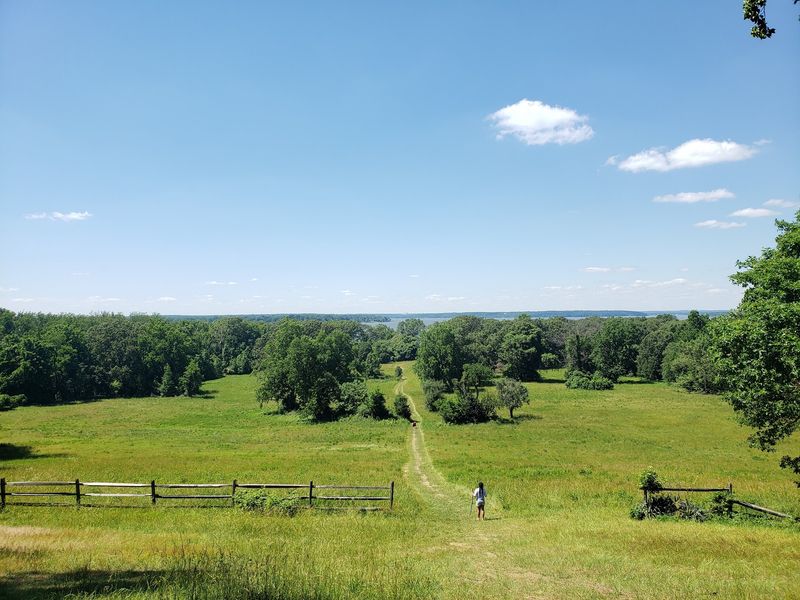
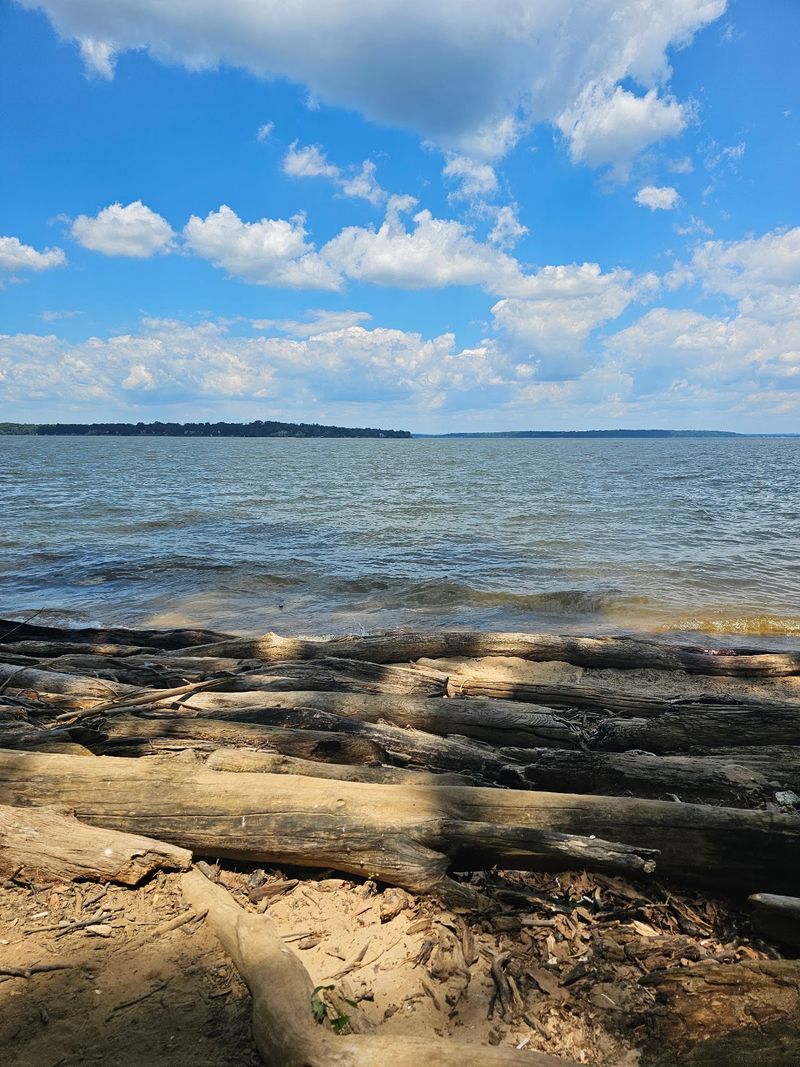
Reaching the water takes a little work, and that is exactly why the shoreline stays so quiet. More than two miles of Potomac River frontage sit at the bottom of the park’s wooded slopes.
The riverbank here is not a manicured beach. Expect driftwood, coarse sand, smooth stones, and the occasional fallen tree stretching out into the shallows.
Across the water lies Northern Virginia, close enough to see clearly, which creates an odd contrast between the developed far bank and the wild near one. Boat wakes roll in every so often and then the surface goes glassy again.
Late afternoon is the sweet spot. The light comes in low and warm, the wind usually settles, and eagles often work the shoreline looking for fish.
Sitting on a log down there for twenty minutes does something for the nervous system that no app can replicate. Sound carries strangely across open water, so distant voices arrive softly and then vanish.
This stretch of river was once busy in a very different way, with a public wharf that served steamboats running between Washington, D.C., and the Chesapeake Bay. The ferry itself dated to the 1780s and linked Charles County with Virginia.
Standing water levels shift with the tide, so footing near the edge can change between visits. Watch for slick clay after rain.
Pack out any trash, including anything that washed up.
The Potomac River Trail, Easy Enough for Almost Everyone
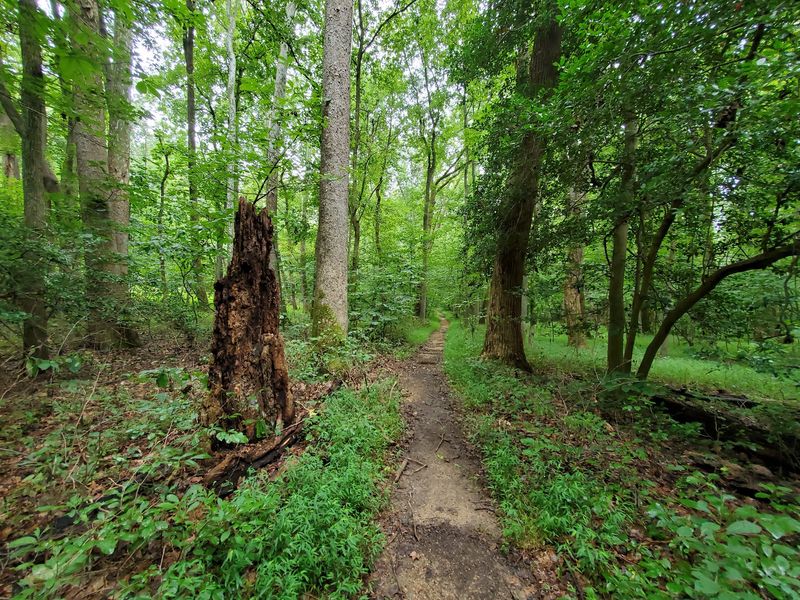
Families looking for a first real hike tend to land on this one, and it delivers without wrecking anyone’s legs. The Potomac River Trail runs about 1.6 miles and threads through old-growth forest toward river views.
Footing is mostly dirt and packed leaf litter, with roots to watch and a few gentle grade changes. Nothing about it feels punishing.
Kids do well here because the scenery keeps changing. One minute the path is closed in by tall trunks, the next there is a gap and the river appears through the branches.
Some of the trees along the route are seriously old, part of the mature coastal woodland that once blanketed the Potomac tidewater. Several specimens in the park have been nominated for state and national big tree champion status, which is a fun thing to mention to a bored ten-year-old.
The trail is foot traffic only, so the surface stays soft and the atmosphere stays calm. No bells, no tires, just footsteps.
Bring more water than seems necessary in July, since the humidity in these ravines can be heavy even under shade. Cooler months bring long sightlines once the leaves drop.
Trail markers are present, though a downloaded map is a smart backup given how thin cell service can get under heavy canopy. Turn around points are easy to judge.
An unhurried pace suits it best. Rushing here misses the point entirely.
Going Longer on the Chapman State Park Loop
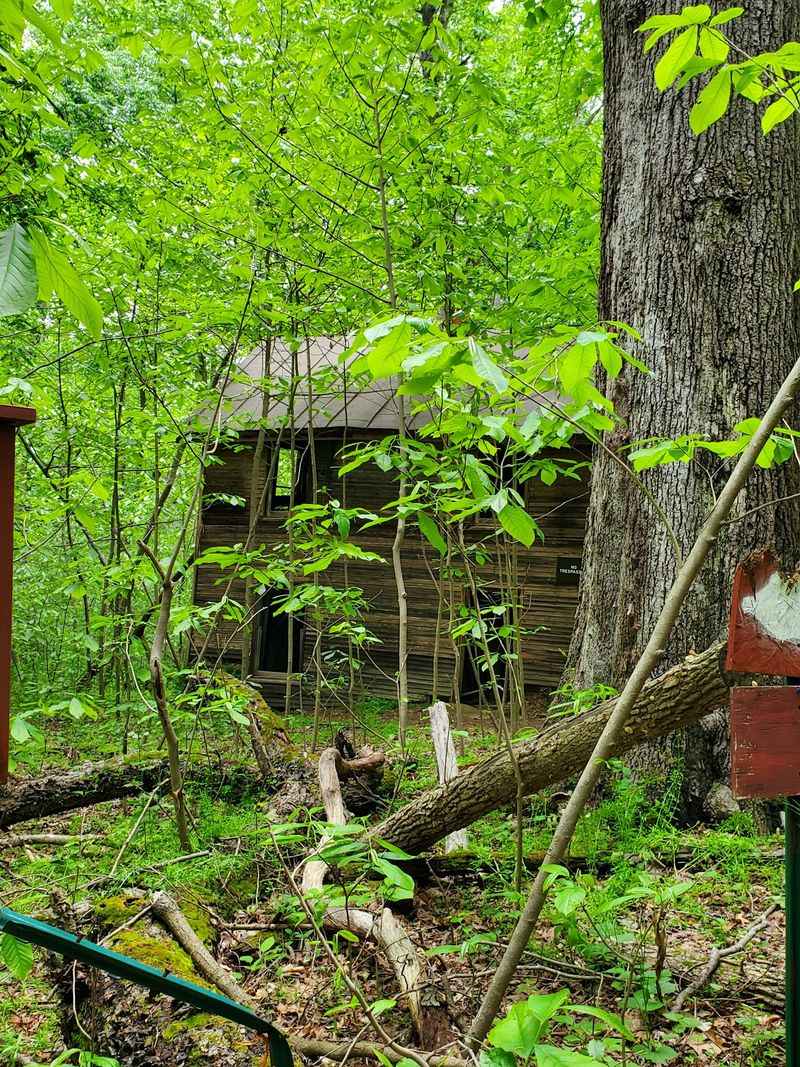
For anyone who wants real distance, the 3.8-mile loop is the one to circle on the map. It moves through marshland and woodland and gives a fuller sense of just how varied these 829 acres are.
The route pieces together several habitats. Oak-hickory terraces give way to steep ravines, then bottomland woods where the ground turns spongy after rain.
Elevation changes are modest by mountain standards but frequent enough to keep the legs honest. Descending into a ravine and climbing back out repeats a few times.
Marsh sections near Mattawoman Creek smell green and alive, especially in spring. Frogs go quiet as boots approach and start up again once the noise passes.
Mud is a real factor after wet weather, so boots beat sneakers on this loop. Gaiters are overkill, but dry socks in the bag are not a bad call.
Solitude comes easily. Long stretches pass without another person, which is remarkable for a park this close to Washington, D.C.
Over 1,000 acres of forest interior sit inside the park boundary, and that scale is what makes the quiet possible. Interior forest is rare in this region, and it shows in how undisturbed the woods feel.
Allow two to three hours at a comfortable pace with stops. Starting in the morning leaves margin for detours toward the river.
Snacks help. So does a paper map.
A Forest Full of Rarities, Including Cactus in Maryland
Native cactus growing in a Maryland forest sounds like a mistake in the guidebook. It is not.
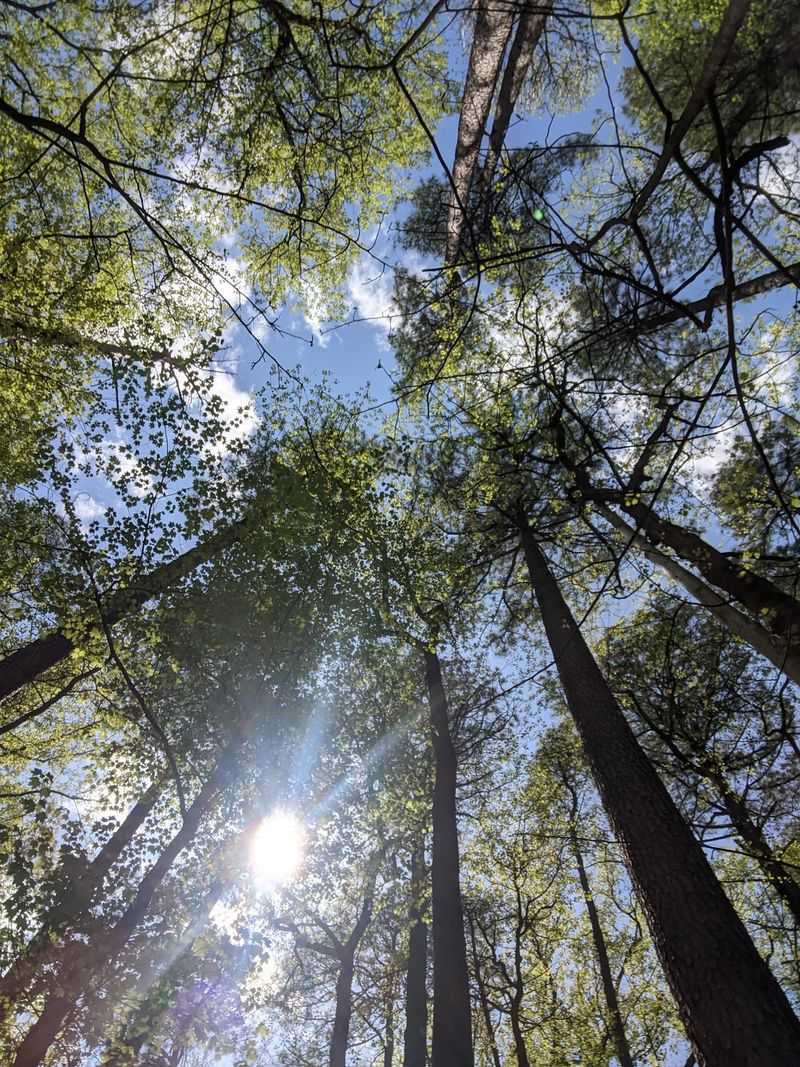
Chapman’s habitats are unusually diverse, and botanists have long treated the park as something special. Over three dozen state-rare species are documented here, along with an impressive range of oaks.
A globally rare snail lives in these woods too, which is the kind of fact that makes a hike feel like a treasure hunt. Nobody should go digging for it, obviously.
One of the standout features is a shell-marl forest, a rare community where old shell deposits raise soil calcium and allow calcium-loving plants to thrive. Those conditions barely exist elsewhere in the region.
Add oak-hickory terraces, steep ravines, and bottomland woods, and the result is a patchwork of microhabitats packed into one park. Walking a mile can cross several of them.
Spring wildflowers put on a quiet show along the lower slopes. Fall shifts attention to the canopy and the sheer size of some trunks.
Staying on marked trails protects all of it, since rare plants do not recover quickly from trampling. Photographing rather than picking is the rule that keeps this place intact.
Curious visitors can time a trip around a Sunday guided nature walk at the mansion, where staff and volunteers point out things most people would stroll right past. Learning what to look for changes every future visit.
Bring a hand lens if one is handy.
Birding Here Is Genuinely Worth the Trip
Binocular users have known about Chapman for years. The National Audubon Society designated it an Important Bird Area in 2009, and that recognition was earned by habitat, not marketing.
Bald eagles are the headline act. They cruise the Potomac corridor and turn up overhead often enough that spotting one stops feeling lucky and starts feeling likely.
Beyond eagles, the mix of interior forest, marsh edge, and river frontage draws a wide variety of species through the seasons. Migration windows in spring and fall are especially active.
Deep forest interior supports birds that need space away from edges and roads, which is part of why this park matters ecologically. Songbirds fill the ravines with sound in May.
Early morning is the obvious choice for serious watching. Sound travels well before the wind picks up, and the light angles nicely along the shoreline.
A quiet approach pays off more than expensive gear. Sitting still near a marsh edge for ten minutes usually produces more sightings than walking fast for an hour.
Waterfowl show up along the river in cooler months, and open water views make scanning easy without much bushwhacking. A spotting scope is a bonus, not a requirement.
Keeping voices low benefits everyone nearby, including the birds. Dogs on leash help too.
Anyone new to birding will find this a forgiving place to start, since the eagles are hard to miss and the surroundings make even a slow morning enjoyable.
Fishing, Paddling, and Getting Out on the Water
Anglers get real access here, not just a token overlook. Fishing is permitted from the Potomac shoreline, and the species list keeps things interesting.
Largemouth bass, sunfish, catfish, white and yellow perch, carp, and hardhead all turn up in these waters. Perch runs in spring bring out the regulars.
A Chesapeake Bay Sportfishing License is required, so sorting that out before arrival saves a wasted trip. Rules and seasons are worth double-checking each year.
Boaters have a launch for Potomac access, which opens up a completely different view of the park. From the water, the wooded bluffs look far wilder than they do from the parking area.
The Lower Potomac Water Trail follows this shoreline, making Chapman a useful waypoint for paddlers planning longer routes. Wind and tide matter more than distance on this stretch of river.
Anglers and boaters may be present outside the standard sunrise to sunset window, which is a small but meaningful allowance for early starts. Headlamps come in handy.
Shoreline casting spots require a bit of walking, so a light setup beats hauling a full kit down a ravine. A folding stool is a luxury worth carrying.
Wildlife tends to appear when the fishing slows. Herons work the shallows and eagles keep watch from tall snags.
Pack out line, hooks, and packaging without exception, since the trash-free policy applies to the river’s edge just as much as the trails.
Sunday Open Houses, Seasons, and Practical Planning Notes
Timing makes a noticeable difference at Chapman. Sundays between April and September bring open house events at Mount Aventine, complete with guided nature walks, history presentations, and activities for children.
Those days offer the deepest look at the park’s layered past and its ecology. Outside of them, the property is quieter and more self-guided.
Autumn is arguably the best all-around season. Cooler air, fewer insects, and open sightlines through bare-ish canopy make hiking and river views easier.
Winter has its own reward, with bald eagles more visible against leafless trees and waterfowl gathered on the river. Layers and traction on damp slopes handle most of it.
Spring brings wildflowers and heavy birdsong, along with mud in the bottomland sections. Summer is lush but humid, so early starts beat midday heat.
Designated areas allow managed, in-season hunting for deer and waterfowl, requiring a free WHS permit and daily sign-in. Hikers visiting in fall should check the park’s schedule and wear bright colors.
Cell service can be unreliable under thick canopy, so downloading maps ahead is a good habit. Restrooms exist on site, but nothing else in the way of services.
Photographers should plan for late afternoon light along the river and the mansion lawn. Tripods are easy to manage on the wider trails.
Leave with everything brought in, and the next visitor gets the same quiet experience.
Address: 3452 Ferry Pl, Indian Head, MD 20640.
