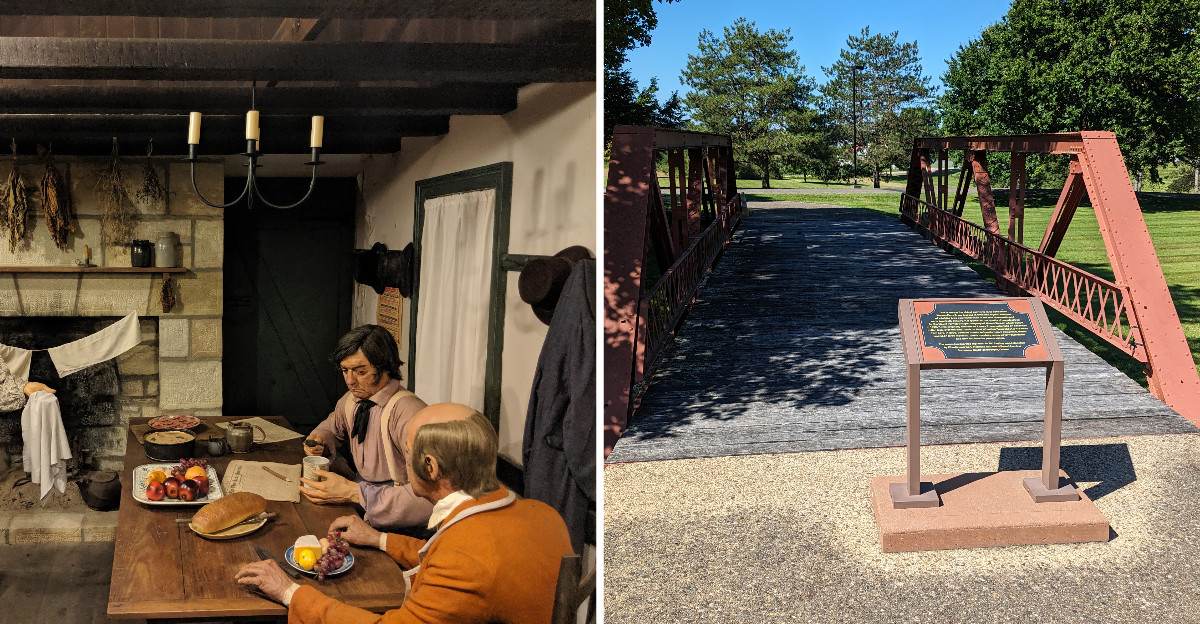
Three stories share a single roof in a small Ohio museum, and each one pulls you in like a kid at an aquarium. The 136-foot diorama stretches across a room, capturing every mile of the old National Road that once carried wagons and herds west.
Looking across it, I kept thinking about how different a road trip must have felt when distance was measured in days instead of hours. There were no glowing gas station signs ahead, no GPS promising a faster route, and no interstate exits when hunger hit.
Every mile required more planning, patience, and luck than we usually give travel today. The recreated writing study belonging to one of America’s best-selling novelists sits behind glass, preserved exactly as he left it.
Shelves of glazed pottery line the walls, made in a county that once called itself the clay capital of the world. The volunteer offers a guided tour without reading a single label, and the details come alive.
Travel before exit ramps and rest stops is the theme, and the exhibits answer questions you did not know you had. Hours disappear inside, and the parking lot is easy to miss.
This is the kind of place that makes a quick leg stretch turn into an afternoon.
The Road That Started It All, Told From the Inside
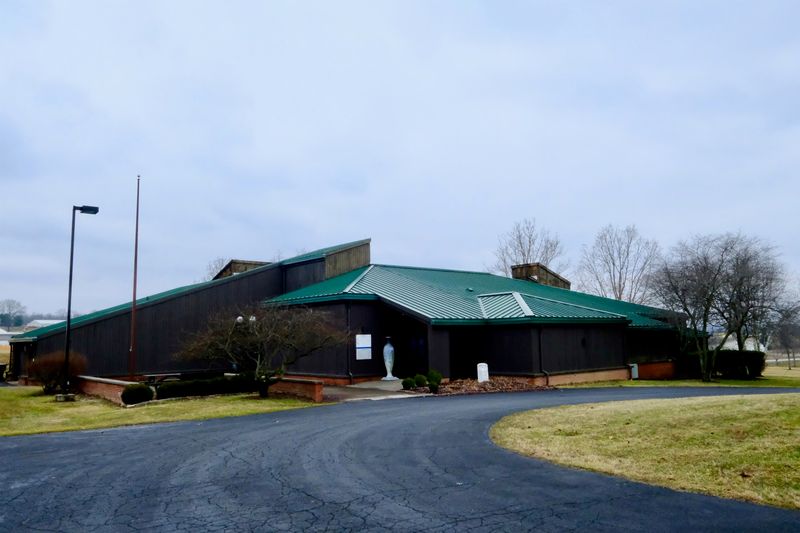
My first surprise was learning that the National Road was not just an old highway but the first one the federal government ever funded. Construction began in Maryland back in 1811.
By the 1830s crews had pushed it across Ohio, reaching Zanesville in 1833 and Columbus the following year. The finished route ran roughly 620 miles, from Cumberland, Maryland, all the way to Vandalia, Illinois.
George Washington and Thomas Jefferson both championed the idea of a road that would tie the young country together and open the west to trade. Reading that on a panel while parked a few feet from the actual roadbed hit differently than reading it in a textbook.
The museum lays out the story in clear stages, so you can follow how a forest trail became a commercial artery. Displays include original mile markers, construction tools, and the paperwork behind the project.
In 1926, the old route was folded into the new numbering system and became U.S. Route 40.
Locals started calling it the Main Street of America, and after an hour inside, that nickname stopped sounding like an exaggeration.
That 136-Foot Diorama Everyone Talks About
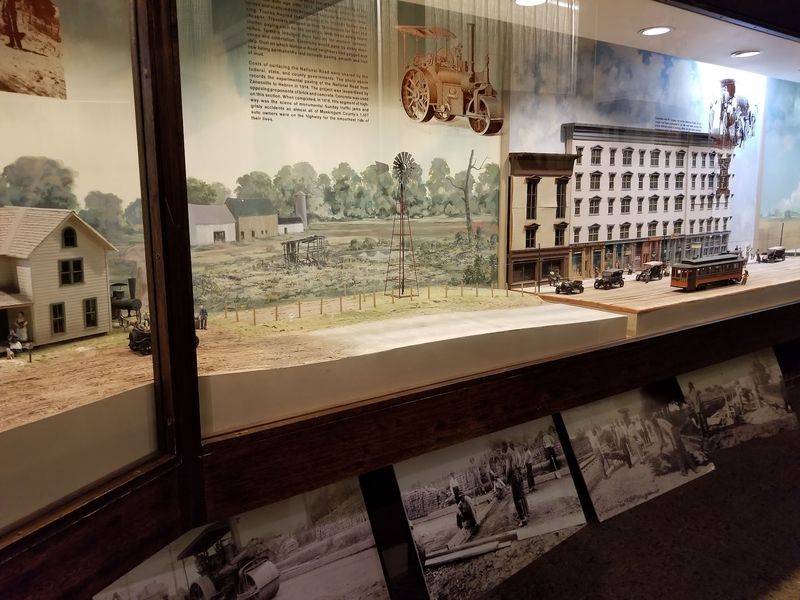
Nothing prepared me for the length of this thing. It stretches 136 feet along the wall, and following it from one end to the other feels like watching two centuries of travel unfold in slow motion.
The scenes begin with a rough path hacked through thick forest. Then come the corduroy log sections, crushed stone, brick paving, and finally smooth modern highway.
Miniature Conestoga wagons roll past tiny roadside taverns. Farther along, early automobiles share the lane with horse-drawn carts, which is exactly how traffic actually looked for a while.
What kept me there longer than planned was the detail. Tiny barrels, laundry on lines, little figures repairing a wheel, all built at a scale that rewards leaning in close.
Plenty of visitors call it their favorite part of the museum, and I understand why. Photographs do not really capture the scope, so give yourself time to walk the whole length twice.
Kids seem to love hunting for small details, which makes this a good stop if you are traveling with restless passengers who need something visual rather than text-heavy.
Meeting Zane Grey, the Man Who Invented the Modern Western
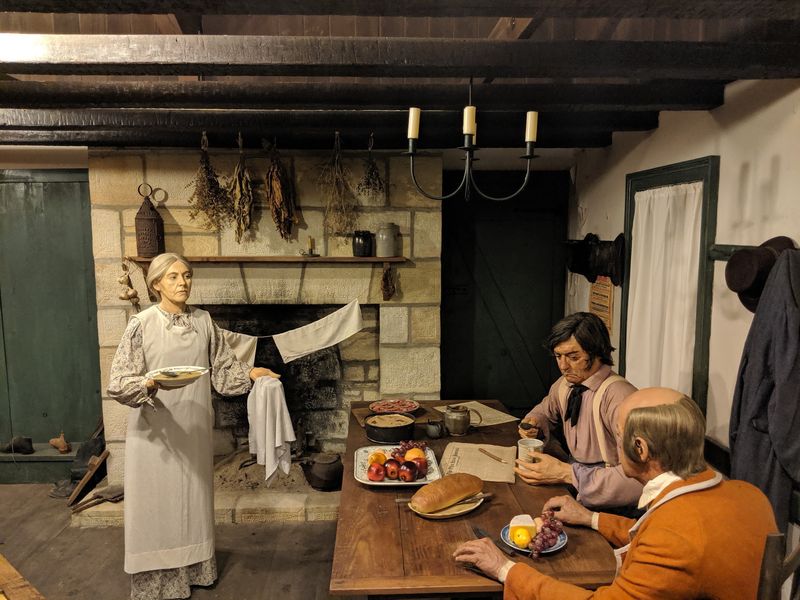
Born in Zanesville in 1872, Pearl Zane Grey went on to become one of the best-selling American novelists of all time. He is widely credited as the father of the adult Western.
The museum recreates his study, complete with manuscripts, personal belongings, and the tools of a working writer. I found myself staring at handwritten pages, trying to imagine the discipline behind that output.
Grey wrote well over 80 books, and his work reached far beyond gunfighters and cattle drives. Fishing stories, biographies, and short fiction all appear in his bibliography.
Here is the connection that surprised me most. Grey descended from Colonel Ebenezer Zane, a key figure in opening the path that became the National Road, so the author and the highway share family history.
Hollywood borrowed heavily from his pages, turning his stories into films and inspiring later Western television. The gift shop stocks a wide selection of his titles, and I noticed several visitors filling gaps in their collections.
If you have never read him, the display makes a convincing case to start.
Shelves of Glazed Clay From the Pottery Capital of the World
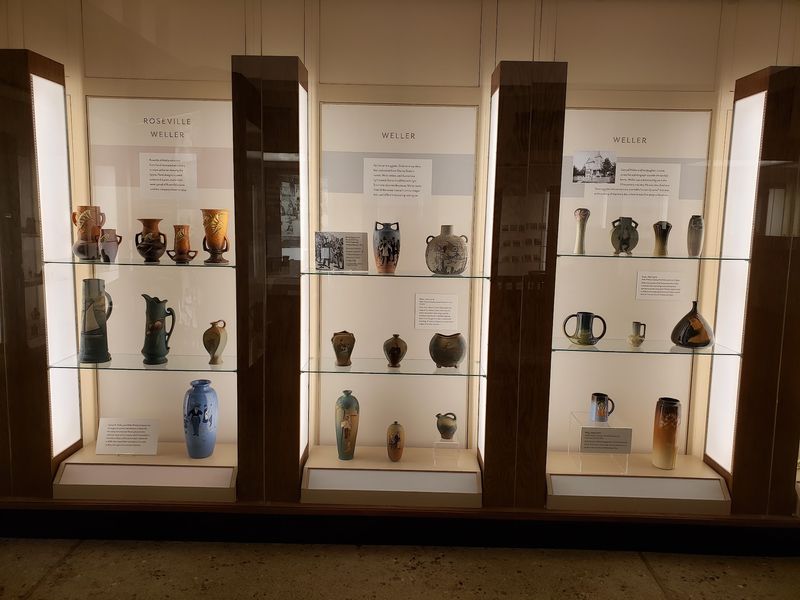
Clay turns out to be the quiet hero of this region’s story. Muskingum County sat on rich deposits, and by the early 1900s the Zanesville area had earned the nickname Pottery Capital of the World.
The museum devotes an entire section to art pottery, ceramics, and decorative tile made nearby. Rows of vases catch the light, some deep green, some streaked with odd and beautiful glazes that were never quite repeatable.
I am not a collector, but I ended up circling the cases twice. Seeing pieces grouped by maker makes the differences obvious, even to an untrained eye.
Visitors mention this exhibit more than almost anything else, and the volunteers clearly enjoy talking about it. Ask a question and you will likely get the backstory of a specific factory.
The pottery also ties directly back to the road. Finished goods needed a way to reach eastern markets, and the highway out front made that possible.
Standing among those shelves, the museum’s three themes finally clicked together as one connected local story rather than three separate ones.
Wagons, Antique Cars, and the Long Haul West
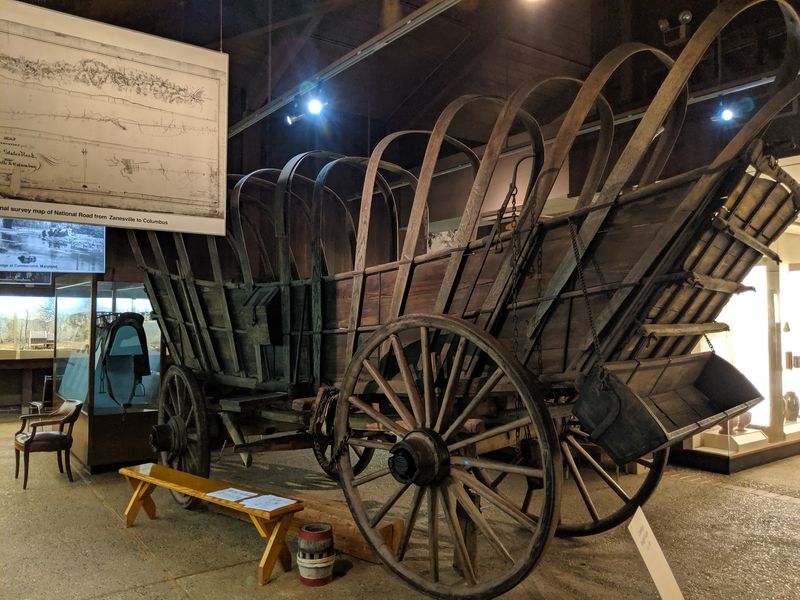
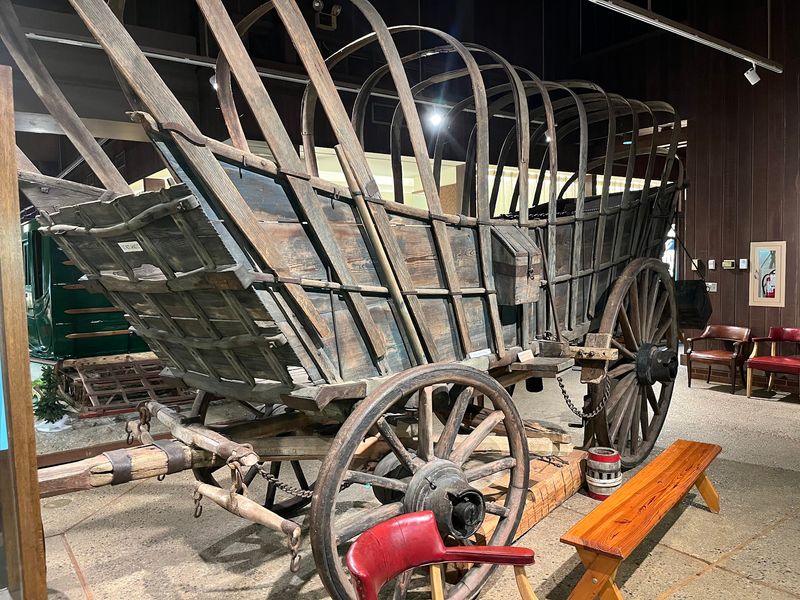
Few objects explain westward travel better than a full-size Conestoga wagon, and the one here is a showstopper. Built broad and deep, with that distinctive curved bed, it was designed to keep cargo from shifting on hills.
Beside the wagon sit antique automobiles, beautifully preserved and older than most people who walk past them. The jump from wooden wheels to rubber tires happened faster than you might think.
Looking at both in one room gave me a real sense of how quickly the road had to adapt. Surfaces built for hooves suddenly needed to handle engines.
The transportation displays also cover everyday life along the route. Taverns, tollhouses, blacksmiths, and drovers moving livestock all made their living from passing traffic.
One reviewer put it well, noting that the museum covers not only the road but what life was like during its construction and heyday. That framing stuck with me as I wandered.
For anyone who likes machinery, this section alone justifies the stop, and it pairs nicely with the diorama right beside it.
Take the Guided Tour, or Wander at Your Own Pace
At the front desk you get a simple choice: join a staff-led tour or explore on your own. Both work, but they give you very different visits.
The volunteers here know their material inside out, and several visitors have said they would happily sit through the narration a second time. I leaned on their knowledge more than I expected to.
Guided tours tend to connect the dots between the road, the author, and the pottery in ways the labels cannot. Questions get answered on the spot, often with extra detail thrown in.
That said, if you prefer quiet browsing and taking your own photographs, say so clearly and take the self-guided route. One visitor noted a mix-up about tour preferences, so it helps to be direct.
Most people spend between 60 and 90 minutes inside. I would budget closer to 90 if you plan to read displays properly.
Either way, do not rush. The building is small enough to feel manageable and dense enough to reward slowing down.
Planning Your Stop, Hours, Access, and What Waits Outside
Getting here is easy, which is half the appeal. The museum sits just off Interstate 70 at Exit 164, right along the old Route 40 corridor in Norwich.
Doors open Wednesday through Saturday from 10 AM to 4 PM, with Sunday hours from 1 to 4 PM. Mondays and Tuesdays are closed, so plan accordingly.
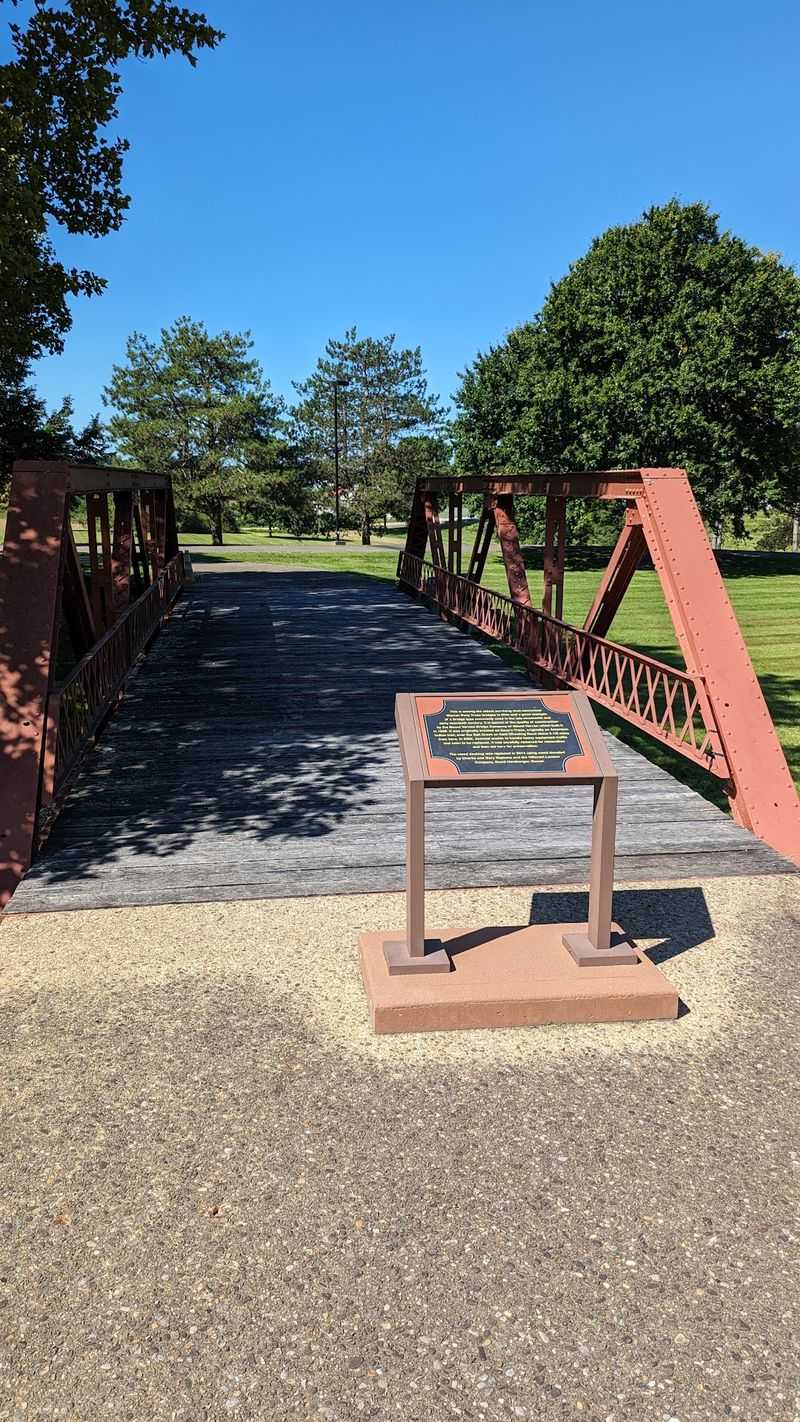
Outdoor exhibits add a little extra to the visit, and the grounds have seen improvement work in recent years. I liked being able to step outside and look down the old roadway.
Accessibility is worth knowing in advance. The main level accommodates wheelchairs, though reaching the rest of the museum involves two fairly steep ramps.
RV travelers should know that parking is tight and a few low branches hang near the entrance. Scout your turn before committing.
The museum operates within the Ohio History Connection network, and the gift shop carries plenty of Zane Grey titles if you want a souvenir with substance.
Address: 8850 East Pike, Norwich, Ohio
