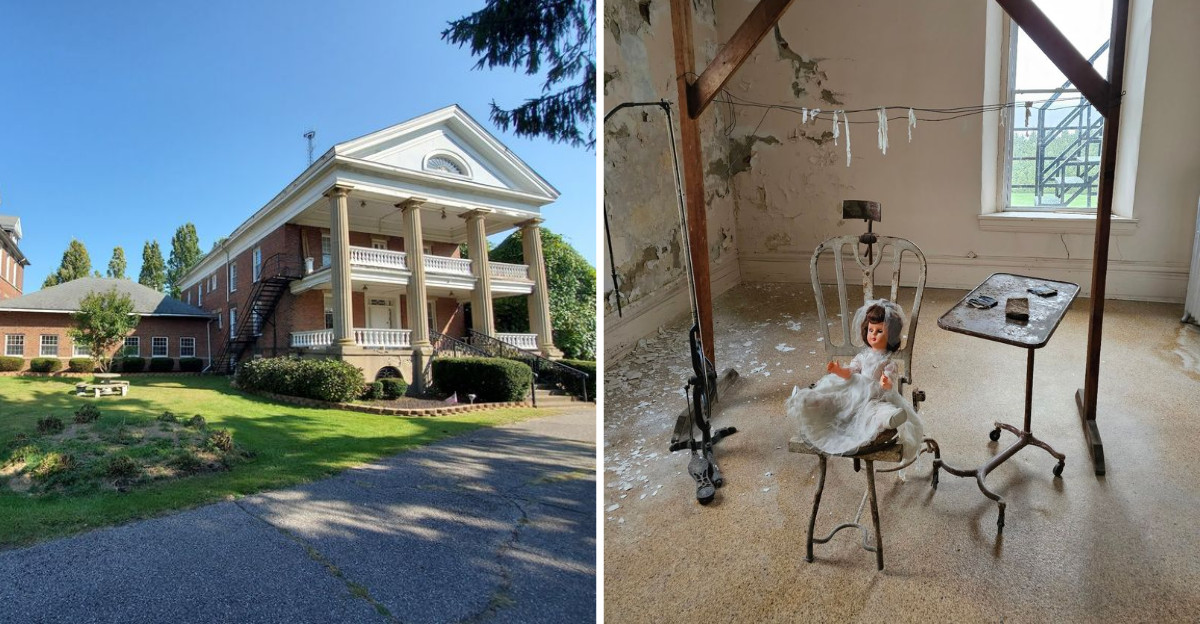
Quiet settles over that stretch of Ohio road once the sun drops behind the trees, and a long brick building with tall windows watches the traffic pass. The place started in 1847 as a school, then became a refuge for Civil War widows, nurses, and their children, and later housed women through a state program called Opportunity Village.
That layered history alone would be enough to pull anyone in. The building is also known across the state as one of its most talked-about paranormal locations, which adds a different kind of weight to the silence.
I went for the history and stayed for the atmosphere, which settles over you slowly instead of all at once. The hallways are long, the floors are worn, and the rooms hold the kind of quiet that makes you listen harder than you mean to.
By the time I left well past midnight, I understood why people drive hours to spend a night inside.
A Schoolhouse With Big Ambitions in 1847
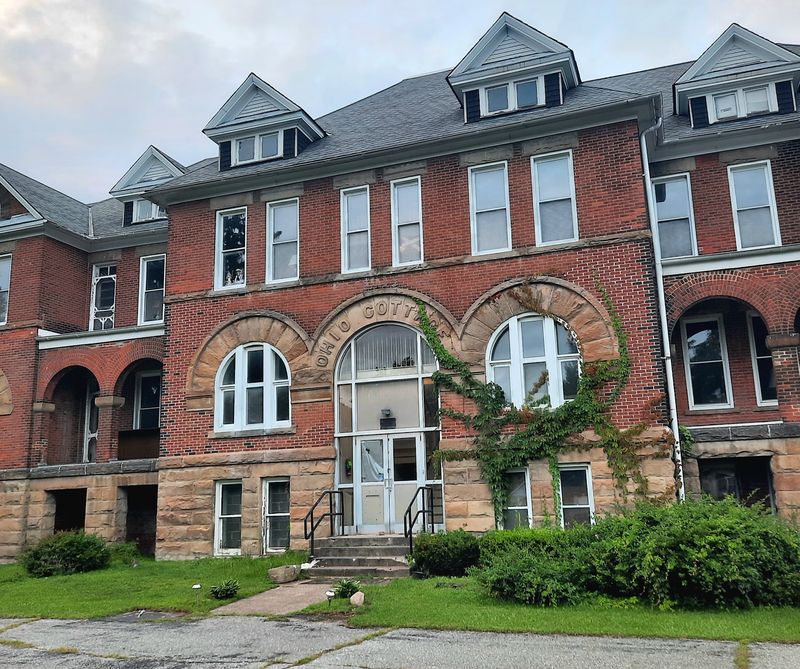
Long before anyone came here with a flashlight and a recorder, this was simply a school. Madison Seminary opened in 1847 and served as both a high school and a college for local students.
I like picturing the version of this building that had nothing spooky about it at all. Just teenagers hauling books up creaky stairs, ink-stained fingers, and teachers trying to keep order in rooms with no heating beyond a stove.
By 1859 the campus had grown with a large brick addition, giving space for as many as 150 boarding students under one roof. That is a serious number for a rural township in the mid-1800s, and it tells you how much the community believed in the place.
The educational chapter did not last forever. Changes in Ohio public school laws pulled students away, enrollment dropped, and in 1881 the seminary closed as a school for good.
Standing in one of the upper rooms, I kept thinking about how ordinary those early years were. If you visit, ask your guide about the original classroom layout, because knowing where desks once sat changes how you hear every footstep above you later that night.
When the Doors Reopened for Civil War Widows
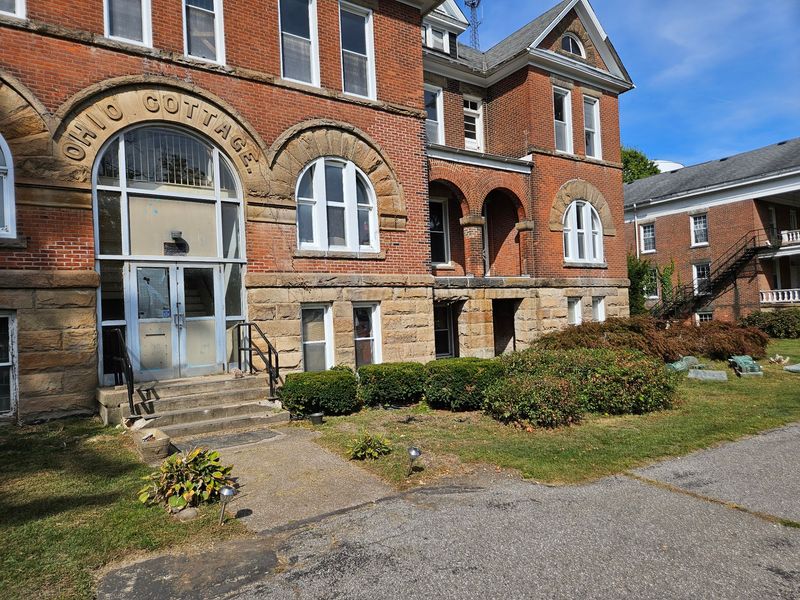
My favorite part of the story is the part nobody puts on a poster. In 1891 the Ohio Women’s Relief Corps bought the property and turned it into The Madison Home.
Who lived here? Civil War nurses, widows of soldiers who never came back, and their children.
Women who had lost nearly everything found beds, meals, and a community inside these brick walls.
That shift hit me harder than any ghost story. A building designed for reciting lessons became a place for grieving and starting over, and you can feel that weight in the wide hallways.
Ownership changed again in 1904 when the Relief Corps, facing money troubles, donated the property to the State of Ohio. The state kept the mission going under a much longer name honoring soldiers, sailors, marines, their wives, mothers, widows, and army nurses.
Care continued here until 1962, which means roughly seven decades of people leaning on this address during the hardest stretch of their lives.
When I toured, I asked about daily routines rather than hauntings first. Understanding how residents cooked, worked, and cared for one another made the rest of the night feel far more personal.
Elizabeth Stiles, the Spy Who Lived Her Last Years Here
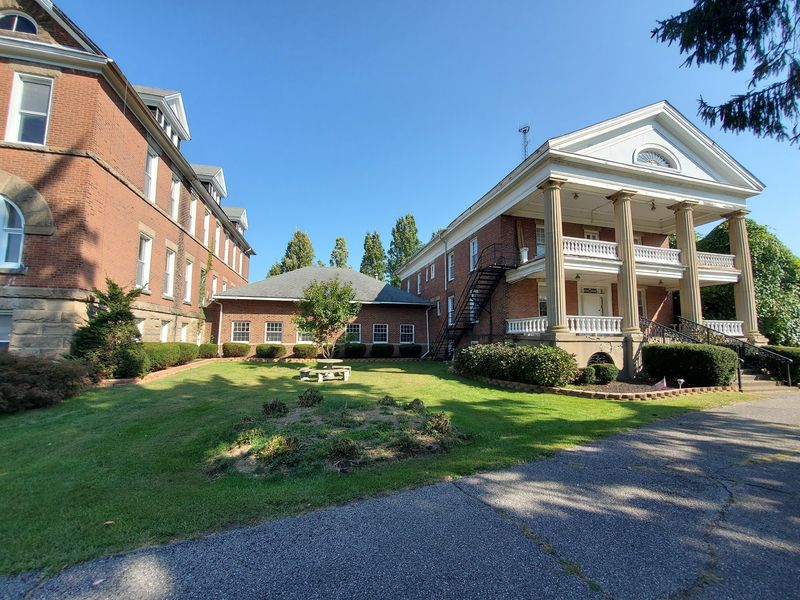
Some names stick with you. Elizabeth Stiles was a Civil War spy, and she spent the final years of her life inside this complex.
Records place her in the Wittenmyer Cottage section from 1895 until her passing in 1898. Think about that for a second: a woman who carried out secret work during wartime ended up in a quiet Ohio home surrounded by other widows and nurses.
Her story is the reason the Wittenmyer Cottage gets so much attention today, because she is the presence most often mentioned by visitors and investigators.
One practical tip I picked up from other guests is worth passing along. Her grave sits a short walk down the road, and several people told me visiting it added real depth to their trip.
I did exactly that before the evening tour started, and the order mattered. Reading her name on stone first, then walking the rooms where she actually lived, connected the history and the legend in a way that felt earned rather than staged.
Whatever you believe about the rest, Elizabeth Stiles was real, and her life deserves the attention it gets here.
Opportunity Village and the Years Few People Talk About
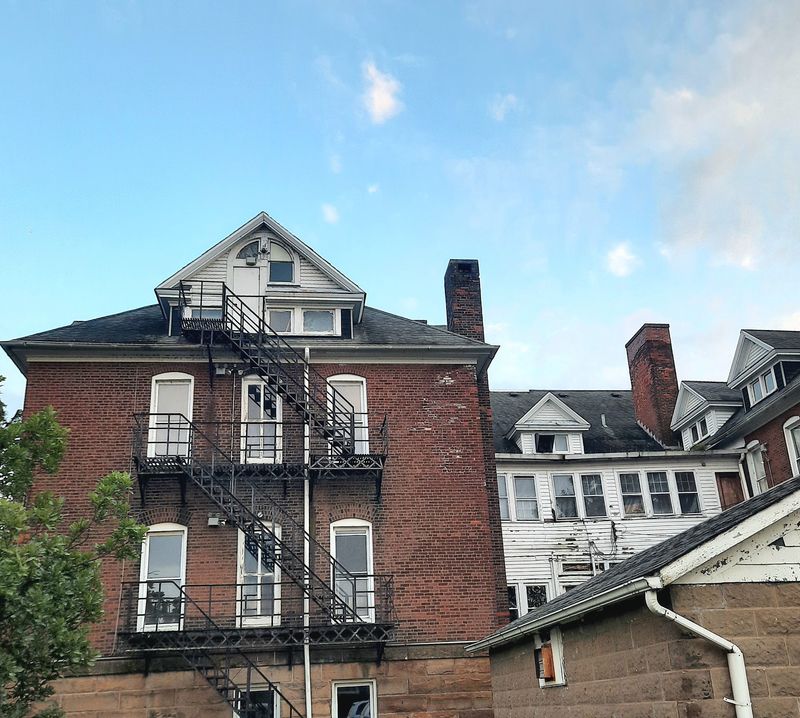
Here is the chapter that surprised me most. After the relief home closed in 1962, the Ohio Department of Corrections took over the property and renamed it Opportunity Village.
Low-risk women from the Ohio Women’s Reformatory lived and worked here, taking part in vocational rehabilitation programs. They maintained the buildings, learned trades, and kept the complex running.
It is a sharp turn from widows and children, and I found myself oddly moved by it. Another group of women, another fresh start, same brick walls.
That era wrapped up in 1975 when funding dried up. The property eventually passed into private ownership in 1993, which set the stage for what it has become today.
Walking certain hallways, you can still sense the institutional bones of the place. Doors line up in long rows, and the layout feels built for supervision rather than comfort.
If you are the kind of traveler who cares about the full timeline, ask about this period specifically. Guides here know it well, and hearing about the vocational work gives you a much rounder picture than the ghost stories alone ever could.
Nightfall Brings a Whole Different Crowd
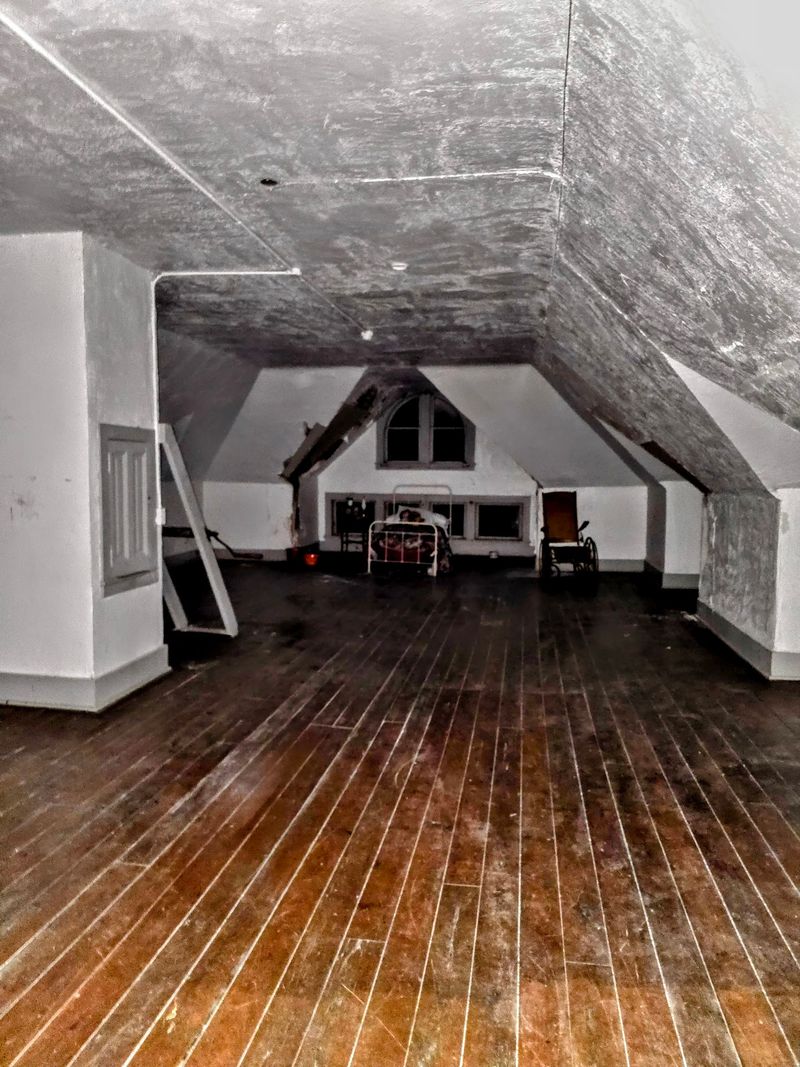
The parking lot fills up right around the time the sky turns that deep purple color. People arrive with camera bags, tripods, and thermoses, greeting each other like regulars at a favorite diner.
Paranormal investigator Adam Kimmell bought the property in 2016 with a plan to preserve the buildings and lean into their reputation. He hosts history tours, flashlight nights, public ghost hunts, private investigations, and overnight stays.
Madison Seminary has appeared on several television programs over the years, including My Ghost Story, Haunted Collector, Destination Fear, and Most Terrifying Places in America. That kind of exposure explains the license plates from out of state.
What struck me was the tone. Nobody was trying to scare anybody, and the tour leaned heavily on documented history before anyone picked up a device.
Practical advice: dress warmer than you think you need to, because the building runs cold and you will be sitting still for long stretches. Bring a backup flashlight too.
Sessions often run from early evening until around four in the morning, so eat beforehand and plan your sleep. Visitors regularly mention how welcoming the staff are, and that matches what I saw.
Rooms People Keep Coming Back To
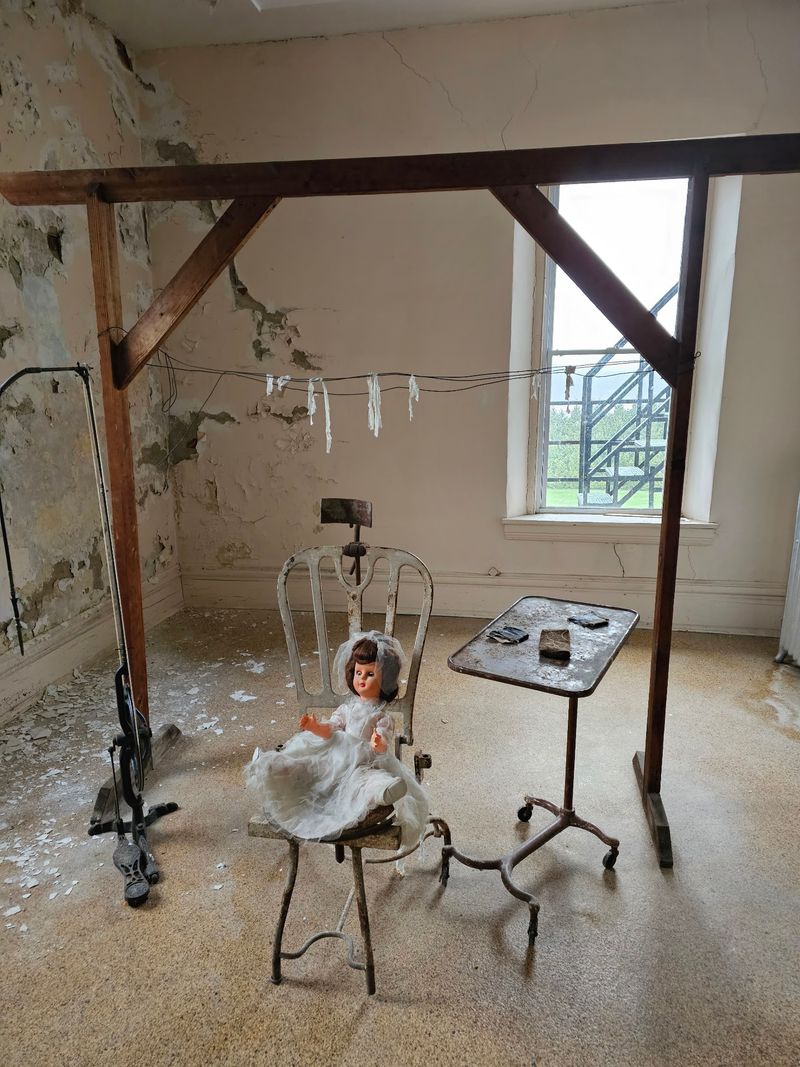
Ask a returning visitor where to go and you will hear the same handful of spots. The doll room comes up constantly, along with a small mirrored room used for flashlight sessions.
I sat in that mirror room for a while, and the setup is genuinely clever. Reflections multiply your own light until you stop trusting your peripheral vision entirely.
The third floor gets talked about often too, along with the Wittenmyer Cottage tied to Elizabeth Stiles. Reports there tend to involve shadow shapes near doorways and hallway movement.
Three names circulate here regularly. Elizabeth, described as a pale figure in period clothing, a young boy referred to as Steven, and a woman called Sarah whose voice has reportedly been captured asking for help.
Common reports include disembodied voices, doors banging shut, loud thumps, rattling sounds, and heavy feelings of pressure in particular corners. Plenty of that could be an old building doing old building things, and honest guides will say so.
My suggestion is simple. Pick two rooms and stay put rather than racing through everything, because patience is what separates a rushed walkthrough from a night you actually remember.
Driving Home With the Windows Down
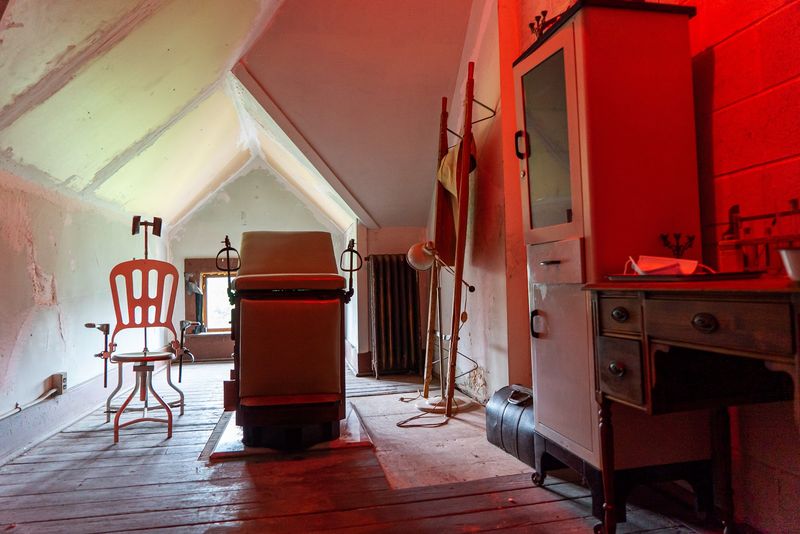
Cool air through the car window never felt better than it did around four in the morning. I had been awake far too long, running on adrenaline and leftover snacks, and my brain was still sorting through the night.
What lingered was not any single noise or shadow. It was the sequence: a school, a haven for widows and nurses, a vocational program, and now a preserved landmark people travel across the country to visit.
The grounds are well kept, the brickwork is handsome in daylight, and the restoration work shows real care. Even a straightforward daytime history tour would be worth the drive for architecture fans.
If you are planning a visit, go in curious rather than committed to any conclusion. The history stands on its own, and the rest is yours to interpret.
Book ahead, since private investigations and public events fill up, and check the schedule on their Facebook page before making the trip.
Madison, Ohio is quiet farmland country, which makes the whole experience feel further from everyday life than the mileage suggests. I already know I will be back.
Address: 6769 Middle Ridge Rd, Madison, Ohio
