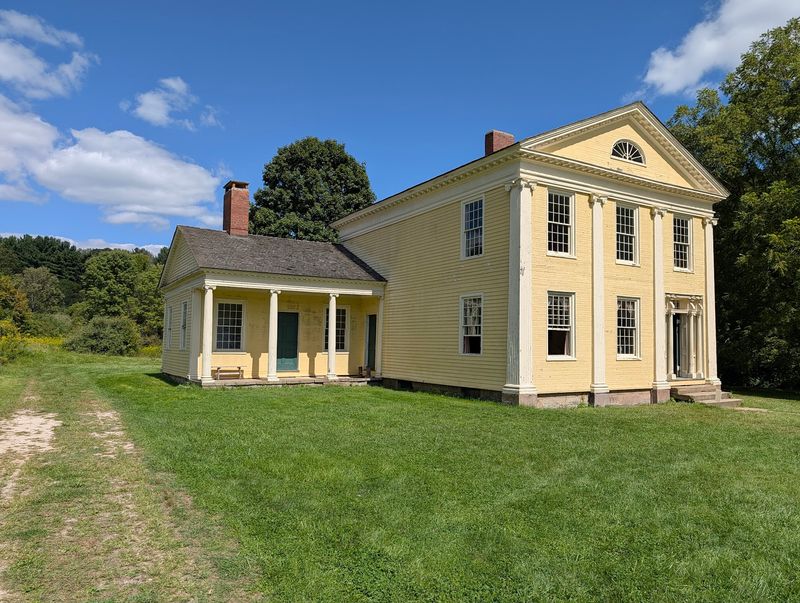
I expected a quick stop, maybe a barn and a gift shop, somewhere off a quiet Ohio road. Instead, I found a whole village where the smell of wood smoke, warm clay, and apple butter pulled me back more than a century.
Costumed neighbors waved from porches, sheep wandered by, and a glowing furnace turned sand into glass right in front of me. It is the kind of place that sneaks up on you and then refuses to leave your memory.
A Village Tucked Into the Cuyahoga Valley
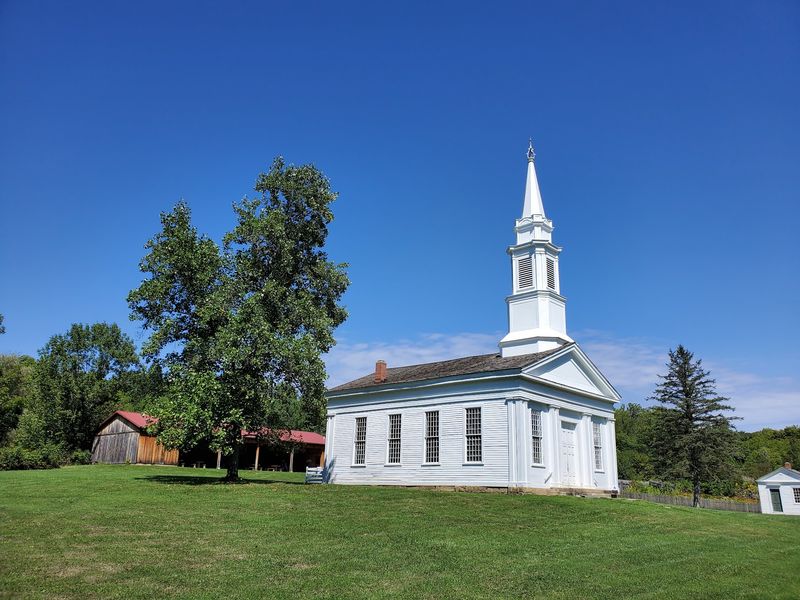
Picture a winding drive through northeast Ohio woods, then a sudden clearing full of old homes, barns, and fences. That is the first sight of Hale Farm & Village, a living-history museum at 2686 Oak Hill Rd in the Akron area, right near Bath.
Visitors often call it a must-see stop when exploring Cuyahoga Valley National Park, since it sits right in the heart of that green, rolling landscape. Some travelers say it feels a little off the beaten path, but the GPS-guided trip pays off quickly.
Once you park, the modern world starts to fade.
The museum is run as part of the Western Reserve Historical Society. It brings together 32 structures that show what everyday life looked like in the mid-1800s, with crafts, gardens, and farm animals filling the grounds.
Families love it because it does not feel like a stuffy hall of glass cases. Instead, you walk outside, step into homes, and chat with people dressed for another century.
Kids get room to roam, and adults get a calm escape from screens and traffic.
For Ohioans who think the best history lives far away, this spot is a pleasant surprise sitting practically in the backyard.
Buildings With a Journey of Their Own
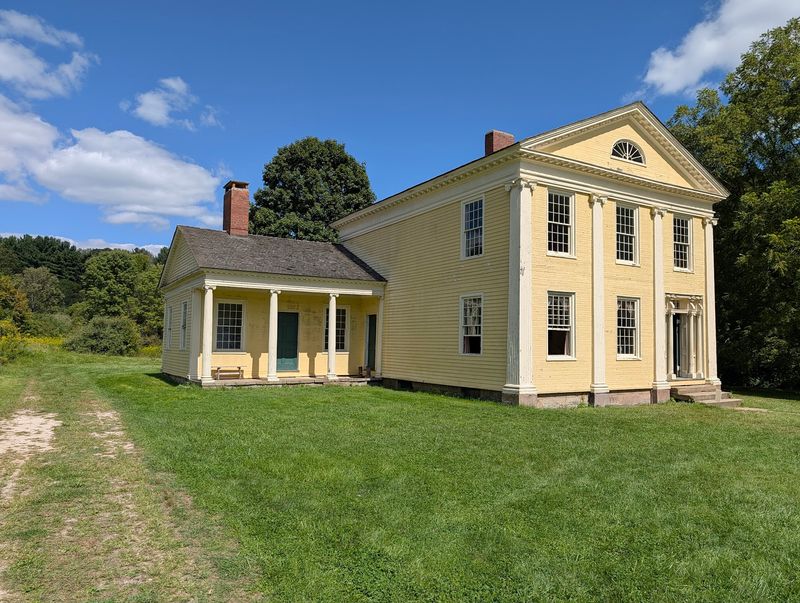
Here is a fun twist most first-timers never guess. Many of the village buildings did not start out on this land at all.
According to visiting teachers and volunteers, most of the structures came from different corners of northern Ohio and were carefully moved here to create the village. Each one was restored so it could keep telling its story.
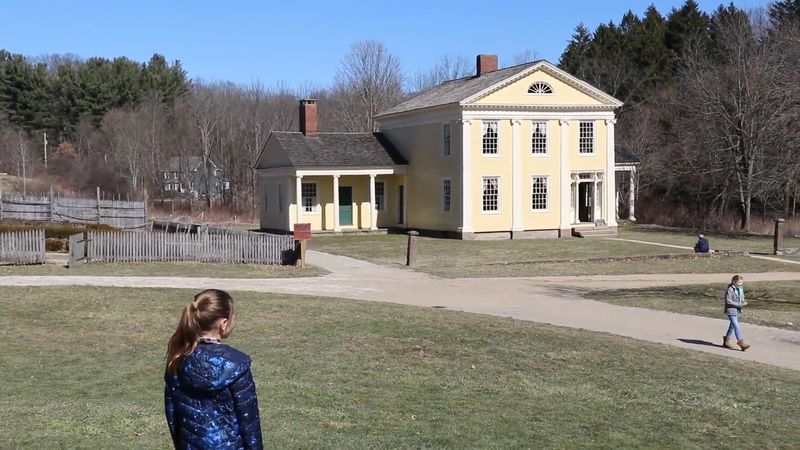
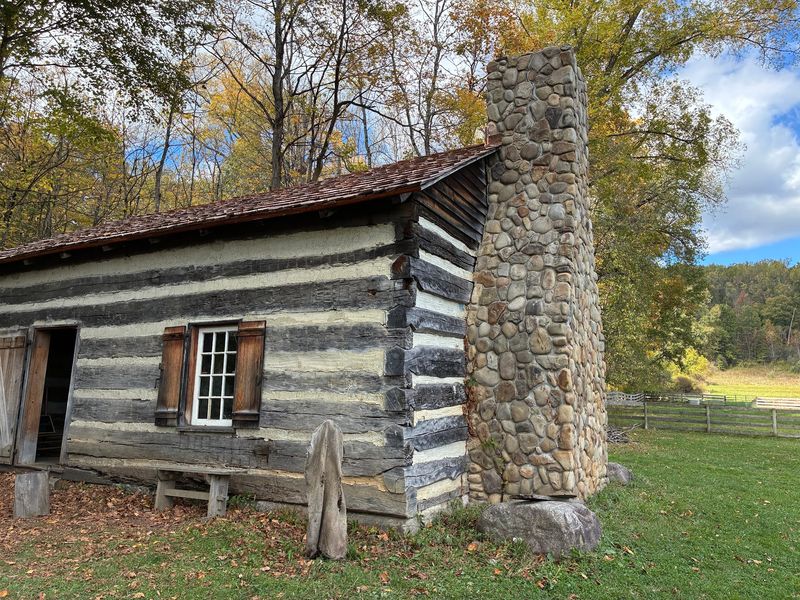
The result is a collection of historic houses, some dating back to the early 1800s, gathered along quiet paths like neighbors on a country lane.
Walking from door to door feels a bit like flipping pages in an old family album. One home may have creaky floors and simple furniture, while another shows off finer touches.
A general store, a church-style chapel, and craft shops round out the scene.
Guests frequently praise the beautifully preserved architecture and the charming, rustic feel of the grounds. A volunteer even mentions there are very few typical museum signs and displays, which keeps the setting immersive instead of cluttered.
That choice matters. Without placards everywhere, your imagination can fill in the rest, and suddenly a quiet kitchen feels like someone just stepped out to fetch water from the well.
Glowing Furnaces and Molten Glass
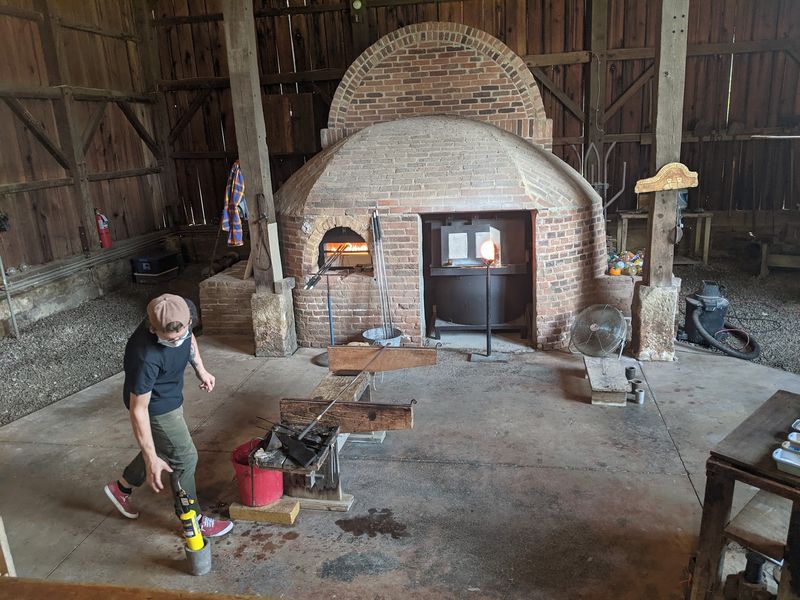
Watch a blob of glowing orange glass spin on the end of a long pipe, and you may forget to blink. Glassblowing is one of the most talked-about attractions at Hale Farm, and it is easy to see why.
Visitors mention this demonstration more than nearly anything else on the grounds. School groups on field trips often name it their favorite part of the day.
The heat, the careful twisting, and the slow reveal of a finished piece make it feel almost like a magic show, only with real skill behind every move.
Artisans work while explaining what they are doing, so you learn how glass was shaped long before factories took over. Kids tend to crowd close to the safety line, eyes wide, asking question after question.
One small heads-up: a parent on a class trip noted the glassblower happened to be away that day. Demonstrations can depend on staff schedules, so calling ahead at 330-666-3711 may help if this is your top priority.
Many pieces made on site end up for sale in the gift shop. Taking home something you watched being crafted turns an ordinary souvenir into a story you will tell for years.
Hammers, Clay Wheels, and Spinning Looms
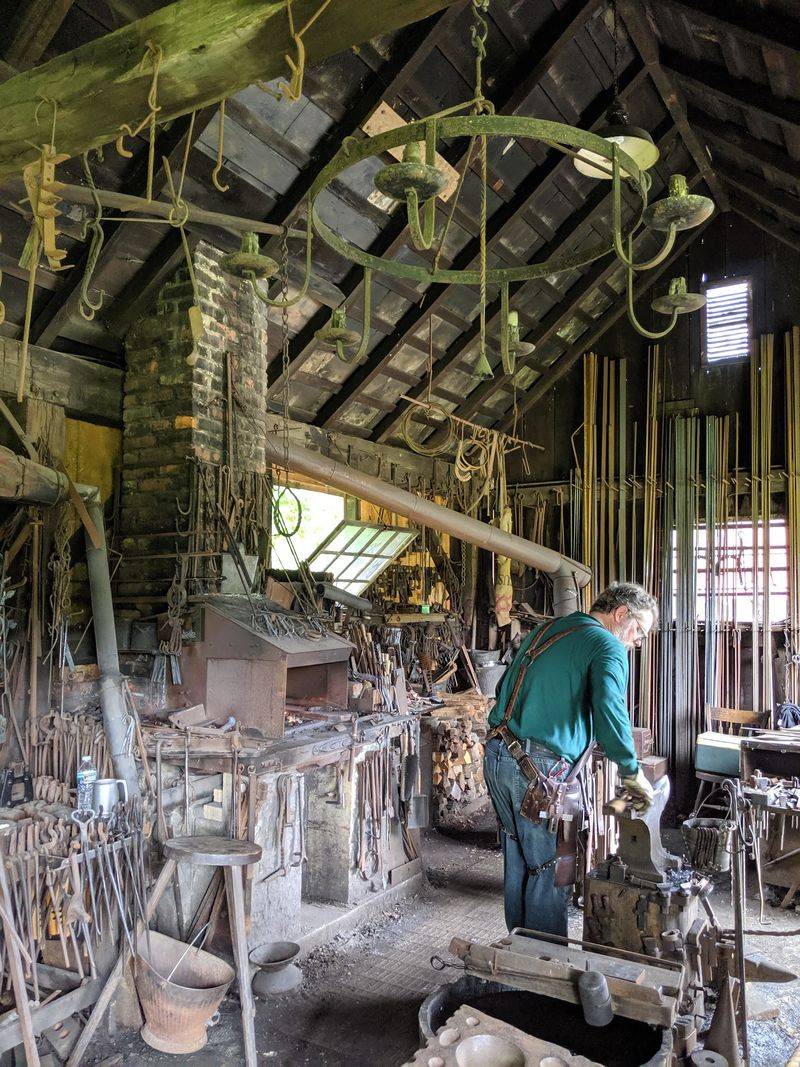
Clang, whirr, thump. The sounds of old-time trades drift through the village and practically invite you inside each workshop.
Blacksmithing ranks high among guest favorites, with sparks flying as metal gets shaped by hand. Nearby, potters work clay on spinning wheels, turning lumps into bowls and jars.
Visitors also mention candle making and weaving, all done with antique techniques that once kept a household running.
What makes these stops special is the people. One mother shared that the woman at the loom let her son help with the weaving, which he loved.
Another worker at the clay wheel even delayed his lunch so the family could see a full demonstration, and the boy left with a brand-new love of clay.
Moments like those are hard to plan, yet they seem to happen often here. Craftspeople are described as friendly, patient, and genuinely happy to share what they know.
Handmade pottery is available to buy, and guests say it makes a lovely keepsake. Watching the process first and then holding the finished product gives you a real appreciation for how much work went into everyday objects in the 1800s.
Costumed Interpreters and Barnyard Friends
Ask a question on the porch of an old farmhouse, and you might get an answer from someone who seems to live in 1855. That feeling is the heart of Hale Farm.
Staff and volunteers dress in historic clothing and explain who lived in each building, what they did, and how their days unfolded. Guests describe them as engaged, knowledgeable, and warm, never rushing a curious child.
One visitor who brought six kids during Juneteenth weekend said the costumed team shared extra history tied to that celebration too.
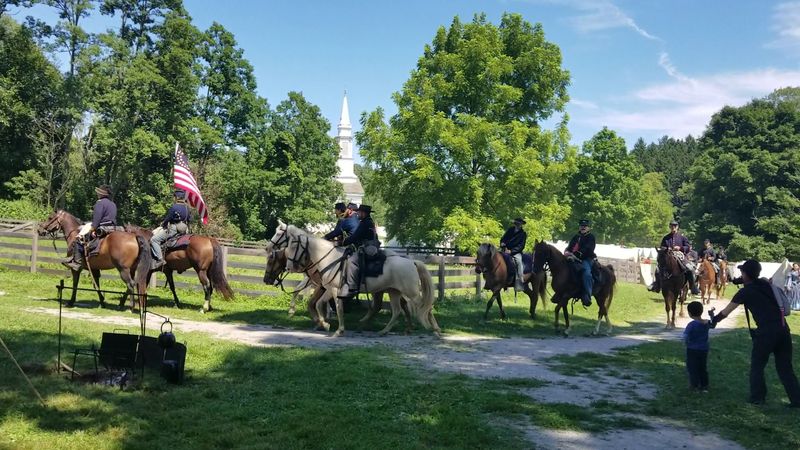
On weekends during the season, more actors tend to be out, and civil war reenactments sometimes take place, adding even more color to the village.
Then there are the animals. Sheep, a cow, chickens, and other livestock roam the farm, and kids usually beeline straight for them.
Horse and buggy rides have also delighted visitors, giving a slow, bumpy taste of travel before cars.
Together, the people and the critters make the past feel lived in rather than staged. It is less like touring a museum and more like visiting distant relatives who happen to have skipped a century or so.
Seasonal Festivals, Craft Fairs, and Car Shows

Some days the village gets extra lively. Hale Farm hosts special events through the year, and locals often plan whole outings around them.
The Made in Ohio craft fair is a big one. Guests mention more than 125 vendors selling home decor, beauty products, clothing, jewelry, and tasty treats.
It can feel a bit overwhelming with so much to browse, but shoppers say meeting talented Ohio makers is worth every step.
Father’s Day brings a car show, with shiny vehicles parked among the old houses and craft stations. Picturing classic cars beside 1800s barns is a delightfully odd mix, and families seem to love it.
Autumn visits can include apple butter and cider making, plus ice cream for the sweet tooth crowd. A maple sap event happens in late winter too.
One guest felt the pancake breakfast there did not match its price of over 20 dollars, and the museum responded that it plans improvements, so it may be worth checking details before booking.
Checking the events calendar on the Western Reserve Historical Society website can help you time your trip. A regular day is charming, but a festival day adds a whole new layer of fun.
Planning Your Visit: Hours, Admission, and Comforts
Good news for budget planners: a full day of living history here costs less than many movie outings. One recent visitor paid $15 for admission and felt it was well worth it.
Hale Farm also takes part in the Museums for All program, so guests using SNAP benefits may visit at no cost. Another guest even remembered visiting without paying anything, so pricing can vary by season or program.
Checking the website before you go is smart.
Hours run 10 AM to 4 PM, Wednesday through Sunday. The village is closed Monday and Tuesday, so plan weekend or midweek trips accordingly.
Parking is free and plentiful, which families appreciate. The big visitor center offers modern comforts like restrooms, hot food from a cafe, and a large gift shop stocked with goods made on site.
Prefer to pack a lunch? Picnic tables are ready and waiting.
Paths are mostly level and easy, friendly for strollers and wagons, though expect a fair amount of walking. Comfortable shoes help.
Give yourself plenty of time too. Several guests wished they had stayed longer, since rushing means missing demonstrations.
Worth the Winding Drive
So, does it really feel like the 1850s? Pretty close, minus the hard chores and plus a cafe with hot food.
Hale Farm works because it lets you feel history instead of just reading it. You hear the hammer ring, smell the clay, pet a sheep, and talk with someone in a bonnet who knows exactly how bread was baked in an old hearth.
Kids leave with new interests, and grown-ups often leave surprised by how much they learned.
One parent summed it up nicely after a field trip, saying their daughter was mesmerized by everything the staff shared. That kind of spark is hard to buy anywhere.
It is affordable, peaceful, and rooted in Ohio’s own story, with buildings rescued from across the northern part of the state. For locals, it can be a reminder that remarkable places sit close to home.
Bring comfortable shoes, an empty memory card, and a curious attitude. Whether you come for glassblowing, a craft fair, or simply a quiet fall stroll, this little village has a way of pulling you back again and again, one season at a time.
