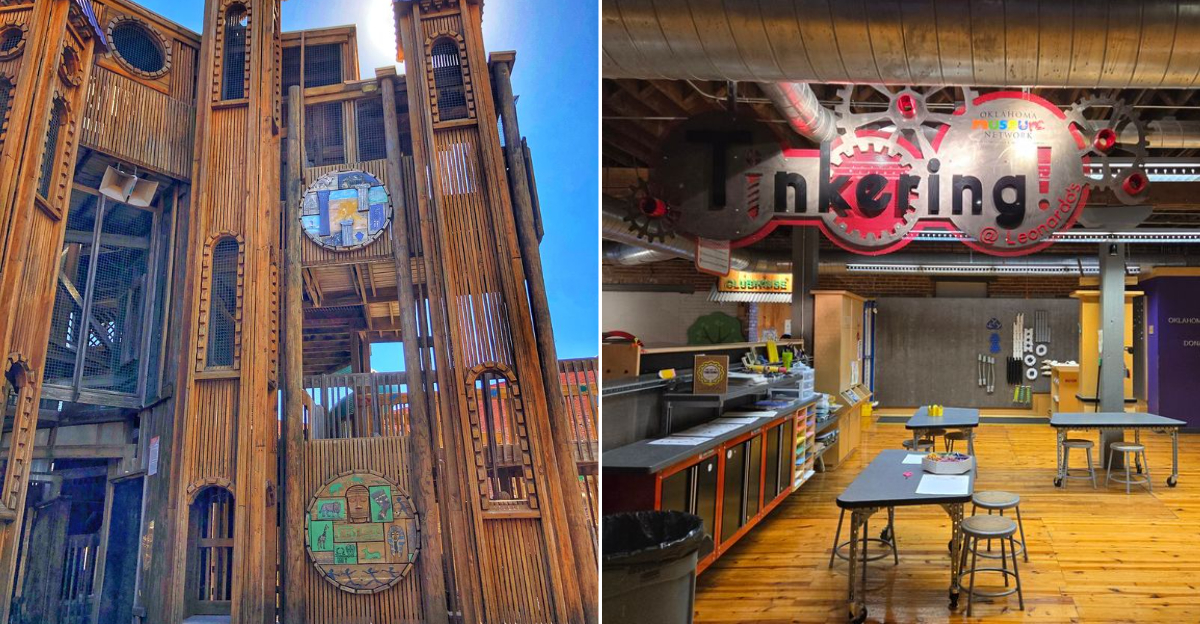
The towering wooden castle wasn’t built by a construction company. It was built by thousands of neighbors, friends, and families who showed up to create something extraordinary for their community.
This is the story behind a remarkable children’s museum in Oklahoma, where a three-story, castle-style structure known as Adventure Quest stands as a testament to what a community can achieve together.
Completed in the late 1990s, this massive science playground was constructed over eighteen months by over twelve thousand volunteers, representing a significant portion of the local population.
It features a pirate ship, bridges, slides, and a water table, making it part castle, part pirate ship, and part outdoor classroom.
The result is not just the world’s largest community-built outdoor playground, but a lasting symbol of unity and a place where children’s imaginations can run wild.
It’s a powerful reminder that the best adventures are often built by hand and heart.
A Playground Built By Neighbors
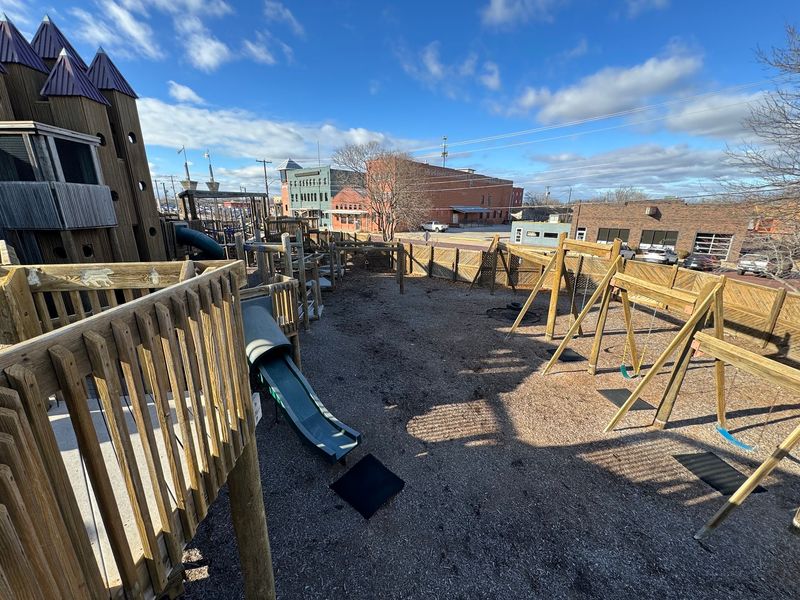
The first thing that hits you is the scale, because Adventure Quest is not some ordinary play area tucked beside a museum wall. It spreads out like a make-believe town, with wooden paths, towers, corners, and surprises that keep pulling kids forward and make adults stop to look twice.
What makes it even more special is how many people helped build it, which gives the whole place a warm, homegrown feeling you can actually sense while you walk around. Knowing a community came together for this in Oklahoma changes the mood a little, because the playground feels shared, proud, and deeply loved.
If you are visiting with kids, give them time to roam instead of rushing them toward one feature. The best part of a place this big is the freedom to choose a bridge, duck into a passage, or circle back to something that looked fun the first time.
Bring water, wear shoes that can handle lots of climbing, and expect to stay longer than planned. Places built with imagination tend to stretch time in the nicest way, and this one clearly understands how play can be active, social, creative, and wonderfully memorable for families who like discovering things together without anyone staring at a clock all afternoon long.
Where Enid Meets Adventure
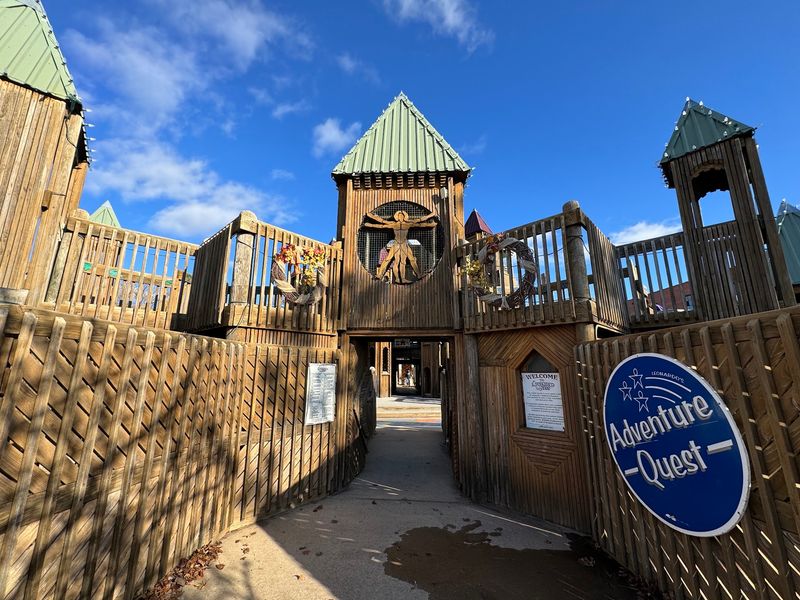
Finding the place is pretty easy once you are in Enid, and that matters when you have excited kids asking if you are almost there. Leonardo’s Children’s Museum And Adventure Quest is at 200 East Maple Avenue, Enid, OK 73701, right near downtown, so it feels connected to the town instead of hidden away.
I always like it when a family spot is part of the everyday rhythm of a city, because that usually means locals truly use it. Here, you get that sense right away, and it makes the visit feel less like a staged attraction and more like a real Oklahoma gathering place.
Plan a little extra time before you head in, because the outside already builds anticipation with its playful look and busy energy. Kids often notice details adults miss at first, so slowing down near the entrance can turn arrival into part of the fun.
If you are meeting friends, the central location helps a lot, and it also makes pairing the museum with a walk around Enid feel natural. Sometimes a trip works better when the day has room to breathe, and this address gives you a nice home base for that before everyone is ready to head home.
The Castle That Steals The Show
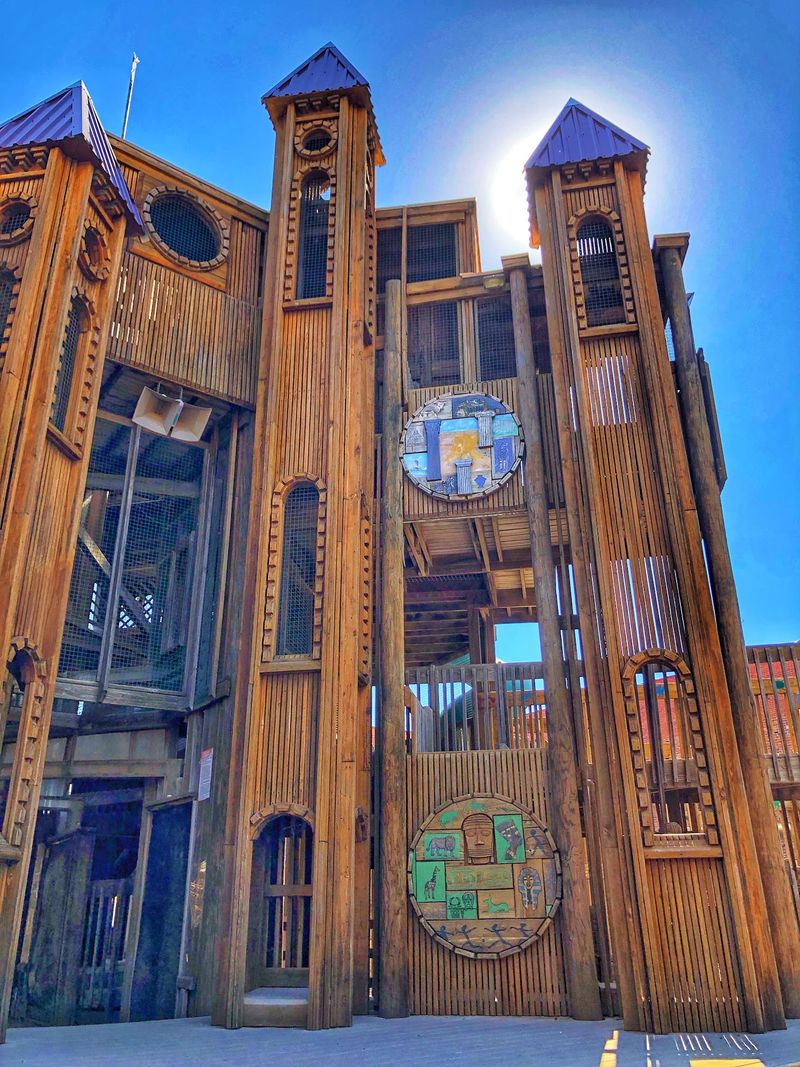
You know that feeling when a playground looks so big it almost seems unreal? That is the mood here, because the giant wooden castle at Adventure Quest rises with the kind of storybook drama that makes kids pick up their pace without even noticing.
Walking through it feels less like crossing a standard play structure and more like entering a maze that keeps changing as you move. There are bridges overhead, tucked-away passages, lookout spots, and slides that seem to appear after every turn, which gives the whole area a playful sense of mystery.
Parents should keep an eye out, but it also helps to let children lead a little, since discovery is half the fun in a place like this. When kids choose their own route, they often become braver, more observant, and surprisingly thoughtful about where they want to go next.
The wooden design adds real character, and it is one reason the playground stands apart from shinier modern spaces that can feel forgettable. In Oklahoma, where community stories matter, the castle feels almost like a shared neighborhood legend that just happens to be built for climbing, chasing, laughing, and making memories together for families who do not mind getting a little lost in the fun out there.
More Than One Way To Play
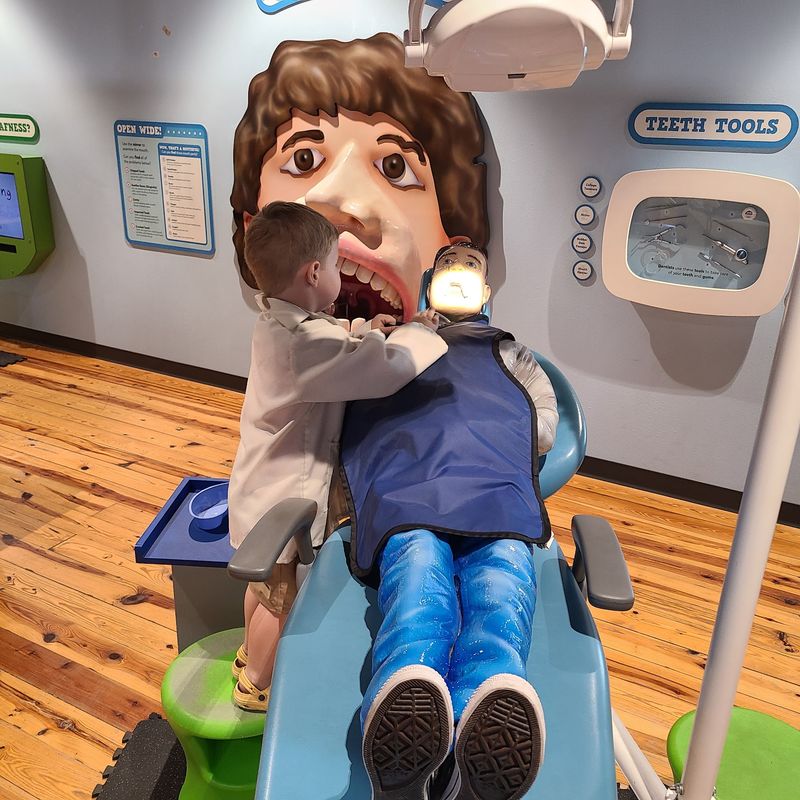
After the castle grabs your attention, the rest of Adventure Quest keeps the day from feeling one-note. One path leads to mazes, another opens toward swings, and then suddenly you are near a dinosaur dig area, which is exactly the kind of playground logic kids understand better than adults.
That mix matters, because not every child wants the same challenge at the same moment. Some want to climb high and move fast, while others would rather search, pretend, dig, or test themselves in a quieter corner before jumping back into the bigger action.
The dinosaur area is especially fun for kids who like hands-on discovery, since it adds a little treasure-hunt feeling to the visit. A maze can do something similar, giving children a chance to solve small problems, make choices, and feel proud when they figure out the route.
If you are visiting as a group, spread out a bit and let everyone compare favorites later, because this part of the museum grounds rewards different personalities. In Oklahoma, where wide-open spaces already invite exploring, this playground turns that same spirit into something compact, playful, and easy for families to enjoy together without anyone feeling pushed toward the loudest activity or stuck waiting around for the others all afternoon long.
Indoor Rooms Full Of Curiosity
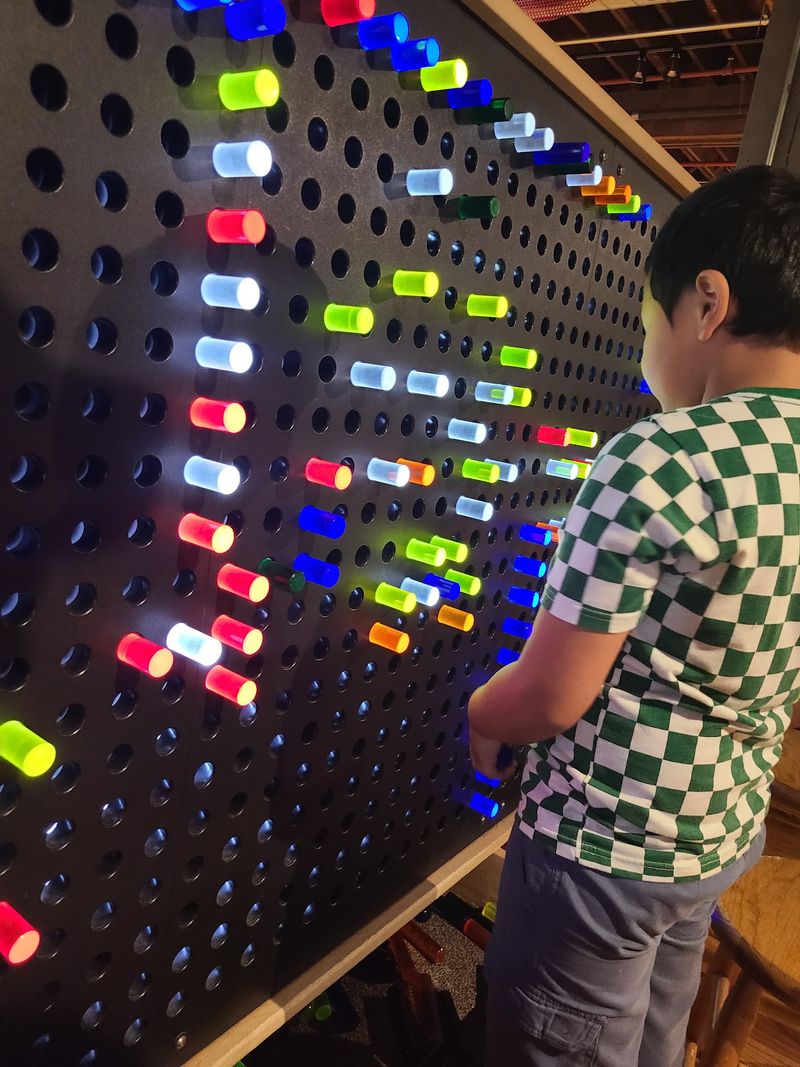
After all that outdoor running, stepping inside feels like opening a totally different chapter instead of ending the adventure. The museum has a big collection of hands-on activities, and the shift from climbing to tinkering keeps the day balanced in a way families really notice.
What I like most is that the indoor spaces do not ask kids to suddenly become quiet observers. They can touch, test, build, and ask weird little questions out loud, which is often when the best learning happens, especially for children who understand the world by doing first.
Art and science sit close together here, and that blend gives the museum its personality. One child might be drawn to color, texture, and making things, while another gets excited by motion, cause and effect, or figuring out how a piece works.
If weather changes your plans, this indoor side keeps the trip from losing energy, and that matters in Oklahoma where days can shift quickly. It also helps adults, because there is enough variety to keep kids moving from one idea to another without the visit starting to feel repetitive, forced, or overly scheduled.
You can slow down, reset, and follow whatever catches your group’s interest without feeling trapped in one single mood the whole time.
A Critter Corner Kids Remember
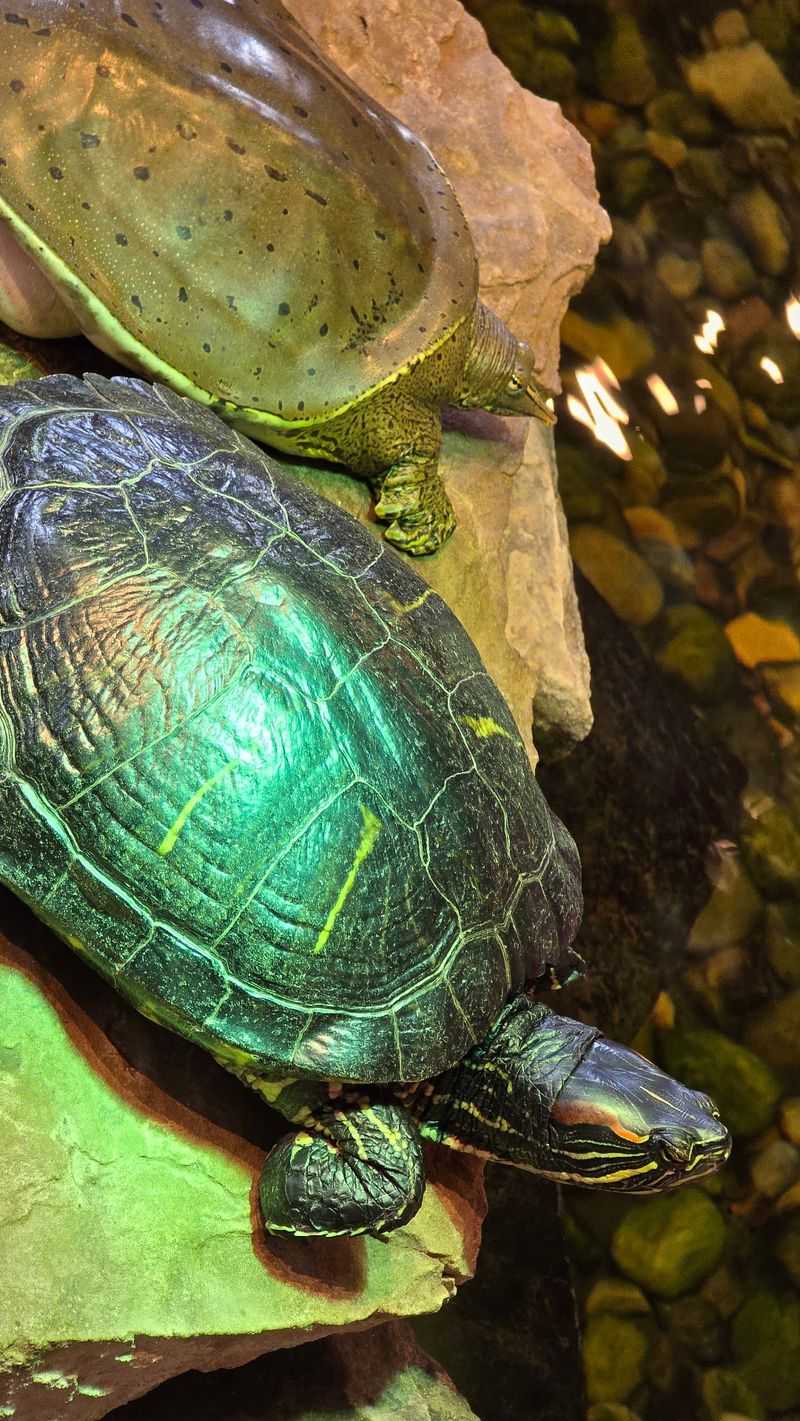
Kids who light up around animals usually head straight for the Critter Clubhouse, and I do not blame them one bit. Seeing lizards, snakes, chinchillas, ferrets, and fish inside a museum changes the energy fast, because suddenly the learning feels alive, curious, and a little unpredictable.
Animal spaces have a special way of slowing people down, even on busy family outings. You start noticing scales, whiskers, movement, and tiny habits, and before long, kids are asking thoughtful questions they probably would not have asked from a page or screen.
That is one reason this area works so well, since it gives children a chance to connect with living creatures while staying in a setting built for exploration. For some kids, this becomes the part they remember most, especially if they are gentle observers who like noticing details more than climbing everything in sight.
If your child is interested in nature, give this space real time instead of treating it like a quick stop between bigger attractions. Museums in Oklahoma can teach through objects, stories, and history, but an animal encounter adds a softer kind of learning that sticks because it feels personal, calm, and full of wonder long after the museum visit is over and the car ride starts home.
Climbing Through Oklahoma Energy
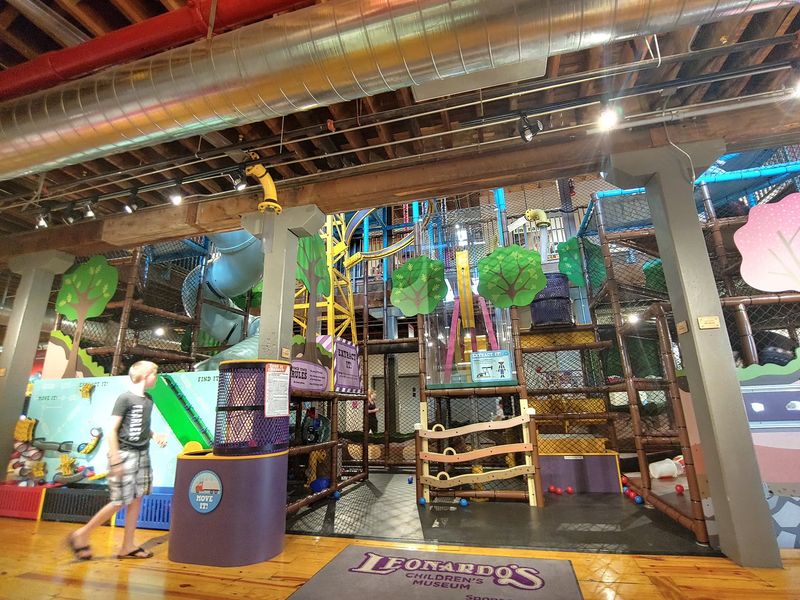
Then there is the Power Tower, which sounds impressive on paper and still manages to feel bigger in person. It works as a climbing structure and a learning space at the same time, so kids get the thrill of moving upward while also bumping into ideas about energy.
That combination is smart, because children often understand a topic better when their bodies are busy too. Climbing makes them feel alert and capable, and that excitement can open the door to conversations about oil, natural gas, wind, and solar power without the lesson feeling heavy.
Since Oklahoma has such a strong connection to energy, this exhibit feels rooted in place rather than randomly added. It gives families a chance to connect museum fun with the wider world outside, which is often when learning starts to feel useful instead of abstract.
If your kids like to move nonstop, start here before asking them to focus on quieter displays elsewhere in the museum. A spot like this honors their energy first, then gently folds in information, and that order matters more than people think when you are trying to keep a family outing fun, curious, and easygoing for everyone involved, including the adults who are secretly hoping the museum tires the children out.
The Workshop For Big Ideas
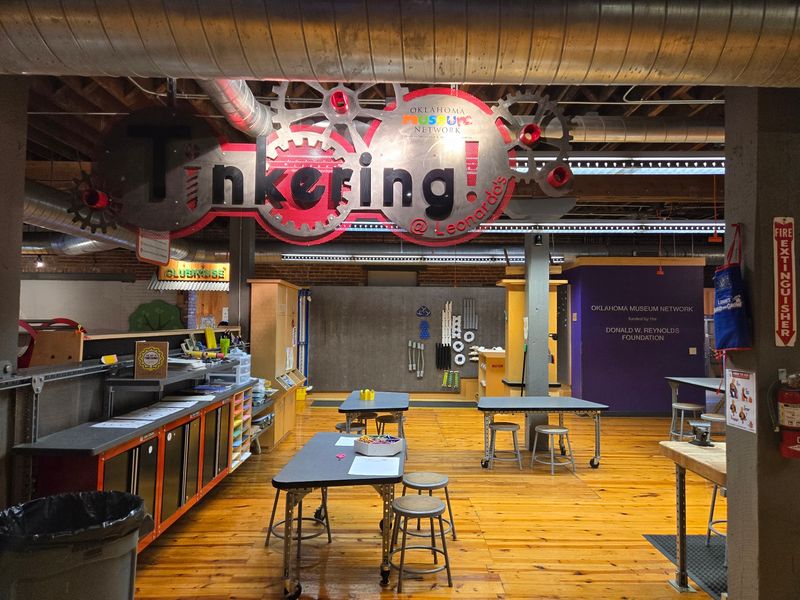
Some kids want slides, some want animals, and some immediately want tools in their hands. The tinkering workshop is for that last group, and it gives them a place to build, test ideas, and make something that did not exist a few minutes earlier.
I love spaces like this because they allow messy thinking, which is often how creativity really works. A child can start with one plan, hit a snag, switch directions, and accidentally discover something better, all while learning patience and problem solving without a lecture hanging over them.
Using real parts and tools changes the feeling too, because it tells kids their ideas deserve serious attention. That small shift can be powerful, especially for children who do not always connect with more traditional exhibits but come alive when they can invent, adjust, and try again.
If your family enjoys making things at home, this room may end up feeling oddly familiar in the best way. It carries that garage-table, kitchen-counter spirit of experimentation, but wraps it inside a museum in Oklahoma where curiosity is clearly treated like something active, useful, and worth celebrating out loud.
You may leave with no masterpiece at all, but the process itself is the point, and kids can feel that right away.
