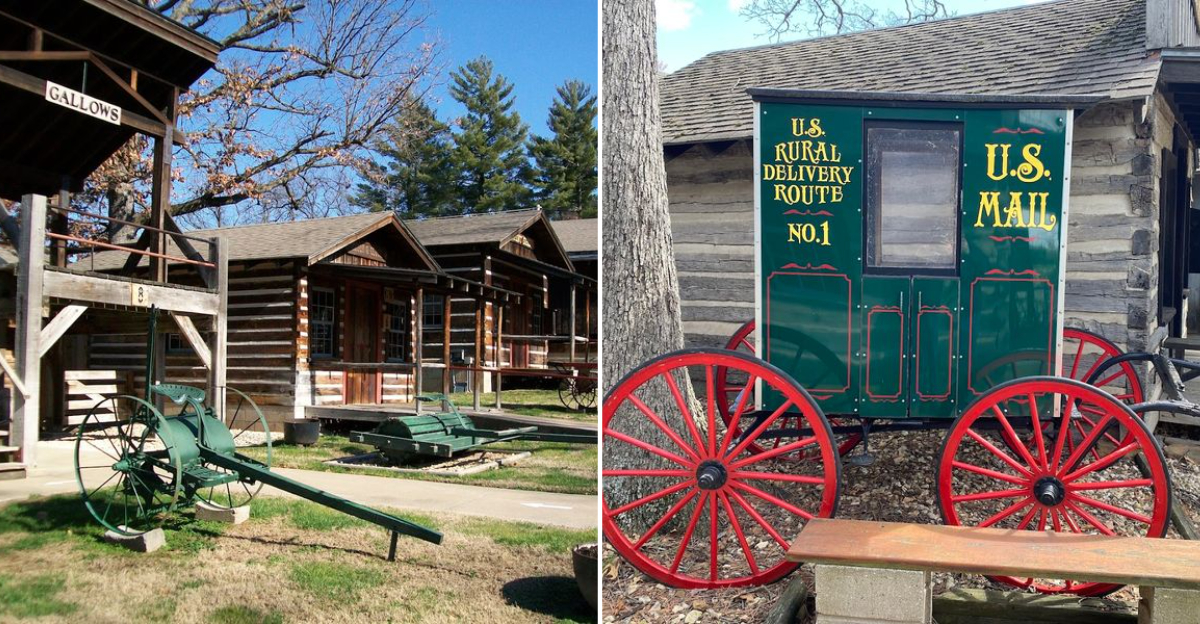
You step into an old schoolhouse and the chalkboard still has writing on it. A blacksmith shop sits nearby, and the tools are still in place.
This Oklahoma museum is not a single building, but an entire pioneer village, a collection of homes, a church, a school, and a general store that look like they were left untouched.
More than a hundred structures are scattered across the grounds, and each one feels like a small time capsule.
The lake is close, and the paths wind through the trees. You can wander for hours and still find something you missed.
It is not a polished tourist attraction. It is a place where history sits out in the open, waiting for anyone curious enough to stop and look.
A stop here is a step into a world that has not been forgotten.
Walking Into A Real Village
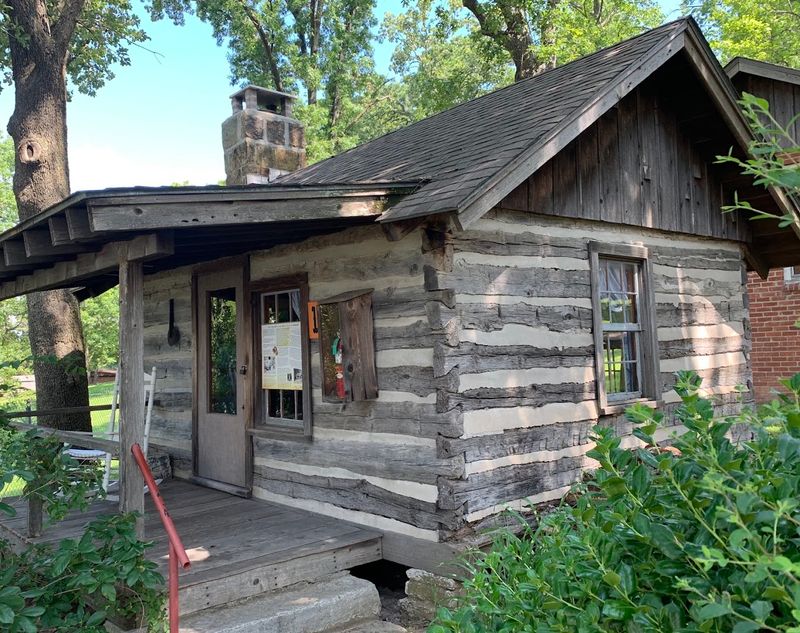
You know that moment when a place surprises you right away and resets your expectations? Har-Ber Village does that, because it feels less like exhibits and more like entering history.
Instead of glass cases leading the experience, real buildings, walkways, and porches pull you forward.
Kids spot fun first, while adults catch on once the scale of it sinks in. Even before going inside, you read the village through wagon ruts, porches, and weathered wood.
That makes the visit feel active, helpful if you know someone who hates standing around.
What sticks with you is how ordinary pioneer life seems once everything sits around you. There are homes, shops, public spaces, and details that quietly explain how a community worked.
You are not guessing what happened here, because the layout itself tells the story naturally.
That is great for families, since conversation comes easier when people can point at things. If you like learning by wandering, this place really understands you better than many museums.
You keep moving, noticing, imagining, and asking questions, and somehow the history starts feeling personal.
By the time you leave the first stretch, the village feels memorable for honest reasons. Nothing about it feels forced, and that easy realism is exactly why the place works.
Finding The Place By The Lake
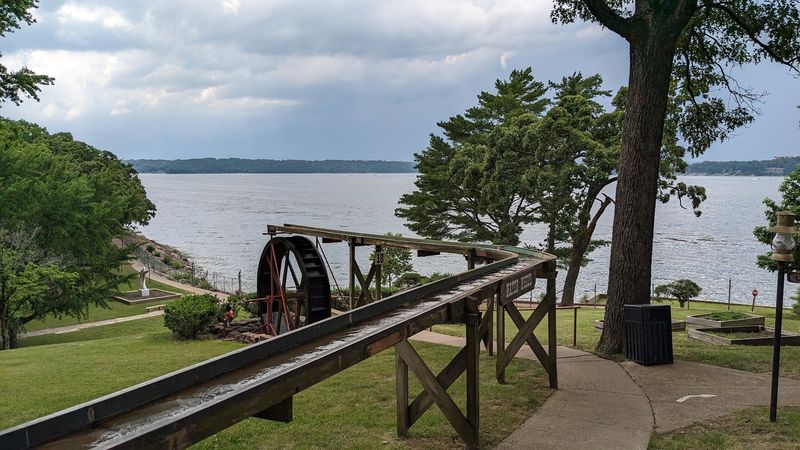
Getting there is part of the mood, because Grove starts feeling calmer before you park. Har-Ber Village Museum sits at 4404 W 20th Street, Grove, OK 74344, near Grand Lake.
Once you pull in, the trees and open space help shake off the road noise.
I like places that do not rush the transition, and this eases you into things. Grand Lake matters more than you might think, because the water softens the historic setting.
You catch glimpses of it through the grounds, and those views keep the day open.
Oklahoma has plenty of outdoor beauty, and this museum quietly borrows some of that charm. Instead of arriving at an attraction, you feel like you are entering a shoreline neighborhood.
That makes difference if you are visiting with kids, grandparents, or friends who need pace.
Nobody has to fake enthusiasm when the walk in feels pleasant and easy to manage. Bring shoes you trust, though, because you will want to keep wandering past your plan.
A slow start works here, especially if you want the lake and village to settle.
By the gate, it feels like Oklahoma is showing off without making a big scene. That quiet arrival is a reason the visit stays with people after the drive home.
Old Streets That Feel Local
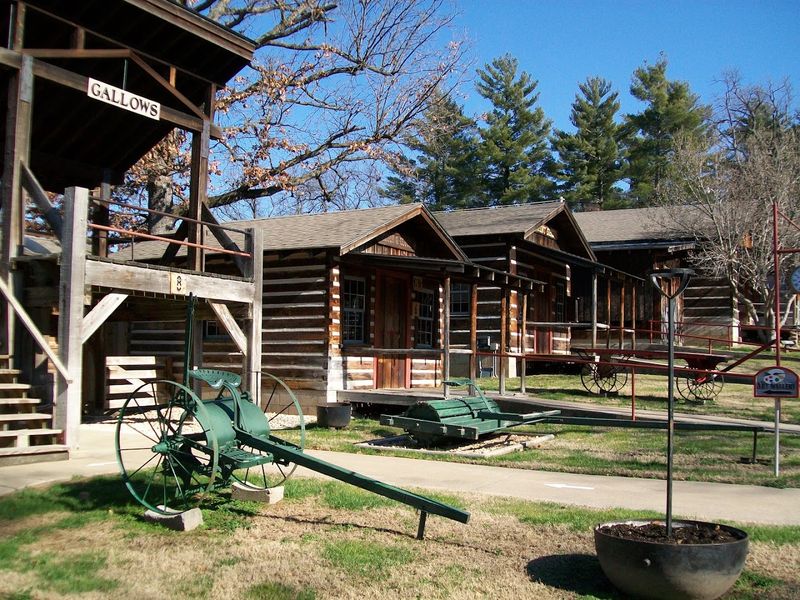
Once you start following streets, the museum stops feeling like a site and feels real. That shift happens fast, especially when buildings stand close enough to suggest actual daily routines.
You pass a jail, a bank, and civic spaces that once shaped order in communities.
Nothing is crammed together carelessly, so each turn gives your eyes a fresh little story. Some air museums feel scattered, but this layout makes sense even before you study maps.
You can picture neighbors crossing paths, errands getting done, and news traveling faster than wagons.
I kept noticing how the spaces between buildings mattered almost as much as the interiors. Streets and yards tell you who gathered where, who worked nearby, and who needed privacy.
That is the kind of detail kids understand quickly, even without knowing much formal history.
People lived in patterns, and the village lets those patterns show instead of hiding them. You are not just looking at old architecture, you are reading how a town breathed.
That makes the whole walk feel less decorative and much more grounded in real lives.
Around here, history is not trapped inside labels, because the streets keep translating it naturally. By the end of one block, you start trusting the village to teach you well.
Rooms Filled With Everyday Life
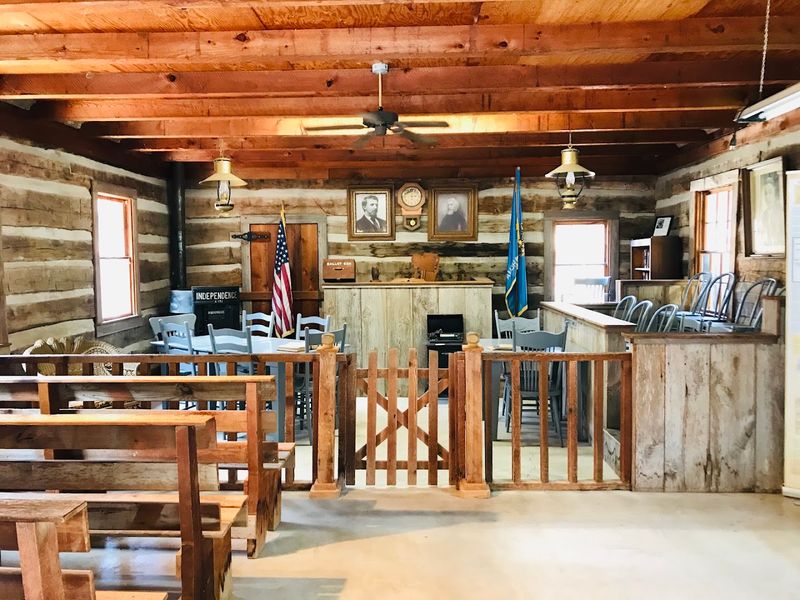
What got me were the rooms because they show ordinary life instead of grand stories. Inside the homes and shops, shelves, tools, and tables explain habits people rarely wrote down.
You see where letters were kept, where food was prepared, and how work filled corners.
That kind of detail makes the past easier to understand than any long wall panel. A kitchen can say plenty about effort, patience, and family rhythm without anybody lecturing you.
The same goes for bedrooms, counters, and desks that still look ready for use today.
Har-Ber Village is especially good at showing how much labor sat inside simple daily routines. Nothing feels overly polished, and that helps the objects keep their plainspoken honesty for visitors.
You start thinking about laundry, meals, bookkeeping, mending, and all the chores behind survival daily.
That perspective lands differently than famous events, because it is closer to your own life. Maybe that is why the museum feels warm instead of distant, even with antique surroundings.
You recognize routines first, and then the history sneaks in through familiar human needs there.
Kids notice beds and stoves, while adults usually linger over storage, tools, and handwritten signs. Either way, those rooms make pioneer life feel understandable without flattening its hard work completely.
A Schoolhouse That Makes You Pause
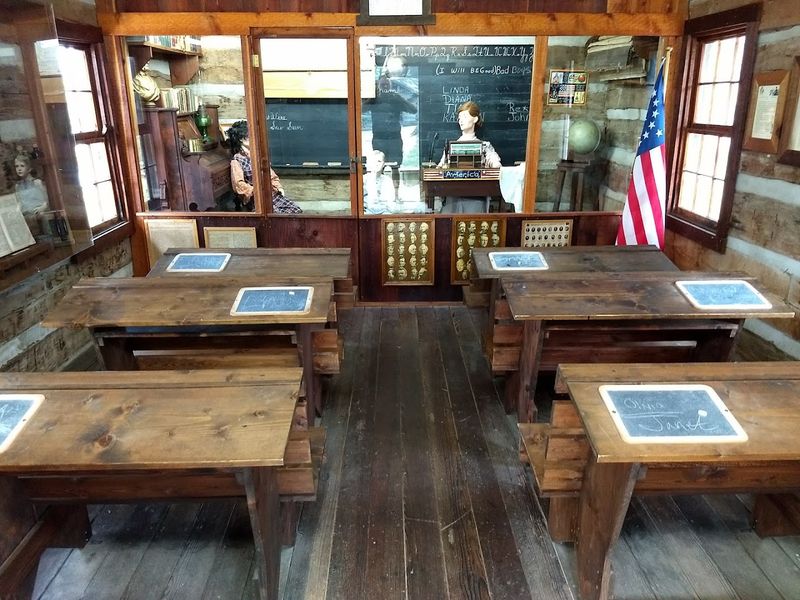
The schoolhouse has a way of making people smile first, then go surprisingly quiet inside. Something about old desks and chalkboards instantly brings back stories from parents and grandparents alike.
Even kids who groan at history usually lean closer when they imagine spending days there.
The room shows how learning once depended on discipline, repetition, and a lot less comfort. You can picture heavy coats, careful handwriting, and a teacher trying to hold attention steady.
That mental picture works because the setting is simple enough to leave space for imagination.
I like how the museum does not overplay nostalgia, since frontier schooling was hardly easy. Instead, the schoolhouse lets you feel both curiosity and relief that classrooms eventually changed somewhat.
Oklahoma families will probably hear older relatives mention the stove as soon as they enter.
That reaction is half the fun, because one building suddenly opens a bridge between generations. For younger visitors, the room turns vague textbook ideas into something they can actually picture.
For adults, it often becomes a reminder that comfort and convenience are still pretty recent.
You do not need a lecture here, because the benches and slates explain enough already. Walking out, you usually appreciate modern schools a little more than you expected to today.
Workplaces From Another Time
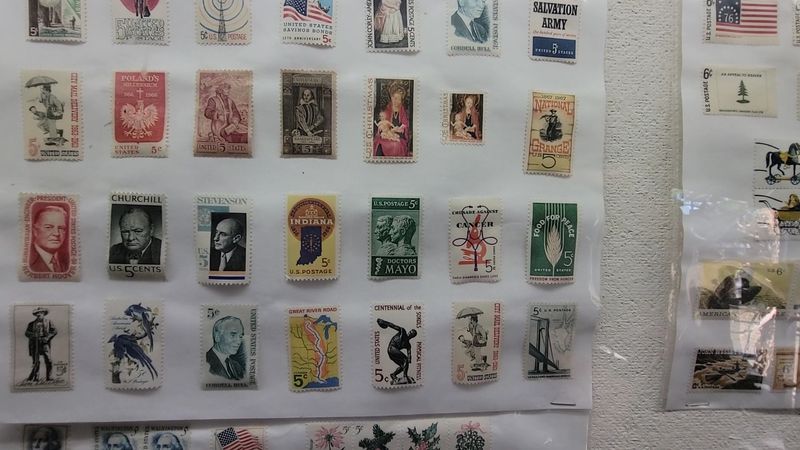
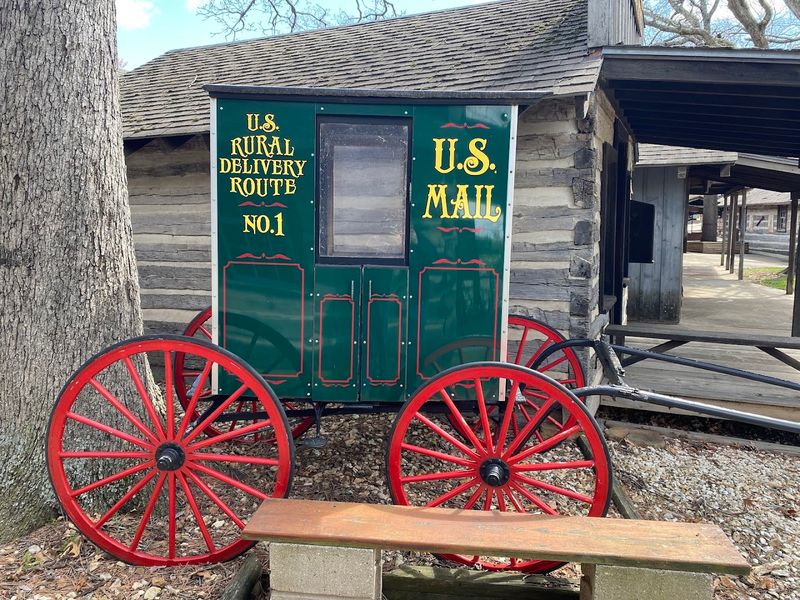
One of the coolest parts is seeing where people worked, because jobs shaped every hour. The mercantile, print shop, doctor office, dentist office, and post office each tell different stories.
You can feel how a town depended on many skills, not just farming and hauling.
A counter or workbench often explains more than a timeline, because tools reveal priorities fast. Somebody had to fix teeth, print notices, sort mail, and keep shelves stocked for neighbors.
That practical mix makes the village feel less romantic and much more human overall today.
I especially like the print shop, because it reminds you that information once moved physically. Meanwhile, the post office shows how badly communities needed connection across long distances back then.
The medical spaces feel personal too, since care was close, direct, and sometimes uncomfortable there.
You leave with a sharper sense that survival depended on specialists as much as neighbors. That balance is easy to miss when history gets reduced to cabins and wagons alone.
Here, the working rooms bring back the systems that kept daily life moving along smoothly.
Oklahoma history feels broader once you see how many jobs supported a growing settlement there. That is why these spaces linger in memory, even after flashier buildings fade a little.
Craft Demonstrations Make It Click
Watching old skills in motion changes everything, because your brain finally understands the work involved. A blacksmith hammering metal or someone spinning fiber makes history feel immediate instead of distant.
You stop seeing objects as antiques and start seeing them as the results of labor.
That shift is huge for kids, but honestly adults need it just as much too. Demonstrations give sound and movement to a village that might otherwise stay too quiet sometimes.
Sparks, wheels, fabric, and tools all create a kind of proof that books cannot match.
I love that these moments also show patience, because many tasks took steady practice daily. People were not casually making things back then, they were solving needs with their hands.
Seeing that effort up close makes the finished buildings and rooms feel more believable afterward.
It also helps explain why communities respected certain trades so deeply across Oklahoma settlements then. A quick demonstration can spark better conversation than a long label ever could for visitors.
Suddenly, questions start coming naturally, and nobody feels like they are being taught formally there.
That is a sweet spot for families, school groups, and curious adults traveling together nicely. When history moves its hands, everybody pays attention longer than expected, and remembers more afterward.
Nature Trails Slow The Day Down
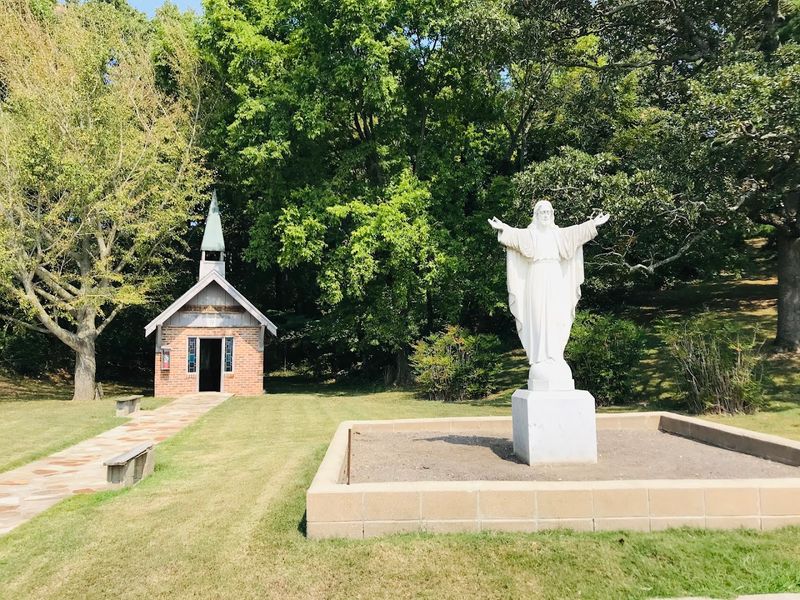
After a while, the nature trail feels like the kind of reset for your brain. You have been taking in buildings and objects, so a quieter path lands especially well.
The nice part is that it does not feel separate from the museum experience either.
Instead, the trail reminds you that pioneer communities always lived beside weather, soil, and woods. That context matters, because daily life was shaped by land as much as buildings there.
Leaves, shade, and birdsong gently clear out the mental clutter that can build up during.
I think families appreciate this more than expected, especially when younger kids need space outside. Not every break has to mean leaving, sitting indoors, or pulling out a phone here.
In Oklahoma, outdoor air can rescue a long day faster than people admit sometimes honestly.
The trail gives you that help while still keeping the museum nearby in your mind. You may notice plants, shoreline light, or little sounds you missed during the village walk.
That small change in attention can make the whole visit feel more complete afterward somehow.
Nature does not compete with the history here, it quietly finishes the picture for you. By the time you loop back, everything usually feels calmer, clearer, and easier to remember.
Give Yourself Time To Roam
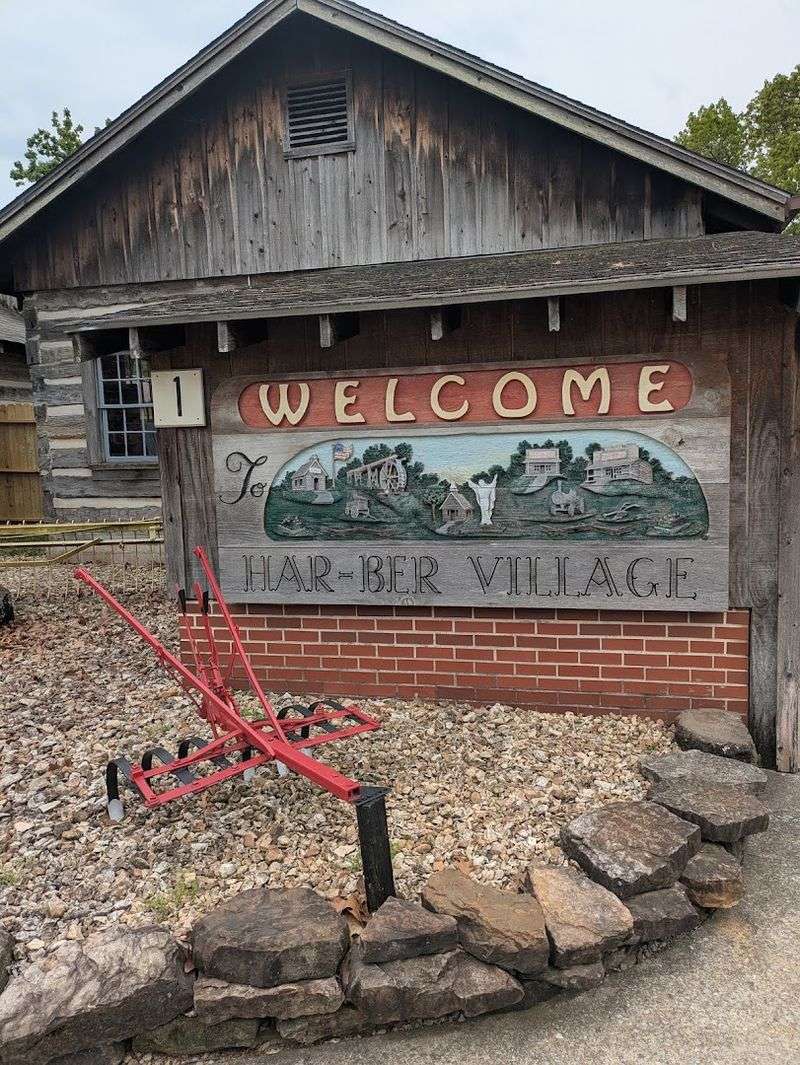
The biggest favor you can do for yourself here is leaving room for surprises later. Har-Ber Village works when you are not racing from building to building with a checklist.
Give yourself time to backtrack, peek into another room, or sit near the lake awhile.
The village rewards lingering, because little details often register after your first pass through there. Maybe you notice a tool later, or finally understand how two buildings connect better together.
That slower style also keeps the day feeling relaxed, which fits the lakeside setting beautifully.
If you rush, you will still enjoy it, but you may miss its personality entirely. Some museums are about finishing them, while this one is about settling into them awhile.
I would plan for wandering, chatting, and letting curiosity decide what gets your attention next.
That approach works especially well in Oklahoma, where a slower day often feels more honest. Before leaving, a stop at the shop or cafe can ease you back gently again.
Then you realize the place gave you both history and a little breathing room today.
Not every attraction knows how to do that, which is probably why this lingers afterward. When a museum invites you to roam, it usually ends up feeling more personal somehow.
