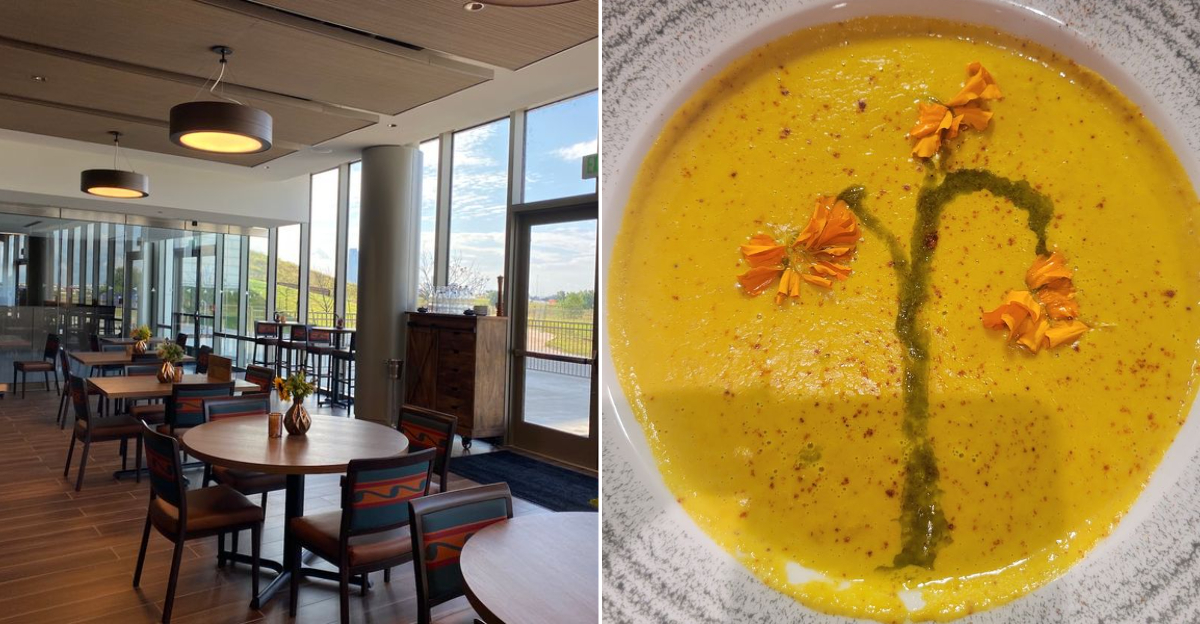
The plate in front of you tells a story that stretches back centuries, long before grocery stores or drive-thrus.
At a museum restaurant in Oklahoma, the kitchen honors ingredients that sustained communities for generations, reimagining them with a modern touch.
Bison, turkey, and duck take center stage, while the “three sisters” of corn, beans, and squash appear in creative and unexpected ways. The chefs use sumac, wild rice, amaranth, and other precolonial staples to craft dishes that feel both familiar and entirely new.
The menu changes with the seasons, reflecting what is fresh and local. The name itself is a quiet tribute to the many nations that call the state home.
It is a place where food becomes a connection to the land and its original caretakers, offering a dining experience that is as educational as it is delicious. This is not just a meal, but a celebration of heritage on a plate.
The Story On Every Plate
Right away, you can tell the food here is trying to say something bigger than lunch or dinner. Every plate connects Indigenous knowledge with a modern kitchen, and that mix makes the meal feel personal, thoughtful, and memorable too.
Instead of leaning on familiar restaurant shortcuts, the menu pulls from ingredients with deep roots in this region. Corn, beans, squash, bison, and wild herbs show up in ways that feel current, while still honoring where those foods began.
What I like most is how the storytelling never feels forced or classroom stiff. You are not being lectured while you eat, but you do start noticing how much history can live inside a bowl, a sauce, or a side.
That matters in Oklahoma, where Native cultures shape the land, the communities, and the food more than many visitors realize. Eating here becomes a simple, real way to understand that connection without needing a long explanation first.
If you usually order the safest thing on the menu, this is a good place to loosen up a little. Trust the ingredients, ask questions, and let the dish surprise you in its own calm way.
By the end of the meal, you are not just full, you are paying closer attention. Few restaurants can shift your thinking that gently, and that is a big part of why Thirty Nine stays with you.
Where The Experience Begins
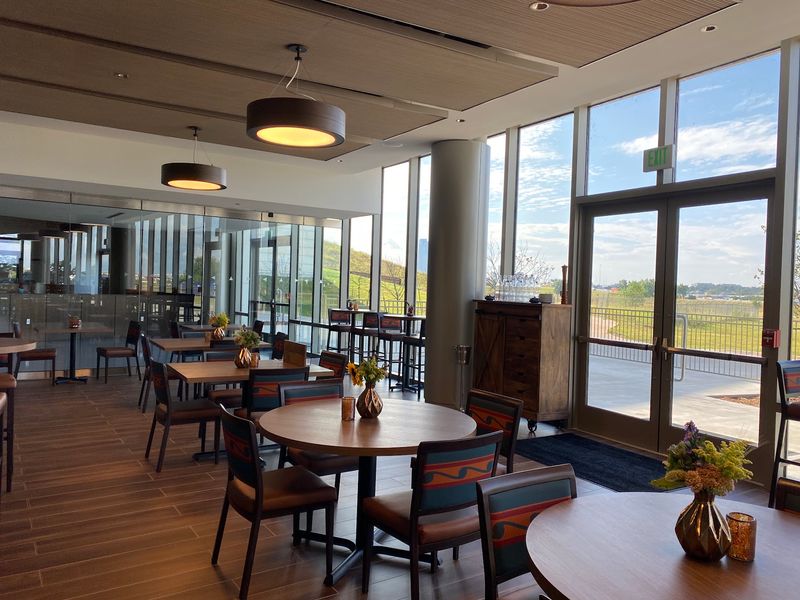
Finding the restaurant is part of the fun, because it sits inside a place already built around story and identity. Thirty Nine Restaurant is located at 659 First Americans Boulevard, Oklahoma City, OK 73129, inside the First Americans Museum.
That setting changes the mood before you even sit down with a menu in your hand. You are already surrounded by art, design, and context, so the meal feels connected to something larger from the start.
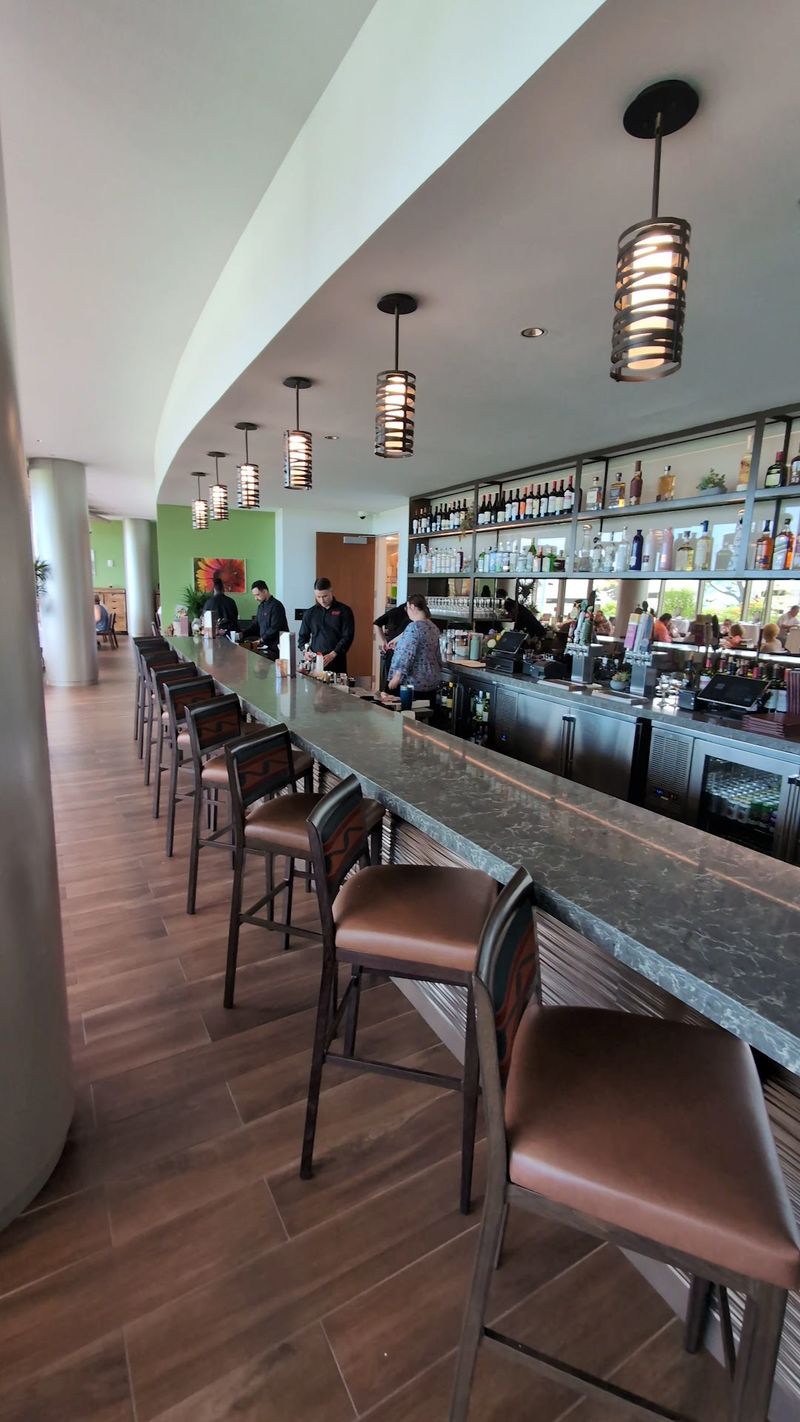
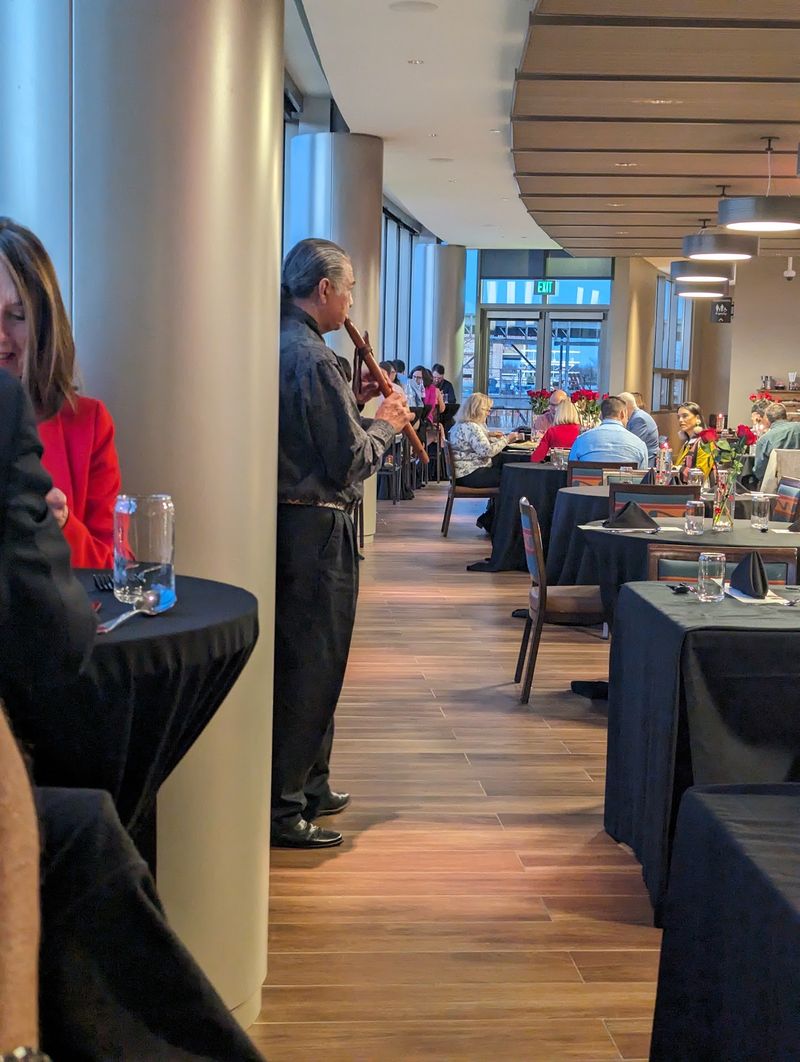
The museum location might make you expect a rushed cafe, but that is not what happens here at all. The room feels polished, open, and comfortable, with enough warmth to keep it from feeling formal.
If you are exploring Oklahoma City for the day, it fits naturally into the kind of visit that leaves you with more than photos. You can spend time learning, walking, and then settle into a meal that keeps the experience going.
I also like that the restaurant does not hide in the background of the museum. It has its own presence, so even people who come mainly for the food still feel like they arrived somewhere worth seeking out.
For travelers who want one stop that says something real about Oklahoma, this setup works beautifully. You get a sense of place, a strong meal, and a clearer understanding of why the location matters.
Loretta Barrett Oden’s Guiding Vision
Behind the food, there is a guiding voice that gives the restaurant real direction and heart. Loretta Barrett Oden helps shape the culinary vision, and her influence gives the menu a clear sense of purpose.
She is a member of the Citizen Potawatomi Nation, and that connection matters in a very grounded way. The dishes are not reaching for novelty, because they are built from traditions that already carry meaning, memory, and place.
What comes through most strongly is respect, not performance. You can feel that the restaurant wants to bring pre colonial Indigenous cooking traditions forward in a way that belongs in the present, not trapped behind glass.
That approach keeps the meal from feeling like a themed experience made for tourists. Instead, it feels like thoughtful leadership guiding the kitchen toward food that is rooted, clear, and genuinely confident in what it is.
I think that makes a big difference for diners who want more than a trendy concept. When someone with lived cultural knowledge helps shape the menu, the whole experience gains weight without losing comfort or warmth.
In Oklahoma, where Native food stories deserve more room and more visibility, that kind of leadership stands out. It helps turn a very good restaurant into a place that feels important in a lasting way.
Ingredients Rooted In The Land
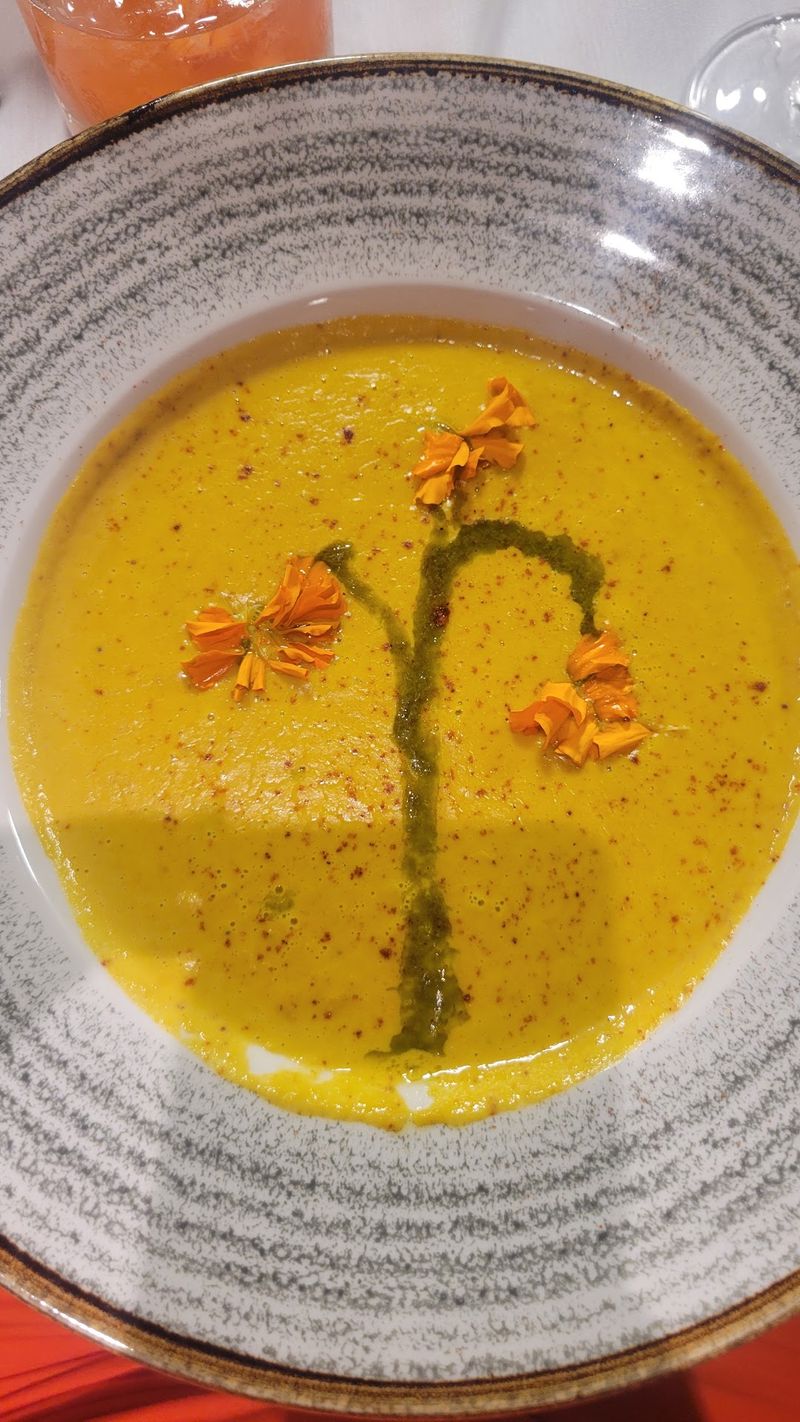
One thing that really sticks with you here is how grounded the ingredient list feels. The kitchen focuses on foods tied to the land long before outside influence reshaped eating across this part of the country.
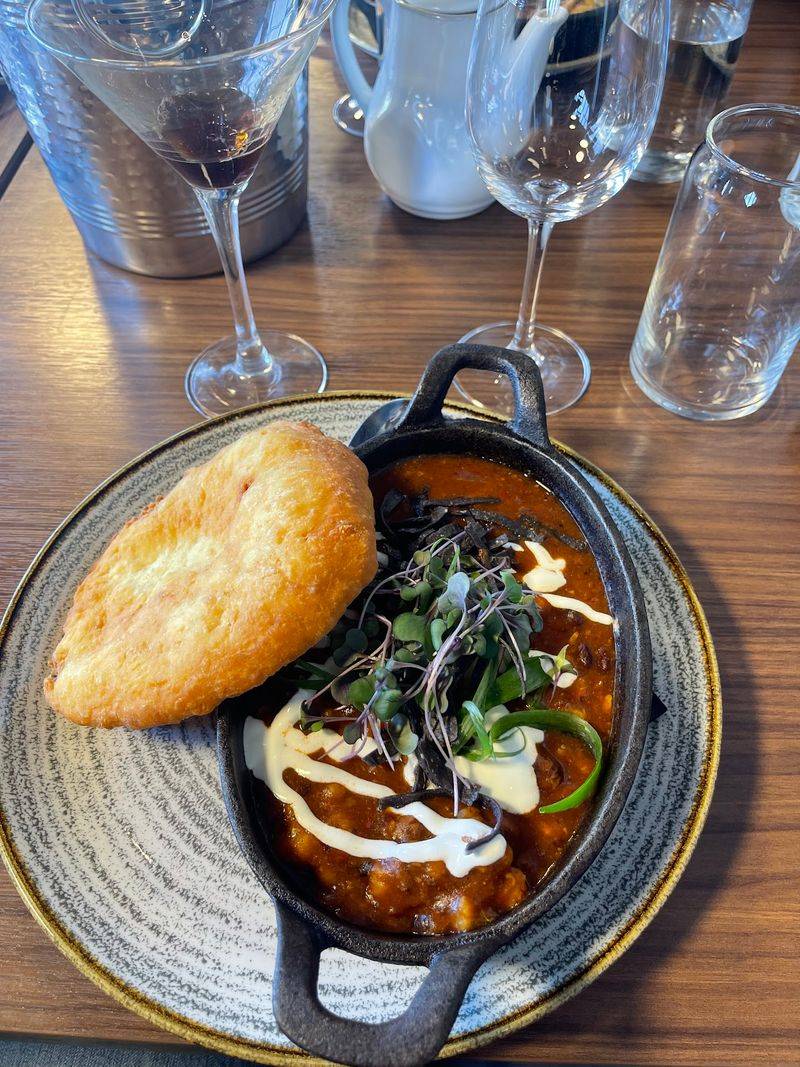
That means you will often see hominy, sweet corn, beans, squash, and other staples handled with real care. They are not treated like side notes, because they are central to the story the menu wants to tell.
The Three Sisters, corn, beans, and squash, show up as more than a history lesson from school. On the plate, they feel vivid, practical, and current, which is exactly why the restaurant’s approach lands so well.
I also appreciate that local sourcing matters here, because it keeps the food tied to Oklahoma in a living way. Ingredients grown or raised nearby help the meal feel connected to place instead of copied from somewhere else.
For diners, that means flavor with a little more depth behind it. You are tasting food that reflects land, season, and community, which gives the experience more staying power than a clever presentation ever could.
If you care about where ingredients come from, this restaurant gives you something real to hold onto. Even a simple bite can remind you that good food often begins with paying attention to the ground beneath you.
Dishes That Break Your Routine
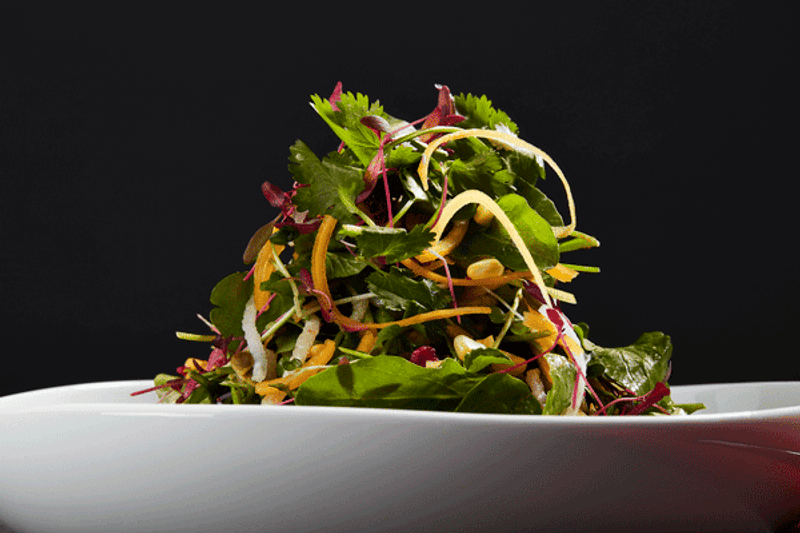
Some menus give you exactly what you expect, and sometimes that is fine. Thirty Nine is more interesting because it nudges you away from your usual order and makes that choice feel exciting instead of risky.
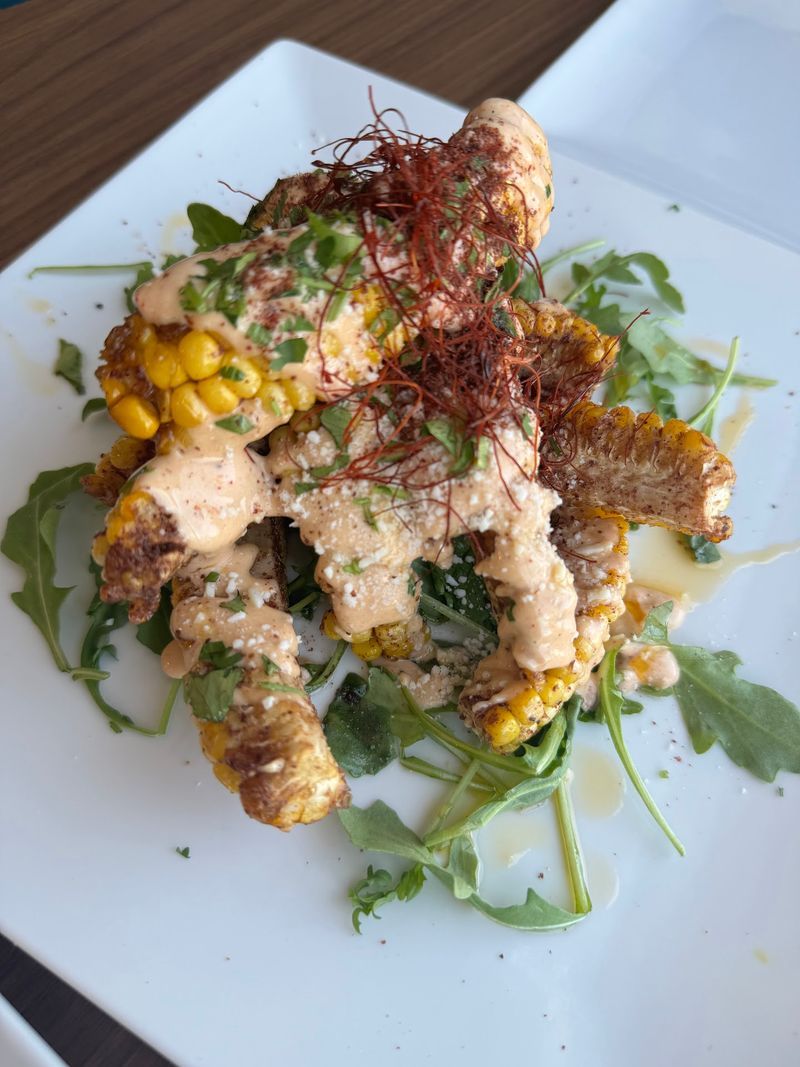
You might spot corn ribs with bold seasoning, a rabbit tamal, or a bison burger built with flavors that go beyond the standard setup. Even familiar formats feel refreshed once Indigenous ingredients lead the way.
That is what makes the menu so fun to talk about after the meal is over. You are not just saying something tasted good, you are remembering combinations that felt new without becoming strange or hard to enjoy.
If you eat carefully and like to know what you are getting, just ask the staff for guidance. They can explain the dish in plain language, which helps first time visitors feel comfortable trying something different.
I think this is where the restaurant wins over cautious diners in a quiet, smart way. The food is adventurous, but it still feels welcoming, so curiosity gets rewarded instead of punished by something overly precious.
When a place can stretch your habits without making you feel lost, that is a pretty special balance. In Oklahoma City, Thirty Nine does that with confidence, and the menu feels all the better for it.
A Name That Carries Meaning
Even the name of the restaurant gives you something to think about before the meal begins. Thirty Nine honors the distinct Indigenous tribes connected to Oklahoma, and that makes the identity of the place feel intentional.
Names can be decorative in restaurants, but this one does actual work. It points diners toward the wider cultural landscape around them, which helps frame the meal as part of a bigger story from the start.
I like that the meaning is clear without being heavy handed. Once you know what the name refers to, it quietly changes how you look at the menu, the museum, and the land outside the windows.
In a city full of places competing for attention, that kind of naming feels steady and thoughtful. It reminds you that Oklahoma is shaped by many Native nations whose histories are still active, present, and important.
For visitors, that small detail can open the door to better questions and better listening. You start wondering whose food traditions you are seeing, whose land you are on, and how those stories continue today.
That is a lot for a restaurant name to carry, but Thirty Nine handles it well. It sets the tone without getting in the way, and it gives the whole dining experience a little more depth right away.
Hospitality That Feels Personal
You can have meaningful food and a beautiful room, but service still decides a lot. Here, the hospitality feels warm in a way that makes the experience easier, calmer, and much more memorable.
The staff often explains dishes and ingredients with real enthusiasm, which helps if the menu includes foods you have not tried before. Nothing feels rehearsed, and that makes the conversations feel natural instead of polished.
I always notice when a team understands the difference between helpful and hovering. Thirty Nine gets that balance right, so you feel looked after without feeling interrupted every few minutes while you are eating.
That matters even more in a restaurant where the food carries cultural meaning. Good service creates space for curiosity, and it gives guests permission to ask questions without worrying that they sound out of place.
What stays with me is the sense that people want you to enjoy and understand the meal. That may sound simple, but plenty of restaurants miss it by acting too casual or too formal all at once.
In Oklahoma City, this kind of hospitality adds another layer to a place already doing something thoughtful. You leave with the feeling that the restaurant cares about the full experience, not just the plate set before you.
Brunch With A Fresh Point Of View
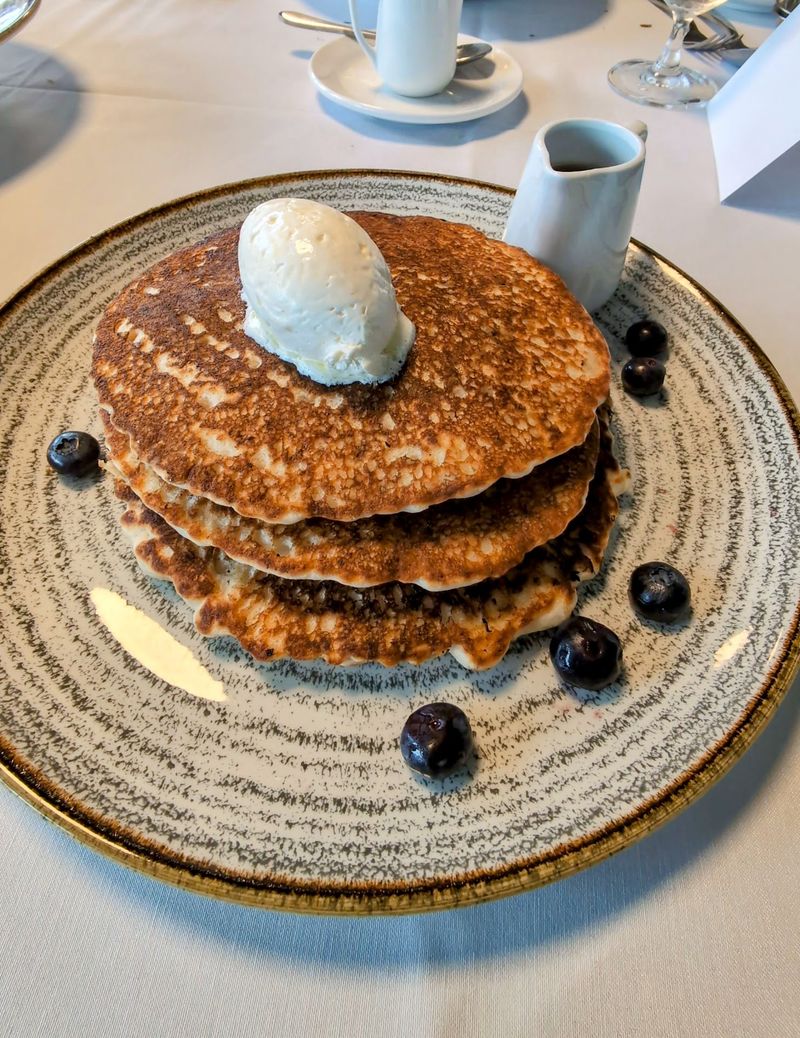
Now here is the part that catches people off guard, because the brunch menu keeps the same spirit. It is not an afterthought built from basic breakfast habits, and you can feel that almost immediately.
Dishes like duck biscuits and gravy or blue corn blueberry pancakes bring morning food into the same conversation as the rest of the menu. Familiar shapes stay in place, but the ingredients tell a different story.
That makes brunch here especially fun if you know someone who loves breakfast but rarely strays from the usual list. They can ease into something new without giving up the comfort that makes brunch feel appealing.
The mood also suits a slower visit, especially after spending time around the museum in Oklahoma. Light comes through the windows, conversation stays easy, and the whole room seems made for lingering a little longer.
If you are planning your day in Oklahoma City, brunch at Thirty Nine gives the visit a softer start. You can settle in, take your time, and let the meal introduce the restaurant at a gentle pace.
I think that is why people remember it so fondly. It manages to be creative without feeling showy, and it proves that morning dishes can carry culture, history, and real flavor all at once.
Why It Stays With You

Some restaurants are easy to enjoy and easy to forget, and then there are places like this. Thirty Nine stays with you because it feeds curiosity, comfort, and connection at the same time.
The food tastes good first, which is exactly how it should be, but it also broadens your idea of American cooking. You leave seeing Indigenous food not as a footnote, but as a living force.
That shift matters far beyond one meal in Oklahoma City. It reminds people that Native culinary traditions are not frozen in the past, and that modern dining can still honor them with care and imagination.
I also think the museum setting strengthens that message without making the restaurant feel overly serious. You can simply enjoy yourself, yet still walk away with a better sense of place than you had before.
For travelers, that is the sweet spot, because nobody wants a lecture with lunch. What most of us want is something real, and Thirty Nine delivers that through flavor, atmosphere, and a very clear sense of purpose.
If you are heading through Oklahoma and want a meal that sparks conversation afterward, put this place on your list. It is thoughtful without being stiff, and memorable without needing to shout for attention.
