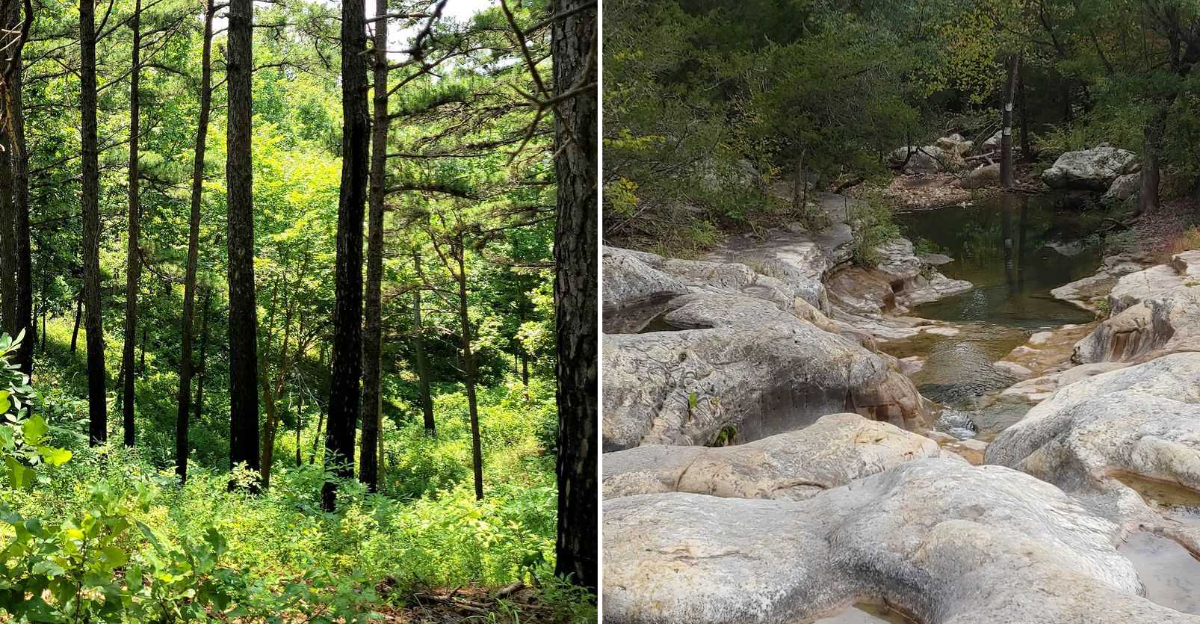
The hills here have watched over this land for a very long time. This sprawling Oklahoma preserve covers thousands of acres of forested hills and open meadows, a landscape that looks much as it did centuries ago.
The trails here wind through a truly wild place, where the only sounds are birdsong and rustling leaves. As you walk, you are sharing the same paths as the elk that roam these hills, a species reintroduced after an absence of over a hundred years.
Black bears also make their home in this vast wilderness, returning to a landscape that once knew them well. A network of self-guided trails allows visitors to explore this remarkable place at their own pace, taking in the sweeping views and diverse habitats.
This is not a manicured park, but a real working preserve where nature is allowed to thrive. For anyone seeking a genuine connection with the wild heart of the Ozarks, this preserve offers an experience that is both humbling and unforgettable.
The Ozarks Show Up In Oklahoma
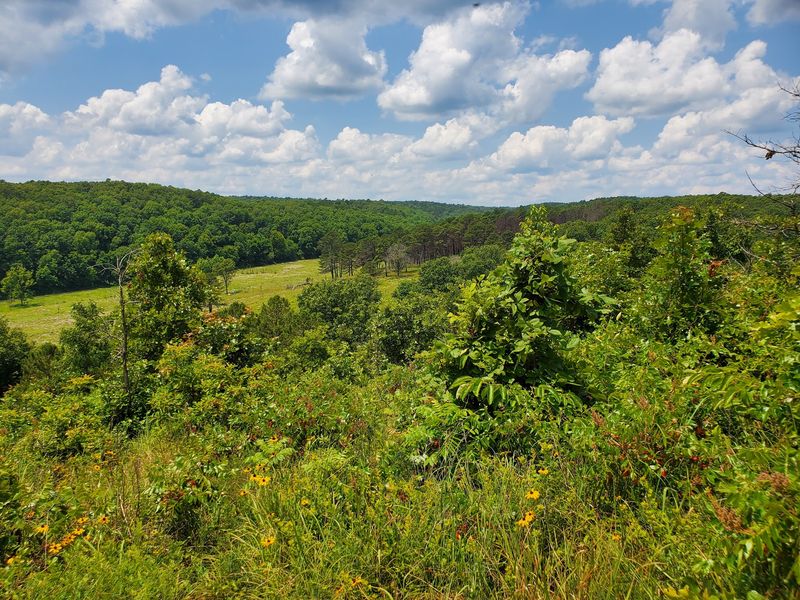
Most folks picture flat plains and red dirt when they think of Oklahoma, so this corner of the state tends to catch people off guard. The J.T.
Nickel Family Nature and Wildlife Preserve sits in the Cookson Hills, which is the western edge of the Ozark highlands, and the terrain here rolls and dips in a way that feels closer to Arkansas or Missouri.
Something like seventeen thousand acres of it are protected, which makes it the largest privately protected conservation area anywhere in this region. That number is hard to picture until you are standing on a ridge and realizing the forest just keeps going in every direction you look.
The Nature Conservancy manages the land, and the whole point is keeping the Ozark ecosystem intact rather than turning it into a manicured park. You will notice that right away, because the trails feel like paths through real woods instead of paved loops with benches every hundred steps.
If you have ever wanted to see what this part of the country looked like before roads and towns arrived, this is about as close as you are going to get. It is genuinely humbling to walk through a landscape that has been allowed to stay itself.
Getting Yourself There Without The Guesswork
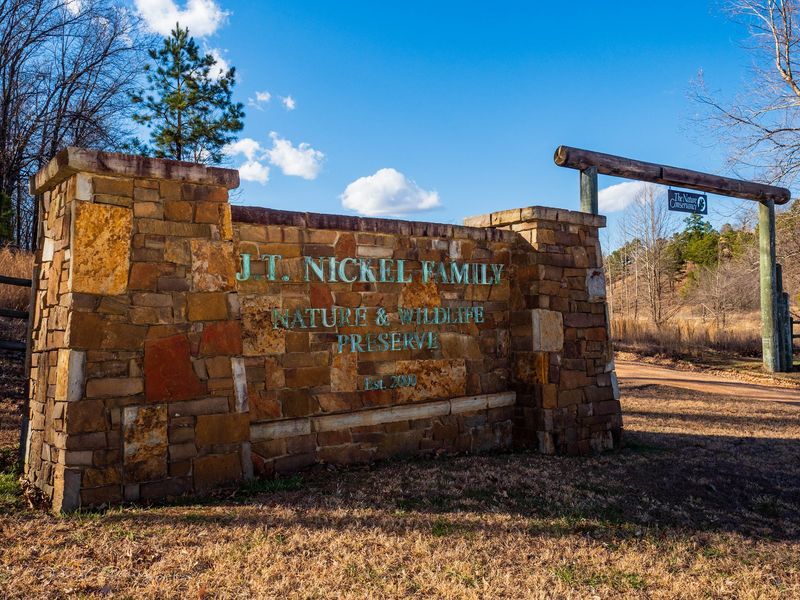
Let me save you some wandering around on back roads, because this one is a little tucked away. You are heading to E 685 Road, Tahlequah, OK 74464, and the drive itself is part of the fun since the roads narrow down and the trees start closing in as you get near.
The preserve welcomes visitors during daylight hours every single day, which is honestly generous for a conservation property of this size. That means you can show up early when the air is still cool or roll in later for the softer afternoon light without worrying about a locked gate.
One thing worth planning around is the headquarters building, which is generally staffed on weekdays only. If you want to ask questions, grab a trail map, or get a sense of what wildlife has been moving through lately, aim for a weekday visit.
Cell service out in these hills can be patchy, so I would download your directions before you leave town. Tahlequah is also a decent base if you want to grab food or fill up your tank before heading out, and it is not a long drive from the preserve entrance at all.
Black Bears Living Quietly In The Backcountry
Black bears in Oklahoma? It surprises almost everybody, and yet they are genuinely part of the wildlife community out here in these eastern hills.
The population moved back into this region on its own over time, and the preserve now provides exactly the kind of rugged, forested habitat that bears need to thrive. They keep to themselves, they avoid people whenever possible, and they are far more interested in acorns and berries than in anything you brought along.
Actually spotting one would be a rare event, honestly rarer than seeing elk, and it would be the kind of thing you talk about for years. The preserve guidelines are very direct about giving bears and elk a wide berth if you do cross paths with them.
Practical advice? Make a little noise as you walk, keep any food sealed and packed out with you, and never approach or follow an animal for a better photo.
If you see a bear, the right move is to back away calmly and give it plenty of room to leave.
Knowing they are out there somewhere in the hills changes how the whole hike feels, in the best possible way.
Scenery That Refuses To Stay The Same
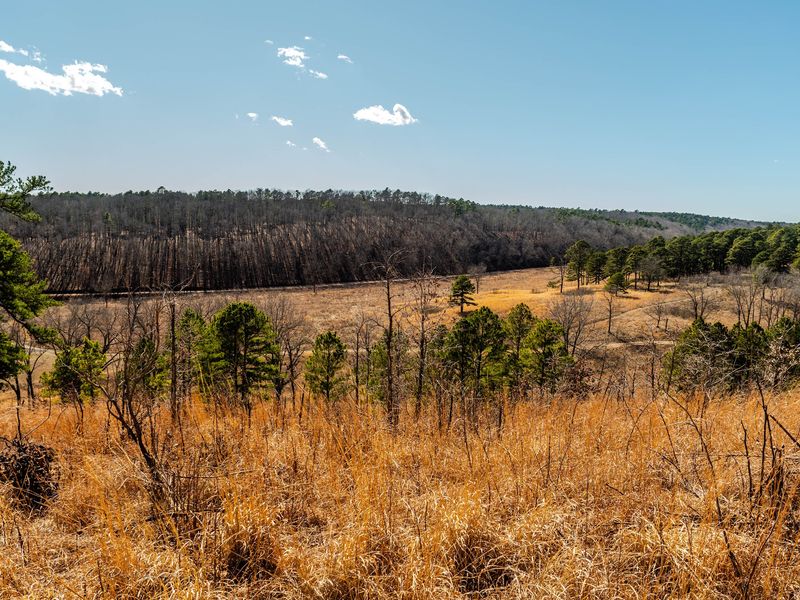
What really sold me on this place is how much the scenery shifts while you walk. You are not stuck looking at the same wall of trees for an hour, which is a problem with a lot of woodland hikes.
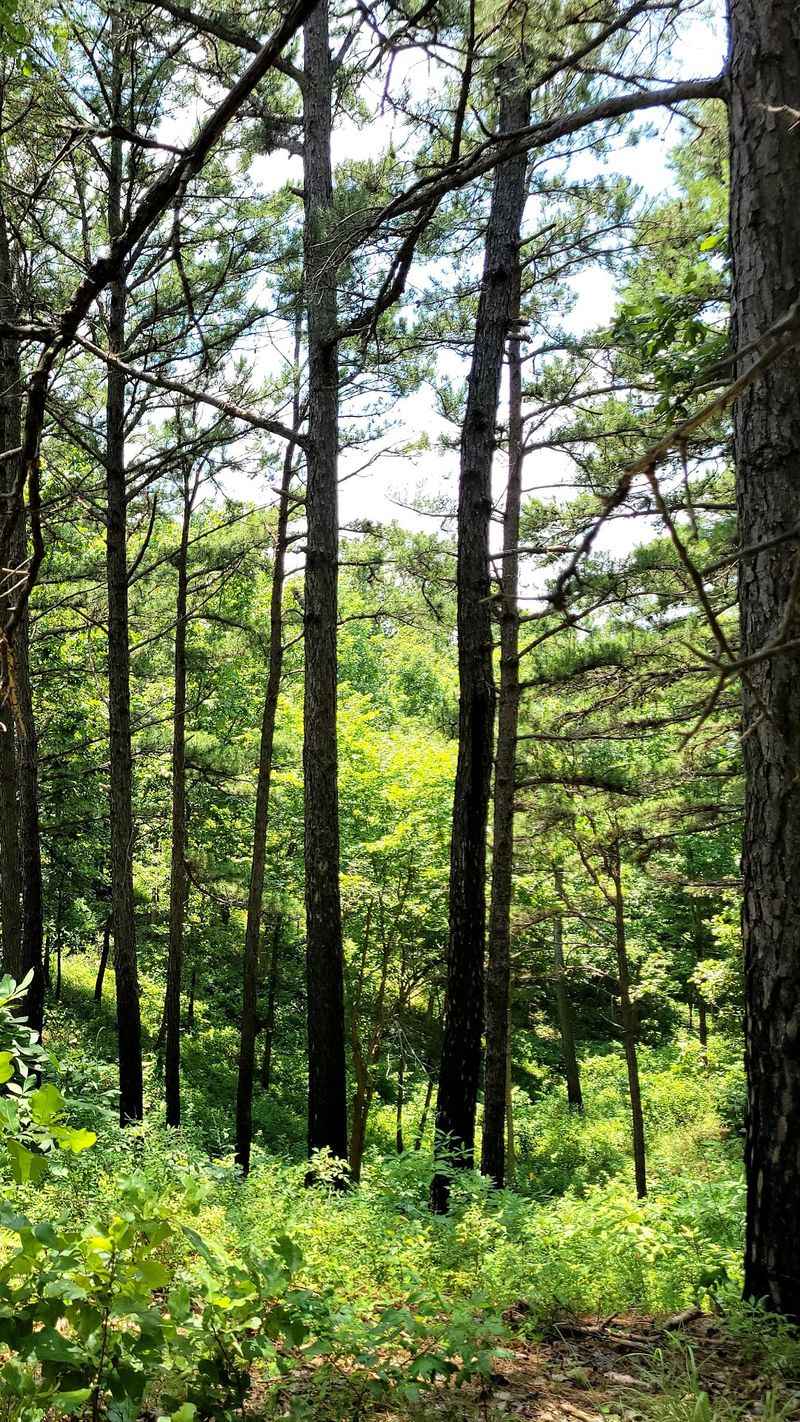
One stretch takes you through classic oak and hickory forest with that dappled light coming through the canopy. Then the trees thin out into open savanna where tall grasses take over, and somewhere else you get sections of pine that smell completely different from the hardwoods.
There are also pockets of true prairie mixed in, and spring-fed creeks cutting through the rugged terrain in ways that create little surprises around bends. The variety exists because the land covers a transition zone where several ecosystems bump into each other.
For photography this is fantastic, because you can capture wildly different landscapes without hiking all day. For anybody hiking with kids or friends who bore easily, the constant change keeps everyone interested.
My suggestion is to slow down at the transition points where one habitat blends into the next. Those edges are where wildlife tends to hang out, and they are usually the prettiest spots on the whole trail.
Three Trails Worth Walking
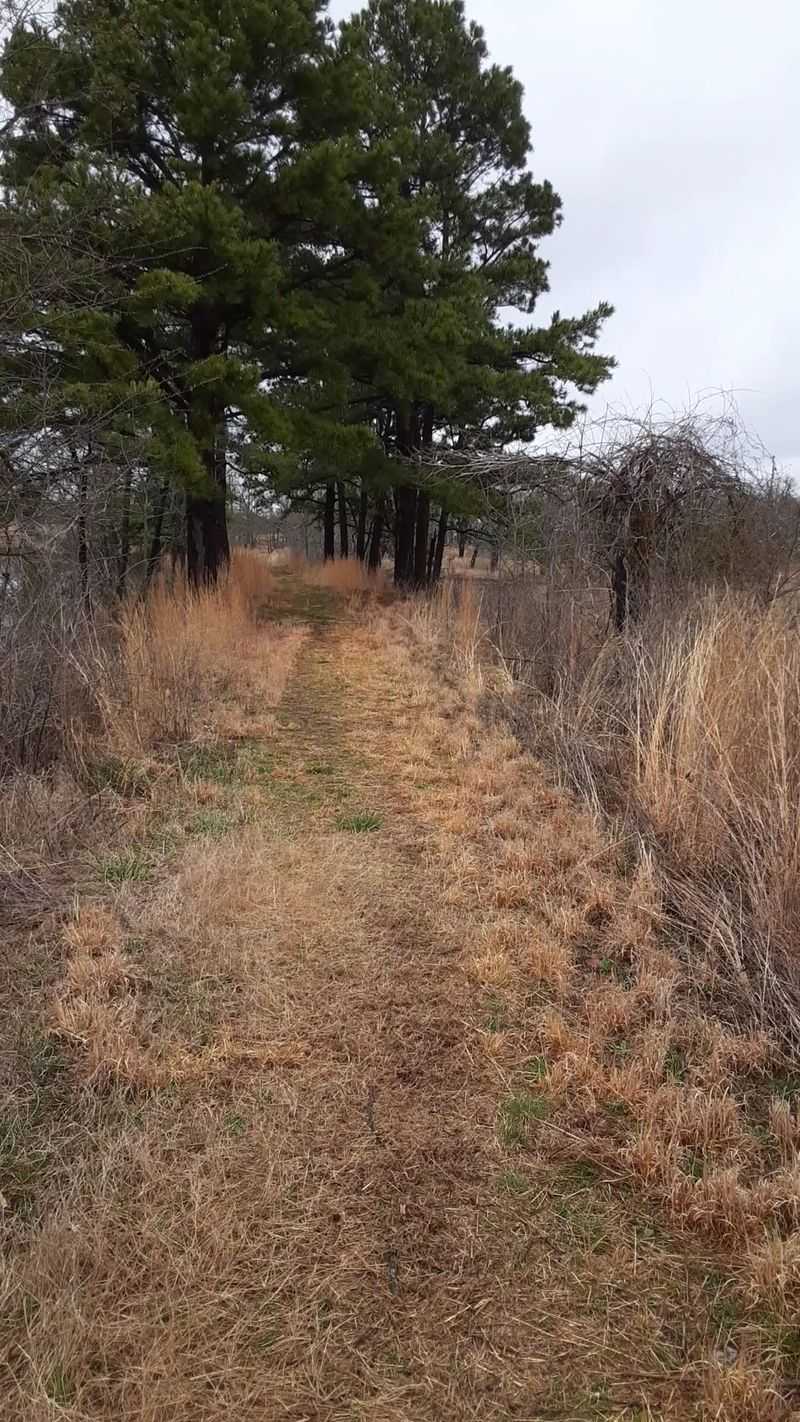
The trail situation here is refreshingly uncomplicated, and I mean that as a compliment. There are three self-guided nature trails, all of them under two miles, so you can knock out one quickly or string a couple together for a longer morning.
The Savanna Trail and the Pine Ridge Trail both begin near the headquarters area, which makes them easy to find and easy to combine. Both give you good chances at wildflowers and wildlife, and the terrain changes enough to keep the walking interesting.
Then there is the Wetland Trail, which runs shorter than the other two and happens to be one of the better spots for catching sight of elk if luck is on your side. Water draws animals, so it makes sense.
Because everything is self-guided, you set your own pace and nobody is rushing you along. That is ideal if you like stopping constantly to look at things.
Wear real shoes rather than sneakers, since the ground gets rocky and uneven in places. Bring more water than you think you need too, because Oklahoma heat sneaks up on people even under tree cover.
Bring The Binoculars For The Birds
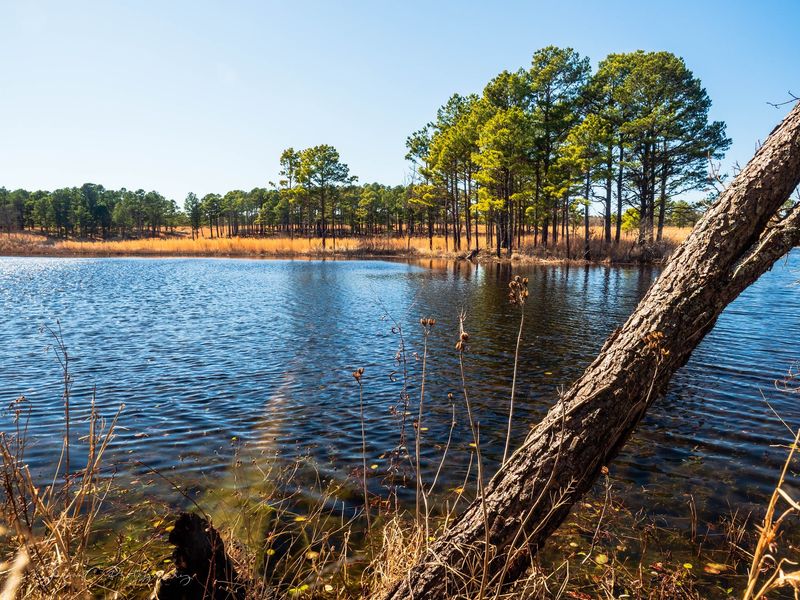
If you are the type who packs binoculars before packing snacks, you are going to be very happy here. The mix of habitats means the bird list at this preserve is genuinely long and includes a good number of uncommon and migratory species.
Think about what that variety does for birds. Woodland species stick to the oak and hickory sections, grassland birds favor the open savanna and prairie stretches, and the wetland areas pull in something different entirely.
Ongoing conservation work, including habitat management for native plants, is a big part of why the birdlife holds up so well. Healthy plant communities mean insects, seeds, and cover, which is exactly what nesting birds need.
Spring and fall migration periods tend to be the liveliest, and early morning is when the singing really picks up. You could easily lose a couple hours just standing in one good spot and listening.
A small field guide or a bird app helps a lot, especially for sorting out warblers by sound. And honestly, even if you cannot name a single species, sitting quietly in these Oklahoma hills while the woods wake up is worth the trip on its own.
A Living Ozark Ecosystem At Work
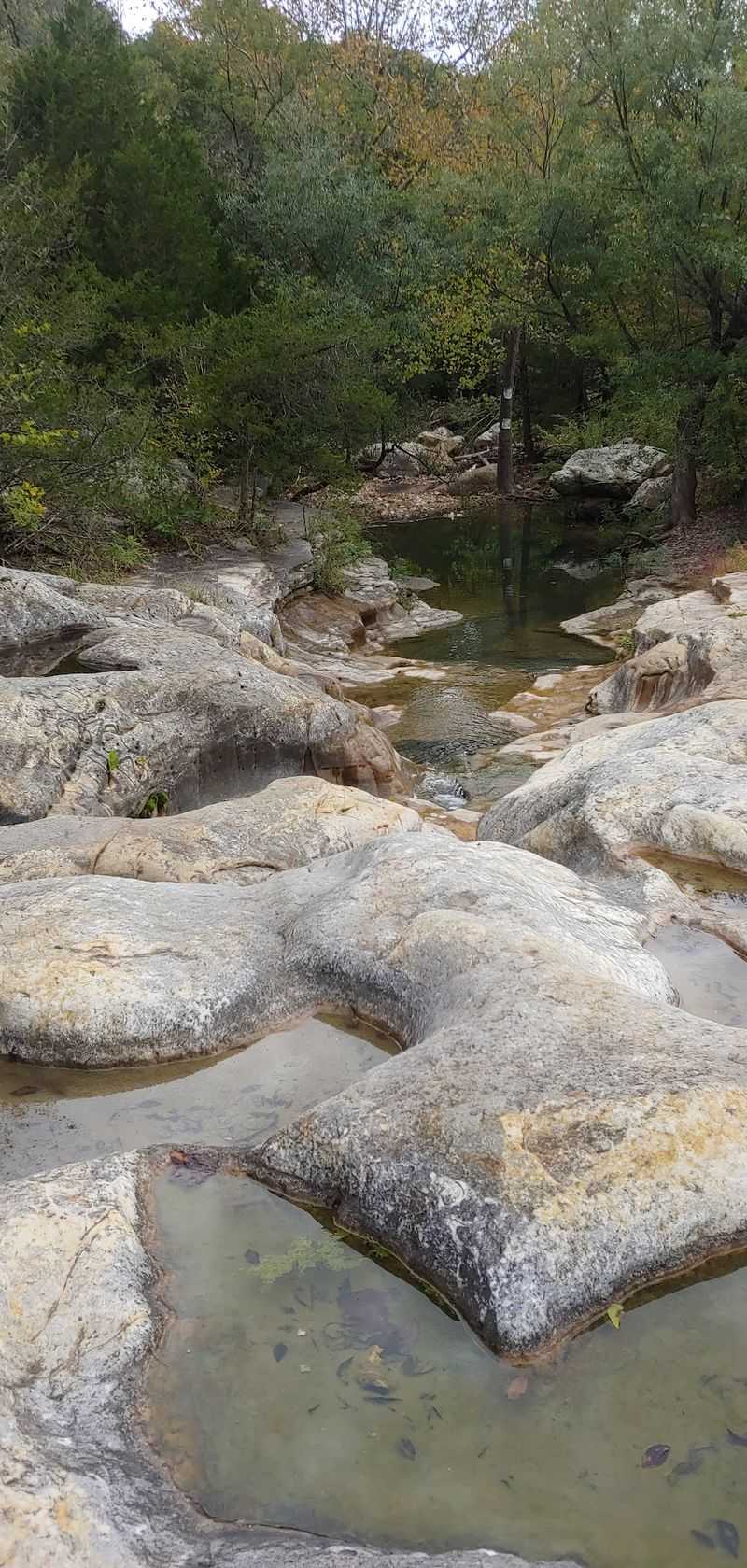
Beyond the pretty views, this place functions as a working example of a healthy Ozark ecosystem, and that is really the whole reason it exists. Spring-fed creeks thread through the rugged terrain, feeding everything downstream and keeping the woods green through hot stretches.
Nearly six hundred plant species have been documented across the property, and some of those are rare enough that botanists get excited about them. That kind of diversity does not happen by accident on land this size.
Part of the management approach involves prescribed burns, which sounds counterintuitive until you learn how it works. Fire clears out overgrown brush and lets native grasses and wildflowers come back strong, which is exactly how these savannas and prairies stayed open for thousands of years.
If you visit and notice a section that looks recently burned, that is intentional stewardship rather than damage. Come back a season later and those same areas usually explode with new growth.
Understanding this stuff changes how the hike feels, honestly. You stop just looking at scenery and start noticing how all the pieces of an Oklahoma landscape fit together and hold each other up.
Why It Sticks With You Afterward
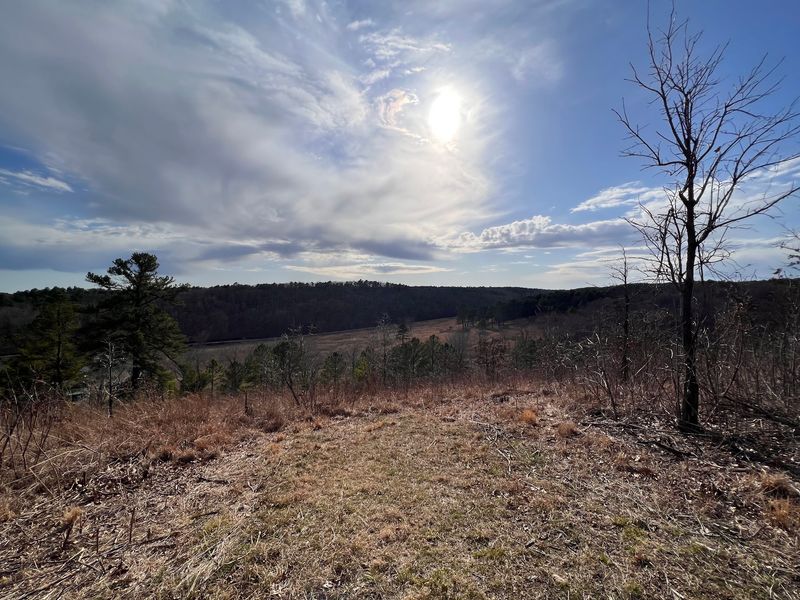
Walking out of here feels different from finishing a normal hike, and I think it comes down to knowing what shares the land with you. Elk and black bears are genuinely out there in those hills, whether or not you ever laid eyes on one.
The quiet is a big part of it too. There is no traffic noise, no crowds, no lines, just wind moving through the oaks and whatever birds happen to be calling nearby.
You also get the satisfaction of standing in a place where serious conservation work is happening right now, not something being planned or hoped for. Land at this scale, protected and cared for this thoughtfully, is rare anywhere in the country.
My honest advice is to give yourself more time than the trail lengths suggest you need. Sit down somewhere with a view, put the phone away, and just let the place do its thing for a while.
It is the kind of outing that is peaceful and a little thrilling at the same time, and it will probably reshape what you thought Oklahoma had to offer. Put it on the list and go.
