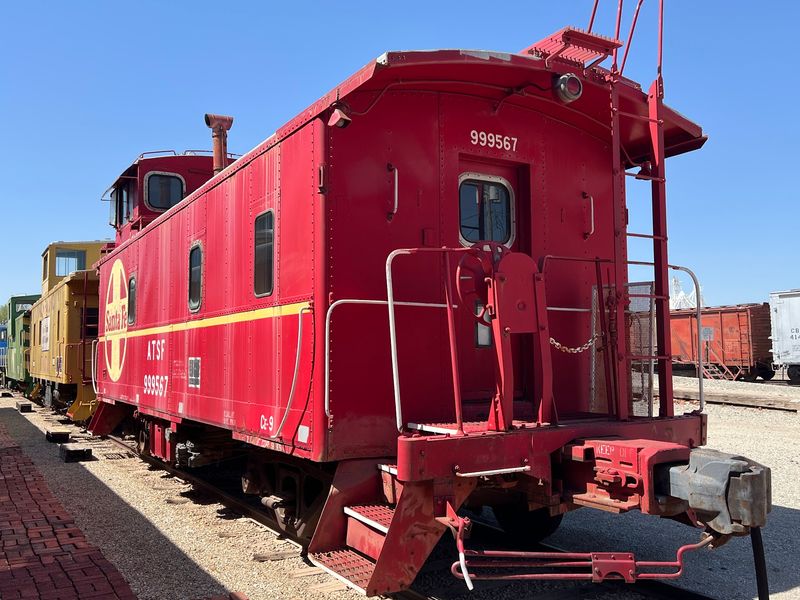
I pulled off the road in northern Oklahoma expecting a quick stretch and maybe a vending machine snack. Instead, I found an old brick freight building with a row of bright cabooses parked out back like they were waiting for a crew.
An hour later I was still wandering, hungry for lunch but even hungrier to see what was in the next train car. Some stops just grab you, and this one held on tight.
An Old Santa Fe Freight Depot With a New Job
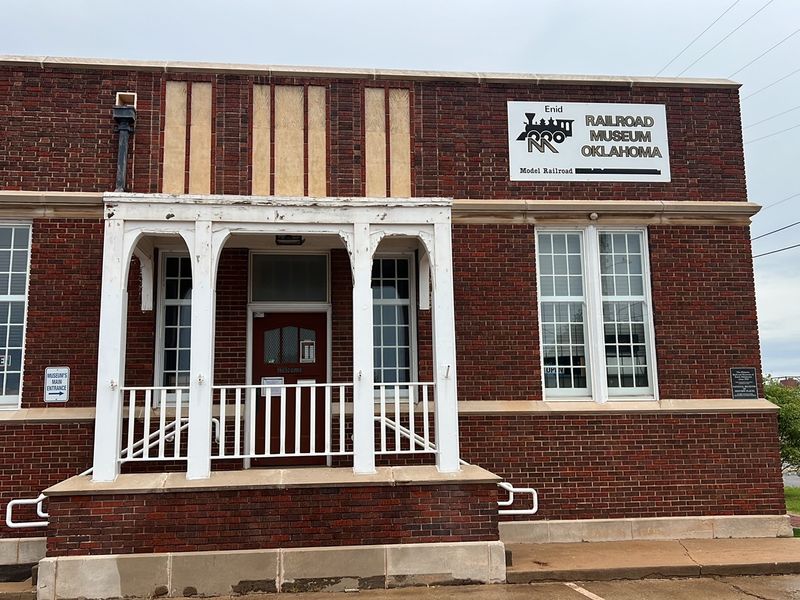
Tucked at 702 N Washington St in Enid, Oklahoma, the Enid Railroad Museum, also called the Railroad Museum of Oklahoma, lives inside a restored 1920s Santa Fe Railroad freight depot. From the street it looks modest, just a long working building near the tracks.
Step inside, though, and the scale of the collection starts to sink in.
Here is the quick picture. The depot holds railroad artifacts and memorabilia, a second building is packed with model trains, and a yard outside is lined with real cabooses, freight cars, and a big steam engine.
Visitors often describe it as larger than they expected for a small-town museum.
For drivers coming from Oklahoma City, Enid sits a comfortable trip north, which makes it an easy weekend outing. One past visitor suggested taking Highway 81 up through Okarche for a scenic ride.
Folks from Tulsa can work it into a longer loop across the northern part of the state.
The museum is run with plenty of help from volunteers who clearly love trains. That friendly, homegrown feel is part of the draw, and it sets the tone for everything else you will see once you walk through the door.
Twenty-Five Quiet Years and a Second Life
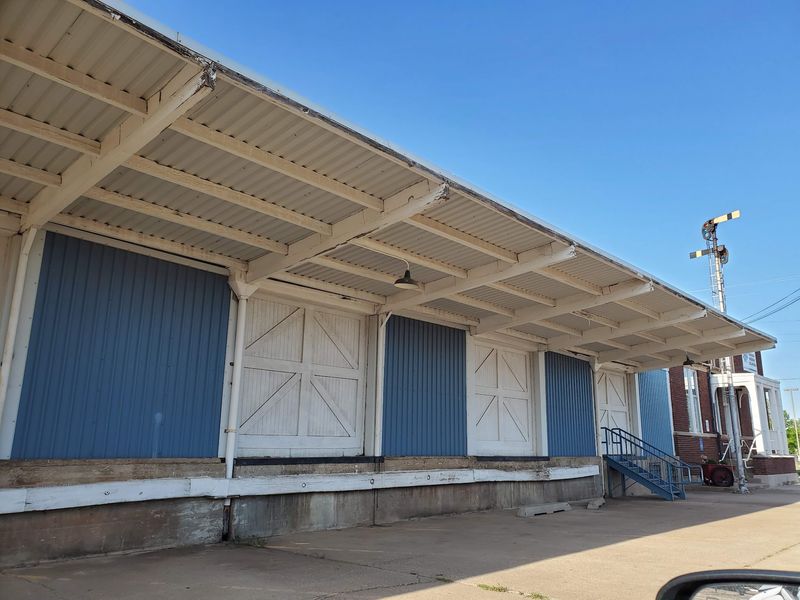
Buildings have stories too, and this depot’s tale includes a long nap. After its working years ended, the old freight house reportedly sat vacant for about a quarter of a century.
Weeds, dust, and silence replaced the clatter of loading crates.
Restoration got rolling in the late 1980s, thanks to a group of local rail fans who went looking for a home for their growing collection. According to the museum, those founders found this abandoned site and saw what it could become.
Their hard work paid off in a big way.
In 2015, the depot earned a spot on the National Register of Historic Places. That honor recognizes both the building itself and the role it played in moving goods through Enid when rail was king.
For a town shaped by the railroad, keeping this structure standing matters.
Walking the wood floors today, you can almost picture freight agents checking paperwork and workers rolling heavy loads toward waiting cars. The building was saved for practical reasons, sure, but it also keeps a slice of everyday working history alive.
That is a nice thing to stand inside on a lazy afternoon.
The Man Everyone Called Watermelon
Every great museum seems to have a founding character, and this one had a beauty. His name was Campbell, but nearly everyone knew him simply as Watermelon.
He worked for the railroad for more than 42 years and collected rail items at home long before there was a museum to hold them.
That personal collection became the foundation of what visitors see today. Watermelon and a handful of friends helped find the abandoned depot and turn it into a proper home for railroad history.
Without their effort, much of this treasure might have scattered.
Visitors from years back remember him well. Some recall him walking guests around the entire facility at 98 years old, sharing facts and stories about the old lines.
Others mention him still happily tinkering with the model railroad layouts. He lived to 99.
You can still feel his spirit in the place. The volunteers who carry on today share that same eagerness to swap stories and answer questions.
Even the circus model layout you will find later ties back to the Campbell name. It is a gentle reminder that one person’s passion can grow into something a whole community shares.
China, Lanterns, and a 47-Piece Telegraph
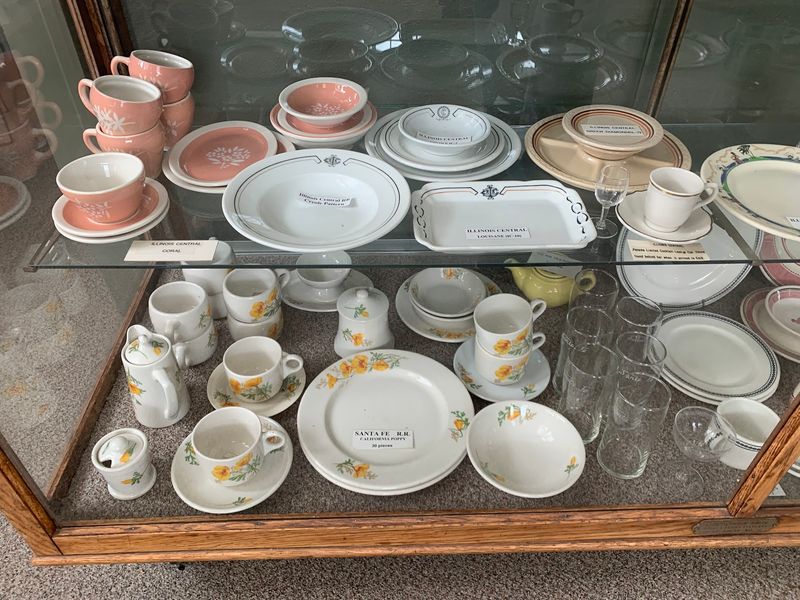
Fancy plates on a train? Back in the golden age of passenger rail, dining cars served meals on gorgeous custom china, and this museum has more than a thousand pieces of it.
The patterns, the logos, and the silver service make a strong case that riding the rails was once a classy affair.
Beyond the dishes, the depot is crowded in the best way. Look for antique maps tracing old rail lines, colorful railroad paintings, lanterns, depot clocks, locks, and keys.
A telegraph setup made of 47 separate components shows how messages zipped down the line long before texting.
Mannequins dressed in period railroad uniforms stand around as if ready to punch your ticket. They add a bit of fun and help you picture who actually did these jobs.
Tools and equipment round out the displays for anyone curious about the hands-on side of railroading.
One visitor put it simply: you could stay for days. That might be a stretch on a short afternoon, but the depot rewards slow browsing.
Grab a few minutes with a volunteer, and the objects suddenly come with stories attached.
Nine Cabooses Ready for Boarding
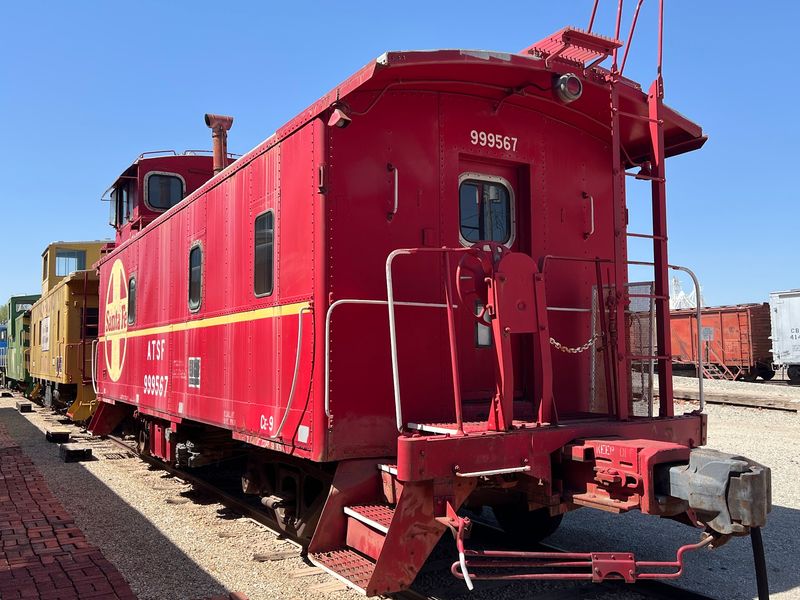
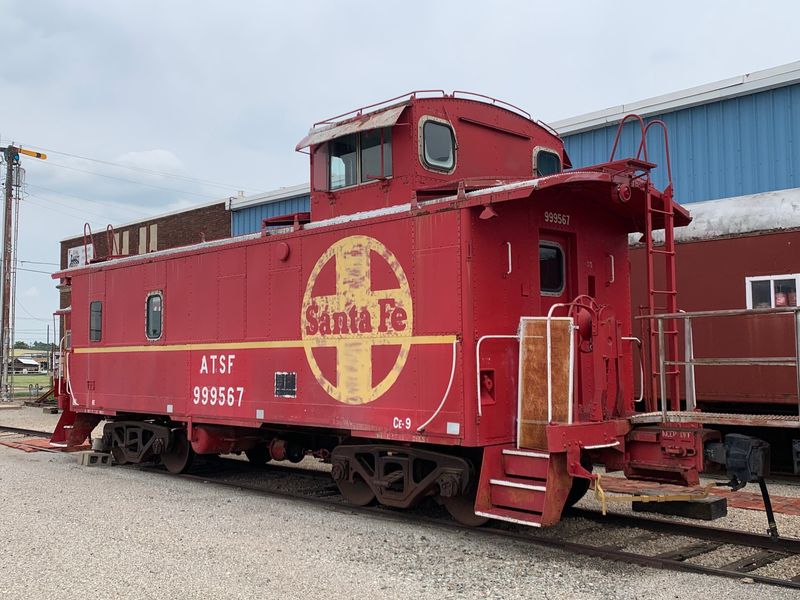
Climb the steps, duck through the door, and suddenly you are standing where a rail crew once rode. The museum yard holds nine real cabooses from various railroads that once passed through Enid, and you can walk right into them.
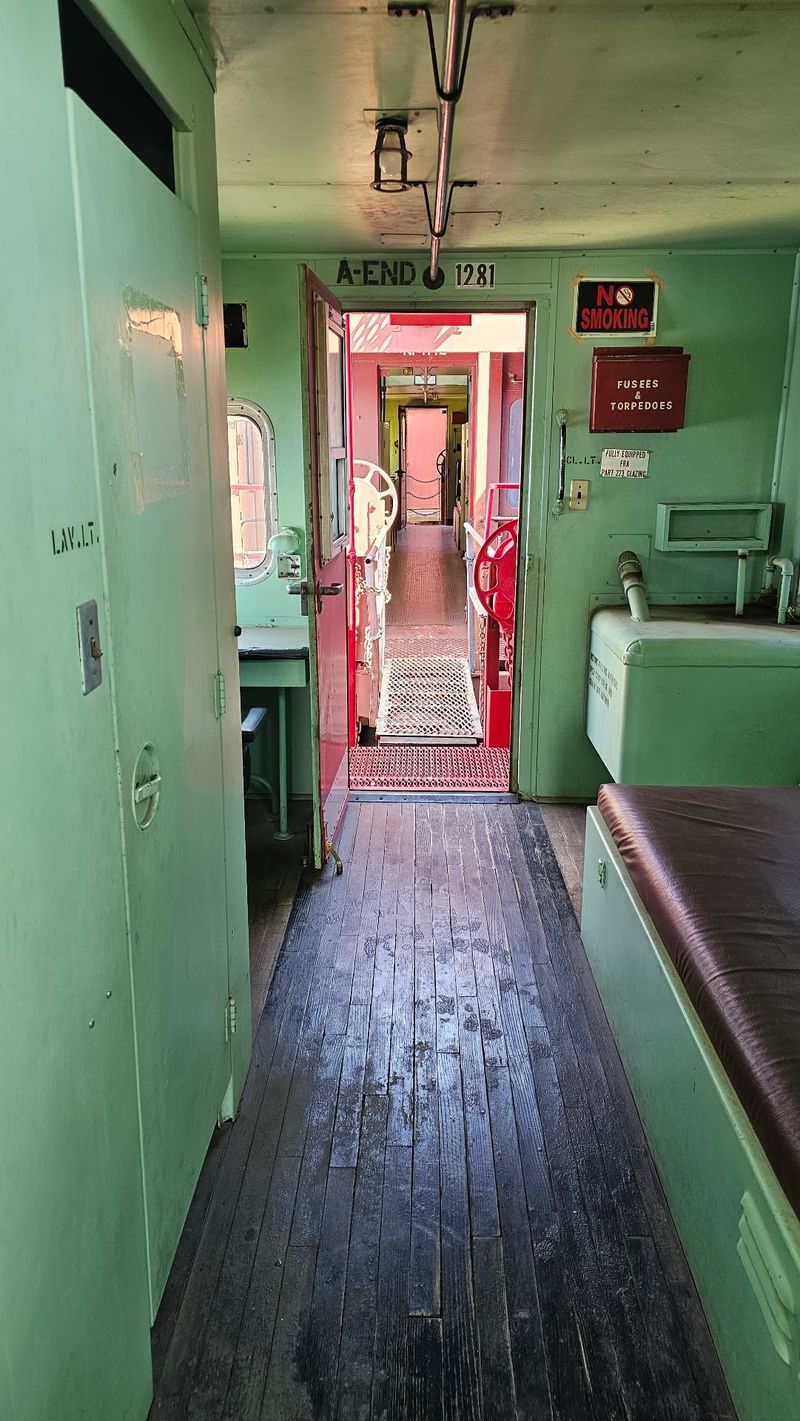
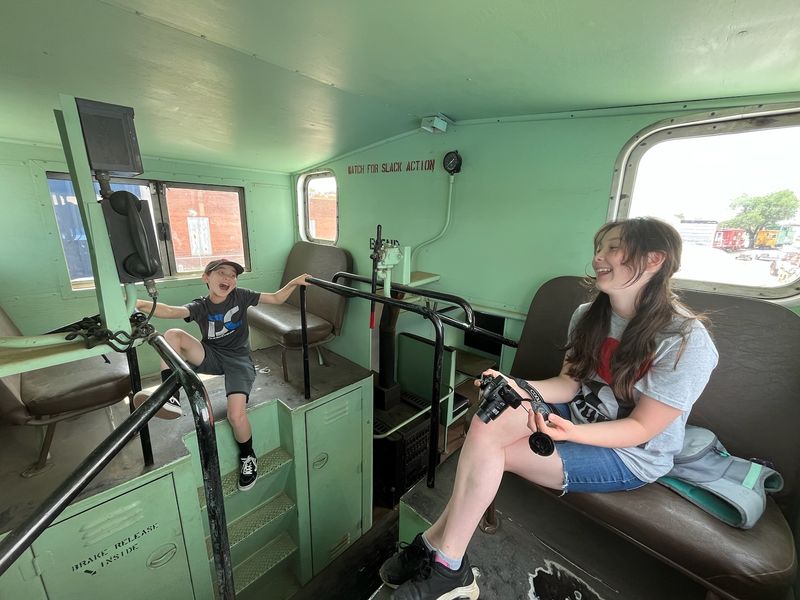
Each one has its own personality. Some feel snug, with small benches and narrow windows, while others show off the raised cupola where crew members watched the train ahead.
Seeing them side by side makes it easy to compare how different lines built their cars.
Families will want to know about one caboose in particular. A recent visitor described it as filled with toy trains for little ones, a handy spot for kids to share and burn off energy while grown-ups catch their breath.
It is a smart touch for a place full of look-but-careful history.
Here is a fun bonus. The museum is known as one of the few that runs all-caboose excursions, typically about twice a year.
Those trips let riders experience travel the way crews once did. Check the museum’s Facebook page for upcoming dates, since schedules may change from year to year.
Frisco 1519 and the Rest of the Yard
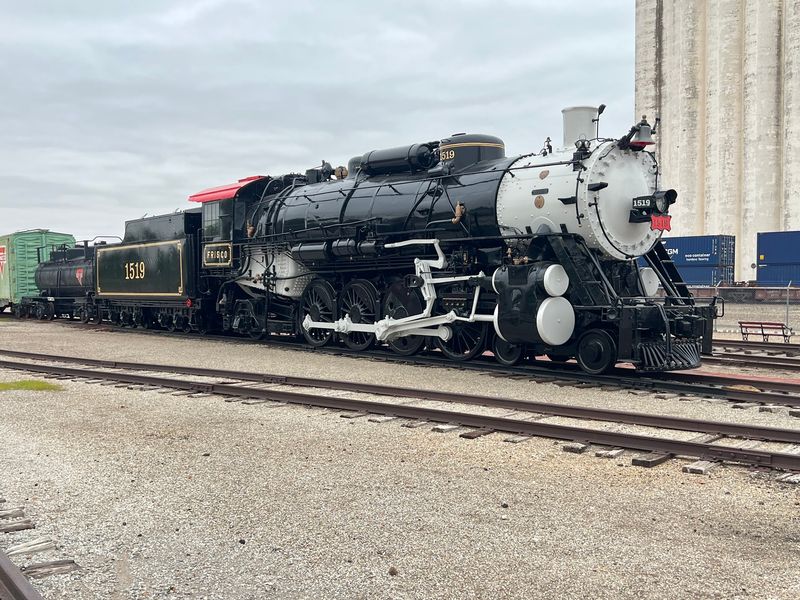
Big. That is the first word most people blurt out when they reach Frisco 4-8-2 number 1519.
The steam locomotive towers over the yard, and a recent visitor noted it sports fresh paint, so it looks sharp in photos.
Steam engines like this one pulled the country forward, and standing next to its huge driving wheels gives you a real sense of the muscle involved. Kids crane their necks.
Adults tend to go quiet and just stare.
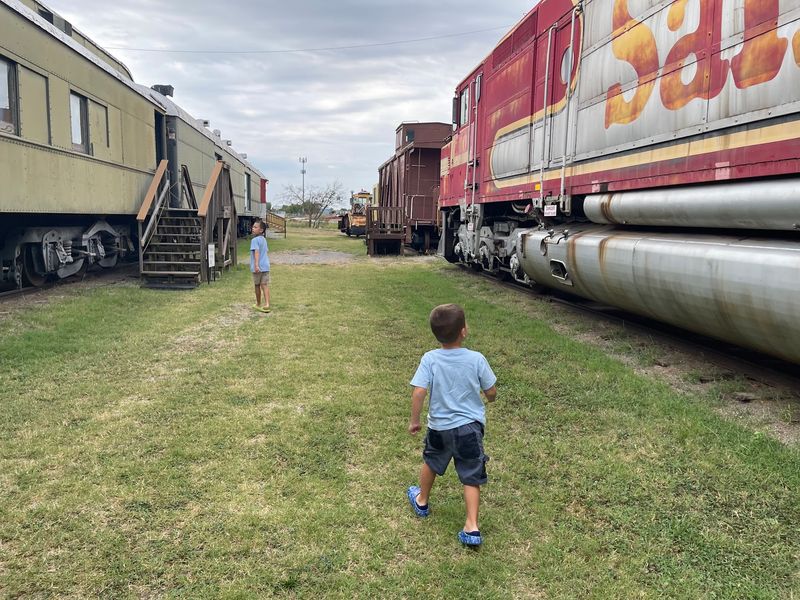
The rest of the yard keeps the variety coming. You will spot motor cars, several types of box cars, freight cars, and an unusual three-dome tank car.
There is also a 50-ton G.E. switch engine, and it still does real work moving the museum’s rolling stock along the tracks.
Another neat surprise sits right next door. The museum borders active train tracks, so modern trains may roll by during your visit.
Watching a long freight train rumble past while you stand beside a retired steam giant is a pretty great way to see old and new railroading at the same time. Bring sunscreen on summer days, since the yard offers little shade.
Wanda Lee, a Dining Car With a Past
Not many rail cars can claim three careers. Wanda Lee can.
This car started out as an army medical car, later served as an Amtrak lounge car, and now works as a dining car at the museum.
Step aboard and you get a feel for how passengers once relaxed between stops. The layout hints at long journeys, card games, and views of passing farmland.
It is one of the more comfortable spots on the grounds, and it gives the yard a touch of passenger-train charm next to all that freight equipment.
Planning a party or meeting? Visitors mention that the dining car is available to rent.
That could make a memorable setting for a small birthday, a club gathering, or a get-together with the train fan in your family. Call the museum at 580-233-3051 to ask about details, since availability and pricing may vary.
Visitors have also noted a club car to walk through, adding one more stop to the tour. Between Wanda Lee and the cabooses, you get a solid sense of how different kinds of cars served different people, from crews to soldiers to travelers.
Miniature Railroads and the Scavenger Hunt
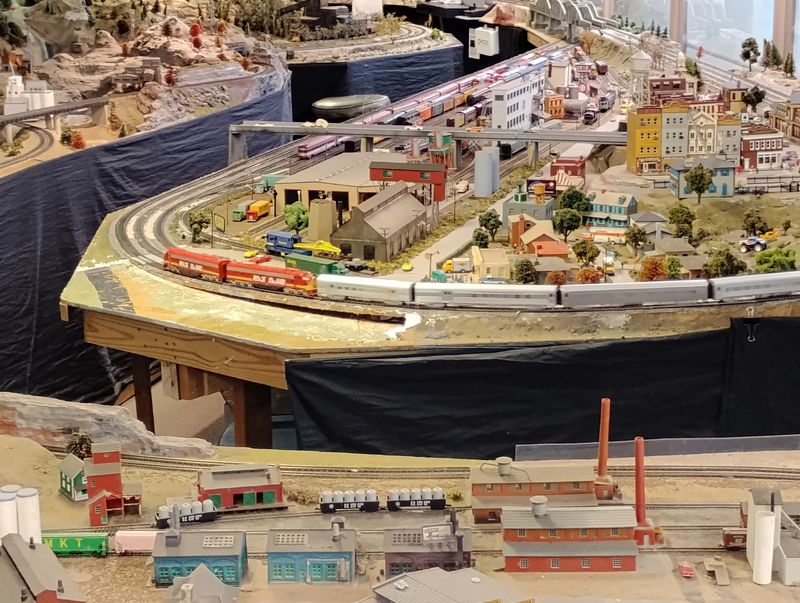
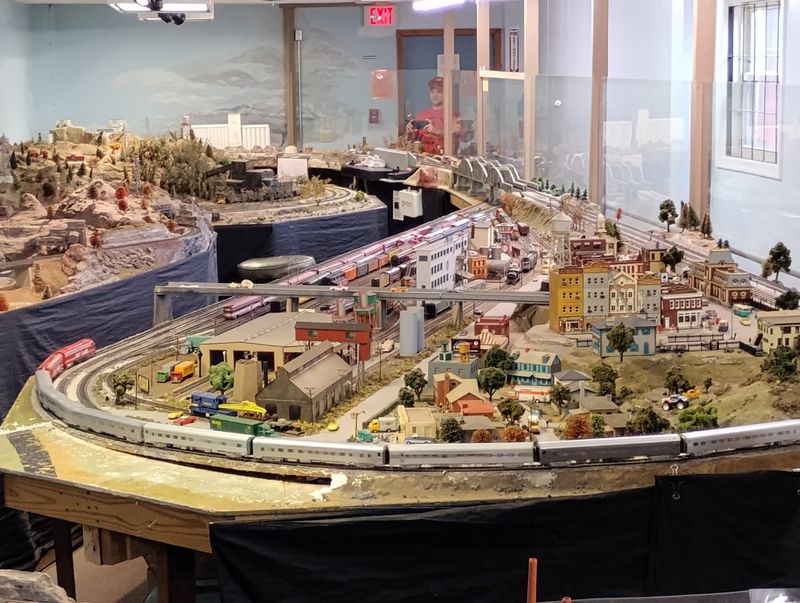
Model trains get the most chatter from visitors, and once you see the back building, it makes sense. Rooms are filled with operating HO and N-gauge layouts, plus G-scale, Z-scale, and American Flyer displays.
Some run on timer switches, so you can watch tiny trains wind through towns and hills on their own.
A large O-scale layout features the Campbell Brothers Circus, complete with related circus memorabilia. It is playful, detailed, and easy to lose track of time in front of.
Now for the part families rave about. The museum offers a scavenger hunt inside the model train area, asking you to spot small details hidden among the scenes.
Visitors say it pulls the whole experience together, and it is fun for adults too. One family mentioned kids got a little toy car on the way out.
The Cherokee Strip Model Railroad Association is based here, and club members are often around working on layouts. They are happy to chat about scales and building techniques.
One regular says there are more model trains than you can see in a day, which might be the best excuse for a return trip.
Friendly Volunteers and a Relaxed Pace
Ask one question here and you may get a ten-minute story. That is a compliment.
Volunteers come up again and again in visitor comments, praised as kind, knowledgeable, and genuinely excited to share what they know.
Parents especially appreciate the patience. One dad mentioned his 4 and 6 year old asked a million nonstop questions, and the volunteers never ran out of answers or smiles.
Another family said their son got free admission on his birthday, a sweet gesture that left a lasting impression.
You can choose your own speed. Some guests are offered a guided walk-through, while others prefer to roam on their own and stop wherever something catches their eye.
Either approach works fine.
The crowd is a happy mix. Retirees reliving railroad memories, grandparents with grandkids, families killing time between youth soccer games, and military families from nearby Vance Air Force Base all show up.
History buffs will find plenty of depth, while casual visitors simply enjoy the sights. Nothing here feels flashy or fussy.
It is a place built on care, and that comes through in every conversation.
Hours, Admission, and Trip Planning
Good news for budget watchers: admission is typically $6 for anyone age six and older. Children under six usually get in free with a paying adult.
For the amount of stuff packed onto these grounds, that is a bargain.
Timing takes a little planning. The museum is usually open Wednesday through Friday and Sunday from 1 to 4 p.m., with longer Saturday hours, typically 10 a.m. to 4 p.m.
It is generally closed Monday and Tuesday. Hours may shift, so checking the museum’s Facebook page or calling 580-233-3051 before you go is a smart move.
Saturday is the best pick if you want a relaxed visit, since the extra morning time lets you cover the depot, the yard, and the model trains without rushing. Most folks find an afternoon works well, though serious rail fans could easily stay longer.
A few practical tips help too. Wear sturdy shoes for climbing into cabooses.
Oklahoma summers get hot and windy, so plan yard time earlier in the day when you can. Enid has places to eat nearby, and one visitor noted hotels along Highway 412 for anyone making a weekend of it.
Why It Earns a Spot on Your Weekend List
Sometimes the most satisfying outings cost less than a fast food meal for two. For about six dollars a person, this museum hands you a restored historic depot, a yard full of real rail cars, a giant steam engine, and rooms of humming model trains.
What sticks with you, though, is the heart behind it. A railroad man’s personal collection grew into a museum saved by friends who refused to let an old building fade away.
Volunteers keep that spirit going every open day.
Is it for everyone? Train lovers will be in heaven, no question.
History fans will enjoy the depot’s story and the dining car china. Families get cabooses to climb, a toy-filled car, and a scavenger hunt that keeps young eyes busy.
Even folks who barely know a boxcar from a tank car tend to leave smiling.
Plan a Saturday drive, pack some patience for questions, and give yourself time to linger. Plenty of visitors say one trip is not enough to see it all.
That feels about right for a place that turns a simple stop in northern Oklahoma into a memory worth repeating.
