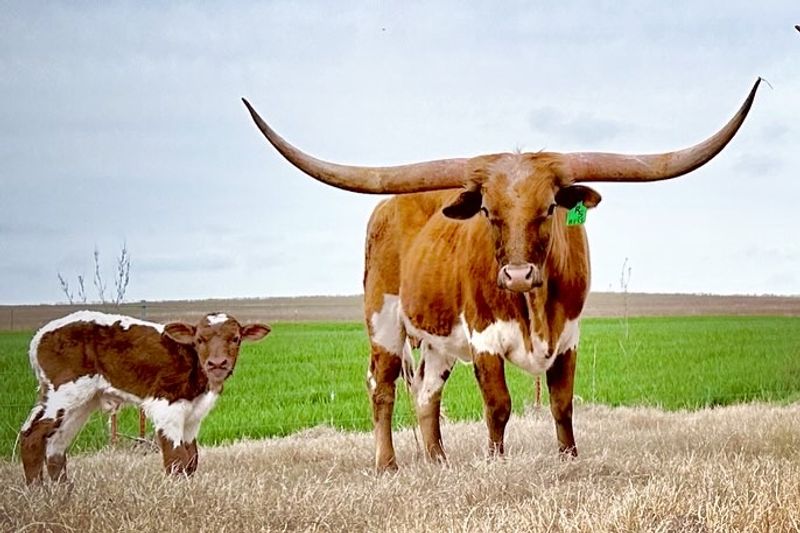
Some of the best meals in Oklahoma never start at a restaurant counter. They start on a quiet country road, at a small family ranch you might drive right past without a second look.
I went looking for a steak and found a whole new way to stock my kitchen, one cooler and one freezer shelf at a time. If you have ever wondered where your beef really comes from, this little ranch has an answer that tastes as good as it sounds.
A Small Family Ranch in Wheat Country
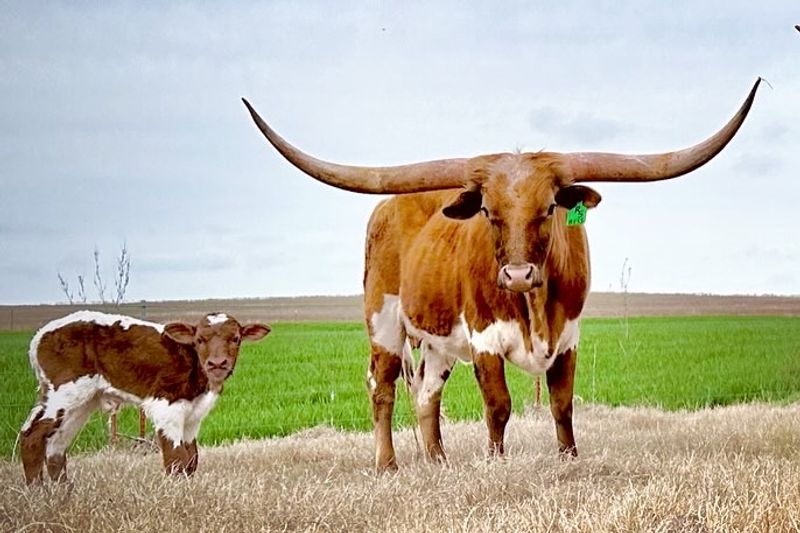
Picture flat farmland, wide skies, and a pasture full of cattle with horns that look like they belong in an old western movie. That scene sums up the heart of this story.
Somewhere in central Oklahoma, a family ranch is raising Longhorn cattle on grass and selling the beef directly to the people who eat it.
No grocery store middleman stands between the pasture and your plate. Families order steaks, roasts, ground beef, and even whole animals straight from the ranchers.
The meat is 100 percent grass finished, which means the cattle eat grass for their whole lives instead of switching to grain at the end.
For folks who like knowing exactly who raised their supper, the setup is a breath of fresh air. You can call the ranch, talk to a real person, and ask questions about the beef before you ever buy a pound.
That kind of personal connection feels rare these days.
Over the next few sections, we will walk through the ranch itself, the breed it raises, the cuts people rave about, and the nuts and bolts of filling your own freezer. Grab a snack first, because this topic can make anyone hungry.
Why Longhorns Stand Apart
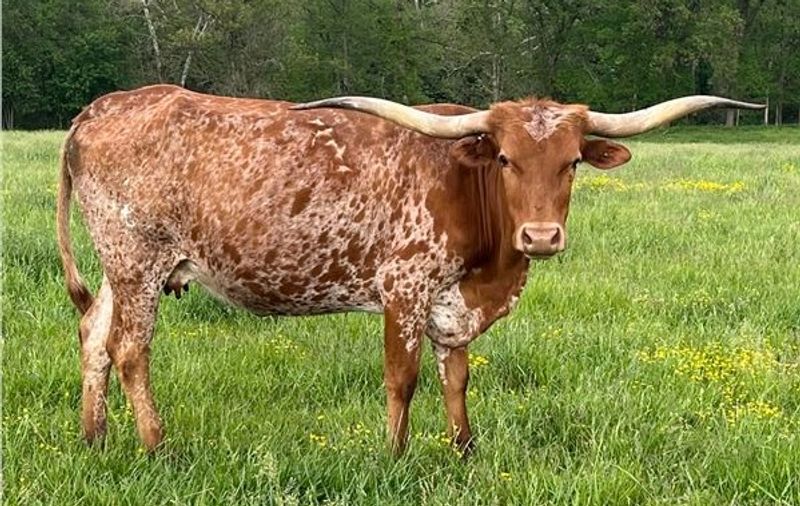
Fun fact to start: Longhorns are one of the oldest cattle breeds in North America, and their horns can stretch several feet from tip to tip. Cowboys once drove huge herds of them north through Oklahoma on the famous cattle trails.
So raising them here carries a little bit of history along with it.
Hardy is the best word for the breed. Longhorns handle heat, wind, and rough weather well, and they are efficient grazers that can thrive on varied forage.
Their lighter body weight is also easier on the soil than some heavier breeds.
On the plate, Longhorn beef is known for being naturally lean. It generally carries less total fat, less saturated fat, and fewer calories than conventional beef.
Some sources even suggest it can be lower in cholesterol than certain white meats, though cuts and diets vary.
That leanness is a big part of the appeal for families trying to eat a little healthier without giving up red meat. It also means the beef cooks a bit differently, which we will cover later.
For now, just know that those dramatic horns come attached to some seriously impressive meat.
Grass Finished From Start to End
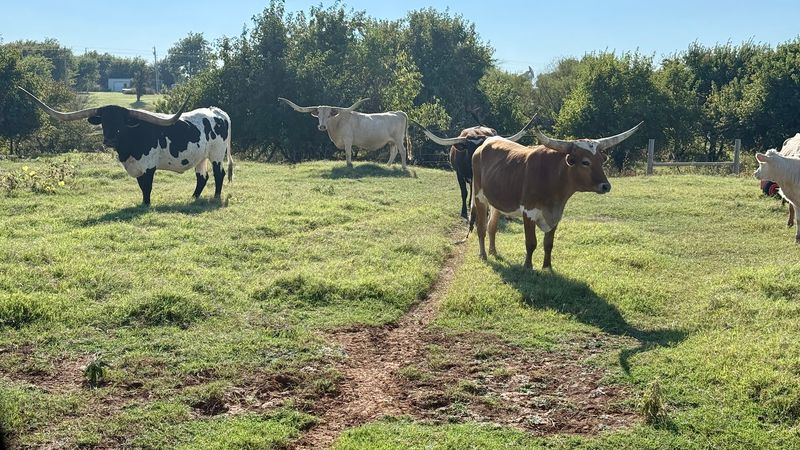
Plenty of beef labels say grass fed, but the fine print matters. Some cattle eat grass early on and then spend their last months eating grain to fatten up quickly.
The beef from this ranch is advertised as 100 percent grass finished, so the grass diet carries all the way through.
Why should you care? Research on grass-fed beef points to some helpful differences.
It tends to be higher in omega-3 fatty acids, with some findings showing several times more than grain-fed beef, plus more conjugated linoleic acid, often called CLA.
Grass-fed beef may also offer more antioxidant vitamins like vitamin E and vitamin A. And like all beef, it is a strong source of protein, zinc, selenium, phosphorus, and vitamin B12.
None of that makes it a miracle food, but it can be a smart swap for some households.
One customer who had been managing a heart condition shared that he avoided red meat for years, then researched grass-finished beef and decided to give it an occasional try. He now buys T-bones, roasts, and ground beef here regularly.
His story shows how many people come to this ranch with health on their minds.
Vickie and the Personal Touch
Ask customers what they remember most, and one name keeps popping up: Vickie. She is the friendly voice behind many of the orders, and buyers often thank her personally.
That alone tells you this is not some faceless online store.
Regulars describe the customer service as amazing and the people as friendly. Several mention placing more than one order, which is about the strongest praise any small business can earn.
When folks come back again and again, something is clearly going right.
Small details show the care involved. Messages from customers get warm, thoughtful replies, sometimes with a holiday greeting tacked on at the end.
One buyer even got a cheerful Happy Thanksgiving wish along with thanks for an order.
That kind of attention makes buying beef feel more like dealing with a neighbor than a company. You can ask how big a share to buy, what cuts come in a package, or how to cook something unfamiliar.
For first-time bulk buyers who feel a little nervous, having a real person to talk to can make the whole process far less confusing.
Supporting a small local operation is part of the fun, too. Every order helps keep an Oklahoma ranch family doing what they love.
Steaks That Rival the Steakhouse
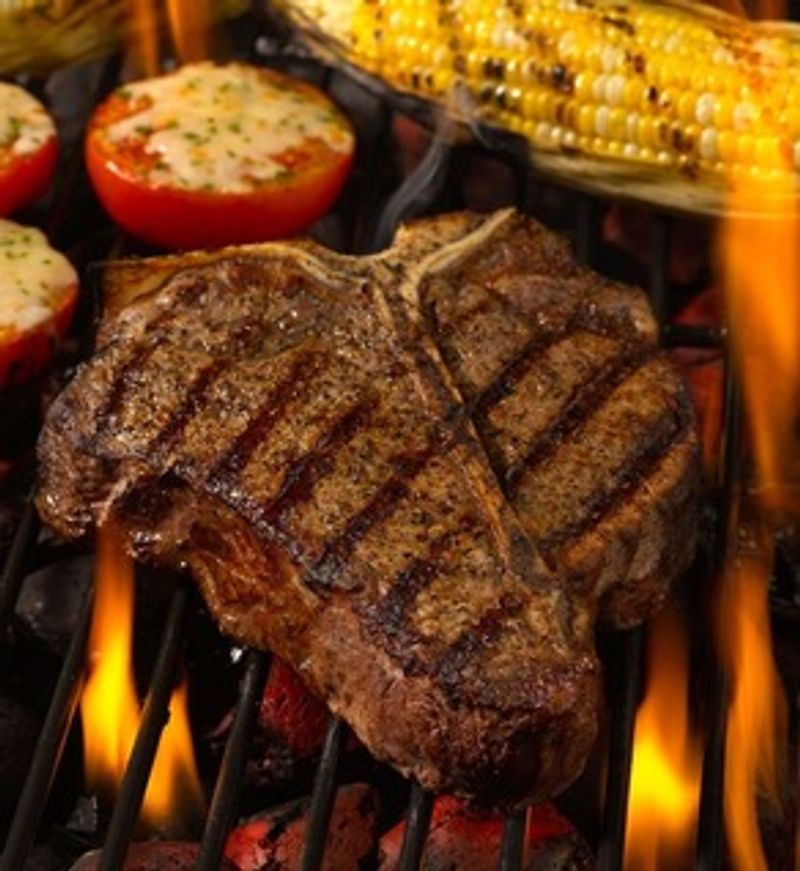
Here is a bold claim from one happy customer: if you want to out-cook every restaurant in town, start buying your beef here. He now judges every steakhouse against what he grills at home.
That is quite a compliment for a small country ranch.
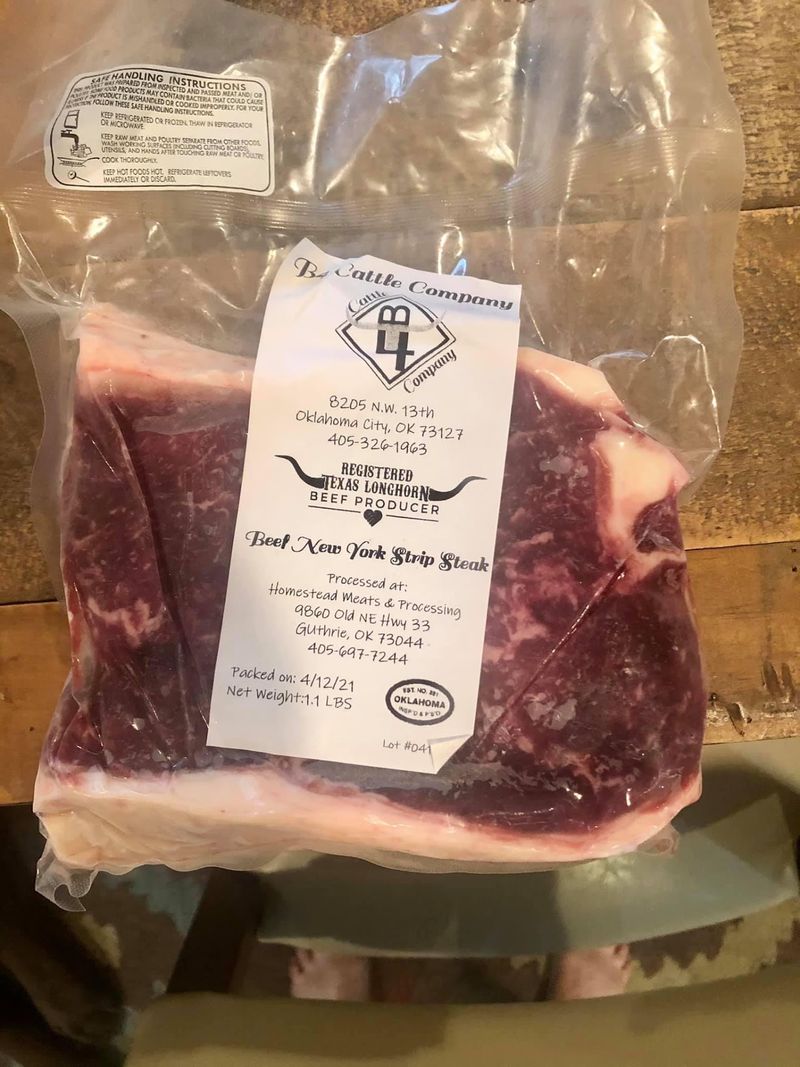
Steaks come up again and again when people talk about this place. T-bones get plenty of love, and one buyer said a sirloin, a cut he usually does not even like, turned out so tender and flavorful that he thought he was eating something else entirely.
A common worry with grass-fed beef is a gamey taste. One longtime buyer said he had tried other local grass-fed beef before, and while the ground beef was fine, the steaks and roasts tasted gamey.
He reported that everything from this ranch, including the steaks, tasted great.
So what should you try first? A T-bone or sirloin is a good test, since those cuts show off flavor and texture clearly.
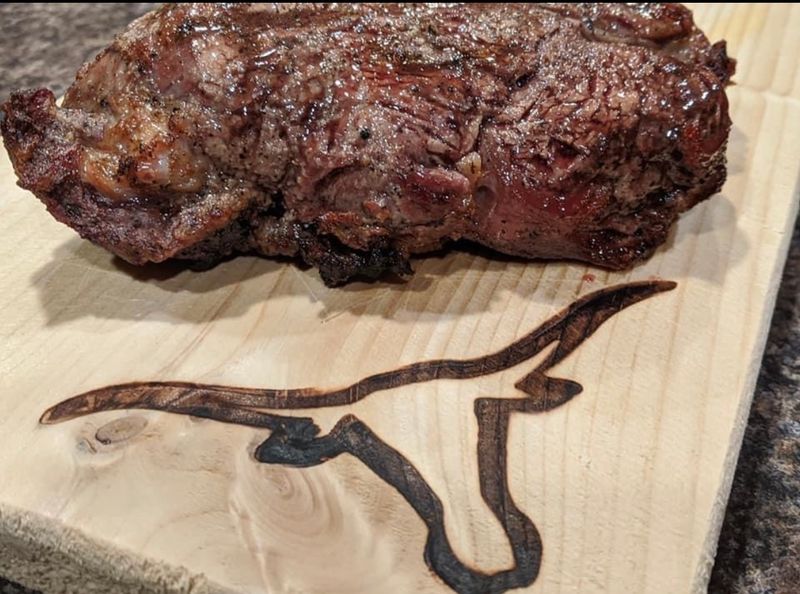
Season simply with salt and pepper and let the beef speak for itself.
With prices at many steakhouses climbing every year, grilling a quality steak at home can feel like a real treat that does not empty your wallet.
Roasts, Brisket, and Sunday Dinners
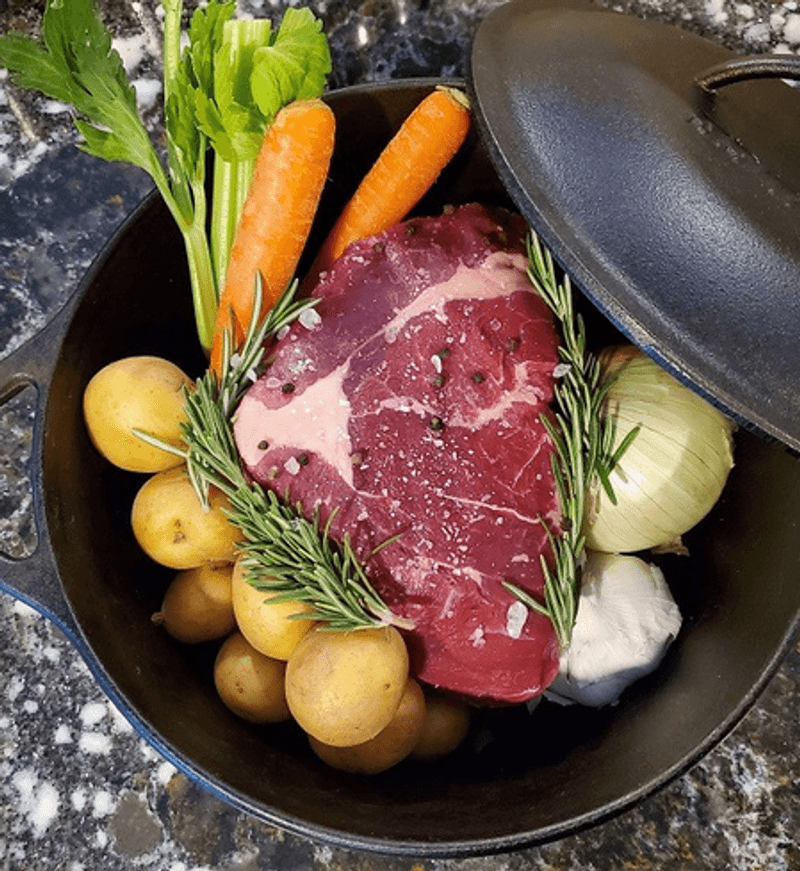
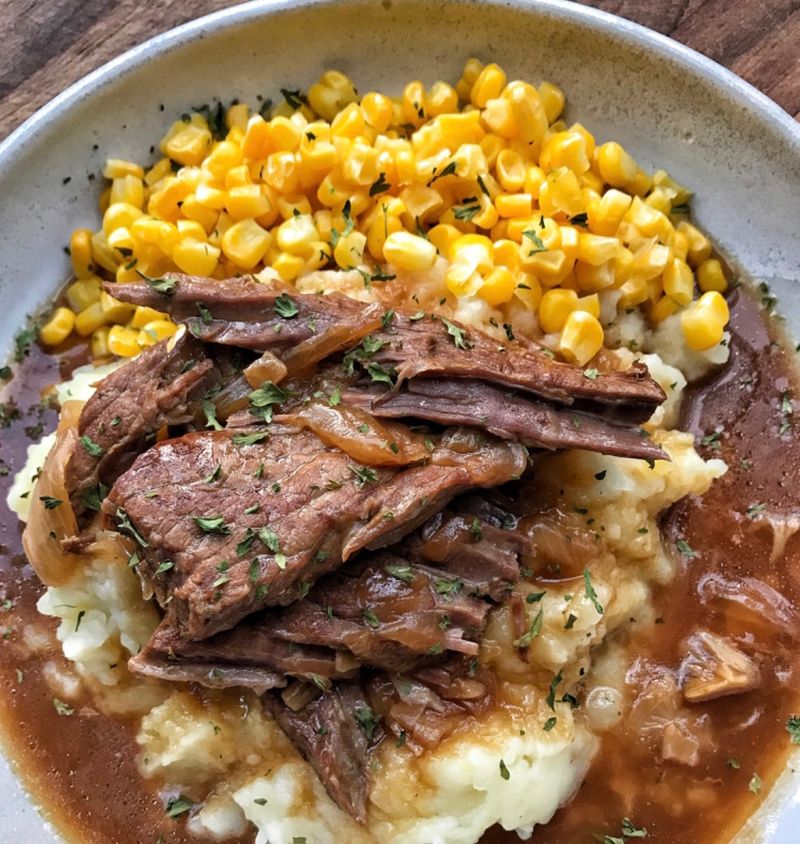
Nothing says Sunday at Grandma’s quite like a roast that has been simmering for hours. Roasts are one of the most talked-about items from this ranch, right alongside steaks and ground beef.
They are the kind of cut that feeds a crowd and fills the house with a mouthwatering smell.
Brisket has a fan club here as well. One customer planned to put a ranch brisket on the table for Thanksgiving, which might start a delicious new tradition.
Turkey can share the spotlight for once.
Lean grass-finished roasts reward patience. Low heat, a little liquid, and plenty of time tend to give the best results.
A slow cooker or a heavy pot in the oven works well, especially with onions, carrots, and potatoes tucked around the meat.
Leftovers are half the fun. Shred extra roast for sandwiches, tacos, or a quick beef and noodle supper on a busy weeknight.
For families, roasts are also one of the best values in a bulk order. When you buy a share of beef, you get several of these big cuts at a blended price, rather than paying separately for each one at the store.
Ground Beef for Busy Weeknights
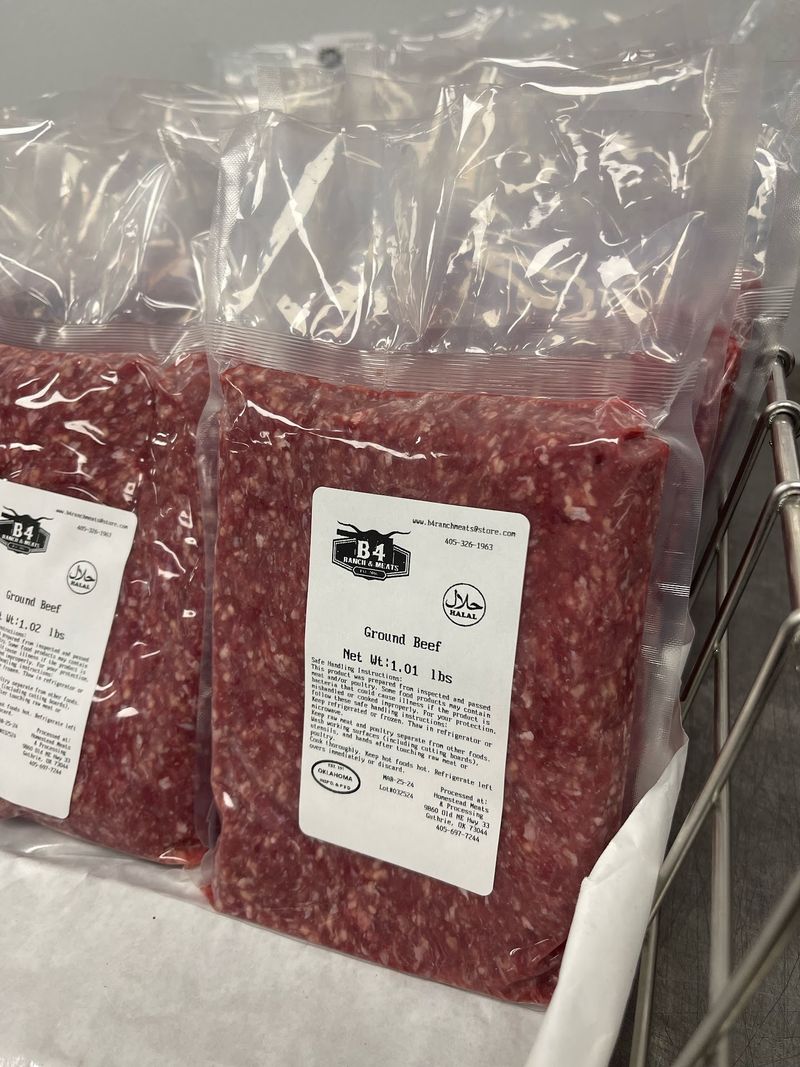
Let’s be honest, most families go through ground beef faster than anything else. Burgers, chili, spaghetti, tacos, meatloaf, casseroles, the list never ends.
It is no surprise that ground beef is one of the most mentioned items from this Oklahoma ranch.
Grass-finished ground beef is usually leaner than typical grocery store packs. That means less grease left in the skillet after browning.
A small splash of oil in the pan can help when you cook it, since there is less fat to work with.
Across Oklahoma, ranches selling grass-fed ground beef by the pound often price it around $7 to $9 per pound. Exact prices at this ranch can change, so it is smart to call or check the website before ordering.
Here is a tip for burger lovers. Handle the patties gently, avoid pressing them flat on the grill, and pull them off just before you think they are done.
They will keep cooking a bit as they rest.
Having a freezer full of ground beef also means fewer last-minute store runs. On a hectic school night, pulling out a pack and making dinner from scratch suddenly feels a lot easier.
The Whole Longhorn Option
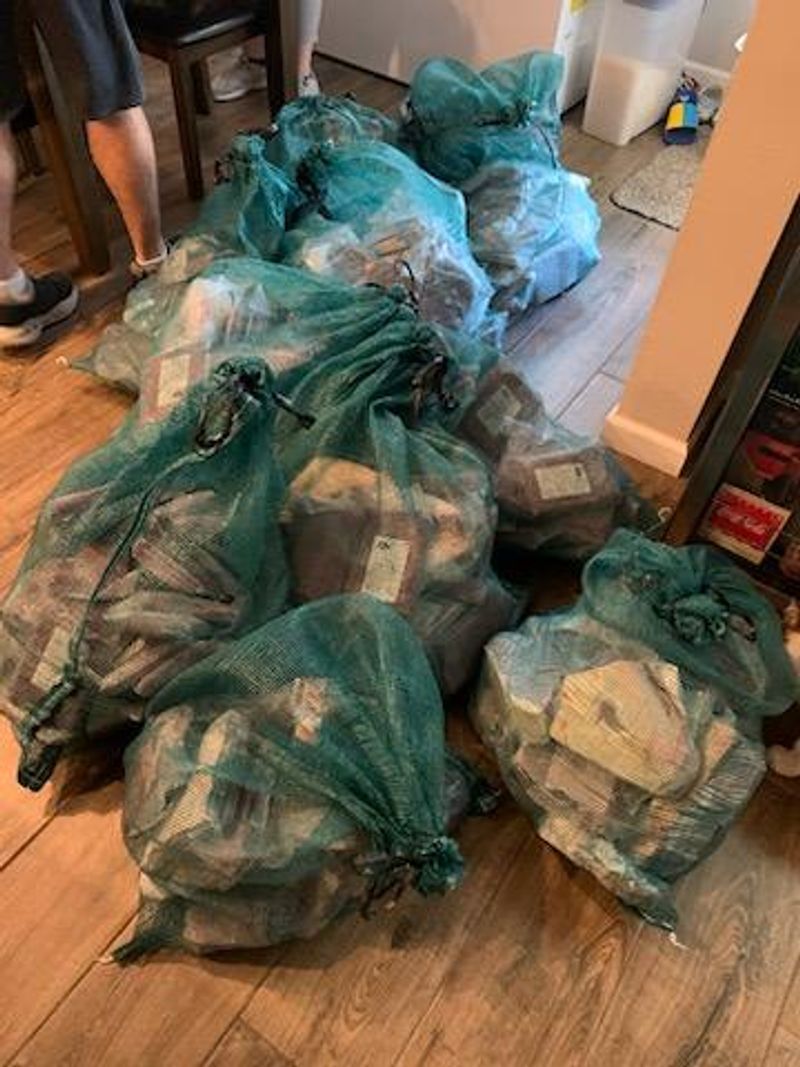
Ready to go big? One customer bought an entire Longhorn and split it with family members.
She kept half the animal, and it completely filled an 11 cubic foot freezer. That is a lot of beef, and a lot of future dinners.
Splitting a whole animal is a popular move for extended families, neighbors, or church friends. Everyone gets a mix of cuts, and the cost per pound for premium pieces is often lower than buying them one at a time.
The same buyer loved that each cut was packaged individually. That makes portioning simple, since you can grab exactly what you need for one meal without thawing a giant block.
She said she enjoyed trying all the different cuts the ranch provided.
Before committing, measure your freezer. Industry estimates suggest a quarter beef needs roughly 4 cubic feet of space, while a half may need 7 to 8 or more, depending on the animal.
As that customer found, Longhorn halves can take up more room than expected.
If a whole animal feels like too much, ask the ranch about smaller options. Starting small is a great way to learn what your family likes.
Monthly Steak Subscriptions
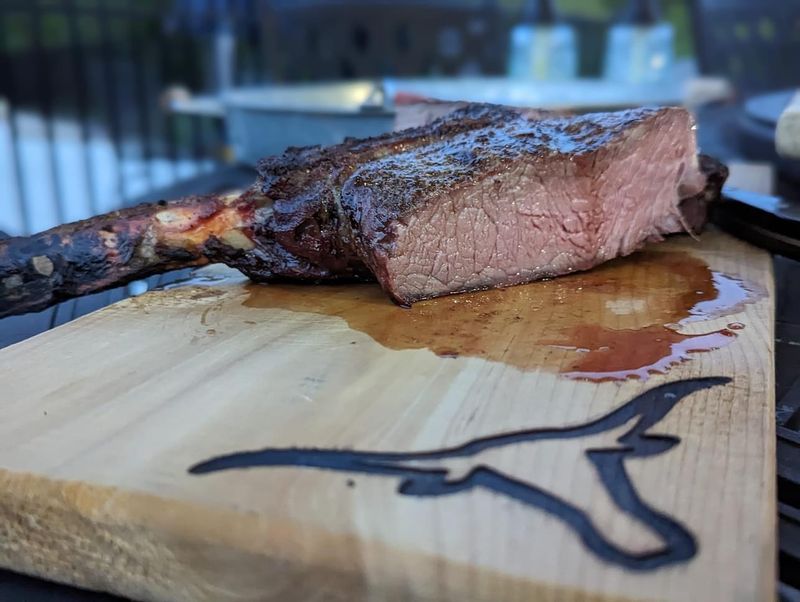
Imagine a steak night that shows up on the calendar every single month without any planning. That is the idea behind the subscription steaks one loyal customer mentioned.
He gets them each month from the ranch and raves about the results.
Subscriptions are a handy middle ground. Not everyone has room for half a cow, and not everyone wants to place a new order every few weeks.
A monthly supply keeps the freezer stocked with good cuts without taking over the whole garage.
This option can also work well for couples, retirees, or smaller households who want quality beef but do not eat a huge amount. You get to enjoy ranch-raised meat on a steady schedule.
Details like which cuts are included, how much they cost, and how pickup or delivery works are best confirmed directly with the ranch. Offerings at small farms can shift with the seasons and the herd.
Gift idea alert, too. A subscription could make a memorable present for the grill master in your life, whether it is Dad, Grandpa, or that neighbor who always shows up with tongs in hand.
It is a gift that keeps on sizzling.
Learning to Cook Lean Beef
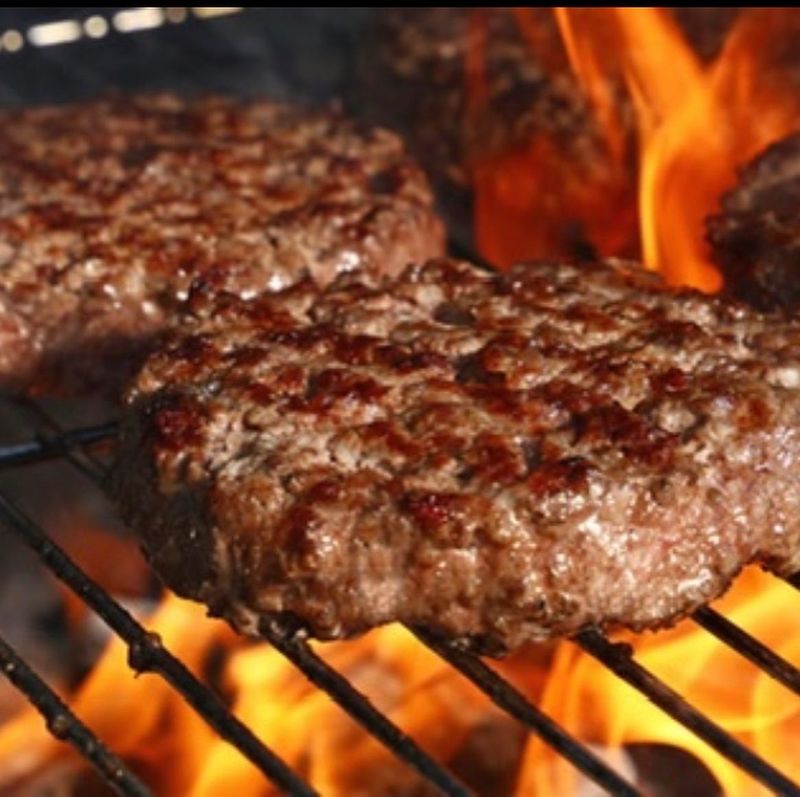
A little confession from one buyer: it took him a time or two to learn how to cook grass-finished beef. Now he calls himself an expert and says it is so good.
His story is a helpful heads-up for anyone new to lean beef.
The biggest lesson is that lean meat cooks faster. With less fat marbled through it, a steak can go from juicy to tough in just a minute or two.
A simple meat thermometer is a cheap tool that can save a lot of frustration.
Many cooks suggest bringing steaks closer to room temperature before cooking, searing hot and fast, then letting them rest for several minutes. Medium-rare to medium is often a sweet spot for tender results.
For roasts and brisket, go the other direction. Low and slow cooking gives the meat time to soften and develop rich flavor.
Do not be discouraged if your first steak is not perfect. Most people adjust quickly once they understand the difference.
And when you get it right, the reward is beef that tastes clean, beefy, and satisfying in a way that keeps people coming back.
Finding the Ranch Near Okarche
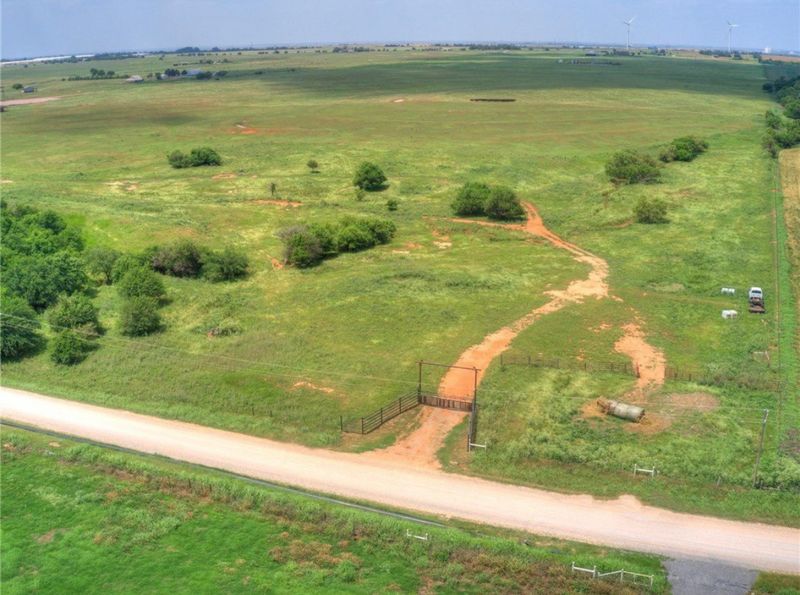
Now for the big reveal. The ranch is B4 Ranch & Meats, and it sits at 809 234th St NE near Okarche, Oklahoma 73762.
Okarche is a small farming town northwest of Oklahoma City, well known around the state for its rural charm.
For most folks in the OKC metro, the drive is roughly 45 minutes to an hour, depending on where you start. Tulsa families should plan on a longer trip, around two and a half hours.
Either way, it is an easy day outing through classic Oklahoma farm country.
Since this is a working farm and not a storefront with set shopping hours, call ahead before you head out. The phone number is 405-326-1963, and the website at b4ranchmeats.store is the place to browse and ask about orders.
Country roads around here can be dusty when dry and muddy after storms. Check the weather, especially during spring storm season, and bring a cooler or two for the ride home.
While you are in the area, Okarche is worth a quick look. Pairing a beef pickup with a small-town stop makes the drive feel like a mini road trip.
Budgeting for a Freezer Full
Money talk time, because every family has a grocery budget. Buying beef in bulk can sound expensive at first, but the math often looks better than you expect once you break it down.
Across Oklahoma, ranches selling grass-fed beef in quarter, half, or whole shares commonly charge somewhere around $9 to $11.80 per pound of packaged take-home weight. That blended price covers everything from ground beef to premium steaks.
B4 Ranch & Meats sets its own pricing, so reach out directly for current numbers.
Here is why bulk can be a smart deal. Steaks and roasts that cost a pretty penny at the store come at the same blended rate as the rest of your share.
Over a year, that can add up.
Remember to count freezer costs, too. A standalone chest freezer may be needed if you go for a half or whole animal.
Splitting with relatives is a popular way to lower the upfront bill.
Many families find the peace of mind worth it. Knowing your freezer is full of quality beef, raised close to home, makes weekly meal planning a lot less stressful and a whole lot tastier.
A Hearty Yes for Home Cooks
So, is the trip worth it? For families who care about where their food comes from, the answer leans strongly toward yes.
B4 Ranch & Meats offers lean, grass-finished Longhorn beef, friendly service, and the simple joy of buying from real Oklahoma ranchers.
Customers consistently praise the flavor, the tenderness, and the absence of that gamey taste some grass-fed beef carries. Individually packaged cuts make life easier, and options range from monthly steaks to a whole animal split among relatives.
It may not be the right fit for everyone. If you only buy a pound of hamburger now and then, a big order might feel like too much.
Learning to cook lean beef also takes a little practice.
But for grandparents feeding a crowd, young families stretching a budget, or anyone wanting healthier red meat, this little ranch near Okarche checks a lot of boxes. Supporting a local operation is a nice bonus on top.
Give Vickie a call, ask your questions, and start small if you are unsure. Chances are good that your first steak dinner will have you planning the next order before the dishes are even done.
