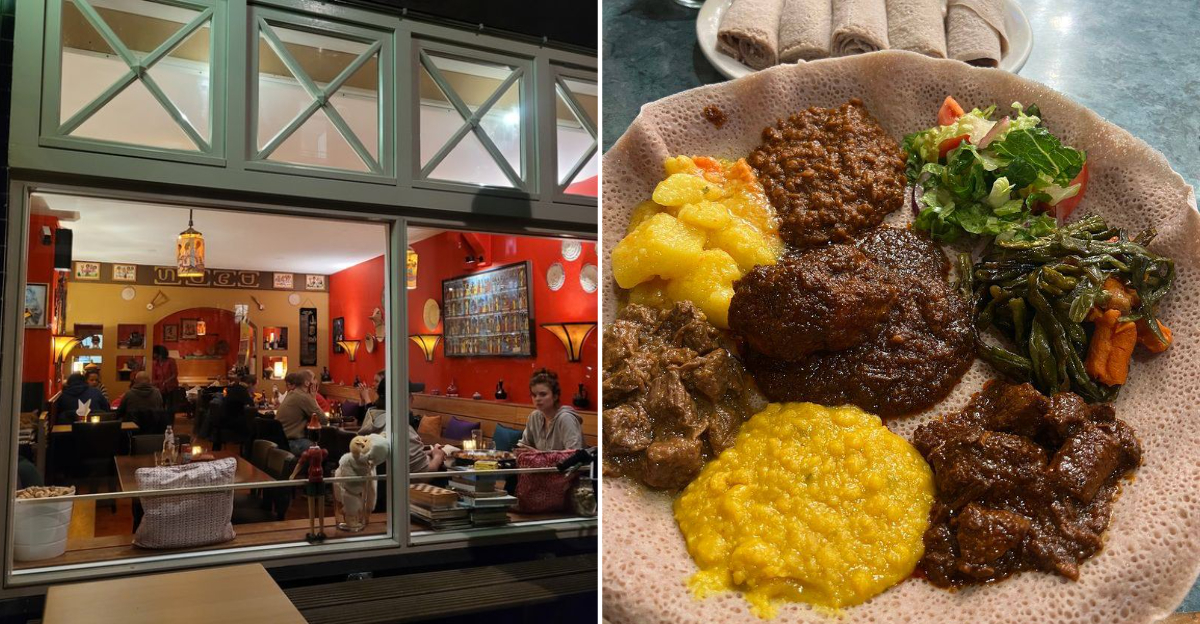
Eating a feast with your hands is not just a meal. It is a shared ceremony.
A platter arrives at the table, a sprawling canvas of colors and textures, holding a variety of stews, lentils, and vegetables. There are no forks or knives in sight.
A basket of soft, fermented flatbread rests beside the platter, ready to serve as your utensil. You tear off a piece, scoop up a mound of spicy doro wat or a dollop of creamy lentils, and let the flavors unfold.
The practice of eating together from one shared plate, known as gursha, is a gesture of community and trust. The dining room is warm and welcoming, filled with the scent of berbere and roasted coffee.
The staff guides first-timers through the ritual with patience and genuine hospitality. In a world of individual portions and quick bites, this Oklahoma restaurant invites you to slow down, connect, and taste a tradition that is thousands of years old.
Where To Actually Find The Place
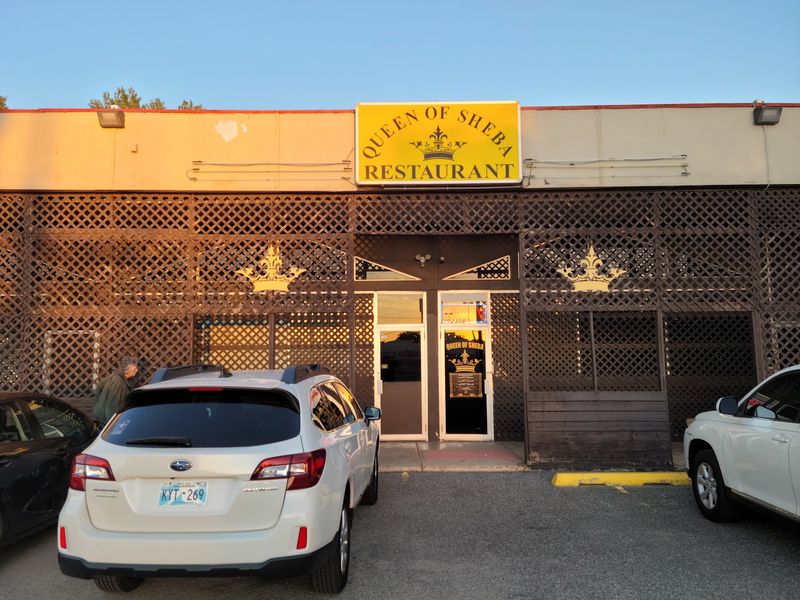
Do not expect a flashy building with neon everywhere, because that is not the vibe at all. You will find Queen of Sheba at 2308 N MacArthur Boulevard in Oklahoma City, sitting along a busy stretch of road on the west side of town.
It is the kind of spot you could drive past a hundred times without noticing, which is exactly why locals feel a little protective of it. The exterior is modest, the parking is straightforward, and everything interesting happens once you walk through the door.
Something I appreciate about places like this is that the money clearly goes into the cooking rather than the decor. You get real Ethiopian food in the middle of Oklahoma, and that combination still surprises people who assume the state is all steakhouses and barbecue joints.
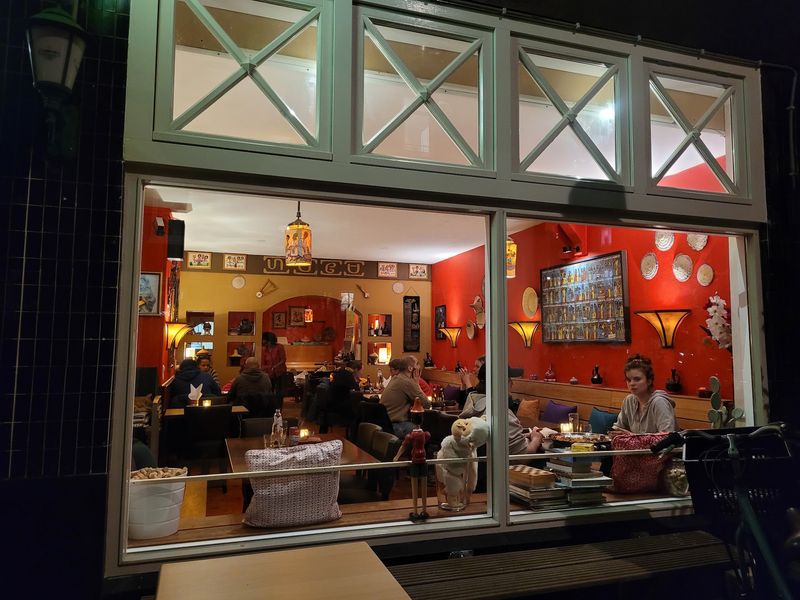
Inside, the dining room leans warm and simple, with woven textiles and colorful touches that hint at where the recipes come from. Nothing feels staged or overly designed, and that gives the whole room a relaxed, family-run feeling.
Give yourself a little extra time to get there and settle in, because this is not a meal you want to rush through on a tight schedule.
Injera, The Bread That Doubles As A Plate
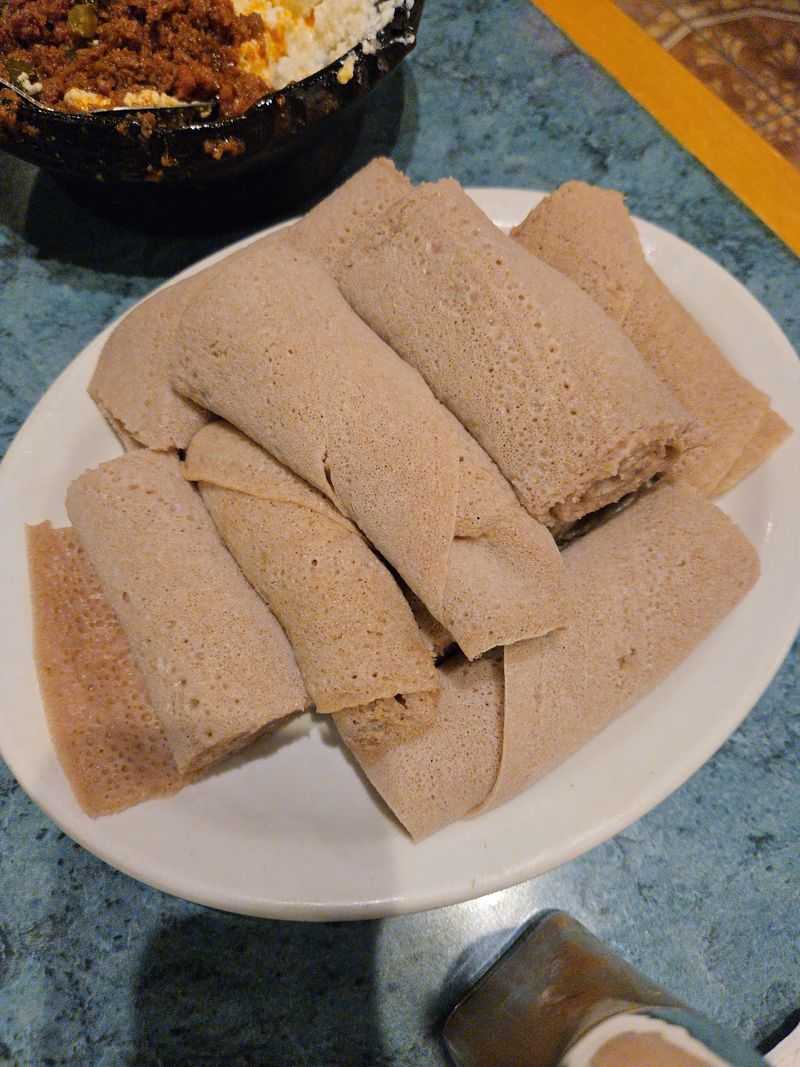
Meet the real hero of the meal, and it is not any of the stews. Injera is a soft, spongy sourdough flatbread with a slightly tangy taste, and it shows up underneath everything on your platter.
Think of it as edible dishware. The bread gets spread across the tray, the stews get spooned on top, and as you eat, it soaks up all the sauce and spice from every direction.
Extra rolled pieces usually come alongside so you always have a fresh scoop ready. You tear, you pinch, you scoop, and you keep repeating until the platter looks a lot emptier than it did.
That sour note in the bread is not a mistake either, and it actually balances the richness of the stews in a really smart way. Rich and spicy on top, cool and tangy underneath, and the whole thing works together.
My advice is to save the bottom layer for last, since by then it has absorbed everything that dripped down. A lot of regulars in Oklahoma will tell you that soaked bread at the end is the single best bite of the entire meal, and I would not argue with them.
The Queen Of Sheba Platter Itself
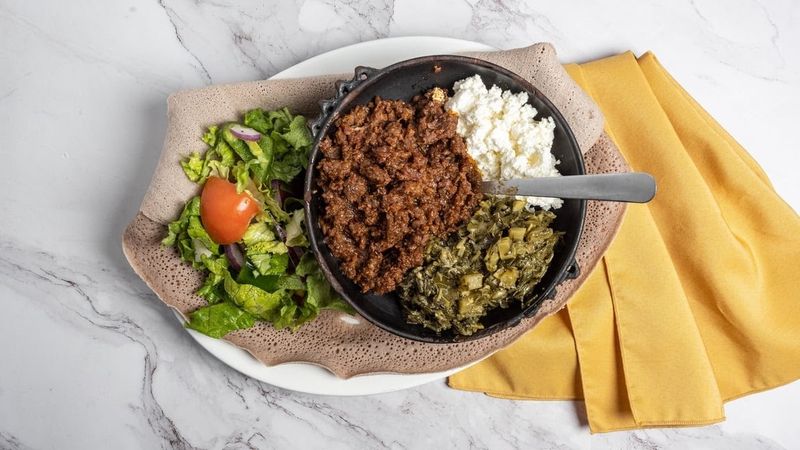
Can’t decide what to order? Perfect, because the signature platter solves that problem completely.
Sometimes called the messob, this is the big communal spread the restaurant is known for. Generous scoops of different dishes get arranged in a circle across the injera, each one in its own little mound with its own color and aroma.
Visually it is genuinely striking, all reds and golds and greens spread out like a painter’s palette. People reach for their phones before they reach for the bread, and honestly, who could blame them?
The beauty of it is that everyone at the table eats from the same tray, so nobody is stuck with one choice while eyeing somebody else’s plate. You taste a little of this, a little of that, and you slowly figure out which stew is your favorite.
It also works really well for a group that includes picky eaters, since there is always something familiar in the mix. Potatoes and lentils are pretty universally loved, even by folks who claim they do not like trying new things.
Order one platter for the table, add extra bread, and settle in for a long, comfortable meal.
Eating With Your Hands Is The Whole Point
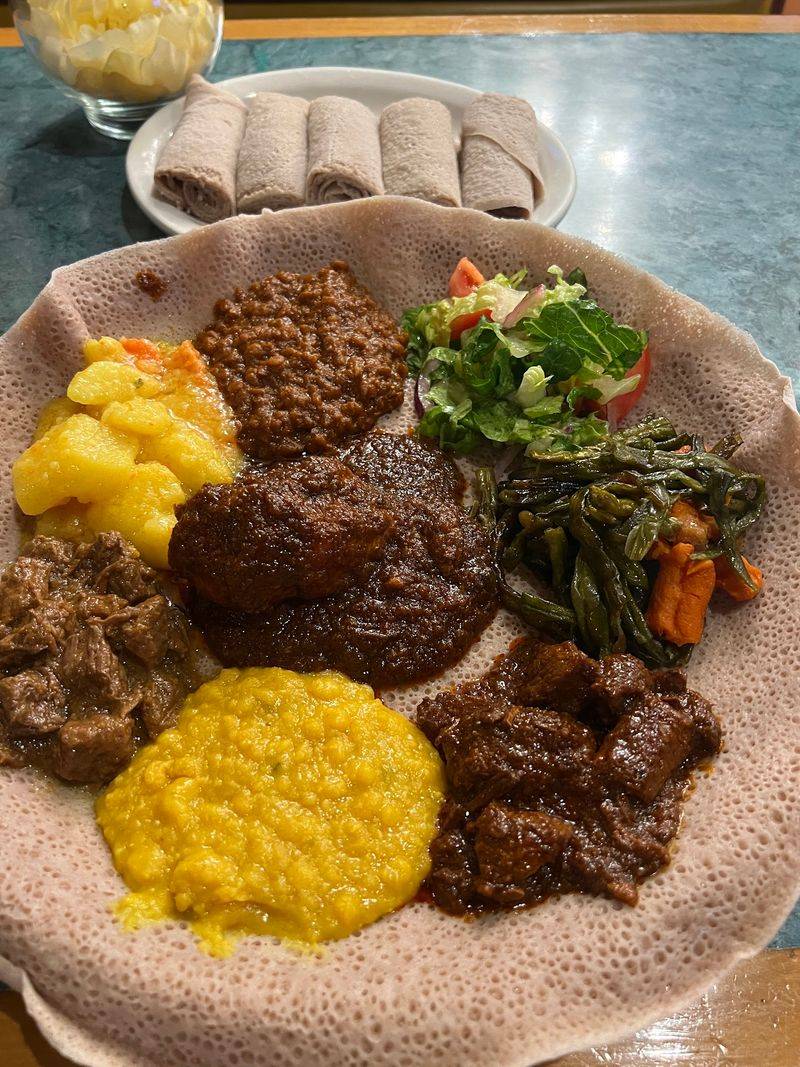
Leave the fork alone, because here you honestly will not need it. Ethiopian dining tradition puts your fingers front and center, and at Queen of Sheba that custom is followed the way it has been for generations back home.
The way it works is simple once you get going. You tear off a piece of the flatbread, use it to pinch a bite of stew, and pop the whole little bundle into your mouth.
Right hand does the work, and there is no need to overthink it.
I know that sounds messy, and yes, it can get a little bit messy. That is honestly part of the charm, because eating this way makes everyone at the table loosen up a bit and stop worrying about looking proper.
What surprises most first-timers is how quickly it starts to feel natural. After a few bites you stop thinking about technique and just focus on the food, which is exactly what the tradition intends.
If you are bringing someone who has never tried it, tell them ahead of time so it is not a shock. Most people go from nervous to genuinely delighted within the first couple of scoops, and that little shift is a fun thing to watch happen.
Those Slow-Simmered Wat Stews
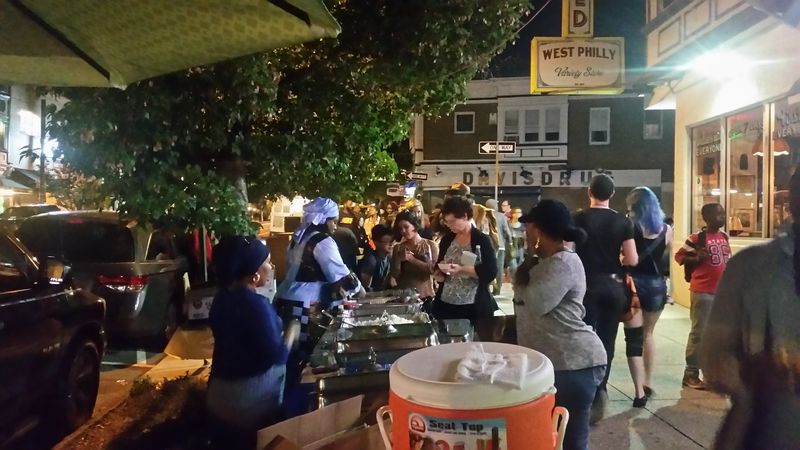
Here is where the real cooking magic lives. The menu features traditional wat dishes, which are essentially slow-simmered stews built on layers of aromatic spice.
You can go mild or you can go spicy, and the kitchen prepares them both ways depending on what you are in the mood for. If heat is not your thing, say so, because there are plenty of gentler options that still taste incredible.
What makes these stews stand apart from other cuisines is the spice blending. Ethiopian cooking uses combinations you probably have not tasted before, and the result is deep and warm rather than sharp or one-note.
Texture matters too, since these stews are thick enough to sit on the bread without soaking straight through. That is intentional, and it is why the whole hands-on system works so smoothly.
A tip worth remembering is to pace yourself with the spicier bowls, because the heat builds slowly rather than hitting all at once. Take a bite, take a breath, and let the flavor settle before you go back in.
Honestly, these stews are the reason people keep driving across Oklahoma City to eat here again and again.
Vegetarian Eaters Genuinely Win Here
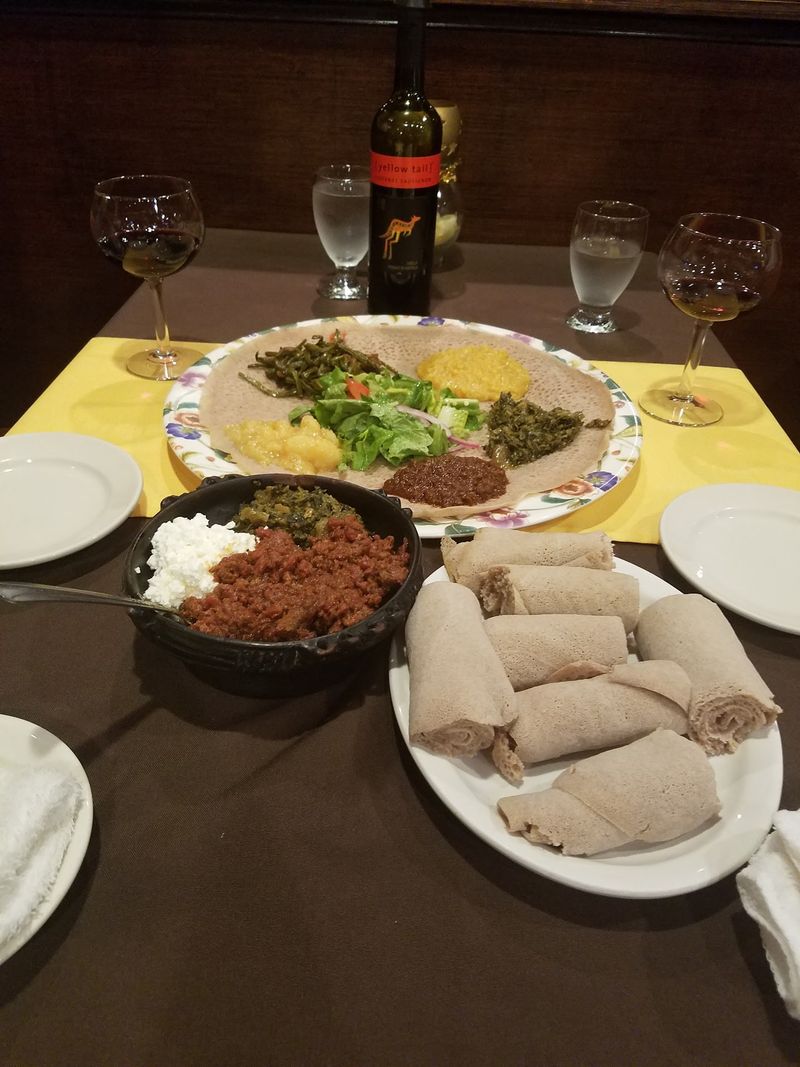
If you skip meat, this restaurant is going to feel like a small miracle. Ethiopian cooking has a long tradition of meatless dishes, and Queen of Sheba is known around town for how well it handles them.
There is a vegetarian combination plate that gives you a solid sample of the non-meat options, and it is far from an afterthought. Lentils, split peas, greens, cabbage, carrots, and beets all bring their own flavor and color to the tray.
What I love about it is that nobody has to feel like they are settling. The vegetarian platter looks just as generous and just as beautiful as anything else coming out of that kitchen.
Mixed groups do really well here for exactly that reason. One person can go all-in on the meat dishes while another sticks to vegetables, and both of them walk out completely full and happy.
Nutritionally, it is a pretty great deal too, since legumes and greens do a lot of heavy lifting on that plate. You get a filling meal without the sluggish feeling afterward.
Vegans should still ask about specific dishes, but the odds are strongly in your favor here.
Sambusas And Kitfo Worth Ordering
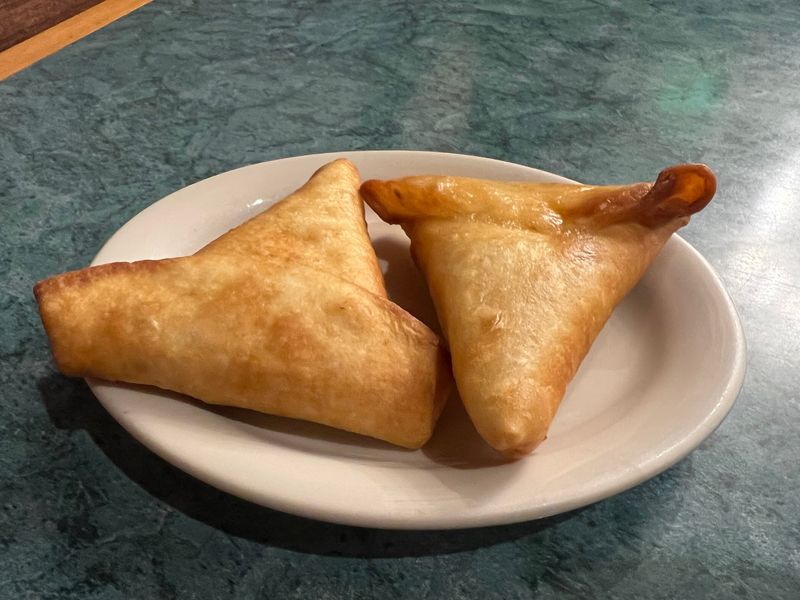
The big platter gets all the attention, but skipping the smaller dishes would be a mistake. Sambusas are savory pastries with a crisp shell, usually filled with spiced lentils or meat, and they make a great opening act.
They are handheld, they are crunchy, and they give you something to nibble while the main tray is being put together. Order a couple for the table and watch them disappear faster than you expect.
Then there is kitfo, which is a dish of rare chopped beef seasoned with a blend of spices and clarified butter. It is bold, it is traditional, and it is not for everybody, but adventurous eaters tend to love it.
If raw beef makes you hesitate, you can always ask about having it cooked a bit more. Plenty of people order it that way and still get the full flavor of the seasoning.
What I appreciate is that these dishes show the menu has real range beyond the sampler platters. There is depth here for repeat visits, which is not something you can say about every restaurant in Oklahoma.
Try one new item each time you come back.
Sharing One Tray Changes The Whole Mood
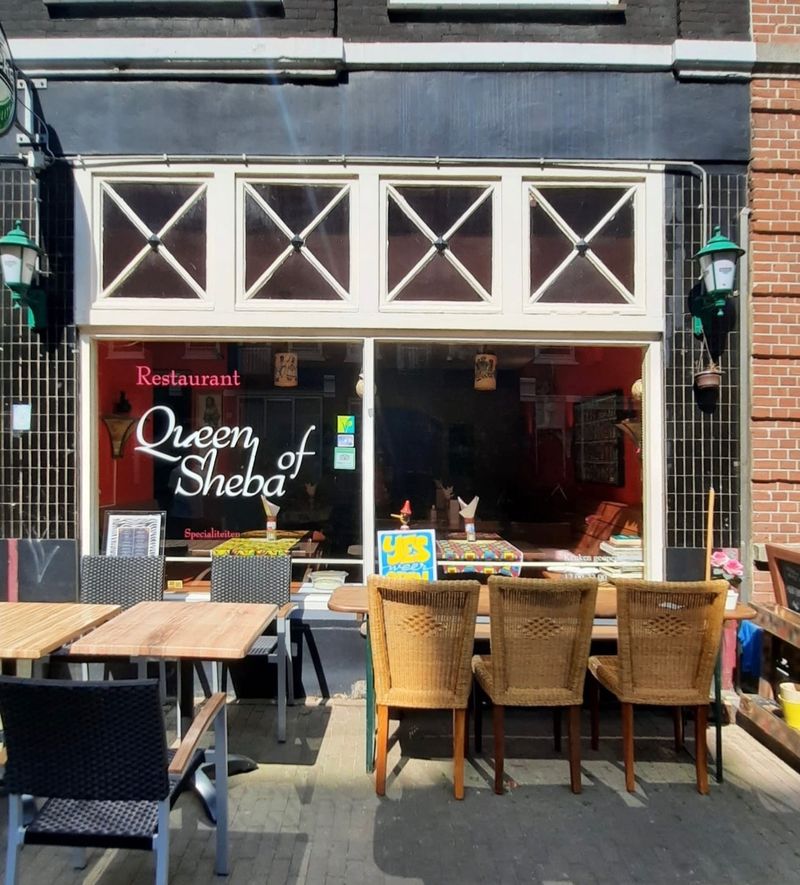
Something shifts when everybody eats off the same tray, and it is hard to explain until you experience it. Conversation gets easier, phones go down, and the meal stretches out longer than you planned.
Ethiopian dining is built around that idea of sharing, and the restaurant leans into it fully. Instead of separate plates staking out separate territory, you have one shared middle that everyone reaches toward.
The dining room supports that feeling with woven basket-style tables and simple seating that pulls people close together. Nothing about the space feels formal or fussy, which keeps the whole mood relaxed.
It works beautifully for a first date, a family dinner, or a group of friends who talk too much anyway. There is something about hands-on eating that removes the stiffness from a table full of people.
You will probably get a little sauce on your fingers, and everyone else will too, so nobody is judging. Honestly, that shared slight messiness is what makes people laugh and settle in.
For a meal out in Oklahoma that you will actually remember and talk about later, this style of dining is tough to beat.
Hot Towels And Other Thoughtful Touches
Worried about sticky fingers? They already thought of that.
Guests are given a hot towel to use during the meal, which is a small thing that makes a big difference when you are eating with your hands. You clean up before you start, you clean up as you go, and you never feel awkward about it.
Little details like that tell you a lot about a restaurant. Somebody in that kitchen and dining room genuinely wants first-timers to feel comfortable rather than confused.
If you have questions about a dish or about how to eat something properly, asking is completely normal here. Plenty of guests walk in knowing nothing about Ethiopian food and leave feeling like they learned something real.
Come hungry, because portions are generous and the bread keeps coming. Loose clothing is not a bad idea either, and I say that with total sincerity.
Plan for a slower meal rather than a quick bite, since rushing this kind of dining defeats the point entirely. Bring people you actually enjoy talking to and let the evening take its time.
Out of all the places to eat in Oklahoma, this one gives you a story to take home.
