I figured it would be a quick stop on a long country drive, maybe a fence, a field, and a gray shape far off in the distance. Instead, a trunk the size of a fire hose curled around a banana right out of my hand, and I forgot all about the road ahead.
Tucked into a quiet corner of Oklahoma, a herd of retired circus elephants is living out its golden years, and regular folks can come meet them. Every one of these giants has a story, and the people who care for them love telling it.
A Retirement Ranch in Southeastern Oklahoma
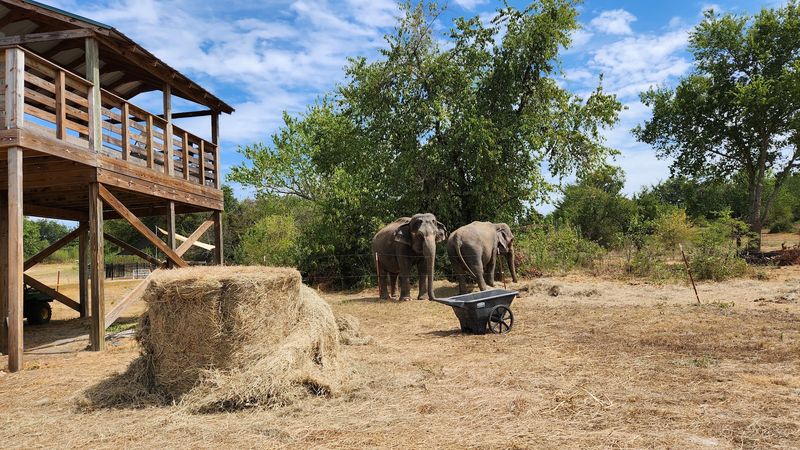
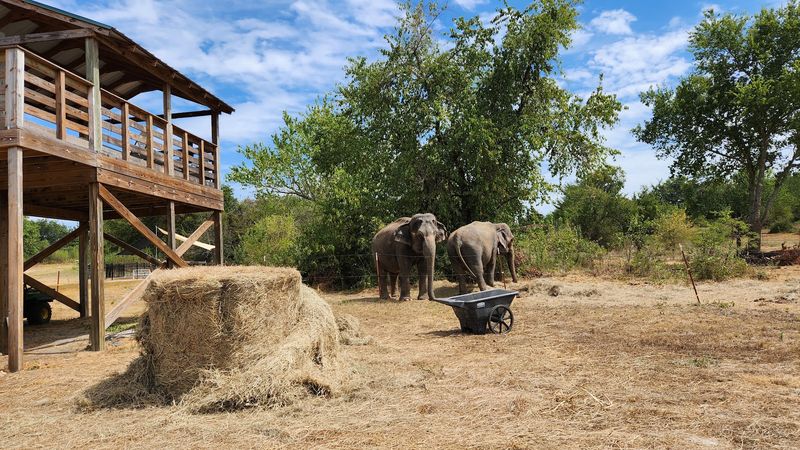
Picture rolling pasture, tall trees, and a barn big enough to hold a few houses. Then add a herd of Asian elephants strolling around like they own the place, because in a way, they do.
The Endangered Ark Foundation is a retirement ranch for elephants that once performed under the big top. It is home to the second-largest herd of Asian elephants in North America, with somewhere around 15 to 20 animals living on the grounds.
Males and females both live here, each with a name, a personality, and a past.
Asian elephants are an endangered species, so the ranch does more than give old performers a comfy place to rest. It also works to protect the future of the species through care, education, and a careful breeding program.
Visitors often leave surprised that something this big and this rare sits quietly in rural Oklahoma.
Don’t expect a flashy theme park. The setting is simple and peaceful, more farm than fairground.
That modest feel is a big part of the charm, especially for families who want something real instead of something polished. You come for the elephants, and the elephants deliver every single time.
Roots in a Family of Elephant Keepers
Long before anyone sold a tour ticket, one family spent their lives walking alongside elephants. D.R. and Isla Miller came from a family with more than six decades of experience caring for these huge animals.
In 1993, they founded the Endangered Ark Foundation. Their goal was straightforward: give former circus elephants a safe, roomy home and help protect Asian elephants as a species.
Three decades later, that mission still shapes everything that happens on the ranch.
Knowing that history changes how a visit feels. The people here are not newcomers learning as they go.
Staff build on generations of hands-on knowledge about feeding, bathing, health checks, and the small daily habits that keep a giant animal comfortable.
Guests notice it, too. Visitors regularly praise how knowledgeable the staff are, and many mention leaving with far more understanding than they expected.
Questions about diet, age, or personality get thoughtful answers, often with a funny story mixed in.
There is something very Oklahoman about it all. A family business, carried forward for decades, run with pride and without much fuss.
It feels less like an attraction and more like being welcomed onto someone’s land to meet the family.
Hugo, the Town Called Circus City USA
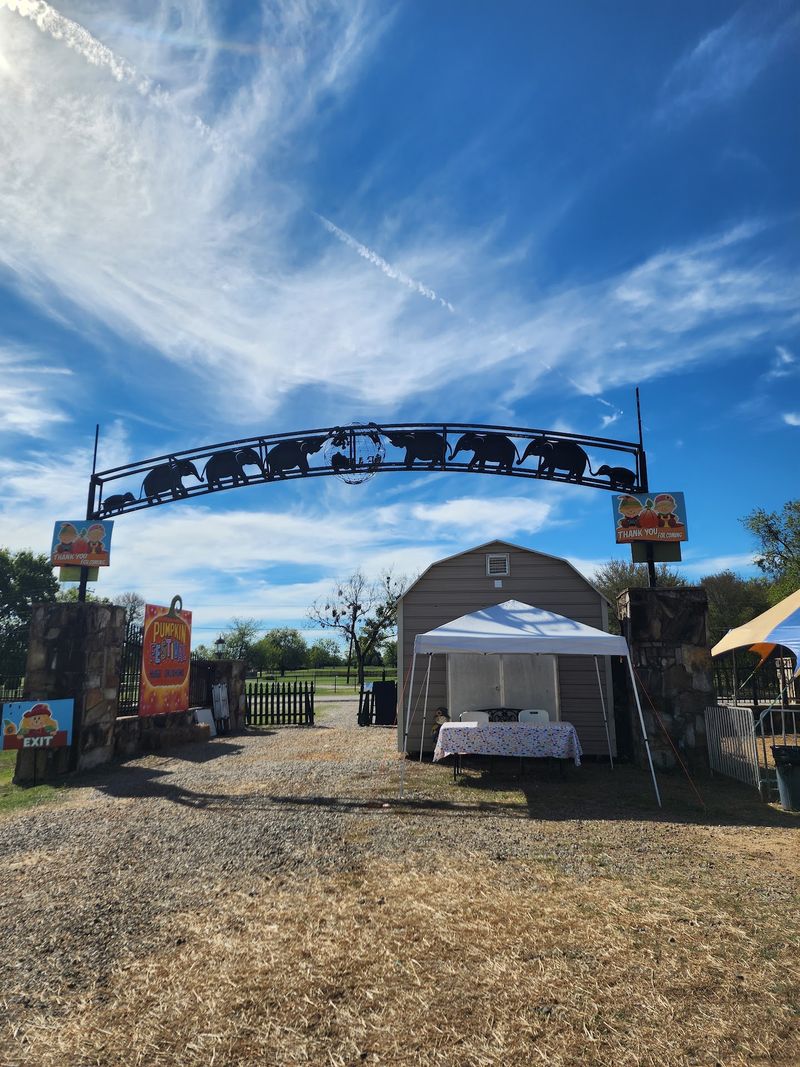
Few small towns can claim a nickname like Circus City USA. Hugo, down in Choctaw County, earned that title because traveling circuses spent their winters here for generations.
So it makes perfect sense that retired circus elephants would end up nearby. The sanctuary sits outside town at 2657 E 2070 Rd, Hugo, OK 74743, in the far southeastern part of the state.
The surrounding countryside is quiet, wooded, and a long way from city traffic.
For many visitors, the location is a surprise. One guest admitted they had no idea something like this existed in Hugo, and plenty of others say the same thing.
Oklahomans tend to find out about it from a friend, a field trip, or a photo of someone hand-feeding a trunk.
The town itself rewards a slow look. Circus history runs deep here, and the elephant ranch feels like a living chapter of that story rather than a museum exhibit.
The animals once traveled the country, and now they finally get to stay put.
Pair your visit with a drive around town and you get a fuller picture of how the big top shaped this little corner of Oklahoma.
Suzy, Tommy, and the Rest of the Herd
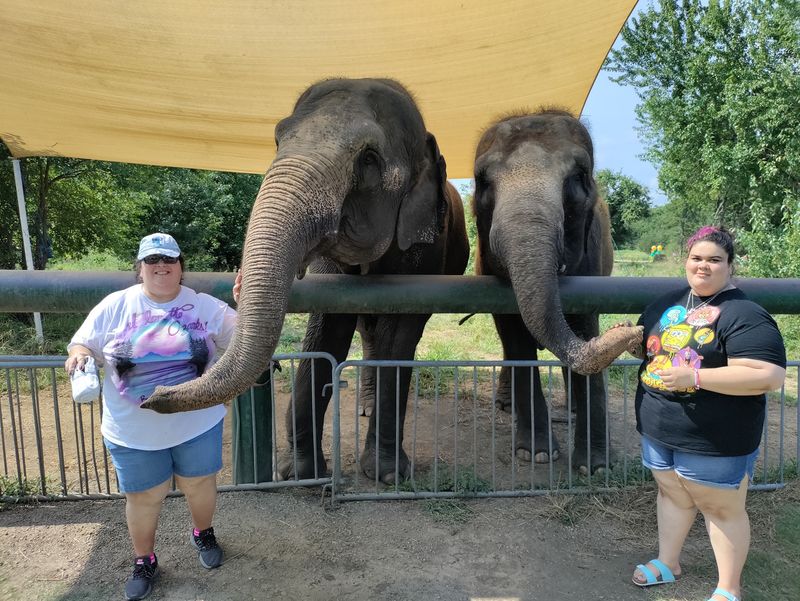
Meet Suzy. She is the matriarch of the herd and is over 70 years old, which makes her a true elder among Asian elephants.
Visitors have mentioned learning the ranch is home to the oldest living Asian elephant in North America, and that fact tends to stop people in their tracks.
Then there is Tommy, a male who has fathered four calves right here on the property. His family line is part of why the ranch matters for the future of the species.
Lillie has a claim to fame of her own. She appears in a children’s book, which turned her into a local celebrity around Hugo.
Val, meanwhile, is known for creating abstract art with brushes and paint.
Guests also mention meeting Del Rita, Trace, Lisa, and Ulta. Lisa is especially known for being easygoing around young visitors, which makes her a favorite with families.
Hearing these names and backstories is what turns a visit into something personal. You stop seeing a herd of big gray animals and start seeing individuals, each with quirks, friendships, and favorite snacks.
By the end of a tour, most people have picked a favorite.
Hand-Feeding a Trunk Full of Personality
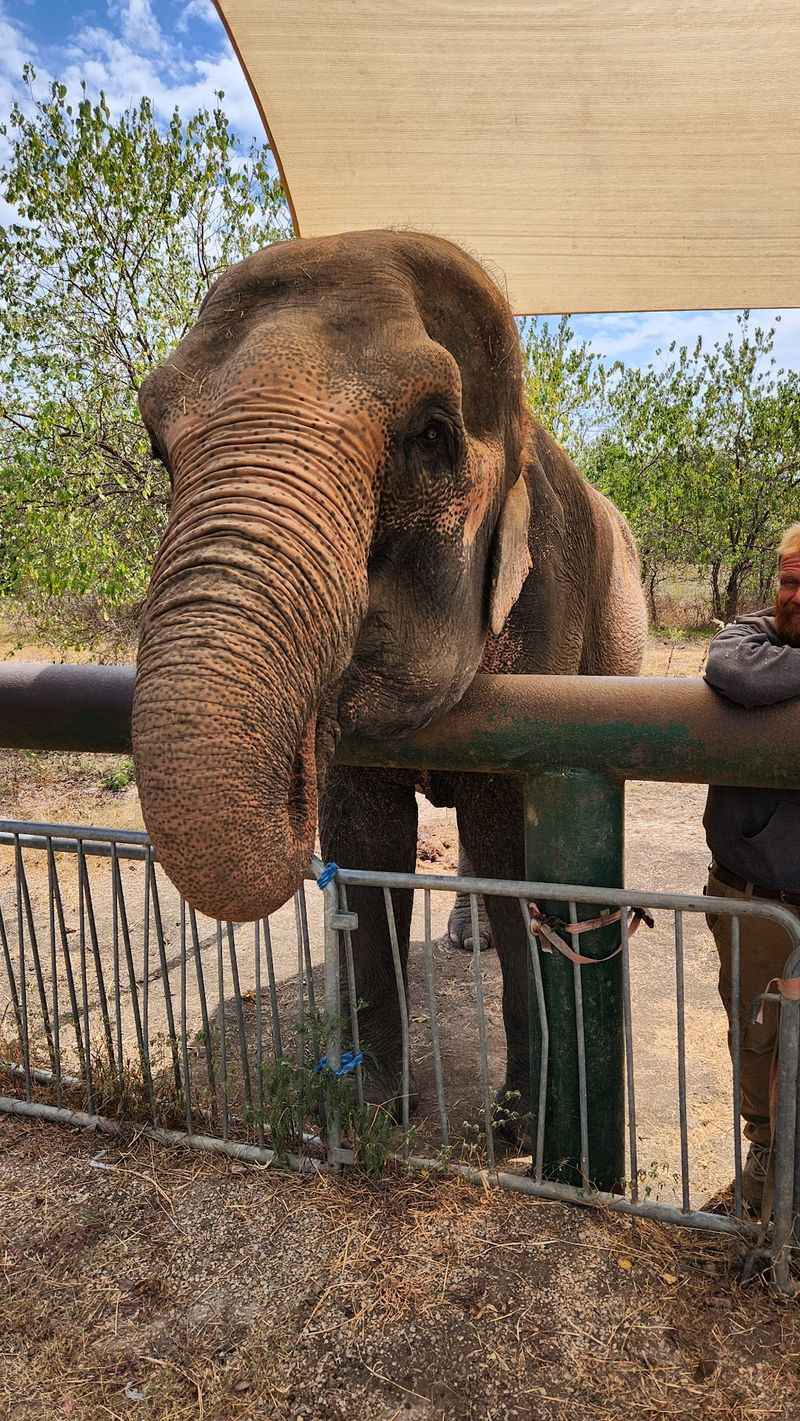
Where else can you feed an elephant? That question pops up again and again from visitors, and honestly, it is hard to argue with.
Feeding is the moment most people remember longest. On a public tour, guests typically end by offering a few pieces of bread to a couple of elephants.
Cabin guests often get bananas to share, and longer experiences can include fresh fruits and vegetables like pineapple.
The trunk is the real star here. It is strong enough to lift heavy objects yet gentle enough to pluck a single banana from a nervous kid’s palm.
Feeling that warm, whiskery tip brush your fingers is something words never quite capture.
One guest described an elephant who seemed so interested in her that it let her rest a hand on its forehead for a while. Others mention petting, hugging, and even trading a little affection right back.
Kids especially light up at feeding time. Grandparents do too, if we are being fair.
There is a lot of laughing, a few surprised squeals, and plenty of phone cameras held up high.
Bring patience and a steady hand. The elephants know the routine and will happily guide you through it.
The Guided Public Tour
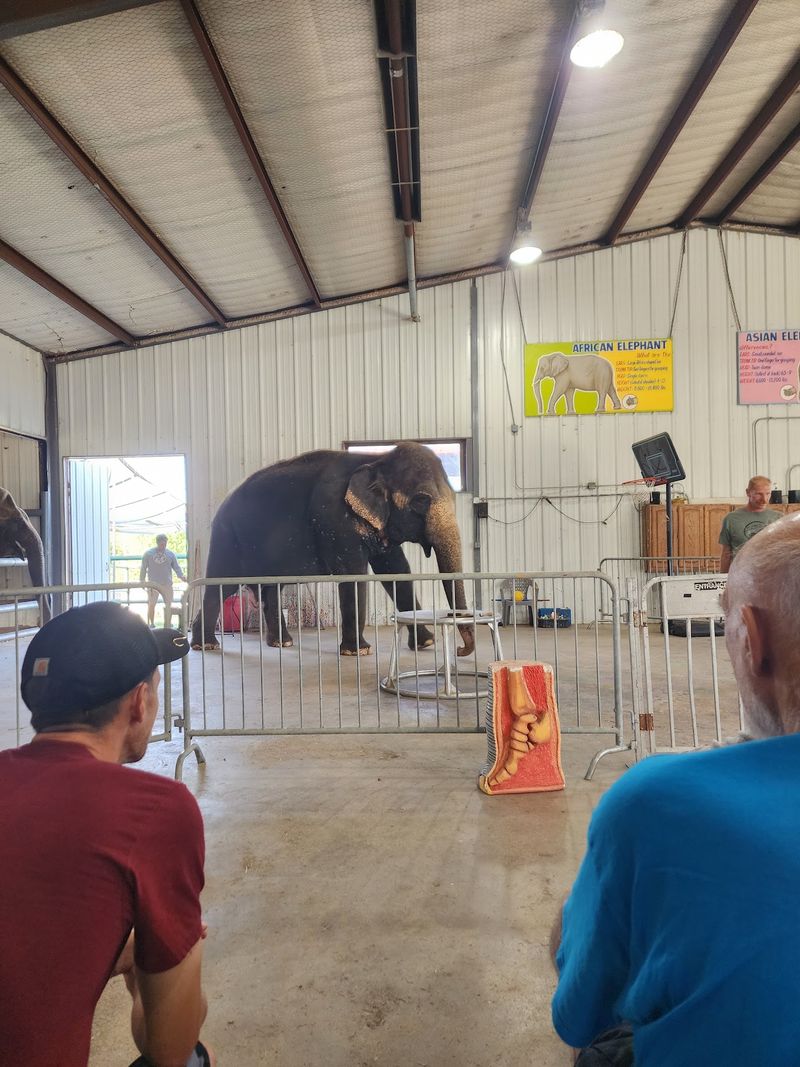
About an hour. That is roughly how long the public tour lasts, and it moves along at a nice clip for both kids and adults.
Guests ride around the grounds and get a thorough rundown of the elephants living on site. Staff explain how the animals are cared for, share their backgrounds, and point out the behaviors that make each one unique.
A question-and-answer session gives everyone a chance to ask what they have been wondering.
Demonstrations are part of the fun. Visitors describe watching elephants show off skills, then seeing paint applied to the bottom of an elephant’s foot to create a painting that gets auctioned.
Feeding usually wraps things up.
Photo lovers will appreciate the Elephie Selfies, which let you snap a picture with one of the residents. It might be the most unusual selfie in your camera roll.
Tours run on Fridays, most Saturdays, and Sundays, depending on the season. Reservations are required, and the ranch is not open for walk-ins without an appointment.
For first-timers, the public tour is the easiest way in. It is affordable compared to the deeper experiences and still gives you that up-close moment everyone comes for.
Paintbrushes, Pedicures, and Elephant Art
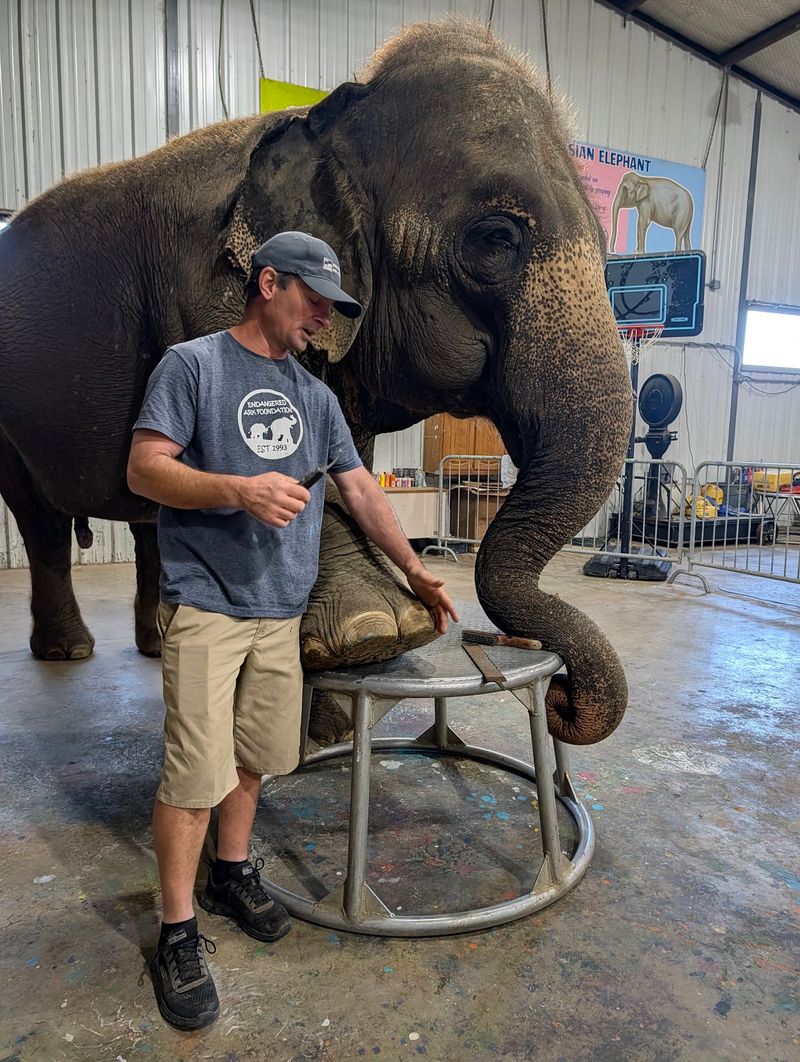
Surprise: some of these elephants are artists. Val is known for her abstract work, and other residents happily join in when the paint comes out.
One family shared a story that sounds almost too sweet to be real. After touring the gift shop, their kids picked out T-shirts, and Del Rita the elephant came over and painted them.
She then showed off her other pastimes, including playing basketball, making music, and getting pedicures.
According to that same family, she seemed proud of herself and clearly enjoyed hearing the crowd clap. It is hard not to grin picturing a several-ton painter soaking up applause.
Other visitors bought shirts that were painted by elephants too, making for a souvenir nobody else at school will have. Footprint paintings are another option, and staff have even offered to mail elephant artwork home so it would not get folded in a suitcase.
Art time is not just a cute trick. Activities like painting and play help keep the animals engaged and active, which is part of good elephant care.
Plan a little extra in the budget if you want a painted keepsake. Most families say it is worth it.
Private Encounters and Bath Time
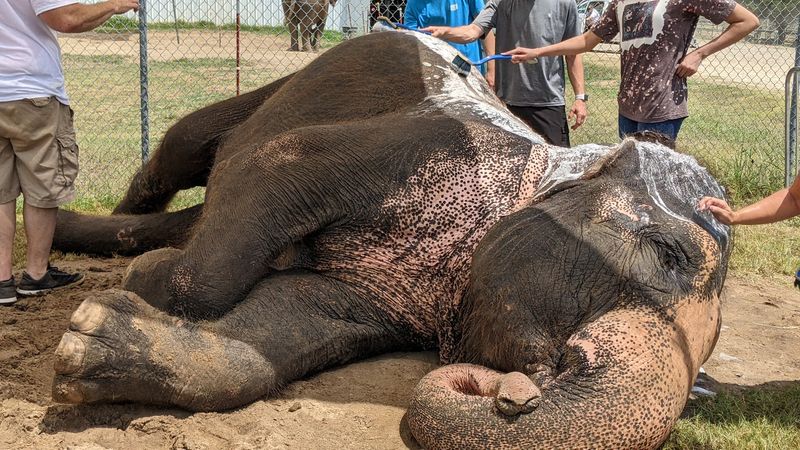
Want more than an hour with the herd? Private encounters are offered daily by appointment, depending on the season, and they slow everything down.
These visits are built around getting up close. Guests meet the elephants, feed them, and often watch them create art.
It is a quieter, more personal experience than the group tour, with more chances to ask questions one on one.
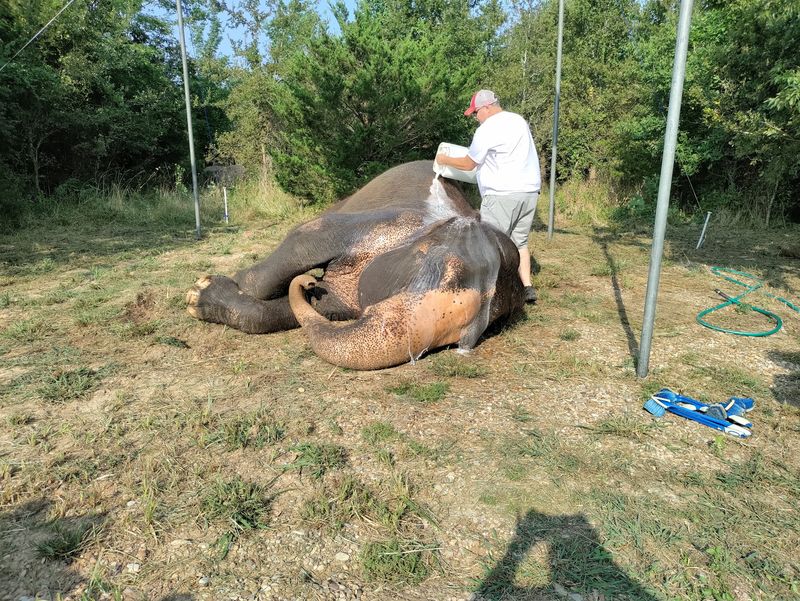
For an added fee, you can help bathe an elephant. Grab a brush, get a little wet, and scrub a patch of skin that feels a lot like a well-worn leather boot.
Custom elephant footprints are another add-on for anyone who wants a big, bold keepsake.
Visitors who splurged on one-on-one time say it felt like a real treat. Others admit they skipped the washing option to stay on budget, which is perfectly fine too.
Some guests have described feeding, hugging, kissing, swimming, walking, and washing the elephants during their visits. That range shows just how hands-on things can get.
Pricing for private encounters is listed on the foundation’s website and may change, so check before booking. Wear clothes you do not mind getting splashed.
Breakfast Delivered by an Elephant
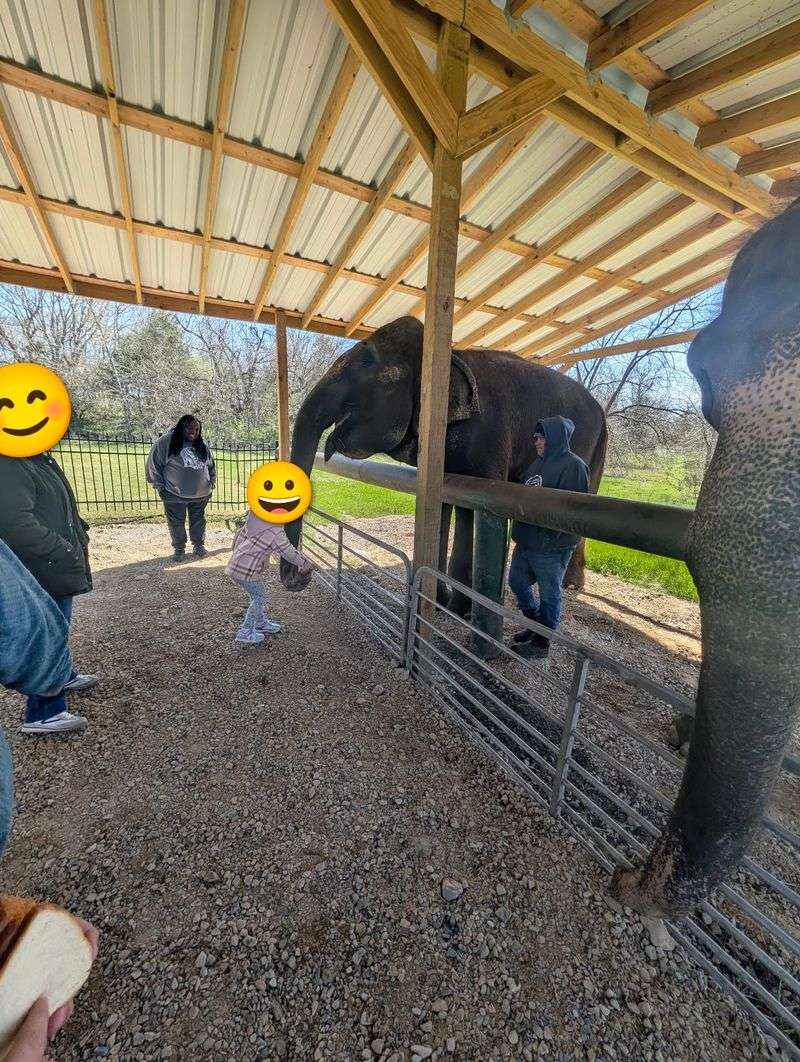
Room service has never looked like this. Guests who stay in the cabin rentals next door, run by Oklahoma Awesome Adventures, can have breakfast delivered by an elephant.
Yes, really. An elephant shows up with your morning meal, and you say thanks by offering bananas or other treats provided in the cabin.
One family described Del Rita and her whole crew making the morning feel magical for a group of nine.
Weather can shake things up. During one stormy morning, thunder and lightning kept the elephant from coming to the cabin, so the family simply walked over to her instead.
The kids still got to feed and hug her.
A practical tip from past guests: the breakfast itself is more of a snack. If you need something hearty to start the day, pack extra food.
The cabins include a mini kitchen with a fridge and microwave.
Dinner is part of the stay as well, and one group enjoyed a hot pizza dinner before card games around the table. Another guest mentioned staff kindly catered to food allergies.
For birthdays, anniversaries, or a once-in-a-lifetime family weekend, this is the experience people talk about for years.
Cabins and a Treehouse Among the Herd
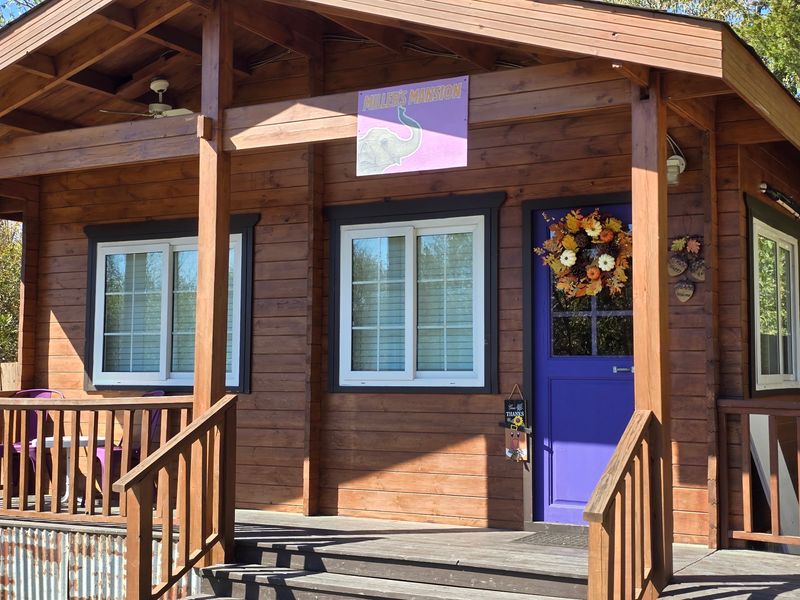
Sleeping steps away from a herd of elephants sounds like a fairy tale. Here, it is just a regular weekend option.
The overnight stays include cabins and a treehouse, and guests rave about both. Visitors call the cabins comfortable, cozy, and very clean, while treehouse guests describe their stay as beautiful and peaceful.
Groups can book more than one cabin. One family of nine split between two and easily walked back and forth, letting the kids run and play outside.
Everyone then gathered around one table for dinner and games.
The best part might be the quiet moments after day visitors leave. One guest mentioned walking around to see the elephants once the crowds were gone, which made the evening feel private and calm.
Another called the whole sanctuary serene.
Not everything has been perfect. One couple said their first dinner was forgotten, though staff made up for it with extra meals the next day.
A funny tip from them: the toilet flush button hides under the seat on the right side.
Book early, especially for weekends. Spots are limited, and the idea of waking up next to elephants is popular for good reason.
Elephant Expeditions for Teens and Adults
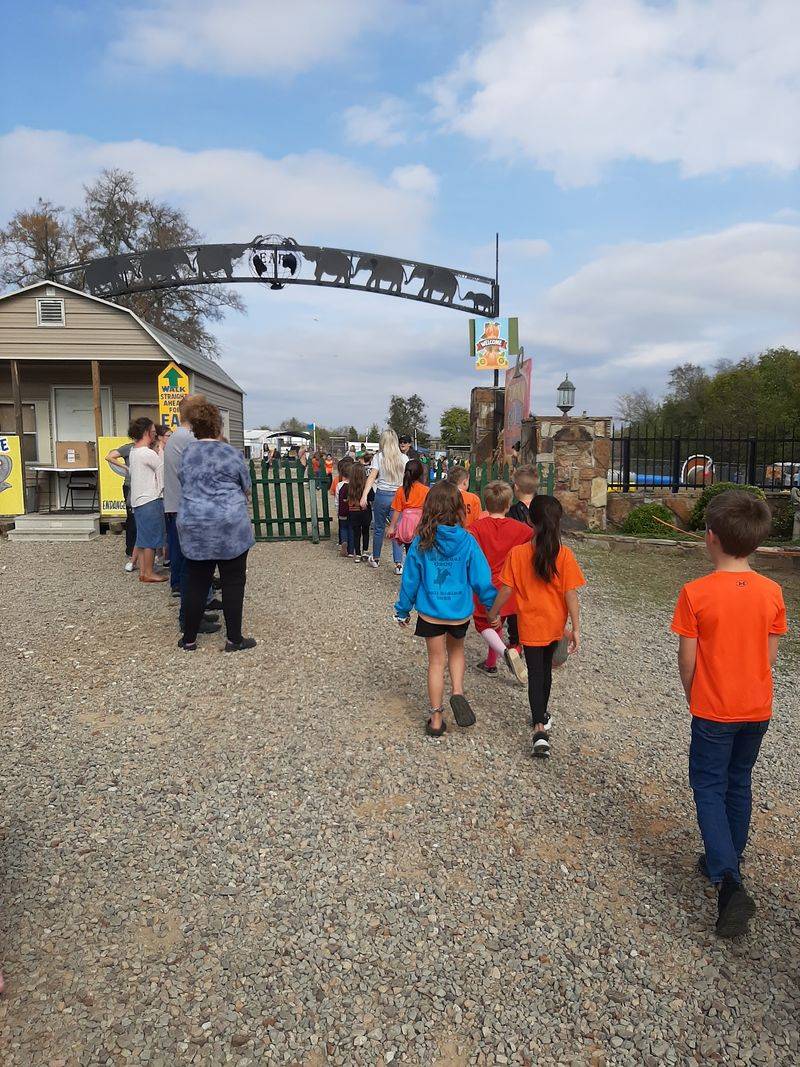
Some folks want the full day, not just a taste. Elephant Expeditions, offered in partnership with Oklahoma Awesome Adventures, are built exactly for them.
These all-day experiences are open to anyone 14 and older. They bundle together one-on-one question time, hand-feeding, a full facility tour, elephant bathing, and lunch with the elephant specialists themselves.
That lunch might be the sleeper hit. Sitting down with people who spend every day around these animals gives you stories you simply will not hear on a shorter visit.
Ask about favorite snacks, funny habits, or which elephants are best friends.
The age limit makes this a good pick for older kids who have outgrown the basics, or for adults planning something special. A parent and teen day together could make a memorable birthday gift.
Animal lovers thinking about careers in zoology or veterinary work may find it especially eye-opening. Seeing the daily routine of caring for creatures this size is a lesson all its own.
Pricing is posted on the foundation’s website and is subject to change. Since spots are limited and plans depend on season and weather, reserve well ahead and confirm your date before making the drive.
Conservation Behind the Fun
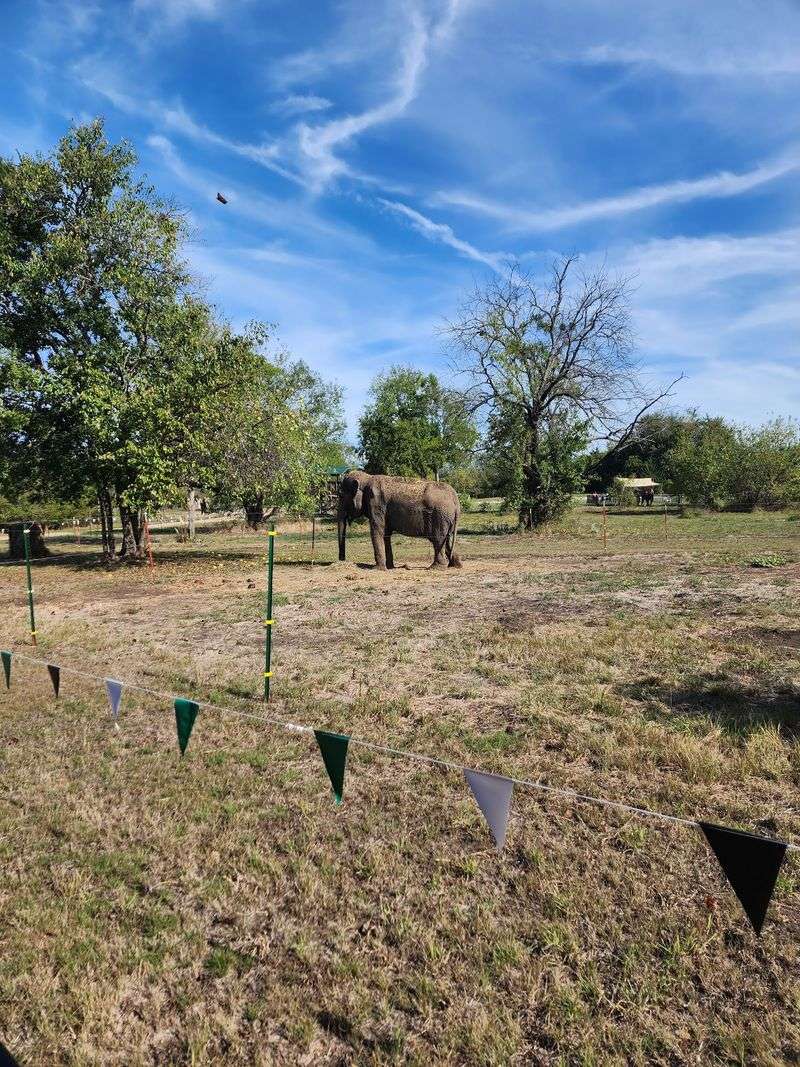
Fun is the hook, but protection is the purpose. Every tour and overnight stay helps support a herd that eats a staggering amount and needs constant care.
The foundation takes part in a Species Survival Plan with the Association of Zoos and Aquariums through its breeding program. The goal is to keep a varied genetic pool for Asian elephants, which are endangered.
Tommy’s four calves are part of that effort.
Education matters too. Teaching the public about Asian elephants is a core mission, and staff offer special presentations for groups and students.
A mobile elephant unit sometimes visits schools and community events, bringing the lesson right to kids’ doorsteps.
One visitor shared that proceeds go back into covering the elephants’ expenses. Several guests admit the experiences feel a little pricey at first, then add that seeing the staff and food involved made the cost feel fair.
Guests consistently describe the herd as clean, happy, and well cared for, with lots of room to roam and plenty of elephant companions. That kind of feedback says a lot about life on the ranch.
Leaving with a bit more understanding of an endangered species is a pretty great souvenir.
Who Will Love It Most
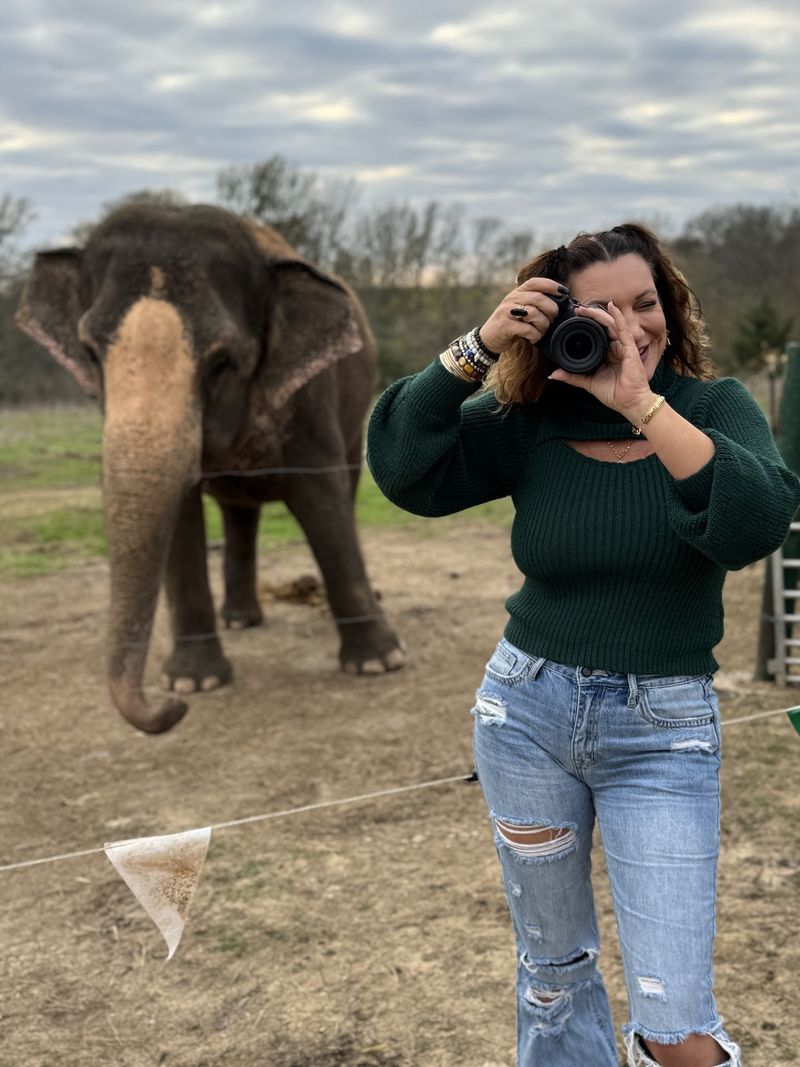
Grandparents with grandkids in tow might be the perfect match. One grandmother came on a field trip with her granddaughter and left already planning a return trip to rent a cabin.
Families are clearly welcome. The elephants are used to being around children from their circus days, kids get discounted tour pricing, and summer camp even offers a Jr. Elephant Ambassador Certification.
Little ones tend to beam the whole visit.
Couples and friend groups enjoy it too. One guest celebrated a friend’s birthday with an overnight stay and called it awesome.
Others suggest going solo just to treat yourself.
Animal lovers who care about how creatures are treated will appreciate the calm, unhurried setting. The vibe is relaxed and country-friendly, not crowded or loud.
A few things to consider: tours require booking, overnight stays add up, and outdoor time means dealing with Oklahoma weather. Summer heat can be intense in the southeast corner of the state, and spring storms can rearrange plans.
If your crew loves animals, laughs easily, and does not mind a little dirt on their shoes, this place will likely land at the top of your favorite road trips list.
Planning the Trip: Prices, Hours, and Drive Times
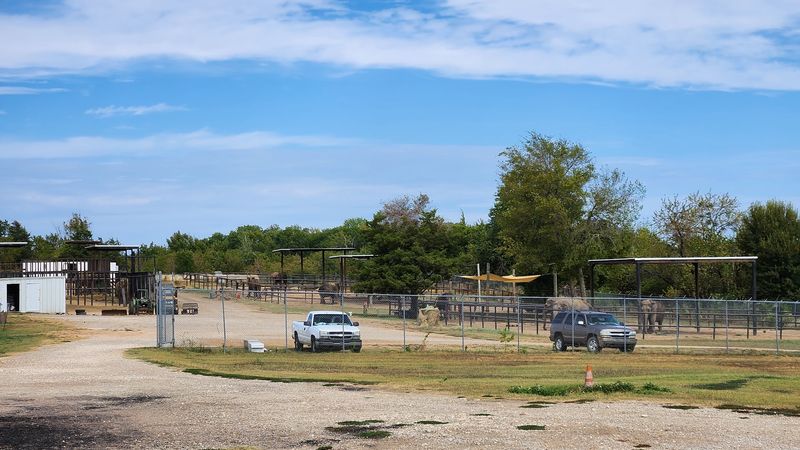
Start with the numbers. Public tour admission runs $50 for adults, $25 for kids ages 3 to 12, and free for little ones 2 and under.
Prices can change without notice, so double-check before you go.
A 2026 Special Event Season Pass costs $50 and covers general admission to seasonal events like an Open House, Easter activities, a Pumpkin Festival, and Holiday in the Ark. It also includes 15% off at the gift store.
Every visit requires a reservation. Public tours typically run Fridays, most Saturdays, and Sundays, with private encounters offered daily by appointment depending on the season.
Online hour listings may not match the real schedule, so rely on the foundation’s website.
One visitor noted the phone often goes unanswered on weekends, so booking ahead during the week is smart. Tours may be rescheduled if weather turns rough.
From Oklahoma City, expect about a three-hour drive southeast. Tulsa folks are looking at roughly two and a half hours.
The address is 2657 E 2070 Rd, Hugo, OK 74743.
Bring water, sunscreen, and a little extra cash for painted shirts or add-ons.
Worth Every Mile of the Drive
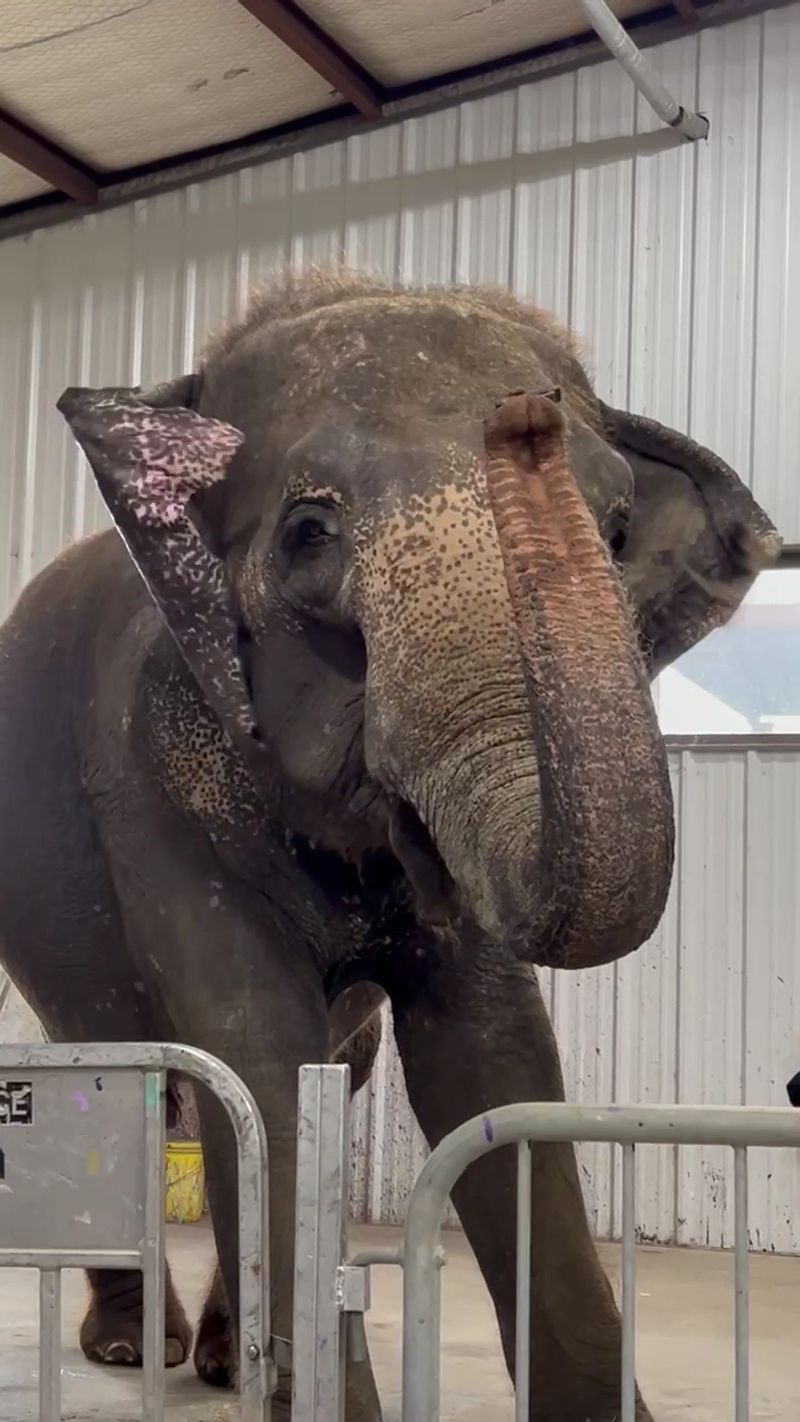
Three hours is a long drive for a one-hour tour. Then an elephant wraps its trunk around a banana in your hand, and suddenly the miles feel like nothing.
Guests keep coming back to the same words: wonderful, unforgettable, worth it. Many say to spend the time and money and not look back.
Others call it a must-do for anyone living in Oklahoma.
What makes it stick is the mix. You get history from Circus City USA, a family legacy stretching back decades, and a herd of endangered animals with real stories.
You also get silly moments, like a painting elephant soaking up applause.
It is not the cheapest outing in the state, and planning takes a little effort. Booking ahead, watching the weather, and packing snacks all help things run smoothly.
Still, few places let you hear a retired performer’s story while handing her lunch. That combination of heart, learning, and pure fun is rare anywhere, let alone down a quiet county road in southeastern Oklahoma.
So gas up the car, round up the grandkids, and go say hello. The herd will be waiting, and they never seem to tire of company.
