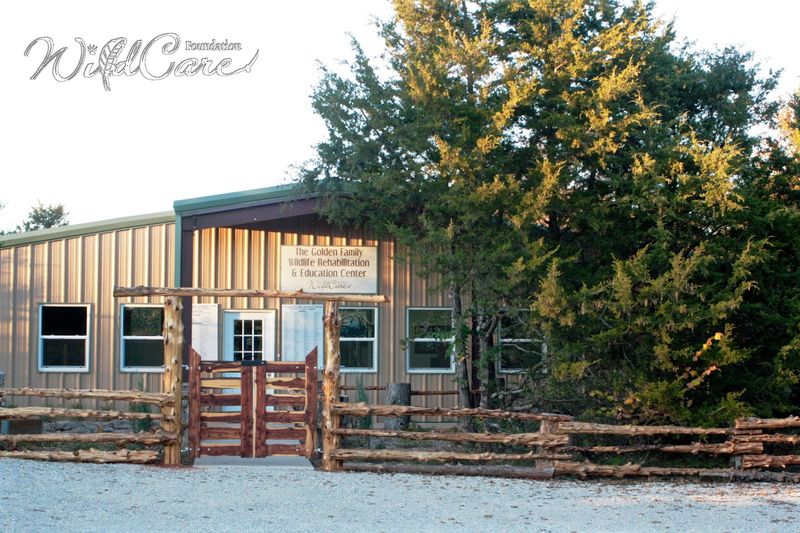
Down a gravel-edged country lane in Oklahoma sits a cluster of low buildings and wire enclosures that most drivers would blow right past. I expected a shed, a few cages, maybe a volunteer with a clipboard.
What I found instead was a round-the-clock animal hospital treating hawks with broken wings, orphaned opossums, and one very lucky beaver. It is the kind of place that rearranges how you think about the wildlife in your own backyard, and it costs almost nothing to see for yourself.
A Country Lane in Noble, Just South of Norman
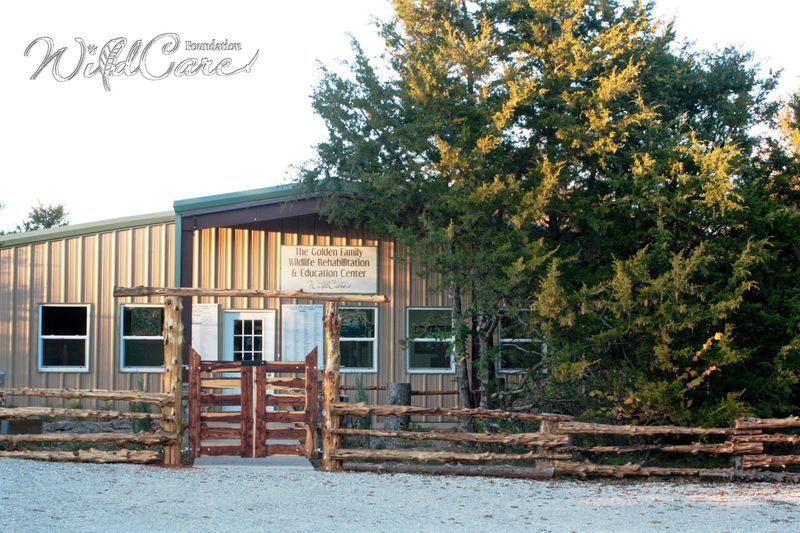
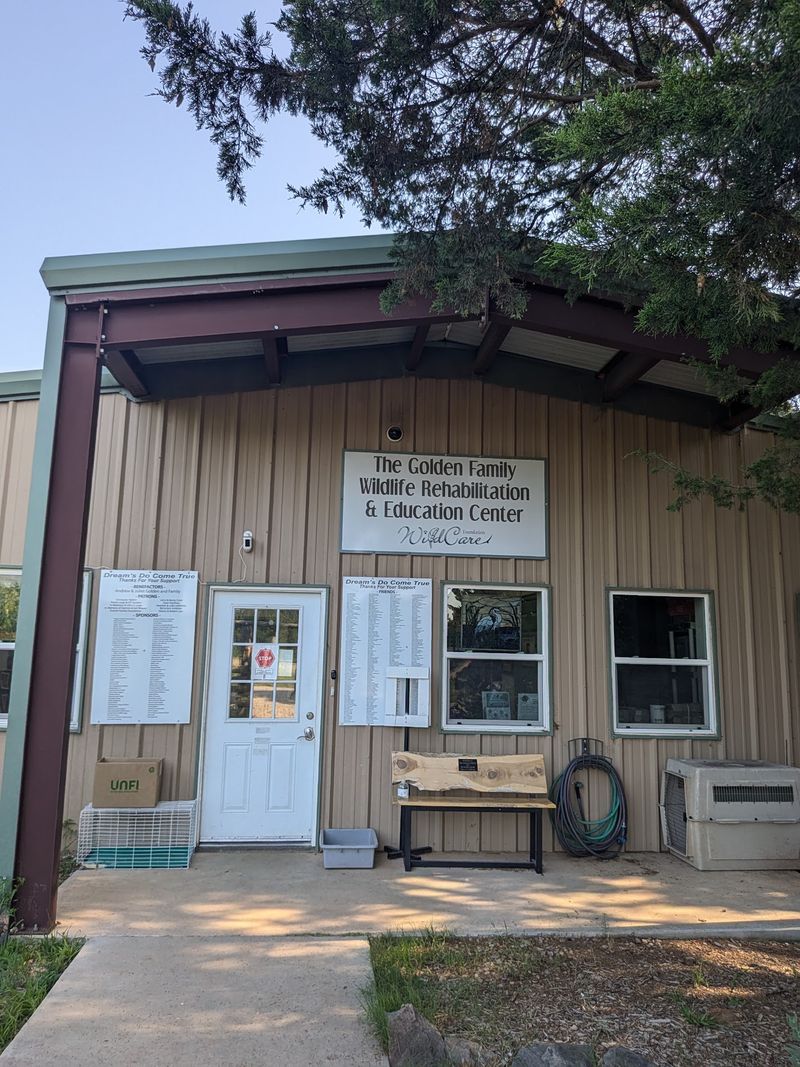
Head about 20 minutes south of Norman and the suburbs thin out into pasture, blackjack oak, and mailboxes spaced far apart. At 8505 Wildwood Ln in Noble, Oklahoma, that quiet road delivers you to WildCare Oklahoma, a nonprofit wildlife hospital that treats native animals from every corner of the state.
Officially it is listed as an animal protection organization, which undersells things considerably. What operates here is a genuine medical facility, complete with a veterinary team, intake paperwork, patient numbers, and recovery enclosures scaled for everything from a house finch to a red-tailed hawk.
From downtown Oklahoma City the drive runs roughly 45 minutes, and Tulsa folks can make it in a little over two hours, which puts it squarely in weekend road-trip range. The setting itself does a lot of the work.
Cedar, open sky, and the occasional hawk circling overhead make the location feel purpose-built rather than tucked into a strip of commercial buildings.
Call ahead at 405-872-9338 before you point the car this direction. Staff answer questions gladly, and a quick conversation can save a wasted trip.
How a Hawk With a Broken Wing Becomes a Patient
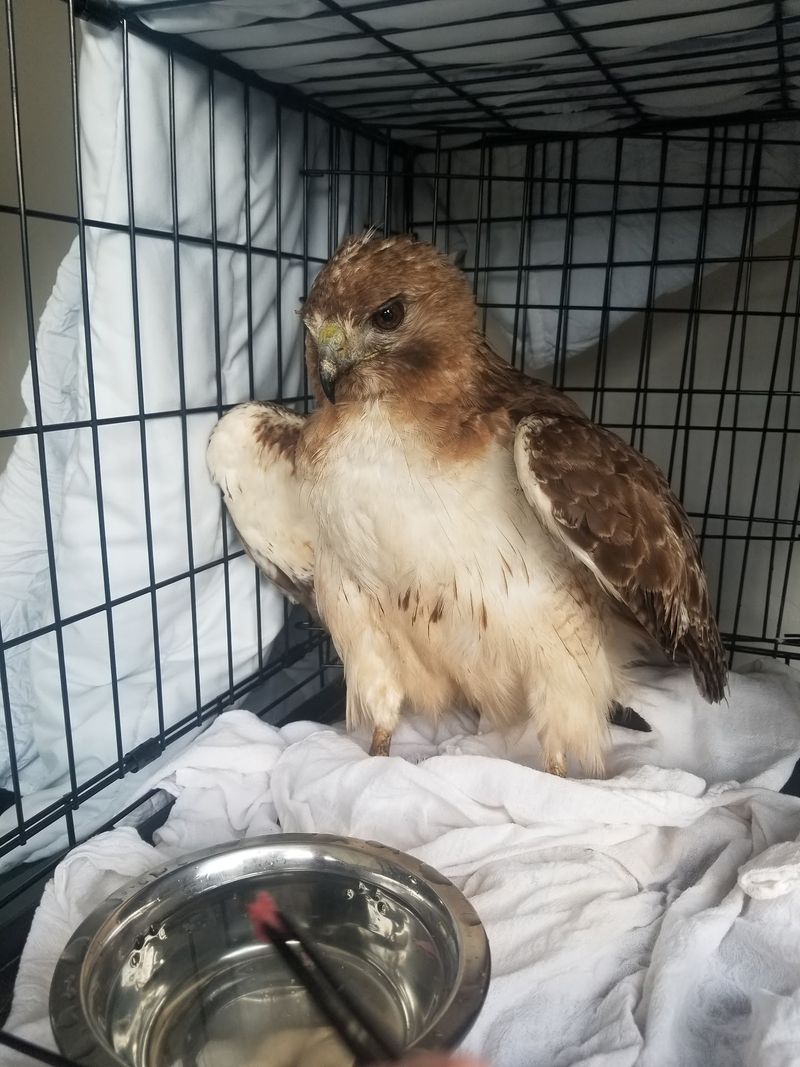
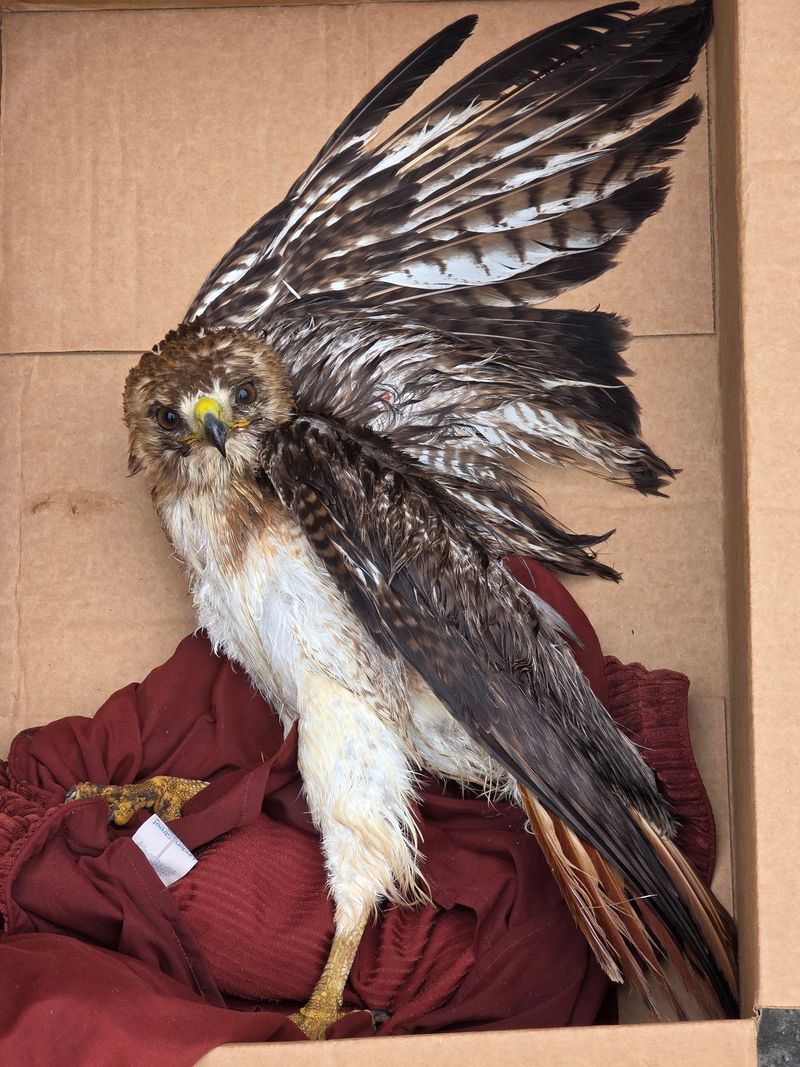
Picture finding a hawk hunched in your yard, one wing hanging wrong, and having absolutely no idea what to do next. That scenario plays out across Oklahoma constantly, and this is where those calls land.
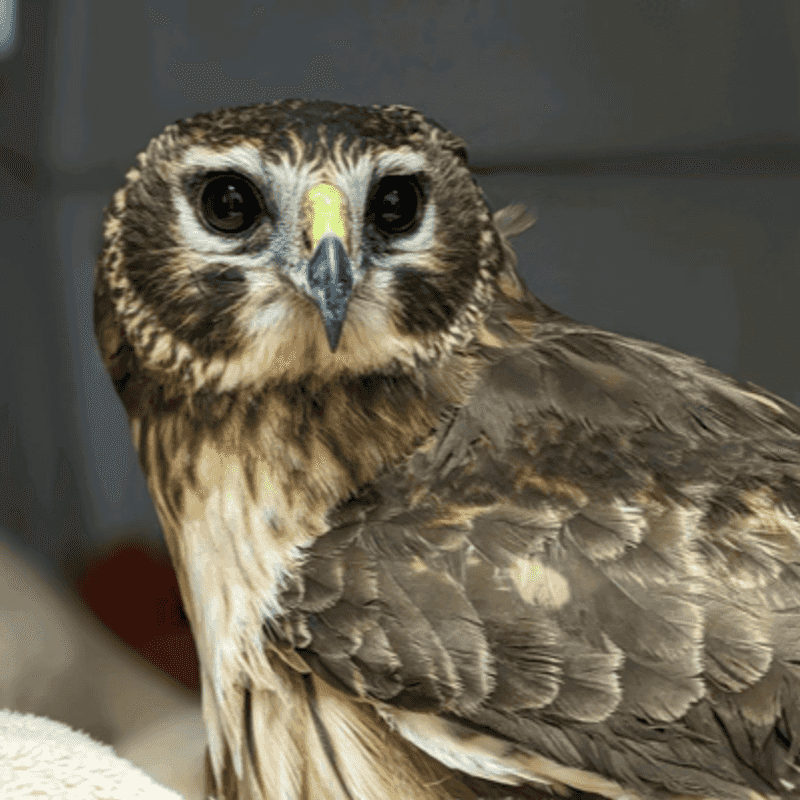
Visitors who have made the drive describe a surprisingly organized process. The bird gets accepted, checked in, and logged with details about exactly where it was found, because the goal from minute one is returning it to that same patch of ground once it heals.
One family brought in an American kestrel from Prague with a broken wing. Five weeks later, staff phoned to ask whether they wanted to handle the release themselves.
They drove the raptor back to the spot where they found him and let him go.
Small kestrels, red-tailed hawks, owls, doves, mallards, and songbirds all cycle through. Injured birds come up repeatedly in what people mention about the place, alongside squirrels, opossums, and rabbits.
The takeaway for anyone who finds wildlife in trouble is simple. Phone first and ask before feeding anything, since staff can walk you through what actually helps.
Volunteers, a 24/7 Vet Tech, and No Government Funding
Here is the part that catches people off guard. Despite being one of the larger wildlife rehabilitation operations in the country, WildCare receives no federal, state, or local funding.
Everything runs on donations.
Staff have said as much themselves in responses to supporters, noting the gap between the public-health role they fill and the financial support they receive. Meanwhile a vet tech is on hand around the clock, because injured animals do not keep business hours.
Volunteers carry an enormous share of the load. They transport animals across the state, hand-feed babies, clean enclosures, and sew bedding.
When a beaver struck by a car in northeast Oklahoma City needed help, a WildCare volunteer drove out to meet the rescuers, though the cage turned out too large for her vehicle and someone else finished the haul to Noble.
Helpful staff is by far the most common thing people mention, showing up in dozens of accounts. Folks consistently describe the front-desk crew as friendly and patient with anxious first-timers.
Donations of any size are welcome. One visitor had ten dollars in her pocket and was told sincerely that every bit counts.
Patient Numbers and the Follow-Up Nobody Expects
Most rescue stories end the moment you hand over the box. Not here.
Every animal brought in gets a patient ID number, printed on a small pamphlet and handed to the person who rescued it.
That number lets you call or check in later and find out how your finch, squirrel, or mallard is progressing. People who have used it describe it as the detail that turned a stressful afternoon into something genuinely satisfying weeks later.
One family learned when their injured duck would be released. Another followed a baby squirrel through recovery.
A woman who brought in a hawk from her yard was given instructions on tracking the bird’s care and eventual return to her area.
Staff sometimes reach out first, calling to invite rescuers to participate in the release. That gesture costs the organization time it barely has, which is exactly why it lands so well.
Fun detail worth knowing: rehabilitators aim to release animals as close as possible to where they were found, since local territory, food sources, and family groups all matter for survival. The patient number is how the loop closes.
Baby Season Brings Opossums, Bunnies, and Thousands of Mouths
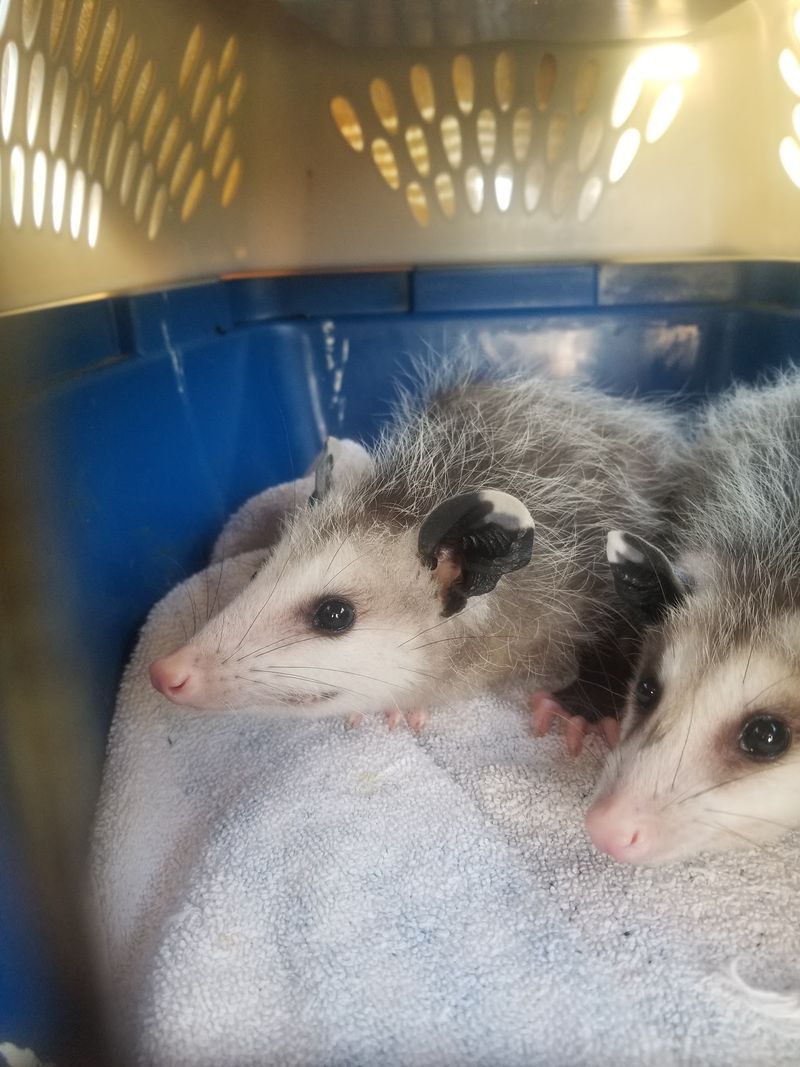
Spring turns this place into a nursery. Orphaned litters arrive by the carload, and the sheer volume is hard to picture until someone lists what came through in a single month.
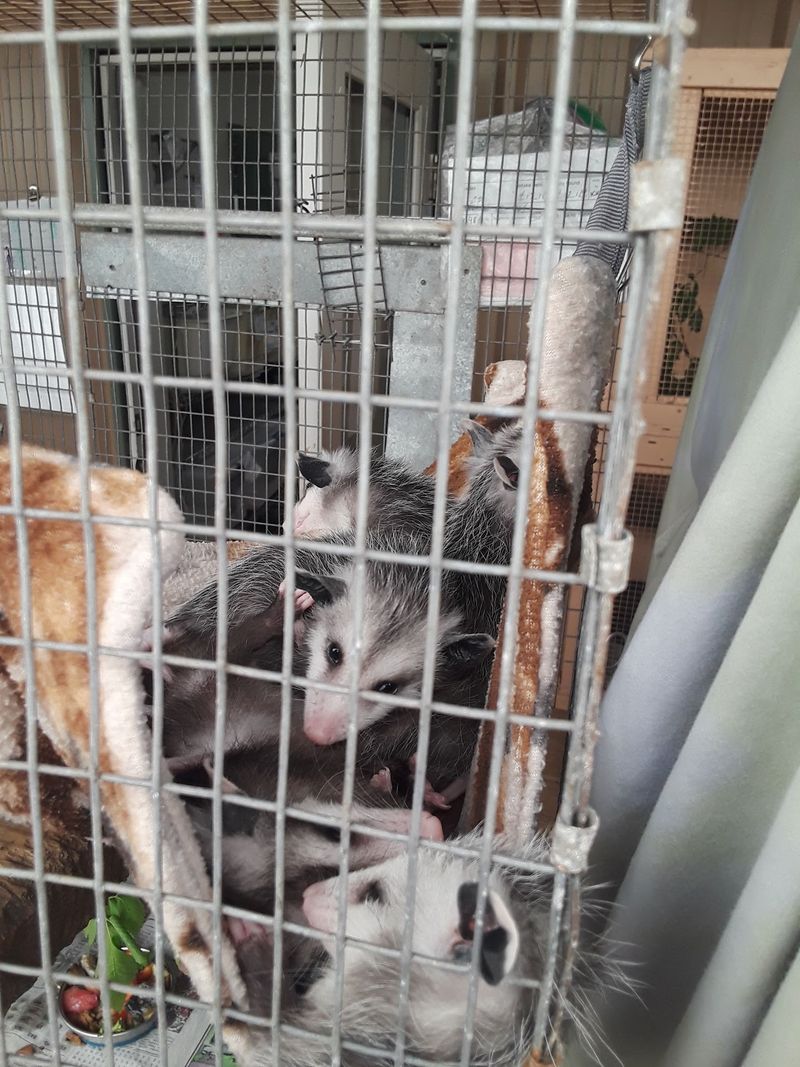
An injured mother opossum and her babies. A nestling bird that fell 25 to 30 feet and could not be safely reunited.
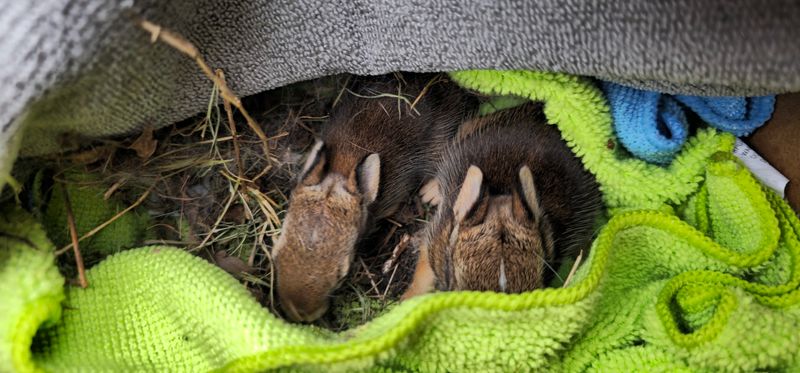
An injured baby raccoon. Baby bunnies whose nest was destroyed by a lawn mower.
Two orphaned opossums from a property touched by fire.
Bunny rescue and squirrel rescue both come up often in what people mention, and one supporter noted the facility handles everything from baby mice to owls.
What deserves attention is how often staff talk people out of bringing an animal in at all. One family was shown how to check whether a mother rabbit was still feeding her kits and how to shield the nest through heavy rain.
All four survived, doubled in size, and left on their own terms.
Thousands of animals pass through annually. That number explains the constant need for food, blankets, and enclosure space.
The Annual Baby Shower Event Families Plan Around
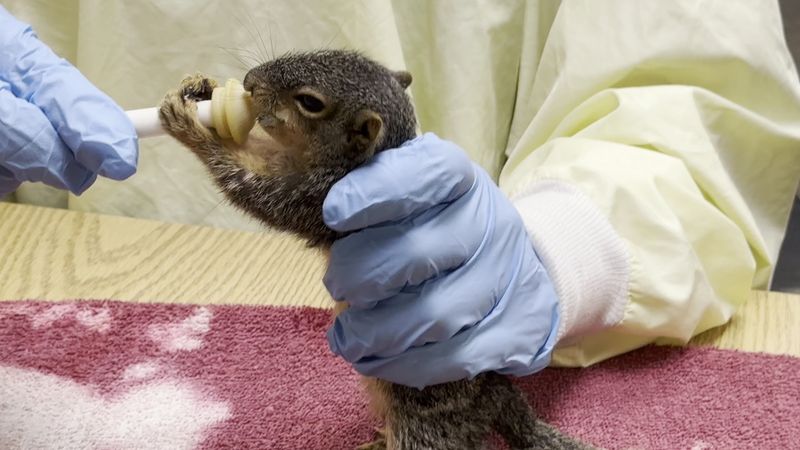
Once a year the gates swing wide for what staff call the Baby Shower, and it has quietly become a favorite outing for Oklahoma families with kids.
Guests walk the facility, see areas usually off-limits, and get a look at some of the young animals in care. A parent who brought her children described it as a lovely experience and came away amazed that the whole operation runs on donations alone.
The name is literal. Like any baby shower, guests bring gifts, except the registry runs toward towels, formula, feeding supplies, and cash for the nursery season ahead.
Girl Scout Troop 711 once spent a day here making hammocks for the smallest patients and safe blankets for larger ones, then watched animals settle into their new bedding. Service groups, school classes, and scout troops find plenty of useful work.
Keep in mind this is still a functioning hospital rather than a zoo. Public handling of patients is not the point, and enclosure viewing is managed carefully so recovering animals stay calm and wild.
Check the website for dates, since the event follows baby season.
Beaver Believers and the Case for Misunderstood Critters
Ask most people how they feel about beavers and you will hear complaints about flooded culverts. Ask the crew in Noble and you get an entirely different pitch.
Staff cheerfully call themselves beaver believers, describing the animals as nature’s engineers and pointing out how much their dam-building benefits watersheds, wetlands, and the humans downstream. They also acknowledge that beavers are widely misunderstood and roughly handled by developers, homeowner associations, and cities.
That philosophy showed up in practice when an injured beaver near northeast Oklahoma City needed rescue. A wildlife control operator secured the animal, a WildCare volunteer coordinated, and the beaver made it to Noble for assessment.
Opossums get the same defense. So do snakes, bats, and every other creature that tends to trigger a phone call to pest control instead of a rescue.
The education angle matters as much as the medicine. Teaching Oklahomans to coexist with the animals already sharing their neighborhoods may prevent far more injuries than any surgery can repair.
Walking out with that reframing is part of what makes a visit stick. You start seeing your own yard as somebody’s habitat.
Clean Hands, Sanitized Shoes, and Serious Disease Protocol
Nobody expects a wildlife center to out-clean their own veterinarian’s office, yet that is the impression people come away with.
One visitor was surprised to be asked to sanitize the bottoms of her shoes on the way out, a step she had never considered, meant to keep anything from the intake area from riding home to household pets. Hand hygiene, careful separation of patients, and thoughtful handling all get noticed by guests.
Makes sense once you think it through. A facility taking in thousands of wild animals every year is managing potential disease transfer in two directions, protecting patients from each other and protecting the public.
Practical translation for visitors: wear closed-toe shoes you do not mind having sprayed, and follow instructions without improvising. Touching animals is off the table, and that rule exists for the birds as much as for you.
Dogs stay home. Bringing a pet to a wildlife hospital stresses recovering animals and creates risks nobody needs.
People who arrive expecting a petting zoo leave with something better, which is respect for how much invisible discipline keeps a place like this running safely.
What It Costs, When to Come, and How to Arrange a Look Around
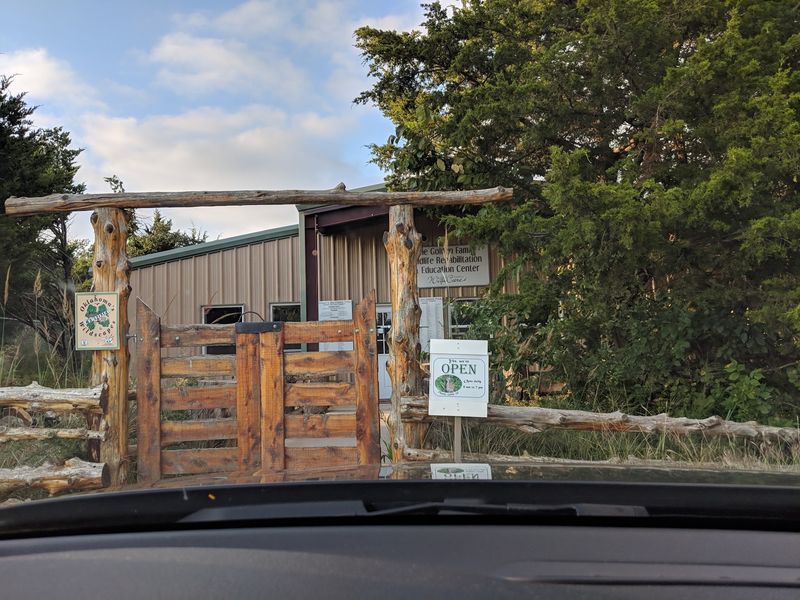
Budget-wise, this is about as easy as an Oklahoma outing gets. The organization operates entirely on donations, so there is no admission window charging you twenty dollars a head.
Doors are open 9 am to 5:30 pm every day of the week, which is unusual for a nonprofit and reflects the reality that injured animals arrive on no schedule. If you are dropping off wildlife, that window is what matters most.
For tours and facility access, call 405-872-9338 or check wildcareoklahoma.org first. Public access is arranged rather than walk-up, since staff are running a hospital and animal care comes ahead of visitors.
Group visits, scout service projects, and the annual open-house style event are the usual routes in.
Bring a donation if you can. Every dollar covers formula, medication, and enclosure repair, and staff are genuinely grateful for small amounts.
Weather planning counts here. Much of the property is outdoors, so summer heat, spring storms, and Oklahoma wind all deserve a glance at the forecast before you go.
Leave the dog at home, and arrive close to your scheduled time rather than early.
Who Gets the Most Out of a Visit
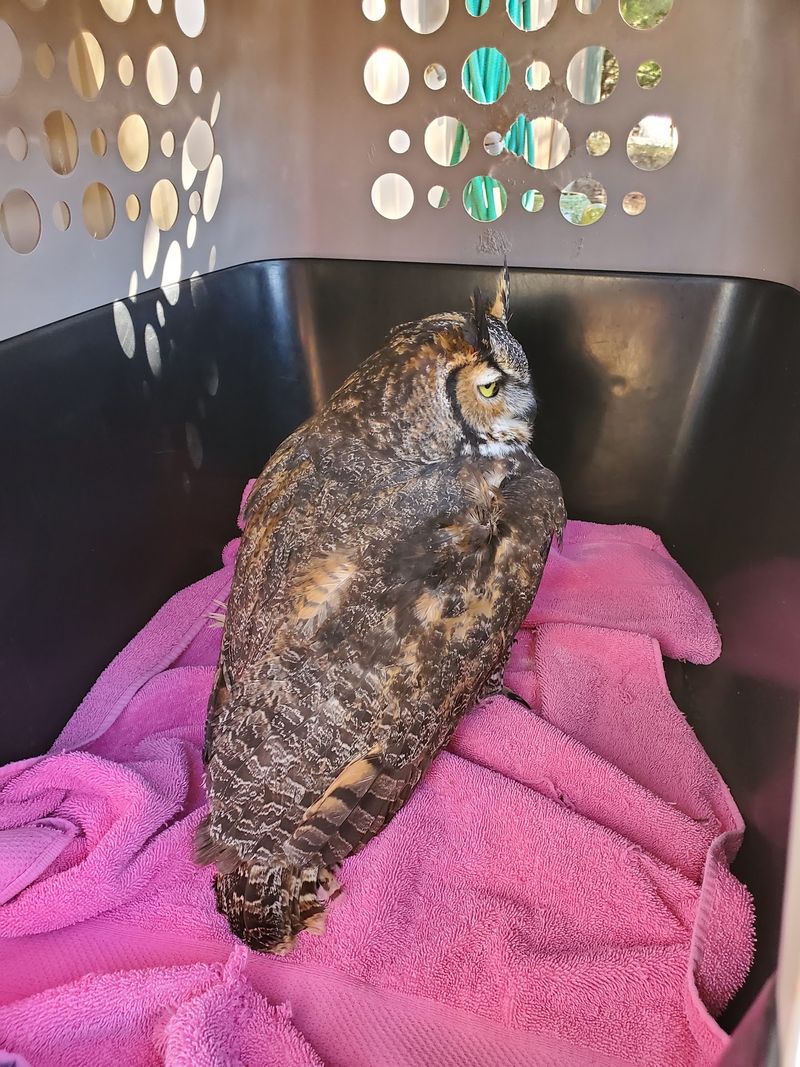
Curious kids are the obvious winners here. A child who has only seen a hawk as a speck in the sky gets to understand that the bird has bones that break and a recovery timeline, which tends to land harder than any documentary.
Retirees and grandparents make up another natural crowd, especially the ones who already feed birds, watch for deer, and know which trees the squirrels favor. Plenty of supporters are repeat visitors who bring donations along with their relatives.
Scout troops, 4-H clubs, school groups, and church youth groups find real service work, from building enclosures to sewing bedding. Anyone with construction skills is particularly valuable, since housing thousands of animals means constant repairs.
Photographers should manage expectations. Access is limited by design, and the point is not a close-up portrait session.
Honestly, the people who get the most out of it are those who arrive curious rather than entertained. Show up wanting to understand how wild animals heal, and the visit pays off.
Show up wanting a zoo experience, and the fit will feel off.
Worth the Drive, Worth the Donation
Some places earn your attention with scenery or a famous meal. Noble’s wildlife hospital earns it by showing you work that would otherwise stay invisible.
The numbers tell the story plainly enough. Thousands of animals treated yearly, zero government funding, and a 4.9-star reputation built across more than 470 accounts from people who mostly arrived stressed and holding a cardboard box.
What they describe afterward is consistent. Staff who listen, a process that respects both the animal and the person who stopped to help, and follow-up that lets you know how the story ended.
Pair the trip with a stop in Norman, roughly 20 minutes north, and you have a full and inexpensive day. From Oklahoma City the round trip runs under two hours of driving.
Go with a donation in hand, a phone call made in advance, and shoes you do not mind sanitizing. Then keep the number in your contacts, because sooner or later you will find something injured in your own yard.
That, more than any tour, is the real reason this place deserves to be better known across Oklahoma.
