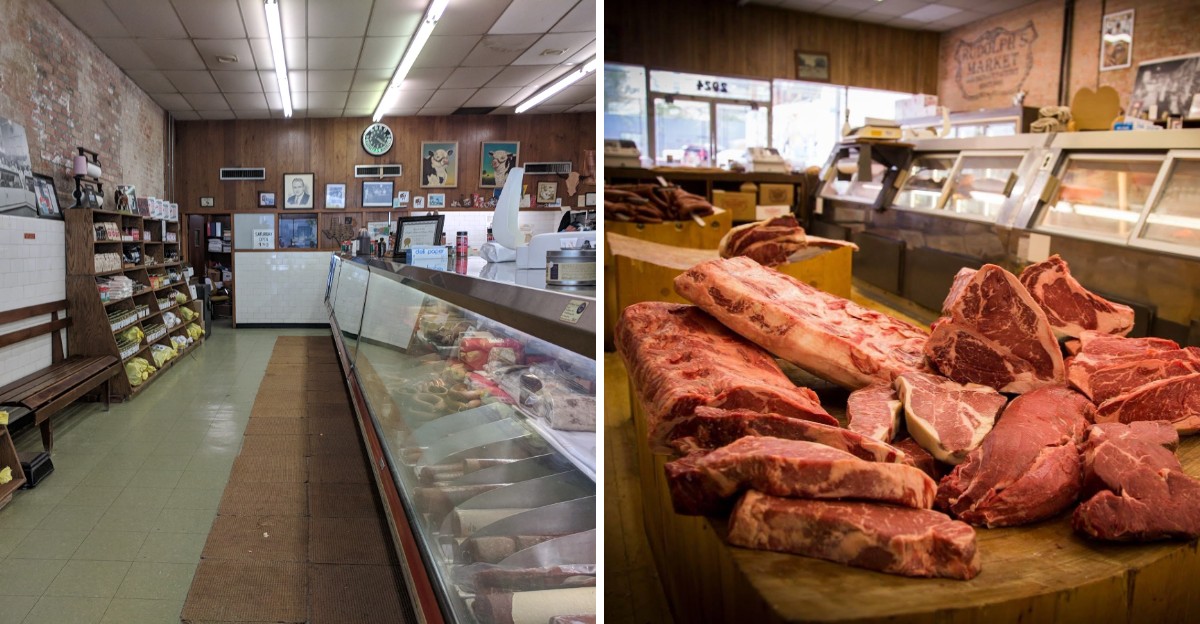
Most sausage these days comes off a factory line without anyone thinking twice about how it got there, but this Texas spot still does things the slow way, using traditional methods and old family recipes that keep a nearly forgotten food tradition alive.
The sausages are made in small batches, seasoned by hand, and crafted with the kind of patience that mass production cannot replicate, which is exactly why people who know good sausage keep coming back.
The operation is simple and unpretentious, focused on doing one thing well rather than chasing every trend that comes along. It is the kind of place where the process matters as much as the product, and the results speak for themselves.
Whether you are a longtime fan or discovering this style of sausage for the first time, this Texas factory delivers something worth preserving. Bring a cooler, because you will want to stock up.
A Shop Older Than Your Great Grandparents
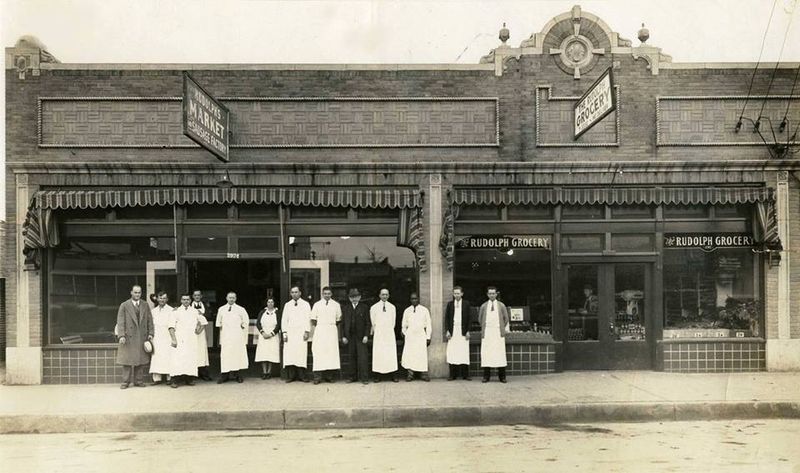
Back in 1895, Dallas was a dusty, growing town, and an Austrian immigrant named Martin Rudolph decided it needed a proper meat market. He opened his doors in Deep Ellum, a neighborhood that later became famous for blues music and bold street art.
The shop has outlasted almost everything around it.
Here is the fun part. In the 1940s, an employee named Cyrill Pokladnik, known as Sid, took over the business.
He had learned the trade from the inside, so he understood what made the place special. His family has kept it running ever since, and several of his grandchildren still help steer the ship.
That kind of family chain is rare. Most businesses change owners, names, or entire ideas over a few decades.
Rudolph’s kept its name, its location, and its way of working. The result is a shop that feels steady in a city that never stops building something new.
Deep Ellum itself has gone through many lives. It has been a home for immigrants, a jazz hot spot, a warehouse district, and a nightlife hub.
Through every change, the butcher counter stayed open and the sausages kept coming.
Knowing this backstory makes a visit feel bigger than a quick shopping trip. Every steak sold continues a story that started well over a century ago.
Take a moment to look around before ordering. The building, the tools, and the routines all carry pieces of that long history, and noticing them adds real flavor to the stop.
Butcher Blocks With a Century of Scars
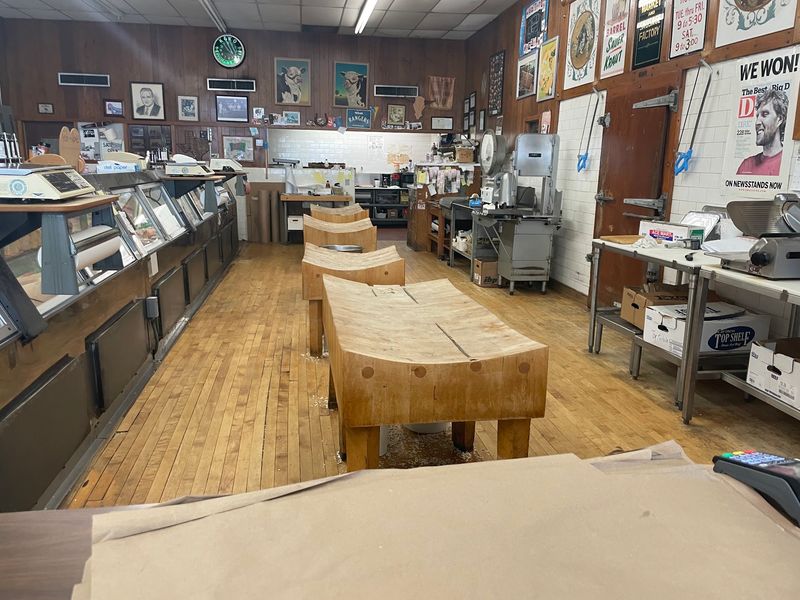
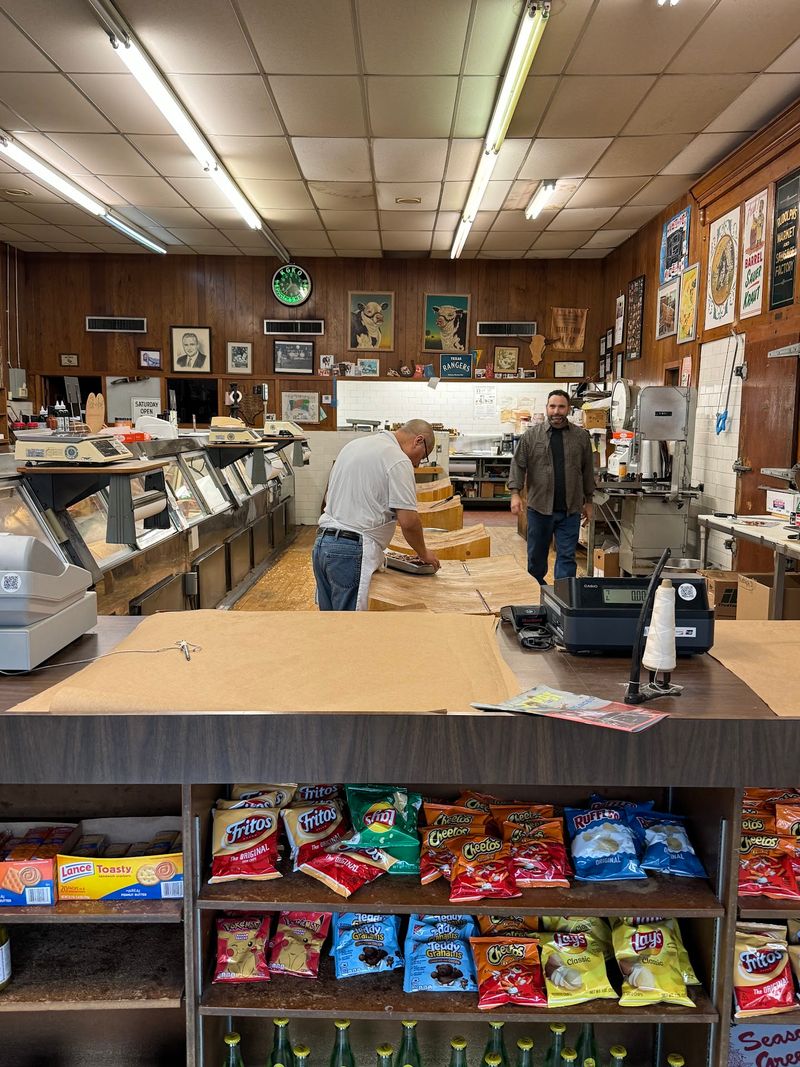
Some furniture belongs in a museum. The cutting tables at Rudolph’s could easily qualify, yet they are still hard at work every single day.
Several of these blocks are around 85 years old, and one is said to be more than 120 years old.
Look closely and the surfaces dip and curve. Decades of knives and cleavers have worn them into gentle valleys.
They are not perfectly flat anymore, and honestly, that is the charm.
Wooden blocks like these were once standard in every neighborhood butcher shop. Over time, many stores switched to plastic boards and factory-cut packages.
Rudolph’s never made that jump, so the old tables keep doing what they were built to do.
There is something oddly calming about watching a butcher work on one. The rhythm of the knife, the thump of the cleaver, and the careful trimming all feel like a skill passed from hand to hand.
It is a far cry from grabbing a tray off a cold shelf.
Visitors who love history should not be shy about admiring the blocks. Just give the butchers room to work, since these are tools, not decorations.
A respectful glance and a friendly question usually go a long way.
Fun fact for curious minds. Hardwood blocks were favored for generations because they are tough and kind to knife edges.
That simple choice explains why these battered beauties have lasted so long, outliving many of the people who first worked on them.
Sausage Recipes With European Roots
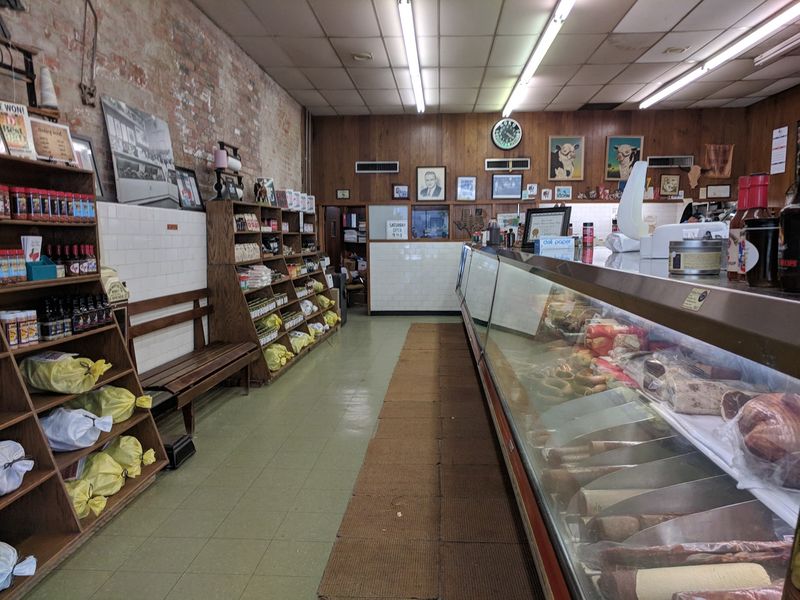
Sausage is the heart of this place, and the name says so. Rudolph’s specializes in European-style links, hot dogs, and smoked products made with methods handed down over generations.
Each one tastes like a small trip across the ocean.
Start with the Old Fashioned Czech Klobase. It is a smoked pork sausage seasoned with caraway, a classic flavor in Czech kitchens.
It can be eaten hot or cold, sliced or whole, which makes it easy for picnics or quick dinners.
The smoked Polish rings are another favorite. They blend ground pork and beef with garlic and marjoram, then spend hours in smoke until the aroma is impossible to ignore.
Slice them into beans, toss them on the grill, or just snack on them straight.
Craving some heat? The East Texas Style Hot Links bring bold spice with a proper local accent.
They show how European traditions blended with Texas tastes over the years.
Many Texans do not realize how much Czech, German, and Polish immigrants shaped the state’s food. Smoked sausage is one of their biggest gifts.
Rudolph’s keeps those recipes alive in the middle of a modern city.
A smart tip is to buy two or three different kinds and host a small tasting at home. Kids and adults alike will have fun picking favorites.
Keep the kielbasa in mind too, since longtime shoppers often grab it whenever it shows up in the case.
Steaks Cut Exactly the Way You Want
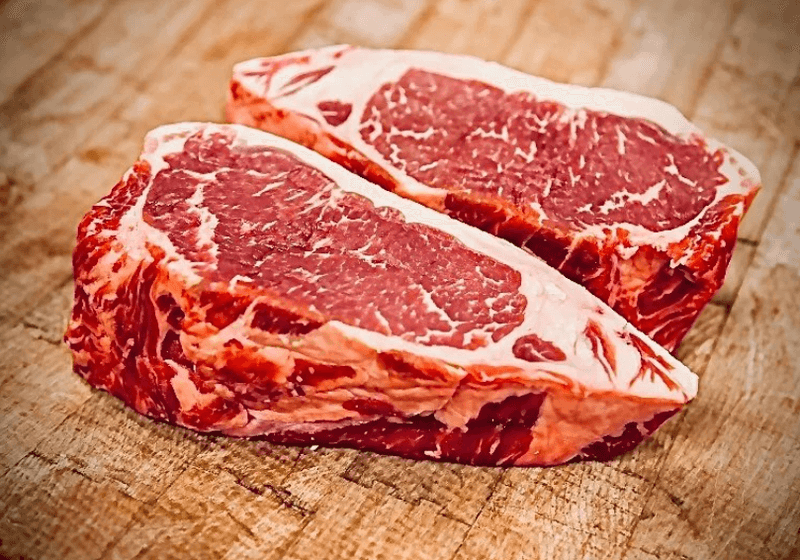
Ever wanted a steak cut two inches thick? Just ask.
At Rudolph’s, the butchers cut meat to order, which is a service most grocery stores quietly dropped years ago.
This matters more than it sounds. Thickness changes how a steak cooks, how it sears, and how juicy it stays.
One customer shared online that thick porterhouses cut to order turned out tender and delicious after a blazing hot pizza oven cook.
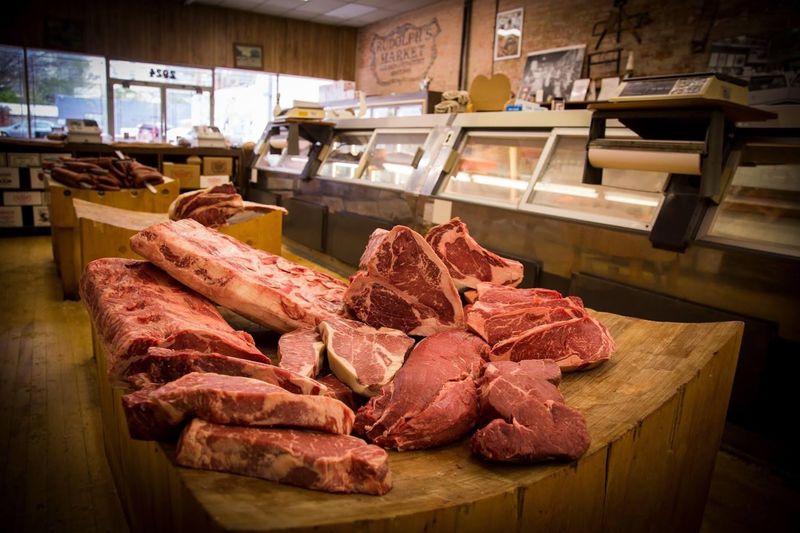
The beef itself is a big draw. Rudolph’s sells quality aged beef, including dry-aged prime cuts that rest for weeks to deepen flavor and soften texture.
Tomahawk steaks, ribeyes, and porterhouses are popular picks for special dinners.
Not sure what to choose? That is completely fine.
Tell the butcher how it will be cooked, whether on a grill, in a cast iron pan, or in a smoker. They can point toward the right cut and even suggest how to handle it.
Here is a helpful habit to build. Write down the cut, the thickness, and how it was cooked after each visit.
Over time, that little note becomes a personal steak guide.
Shoppers who have tasted steakhouse dinners often say these steaks can compete at home. That might sound bold.
Still, there is real joy in cooking a perfectly cut piece of beef in your own kitchen and realizing it is just as good as a night out, maybe better.
Hickory Smoke and Slow Patience
Patience is an ingredient here. Rudolph’s smoked hams and turkeys are slow-cured over hickory embers, a method the shop has used for well over a century.
Nothing about it is rushed.
Hickory gives meat a deep, sweet, slightly nutty smoke. It is one of the most loved woods in Southern and Texas cooking.
When it meets good pork or turkey, the result is rich without being harsh.
Smoked ham from a place like this is a holiday game changer. Picture a table on a chilly December evening with a glossy ham in the center.
Leftovers turn into sandwiches, soups, and breakfast hash for days, which is basically a gift that keeps giving.
The pepper bacon gets plenty of praise too. Thick, smoky, and dusted with black pepper, it can make an ordinary Saturday breakfast feel fancy.
Pair it with eggs and toast and call it a win.
A practical tip for anyone planning a holiday meal is to order early. Busy seasons fill up fast at old-school shops, and smoked items take time to prepare.
Calling ahead or checking the shop’s website can save a lot of stress.
Smoke is one of humanity’s oldest ways to preserve food. Long before refrigerators, people relied on it to keep meat safe through the seasons.
At Rudolph’s, that ancient trick is still alive, though now it is mostly about flavor rather than survival.
Jerky Worth the Detour
Fair warning, the jerky is dangerous. Shoppers often call it addicting, and it is sold by the pound, which makes stopping at one handful pretty tough.
It might be the best road snack in Dallas.
Good jerky starts with good beef. Since Rudolph’s already handles quality cuts every day, the jerky benefits from that same care.
The flavor is intense, chewy, and satisfying.
Travelers love it for a simple reason. It needs no cooking, packs easily, and holds up well on a long drive or a hike.
Toss a bag in the car before heading out of town and future you will be grateful.
The snack options do not stop there. The shop also carries summer sausage, salami, sopressata, and beef bologna.
Add some cheese, a loaf of rye bread, and a jar of pickles or olives, and a full picnic is ready.
Here is a fun idea for visitors exploring the city. Build a picnic box at the counter, then find a sunny spot for an easy lunch.
It is a tasty way to enjoy Dallas without sitting in a restaurant.
Jerky has a long history too. Indigenous peoples of the Americas dried meat for travel and winter long before modern brands existed.
Each chewy bite connects to that old survival skill, now dressed up with spices and sold behind a century-old counter.
Counter Conversations That Matter
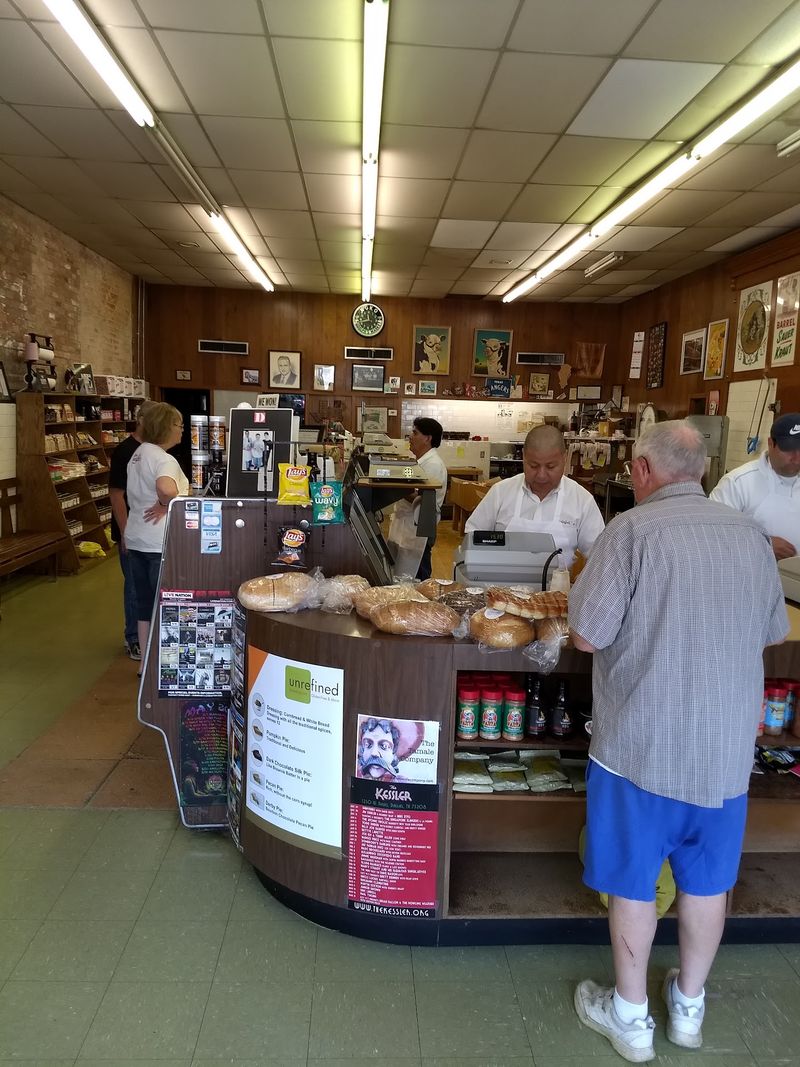
Ask a question at Rudolph’s and expect a real answer. The staff here know meat inside and out, and many have worked behind the counter for decades.
One longtime butcher has reportedly been there for over thirty years.
That experience shows. Customers describe getting tips on steaks, jerky, bacon, and sausage, along with a little shop history on the side.
It is like a free cooking class mixed into a shopping trip.
Need a specific cut for stew? Want something special for a birthday dinner?
Just explain the plan. The butchers can trim, slice, and suggest until the order fits perfectly.
The tone is no-frills and honest. Nobody is putting on a show.
The focus stays on good meat and helpful advice, which honestly feels refreshing.
First-time visitors should not feel nervous. A simple opener like asking what looks best today can lead to great recommendations.
People who return often say staff remember them, even after long gaps between visits.
That kind of connection is getting harder to find. Big stores move fast, and workers often rotate through different departments.
At a small family shop, the same faces stay, and they learn what regulars like.
A good habit is to share feedback on the next visit. Mention how a cut turned out or what recipe worked well.
Butchers enjoy hearing results, and the conversation usually leads to an even better pick next time.
Family Traditions Built Around a Meat Case
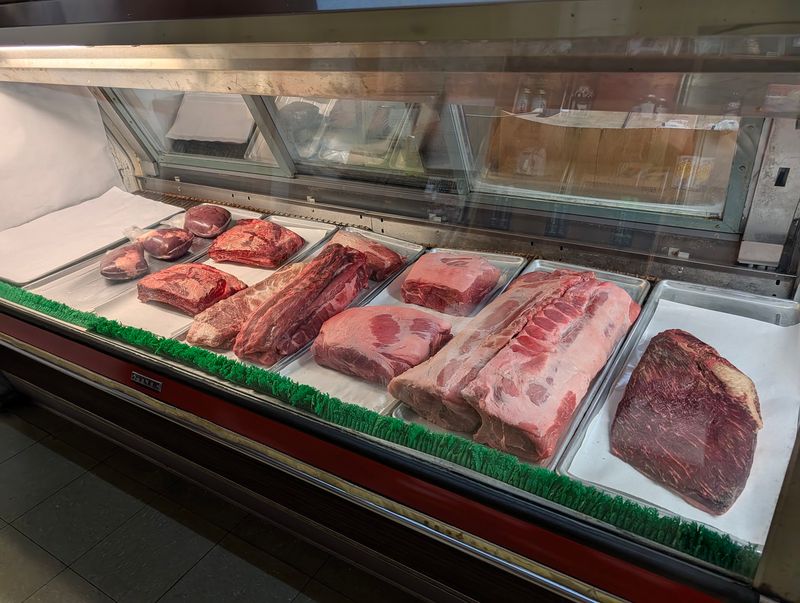
Some families mark the holidays with ornaments. Others mark them with steak from Rudolph’s.
One longtime shopper shared that a grandfather used to bring him along for special occasion meats, and now, sixty years later, Christmas day steaks from the shop remain a family tradition.
Stories like that explain why this place feels different. It is woven into memories, not just shopping lists.
Kids who tagged along decades ago now bring their own children and grandchildren.
The Dallas Historical Society has even honored Rudolph’s as one of the city’s cornerstone businesses. That recognition makes sense.
Few shops have served so many generations of the same families.
Starting a new tradition is easy. Pick a holiday or birthday and make Rudolph’s the official meat stop.
Let younger family members help choose the cut or the sausage.
Children often love the experience more than expected. The smell of smoke, the big cleavers, and the old wooden blocks make it feel like a storybook setting.
It turns a chore into an outing.
Food traditions shape how families remember time together. A certain steak on Christmas, a smoked ham at Easter, or sausage on summer nights can carry decades of meaning.
Rudolph’s gives those moments a home, and that might be the most valuable thing sold behind the counter, even if it never shows up on a receipt.
Planning a Visit to Elm Street
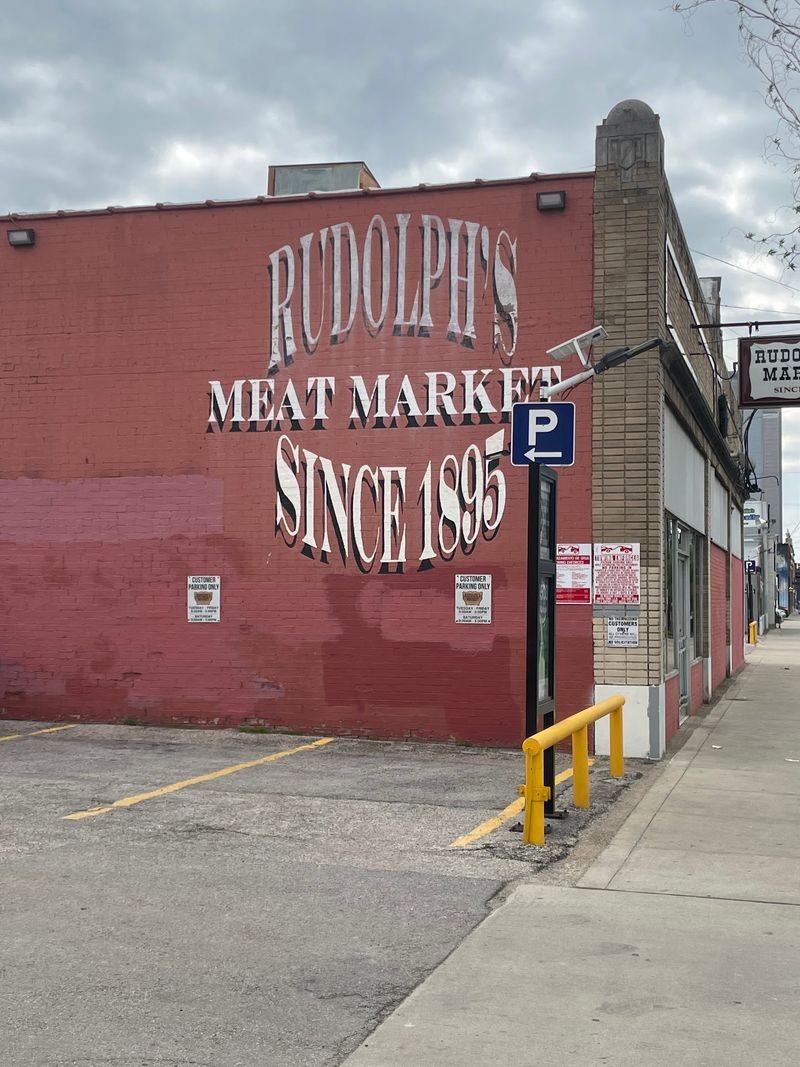
Getting there is half the fun. Rudolph’s Meat Market and Sausage Factory sits at 2924 Elm St, Dallas, TX 75226, right in the middle of Deep Ellum.
The neighborhood is packed with murals, music history, and lively streets.
Timing matters, so plan ahead. The shop opens Tuesday through Friday from 9 AM to 5 PM, and Saturday from 9 AM to 3 PM.
It is closed Sunday and Monday, which catches some weekend visitors off guard.
Morning visits are a smart move. The cases tend to be well stocked, and there is more time to chat with the butchers.
Saturday can get busy, especially before holidays and big game days.
Bring a cooler if driving far. Many customers travel long distances for these products, and keeping meat cold on the trip home protects the quality.
A few ice packs do the trick.
Look beyond the meat case too. The shop also stocks breads, sauces, spices, cheeses, pickles, and olives.
Grabbing a few extras can turn a single steak into a full dinner.
An online ordering option is available for those who want to plan ahead, so check the official website before heading out. After shopping, take a stroll around Deep Ellum to admire the street art.
It is the perfect way to wrap up a visit to one of the oldest, tastiest corners of Dallas.
