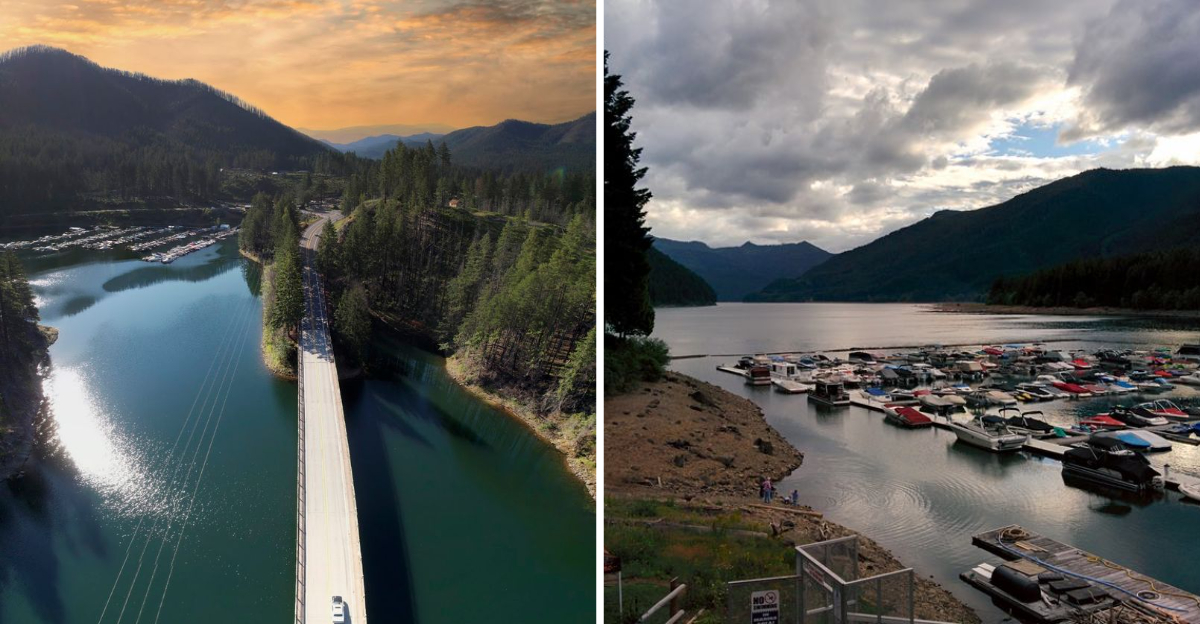
Remember when finding a parking spot here actually felt possible? Those days are fading fast for this once-quiet Oregon lake town. Summer weekends have transformed this peaceful escape into a bustling maze of traffic and packed sidewalks.
The lake still sparkles beautifully under the sun, and the surrounding hills remain as picturesque as ever. But the secret is out, and visitors now descend in droves from Memorial Day through Labor Day.
Sidewalks overflow with tourists, wait times for dinner stretch past an hour, and the laid-back vibe that made this place so charming has been swallowed by the chaos. Locals have learned to stay home on weekends, leaving the crowds to battle for tables and parking spaces.
Visit on a quiet weekday instead, when the water is calm and you can actually hear yourself think. Oregon’s lake town magic is still there, you just have to know when to find it.
Detroit Lake, The Star That Started It All
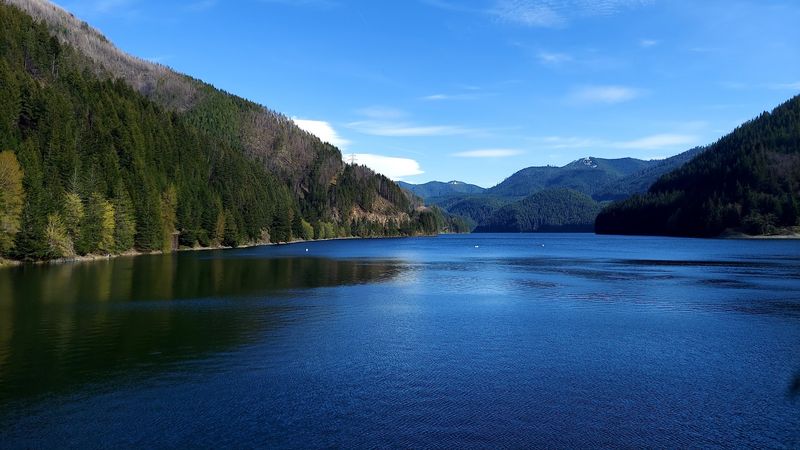
There is something almost magnetic about Detroit Lake. The reservoir stretches across roughly 3,580 acres when full, and on a clear summer morning, the water takes on this deep, almost unreal shade of blue that makes you want to stop driving and just stare.
It was created in the 1950s when the North Santiam River was dammed, and ever since, it has pulled visitors like a tide. Families come for the fishing, boaters come for the open water, and swimmers come just to cool off in those mountain-fed depths.
The problem is that everyone comes at the same time. Summer weekends turn the lake’s shores into a crowded patchwork of tents, towels, and kayaks. Parking areas fill up before 9 a.m. Boat launches become slow, frustrating lines.
The lake itself is still stunning, but the experience around it has changed significantly. If you want to catch Detroit Lake at its best, aim for a Tuesday morning in early June. That version of the lake is pure magic.
A Town of 200 Carrying the Weight of Thousands
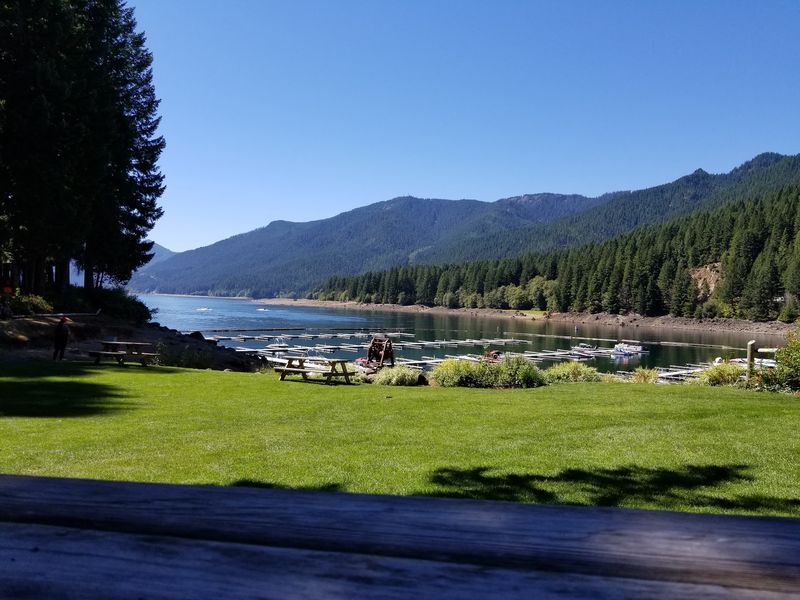
Detroit, Oregon has a permanent population that would barely fill a single city block in Portland. Around 203 people call this place home year-round, and that number makes the summer surge feel especially dramatic from a community standpoint.
Local infrastructure was never designed for the volume of visitors that now arrives each season. Roads narrow in unexpected places. The single grocery store, Detroit Lake General Store, gets picked clean on Friday afternoons.
Trash cans overflow. Cell service stays patchy no matter how many people are trying to use it at once.
What makes this town special is also what makes it vulnerable. It is small enough to feel personal, but that intimacy gets strained when thousands of strangers arrive looking for solitude. Longtime residents have shared mixed feelings about the growth, though most still genuinely welcome visitors.
The key is being a thoughtful guest. Pack out what you pack in, be patient in lines, and remember that the people serving you live here all year long.
Detroit Lake State Recreation Area, Busy but Worth It
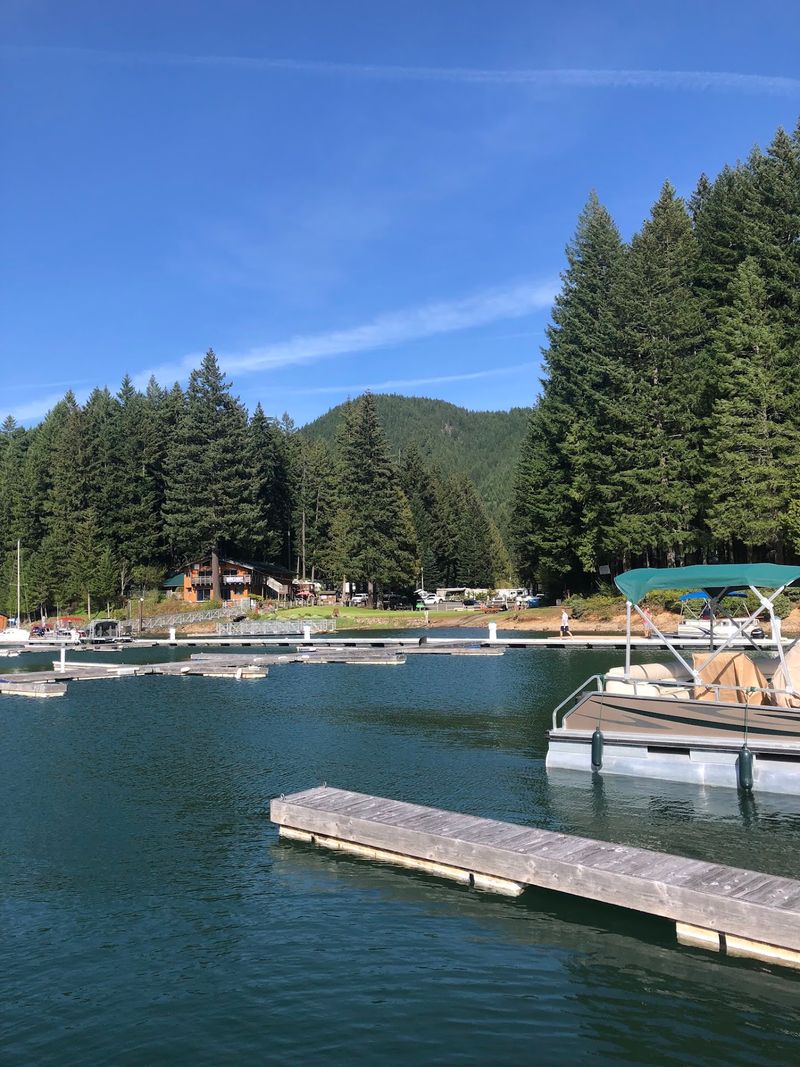
The state recreation area on the north shore of Detroit Lake is the main hub for camping, and it fills up fast. Reservations through Oregon State Parks open months in advance, and prime summer weekends sell out within hours of becoming available. This is not an exaggeration.
The campground itself is genuinely well-maintained. Sites are reasonably spaced, the facilities are kept clean, and the lake views from certain spots are hard to beat. There is a boat ramp, a swimming area, and a marina nearby, so everything you need is within walking distance once you are settled in.
The experience shifts dramatically depending on when you arrive. A holiday weekend here can feel more like a festival than a camping trip, with noise echoing across the water well into the night. A midweek stay in late May or early September, though, is a completely different thing.
Quieter, cooler, and far more in line with what most people actually come here looking for. Plan accordingly and you will leave happy.
Breitenbush Hot Springs, The Hidden Retreat Up the Road
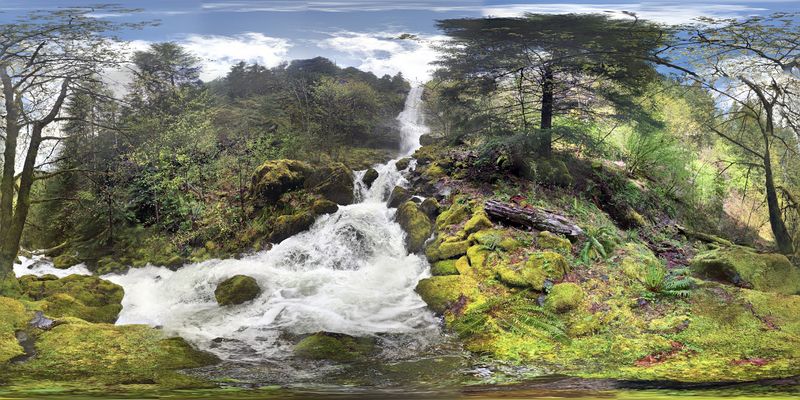
About 10 miles northeast of Detroit sits Breitenbush Hot Springs, a clothing-optional retreat center tucked into old-growth forest that has been operating for decades. It is one of those places that feels genuinely removed from the modern world, and that is exactly why people seek it out.
The hot springs feed naturally into a series of outdoor soaking pools, and the surrounding forest is so dense and quiet that the noise of everyday life genuinely fades away. Breitenbush operates as a cooperative and offers retreat programs, guided hikes, and overnight stays.
It is not a casual drop-in spot. Reservations are required, and the experience is intentionally slower and more deliberate than a typical tourist attraction.
Even so, awareness of Breitenbush has grown considerably, and booking a stay has become more competitive. If this is on your list, plan well ahead. The drive there along the Breitenbush River is stunning on its own, winding through forest with the river visible below.
Getting there early in the day makes the whole trip feel more peaceful.
The Santiam Pass Corridor and Getting There
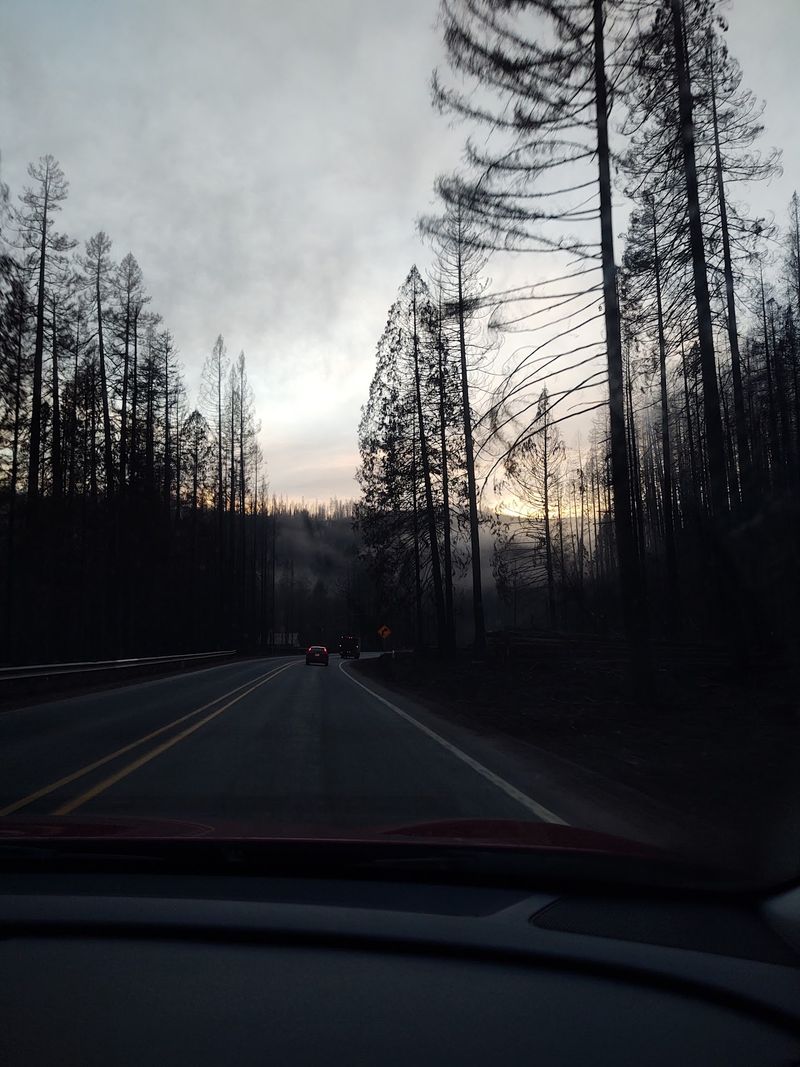
One thing that surprises a lot of first-time visitors is how the journey to Detroit becomes part of the problem. Highway 22 is the main route in and out of town, and on summer weekends it turns into a slow-moving ribbon of cars, campers, and boat trailers stretching for miles.
The road itself is scenic, curving through the Willamette Valley foothills before climbing into the Cascades. On a weekday morning, driving it feels like a genuine pleasure. On a Saturday afternoon in July, it can add an hour or more to what should be a simple trip from Salem.
Oregon Department of Transportation has taken note, and there are ongoing conversations about managing traffic flow better during peak season. For now, the most practical advice is simple: leave early, return late, and avoid Friday evening arrivals at all costs.
Downloading offline maps before you go is also smart since signal drops out in several stretches. The drive is beautiful, but patience is genuinely part of the experience.
Fishing on Detroit Lake, A Tradition Under Pressure
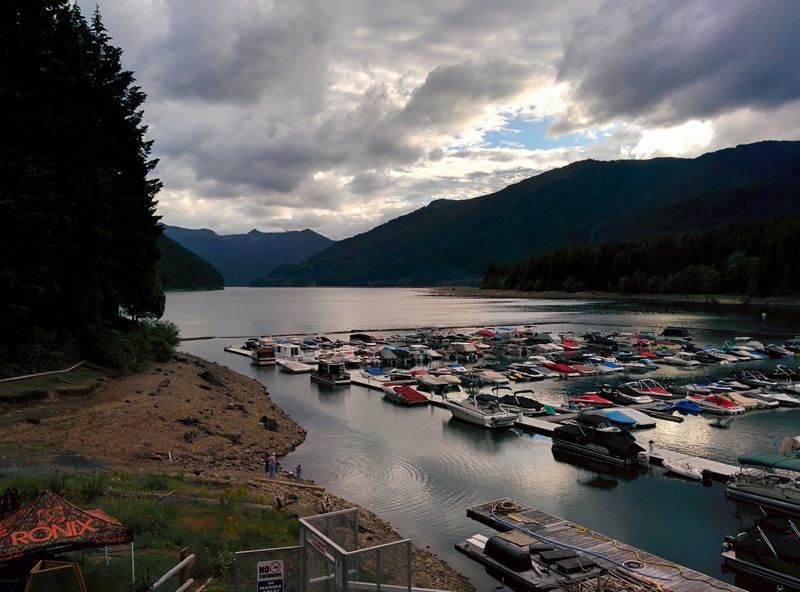
Fishing has always been one of the biggest draws to Detroit Lake. The reservoir holds healthy populations of rainbow trout, coho salmon, yellow perch, and bass, making it a genuinely productive spot for anglers of different skill levels.
Early mornings on the water, before the boat traffic picks up, are something special.
The challenge now is that the lake gets crowded quickly. Motorized boats, jet skis, and paddleboards all share the same space, and the noise and wake can scatter fish and frustrate anyone trying to have a quiet morning.
Weekday fishing trips are far more productive, both in terms of catch and overall experience.
A valid Oregon fishing license is required, and certain seasonal regulations apply depending on what you are targeting. Picking up a regulation booklet from the Oregon Department of Fish and Wildlife before your trip is worth the few minutes it takes.
Local anglers tend to be generous with advice if you ask respectfully. The fish are still there. You just have to be willing to share the lake a little more than you used to.
Local Businesses Feeling the Strain and the Surge
Running a small business in a seasonal tourist town is not for the faint of heart. Detroit’s handful of local shops, restaurants, and service providers experience something like a feast-and-famine cycle every year. Summer brings more customers than they can sometimes handle.
The Detroit Lake General Store is the closest thing the town has to a full-service market, and it becomes an essential stop for campers and day-trippers alike. On a busy weekend, shelves thin out and lines stretch. The staff keep things moving with impressive calm, but the pressure is obvious.
A few small eateries operate seasonally, and their hours can be unpredictable. Calling ahead or checking current hours online before you rely on a specific spot for lunch is genuinely good advice. Supporting local businesses here matters more than it might in a bigger town.
Every purchase goes directly into a community that is working hard to stay afloat while also managing more visitors than its size was ever meant to accommodate. Tip generously. Be patient. It goes a long way.
The 2020 Beachie Creek Fire and the Town That Rebuilt
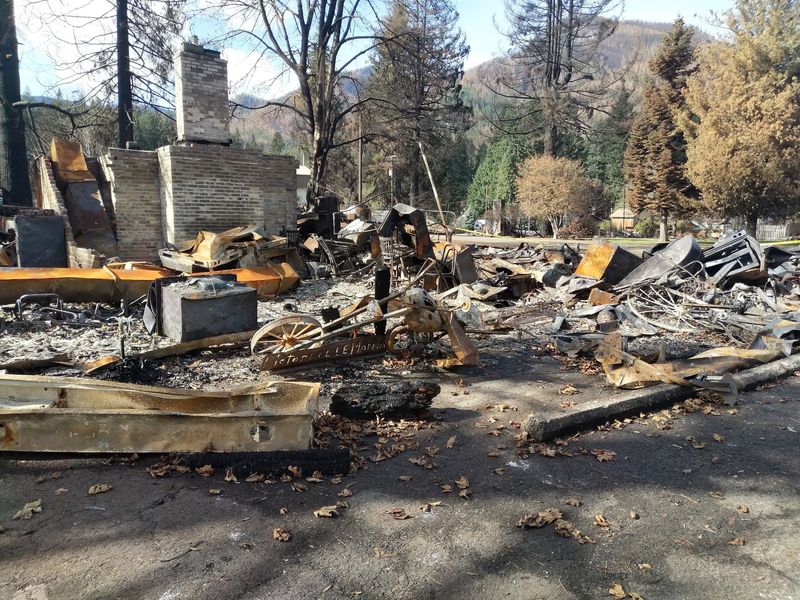
Detroit’s recent history carries a weight that many visitors may not be aware of. In September 2020, the Beachie Creek Fire swept through the area with devastating speed, destroying homes, businesses, and significant stretches of forest surrounding the town.
The community was evacuated, and the damage was profound.
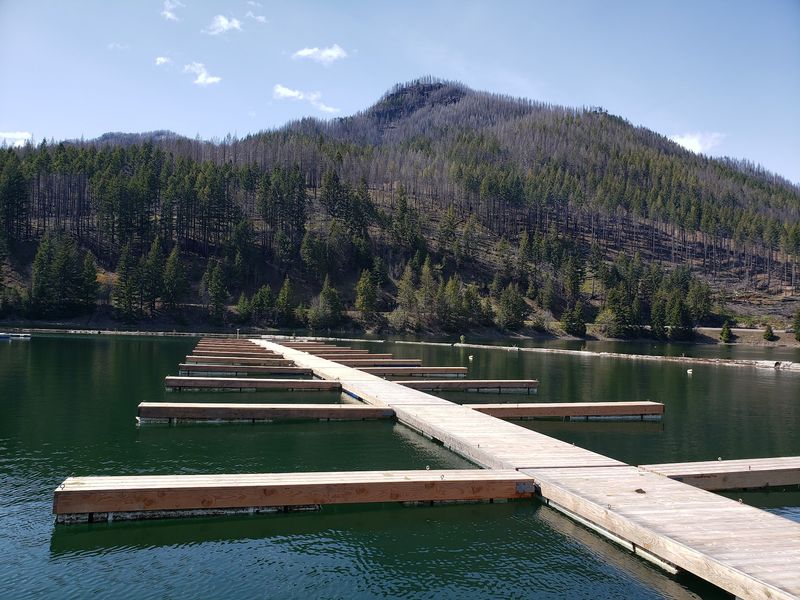
What followed was a slow, difficult process of rebuilding. Some businesses never reopened. Some families did not return. The landscape around Detroit still shows the scars, with hillsides of charred snags mixed with new green growth that speaks to the forest’s resilience.
It is a striking visual reminder of how vulnerable these mountain communities can be.
The town’s recovery has been genuine but ongoing. New structures have gone up, and community spirit has remained strong. Visiting Detroit now means engaging with a place that is not just a tourist destination but a community that has been through something serious and kept going anyway.
That context adds a layer of meaning to every stop you make here. Being aware of that history makes you a more thoughtful visitor, and the town deserves nothing less.
How to Visit Detroit Lake Without Adding to the Problem
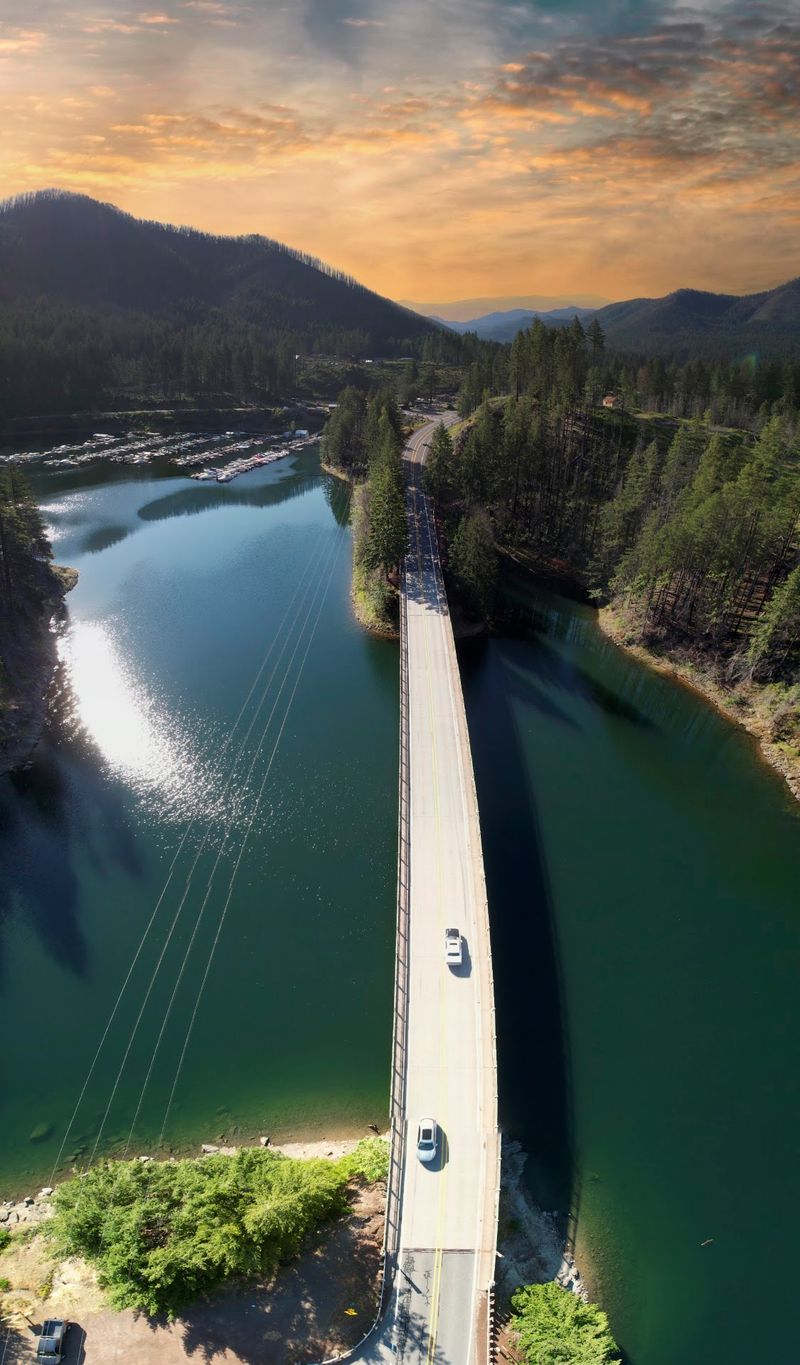
There is a version of visiting Detroit, Oregon that makes everything better for everyone, including yourself. It starts with timing. Midweek trips between late May and early June, or again in September, offer a dramatically different experience than a peak-summer holiday weekend.
Reserving your campsite or lodging well in advance is non-negotiable. Showing up and hoping for a spot almost never works anymore. Bringing everything you need from home, or stocking up in Salem before you head into the mountains, takes pressure off local stores that are already stretched thin.
Practicing Leave No Trace principles is not just a slogan here. It is genuinely needed. Pack out all trash, stay on designated trails, and keep noise at a respectful level, especially in camping areas at night. The lake and surrounding wilderness are not inexhaustible.
They need care from the people who use them. Detroit is still a beautiful, worthwhile destination. It just needs visitors who arrive with some awareness and a willingness to tread lightly. That small shift makes a real difference for the community and the land.
