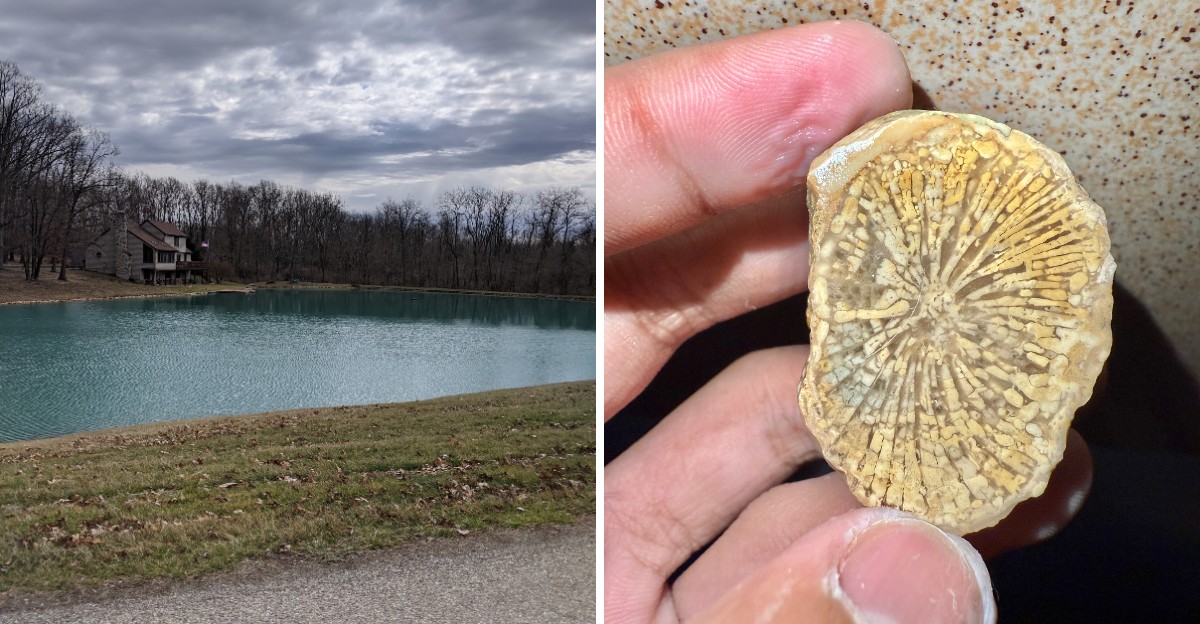
Pull off the interstate, park on a wide shoulder, and you can pick up sea creatures that are about 450 million years old. No ticket.
No gift shop. Just a long hill of crumbly rock that happens to be packed with ancient life.
The stars of the show are little trilobites that curled into tight balls. Some are only about the size of a grape.
Finding one feels like winning a tiny prehistoric lottery.
I like how this spot turns a normal road trip in Indiana into a treasure hunt. You don’t need fancy gear, and you don’t need to dig at all.
The fossils simply weather out of the slope after a good rain.
So why do so few drivers zooming past even know it’s there? I believe that’s half the fun.
A Highway Project Accidentally Opened A Window Into An Ancient Sea
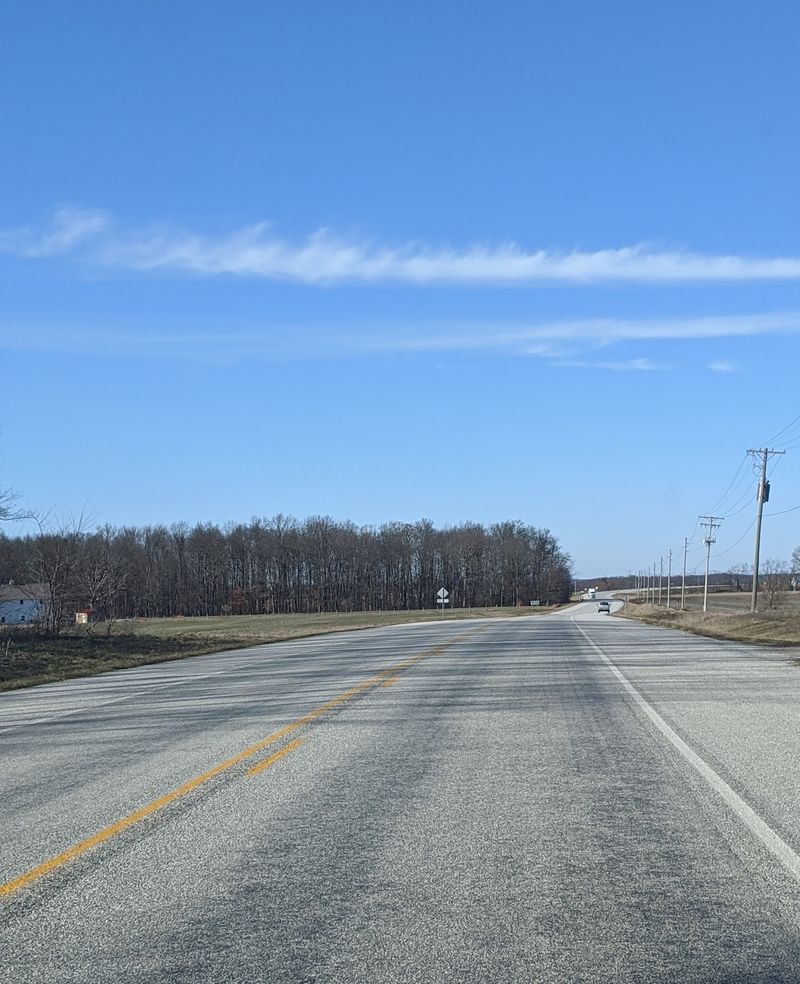
Road crews in the 1970s were just trying to push Interstate 74 through southeastern Indiana. Instead, they sliced open a time capsule.
The St. Leon Roadcut was born when workers carved through a hill near Exit 164.
Those exposed layers are stacked like pages in a very old book. Each band of gray rock holds a chapter from the Upper Ordovician period.
That’s roughly 451 to 446 million years ago, long before dinosaurs showed up.
The cut stretches for nearly a mile along Indiana State Road 1. Fossil fans also call it Southgate Hill or the State Road 1 roadcut.
Different names, same rocky jackpot.
What makes it special is how generous it is. Erosion keeps loosening fresh pieces from the slope every season.
That means the shelf restocks itself without anyone lifting a finger.
Most famous fossil sites charge fees or sit behind fences. This one sits right off a busy interchange, open to curious people who know where to look.
Plenty of drivers pass by without a second glance.
Honestly, it’s a funny twist. A plain construction project ended up creating one of the most productive free surface collecting spots in the country.
Not bad for a hillside.
Your GPS Only Needs To Get You Near Exit 164
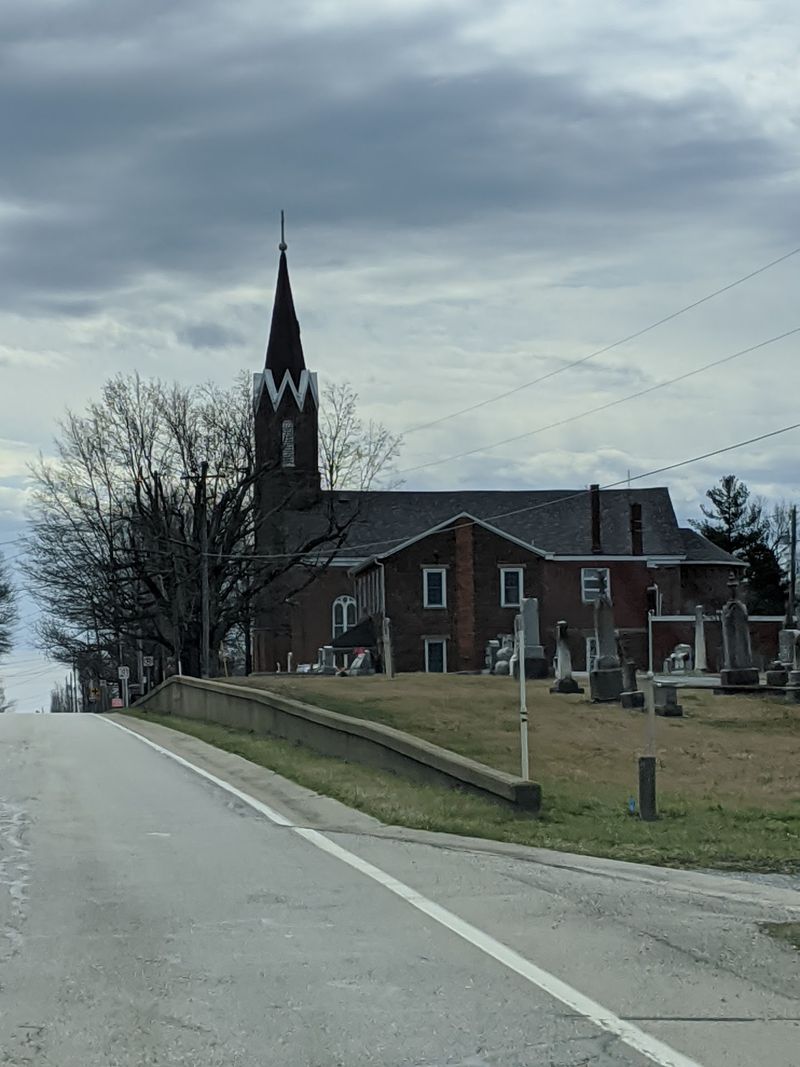
Finding fossils is usually the hard part. Finding this place is not.
The roadcut sits just east of the small town of St. Leon in Dearborn County, Indiana.
Take Interstate 74 to Exit 164. The rock exposure runs right along Indiana State Road 1, immediately off the interstate.
You’ll spot the long gray slopes quickly.
Cincinnati, Ohio, is only about 25 miles to the east. That makes the trip an easy add-on for anyone visiting the Queen City.
A short drive turns a city weekend into a science outing.
St. Leon itself is a tiny community in Kelso Township. The town counted 660 people in the 2020 census.
So don’t expect crowds of tour buses or souvenir stands.
There’s no official street address for the roadcut itself. The closest thing is the town listing of St. Leon, Kelso Township, IN.
Most collectors simply aim for the exit and follow State Road 1.
Planning tip: save the coordinates or drop a pin before you go. Rural cell service can be patchy in hilly areas.
A little prep keeps you from circling the interchange like a confused trilobite.
Meet The Tiny Armored Bug Everyone Is Crawling Around To Find
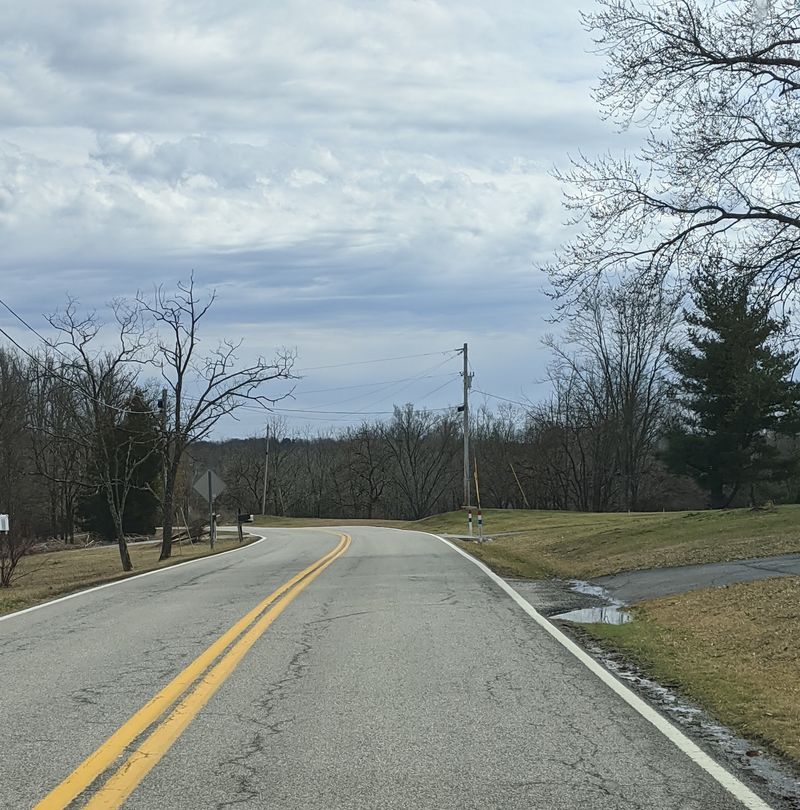
Grape-sized and rolled up tight, Flexicalymene meeki is the prize most hunters chase here. These trilobites usually measure about 2 to 5 centimeters long.
Many curled into a ball, much like a modern pill bug does.
Trilobites were ocean arthropods with hard, segmented shells. Their distant relatives include crabs and insects today.
Holding one is basically shaking hands with a very ancient cousin.
At the St. Leon Roadcut, they often turn up in a soft, clay-rich layer called the butter shale. It sits in the upper Waynesville Formation.
The name fits, since the rock crumbles easily.
Collectors suggest crawling on hands and knees along the first bench of that butter shale. Yes, really.
Trilobites are small, and they blend in with gray rock surprisingly well.
Bring knee pads if you value your jeans. A small bag or padded box helps protect your finds, too.
Enrolled trilobites look tough, but they can still chip.
Patience matters more than luck here. Scan slowly, look for that curved, ribbed shape, and keep your eyes low.
When you finally spot one, the happy shout comes naturally.
Ohio’s State Fossil Shows Up In Indiana, Just In Pieces
Here’s a fun bit of state rivalry for you. Isotelus is the official state fossil of Ohio.
Yet chunks of it also turn up just across the border in Indiana.
This trilobite was a giant compared to its little cousins. Complete specimens can stretch past 30 centimeters, which is about the length of a ruler.
Picture a dinner plate with legs.
Full Isotelus fossils are rare at the St. Leon Roadcut. Fragments are much more common.
You might find a piece of the head shield, a tail section, or a few body segments.
Don’t toss those pieces aside. Even a partial Isotelus is a cool souvenir and a great conversation starter.
It also helps you understand how big these creatures really got.
Look for smooth, broad, curved surfaces with gentle ridges. Isotelus had a less bumpy look than many trilobites.
That smoothness can help it stand out from rough rock.
Kids especially love this story. Finding a piece of another state’s official fossil feels a little sneaky.
Just remember that the ancient sea never cared about state lines anyway.
Brachiopods Are So Plentiful You’ll Stop Counting
Shells everywhere. That’s the first surprise for many new collectors.
Brachiopods are the most abundant finds at the roadcut.
They look a bit like clams, but they’re a totally different kind of animal. Brachiopods had two shells of different sizes, top and bottom.
Some groups still live in oceans today.
Several types appear here. Rafinesquina ponderosa is flat and broad, almost like a fan.
Hiscobeccus capax is chunky and puffy, while Platystrophia has sharp ridges and a winged shape.
Learning those three is a smart starter goal. Once you can tell them apart, you’ll feel like a real paleontologist.
It also makes sorting your bag at home much more fun.
Because they’re so common, brachiopods make great finds for younger kids. Little hunters get quick wins and stay excited.
Nobody wants a bored seven-year-old on a hillside.
Try lining up your shells by shape when you get home. An egg carton works great for a mini display.
Add labels, and suddenly the kitchen table becomes a museum exhibit. Your family may even start asking for guided tours of your collection.
Horn Corals, Crinoids, And Bryozoans Fill Out The Cast
Trilobites get the spotlight, but the supporting actors deserve applause too. The St. Leon Roadcut is loaded with other ancient sea life.
Every handful can hold something different.
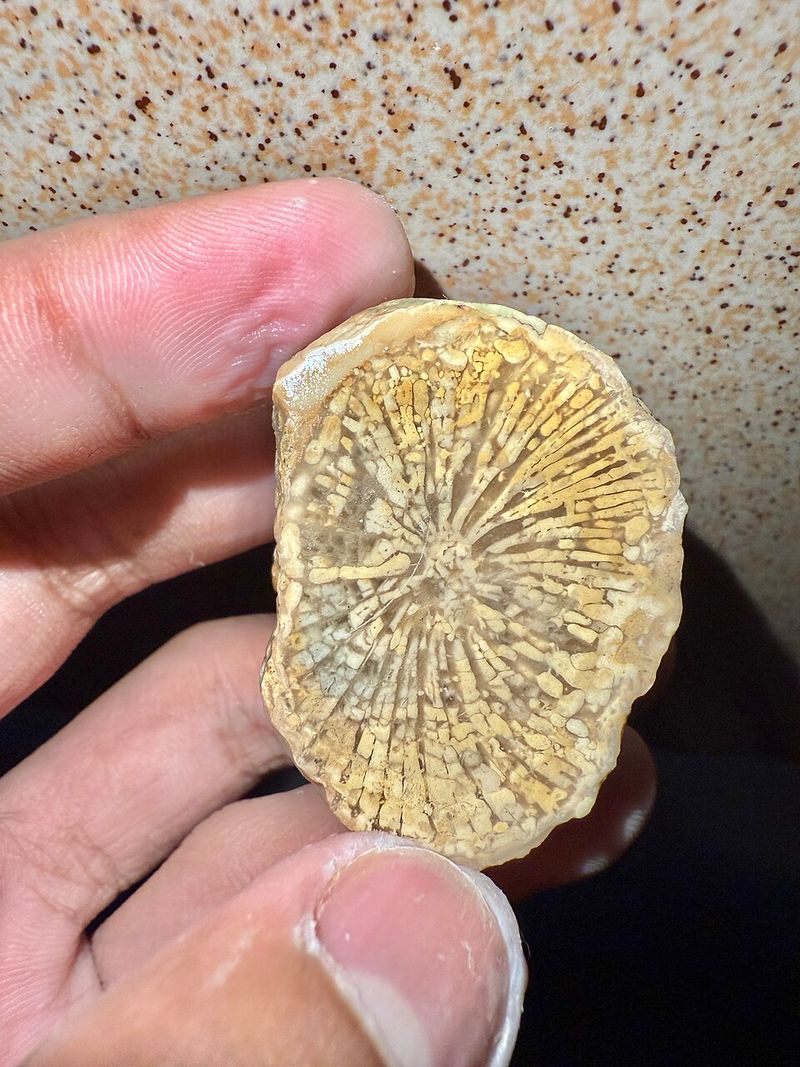
Horn corals are a favorite. They look like small curved horns, wide at one end and pointed at the other.
Grewingkia canadensis and Streptelasma are two types found here.
Crinoid stems are also common. They resemble stacks of tiny stone washers or beads.
Crinoids are sometimes called sea lilies, though they were animals, not plants.
Bryozoans might be the easiest to overlook. Many look like little twigs covered in pinprick holes.
Each hole once held a tiny animal living in a colony.
You may also spot sponge and algae fragments, plus trace fossils. Trace fossils are marks left behind, like burrows or trails.
They show behavior instead of body parts.
A magnifying glass or hand lens really pays off with these. Those tiny pores and patterns pop under a little magnification.
Good luck putting it down once you start looking closer.
Flip Those Messy Hash Slabs Before You Walk Away
Some slabs look like a fossil traffic jam. Collectors call these fossil hash.
They’re chunks of rock packed with shells and pieces cemented together.
Hash plates are impressive on their own. A single slab can show dozens of creatures from one ancient seafloor.
It’s a snapshot of a busy neighborhood millions of years old.
The real trick is what hides beneath them. Turning over larger hash plates often reveals smaller, intact fossils underneath.
Protected spots can keep delicate pieces from weathering away.
So make flipping a habit. Lift gently, take a peek, and set the slab back carefully.
It’s a bit like checking under couch cushions for coins.
Watch your fingers and keep a firm grip. Some slabs are heavier than they look.
Gloves help protect your hands from sharp edges and grit.
Hash pieces also make excellent display items. A flat slab on a bookshelf tells a whole story at once.
Plenty of collectors end up loving their messy slabs as much as their perfect trilobites. Messy can be beautiful, especially when it’s 450 million years old.
Hands Only, Please, Because The Rain Does The Digging
Leave the rock hammer in the garage. Collecting at the St. Leon Roadcut is limited to surface finds only.
Digging, hammering, chiseling, and picking are not allowed.
That rule actually works in your favor. Weather constantly loosens fossils from the slope.
You just pick up what nature already set out.
Timing helps a lot. The best visits often come after rain, when fresh scree washes clean.
Fossils that were hidden under dust suddenly stand out.
Keep a few safety points in mind, too. Some embankments are steep, so move carefully and wear sturdy shoes.
Stay away from active drainage gullies and unstable loose slopes.
Parking is along the road, where a wide shoulder strip allows safer access. Stay aware of traffic on State Road 1.
It’s still a working highway, after all.
Respect the neighbors as well. Adjacent land is private, so don’t wander onto it without permission.
The Indiana Department of Transportation hasn’t formally posted the site for collecting, so good behavior helps keep it welcoming. Leave the slope tidy, and future hunters will thank you.
Pack Smart And Turn A Free Afternoon Into A Fossil Haul
Free fun still deserves a game plan. A little packing goes a long way at the St. Leon Roadcut.
You’ll stay comfortable and protect what you find.
Start with knee pads and gloves. Remember that hands-and-knees advice for trilobites?
Your joints will appreciate the extra cushion.
Bring small bags, an egg carton, or a padded box. Tiny fossils get lost easily in a big sack.
Separating finds also keeps fragile pieces from grinding together.
A hand lens is a must for bryozoans and small details. Water and a hat help on sunny days, since the slope offers little shade.
Sturdy boots handle loose rock better than sneakers.
Think about labeling finds at home. Write the date and the site name on a card.
It’s a simple habit that makes your collection feel official.
Above all, slow down. The best collectors scan carefully instead of racing across the hill.
Indiana has plenty of scenic drives, but few end with ancient sea creatures in your pocket. Bring a friend, share the hunt, and see who spots the first trilobite.
