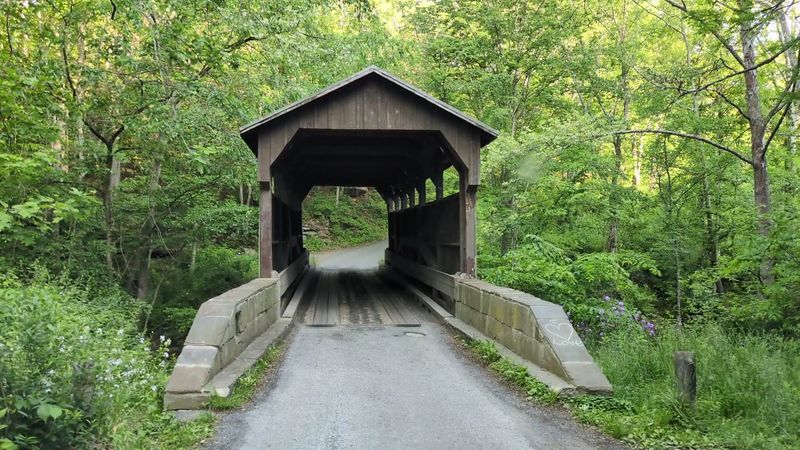
Cars still rumble through a wooden covered bridge in West Virginia that dates to the horse-and-buggy days. No velvet rope, no ticket booth, no gift shop, just old timbers doing the same job they’ve done for generations.
The bridge never closes, either, not even at midnight. It sits at the bottom of a skinny country road where meeting another car feels like a polite standoff.
I love that nobody dressed it up for tourists. There’s no grand sign and no big parking lot, only a quiet creek sliding under the boards and farm fields and dairy pastures rolling away on every side.
I can’t imagine a better excuse to slow down on a Greenbrier Valley back road. So what does it really feel like to roll your tires slowly across a genuine piece of the 1800s?
A Wooden Crossing Waiting Just West Of Lewisburg
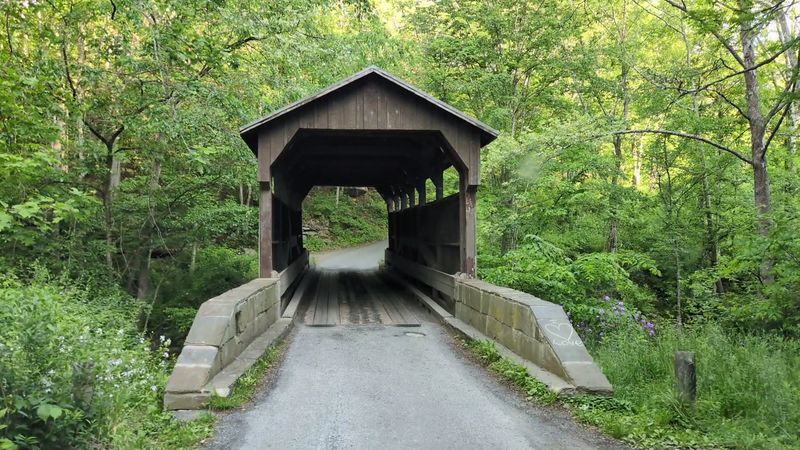
Some landmarks shout for attention, but the Historic Herns Mill Covered Bridge barely clears its throat. It sits in a forested valley west of Lewisburg, West Virginia, spanning a small creek on a quiet country lane.
Finding it is easier than you might expect. A map app on your phone will guide you right there, even though the final stretch feels wonderfully remote.
The bridge sits a little over a mile down a narrow road off the main highway. That short distance makes a world of difference, because the hum of traffic fades fast once you turn off.
Herns Mill counts as a true historical landmark in Greenbrier County. Yet it doesn’t feel like a museum piece roped off for viewing, since it still serves the people who live nearby.
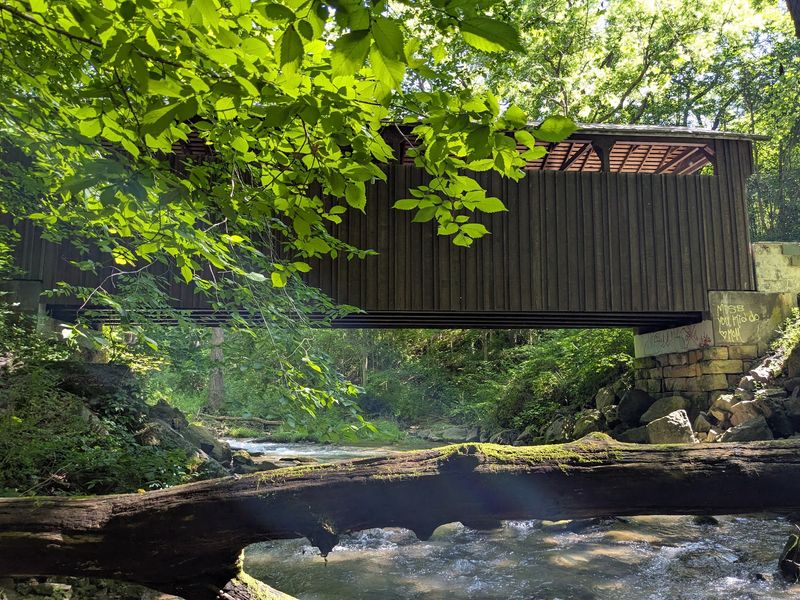
I like that it fits so naturally into its surroundings. Trees crowd the banks, the creek murmurs underneath, and the barn-like shape blends right into the farm country around it.
For anyone who grew up near a back road in the hills, the scene may feel instantly familiar. It looks like the kind of place your grandparents would have crossed on the way to church or the feed store.
Horse-And-Buggy Roots That Still Carry Real Traffic
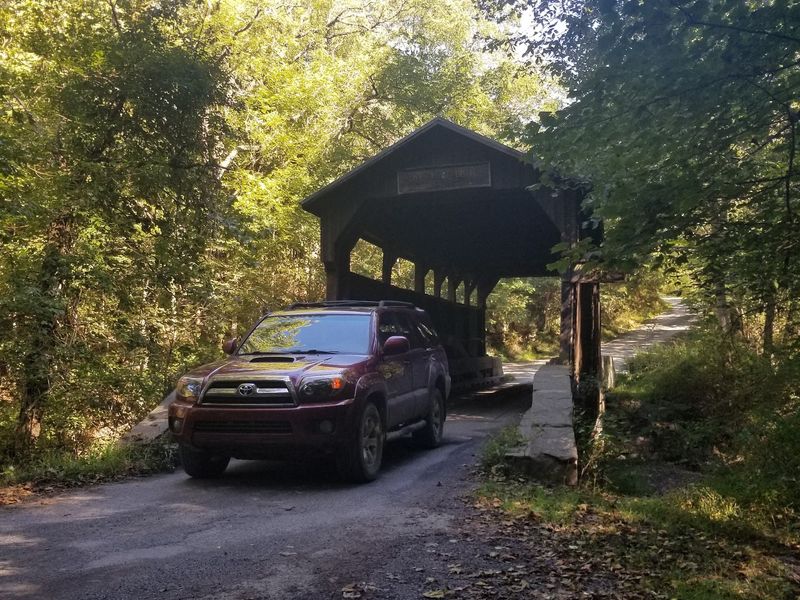
Plenty of old covered bridges across the country retired long ago. Herns Mill never got the memo, and vehicles still roll across its boards today.
That fact alone makes a visit feel different. You aren’t just admiring old carpentry from a viewing platform, you’re watching it work.
The bridge reportedly dates to the late 1800s, a time when wagons and horses ruled Greenbrier County roads. Those early travelers likely relied on crossings like this to reach mills, markets, and neighbors.
The name itself hints at that past. A mill once gave the area its identity, and the bridge kept the community connected to it.
Covered bridges were built with roofs for a practical reason. The cover protected the wooden structure underneath from rain and snow, helping it last far longer than an open span.
Judging by how this one has endured, that old-timer wisdom paid off. It remains a one-lane crossing, so drivers take turns and ease across slowly.
I believe that’s part of the charm. In an age of four-lane interstates, a bridge that asks everyone to wait their turn feels like a friendly lesson in patience from another century.
Plain Timber Looks That Feel Exactly Right
No fresh paint, no flashy signs, no fancy lighting. Herns Mill wears its age honestly, and that’s exactly why it works.
The bridge keeps a classic, no-frills look with weathered wood and simple lines. It hasn’t been loaded with modern updates, so it still resembles the sturdy country crossing it was meant to be.
Some folks wish it had a coat of bright paint or a bed of wildflowers out front. Others love it precisely because nobody tried to prettify it.
I fall firmly in the second camp. A bridge this old has earned the right to look a little gray around the edges.
That unfussy style makes it a favorite for anyone who loves covered bridges. It feels like the textbook example, the one you’d sketch if someone asked you to draw a covered bridge from memory.
Photographers get plenty to work with too. The rough timbers, the dark opening, and the green trees framing everything make for easy, natural pictures.
Come back in autumn and the scene changes completely. Fall color around the gray wood can turn a simple snapshot into something worth framing on the living room wall.
Cool Creek Water Waiting Right Below The Boards
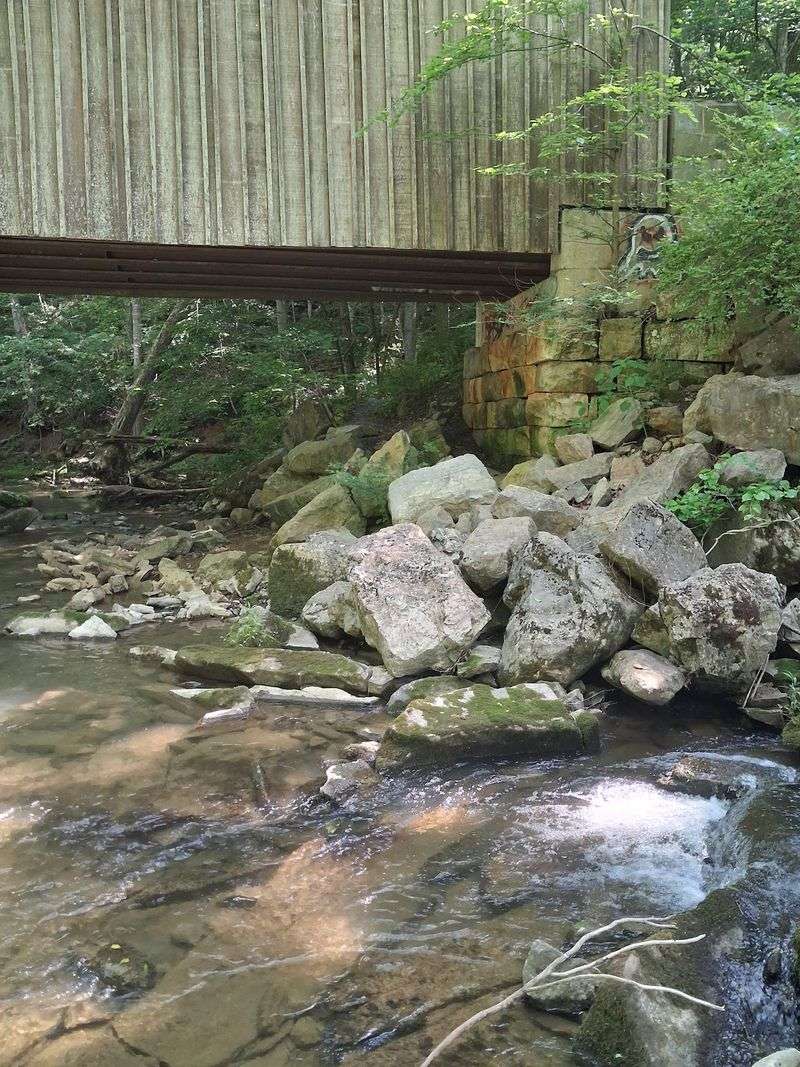
Hot July afternoon? The creek under Herns Mill might be the best free cooldown in Greenbrier County.
You can walk down beside the bridge to reach the water. It runs clear and cool, perfect for kicking off your shoes and letting your toes soak for a while.
Kids will probably head straight for the rocks. Grown-ups may find themselves doing the same thing, just with a little more groaning on the way down the bank.
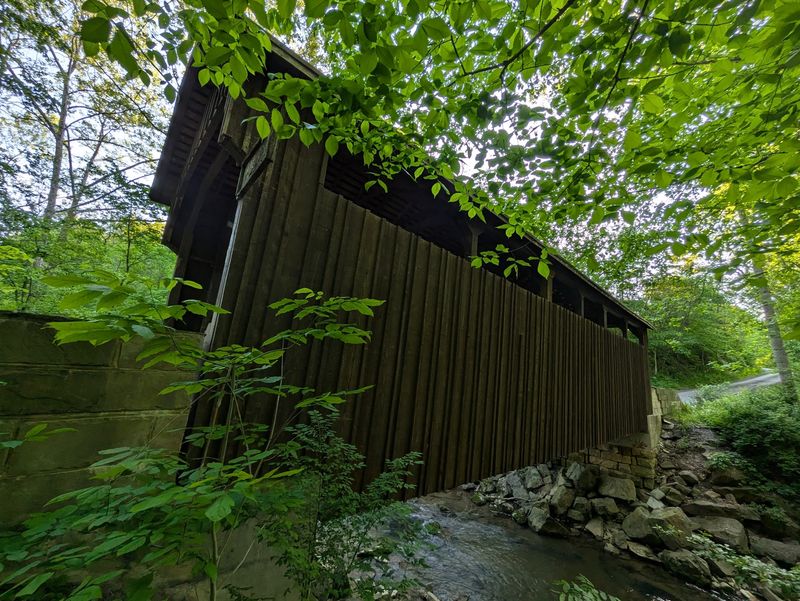
The view from below is a treat all its own. Looking up at the bridge from creek level shows off the timbers in a way you’d never notice while driving across.
Moving water also adds a soundtrack you can’t buy. The steady babble under the bridge makes the whole spot feel calmer, especially on a still summer day.
I can’t think of a simpler pleasure than sitting beside a creek near an old bridge. It’s the kind of afternoon that country kids once took for granted.
Watch your footing, of course, since creek banks can be slick. A pair of water shoes or old sneakers would make the scramble down a lot more comfortable.
The Winding One-Lane Road Is Half The Adventure
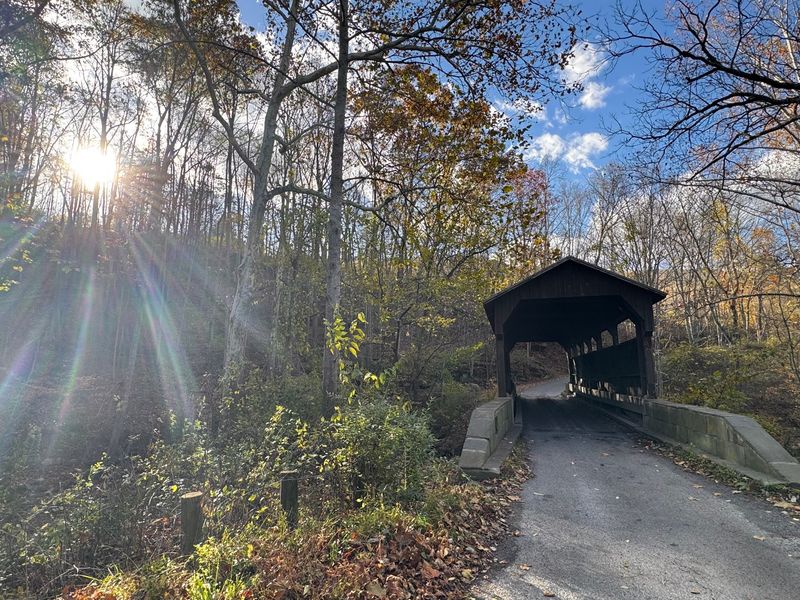
Getting there is a ride. Herns Mill Road twists, dips, and climbs like it was laid out by a mountain goat with a sense of humor.
Much of the route is essentially one lane. In spots, two cars simply can’t pass, so somebody has to back up or squeeze into a pull-off.
Patience is the main rule here. Drive slowly, watch the curves, and give a friendly wave to anyone kind enough to let you by.
The good news is that the road stays well maintained. Traffic tends to be light too, which makes the narrow stretches far less nerve-racking than they sound.
Steep downhills lead you toward the creek. Then you’ll climb right back out again after your visit, so make sure your brakes and your nerves are in good working order.
Cyclists may love the challenge, though the hills are seriously steep. Bring strong legs and plenty of water if you plan to pedal.
I like how the drive builds anticipation. Every bend makes you wonder if the bridge is just ahead, and when it finally appears, the reveal feels earned rather than handed over.
Dairy Farms And Valley Views Line The Way
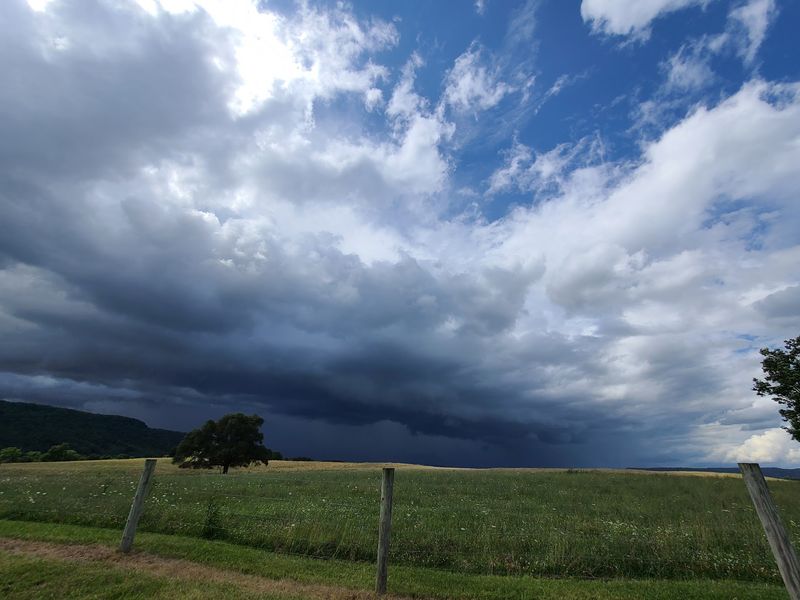
Big red barns, grazing cows, and long green pastures make the route feel like a postcard from rural West Virginia. The bridge may be the destination, but the scenery steals plenty of attention.
Large dairy farms spread across the valley near the road. Wide views open up between the trees, showing just how much farmland still shapes this corner of Greenbrier County.
Smaller homesteads dot the way too. You’ll spot tidy gardens, weathered sheds, and attractive houses scattered across the hillsides.
For anyone raised on a farm, it may stir a few memories. The smell of hay, the sight of a fenced pasture, and the quiet of a country morning never really leave you.
Some families have deep roots here, with relatives who owned nearby land for generations. That sense of history gives the area a lived-in warmth no tourism brochure can manufacture.
Remember that people live and work along this road. Keep your speed low, stay off private property, and treat the farms with the same respect you’d want for your own place.
And if a friendly farm dog trots by? Consider it the official welcome committee.
Smart Parking And Timing Tips Before You Go
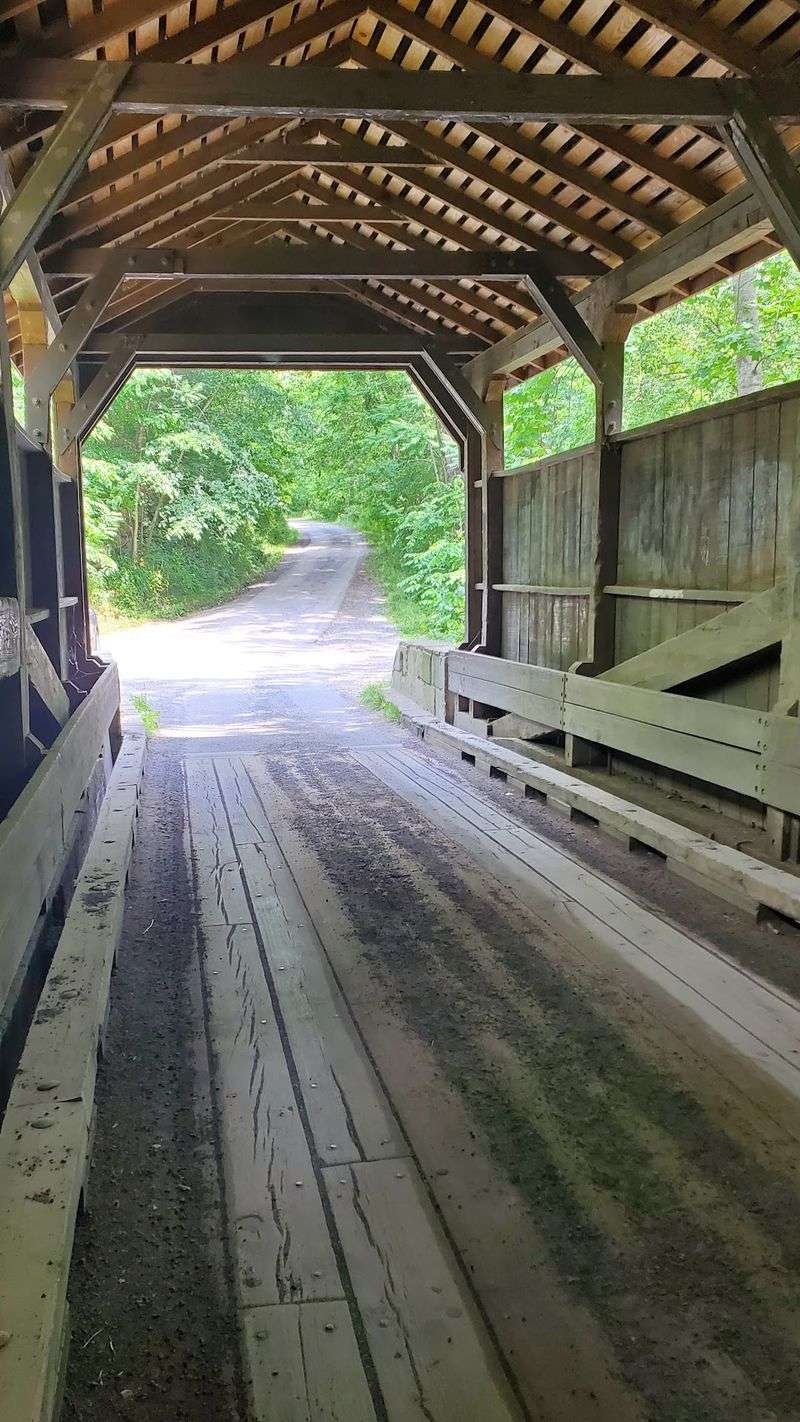
Plug 1509 Herns Mill Rd, Lewisburg, WV 24901 into your phone, and you’re set. The bridge sits a short detour from both Interstate 64 and Route 60, the historic Midland Trail.
The landmark is open 24 hours a day, every day of the week. Since it’s a working public road, there’s no gate to unlock or ticket line to dread.
Parking takes a little planning. There’s no dedicated lot, just a small area where a couple of cars can pull off.
Avoid blocking the road or the bridge itself. Local residents depend on that crossing, so a quick visit works better than an all-day picnic.
Motor homes and larger rigs should stay up top. Park at the top of the hill and walk down, because the narrow road leaves no room to turn a big vehicle around.
Early evening can be pleasantly quiet. Light traffic and soft light make that window a nice time for photos.
Wear sturdy shoes if you plan to visit the creek. Pack water, keep an eye out for oncoming cars, and leave the spot as tidy as you found it.
A Quick Detour That Lingers Long After You Leave
Nobody plans a whole vacation around a modest wooden bridge. Still, Herns Mill has a funny habit of becoming the part of the trip people remember most.
It offers exactly what it promises and nothing more. Old timbers, cool water, quiet farmland, and a winding road that forces you to slow down.
History lovers will appreciate a crossing that still does its original job. Photographers get honest rustic beauty, and families get a creek that turns a pit stop into playtime.
It also suits anyone craving a peaceful break from busy highways. Stop, look around, take a few pictures, and let your shoulders drop an inch or two.
I believe places like this matter more every year. They remind us how West Virginia communities once traveled, worked, and connected, one wooden plank at a time.
Pair your visit with time in nearby Lewisburg for a well-rounded Greenbrier Valley day. The bridge makes a lovely bookend to a morning stroll or an afternoon drive.
So next time you’re cruising I-64, consider taking that narrow turn. The old Herns Mill Covered Bridge will be right there waiting, just like it always has been.
