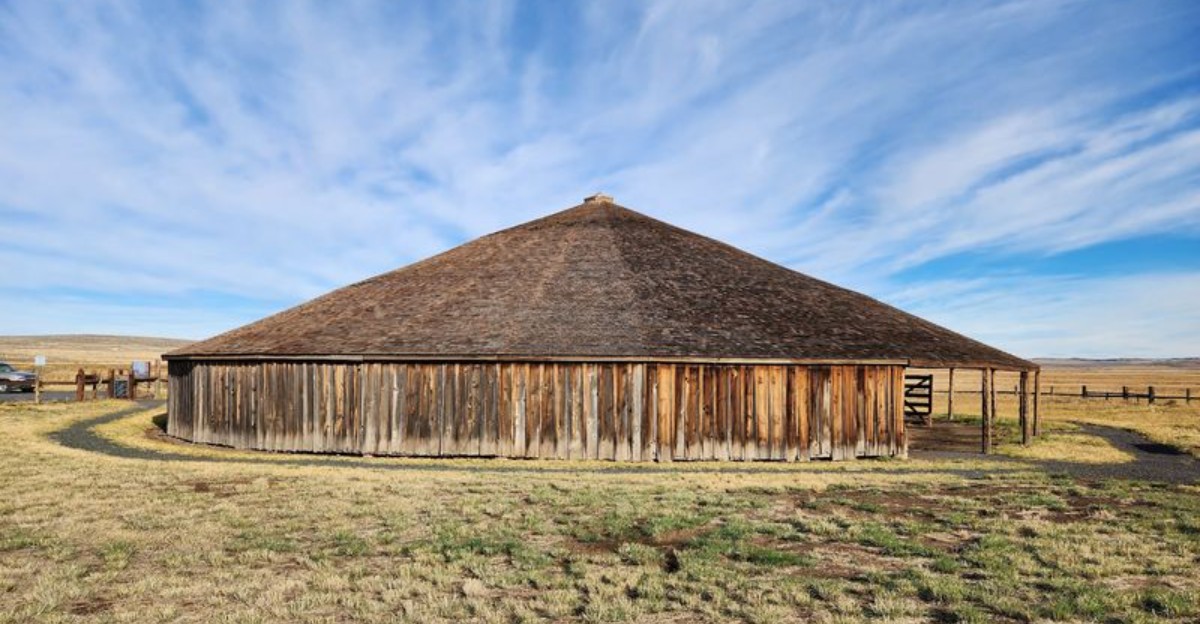
Forget everything a regular barn looks like. This one was built for horses doing laps, not cows chewing hay.
A perfect circle shape sits at the center of the design here, clever enough that trainers could exercise horses indoors all winter without anyone slipping on ice outside. Stone walls rise thick and sturdy too, built to survive brutal winters that would’ve shut down any ordinary wooden structure decades ago.
Engineering a barn this specific for one single purpose takes serious foresight most ranchers never bothered considering back then. Whoever designed this clearly understood exactly what harsh winters demanded, building something practical and oddly elegant at once.
Horses got the good end of the deal here. This round barn in Oregon still stands as proof that sometimes form really does follow function.
A Round Shape With a Real Job
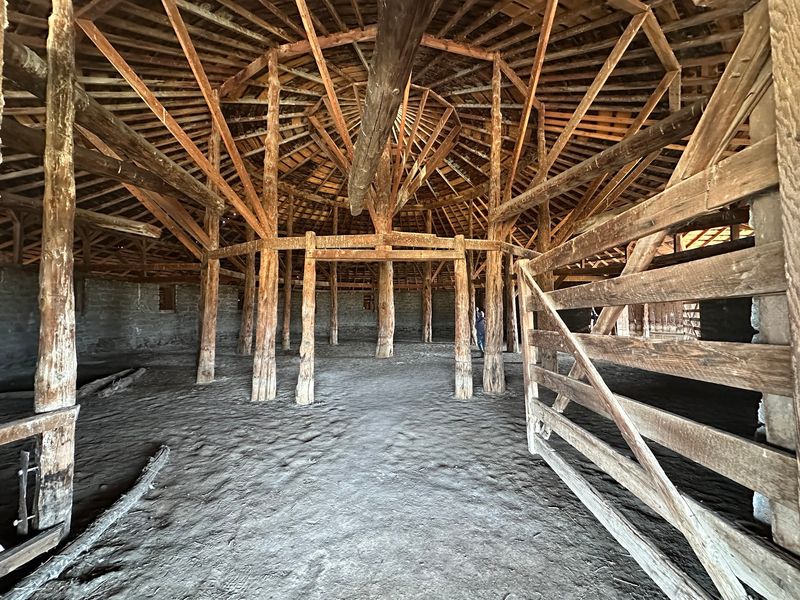
My first guess was that someone just liked circles. Nope. The round design had a very practical purpose, and once you see it, the whole building makes sense.
Pete French ran the huge P Ranch in the 1880s, and his crews needed working horses and mules ready for spring. Winters out here get bitterly cold, with snow, wind, and frozen ground that make outdoor training rough on animals and riders alike. So the barn became an indoor arena.
Horses could keep moving around a covered track no matter what the sky was doing.
A circle has no corners, which matters more than you might think. Young horses could not get stuck or bunch up in a tight spot, and the steady curve kept them moving at an even pace. Riders could work them for hours without stopping to turn around.
Think of it as a giant, old-fashioned treadmill with a roof. It sounds simple. It was also pretty brilliant for its time and place.
The Stone Heart of the Barn
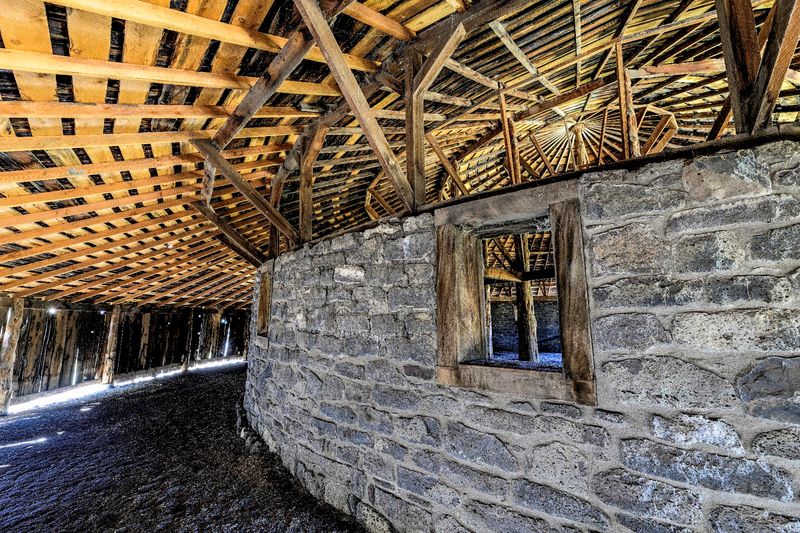
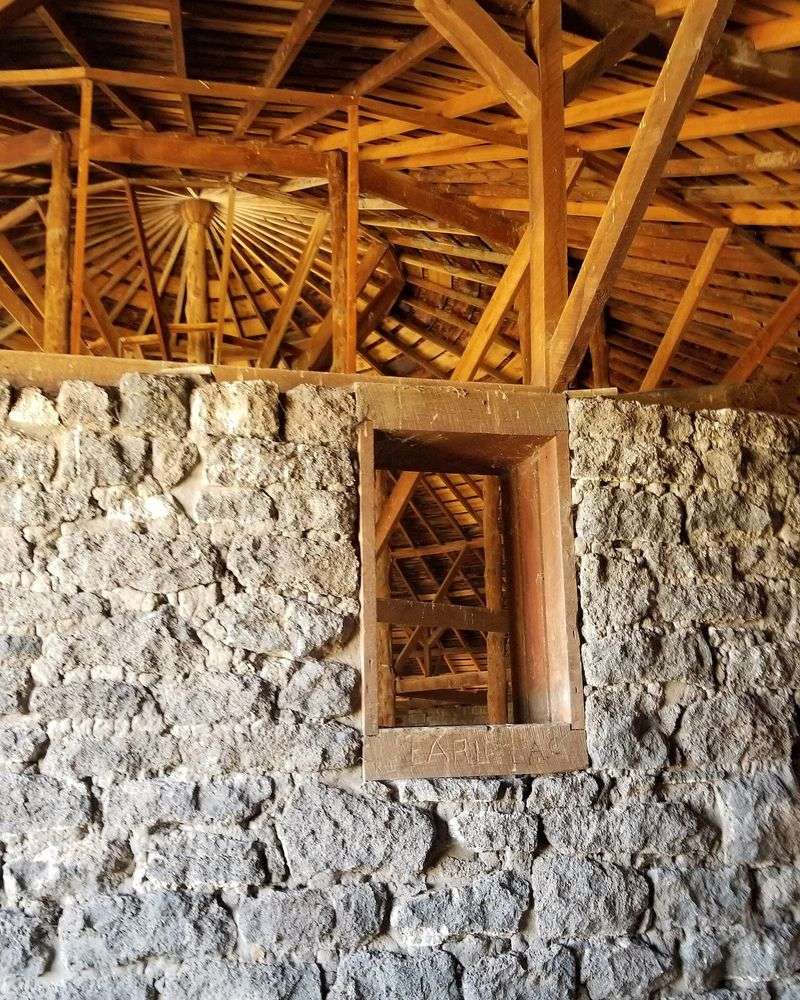
Right in the middle of the barn sits a tall circular wall made of lava rock, and it stopped me in my tracks. The stones are dark, rough, and stacked with real care. Someone hauled every single one.
That inner stone corral had its own job. It held horses separately from the outer track, and the space inside was reportedly used for animals that needed extra attention, like mares getting ready to foal. The thick rock walls blocked wind and helped the inside stay calmer than the busy ring outside.
Run your eyes along the wall and you can spot different sizes and shapes of stone fitted together like a puzzle. There was no fancy machinery doing this work. Just strong hands, patience, and probably a lot of sore backs.
Bring a light jacket even in warmer months. The stone keeps things cool, and the shade inside feels like a different climate from the sunny plains. Take a slow lap around the wall and notice how the outer track curves perfectly around it.
Look Up at the Juniper Roof
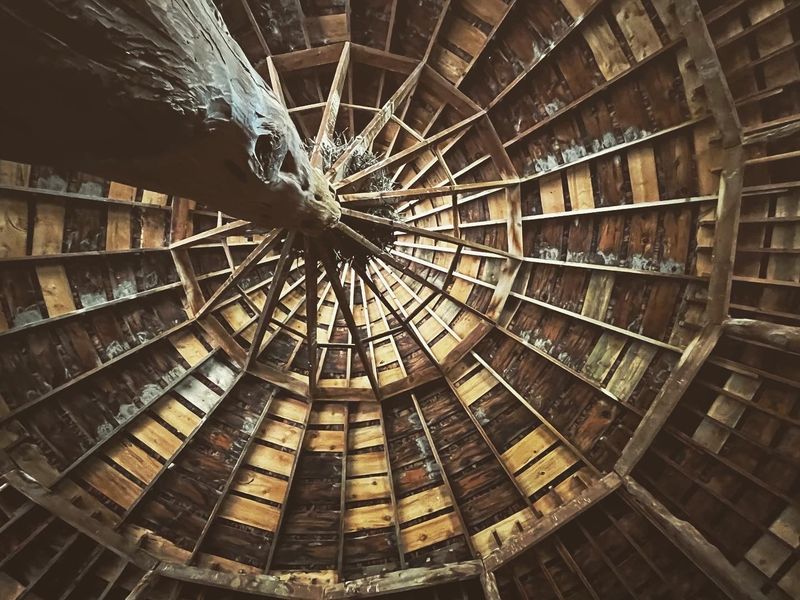
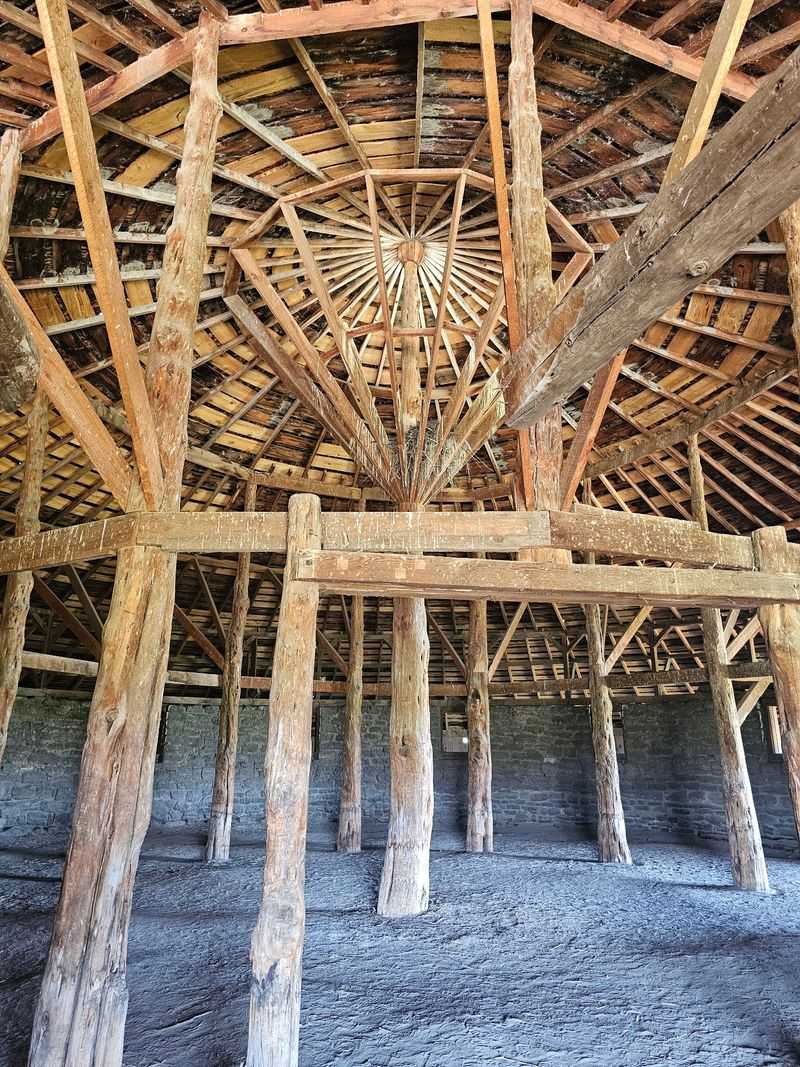
Tilt your head back. Seriously, do it, because the roof is the real showstopper here.
A massive juniper pole stands in the center, and long rafters spread out from it like the spokes of a wagon wheel. The whole roof leans on that design. Juniper trees grow slowly in the high desert, and their wood is tough and resists rot, which helps explain why this structure is still standing after well over a century.
The posts holding up the outer edges are juniper too. Some are twisted and knobby, keeping the natural shape of the trees they came from. I loved that.
It feels handmade in the best way, nothing perfectly smooth or factory cut.
Light sneaks through small gaps and openings, drawing bright lines across the dusty air. Photographers, take note. It is fairly dark inside, so a tripod or a steady hand helps a lot.
Spend a minute imagining the crew lifting those beams with ropes and muscle. Building this today would be hard enough. Back then it was a true feat.
Picture Cowboys Circling in the Cold
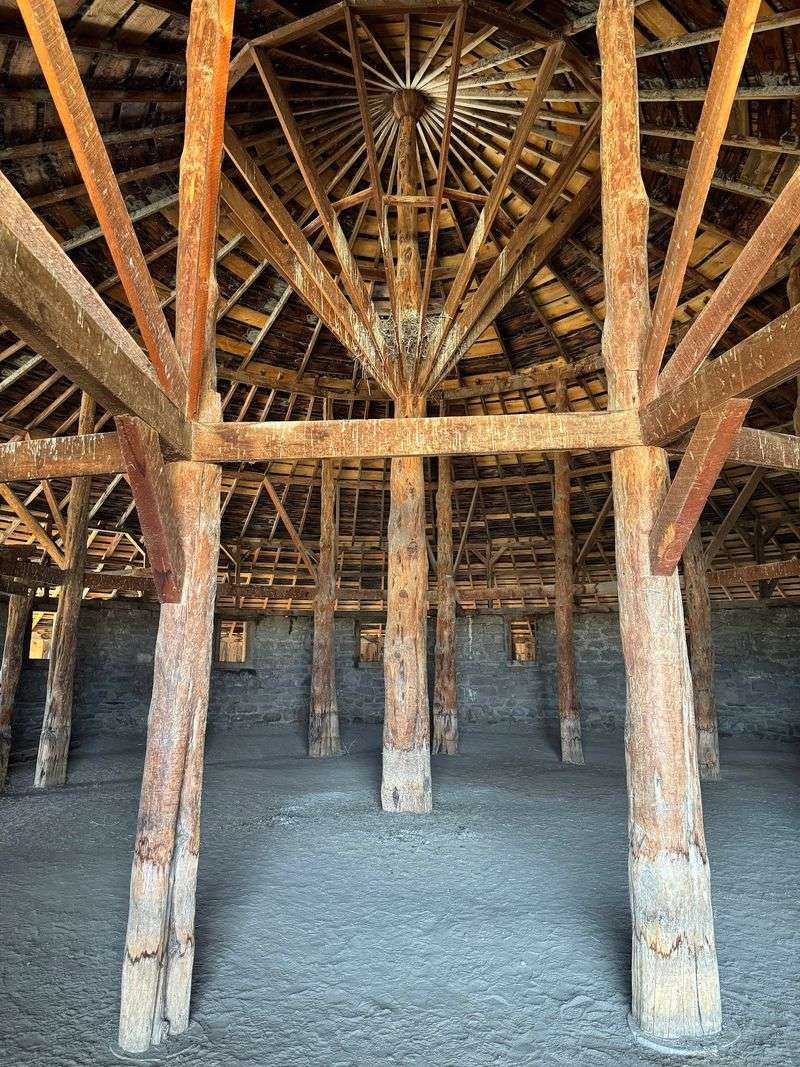
Close your eyes on that dirt track and the past gets loud fast. Hooves thudding, leather creaking, riders calling out to restless young horses.
The buckaroos who worked for Pete French, many of them skilled vaqueros, used the outer ring to break and train horses during the long winter months. Animals learned to accept riders, follow commands, and build strength.
Mules and draft horses were also trained here to pull heavy freight wagons, which was a big deal for a ranch so far from towns and railroads.
Some estimates suggest the barn could handle a lot of horses over a season. Ranches this size relied on hundreds of working animals to move cattle across enormous stretches of land.
Here is a fun way to experience it. Walk one full lap along the track at a steady pace and count your steps. Then imagine doing that for hours on horseback, in freezing air, with a stubborn colt who has other plans.
Suddenly, the word cowboy feels a lot less like a costume and a lot more like hard work.
Meet the Cattle King Behind It All
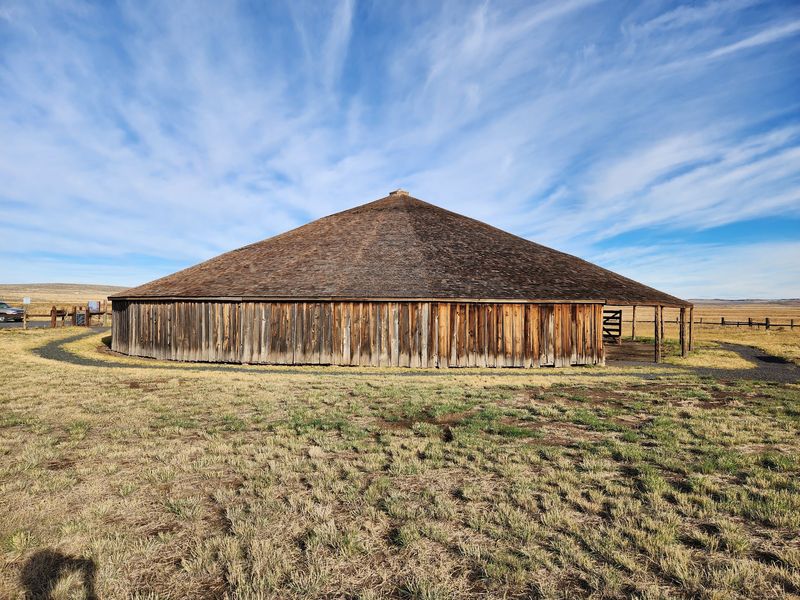
Pete French was not a quiet character. He came to Oregon from California around 1872 with a herd of cattle and a small crew, and he grew one of the largest cattle operations in the region.
His P Ranch stretched across huge areas of the Blitzen Valley and beyond. He was known as a bold businessman and a demanding boss, and many workers stayed loyal to him. At the same time, his land claims and fights over water and fences angered settlers who arrived later.
That tension had a tragic ending. In 1897, French was shot and killed by a local homesteader named Ed Oliver after a dispute over land access. A jury later found Oliver not guilty.
The interpretive panels near the barn walk through this story in a clear timeline. Read them before heading inside, because knowing the drama makes the building feel more alive.
It turns a wooden structure into a chapter of real Western history, with ambition, conflict, and consequences all mixed together. Pretty gripping stuff for a stop in the middle of nowhere.
Feathered Residents With Attitude
Something moved above me, and my heart jumped a little. It was an owl, staring down from the rafters like a grumpy landlord.
Owls are some of the barn’s most famous tenants. Visitors often spot great horned owls and barn owls tucked into the beams, and smaller birds build nests in the walls too. Some will peek out and scold you for being nearby.
Look down and you might notice small bones and owl pellets on the ground. Gross? A little. Fascinating? Absolutely. They show what the owls have been eating, mostly mice and other rodents that live around the barn.
Keep your voice soft and give the birds space, especially during nesting season. Owls can be protective, and a swooping visitor overhead is not the kind of souvenir anyone wants. Binoculars are handy for spotting them without getting too close.
Watch Your Step Out Here
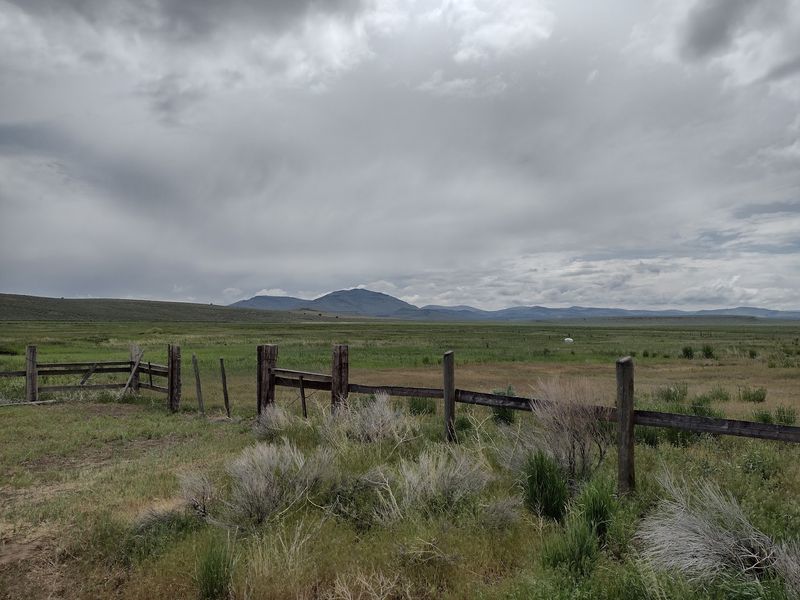
Quick safety chat, friend to friend. The high desert is gorgeous, but it is also wild, and the barn sits right in the middle of it.
The ground around the building has lots of small holes dug by rodents. Many hide under grass, and they are perfect for twisting an ankle. Sturdy shoes with good support make a big difference. Skip the flip-flops.
Rattlesnakes also live in this area, especially in warm weather. Visitors have reported seeing them near and even inside the barn, where rodents attract hungry predators. Stay on clear paths, look before you step, and never reach into dark corners or between boards.
Weather plays a role too. Heavy spring runoff has flooded the area at times, and the barn has been closed when water gets high. Check with Oregon State Parks before a long drive, especially after big storms or snowmelt.
The Visitor Center Surprise
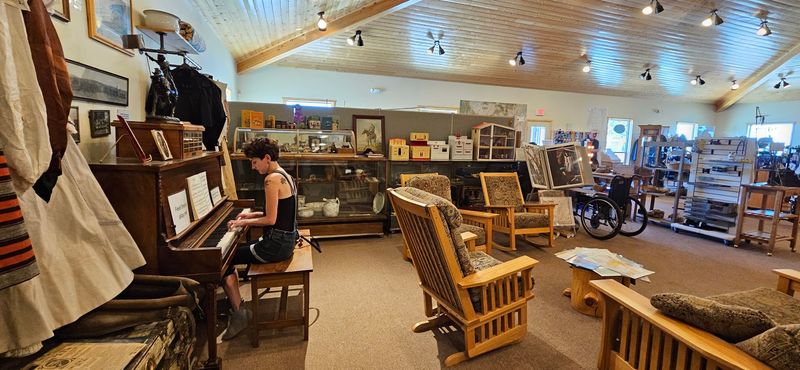
From outside, the visitor center looks pretty plain. Do not let that fool you, because the inside is packed with stories. Just down the road from the barn sits the Round Barn Visitor Center, a privately run shop and small museum connected to a longtime local ranching family.
It holds old photos, ranch tools, and family history that adds rich detail to what the outdoor signs explain. Shelves are stocked with books on Western history, local crafts, and souvenirs tied to Steens Mountain and the surrounding area.
The folks working there often know the region inside and out. Ask questions. Many visitors leave with great tips on scenic drives, wildlife spots, and other sights nearby.
It also has a real restroom, which feels like luxury out here. If you use it, consider buying a snack or dropping something in the donation box as a thank you.
Saved for Future Generations
Old wooden buildings in harsh climates usually do not last. That is what makes this one so special. Pete French reportedly built a few round barns, but this is the only one known to survive. After his death, the land changed hands over the years.
In 1969, the barn was donated to the Oregon Historical Society by the family who owned the property, and later it became part of the Oregon State Parks system as a State Heritage Site. It is also listed on the National Register of Historic Places.
You can still see honest wear from wind, sun, and time. The weathered boards and gray stone feel authentic rather than polished, which I actually appreciated. It looks like what it is.
Visiting carries a little responsibility. Do not climb walls, carve initials, or take rocks or wood as keepsakes. Leave everything exactly as you found it.
Places like this only stay around when people care for them. Every respectful visitor helps make sure the next road tripper gets the same jaw-dropping moment inside.
Making the Most of the Trip
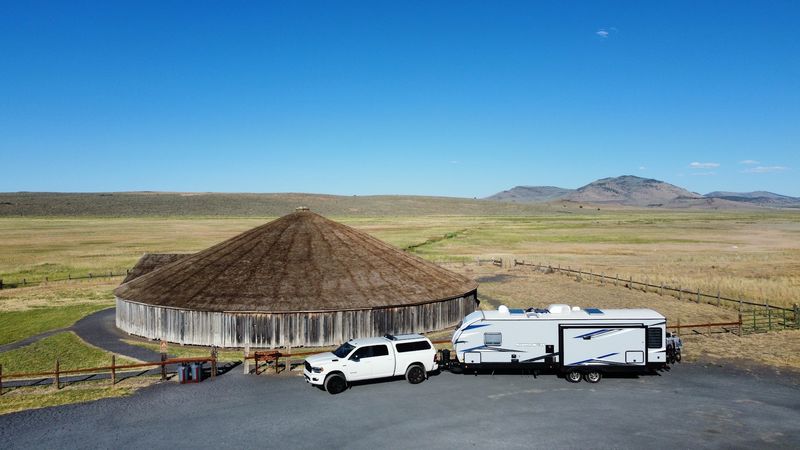
Getting here takes some effort, and honestly, that is part of the charm. The barn sits in remote Harney County, southeast of Burns, with a stretch of gravel road at the end.
Fill your gas tank before leaving town. Services are few and far between, and cell signal can be spotty. Download maps ahead of time so you are not guessing at crossroads.
Pair the barn with nearby adventures for a full day. Malheur National Wildlife Refuge is close and fantastic for birdwatching, especially during spring migration. Steens Mountain rises in the distance, and the historic town of Frenchglen is within driving range too.
Spring and fall bring the most comfortable temperatures. Summer can be hot, and winter roads may get rough. The site is generally open year-round when weather allows, and parking is plentiful.
Plan for about an hour at the barn and visitor center. Grab your camera, sturdy shoes, and curiosity, then point your car toward Pete French Round Barn State Heritage Site, 52229 Lava Bed Rd, Diamond, OR 97722.
