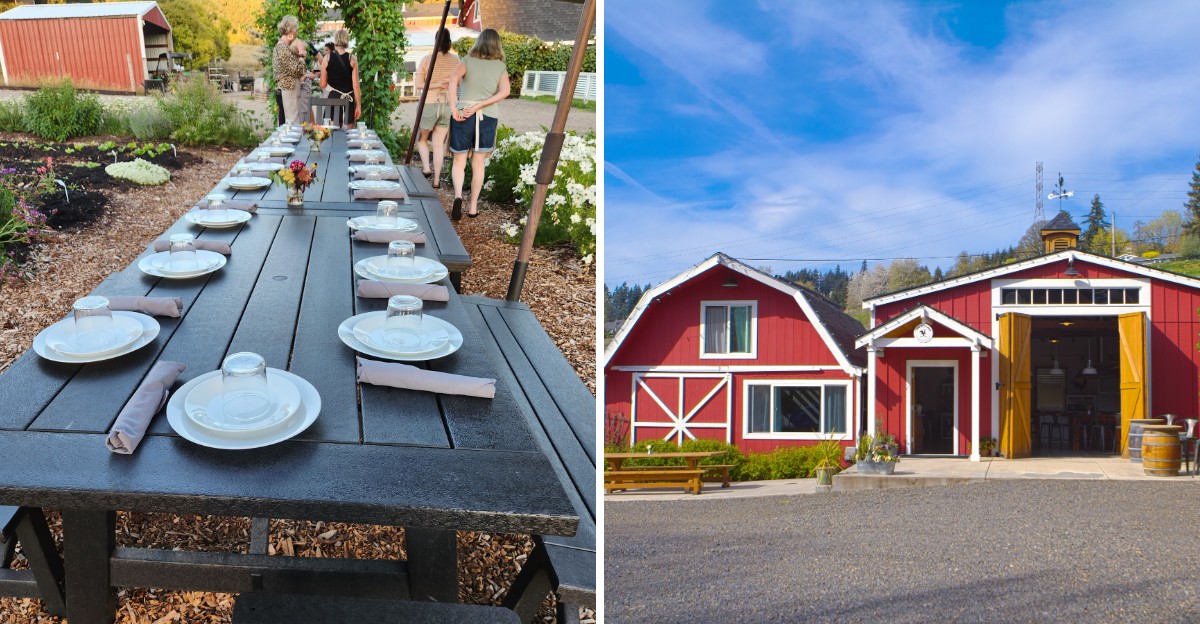
A former cattle barn now holds a full culinary studio, and the neighbors still moo. Cows, goats, and chickens wander the same farm where people learn to cook.
The farm covers 17 acres and keeps 25 laying hens. Their eggs often land straight in that day’s recipes. I like how short that trip is, from nest to pan in a few steps.
This spot sits in Oregon, just a short drive from busy stores and the freeway. Yet the setting feels miles away from all of it. Classes welcome beginners and seasoned home cooks alike.
I can’t imagine a friendlier classroom than one with goats as hall monitors. The menus change with the seasons, so no two visits look quite the same.
A Barn That Swapped Cattle For Cutting Boards
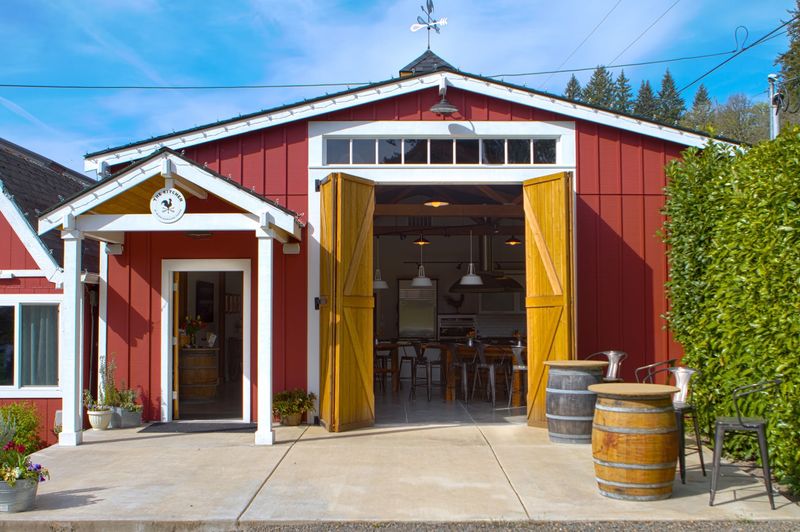
Cows used to call this building home. Today, The Kitchen at Middleground Farms fills that old cattle barn with stoves, counters, and curious cooks.
The farm sits in Wilsonville, Oregon, just south of Portland. It covers 17 acres of gardens, pasture, and animal life.
The barn didn’t get torn down and rebuilt as something shiny. It was refashioned into a culinary studio that still respects its farm roots.
That choice matters more than it sounds. You cook inside a space with real history instead of a strip-mall classroom.
The Kitchen also isn’t a restaurant in the usual sense. You won’t stroll in for a quick lunch and grab a booth.
Instead, it works as a community gathering place for everyday cooks. People book classes, dinners, and events ahead of time.
It’s also not a training school for future professional chefs. Nobody expects you to know a julienne from a brunoise on day one.
The goal is simpler and friendlier than that. You learn where food comes from, then you learn what to do with it.
My advice is to check the calendar early. A barn this charming doesn’t stay quiet for long.
Wood Beams And Big Doors Make This Classroom Glow
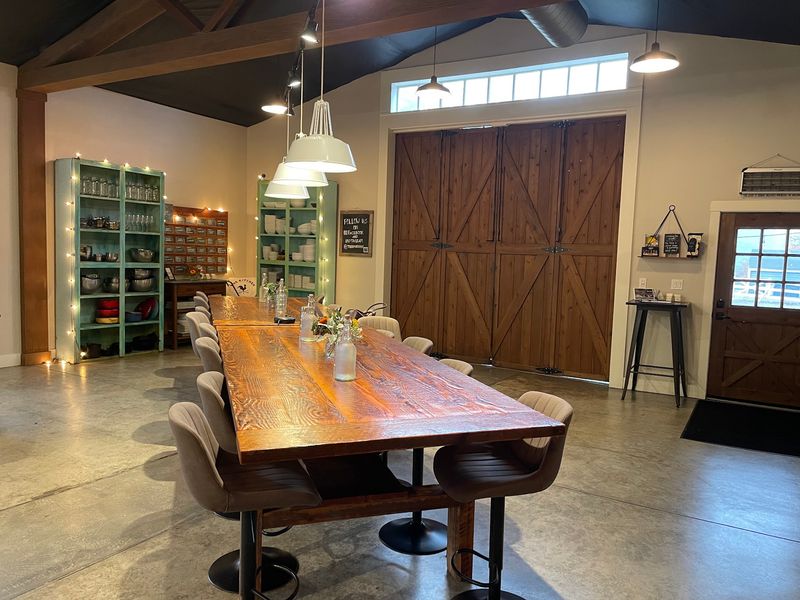
Exposed wood beams stretch overhead the moment the cooking starts. Warm lighting softens the room and keeps it cozy even on gray days.
Large barn doors open wide when the weather cooperates. Natural light pours in, along with views of the surrounding farm.
The design blends modern kitchen gear with the barn’s original country character. You get real tools without losing the rustic mood.
The kitchen area is roomy, too. Groups have space to chop, stir, and laugh without bumping elbows every minute.
Meals often end around long tables made from barn wood. That detail ties the dinner right back to the building itself.
Family-style dining fits the room perfectly. Plates pass from hand to hand, and strangers start chatting like cousins.
There’s also a small shop on site with home goods. It’s a handy stop if you want a souvenir that isn’t a stain on your shirt.
Wear comfortable shoes for a hands-on class. Barn floors and busy counters reward practical footwear over fancy boots.
Honestly, the room does half the teaching. It makes cooking feel relaxed instead of stressful.
Your Eggs Might Have Been Laid This Morning
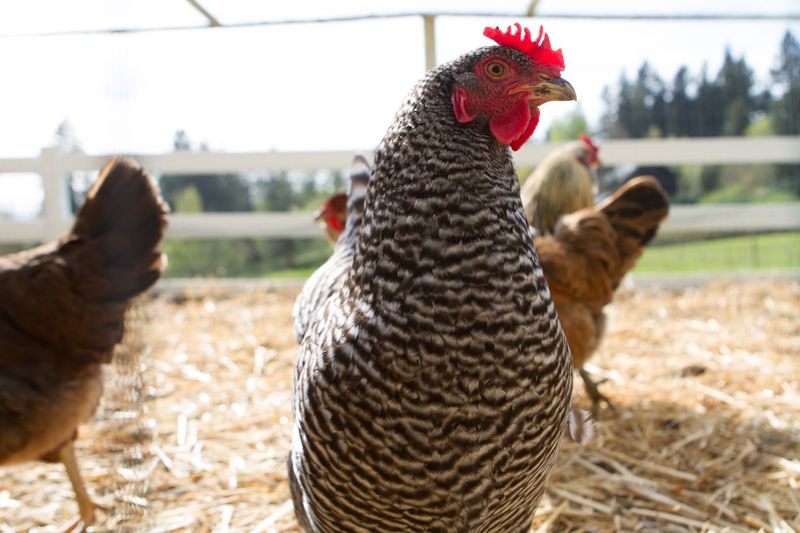
Twenty-five laying hens work hard on this farm. Their eggs often end up in the day’s menu at The Kitchen at Middleground Farms.
That’s farm-to-table in the most literal way possible. The distance from coop to counter is a short walk.
The farm also grows seasonal vegetables and herbs. Those harvests shape what gets cooked in class and served at dinners.
Many ingredients not grown on the farm come from neighboring farms and local artisan producers, although the kitchen also purchases some supplies from conventional retailers. Freshness and local sourcing guide the whole kitchen.
This approach fits Oregon’s food identity well. The region takes pride in what grows close to home.
It also means menus shift through the year. Spring tastes different from late summer, and that’s the point.
The kitchen can accommodate allergies, too. Let the team know ahead of time so they can plan properly.
A smart move is to ask questions while you cook. Learning which herb came from which garden bed makes the meal more memorable.
You might leave rethinking your grocery list. Seasonal cooking starts to feel less like a trend and more like common sense.
Beginners Welcome, Knife Nerves Totally Optional
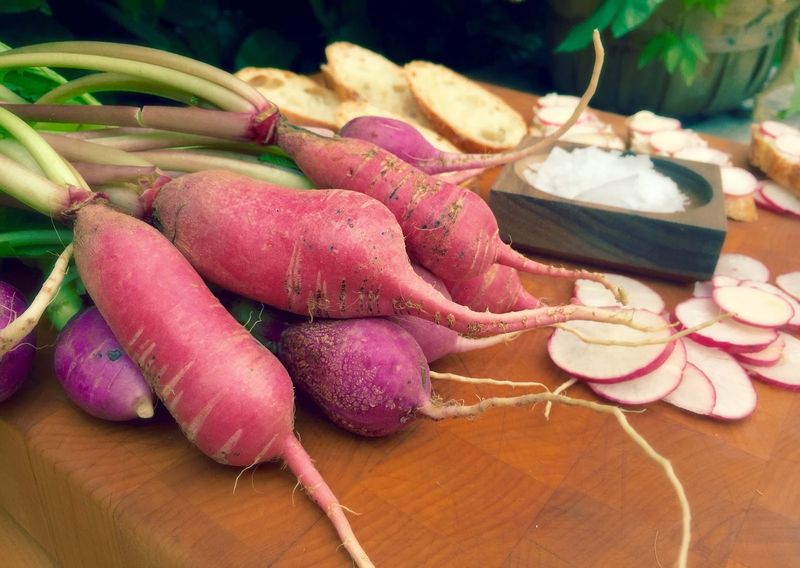
Nervous about holding a chef’s knife? Classes here are built for every skill level, so nobody gets left behind.
Beginners can work on basics like knife skills. More experienced cooks can explore global cuisines or advanced baking.
You also get to choose your style of learning. Some classes are fully hands-on, while others are chef demonstrations.
Hands-on sessions put the spoon in your hand. Demos let you watch, take notes, and ask questions without the pressure.
Either way, the goal stays the same. You should walk out feeling more confident in your own kitchen.
Founder Chef Jessica Hansen teaches some classes herself. Her jam-making class, Jammin with Jessica, is one example on the schedule.
Other instructors lead sessions too, covering topics like summer pies and tarts. Soups and stews have also appeared on the calendar.
Going solo is completely fine. Classes work for date nights, friend groups, or one curious cook alone.
Try picking a topic slightly outside your comfort zone. That’s where the best kitchen tricks usually hide.
Handmade Pasta One Week, Charcuterie The Next
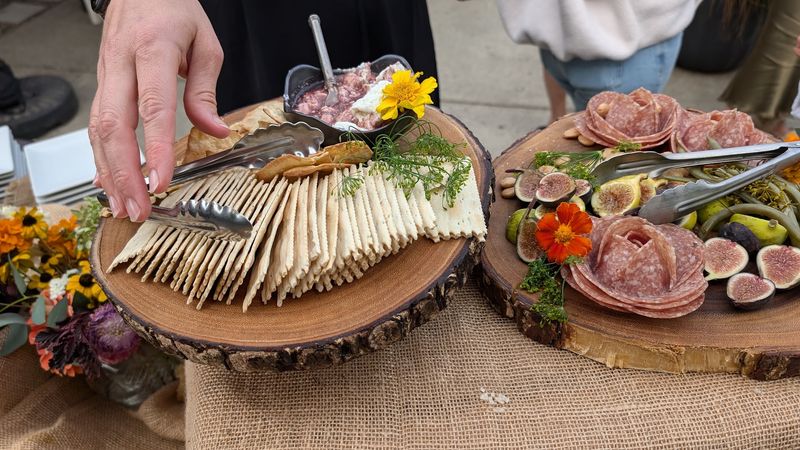
Handmade pasta, plant-forward dishes, and charcuterie boards have all shown up on the class lineup. The calendar rotates, so boredom never gets a seat.
Themed sessions keep things focused. You learn one idea well instead of skimming a dozen.
Many classes end with a shared family-style meal. Everyone eats what they made, gathered around those long barn wood tables.
That final meal is the reward and the lesson. You taste your own work and compare notes with new friends.
Group events have featured dishes like eggs Benedict made from scratch. Business groups have enjoyed homemade granola and handmade corn tortillas too.
Since menus follow the seasons, the lineup keeps changing. A class you loved in spring may not return until next year.
That’s why the calendar deserves a regular look. Popular topics can fill up fast.
Pick classes based on dishes you actually want to make at home. A recipe you’ll repeat is worth more than one you’ll forget.
Bring a little patience for dough work. Pasta rewards steady hands more than speed.
Some Nights Call For Multi-Course Farm Dinners
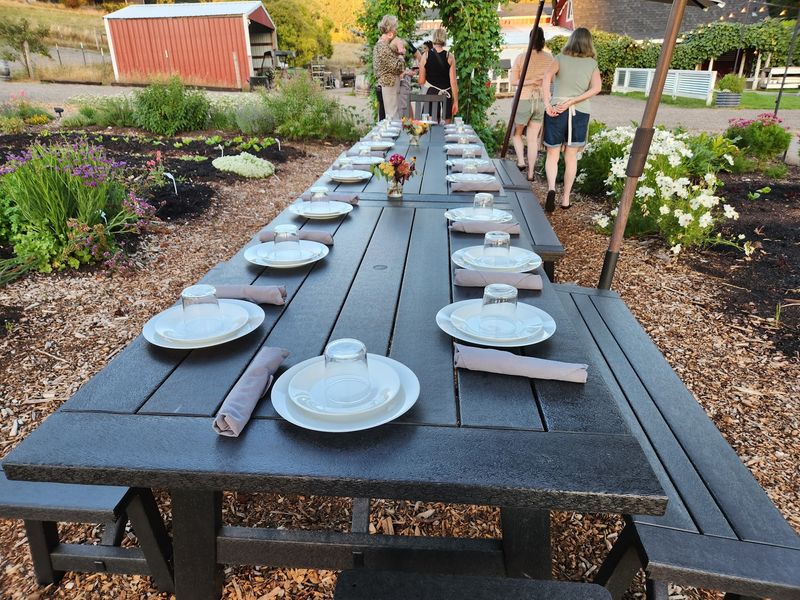
Classes are only part of the story at The Kitchen at Middleground Farms. Special dinners and seasonal celebrations fill the year as well.
Multi-course dinners showcase the bounty of the region. Guests reserve a spot and enjoy a carefully planned meal.
Holidays bring their own events. Mother’s Day brunch and Valentine’s Day dinners have both appeared on the schedule.
Holiday events tend to book quickly. Reserve early if a specific date matters to you.
Outdoor dinners happen during warmer months. String lights and a fire pit have welcomed guests on evenings like these.
Some dinners spotlight a single cuisine. Spanish and French bistro themes have both made appearances for private groups.
Local producers sometimes join the table too. Meeting the people behind regional flavors adds a fun layer to the evening.
These nights feel more relaxed than fancy restaurants. You still get a polished meal, just with goats nearby instead of valets.
Follow the farm’s event schedule closely. The outdoor season is short in Oregon, and those dinners don’t last forever.
Goats, Cows, And Chickens Run The Welcome Committee
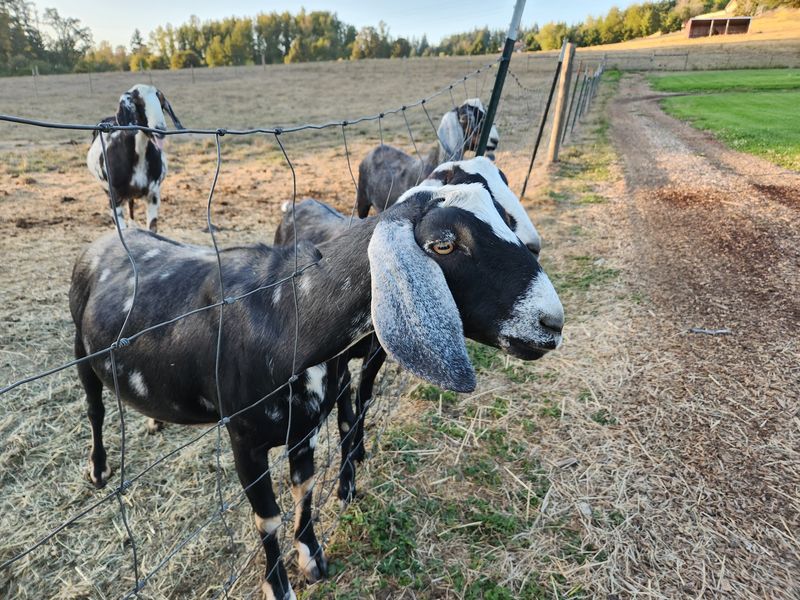
Few cooking schools can claim a goat as a greeter. Here, cows, goats, chickens, and farm dogs share the property.
The 17-acre farm also holds a culinary garden. Flowers and food crops grow side by side.
Kids can sometimes feed the goats during events. It’s a great way to keep younger guests busy while adults chat.
Farm tours are available too, often led by staff. You see how the land, animals, and kitchen connect.
The farm follows regenerative practices. Goldfish even live in the water troughs to help manage algae naturally.
That detail is clever and a little delightful. Tiny fish doing chores feels like something from a picture book.
The animals reinforce the farm-to-plate message better than any lecture. Seeing the hens explains the fresh eggs instantly.
Treat the animals kindly and follow staff guidance. They’re residents, not props.
Leave extra time before or after your event. A few quiet minutes in the pasture make the whole visit richer.
A Hobby Farm Grew Into Something Much Bigger
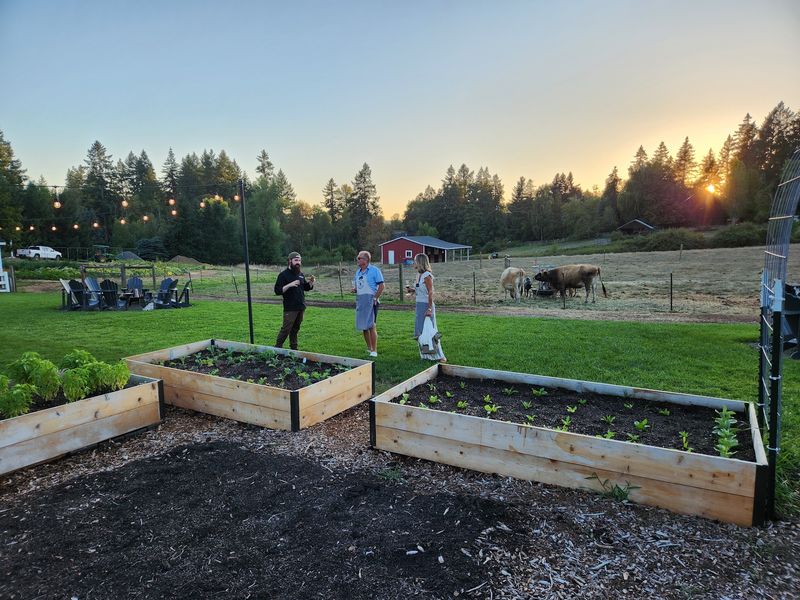
Behind every great barn kitchen stands someone with a big idea. For this one, that person is founder and owner Chef Jessica Hansen.
Her passion for local, sustainable food sparked the whole project. She wanted people to feel closer to where their meals begin.
Her husband Jason helped develop the farm alongside her. Together they turned a family hobby farm into a culinary destination.
The Kitchen has been hosting groups for years now. Corporate meetings, birthdays, and classes have all filled the barn.
Jessica still stays closely involved. She teaches classes, leads events, and personally replies to guests online.
That hands-on presence shapes the feel of the place. It runs like a family operation, not a faceless venue.
The farm’s story also explains its style. Everything centers on whole foods, seasonal produce, and community.
I believe that origin is why the place feels so personal. A dream built slowly tends to have more heart.
Knowing the backstory makes a visit more meaningful. You’re stepping into someone’s long-running passion project.
Book The Whole Barn For Your Own Celebration
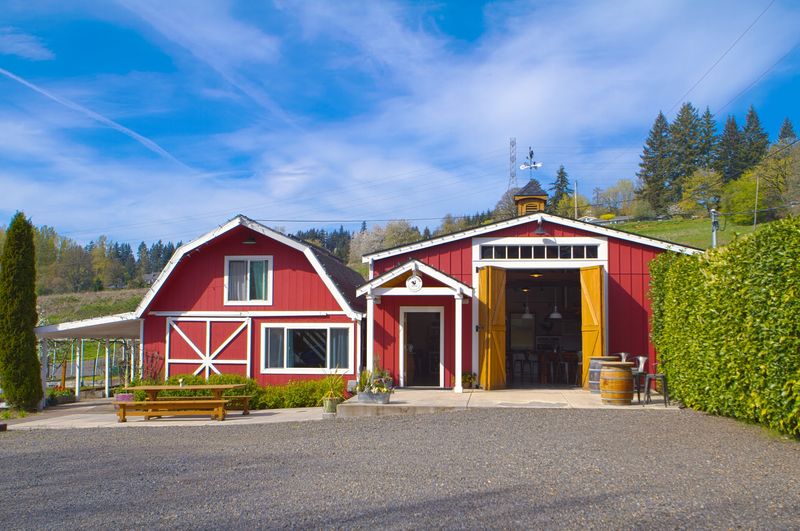
Private events might be the farm’s best-kept party trick. Groups can reserve The Kitchen at Middleground Farms for birthdays, team building, and gatherings.
The space works best for small to medium groups. That size keeps things personal and easy to manage.
Corporate retreats get full support here. Meals, A/V equipment, and meeting supplies have all been part of past offsites.
Activities can include cooking together, farm tours, and flower arranging workshops. It beats another conference room with stale coffee.
A separate barn offers a cozier option for smaller groups. Outdoor garden seating and greenhouses add space in warmer months.
You’ll find the farm at 4651 SW Homesteader Rd, Wilsonville, OR 97070. It’s only minutes from stores and Interstate 5, yet feels peacefully rural.
That location makes it easy for Portland-area guests. Nobody needs a long road trip to reach the farm.
Plan your guest count and goals before reaching out. Team building and fancy dinners call for different setups.
Consider booking a little extra time. Good food and pasture views make hours disappear.
