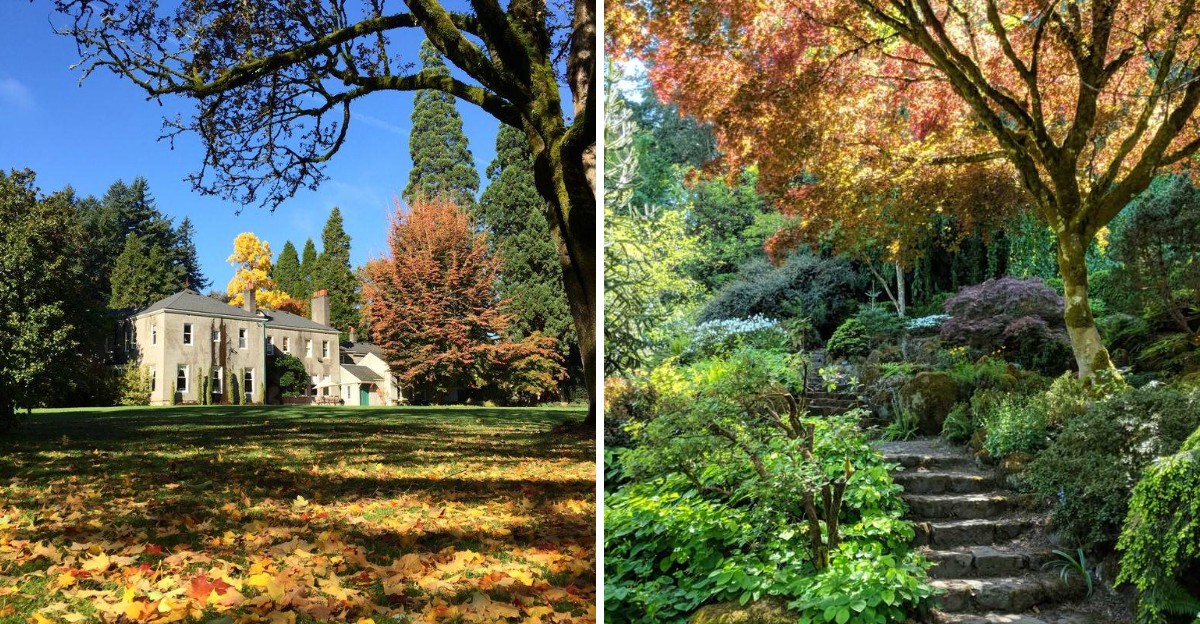
Plants from every corner of the globe, a river view in the distance, and not a single ticket booth in sight. Winding paths lead past rare trees, bright seasonal blooms, and quiet corners that feel like a secret garden someone forgot to put a gate on.
Strolling through takes only a short walk, yet every turn reveals a new color or a leaf shape nobody expected. Gardeners and daydreamers across Oregon wander in for a quick peek and end up staying all afternoon.
Free access makes a place like this feel like a gift. Nothing stands between you and a calm hour among world-class greenery.
Pack a thermos, bring a sketchbook, and take the long way around every bed. Beautiful spaces rarely come this generous, and a morning in Oregon feels richer when it begins here.
A Scottish Dream on an Oregon Cliff
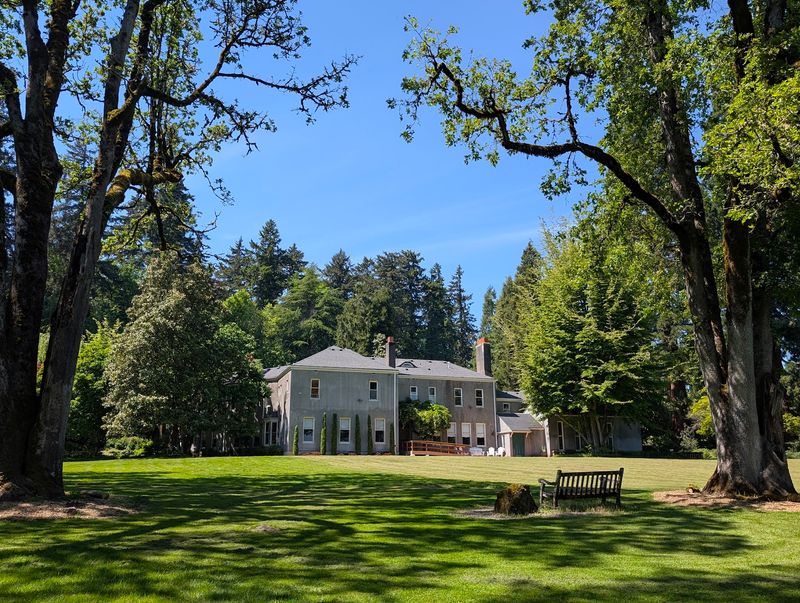
Some places carry a story in every stone, and this one started with a Scottish grain merchant named Peter Kerr. He bought land high above the Willamette River in the early 1900s and spent decades shaping it into a garden that reminded him of home.
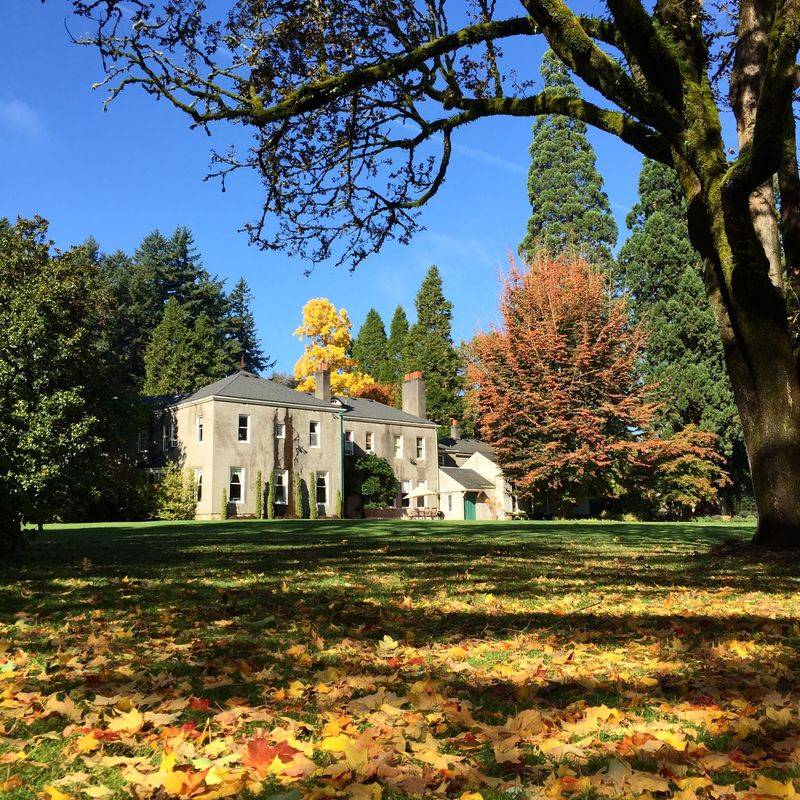
The big house went up around 1916. Kerr worked with the famous Olmsted Brothers landscape firm on early plans, then kept adding plants for the rest of his long life. He was known to love trees, shrubs, and flowers from faraway lands, and he collected them the way some people collect stamps.
After he passed away in 1957, his family gave the estate to the Episcopal Diocese of Oregon. There was one wish attached. The garden should stay open for people to enjoy.
That is why the grounds are often called the Bishop’s Close.
Knowing this history changes the walk a little. Every twisting path feels like part of one man’s lifelong hobby. Take a moment near the manor to picture it new, with young trees barely taller than you.
No Ticket Booth, Just a Donation Box
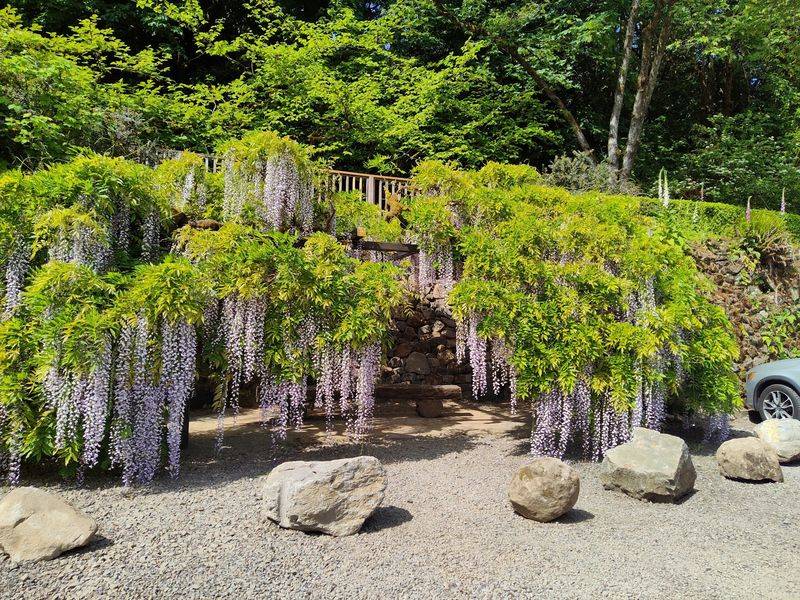
Free is a lovely word. At Elk Rock Garden, there is no gate guard, no ticket window, and no fee to stroll the grounds.
Near the small parking area sits a visitor center where you can grab information and drop a donation if you want to help. The gardens take a lot of care. Old trees need trimming, paths need fixing, and beds need fresh planting every season.
Gifts from visitors help keep all of that going, so leaving a few dollars feels like a nice thank you.
I liked that the place trusts its guests. It feels less like an attraction and more like being welcomed into a neighbor’s backyard, if your neighbor happened to own a world-class plant collection.
Here is a practical tip. The lot is small, and bigger cars can have trouble squeezing in when it fills up. Arriving early on a weekday morning makes parking much easier.
You will also have the paths mostly to yourself, which is half the magic.
Plants With Passports
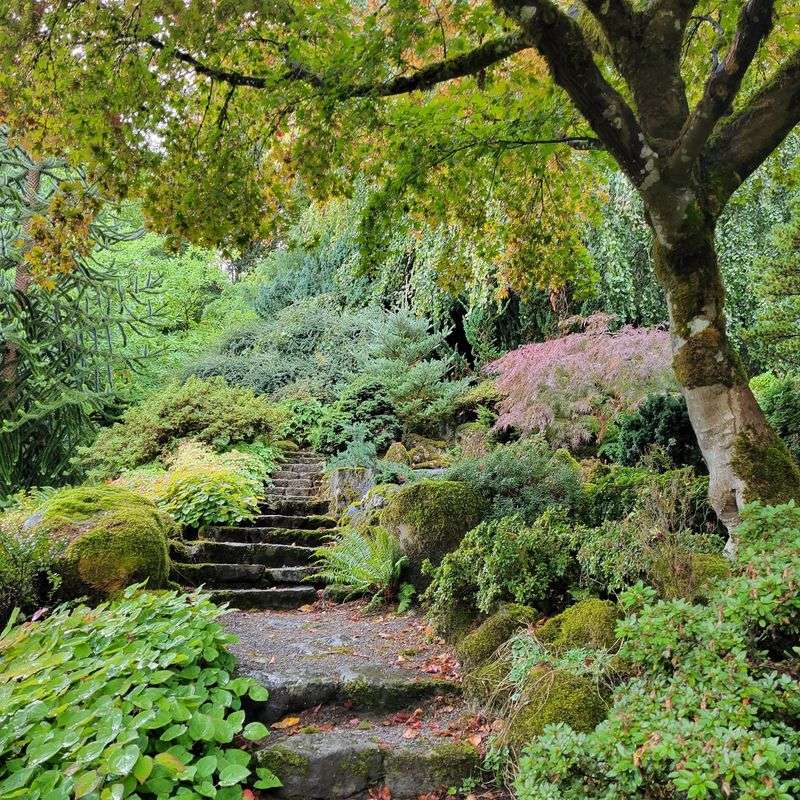
Plant lovers, get ready to squint at labels. The collection here mixes Pacific Northwest natives with species that came from Asia, Europe, the Mediterranean, and beyond. Peter Kerr loved unusual plants, so the garden is full of surprises.
You will spot familiar faces like rhododendrons and azaleas growing right beside rare trees and shrubs you might never find at a regular garden store. Towering conifers shade the paths, while smaller treasures tuck themselves into rocky corners.
One of the stars is the magnolia collection. Several kinds bloom in early spring, opening big cup-shaped flowers in white, pink, and creamy shades before most other trees have even woken up.
The fun part is the mix. A plant from China might stand a few feet from one that grows wild in Oregon forests. It is a bit like a world tour without any airport lines.
Bring your phone or a small notebook. Jotting down names of plants you love can give you great ideas for your own yard or balcony later on.
River Views That Stop You Mid-Step
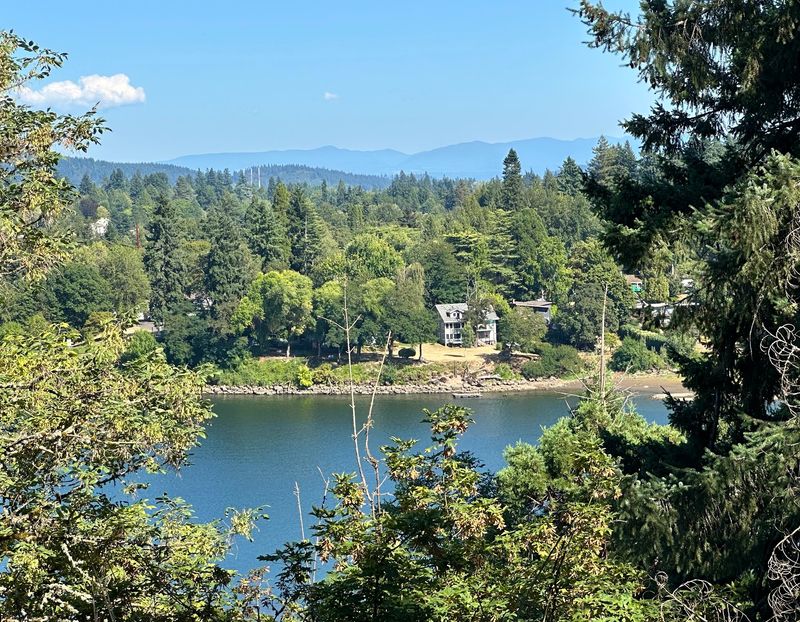
My feet stopped before my brain caught up. Through a gap in the trees, the Willamette River spread out far below, wide and calm and glittering.
The garden sits on a high bluff, so many paths offer lookout spots over the water. Boats drift by now and then. On gray days, mist hangs low over the river and makes everything look soft, like an old painting.
On sunny days, the water turns bright blue and the far shore looks close enough to touch.
The name Elk Rock comes from the rocky cliff along this stretch of river. Old stories say elk once tumbled from the heights here, which gives the spot a wild edge.
Some visitors have even caught rainbows over the river after a rain shower. That kind of luck cannot be planned, but it is worth keeping your eyes open.
Find a bench, sit still for a few minutes, and just watch. The view changes with the light, the clouds, and the seasons. No two visits look quite the same.
Stone Paths That Twist and Wander
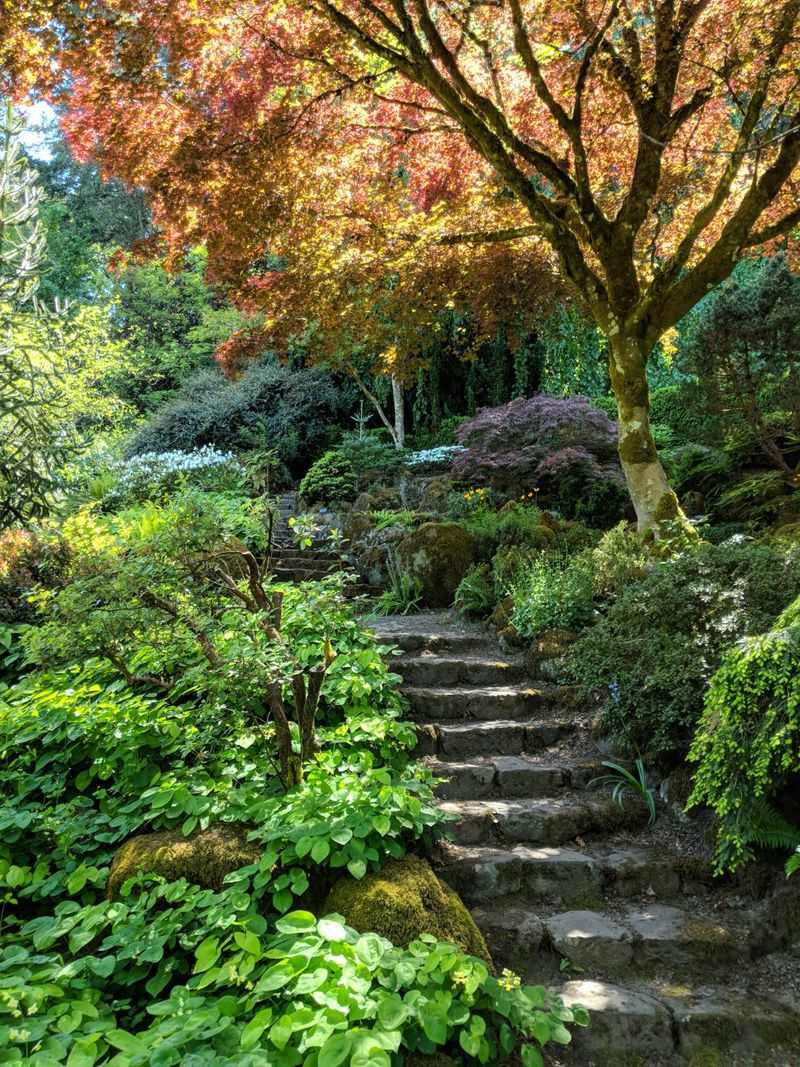
Getting a little lost is part of the deal. The paths here loop, split, climb, and drop, so it is easy to wander into a corner you did not know existed.
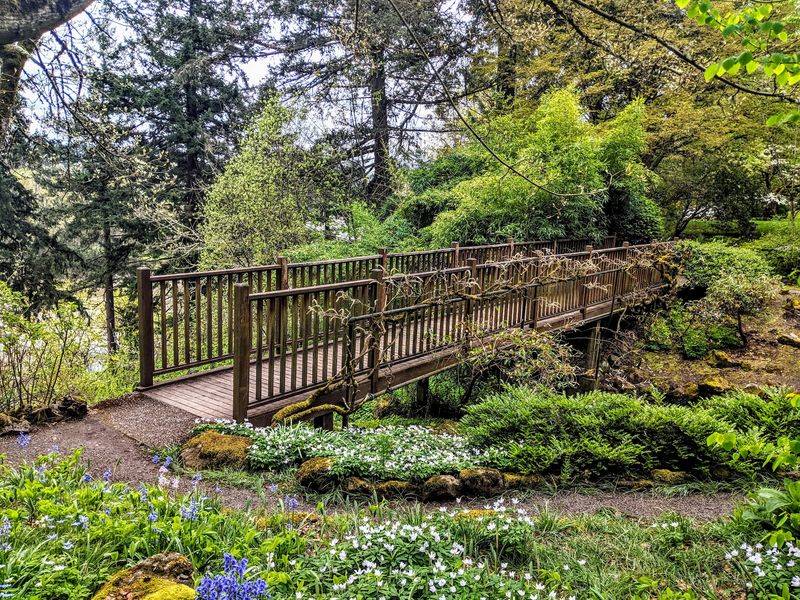
Many walkways are made of stone, and some are pretty narrow. They hug the hillside, slip under heavy branches, and lead down old steps toward the river side of the property. The whole network feels hand-made, because it mostly was.
Now for the honest part. Some stairs are uneven, and a few spots can be slick after rain. Good walking shoes with grip are a smart choice. Leave the flip-flops and fancy shoes at home.
I found it best to start near the house and slowly work my way downhill. That way the river views keep getting better as you go, which feels like a reward. Climbing back up gives your legs a small workout, too.
Take your time. Rushing here misses the point. Slow steps let you notice moss on rocks, tiny blooms between stones, and maybe even a salamander crossing the trail.
Little Wonders in the Rock Garden
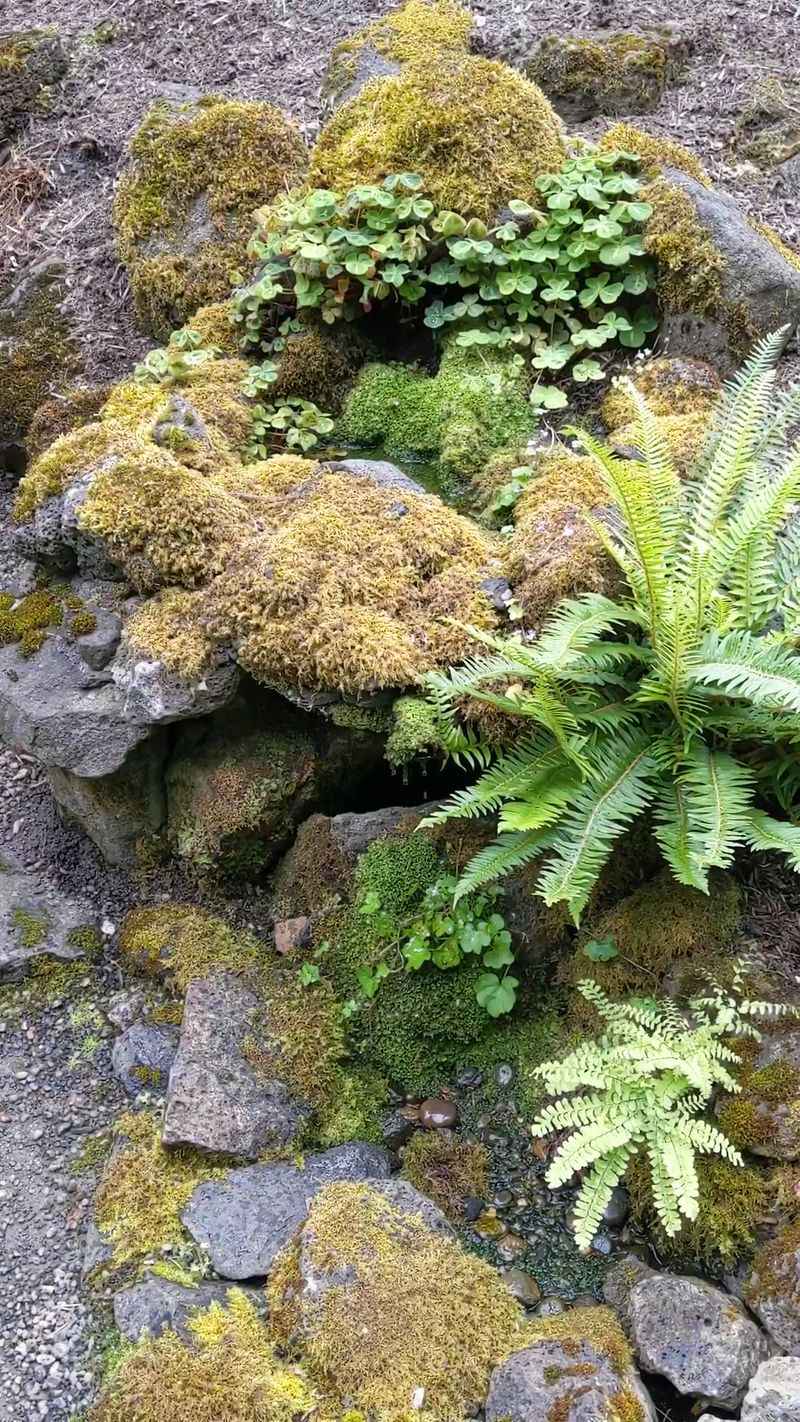
Tiny plants can steal the show. Tucked among the stones are rock garden areas where small, tough little species grow in cracks and gaps.
These plants are built for hard living. Many come from mountains or dry, rocky places, so they like sharp drainage and plenty of sun. Gardeners plant them between stones to copy their natural homes.
The result looks like a miniature landscape, with cushions of green, silver leaves, and pops of bright color.
A crevice garden, where plants squeeze between upright slabs of rock, is especially fun to study. Bend down and look closely. You might notice fuzzy leaves, spiky rosettes, or flowers no bigger than your fingernail.
Here is a cool fact. Rock and stone structures here blend right into the natural hillside, so it can be hard to tell where the old cliff ends and the gardener’s work begins.
If you have a small yard or just a few pots, this area offers great ideas. Rock gardens need little water once established and look interesting all year long.
Every Season Paints It Differently
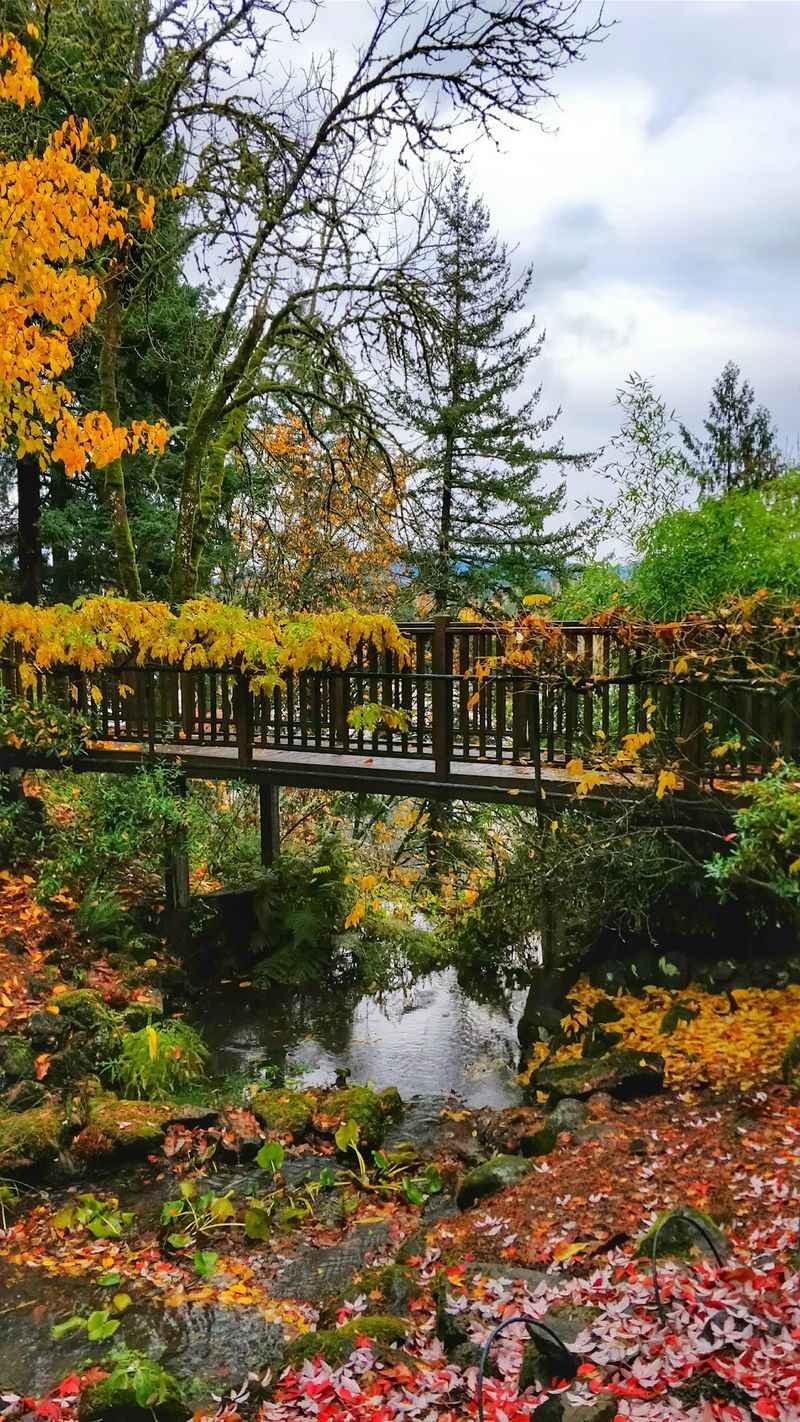
Ask five regular visitors about the best time to go, and you might hear five answers. Honestly, they would all be right.
Late winter brings hellebores, those shy nodding flowers that bloom when almost nothing else dares. Early spring belongs to the magnolias. Then come the rhododendrons and azaleas, splashing pink, red, purple, and white across the hillside in big bold clumps.
Summer feels lush and shady, perfect for escaping the heat under huge old trees. Autumn might be the showiest of all. Leaves turn gold, orange, and deep red, and the river view gets framed in fiery color.
Even winter has charm. Rainy days bring a cozy hush, glossy evergreen leaves, and fewer people on the paths.
Weather shifts bloom times a bit each year, so even repeat visitors notice something new. A shrub you walked past last spring might be covered in flowers this time.
My suggestion is simple. Pick a different season for each visit. You will basically discover four gardens in one place.
Giant Old Trees With Stories to Tell
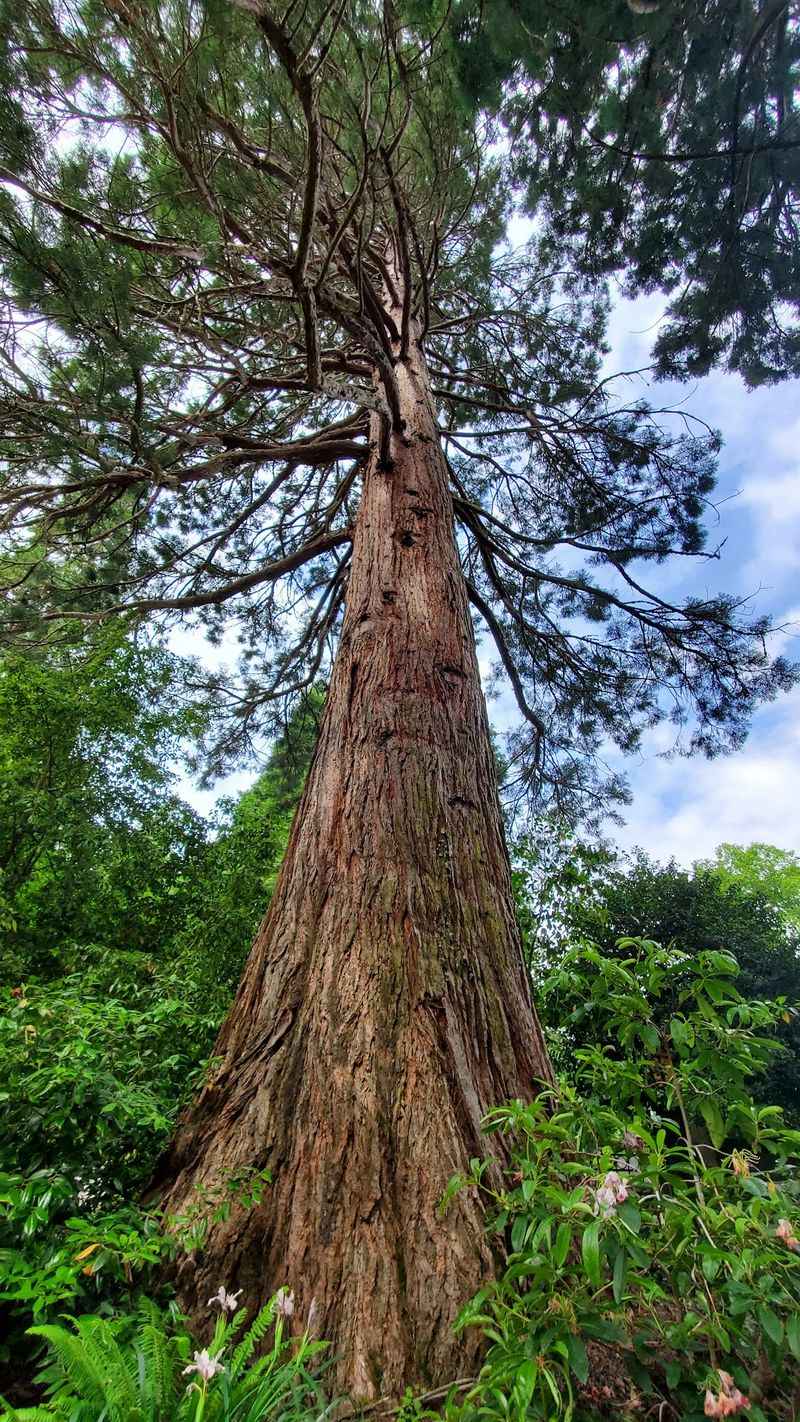
Craning your neck is pretty much required. Some trees here have been growing for around a century, and they tower over the paths like quiet giants. Peter Kerr planted many of them himself long ago, which means you are walking beneath living history.
Big conifers, broad shade trees, and gnarled specimens with twisting branches give the garden its grand, grown-up feel. Their roots grip the hillside and their canopies cool the air on warm days.
The native Pacific madrone is a fun one to look for. Its reddish bark peels away in thin curls, showing smooth, green-gold wood underneath. Kids and grown-ups alike tend to reach out and touch it.
Big trees also make the place feel calm. Their size slows you down. Noise from the outside world seems to fade under all those branches.
Try this. Find a large trunk, stand next to it, and look straight up. It is a small moment, but it shows just how long this garden has been growing and changing.
Garden Manners Worth Knowing
Quiet is the whole point here. Elk Rock Garden is a private estate that welcomes the public, and a few house rules help keep it peaceful for everyone.
Leave the dog at home, since pets are not allowed. Picnics, sports, lawn games, and sunbathing are also off the list. Professional photo shoots and events like weddings are not permitted either. The grounds are meant for calm walks and enjoying plants, nothing more.
Some visitors find the rules surprising at first. After a stroll, though, most people understand why. The hush is what makes the place special.
Plan around a few practical details, too. There are no restrooms or water fountains on site, so take care of that before you arrive. Packing a water bottle in the car is a smart move.
The manor house stays closed to visitors, but the gardens around it are open. Stick to the paths, keep voices low, and let the plants be. Following these simple habits helps protect this gift so future visitors can enjoy it as well.
Planning a Weekday Escape
Weekends are a no-go, and that is actually kind of nice. The garden opens Monday through Friday from 8 AM to 5 PM and stays closed on Saturdays and Sundays.
That schedule keeps crowds small. A Monday or Tuesday morning can feel almost private, with only a couple of other walkers drifting by. If you work weekdays, think about taking a long lunch or a vacation day.
Plan on about an hour, maybe more if you love reading plant labels. The grounds cover roughly thirteen acres, which is bigger than many people expect.
GPS will get you there, though the turn into the lane can feel a little hidden. Drive slowly and watch for the entrance. The friendly garden staff are often working on the grounds and can share fun facts if you ask politely.
Wear comfy shoes, bring water, and leave your schedule loose. You can find this peaceful spot at 11800 S Military Ln, Portland, OR 97219, tucked into a quiet neighborhood near Lake Oswego.
