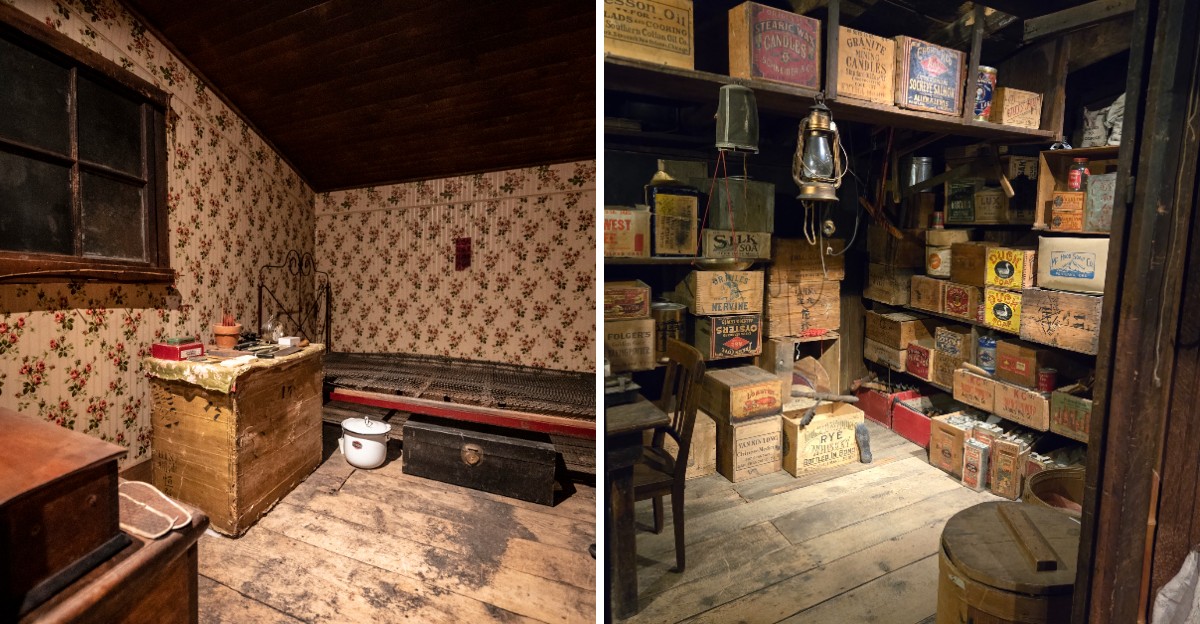
A tiny stone building in eastern Oregon holds more than 500 herbs left on the shelves by a beloved frontier herbal doctor. Then someone locked the door and nobody touched it for about twenty years.
When the doors finally opened again, the place looked almost exactly like the late 1940s. Tins of tea, letters, ledgers, and clothes were still right where their owners left them.
I love that this isn’t a re-created scene built by a museum team. Two Chinese immigrants actually lived, worked, and healed people inside these walls for decades, right in the middle of gold rush country.
I can’t think of many places in the Pacific Northwest where history feels this untouched.
A Golden Name Hangs On A Very Humble Little Building
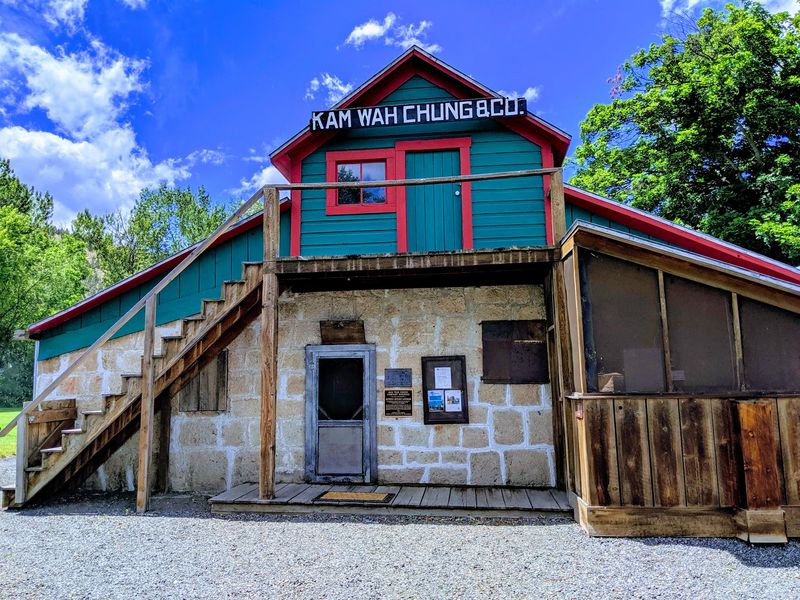
Golden Chinese Outpost. That’s one loose translation of the name over the door at Kam Wah Chung State Heritage Site, and another version reads Golden Flower of Prosperity.
Either way, it’s a big name for a small building. The structure is tiny and unassuming, the kind of place you could drive past without a second look.
Its story began around 1865 or 1866. Historians believe it first served as a trading post or possibly a stage stop along The Dalles Military Road.
Back then, that road carried travelers, freight, and fortune seekers across eastern Oregon. Gold had been found along the John Day River and Canyon Creek, and people poured in hoping to strike it rich.
Many of those newcomers were Chinese miners and workers. In fact, John Day once had one of the largest Chinatowns on the West Coast, which surprises plenty of folks today.
So this modest stop sat right in the middle of a booming, busy frontier world. The real magic, though, started when two new owners took over the business in 1888.
I like that the building never tried to be fancy. Its importance came from the people inside, not from grand columns or a flashy front.
Somebody Locked The Door And Time Simply Stopped
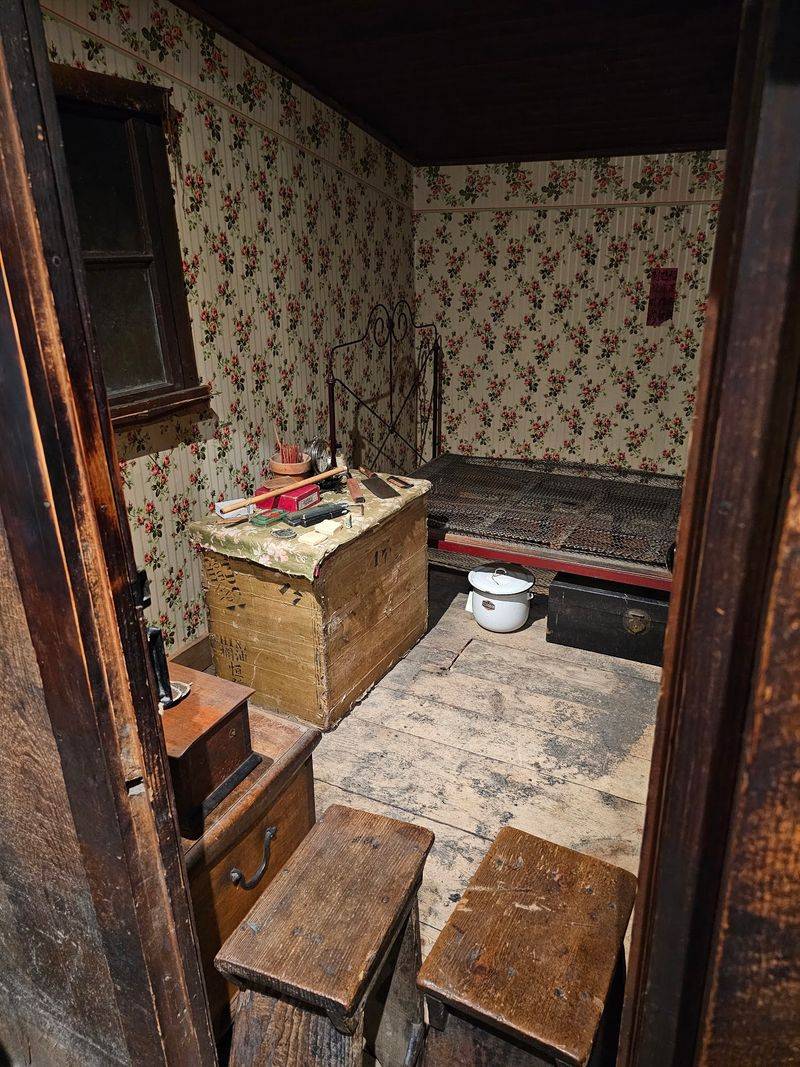
In 1948, an injury forced Doc Hay to move to a nursing home. He never returned, and the building was locked up tight.
Then nothing happened for about twenty years. No cleanup crew, no yard sale, no remodel, just a quiet building holding its breath.
The big rediscovery came in the late 1960s or early 1970s. The City of John Day was searching for land for a new city park and found far more than an empty lot.
Inside sat a nearly perfect snapshot of the 1940s. Furniture, clothing, trading supplies, household items, financial records, and personal letters were still in place.
Why didn’t everything crumble? Eastern Oregon’s dry climate helped a lot, and so did the limited light that reached inside.
That combination kept paper from rotting and fabric from fading too badly. Pretty lucky for a building with no curator on duty for two decades.
Today, the rooms still look much as they did when Doc Hay left. That’s why the word time capsule gets tossed around so often, and honestly, it fits better than almost any other description.
More Than 500 Herbs Still Wait Inside Doc Hay’s Apothecary
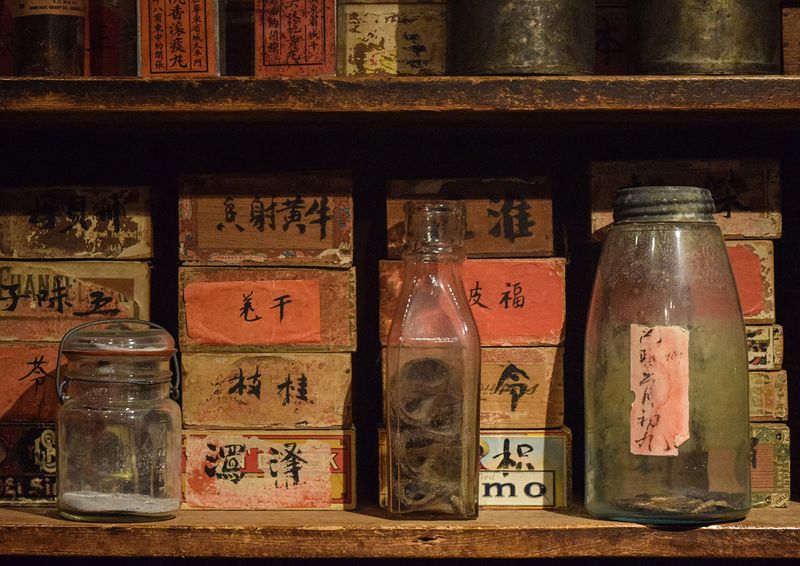
About 500 medicinal ingredients remain preserved in Doc Hay’s apothecary, including herbs, minerals, insects, and animal-based substances used in traditional Chinese medicine.
Kam Wah Chung holds the largest intact collection of traditional Chinese medicine and formulas in the world. Researchers are still studying it today.
Think about that for a moment. A small town in eastern Oregon quietly guards a collection that experts across the globe find valuable.
Doc Hay used these herbs to treat patients for decades. His reputation spread well beyond the Chinese community, and plenty of non-Chinese neighbors sought his help too.
Old tin and wood containers still line the shelves. Some hold medicinal products, while others contain teas and foodstuffs from the store side of the business.
Seeing them in their original spots tells you a lot about daily life back then. Every jar was part of someone’s routine, someone’s recovery, or someone’s worry.
I find it amazing that the collection stayed together at all. So many old medicine shops vanished without a trace, but this one survived with its drawers, labels, and mysteries mostly intact.
Seven Rooms Pack In A Whole Way Of Life
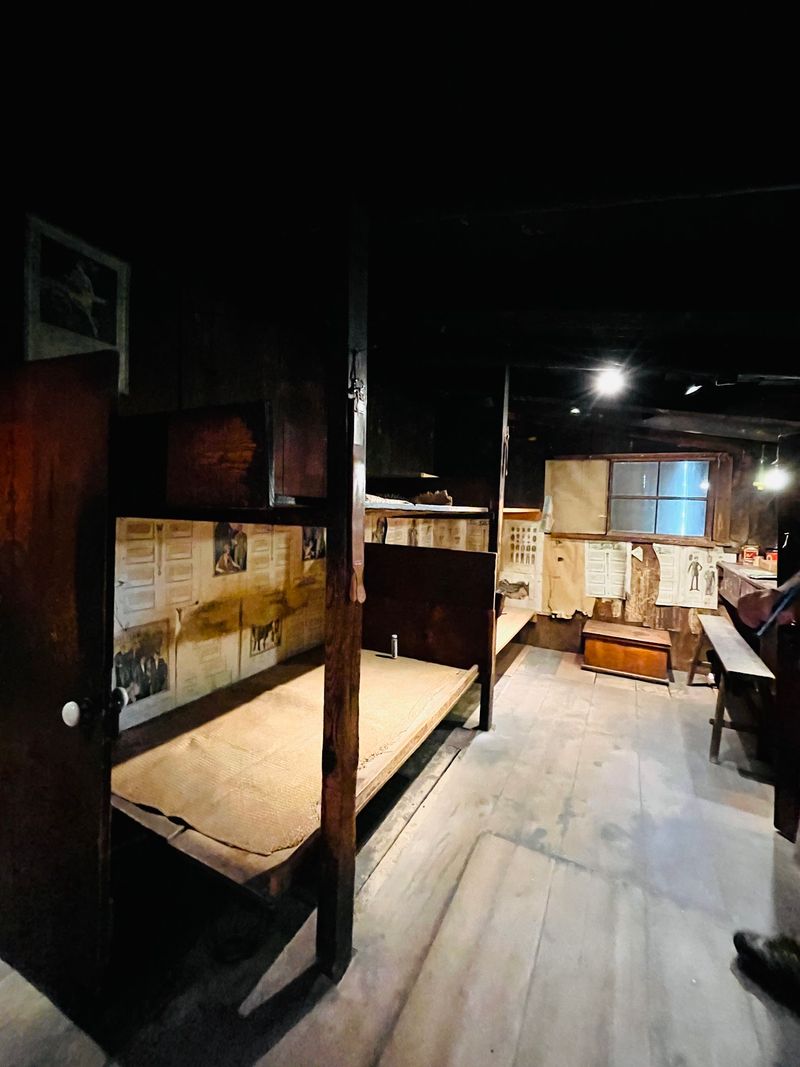
Small building, big life. The structure holds seven rooms, and each one shows a different side of how Doc Hay and Lung On lived and worked.
You’ll find bedrooms, a bunk room, and a kitchen. There’s also a general store area, a stockroom, and of course Doc Hay’s apothecary.
The building grew over the years as needs changed. A second floor and a new wing were added, turning a simple trading post into a full home and business.
Chinese epigrams appear on surfaces throughout the interior. These short written sayings add personality and remind you whose home this really was.
Paper lovers, pay attention here. The site contains one of the largest collections of primary Chinese documents in the United States, and possibly in North America.
That includes letters and financial records belonging to the two men. Those papers give historians a rare, firsthand look at Chinese immigrant life on the frontier.
The bunk room hints at how many people passed through over the years. It wasn’t just two partners living here, since the building also housed others in the community at different times.
Two Unlikely Business Partners Turned A Store Into A Lifeline
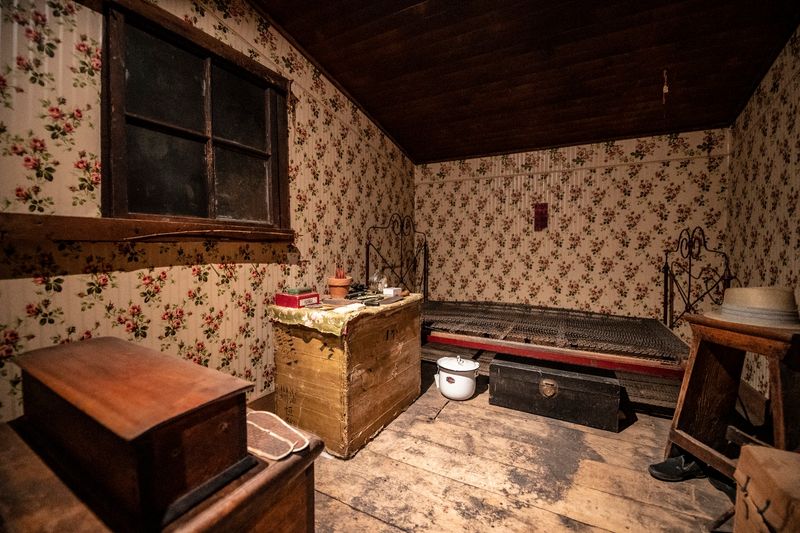
Ing Hay and Lung On made a fascinating team. Both were Chinese immigrants, and in 1888 they took over the business that would make them famous in Grant County.
Ing Hay became known around town as Doc Hay. He practiced traditional Chinese herbal medicine and treated patients from many different backgrounds.
Lung On was the business brain of the pair. He spoke both Chinese and English fluently, which made him a valuable bridge between communities.
Together, they turned the building into far more than a shop. It worked as a clinic, a general store, a post office, a library, and a gathering spot.
It even served as a religious center. A Buddhist shrine was moved there in 1900, giving the community a place for worship and reflection.
For roughly 50 to 60 years, people in eastern Oregon relied on this little place. Chinese miners came for news and supplies, and neighbors of all kinds came for remedies.
Lung On passed in 1940, and Doc Hay kept the apothecary running until 1948. I believe their partnership is the heart of why this spot still feels so personal today.
Thick Stone Walls Earned A Spot Among Oregon’s Elite Landmarks
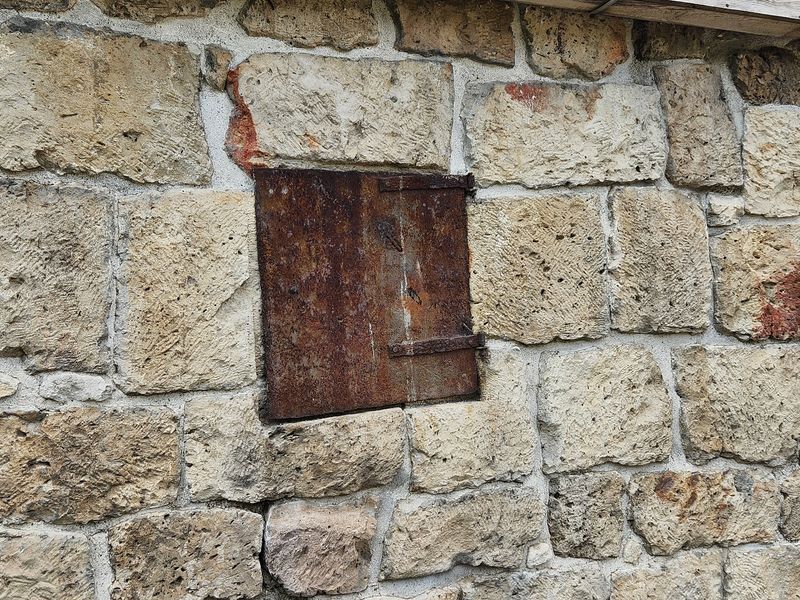
Only 17 places in Oregon hold National Historic Landmark status. Kam Wah Chung State Heritage Site is one of them, which puts this little building in seriously exclusive company.
The honor came in 2005. Long before that, in 1973, the site was listed on the National Register of Historic Places.
Look closely at the outside and you’ll spot sturdy stone masonry. Those walls helped protect everything inside through long winters and hot, dry summers.
The building doesn’t shout for attention. Still, its rough stone and simple lines carry a frontier toughness that matches the gold rush era perfectly.
National recognition matters for more than bragging rights. It highlights the role Chinese immigrants played in building the American West, a story often skipped in history books.
The Oregon Parks and Recreation Department now manages the site as a public museum. Their care keeps the building and its contents protected for future visitors.
I appreciate how the landmark status shines a light on two everyday business owners. They weren’t presidents or generals, yet their home became one of the most significant historic places in the entire state.
Grab A Tour Spot Fast Because Only Eight People Fit
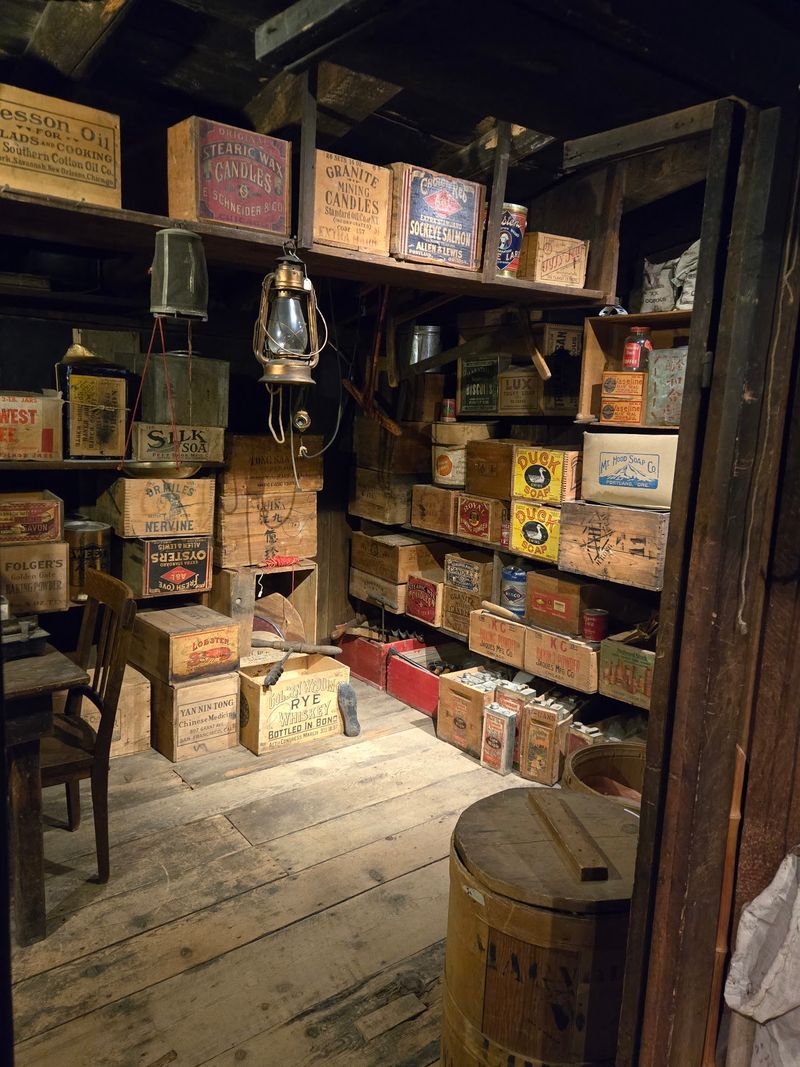
Eight people per group. That’s the limit for tours of the historic building, so planning ahead really pays off here.
The only way inside is with a guided tour led by park staff. Tours start at the top of each hour, and the last one begins at 4 p.m.
They run seven days a week during the season. Advance reservations are highly advisable, especially if you’re traveling with family or friends.
Here’s a nice bonus for your wallet. Admission is free, though donations are appreciated to help support the site.
Leave your camera in your pocket once you’re inside. Photography is allowed inside the historic museum building, but flash photography is prohibited to help protect the fragile collection.
Honestly, that rule might be a blessing in disguise. Without a screen in front of your face, you can soak up every shelf, label, and tin can.
Small groups also mean you can actually hear the guide and ask questions. In a space this snug, a crowd of thirty would be pretty uncomfortable for everyone, including those century-old herbs.
Start Your Visit At The Interpretive Center Across The Street
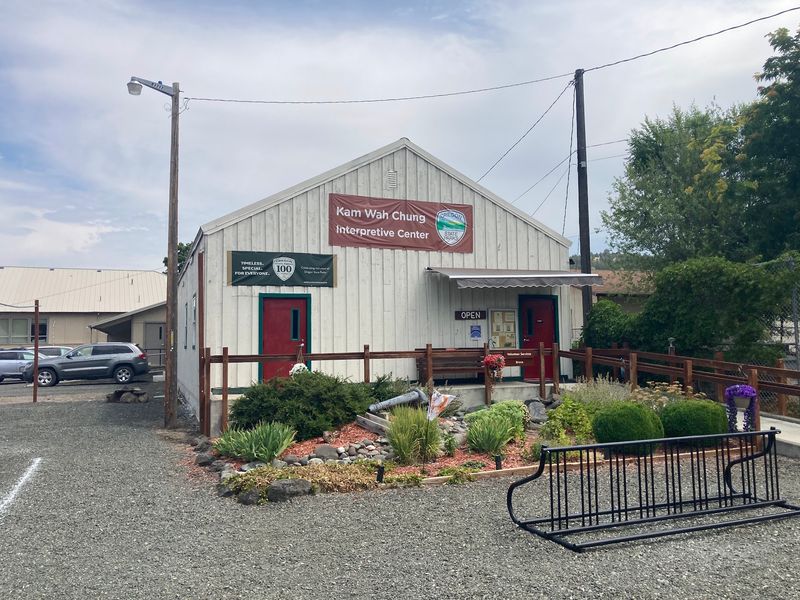
Before the old building comes the new one. An ADA-accessible interpretive center sits across the street and offers a great introduction to the whole story.
Inside, exhibits, educational panels, and videos explain the lives and times of Doc Hay and Lung On. It’s a smart way to get your bearings before the tour.
The center is open daily from 9 a.m. to 4 p.m. during the operating season. That season runs from May 1 through October 31 each year.
You’ll find the site at 125 NW Canton St, John Day, OR 97845. Restrooms and parking are available, which any road tripper can appreciate.
Traveling with a dog? Leashed pups are welcome outdoors on the grounds, but only service animals may go inside the buildings.
Shopping for a souvenir works a little differently here. The gift shop sits at the nearby Grant County Chamber of Commerce building on Main Street.
I like that the center gives everyone a way to connect with the story. Even if tour spots are full, you can still learn plenty about these two remarkable Oregon business partners.
River Water, Ancient Fossils, And Campsites Sit Close By
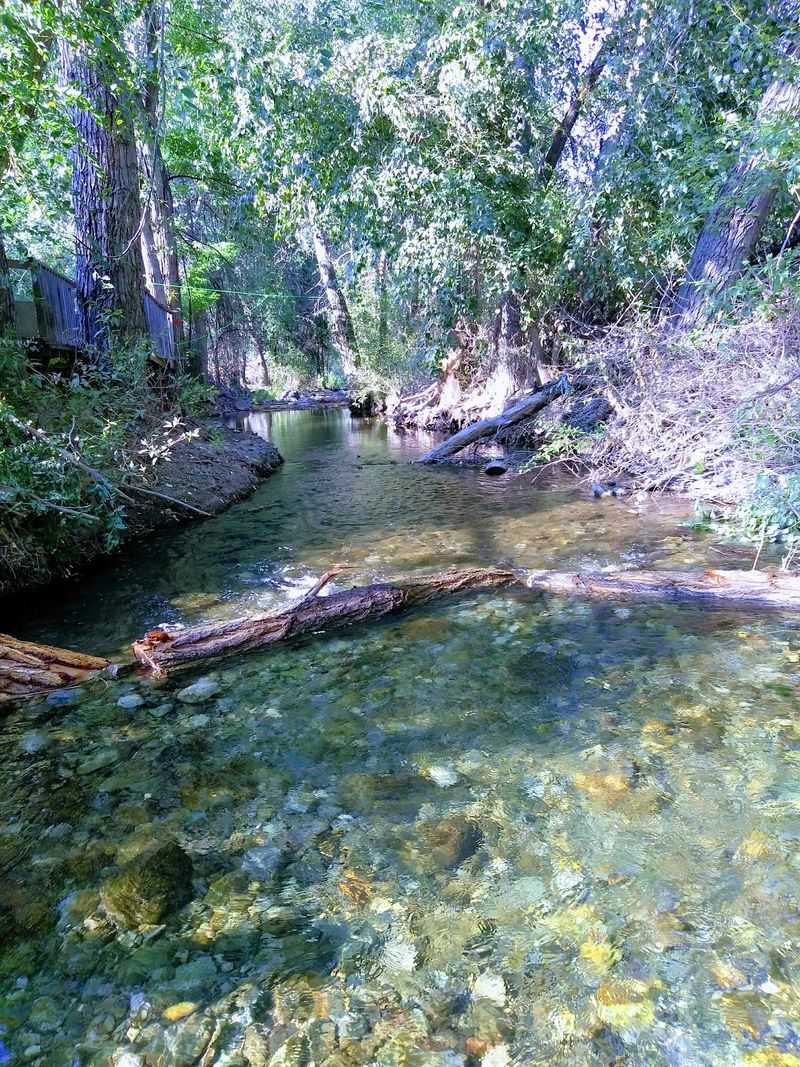
Gold first drew people here, and water made it possible. The John Day River and Canyon Creek flow near town, the same waterways that once fueled the mining boom.
After your tour, explore the nearby park or continue discovering John Day’s historic downtown, as the town’s former public swimming pool was demolished in 2022. Kids who’ve been patient through a history lesson might appreciate a splash.
History fans can keep going at the Grant County Historical Museum. It sits about a mile away and adds more local stories to your day.
Want to stretch out by the river? Clyde Holliday State Recreation Site is roughly 8 miles away, offering camping, picnicking, and wildlife viewing along the John Day River.
For something truly old, head about 30 miles to the Sheep Rock Unit of John Day Fossil Beds National Monument. Those fossils make Doc Hay’s herbs look brand new.
Put it all together and you’ve got a solid eastern Oregon road trip. Frontier history, river scenery, and ancient landscapes all fit within a short drive.
I can’t think of a better reason to slow down in this part of the state. One tiny building opens the door to a whole region worth exploring.
