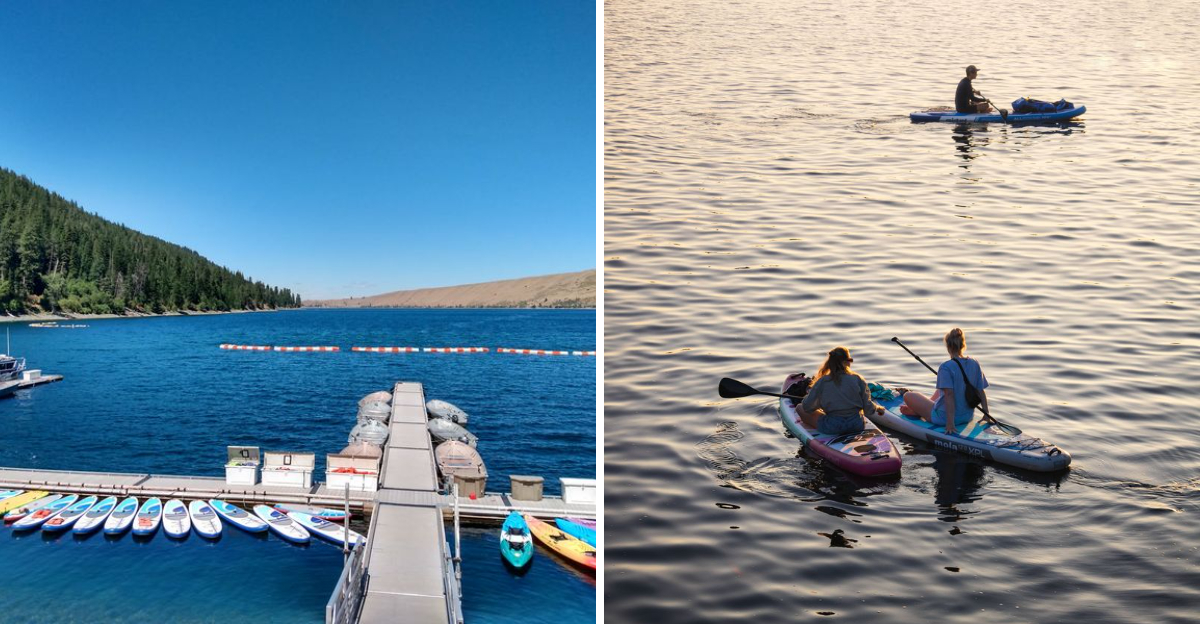
Swimming here used to mean worrying about cold water and crowded docks. Lately, something else has locals and visitors thinking twice before wading in.
Snakes have been showing up along the shoreline in numbers nobody expected a few years ago. Some visitors shrug it off entirely, snapping photos instead of running. Others won’t get within ten feet of the water anymore, no matter how nice the weather looks that day.
Oregon summers usually bring peaceful lake days, paddleboards drifting lazily across calm water. This particular shoreline complicates that image a little more each season.
Wildlife experts have theories about why numbers keep climbing here specifically, though nobody’s offering guarantees anytime soon. Oregon’s natural beauty rarely comes with a catch this literal. Enter the water here fully informed.
Rocky South Beach Where Garter Snakes Sunbathe
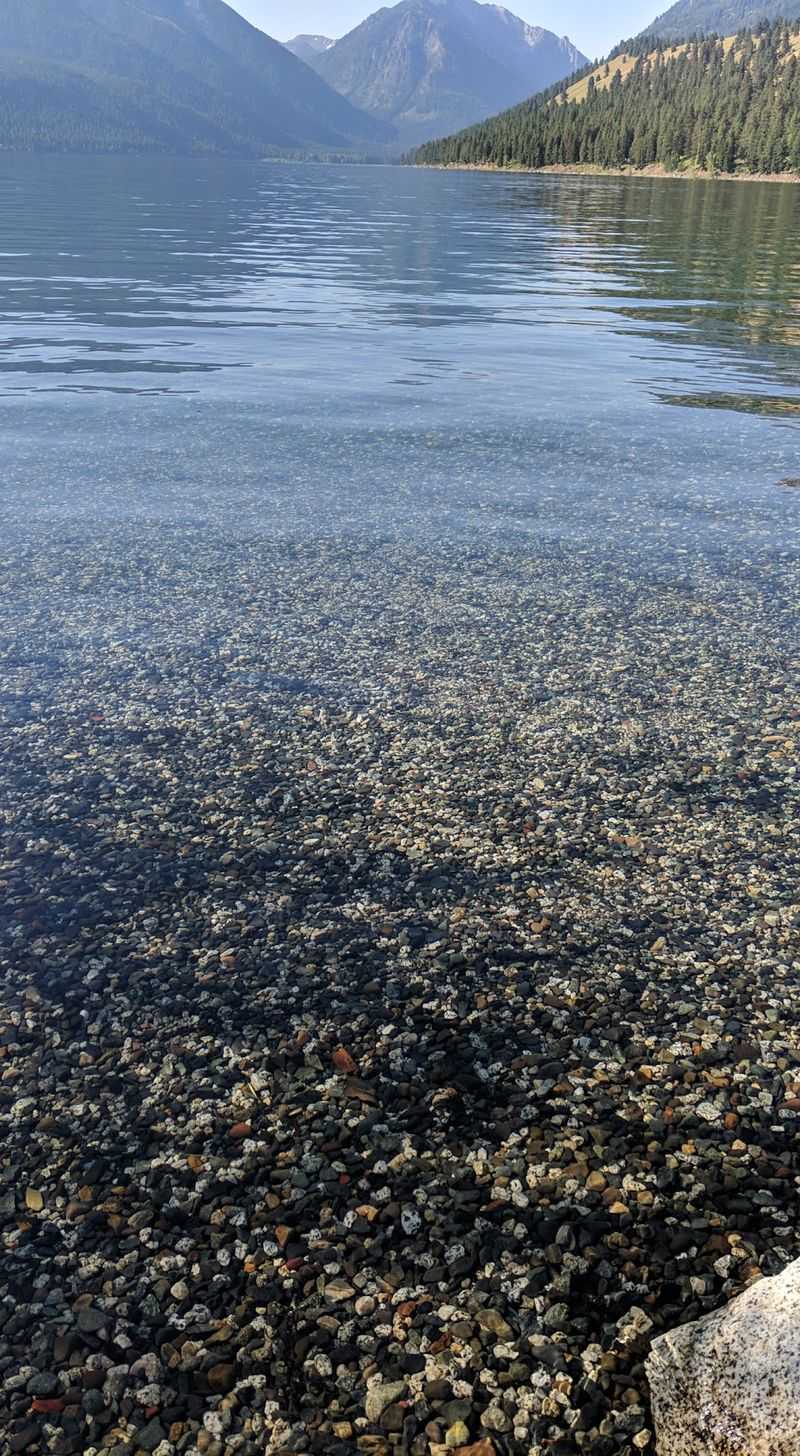
Sunlight bouncing off the gravel at the south end of the lake creates a warm little strip that snakes seem to love. Common garter snakes stretch out between stones, soaking up heat before slipping away when footsteps get close.
Most sightings last about two seconds. A quick ripple through the pebbles, then nothing.
The south beach sits near the state park and boat launch, so foot traffic stays steady all summer, which means these reptiles have grown used to sharing space with swimmers and picnic blankets. Nothing here is aggressive, and garter snakes have no interest in people at all.
Scanning the ground before setting down a towel solves nearly every awkward encounter. Kids tend to be thrilled rather than frightened once someone explains that the striped ones eat fish, tadpoles, and slugs.
Early afternoon brings the most activity, when the stones hold the day’s heat and the breeze off the water stays light. Late in the day, the beach belongs to swimmers again.
Photographers love the contrast of dark stripes against pale glacial gravel. Keep a respectful distance and the shot still works beautifully.
Harmless Swimmers That Look Scarier Than They Are
Something S-shaped cutting across the surface near the shallows is usually a garter snake heading toward the next warm rock. Swimming comes naturally to them, and they move with a tidy little wiggle that looks far more dramatic than it is.
Oregon garter snakes are not venomous. They hunt small fish, frogs, and insects, which is exactly why a clear lake full of trout fry suits them so well.
Panic tends to spread faster than the snake does. Someone shouts, the beach empties, and the animal disappears under a ledge long before anyone gets a good look.
Staying still is the easiest response, since a snake in the water wants distance just as much as any swimmer does. Give it a wide lane and it vanishes.
For anyone curious, the striped patterns vary quite a bit, from olive green with yellow lines to darker brown with faint markings. Field guides for eastern Oregon help sort them out.
Learning to recognize the local species takes the edge off every future sighting, and it turns a nervous moment into something closer to a nature lesson.
Water Shoes Might Be The Smartest Thing In The Bag
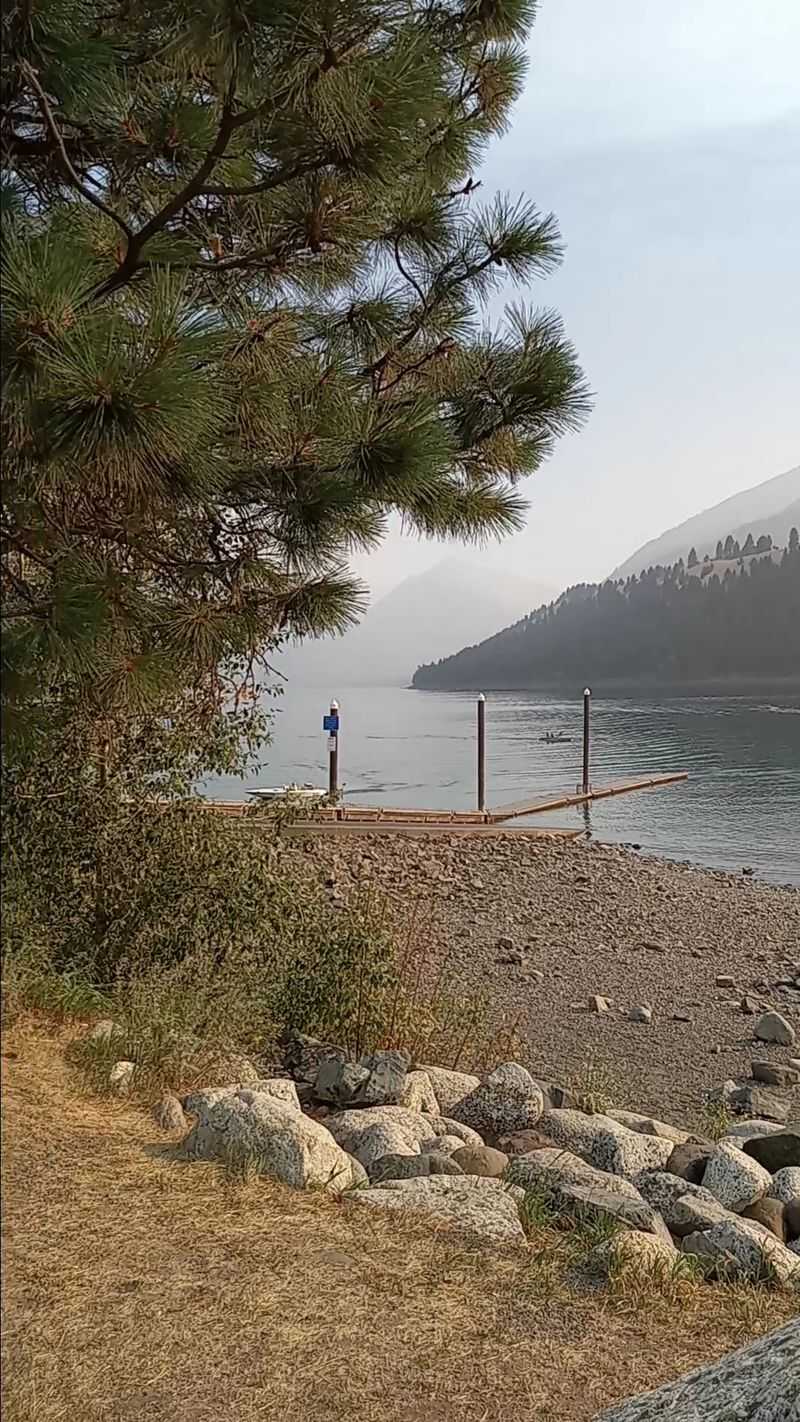
Gravel along the southern shoreline is rounded, slick, and surprisingly hard on bare feet. Sturdy water shoes make wading comfortable, and they add a layer of confidence when stepping between rocks where snakes like to rest.
Snakes shelter in the gaps between stones, especially where the sun hits hardest. Shoes mean nobody has to guess what is under a foot before it lands.
Grip matters too, because the lake bottom drops off gradually and the pebbles roll underfoot. A closed-toe pair beats flip-flops every time. For a light packing list, two items go a long way, water shoes for the shore and a quick-dry towel for the rocks.
Anyone planning to fish from the bank will appreciate them as well, since the best spots sit where the creek meets the lake and the footing turns uneven. Kids can explore along the edge without slicing a heel. Adults get to relax instead of hovering.
Keep the shoes handy on the boat too, because gravel beaches on the far side of the water invite the occasional stop.
Clear Water That Shows Off Fish And Their Predators
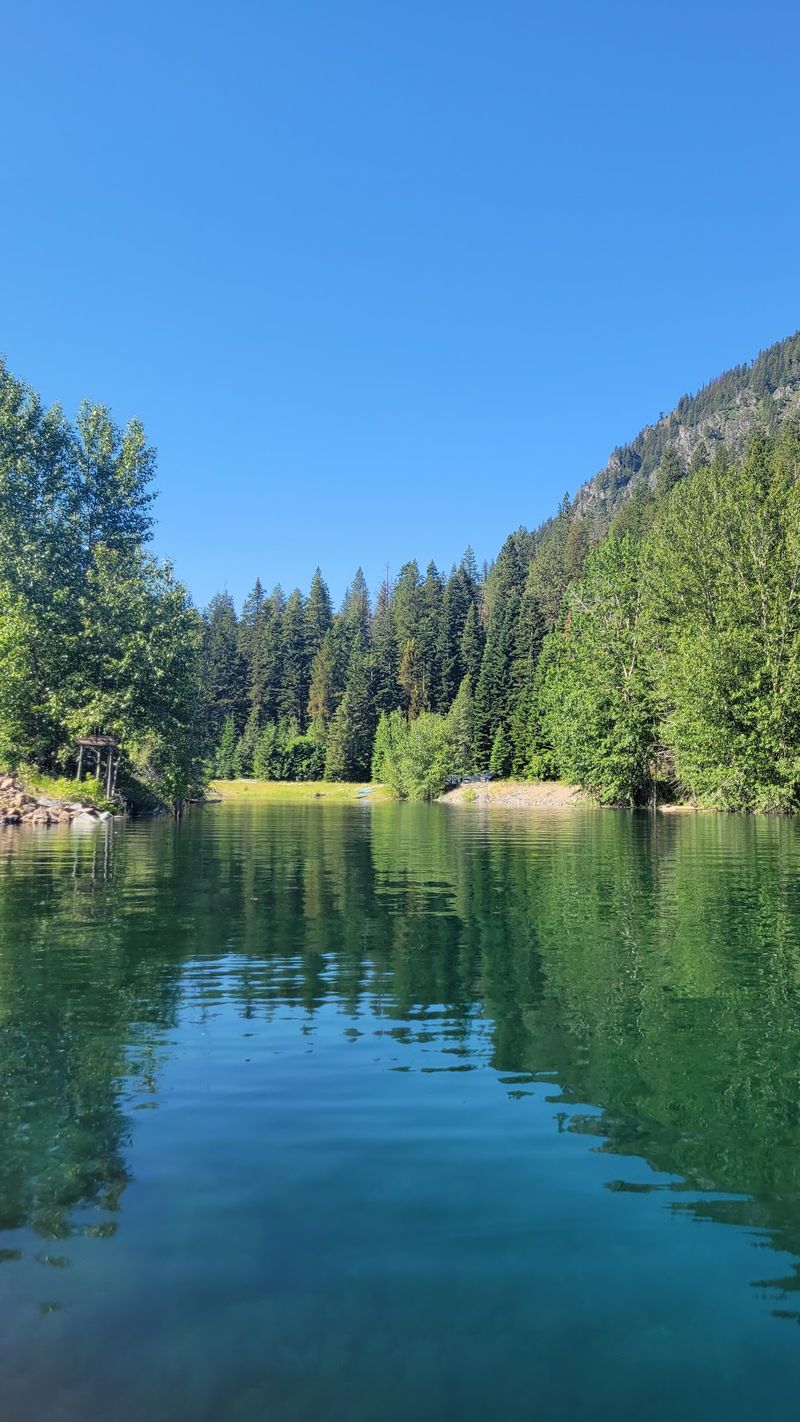
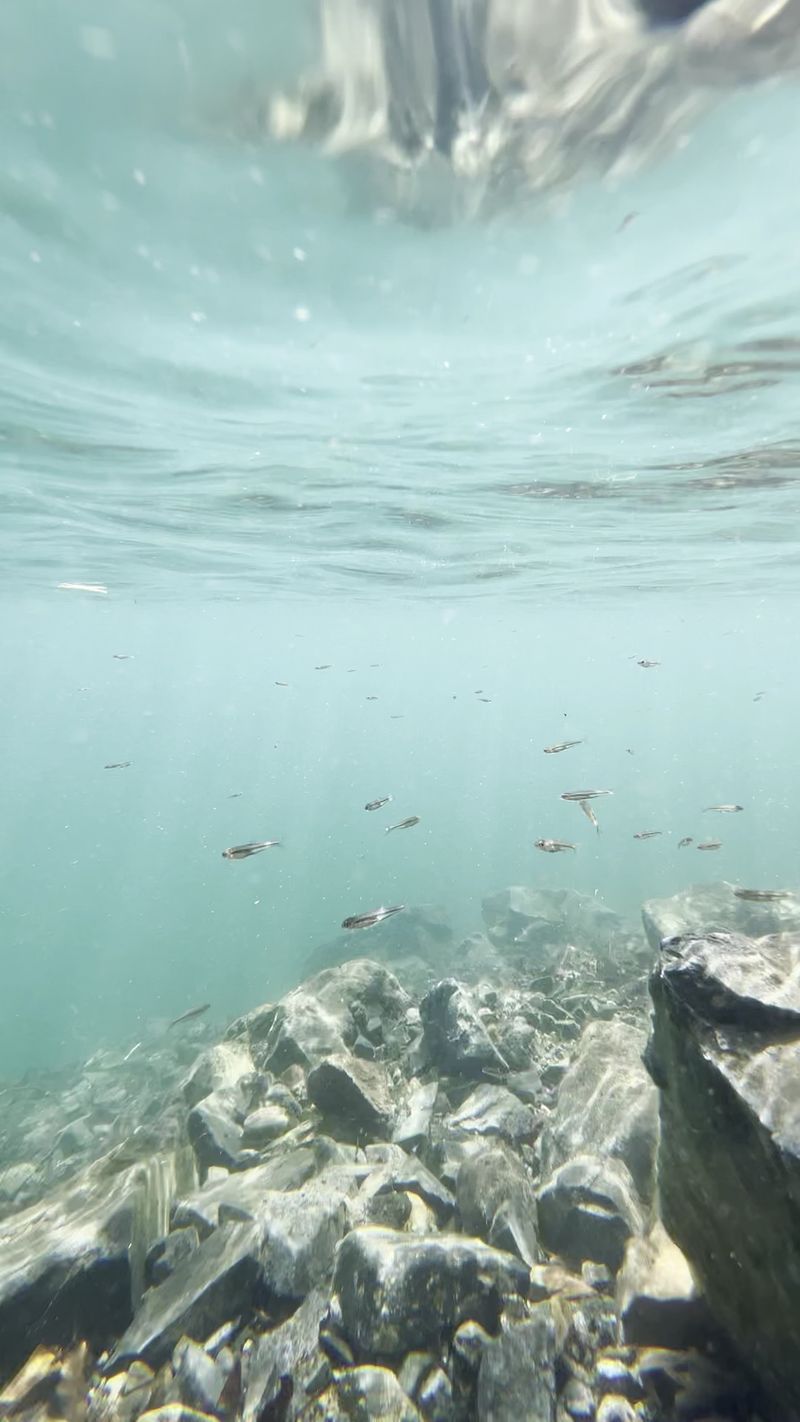
Visibility here is unusual for a mountain lake, with a gravel bottom and glacial melt that keeps the water almost startlingly clear. Trout are visible under a drifting boat, and so is the occasional snake hunting the shallows.
Watching that happen changes how the shoreline feels. It stops being scenery and starts looking like a working ecosystem.
Garter snakes patrol the edges for minnows and amphibians, which ties their numbers directly to how healthy the shallows are. A shore with more snakes usually means a shore with plenty of food.
Bring polarized sunglasses for the best view, especially in morning light before the wind picks up. Around midday, surface glare hides almost everything. Snorkeling near the swim areas reveals a different angle, though the water stays cold enough to cut a session short.
Anglers often spot fish before catching them, which makes the mouth of the creek near the campground a favorite place to cast. Even standing on a dock, the shadows moving below give away exactly who lives where. It is quietly fascinating.
Camping At The State Park With Wildlife Close By
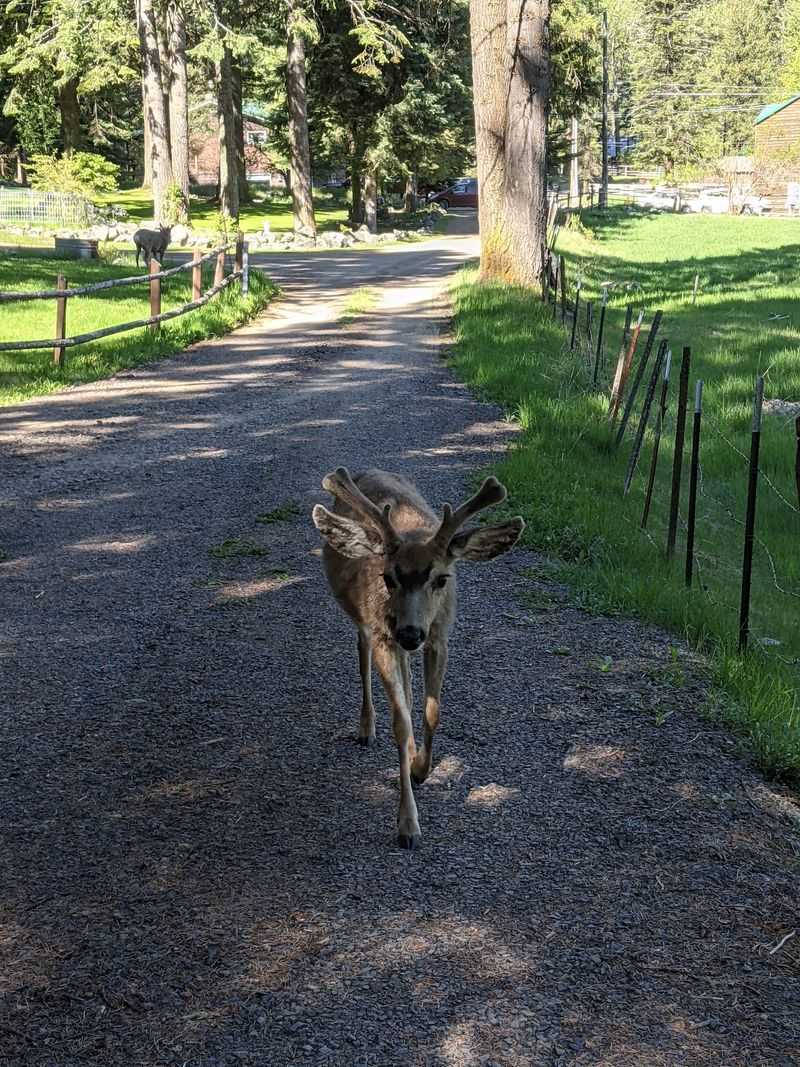
Cell service inside the campground fades in and out, which turns out to be part of the appeal. Evenings go quiet, deer wander through the loops, and the shoreline stays busy with small creatures long after the boats come in.
Garter snakes show up around fire rings and log edges, usually in the warmest part of the afternoon. They move on quickly. Storing food properly matters more than worrying about reptiles, since black bears live in the surrounding mountains and have been spotted near camp.
Keeping tent doors zipped, shaking out shoes, and checking under camp chairs covers nearly every surprise. Simple habits, big payoff.
Deer at the park have grown comfortable around people, though approaching them is still a bad idea. Wild animals stay unpredictable no matter how relaxed they look.
Sites near the water fill fast in July and August, so reservations well ahead of time save a lot of stress. Sunrise over the lake from a campsite is worth every early alarm, especially when mist sits on the surface.
Rattlesnake Country Begins Lower Down In The Canyons
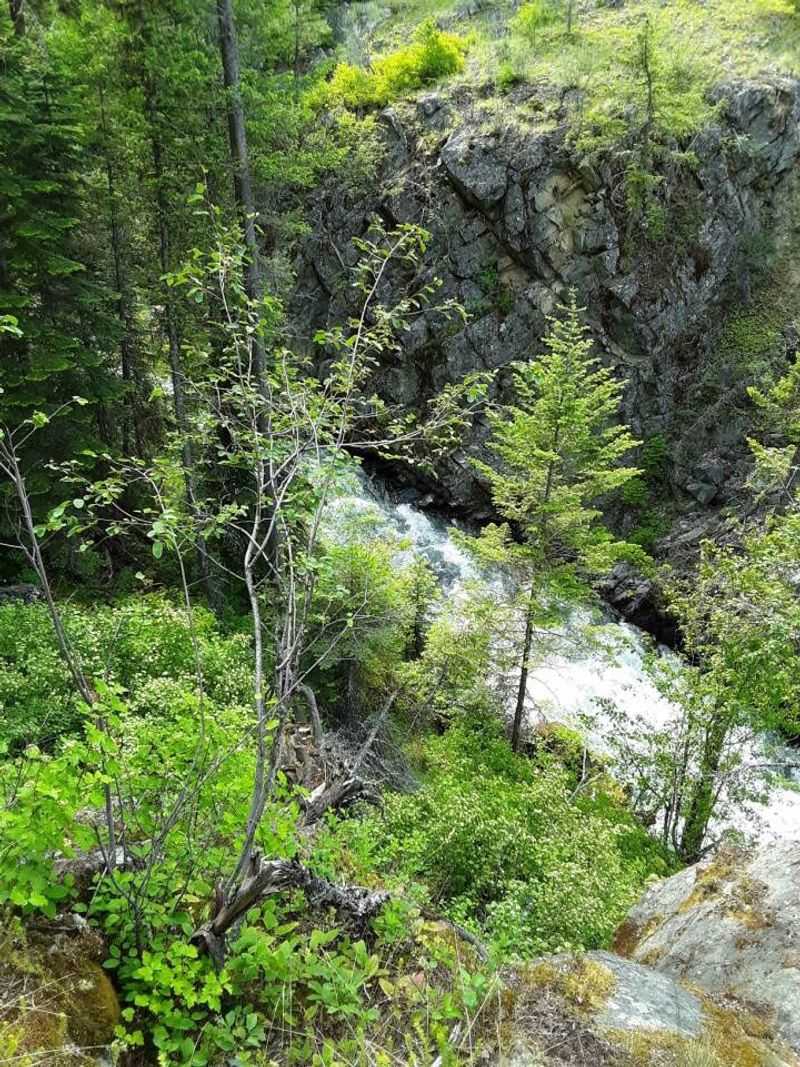
Higher elevation around the lake keeps the shoreline free of the species most hikers worry about. Rattlesnakes do live in Wallowa County, but they favor the hot, dry canyon country at lower elevations rather than the cool lakeshore.
Drives toward Hells Canyon and the Imnaha area pass through very different terrain. Rocky slopes, sagebrush, and long afternoons of sun. Watch footing on those trails, stay on open paths, and listen before stepping over ledges or into tall grass.
Boots with ankle coverage help on canyon hikes, and a walking stick gives a little extra warning ahead of each step. Around the lake itself, sightings involve harmless species, which is why the shoreline reputation can sound more dramatic than reality.
Knowing the difference makes planning easier, because one trip can include a calm paddle in the morning and a canyon overlook in the afternoon. Carry water on those lower routes, since heat builds quickly and shade is scarce. Cooler mornings suit both hikers and wildlife.
Back at the lake, the temperature drop after sunset feels like a different season entirely.
Riding The Tramway For A View Above The Shoreline
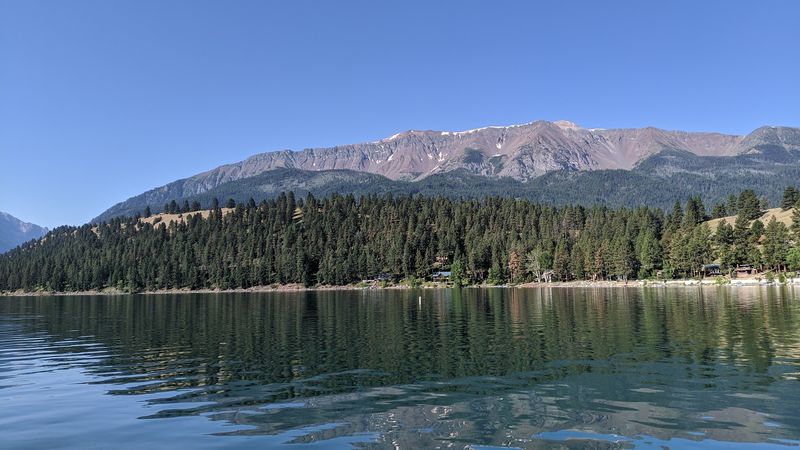
Gondola cabins climb the slope above the lake and reach the top of Mount Howard, where the whole valley opens up. From up there, the shoreline looks like a thin blue ribbon tucked between ridges.
Trails at the summit are short, well marked, and easy to string together. Views stretch toward the Eagle Cap Wilderness and the surrounding peaks. Bring a jacket even in July, because wind at elevation cuts through a t-shirt fast.
Snakes are not really a concern on the summit loops, though rocky ledges anywhere in the Wallowas can hold sun-warmed surprises. The ride takes a while, so anyone uneasy about heights should plan for the middle seat and a good distraction.
Food service and picnic spots wait at the top, making a mid-hike break simple. Morning trips usually offer the clearest air, before afternoon haze settles over the ridgelines. Cameras stay busy the entire way up.
Find the tramway at 59919 Wallowa Lake Highway, Joseph, OR 97846, just past the south end of the lake.
Paddling The Shoreline For A Low Angle Look
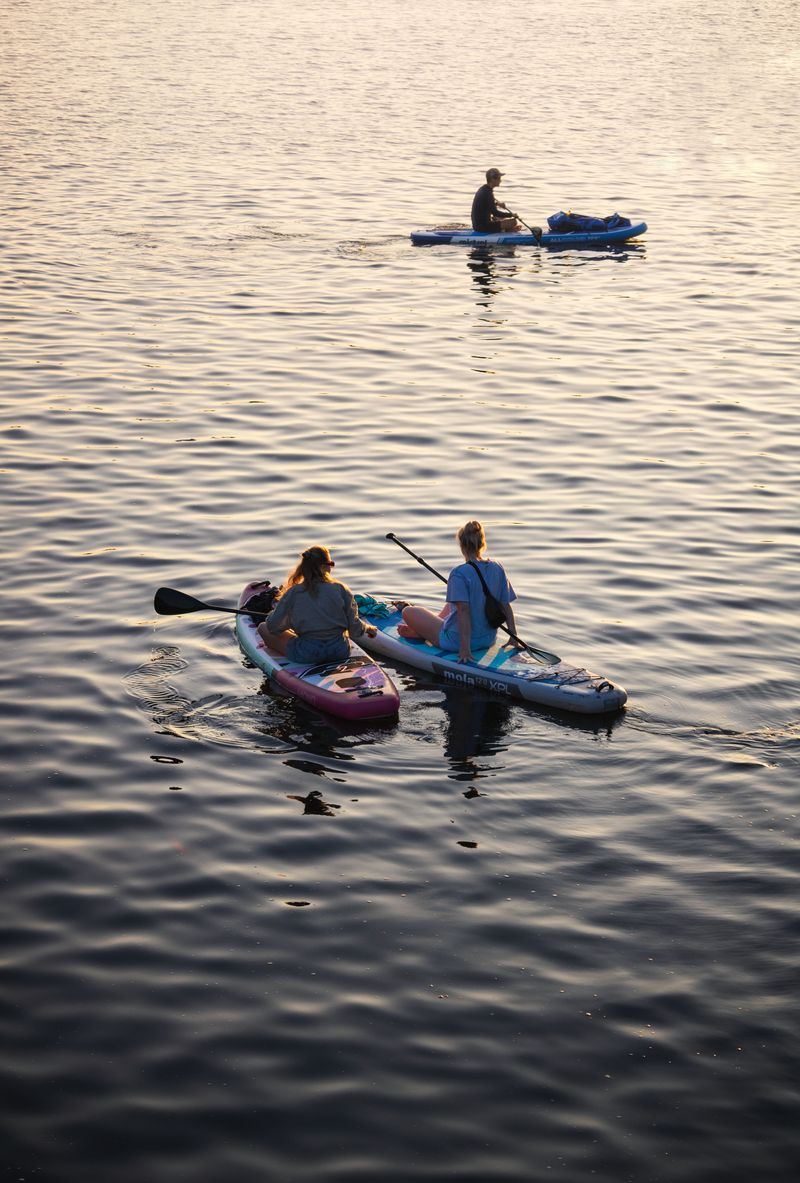
Kayaks and paddleboards sit low enough that the shoreline reveals its details, from submerged logs to rocks where snakes stretch out. Rentals operate at both ends of the lake, and mornings tend to bring glassy conditions.
Hugging the bank turns a paddle into a wildlife tour. Ospreys, ducks, deer at the water’s edge, and the occasional ripple that turns out to be a swimmer with stripes. The water runs deep, roughly three hundred feet toward the middle, so a life jacket stays non-negotiable.
Wind can build in the afternoon and push paddlers toward the far shore, which makes early starts smart. Snakes in the water pose no danger to a paddler, and they usually dart under cover the moment a hull glides by.
Slow strokes work better than sudden ones if the goal is watching rather than covering distance. Boat rentals and pontoons fill up on holiday weekends, so booking ahead beats standing at the dock hoping for a cancellation.
Cold water is the real thing to respect here, not reptiles. Dress for a swim, planned or not.
Joseph, The Small Town Just North Of The Water
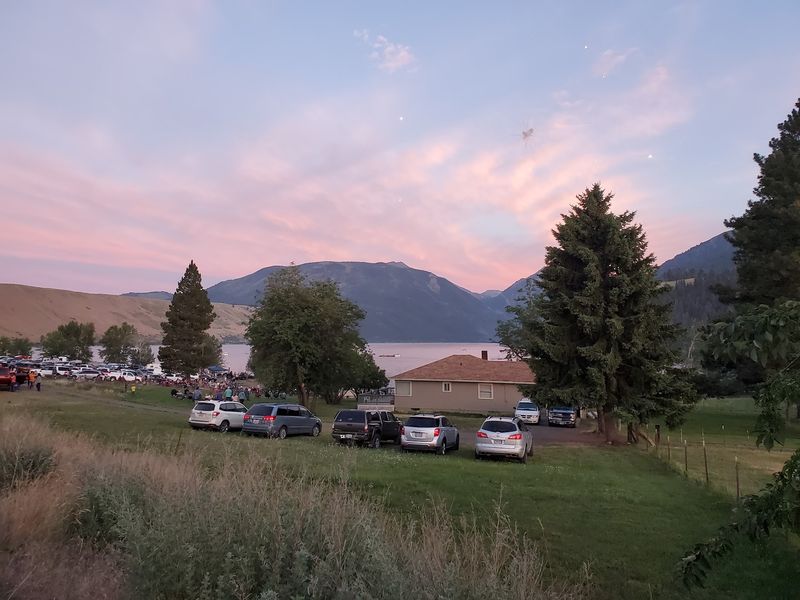
A mile or so north of the lake, Joseph fills its main street with bronze sculptures, galleries, and small shops. Lunch there after a morning on the water has become a routine for plenty of visitors. Enterprise sits a little farther out and offers more places to eat and restock.
The drive in from La Grande handles large RVs comfortably, which matters for anyone towing a rig to the campground. Local shops carry trail maps, and staff can point out which paths stay cool and shaded through the afternoon.
Snake talk comes up naturally in conversation around here, usually with a shrug and a reminder that garter snakes are just part of the neighborhood. Bronze casting gives the town its identity, and the foundry work draws people who never planned to shop for art.
Sidewalks stay quiet in spring, since some businesses wait for the season to warm up before opening their doors. Summer and early fall mean everything is running, from rentals to restaurants. Off-season drives are still gorgeous, just emptier.
Timing A Trip So Everyone Shares The Shore Peacefully
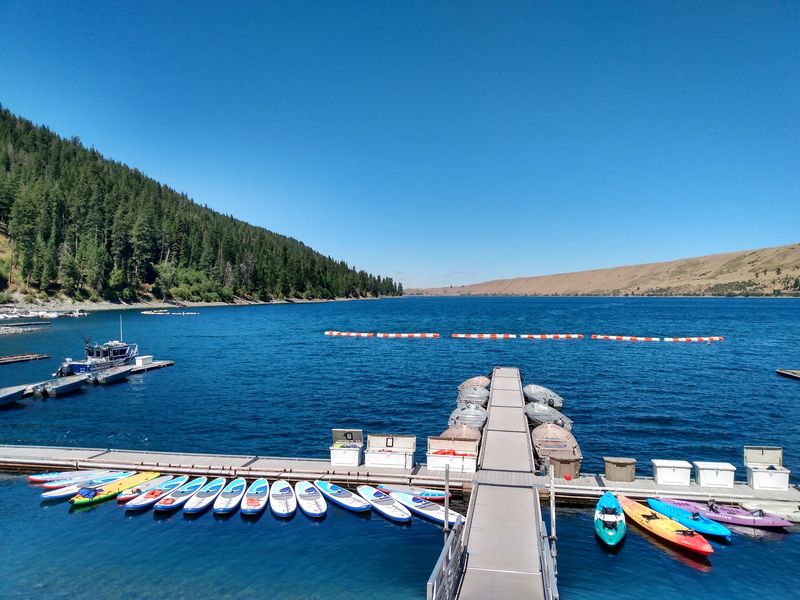
Snake activity peaks when the rocks are hottest, generally from late morning through mid afternoon in July and August. Early mornings and evenings feel completely different, with cool air and almost no reptile traffic along the gravel.
Mid August has a reputation for reliable weather, warm days and comfortable nights. Late June works well too, with clear water, mild temperatures, and fewer people spread along the beaches.
Anyone who prefers to skip snake encounters entirely should stick to the sandy swim areas and grassy picnic lawns instead of rocky ledges. Leaving wildlife alone keeps the balance intact, and it keeps the shoreline as healthy as it looks.
Pack out trash, skip feeding the deer, and let snakes take their own exit route. Sunrises here pull people out of tents with cameras, and the stars stay visible long past bedtime. Come for the water, stay for the ridgelines, and let the little striped residents keep doing their job.
