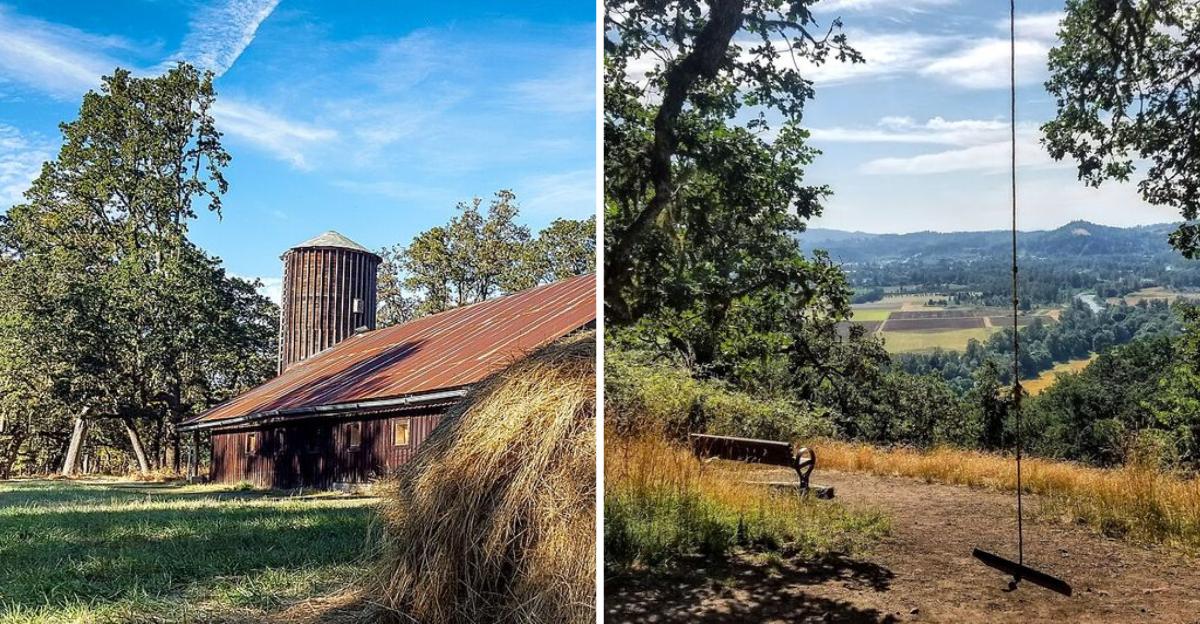
Few things beat finding an Oregon escape where nature does all the entertaining. Towering trees, colorful wildflowers, quiet trails, and riverside scenery create the kind of setting that makes slowing down feel effortless.
The best outdoor spots are not always about chasing the biggest views or the most challenging routes. Sometimes, the magic comes from simply walking beneath the trees, noticing small details, and enjoying a peaceful break away from the usual routine.
This outdoor destination offers a chance to enjoy the landscape at an easy pace while taking in views that change with the seasons. It is the type of place where a short visit can quickly become a favorite tradition, especially for anyone who loves fresh air, scenic paths, and time away from busy routines.
The peaceful surroundings, changing landscapes, and unexpected discoveries along the way make every visit feel fresh and worth remembering. Visitors can return throughout the year and experience a completely different side of the scenery with every season.
A Living Tree Museum Unlike Any Other
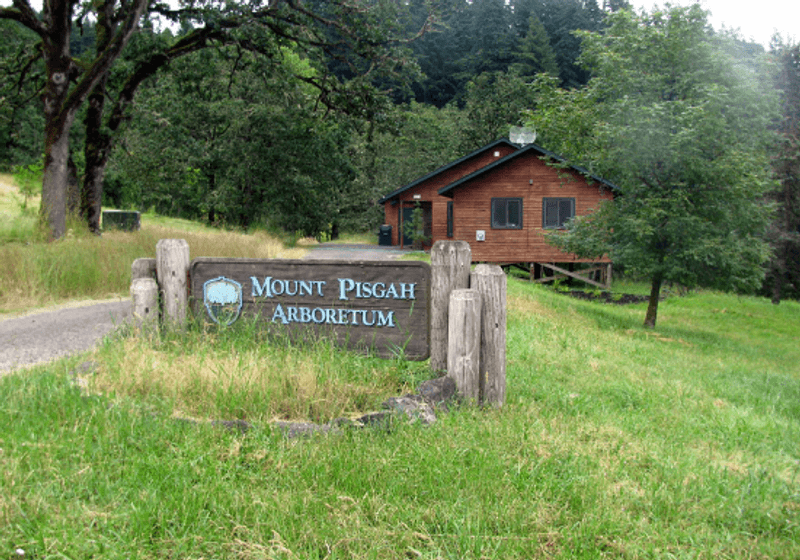
Not every museum has four walls. Mount Pisgah Arboretum skips the building entirely and spreads across 209 acres of living, breathing Pacific Northwest landscape.
It was established in 1973 and has grown into one of the most ecologically rich botanical spaces in the Willamette Valley.
The arboretum is home to over 339 plant species, including approximately 100 woody plant species and 240 varieties of ferns, shrubs, sedges, grasses, herbs, and wildflowers. That is a serious collection, and it is all growing in the ground where it belongs.
Interpretive signs placed along the trails turn every walk into a quiet, unforced education.
What makes this place feel special is its focus on native ecosystems rather than ornamental displays. The rare oak woodlands and savanna here are considered some of the finest remaining examples in the entire Willamette Valley.
Free to enter with a $5 Lane County parking fee, it is open from dawn to dusk every single day of the year.
That kind of access is rare, and it makes spontaneous visits feel completely natural. Visitors can wander at their own pace, pause beneath ancient trees, and notice small details that are easy to miss in a hurry.
It is a refreshing reminder that nature itself can be the most fascinating exhibit of all.
Seven Miles of Trails With 23 Bridges
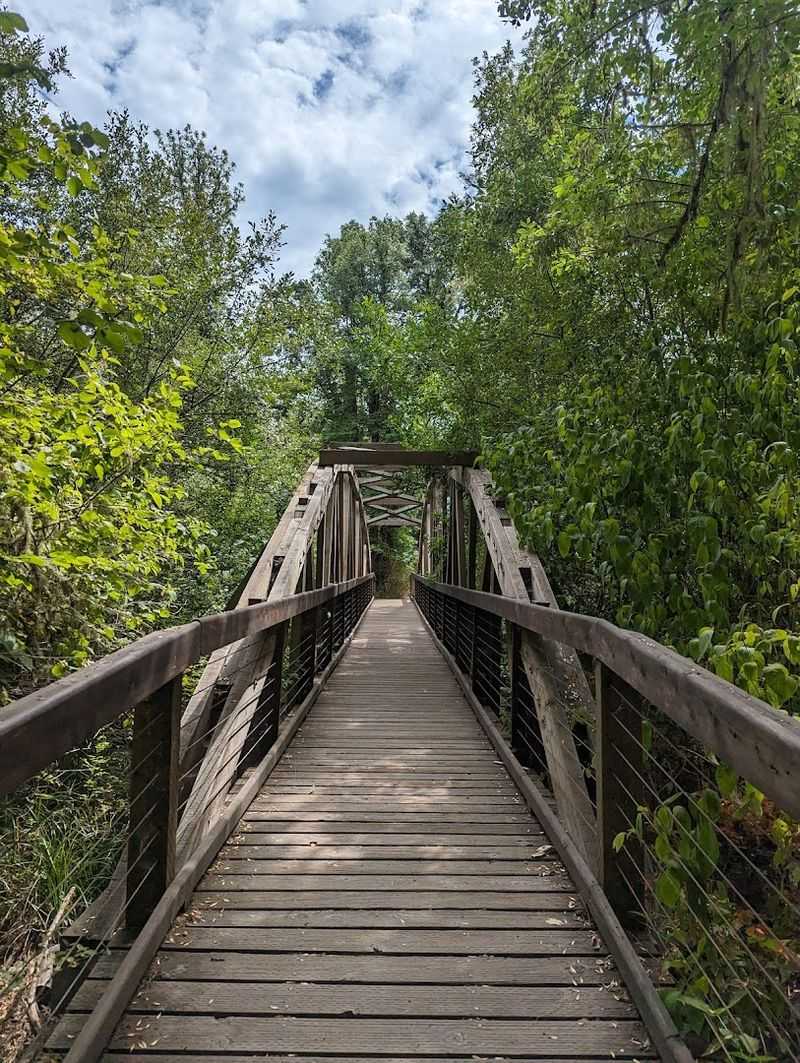
Few trail systems pack this much variety into a single property. Mount Pisgah Arboretum offers over seven miles of all-weather trails, with some counts putting it closer to eight, laced together by 23 wooden bridges that cross creeks, channels, and wetland edges.
Loop options range from 0.5 to 1.5 miles, making it genuinely easy to pick a route that fits your energy level. The flatter paths near the river are perfect for a relaxed morning walk.
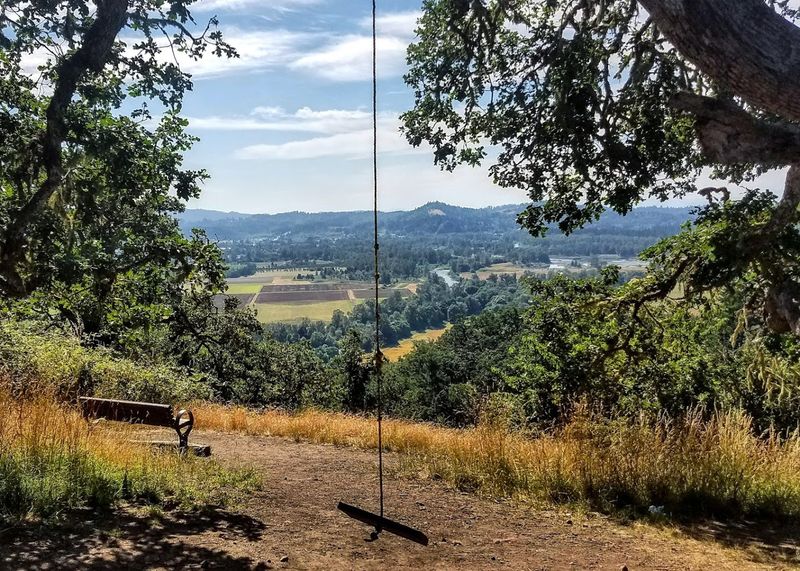
The longer trails that climb toward Mount Pisgah give your legs a real workout and reward the effort with broader views of the surrounding valley.
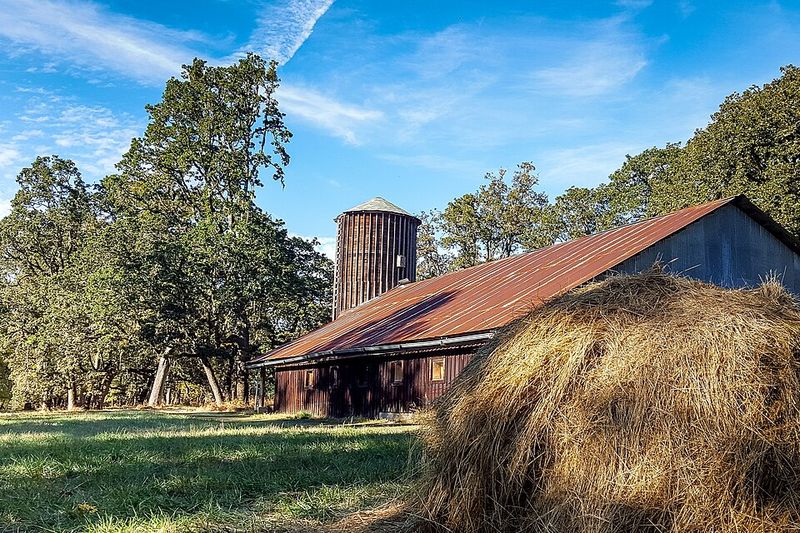
The Riverbank Trail is a particular favorite, passing through the Patricia Baker Wildflower Garden and hugging the edge of the Coast Fork of the Willamette River. Meadow Road curves along the same waterway after passing a historic barn, giving the whole experience a timeless, unhurried feel.
For visitors with mobility needs, the Improved Access Loop offers wider paths, minimal elevation gain, and regular resting spots. Two track chairs are also available by reservation, making the arboretum genuinely welcoming for all kinds of visitors.
Riverside Ecosystems Full of Wildlife
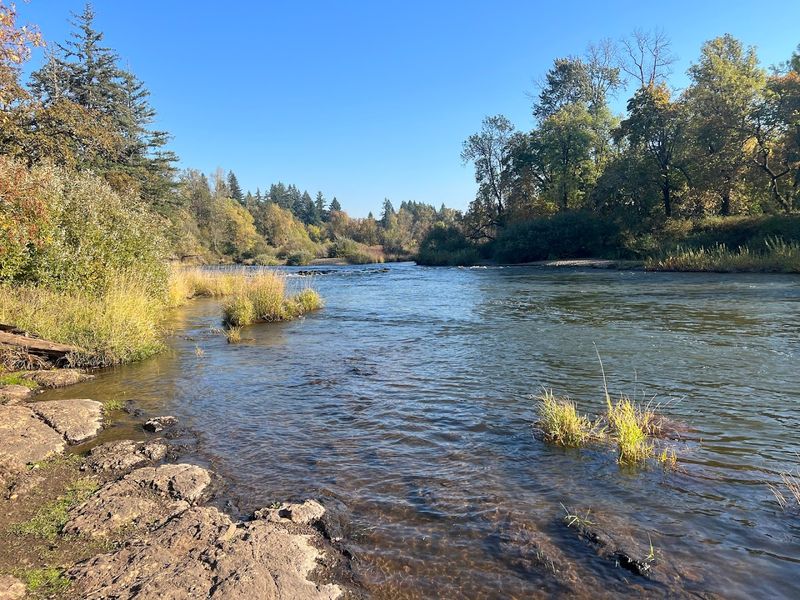
The river does not just run alongside the arboretum. It shapes everything.
The Coast Fork of the Willamette River feeds a rich riparian environment filled with channels, ponds, and forested banks that support a surprisingly wide range of wildlife.
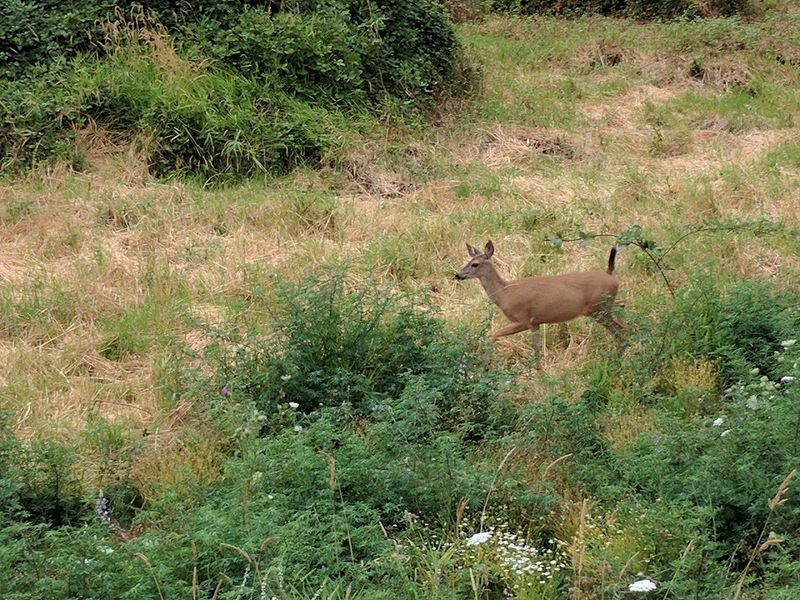
Deer graze in the meadows with casual confidence. Foxes, rabbits, and coyotes move through the forest edges, and squirrels are practically everywhere.
Birdwatchers show up regularly, and for good reason. Great blue herons, red-tailed hawks, woodpeckers, owls, finches, and swallows all make appearances throughout the year.
The wetland areas also protect some genuinely sensitive species. The endangered western pond turtle and the red-legged frog both rely on the arboretum’s carefully maintained habitat.
Visitors in early spring sometimes spot bullfrogs near the stream banks, and snakes and lizards emerge on warm days. The arboretum asks guests to stay on marked trails, not just for their own safety but to protect the spawning grounds of fish, frogs, and salamanders that live just off the path edges.
It is the kind of place where paying attention always pays off.
The Annual Mushroom Festival Every October
Once a year, the arboretum transforms into something even more extraordinary. The annual Mushroom Festival, held each October in partnership with Lane Community College and the Cascade Mycological Society, draws crowds from across the Pacific Northwest and has earned its reputation as one of the largest mushroom festivals on the entire West Coast.
The 2026 festival is scheduled for October 25th, and if past years are any indication, it will sell the experience all over again. At the heart of the event is an extensive mushroom exhibit featuring hundreds of local species, including clearly labeled displays of edible and poisonous varieties.
An expert identification table lets curious visitors bring in specimens they have found and get real answers from knowledgeable mycologists.
Guided nature walks led by naturalists take small groups through the arboretum’s forested trails, pointing out fungi in their natural habitat and explaining how they connect to the larger ecosystem. Educational talks from local experts round out the learning side of the day.
The whole festival manages to feel both genuinely informative and completely fun, which is a harder balance to strike than it sounds.
Local Food, Artisan Crafts, and Festival Atmosphere
The Mushroom Festival is not just about fungi. It is a full community celebration with food, music, and handmade goods spread across the arboretum grounds.
Local food vendors line up with regional flavors, and the festival takes sustainability seriously. All service items must be compostable, and vendors are required to manage their non-compostable waste responsibly.
Live music from local bands fills the air throughout the day, giving the whole event a relaxed, neighborhood-fair energy that feels genuinely welcoming. Cider pressing and hay rides add a seasonal, harvest-festival charm that fits perfectly with the October setting.
Children have their own dedicated activities and crafts area, and a scarecrow contest brings some lighthearted creativity into the mix.
Mushroom vendors offer fungi-related products that range from culinary staples to more unusual finds. A merchandise booth stocks collectible t-shirts, posters, and educational materials for anyone who wants a tangible reminder of the day.
Picnic areas tucked throughout the forested grounds give families a quiet spot to settle in and eat at their own pace. The whole festival feels like the kind of local event that outsiders stumble onto and immediately wish they had known about sooner.
Oak Savannas, Wildflower Meadows, and Rare Habitats
Most people picture dense evergreen forest when they think of Oregon. Mount Pisgah Arboretum adds a few surprises to that mental image.
The property includes rare oak woodlands and savanna that are considered some of the best remaining examples of this habitat type in the entire Willamette Valley.
In spring, the wildflower meadows are genuinely breathtaking. Iris, poppies, and dozens of other species push up through the grass in waves of color that shift week by week.
The Patricia Baker Wildflower Garden along the Riverbank Trail is a dedicated highlight, designed to showcase native blooms in a setting that feels both curated and completely natural.
Beyond the meadows, the arboretum covers mixed conifer and deciduous forest, including Douglas fir groves and incense-cedar stands that give the air a sharp, clean scent on warm afternoons. Wetlands and riparian zones complete the ecological picture, creating a property that holds more habitat diversity per acre than most parks many times its size.
For anyone even slightly interested in native plants, this level of variety is the kind of thing that turns a casual visitor into a repeat one.
Planning Your Visit to Mount Pisgah Arboretum
Getting here is straightforward. The arboretum sits about five to seven miles southeast of downtown Eugene, within the Howard Buford Recreation Area.
Parking costs $5 and the kiosks accept both cards and cash. That fee goes directly toward maintaining the trails and grounds, and it shows.
The paths are well-kept, the bridges are solid, and the restrooms are clean with flush toilets, running water, and even heat.
The arboretum is open from dawn to dusk every day of the year, which makes it easy to fit into almost any travel schedule. Dogs are welcome on leash, and cleanup bags are provided at the trailheads.
The parking lots fill up fast on sunny weekend days, so arriving early is a smart move. Three separate lots sit at the base of different main trail clusters, giving visitors a head start on exploring different sections of the property.
Trail maps and sign boards are available on-site, and the interpretive signs along the paths make it easy to learn as you walk without any extra preparation. Whether you have an hour or a full afternoon, this place has a way of making the time feel well spent.
Address: 34901 Frank Parrish Rd, Eugene, Oregon 97405.
