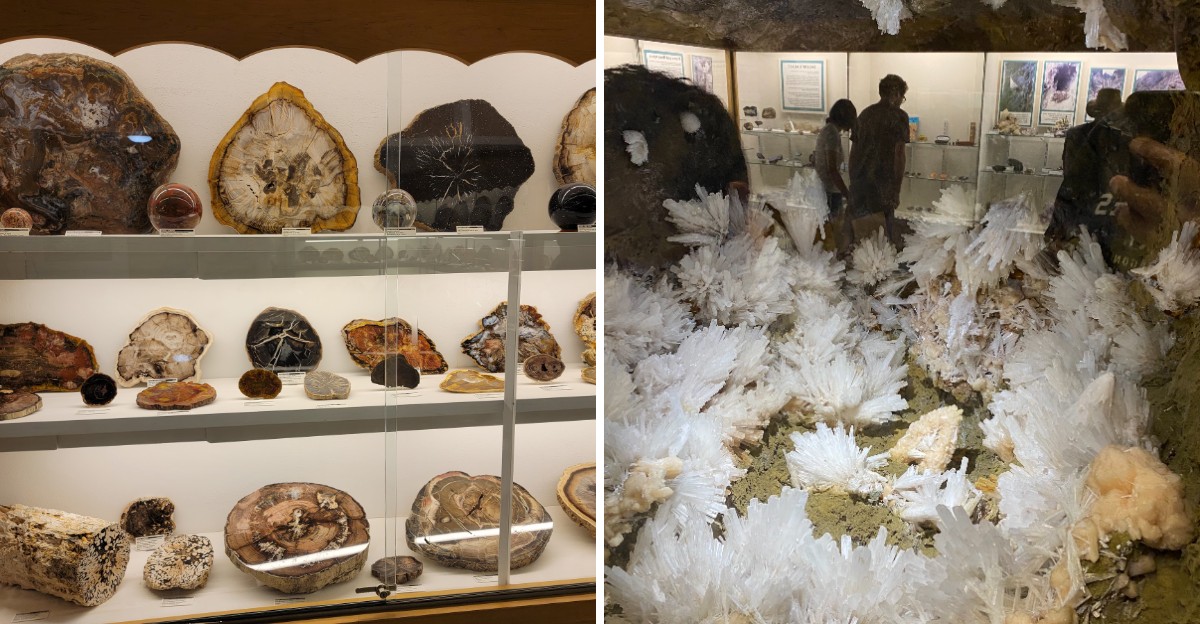
Rocks aren’t supposed to sparkle like this, yet cases here glow with the kind of color that makes visitors double check they’re not actually looking at jewelry.
Crystals catch light from every angle throughout the museum, some formations stretching taller than most visitors expect walking in. Rare specimens fill display after display too, some pieces rare enough that geologists travel specifically to study them up close.
Building a collection this impressive takes decades of careful sourcing most museums never attempt at this scale. This one grew steadily anyway, piece by piece, into something that rivals collections found in major cities many times its size.
Few museums make rocks feel this precious. Oregon’s mineral collection keeps proving that treasure doesn’t always come wrapped in gold, sometimes it just needs the right lighting.
A Family Home Built Around a Rock Hobby
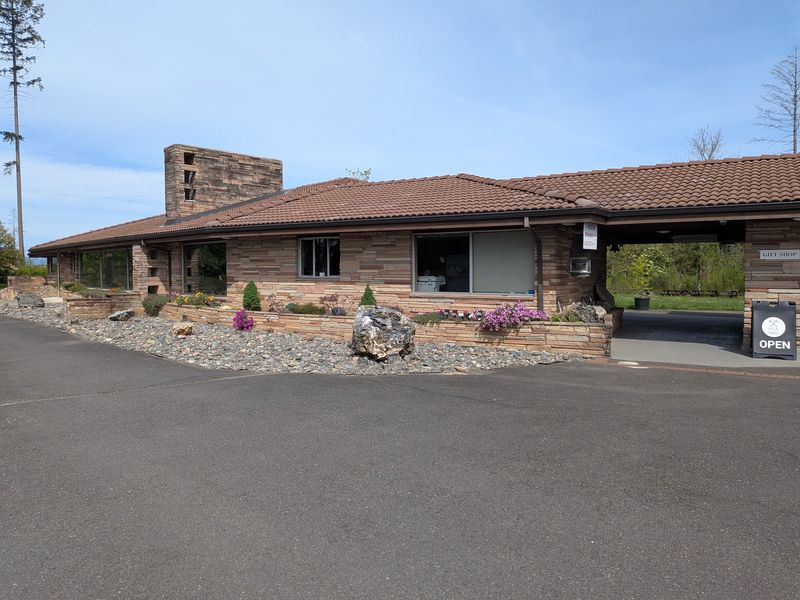
From the parking lot, the building looks like a handsome old house on a country road. That is exactly what it was. Richard and Helen Rice built this home in the 1950s, and they designed it with their love of rocks and minerals woven right into the structure.
Look closely at the walls, floors, and fireplaces. Stone shows up in spots you would not expect, and the whole place has a warm, low-slung style that mixes ranch charm with a hint of Frank Lloyd Wright. I found myself admiring the wood paneling almost as much as the crystals.
The couple spent decades collecting, trading, and polishing specimens, and their home eventually opened as a public museum in 1997.
A small history display tells their story, and it is worth a few minutes before you head into the main galleries. Knowing that a real family once ate breakfast here makes the treasure feel more personal.
Gem Cases That Sparkle Like Pirate Loot
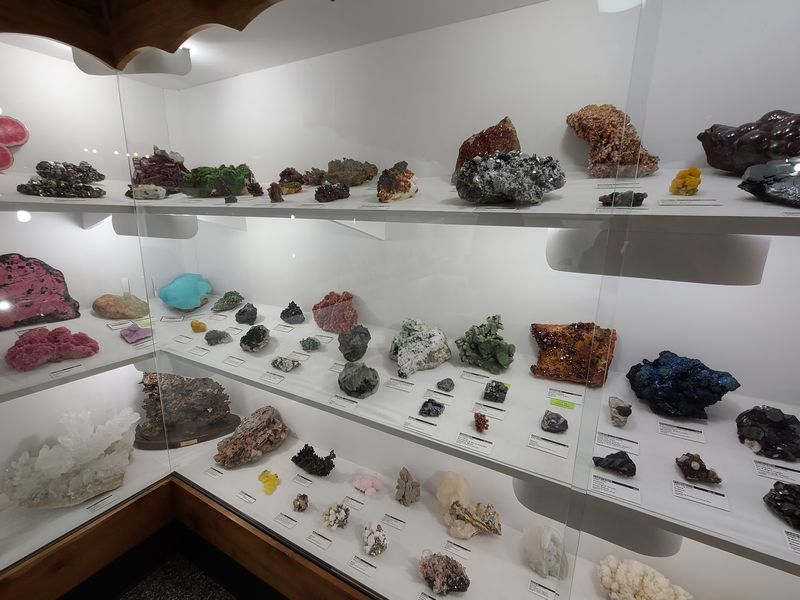
My eyes did not know where to land first. Cut gems catch the light in tiny bursts of blue, green, and gold, while raw crystals sit beside them in their wild, natural shapes. It really does look like someone cracked open a treasure chest and arranged the contents with care.
Seeing the rough stone next to the polished version is the best part. A cloudy lump that looks like a plain rock can turn into a brilliant jewel once it is cut and shaped. Kids tend to gasp at that difference, and honestly, so do adults.
Each case includes labels that explain what the mineral is, where it was found, and how it formed. The information is short and clear, so nobody gets buried in science words. Take your time here.
Some visitors zip through in minutes, but slowing down reveals little details like tiny crystal points or color bands hiding inside.
Petrified Wood That Once Stood as Trees
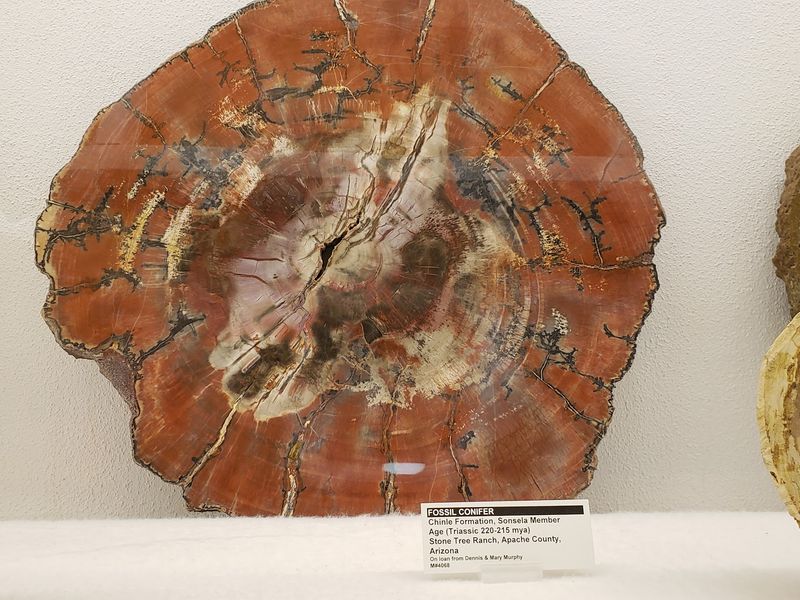
Millions of years ago, these were ordinary trees swaying in the wind. Then they got buried, water carrying minerals seeped into the wood, and slowly the whole trunk turned to stone. Science is wild sometimes.
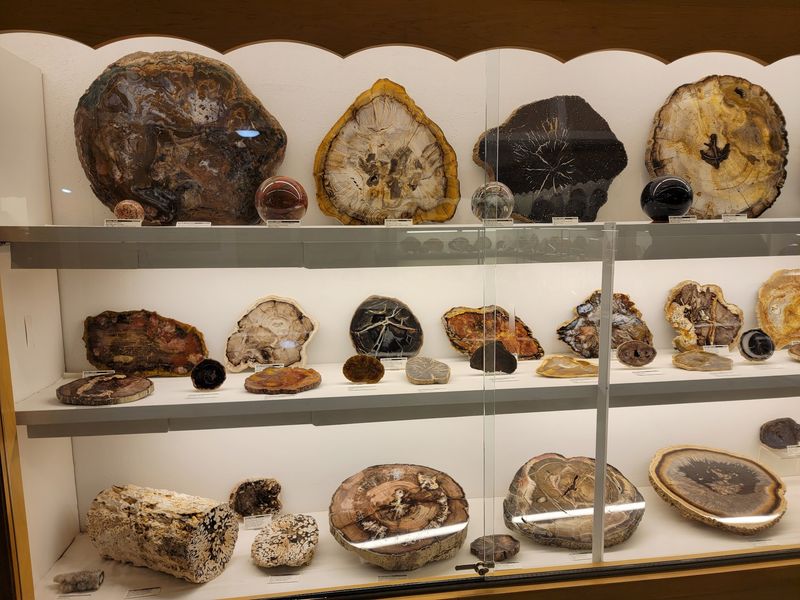
The Rice Museum is famous for its petrified wood, and it shows. You will see full logs, not just small chunks, along with polished slices that reveal rings, knots, and swirls of red, orange, and yellow. Some pieces look so much like real bark that I wanted to knock on them to check.
The Pacific Northwest has a rich history with petrified wood, and several specimens come from the region. That local connection makes it extra fun for Oregon families. You are looking at forests that grew in this part of the world long before any people arrived.
Here is a helpful idea. Ask kids to count the rings on a polished slice and guess how old the tree was before it turned to stone. It turns a quiet display into a small detective game, and it keeps little hands busy while grown-ups read the labels.
The Rainbow Room Glows in the Dark
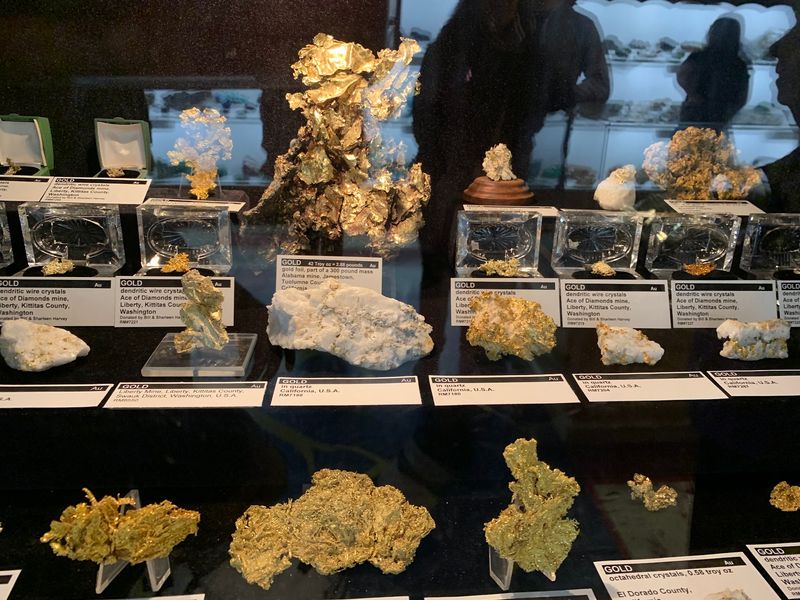
Lights out, and suddenly the rocks come alive. The rainbow room is where ordinary-looking stones glow in wild neon shades under ultraviolet light. Green, hot pink, electric orange, it looks more like a party than a science lesson.
This effect is called fluorescence. Certain minerals soak up invisible UV light and give it back as colors our eyes can see. In regular light, many of these specimens seem plain and gray.
Under the special lamps, they turn into something straight out of a video game.
I could have stayed in there a long time. The room is dim and cozy, and it gives your eyes a break from the bright galleries upstairs. Kids especially love it, and it is a great spot for a quick lesson about light that sticks in the memory.
One small tip. Let your eyes adjust for a few seconds after you step inside, and the colors will pop even more. Some displays may switch between regular and UV light, so wait around and watch the transformation happen right in front of you.
Meteorites From Way Beyond Oregon
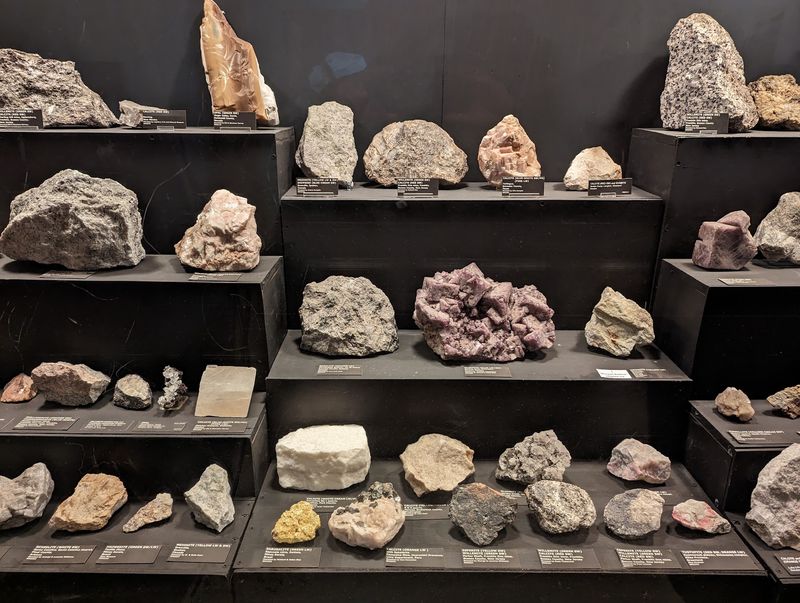
Not every rock here came from the ground. A few of them fell from the sky. The museum’s meteorite collection lets you see chunks of space rock that traveled a very long way before landing on Earth.
They look different from anything else in the building. Many are dark, heavy, and covered in small dents that form as the rock blazes through the atmosphere. Some have a metallic shine, since certain meteorites are made mostly of iron and nickel.
The displays explain the main types of meteorites and how scientists tell them apart from regular Earth stones. It is the kind of information that makes you look at gravel driveways a little differently afterward. Could that odd black rock be from outer space?
Probably not, but it is fun to wonder.
For curious young astronomers, this section is a great bridge between geology and space science. Pair a visit here with a night of stargazing at home, and the whole topic of shooting stars suddenly feels a lot more real and a lot less far away.
Fossils That Tell Old Stories
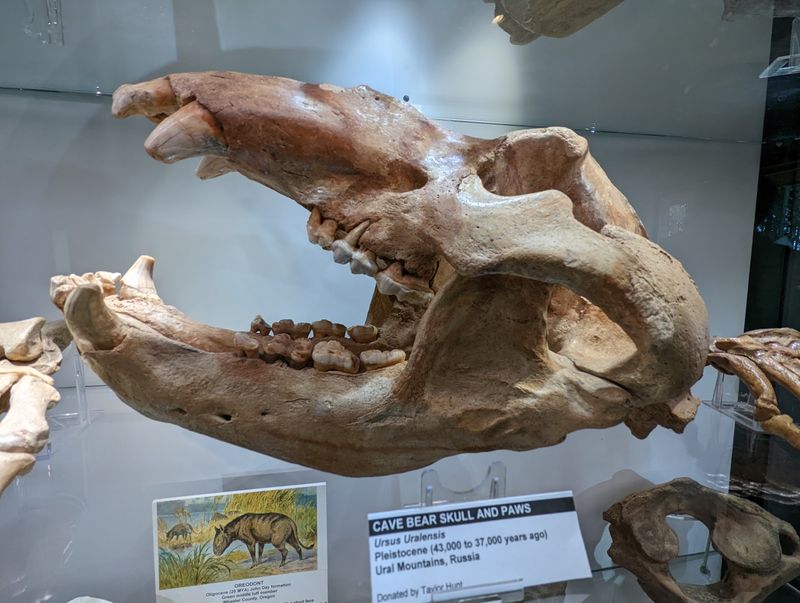
Some of the oldest storytellers in the museum do not say a word. The fossil displays hold shells, plants, bones, and imprints of creatures that lived long before dinosaurs even had a chance to be famous.
Ammonites curl like stone snails, and fossil fish look frozen mid-swim. There is even fossilized dung on display, which always gets giggles. Yes, ancient poop is science too, and it tells researchers a lot about what animals ate.
What I like about this section is how it connects rocks to living things. Minerals can seem distant and chemical, but a fossil is proof that something breathed, moved, and grew. Seeing that link helps kids understand why geologists care so much about layers of stone.
Labels explain how fossils form, usually when a plant or animal gets buried quickly and minerals slowly replace the original material. Try picking one fossil and reading everything about it before moving on.
Focusing on a single piece often makes the whole collection easier to enjoy, instead of rushing past dozens of cases in a blur of brown and gray.
Hands-On Spots for Curious Fingers
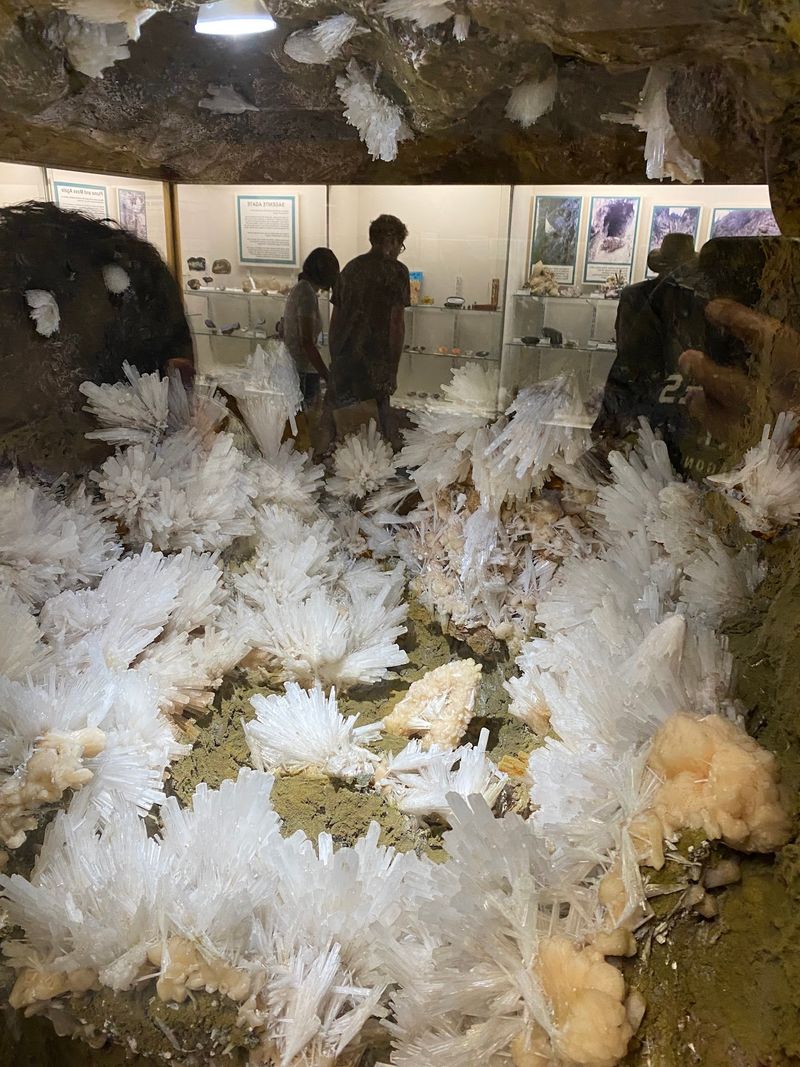
Most of the treasure sits safely behind glass, but not all of it. Scattered around the museum are touchable specimens, and trust me, you will want to use them. Feeling the weight of a heavy mineral in your palm is totally different from just looking at it.
Some rocks are shockingly heavy for their size. Others feel smooth, rough, bumpy, or glassy. Lifting a few side by side is a simple way to learn about density without anyone saying the word out loud.
The kids area is a real highlight for families. There is a room built for young learners, with activities, coloring sheets, and worksheets that turn the visit into a gentle scavenger hunt. Some displays even connect minerals to popular games like Minecraft.
Staff also run short talks called Museum Minutes at scheduled times throughout the day. They share fun facts and bits of history in quick bursts. Check the schedule when you arrive so you do not miss one, because they add a friendly, human touch to the displays.
Digging and Picking Outside
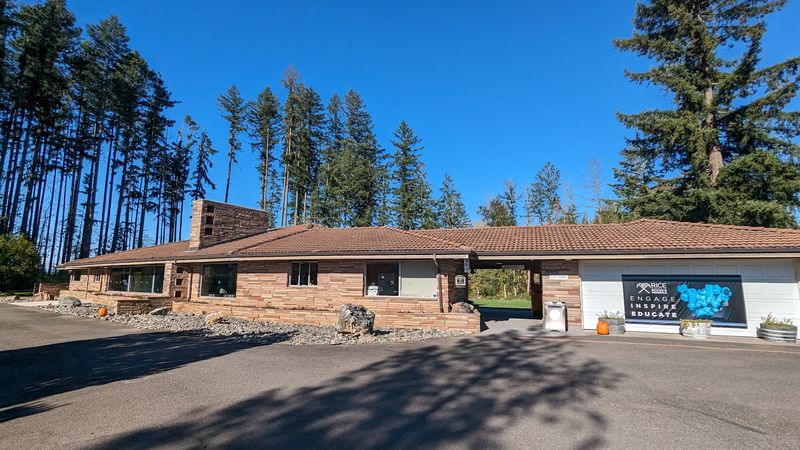
Step back into the fresh air and the adventure keeps going. The grounds include a fossil dig area where kids can brush and scoop through sand to uncover hidden treasures. It is messy in the best possible way.
Then there is the rock pile. Every visitor gets to pick one free rock to take home, and choosing is harder than it sounds. I spent way too long turning over stones, comparing colors and textures like I was picking a prize at a fair.
Some people find agate, some find petrified wood, and every piece feels special because you chose it.
A practical tip, bring a small bag or container for your rock. Pockets work, but a little pouch keeps your find safe during the drive home. Also, wear shoes you do not mind getting dusty, since the dig area can leave a sandy souvenir of its own.
Picnic Tables Under Big Oregon Trees
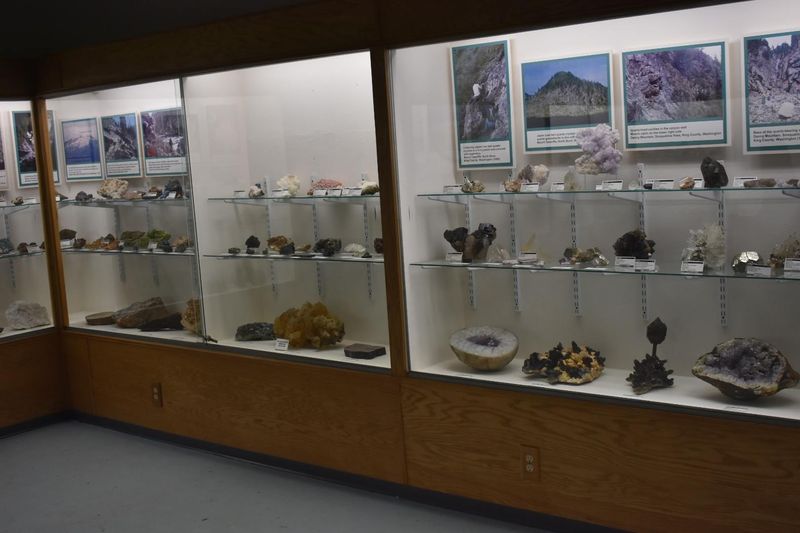
Lunch with a view of tall trees and tidy gardens? Yes, please. The museum grounds include a lovely picnic area with tables and grills, making it easy to turn a quick visit into a relaxed half day.
The gardens are well kept, with neat paths and plenty of green. On a sunny afternoon, it is a peaceful spot to talk about favorite specimens while munching on sandwiches. Kids usually want to show off their free rocks again here, so expect a few mini presentations between bites.
Pack a simple meal and some water before you leave home. The museum sits on a quiet country road, so there are not many food stops right next door. Having snacks ready keeps everyone happy and saves you from a hungry drive.
Timing helps too. Many visitors spend around one and a half to two hours inside, so plan lunch either before or after the galleries. Parking is roomy, with space even for larger vehicles, and the calm setting makes the whole trip feel like a small escape from busy city streets.
A Gift Shop Worth Lingering In
Leaving empty-handed is tough. The gift shop is packed with polished stones, geodes, agate slices, crystals, and a large selection of books about rocks and minerals. Options range from tiny pocket treasures to impressive display pieces for serious collectors.
What stands out is how real everything feels. These are genuine stones, not plastic look-alikes, and the staff know their stuff. They are happy to explain what a specimen is and where it came from, and they sometimes help local rockhounds identify finds from their own adventures.
I would suggest browsing after your tour. By then, you will recognize names and colors from the galleries, which makes shopping more meaningful. A small piece of obsidian or agate can remind you of the whole day every time you see it on a shelf.
You will find this hidden treasure vault at 26385 NW Groveland Dr, Hillsboro, OR 97124.
