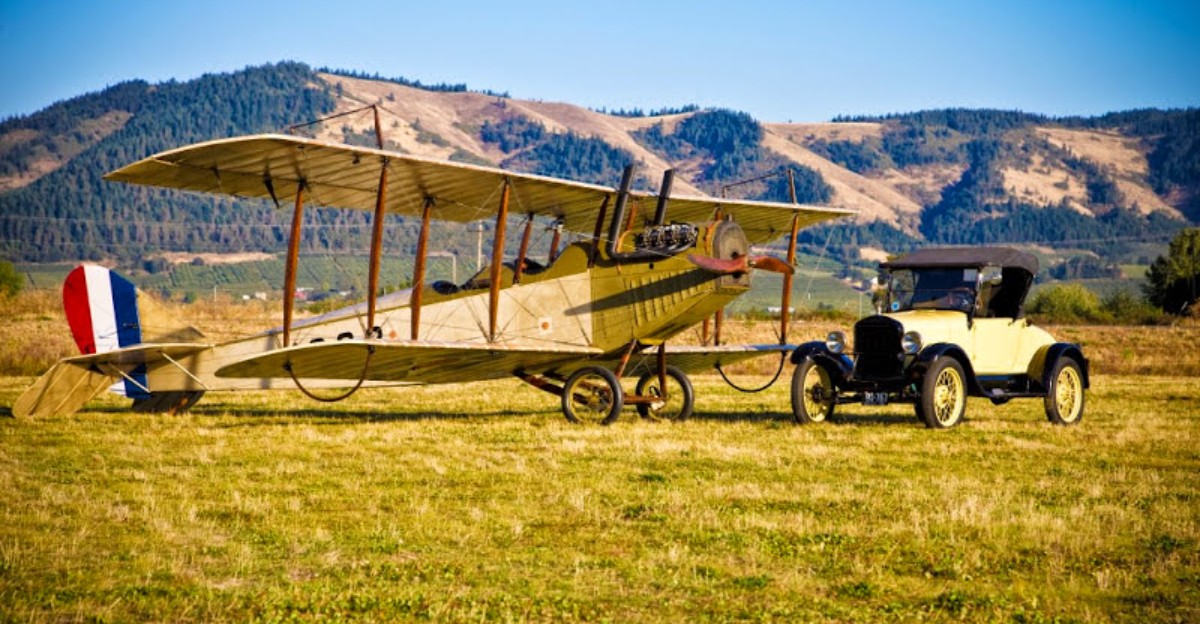
A 1917 Curtiss Jenny sits in a hangar here, and it isn’t just for looking. Most of the old planes and cars in this place can still fly or drive.
I noticed that the collection is huge. We’re talking about 170 antique airplanes and 210 antique cars under one set of roofs.
One detail I find worth mentioning is the monthly demo day. Volunteers pull selected machines out and actually run them for the crowd. That means century-old engines coughing to life right in front of you.
The whole thing sits beside a small airfield in Oregon, with snowy mountains in view.
Bring Comfy Shoes Because The Hangars Cover Acres
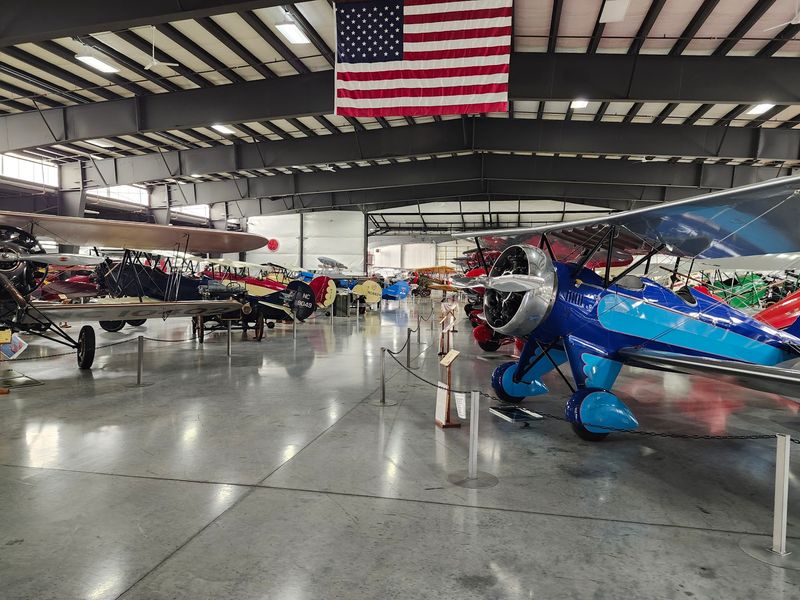
Over 3.5 acres of indoor hangar space. That’s the number to remember before you plan a quick stop.
Inside, you’ll find around 170 antique airplanes, about 210 antique cars, and roughly 30 antique motorcycles. Add tractors, military vehicles, engines, and other transportation pieces, and the rows seem to keep going.
The museum suggests at least an hour for a visit. Honestly, car and plane fans could spend a full day and still miss something.
So pace yourself. Pick a few favorite areas first, then wander through the rest as your energy allows.
Wheelchairs and walkers are available on a first-come, first-served basis. That’s a thoughtful touch for a place this big.
Restrooms and a lounge give you spots to rest along the way. Snacks are also available when your stomach starts asking questions.
One smart plan is to arrive early in the day. The museum opens at 9 a.m., so a morning start gives you plenty of breathing room.
Think of it like a buffet for your eyes. You can’t taste everything at once, and nobody wins by rushing through the airplanes before lunch.
Early Aviation Fans Will Feel Like Kids Again
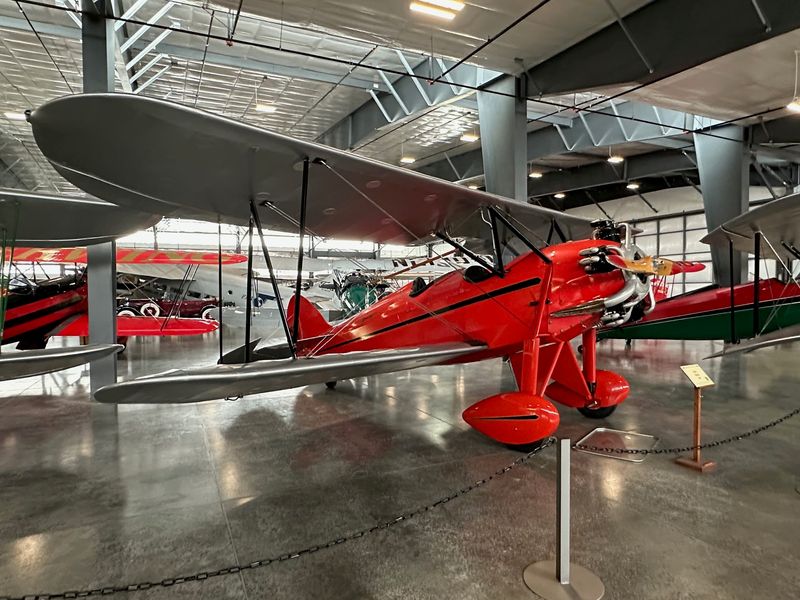
Wood, fabric, and a lot of courage. That’s what flying looked like during the years this collection celebrates.
The aircraft mostly come from 1903 through 1941. That window covers the wild early days when pilots were still figuring out how to stay up there.
One star is a 1917 Curtiss JN-4D, nicknamed the Jenny. Planes like it trained many early pilots and later became famous with barnstormers.
You’ll also spot gliders and plenty of classic names. Piper Cubs, WACOs, Aeroncas, and Stearmans fill the hangars with bright paint and open cockpits.
Then there’s the 1928 Boeing Model 40C. It’s a rare piece from the era when airplanes carried mail and a few brave passengers.
Seeing these planes up close shows how simple and bold they were. Some look almost like giant kites with engines bolted on.
Here’s a fun tip for kids. Ask them to count the wings on each plane, because biplanes and monoplanes sit side by side.
Grown-ups can play too. Try guessing which planes still fly, then remember the answer is surprisingly often yes.
Car Lovers Get More Than A Century Of Automotive History
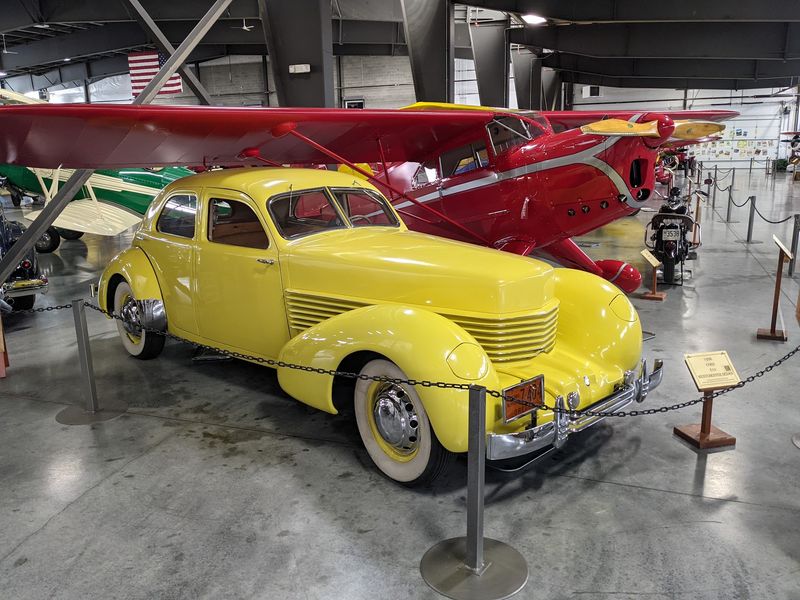
Ever wondered what people drove before seat belts and cup holders? The automobile side of the museum answers that question in style.
The automobile collection stretches from early twentieth-century classics to modern performance cars, including a 2019 Ford GT and a 2018 McLaren 720S. You can trace more than a century of automotive design and engineering as you walk down the aisles.
Ford Model Ts and Model As show how cars became affordable for regular families. Packards, Studebakers, and Locomobiles bring the fancy side of early motoring.
Don’t miss the Detroit Electrics. Yes, electric cars existed more than a hundred years ago, which feels like a plot twist.
Later models add some muscle. A selection of muscle cars brings louder engines and bolder shapes to the mix.
Motorcycles join the party too. About 30 antique bikes show that two wheels had their own big adventures.
Here’s a good game for families. Pick the car you’d drive to school, then defend your choice at lunch.
The fun part is knowing many of these cars can still run. That shiny grille in front of you isn’t retired, it’s just resting between drives.
Second Saturdays Are When The Engines Wake Up
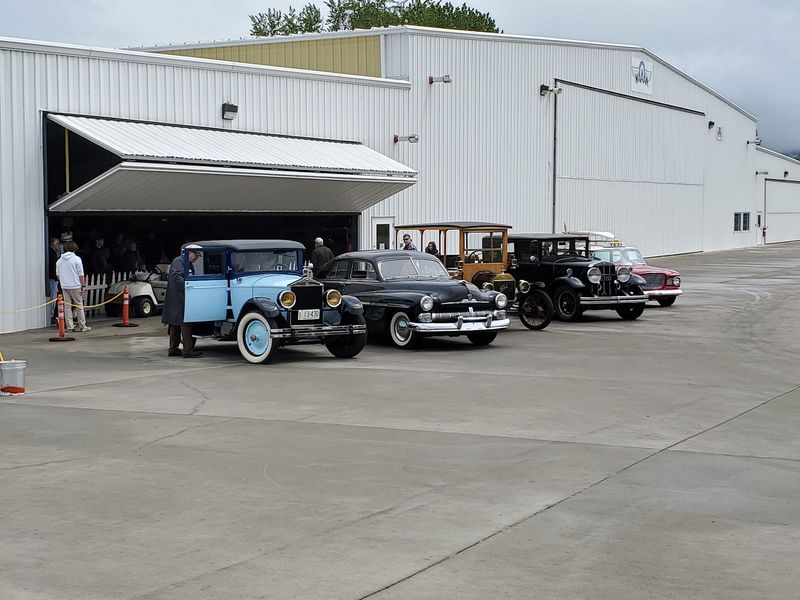
Once a month, the hangar doors become starting lines. Second Saturday is the day WAAAM brings selected machines outside and puts them to work.
The event runs from 10 a.m. to 2 p.m. on the second Saturday of each month.
Selected antique cars get driven around the grounds. When weather permits, selected historic aircraft take off from the neighboring airfield, while indoor demonstrations and special exhibits provide alternatives during unfavorable conditions.
That’s when the living museum idea really clicks. You don’t just read about an old engine, you hear it sputter and roar.
Each month’s lineup changes, so no two visits feel exactly alike. That gives repeat visitors a good reason to come back.
If you can only make one trip, aim for this day. It turns a great museum visit into a full show.
Bring a camera and patience. Old machines sometimes need a moment to warm up, much like grandpa on a cold morning.
Ear protection could be handy for little ones. A radial engine coming to life can be surprisingly loud for small ears.
Two Big Annual Events Fill The Calendar With Chrome And Wings
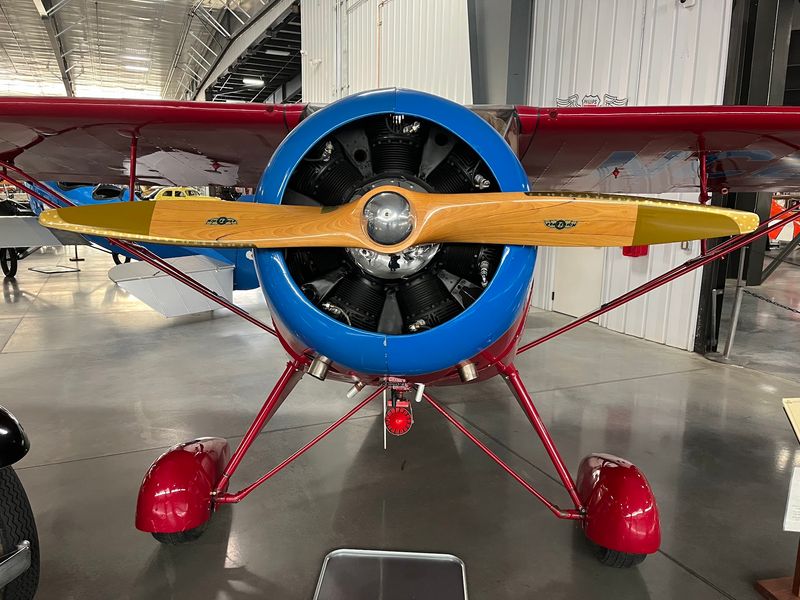
Mark your calendar for July and September. WAAAM hosts two yearly events that fans of old machines plan trips around.
The Traffic Jam Car Show happens on the second Saturday of July. Classic cars roll in and turn the area into a rolling history lesson.
It’s a great chance to see cars from outside the museum’s own collection. Owners often love sharing stories about their rides.
Then comes the Hood River Fly-In. It takes place on the first weekend after Labor Day each year.
Vintage airplanes fly in from far and wide for this event. Seeing that many antique planes parked together is quite a sight.
Both events add extra energy beyond a regular visit. They also give you a reason to explore the Columbia River Gorge in summer or early fall.
A tip for planners: Hood River gets busy during these weekends. Booking a place to stay early can save headaches.
Either way, you win. One event brings chrome bumpers, the other brings spinning propellers, and both bring plenty of smiles.
The Exhibits Here Refuse To Stay Parked
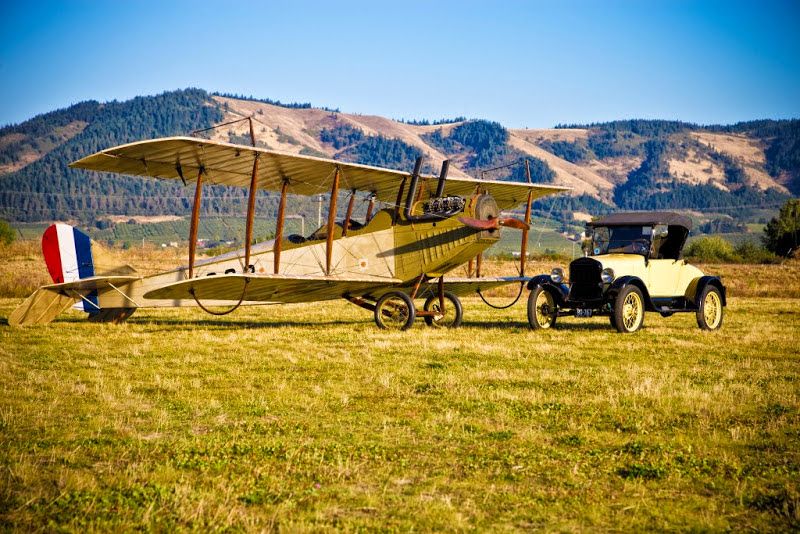
Most museums put a rope around old machines and call it a day. The Western Antique Aeroplane and Automobile Museum, known as WAAAM, does something bolder.
It keeps its collection in working order. Many of the airplanes and cars are actually flown or driven, not just polished and admired.
WAAAM calls itself a living museum, and the label fits. It holds one of the largest collections of still-flying antique aircraft and still-driving antique cars in the country.
That changes how you look at everything. A shiny Model T stops being a fancy sculpture and becomes a car that could chug down the road tomorrow.
Volunteers make this possible. They spend countless hours tuning engines, fixing parts, and keeping old machines healthy enough to move.
You might notice drip pans under some vehicles. That’s a small clue that these engines carry real oil and get real use.
For visitors, this adds a fun layer of wonder. Every plane you pass could have been in the sky recently.
It’s a little like visiting a zoo instead of a fossil hall. The animals here just happen to have propellers and steering wheels, and they still enjoy a good stretch.
Want To Drive A Model T Yourself? You Can Learn
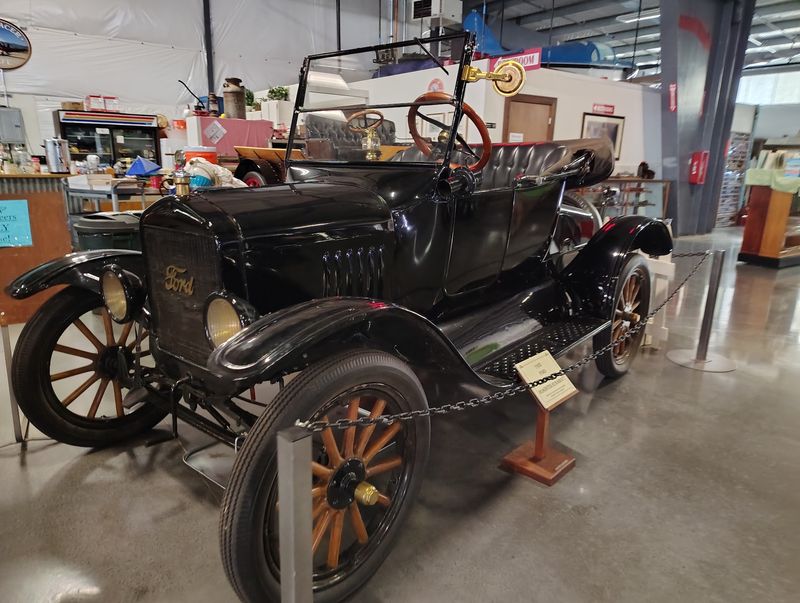
Driving a Model T isn’t like driving a modern car. The pedals and levers work differently, and that’s part of the charm.
WAAAM offers an antique driving school. It lets people learn the skills needed to handle a vintage automobile.
That’s a rare chance in today’s world. Most of us only see these cars in old photos or movies.
The museum also hosts workshops. These give curious folks a look at the skills that keep old machines going.
For handy types, volunteer restoration is another option. Volunteers help repair and maintain the very vehicles that make the place famous.
This hands-on side is a big part of what makes WAAAM special. The museum isn’t just showing history, it’s teaching people to keep it alive.
If you love tinkering, this could become a new hobby. You’d be learning from people who know these engines inside and out.
Think about the bragging rights, too. Not many people can say they’ve steered a car built before their great-grandparents were born.
One Collector’s Dream Grew Into Acres Of History
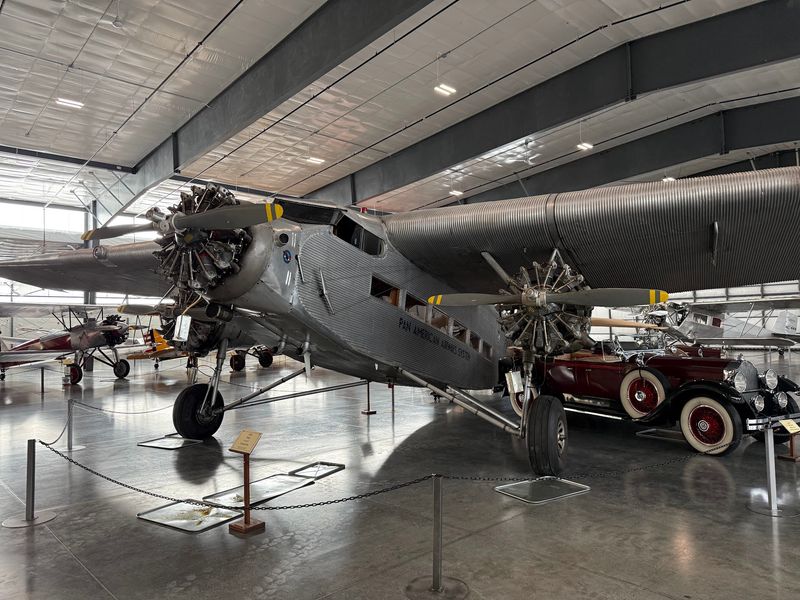
It started with one man’s personal collection. Terry Brandt donated his planes and cars, and the museum opened on September 7, 2007.
Back then, it held 42 aircraft and 20 cars. Everything fit inside a 50,000-square-foot building.
That sounds big, until you see what came next. The museum expanded in 2009, again in 2013, and again in 2016.
Now the indoor display area tops 3.5 acres. The car count alone grew more than tenfold from that first lineup.
It’s a great reminder of how passion can spread. One collection inspired volunteers, donors, and fans to build something much larger.
The museum operates as a nonprofit. That means community support plays a big role in keeping the propellers turning.
When you walk through, try spotting where the newer hangars connect. It helps you feel how the place grew piece by piece.
Every expansion made room for more stories. And judging by the full hangars, this collection still has a healthy appetite for new arrivals.
Mountain Views And Easy Planning Seal The Deal
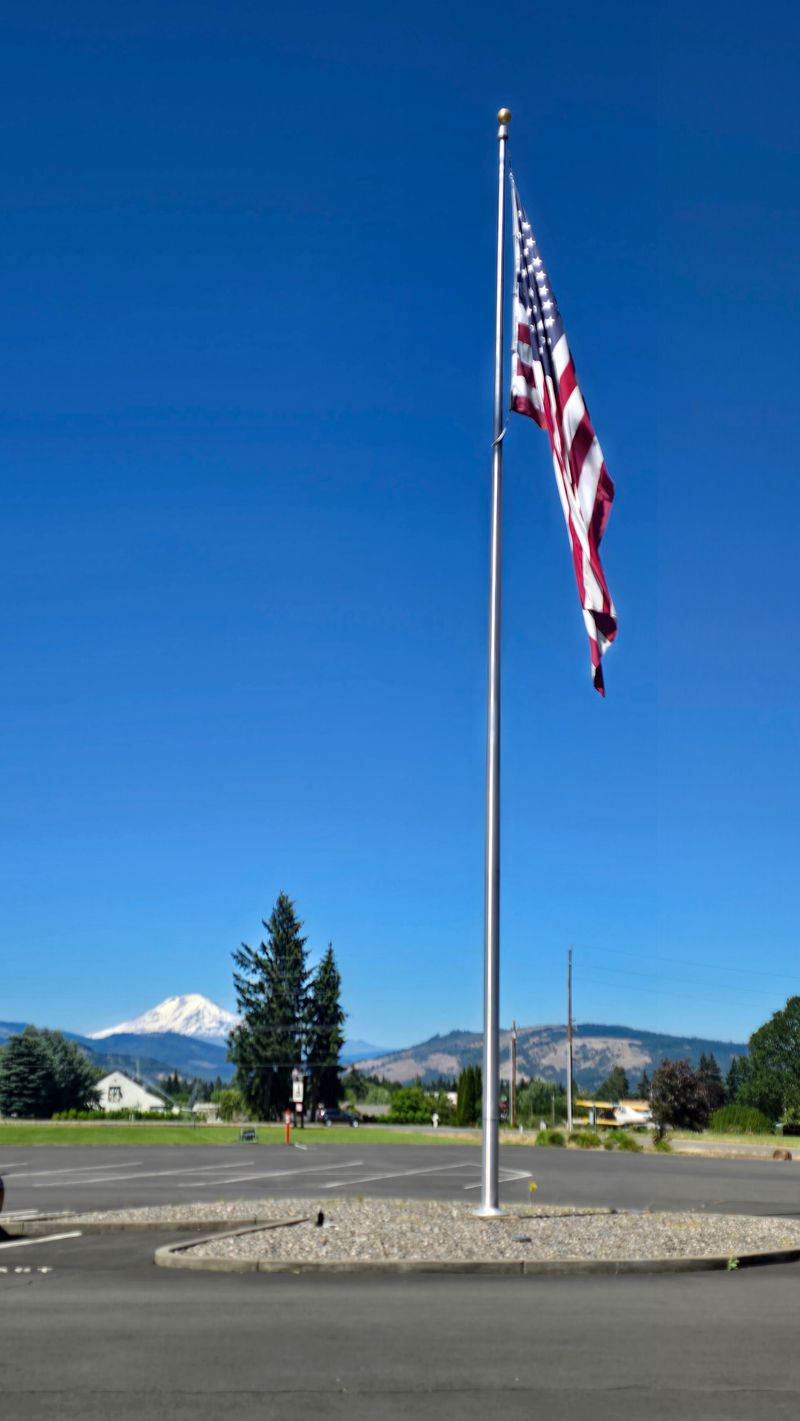
Snow-capped peaks hang out in the background here. The museum sits right beside the Ken Jernstedt Memorial Airfield, with mountain views to match.
You’ll find it at 1600 Air Museum Rd, Hood River, OR 97031. Hood River sits in the Columbia River Gorge, one of Oregon’s most scenic areas.
WAAAM is open daily from 9 a.m. to 5 p.m. It closes on Thanksgiving Day, Christmas Day, and New Year’s Day.
Families will appreciate the hands-on children’s area. It gives younger visitors a break from simply looking at things.
A gift shop offers souvenirs for the ride home. Snacks and a lounge help keep everyone happy during long stretches of exploring.
One rule to know ahead of time: pets aren’t allowed inside. Plan for your furry friend before you arrive.
Pair your visit with time around Hood River. The town and the gorge make this a fine stop on any Oregon road trip.
Just leave extra time on your schedule. Between the airplanes, cars, and those mountain views, an hour disappears faster than a biplane on takeoff.
