A single copper coin decided the name of a major American city. Two founders flipped it, and the winner picked the name of his hometown back East.
That coin still exists, and you can see it in person. It sits in a museum that also lets you sniff salmon, hazelnuts, and wheat. Yes, history here comes with a scent track.
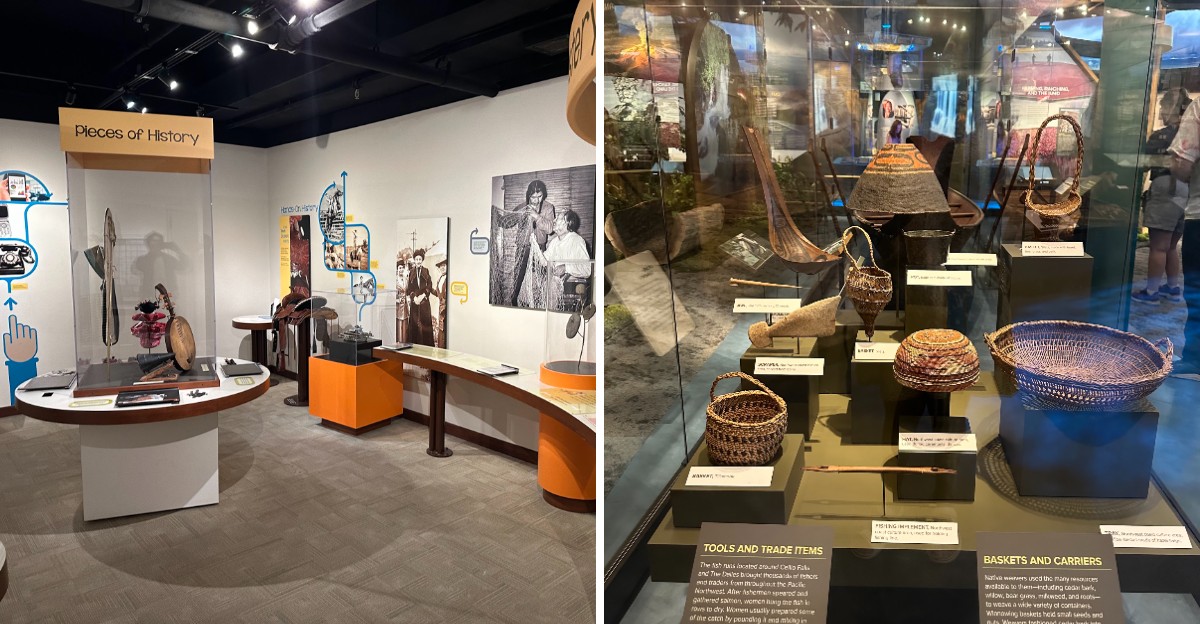
I like how this place treats Oregon’s past as something you can touch, smell, and climb into. There’s a walk-through covered wagon, a touchable beaver pelt, and a reading nook shelf shaped like the state itself.
I believe the best museums surprise you with small things that carry huge stories. A tree-felling tool can explain an entire industry. A basket can hold centuries of skill. So which object would make you stop and stare first?
A Coin Toss Gave A Whole City Its Name
Heads or tails sounds like a silly way to name a city. Yet that’s exactly how Portland got its name, and the Oregon Historical Society keeps the proof on display. The famous Portland Penny is the actual coin the city’s founders used.
Here’s the short version. Two men, Asa Lovejoy and Francis Pettygrove, each wanted to name the new town after their hometown. Lovejoy pushed for Boston, while Pettygrove wanted Portland, after the city in Maine.
So they flipped a coin. Pettygrove won, and the rest is history you can literally stand in front of. Had the toss gone the other way, the Trail Blazers might be playing in Boston, Oregon.
I love that something so tiny shaped something so big. A penny barely buys anything today. This one bought a city its identity.
Seeing it in person makes the story feel real instead of like trivia. It’s a great spot to start your visit, especially with kids. Ask them what they would have named the town. Their answers might be wilder than Boston, and probably more fun.
The Entire Third Floor Belongs To One Giant Story
Most exhibits fit in a room. Experience Oregon takes over the whole third floor of the Oregon Historical Society. That tells you how much ground it covers, both in miles and in years.
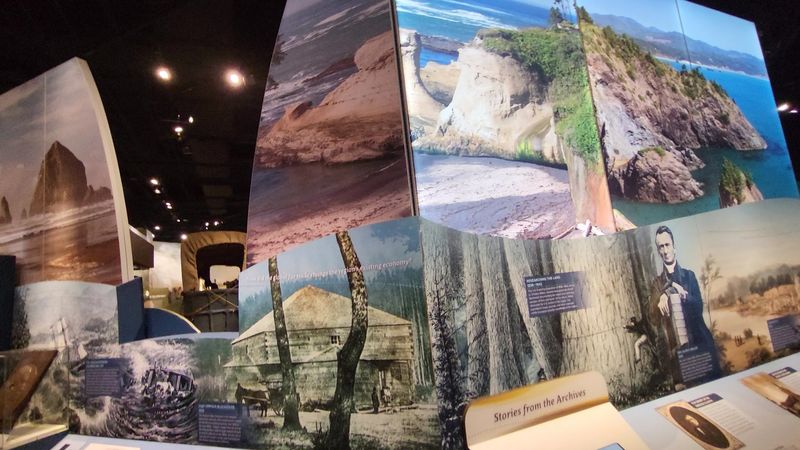
The exhibit explores the state’s geography and its complicated history. It runs from the earliest human settlement right up to the present. More than 300 objects and archival materials fill the space.
What makes it fun is how many ways you can learn. A panoramic theater sets the scene with big views of the landscape. Interactive pieces keep your hands busy and your brain switched on.
The exhibit doesn’t hide the hard parts either. It looks at Native peoples, settlers, newcomers, and the struggles many communities faced. That honesty makes the story richer, not heavier.
My tip is simple. Give this floor real time instead of rushing through it. Start early, wear comfy shoes, and let one object lead you to the next. You’ll leave knowing Oregon far better than any textbook could teach you.
Plus, you’ll have plenty of fresh facts to drop at dinner.
Your Nose Gets A Ticket Too
Salmon, hazelnuts, and wheat walk into a museum. That sounds like the start of a joke, but it’s actually part of Experience Oregon. The exhibit includes sensory stations where you can smell these classic Oregon products.
Why smells? Because scent sticks in memory better than almost anything. You might forget a date on a sign, but you won’t forget sniffing salmon in a history museum.
Each smell connects to a big piece of the state’s story. Salmon fed Native communities for thousands of years and still matters deeply today. Hazelnuts and wheat point to the farms that grew Oregon’s economy.
I can’t imagine a more clever way to make farming history stick. It turns a lesson about crops into a little adventure. Kids especially tend to love anything that breaks the usual look but don’t touch museum rule.
Take a moment at each station instead of breezing past. Talk about which scent surprised you most. Then think about the people who worked rivers and fields to bring those foods to tables. Suddenly a simple smell carries a whole community’s hard work.
Climb Aboard A Covered Wagon Without The Dysentery
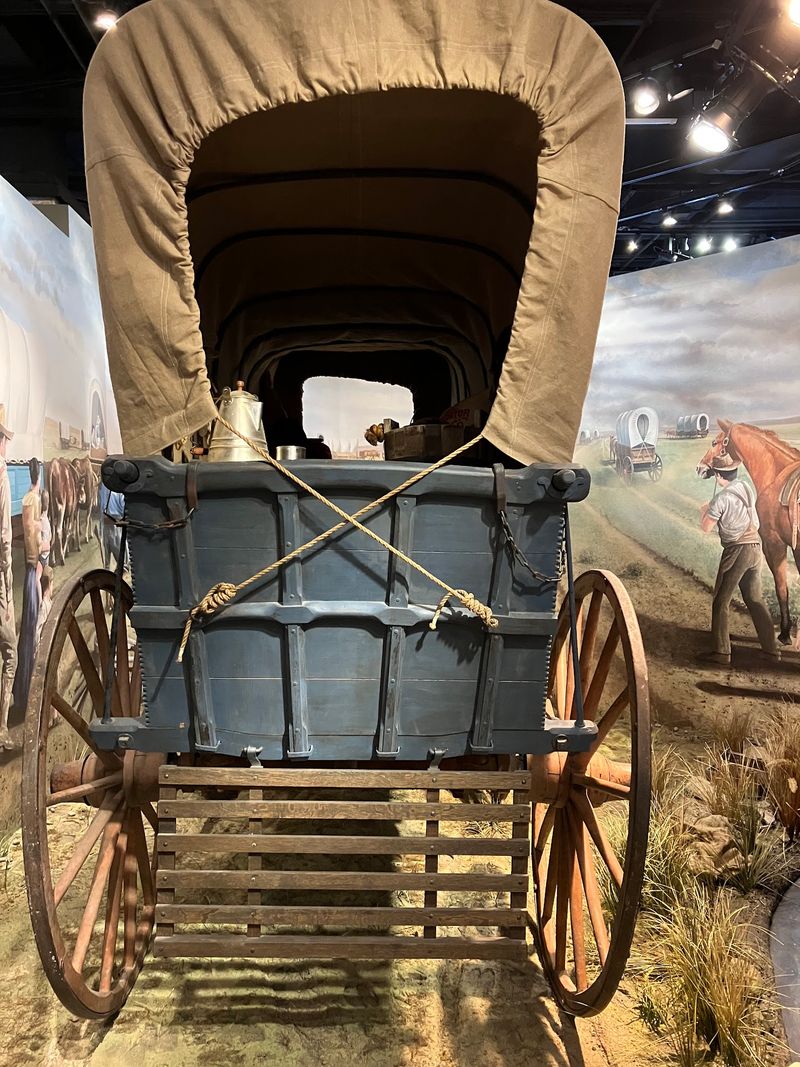
Plenty of us first met the Oregon Trail through a computer game. At the Oregon Historical Society, you can do better than that. A walk-through covered wagon lets you step into the story.
The wagon gives you a feel for how cramped trail life really was. Families packed food, tools, and belongings into a space smaller than many bedrooms. Then they traveled for months across rough country.
Standing inside helps you picture the choices those travelers made. What would you bring? What would you leave behind? Those questions spark great conversations, especially with curious kids.
It also helps to remember the trail’s other side. Settlers arrived on land where Native peoples already lived, and the museum explores that history too. The wagon is a starting point, not the whole story.
Snap a photo, sure. But also slow down and look at the details around you. Small objects nearby can reveal how people cooked, slept, and kept going. You’ll walk out with a new respect for anyone who made that trip.
And probably a new appreciation for modern cars with cup holders.
Portland Gets Its Own Spotlight, Rip City Included
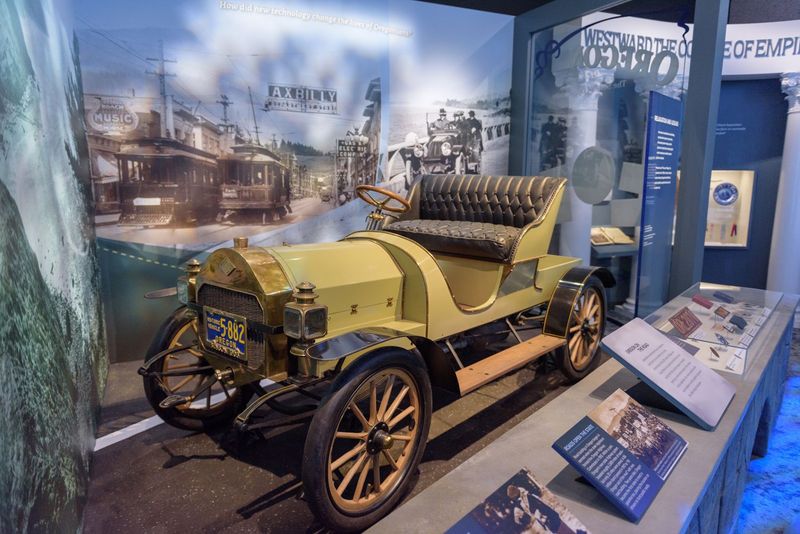
Rivers, Roses, and Rip City might be the best exhibit name in the Pacific Northwest. It belongs to a permanent exhibit about the remarkable history of Portland. More than 500 objects and archival materials fill it.
The exhibit digs into what makes the city feel so distinct. You’ll learn about its landscape, its many communities, and its culture. Rivers shaped where people lived and worked, while roses earned Portland a famous nickname.
And Rip City? Basketball fans already know that phrase belongs to Trail Blazers lore. Seeing it in a history museum feels like a wink to locals.
What I enjoy most is how the exhibit treats a city like a living thing. Neighborhoods grow, change, and sometimes struggle. Communities push for fairness and leave their mark along the way.
This section works well even if you only know Portland as a weekend trip. It explains the bridges, the parks, and the quirky personality behind the city. After touring it, a walk downtown feels different. You start noticing history on every corner, right down to the sidewalks.
Kids Can Saddle Up For The Pendleton Round-Up
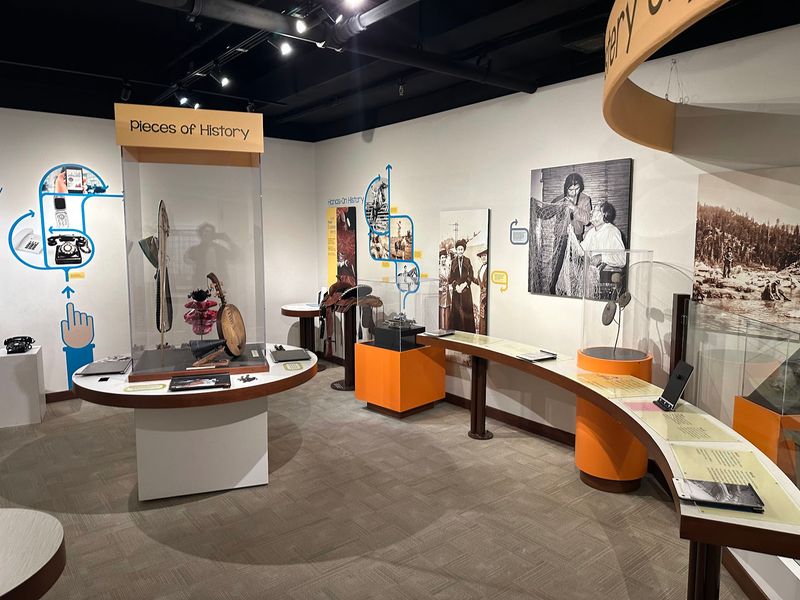
Saddle up, little historians. The History Hub at the Oregon Historical Society is a hands-on exhibit built for younger visitors and families. It turns big questions into playful discoveries.
Kids explore who Oregonians are, where they came from, and what challenges they faced. Those topics could feel heavy. Here, they come through games, activities, and moments that invite kids to jump right in.
One highlight lets young visitors experience the famous Pendleton Round-Up from the saddle. Another lets them step into a covered wagon. There’s even a cozy reading nook with a bookshelf shaped like Oregon.
Parents, this is a smart place to start or take a break. Younger kids can burn off some energy while still learning. Older kids often get curious enough to head upstairs for more.
The space also shows that history isn’t only about famous names. It’s about regular families making hard choices and building new lives. That message lands well with children. Who knows?
Your little rodeo rider might leave asking to visit the library for more Oregon stories.
Baskets, Plank Houses, And Tools With Serious Stories
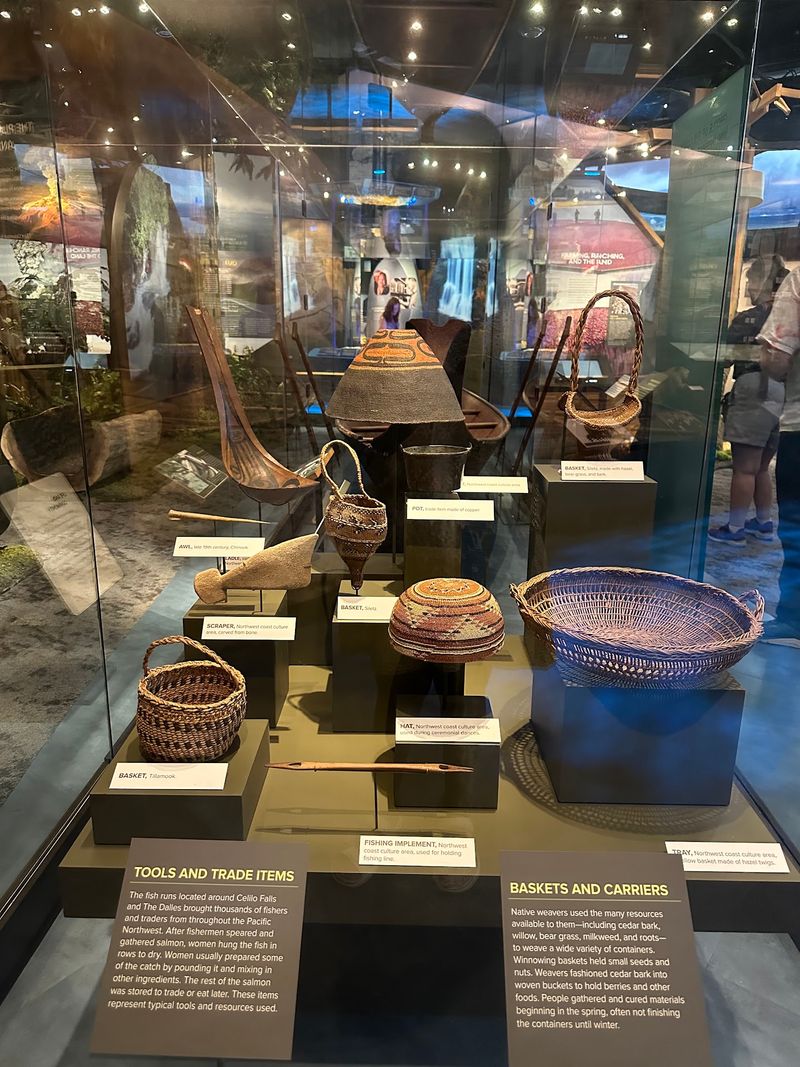
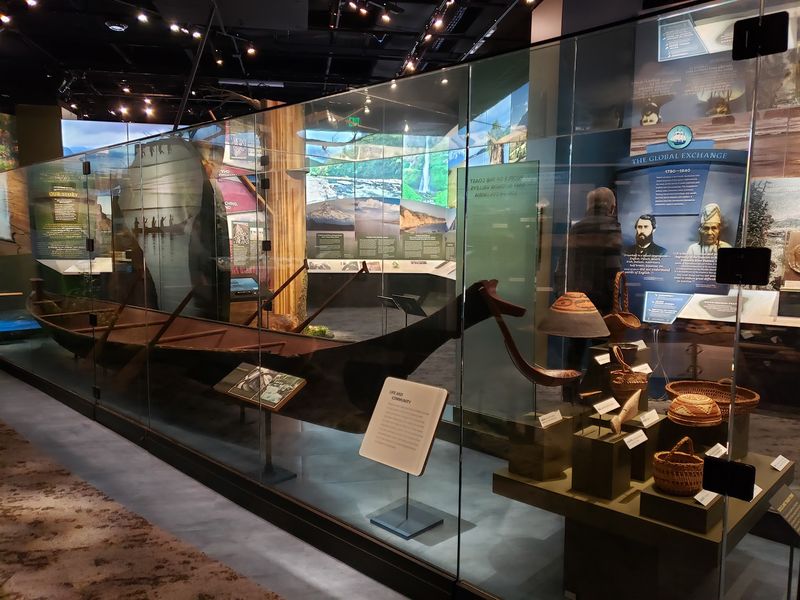
Woven by hand, a basket can hold more than berries. At the Oregon Historical Society, handwoven baskets help share the skill and traditions of Native peoples. They sit near a replica Native American plank house.
The plank house shows how communities built homes suited to the region’s forests and weather. It’s a reminder that Oregon’s story began long before wagons arrived. Native nations shaped this land for thousands of years.
Nearby, early tree-felling tools tell a very different chapter. Logging helped build Oregon’s economy, and these tools show how hard that work was. Imagine tackling a giant tree with muscle instead of machines.
Then there’s a touchable beaver pelt. Yes, you can actually feel it. Beaver fur drew trappers and traders to the region, which changed life for everyone here.
Put these objects together and something clicks. Wood, fiber, and fur connect people across centuries in surprising ways. Take time to compare the craftsmanship. Each piece shows how people used what the land offered, and what that use meant for the future.
The Biggest Oregon Library On The Planet Lives Here
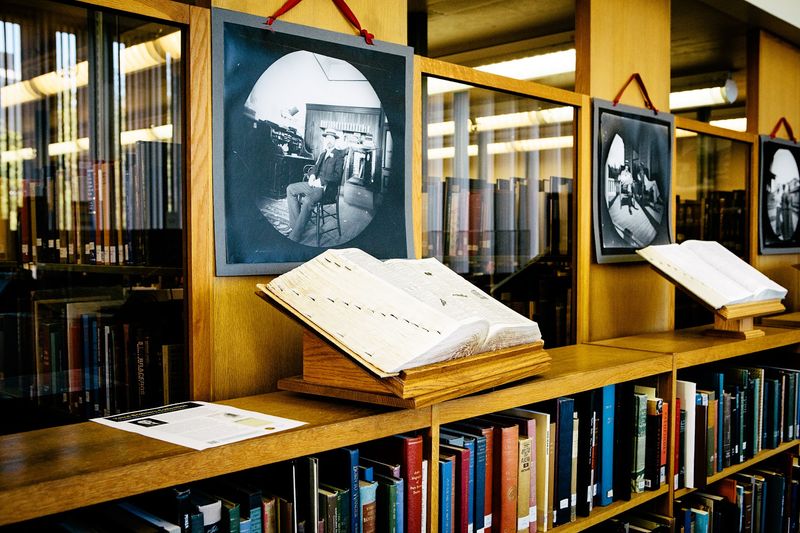
Ever wondered who lived in your house a hundred years ago? The research library at the Oregon Historical Society might help you find out. It holds the world’s largest collection of Oregon-related books, photographs, films, and oral histories.
That’s a huge treasure chest for curious minds. People use it to research historic homes, trace family trees, and study local events. Students and writers find it just as useful.
Oral histories are a special bonus. These recordings capture real people telling their own stories in their own words. Hearing a voice from the past feels far more personal than reading a dry list of facts.
Can’t make it in person right away? The society offers online access too. Its digital collections include more than 37,000 digitized items, and a museum portal holds over 12,000 object records.
My advice is to come with one clear question. Maybe it’s a street name, a grandparent, or an old business. Narrow questions lead to the best discoveries. You might uncover a family story nobody remembers.
Plan Smart And Make The Most Of Your Visit
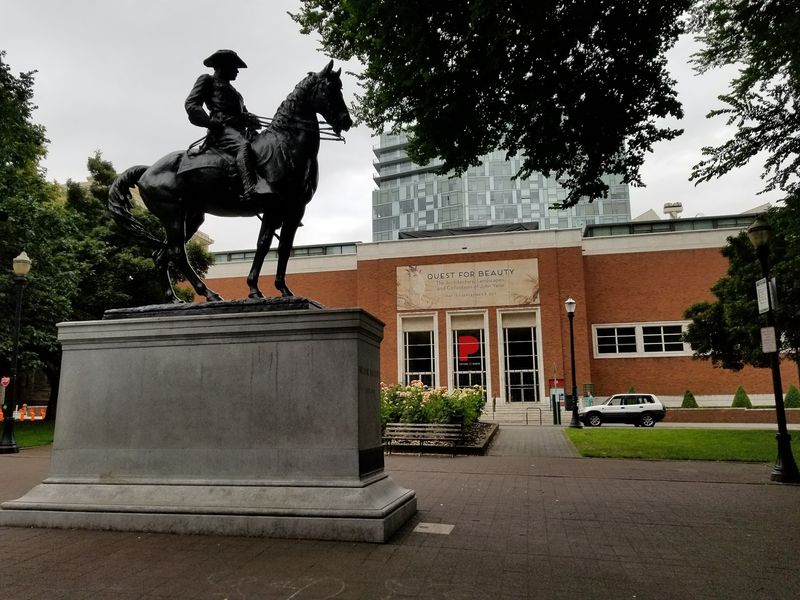
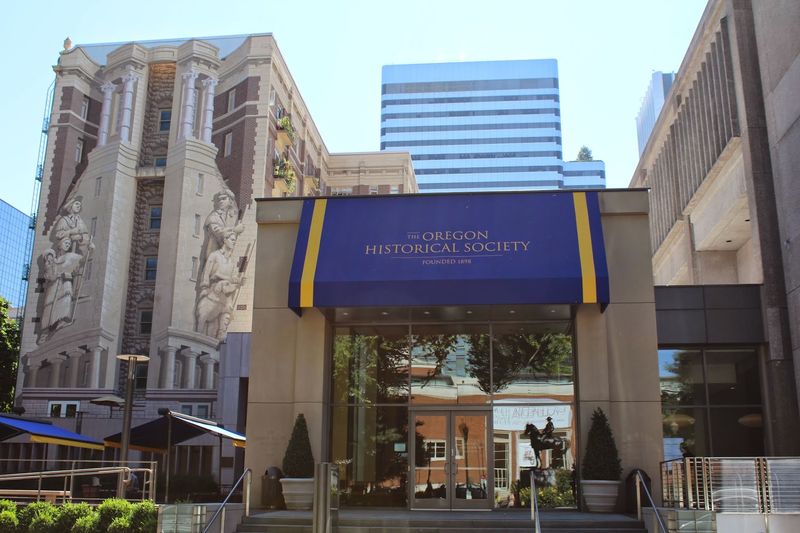
Finding the museum is the easy part. The Oregon Historical Society sits at 1200 SW Park Ave, Portland, OR 97205. It’s on the leafy South Park Blocks, right across the street from the Portland Art Museum.
The society itself has deep roots. It was founded in 1898 and moved to this downtown spot in 1966. The building also features murals that stretch eight stories high, so look up before heading in.
Hours run from 10 a.m. to 5 p.m. Monday through Saturday. Sundays open at noon and close at 5 p.m. Youth 17 and under get in free, and so do Multnomah County residents.
Plan for more time than you expect. The museum spans several floors, and the exhibits keep unfolding. Elevators make moving between levels simple.
Before you leave, swing by the museum store for Oregon-themed souvenirs. Rotating exhibits mean there’s often something new on return trips. Pair your visit with a stroll through the park blocks or a stop at the art museum. That’s a full day of culture in Oregon’s biggest city, no coin toss required.
