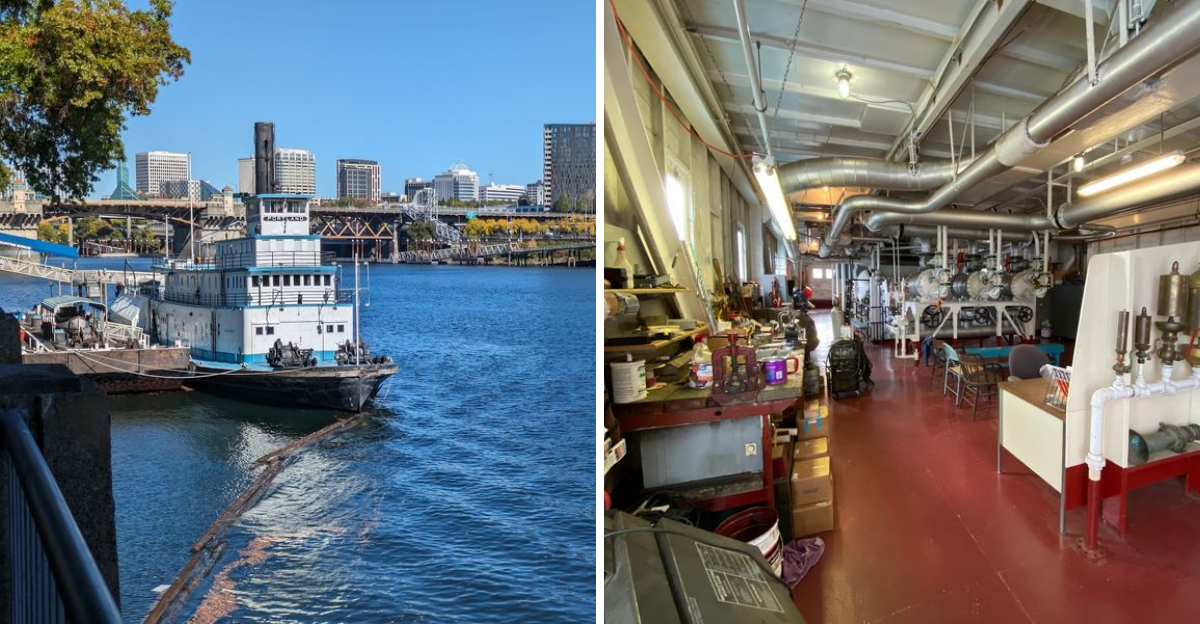
Most museums keep their treasures safely behind glass. This one lets you climb inside them – a real submarine that once patrolled ocean depths. Oregon has a floating museum that puts you face-to-face with maritime history in the most immersive way possible.
The vessel is beautifully preserved, with tight quarters, massive machinery, and a pilot house where captains once stood watch. You can explore every section, from the engine room to the crew’s sleeping quarters, and imagine what life was like beneath the surface.
Volunteer guides are passionate and knowledgeable, sharing stories that bring the past to life in vivid detail. The whole experience feels personal, tangible, and surprisingly moving.
Step aboard and see history from the inside out. Oregon’s submarine museum is an adventure you won’t soon forget.
A Floating Museum Tied to the Downtown Seawall
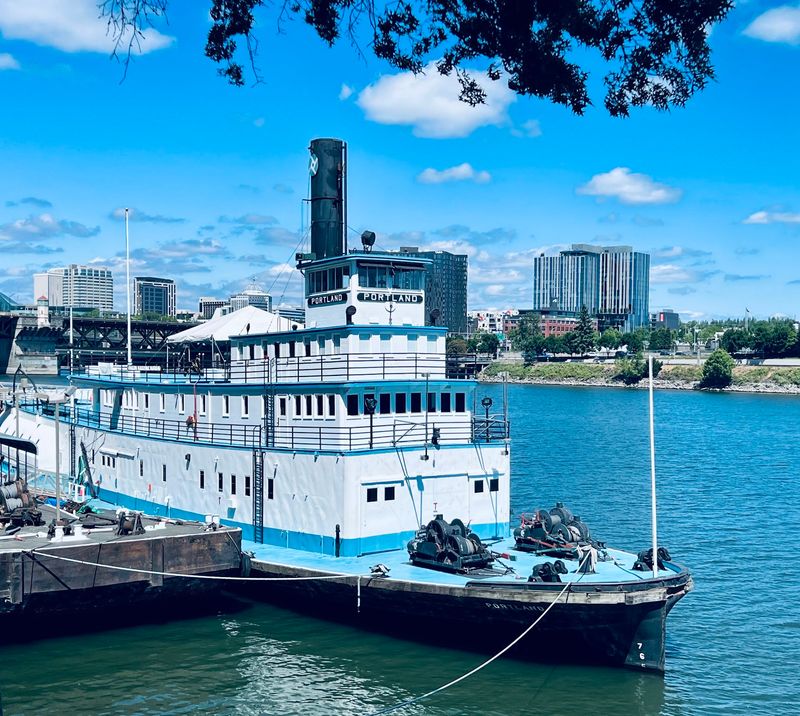
Most museums sit on solid ground. Not this one. The Oregon Maritime Museum lives aboard the sternwheeler steam tug Portland, moored right along the downtown seawall on the Willamette River.
That single detail changes everything about the visit. The floor moves a little, the ropes groan, and gulls argue overhead while exhibits sit in old crew spaces and cabins.
Getting there is simple, since Tom McCall Waterfront Park runs directly past the gangway. Joggers, cyclists, and food cart lunch crowds all stream by, and plenty of them never realize the big white boat is open to the public.
Inside, the vessel holds ship models, tools, photographs, and equipment tied to Oregon’s river trade. Rooms feel snug rather than grand, which somehow makes the history land harder.
Give yourself an hour or two. That is roughly how long it takes to wander the decks, listen to a guide, and step outside for a river view before heading back into the city.
Why the Steam Tug Portland Is So Unusual
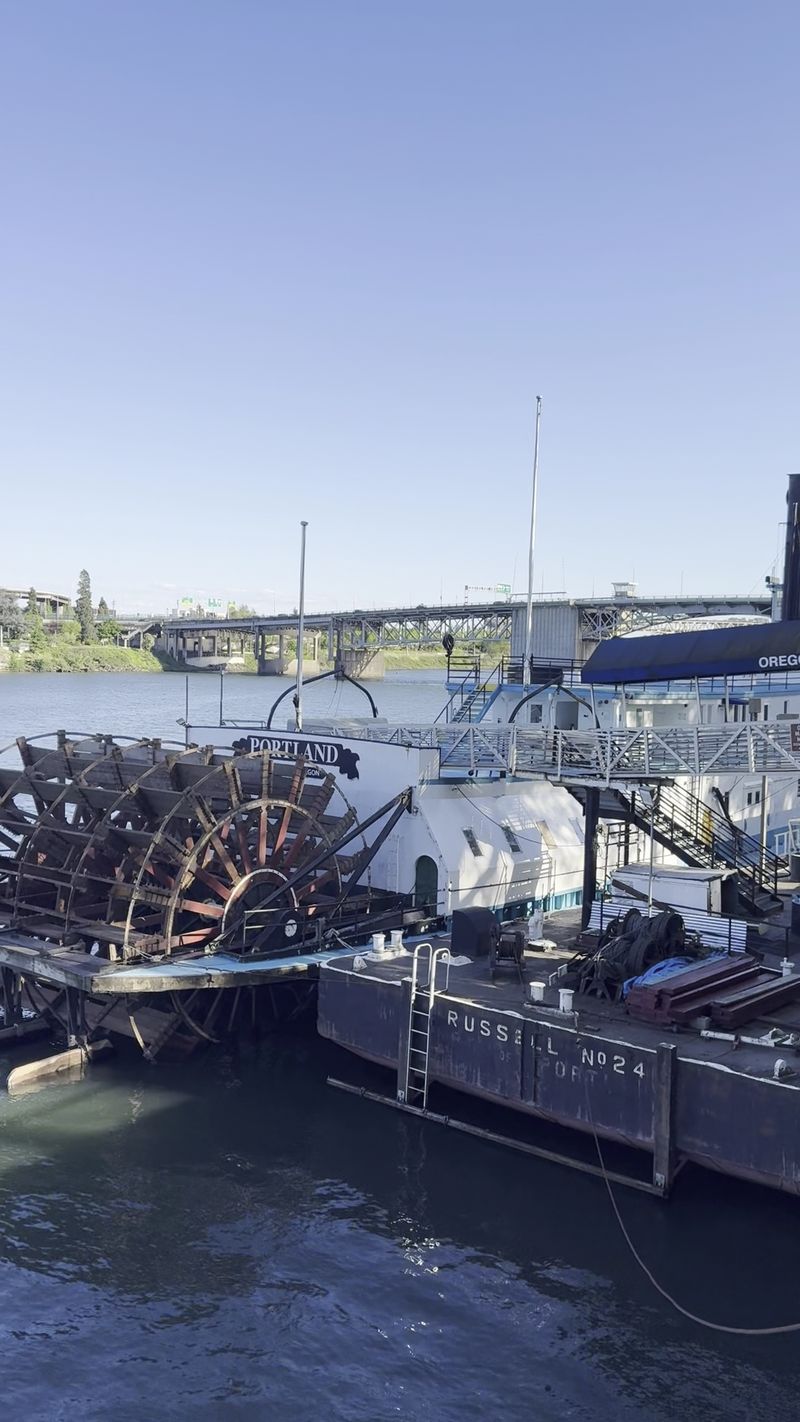
Here is the fact that surprises nearly every visitor. The Portland is a sternwheel steam tug, and vessels like it once ruled the Columbia and Willamette Rivers before diesel took over.
Volunteers describe it as the last operating steam-powered sternwheel tugboat of its kind in the country, which explains why the ship draws visitors from far outside Oregon.
The paddle wheel at the stern is the giveaway. Rather than propellers churning below the waterline, wide wooden blades pushed against the water, which worked beautifully in shallow, silty river channels.
Tugs like this one nudged massive cargo ships into position along Portland’s working docks, a job that required real skill from the crew and constant attention in the engine spaces.
Seeing the wheel up close puts the scale in perspective. Photos flatten it, but standing on the deck beside those blades makes the whole thing feel less like an artifact and more like a machine that could still get to work tomorrow.
The Engine Room Is the Real Showstopper
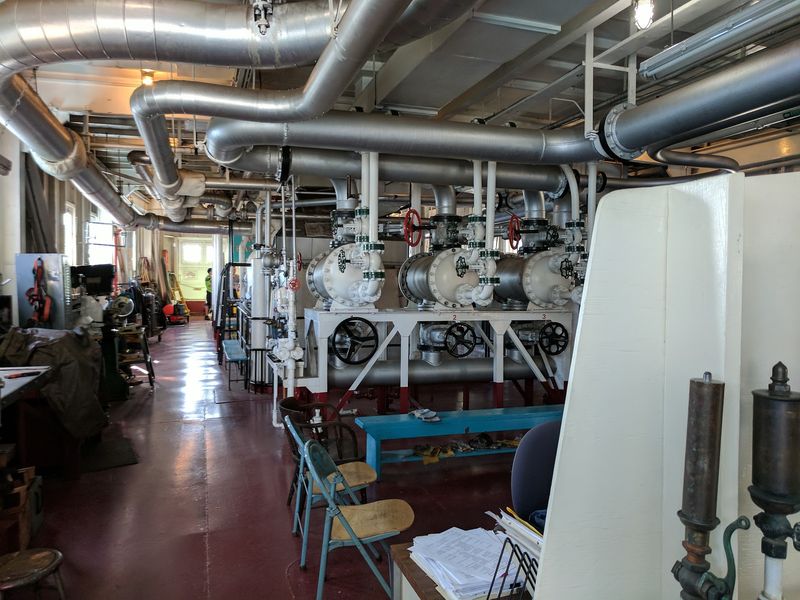
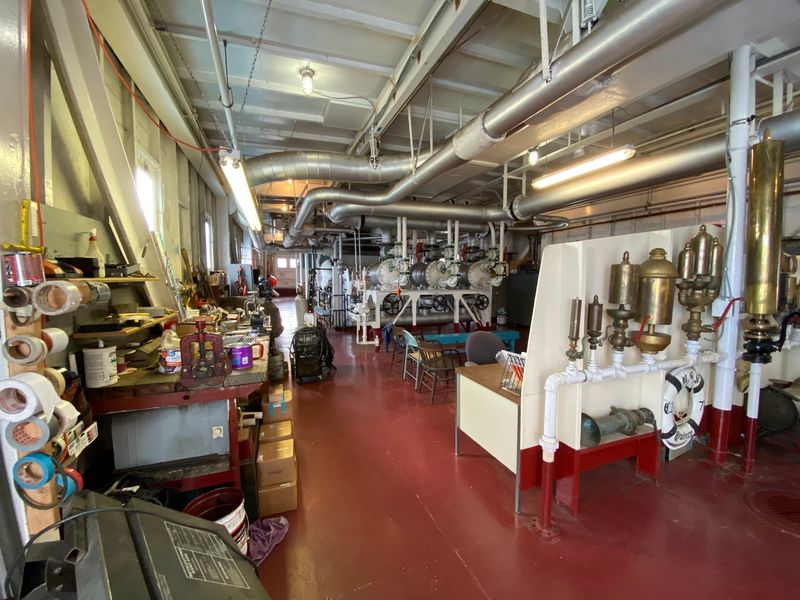
Ask anyone who has toured this ship what stuck with them, and the engine room comes up again and again. Steel walkways, pipes running in every direction, and gauges with hand-painted faces fill the space.
The air down there smells like metal and oil, and the sound of your footsteps changes the moment you descend.
Guides explain how steam pressure turned into motion, pointing out valves and linkages that would otherwise look like an incomprehensible puzzle. During periods of restoration work, panels sometimes come off, and visitors get to peek at internal parts that are normally hidden behind covers.
Kids tend to love this section, mostly because everything is big, mechanical, and slightly mysterious. Adults linger for different reasons, usually the craftsmanship.
Watch your head and your footing on the ladders and steep stairs. Sturdy shoes make the descent easier, and leaving bulky bags behind gives you more room to move through the narrow passages comfortably.
Climbing Up to the Pilothouse
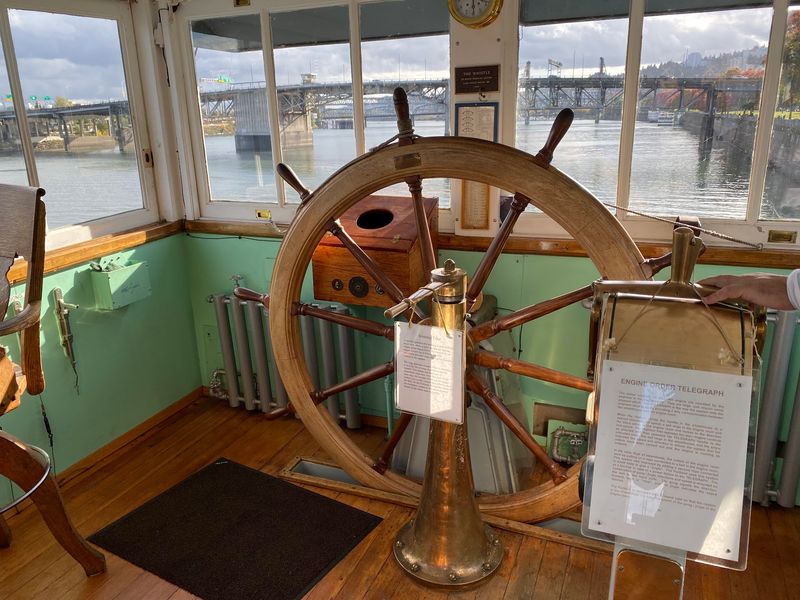
Up top, the pilothouse changes the mood completely. Windows wrap around the room, light pours in, and the enormous wooden steering wheel sits front and center like it is waiting for someone to grab it.
From that spot, downtown Portland spreads out on one side and the river bends away on the other.
Guides often explain how the pilot communicated with the engine crew below, using signals and a telegraph rather than shouting down a hallway. The system sounds primitive until you realize how precisely it had to work while maneuvering a ship weighing thousands of tons.
Bridges frame the view in both directions, and boats slide past while you stand there. It is easily the best photo spot on board.
Take a minute to just look out the glass without your phone. Watching the current move beneath a vessel that spent decades working these exact waters is the kind of quiet moment that makes the trip worthwhile.
Volunteer Guides Who Actually Maintain the Ship
The people leading tours here are not reading from a script. Many of them are the same volunteers who spend weekends sanding, painting, greasing, and repairing the vessel.
That combination of hands-on knowledge and genuine enthusiasm turns a short walkthrough into something much richer.
Visitors frequently mention how detailed the tours are, with guides covering regional shipbuilding, river commerce, and small quirks of the boat itself. Questions are welcome, and follow-up questions usually lead somewhere interesting.
Because staffing depends entirely on volunteers, group sizes stay small. Sometimes a visit turns into an almost private tour, which rarely happens at bigger institutions.
Donations and ticket support matter here, since the money goes straight into keeping an aging steam vessel afloat and safe.
If a guide offers to show you something extra, say yes. Those detours into a rarely opened compartment or a shelf of old photographs tend to be the highlight of the whole afternoon.
Ship Models, Artifacts, and River Trade History
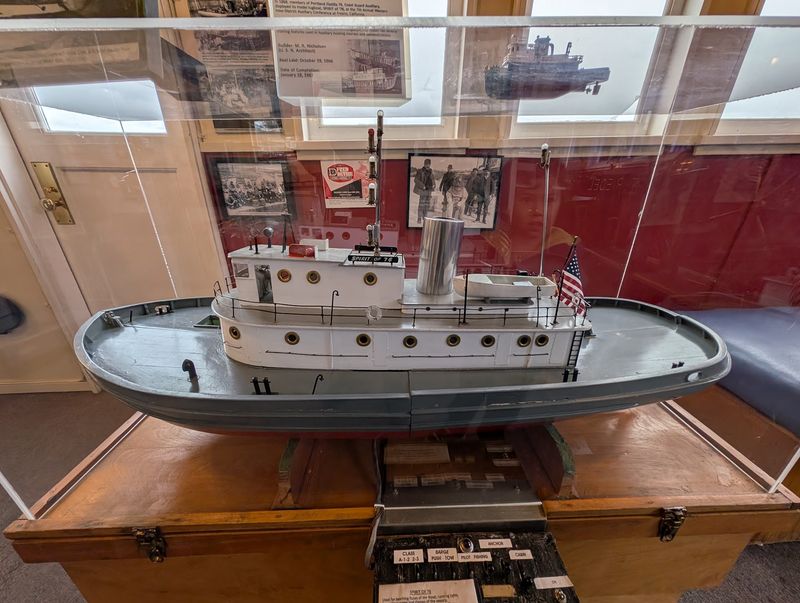
Beyond the machinery, the museum keeps a surprisingly deep collection of models and artifacts. Cases hold miniature sternwheelers, freighters, and tugs built with astonishing patience.
Old photographs line the walls, showing a working riverfront that looks almost nothing like today’s park and pathways.
There are navigation instruments, brass fittings, signal lamps, and pieces of gear pulled from vessels that no longer exist. Labels explain how goods like timber, grain, and wheat moved down these rivers long before highways carried the load.
Portland grew because of this water traffic, and the exhibits make that connection clear without turning into a lecture.
Model builders will want extra time. The detail on rigging and paddle housings rewards a slow, close look.
Bring curiosity rather than expectations of a giant modern gallery. The charm here comes from the density of small objects, each carrying a specific story about Oregon’s rivers and the people who worked them.
Book Ahead and Check Hours Before You Go
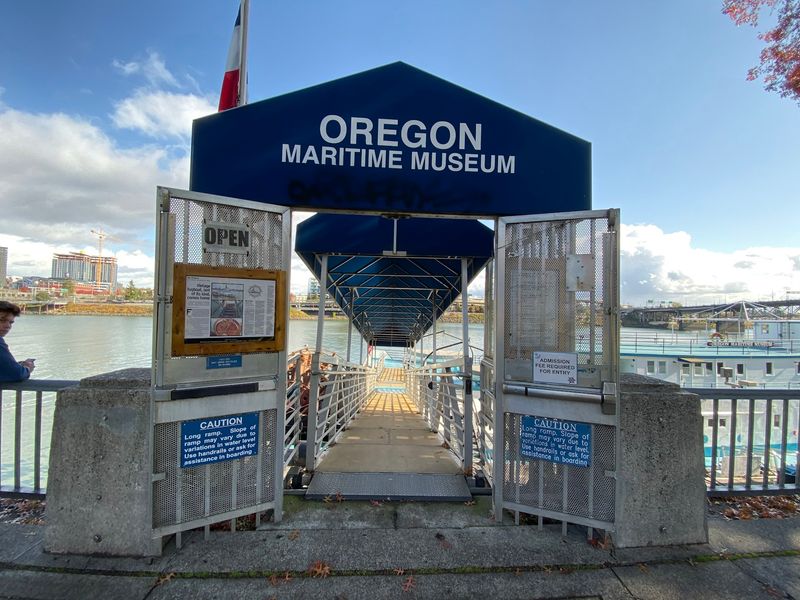
Here is the single most useful tip for this place. Reserve a tour through the museum website before showing up, because entry generally runs through scheduled tours rather than casual drop-ins.
The gate at the top of the ramp stays locked otherwise.
Opening days are limited, with Thursday and Saturday afternoons from 1 to 5 PM listed as the regular window. Maintenance work, weather, and volunteer availability can change that on short notice.
Calling ahead or checking the museum’s website and social pages the morning of your visit saves a lot of frustration. A quick message beforehand is worth the effort, especially if you are driving in from outside the city.
Aim to arrive well before the last admission time rather than cutting it close.
Treat the visit as a planned stop, not a spontaneous detour, and the whole experience goes much more smoothly. A little preparation turns this into one of Portland’s most memorable small attractions.
Great for Kids and Curious Families
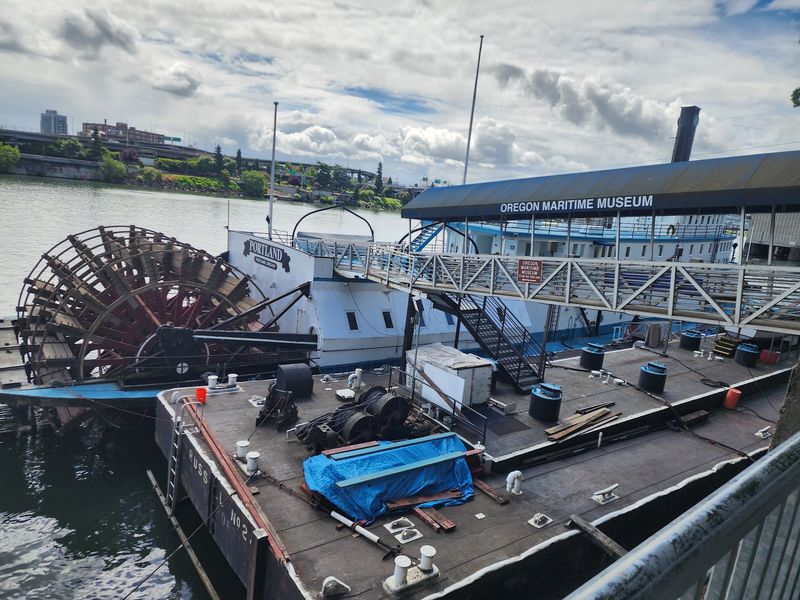
Families do well here for one simple reason. Kids get to climb, peer, and touch rather than stand behind velvet ropes reading long panels.
Narrow stairways, round portholes, and a giant wheel in the pilothouse turn the visit into a mild adventure.
Tours move at a relaxed pace, and guides usually adjust the level of detail depending on who is listening. Younger visitors often fixate on the paddle wheel, while older ones latch onto the engine mechanics.
Keep an eye on footing, since ladders are steep and doorways low. Little ones may need a hand in a few spots.
Strollers are not practical aboard, so a carrier works better for toddlers.
Pair the tour with time in Tom McCall Waterfront Park afterward, where there is grass to run on and boats to watch. Combining the two makes an easy half day downtown without much walking between stops or complicated logistics.
Waterfront Views and What Surrounds the Dock
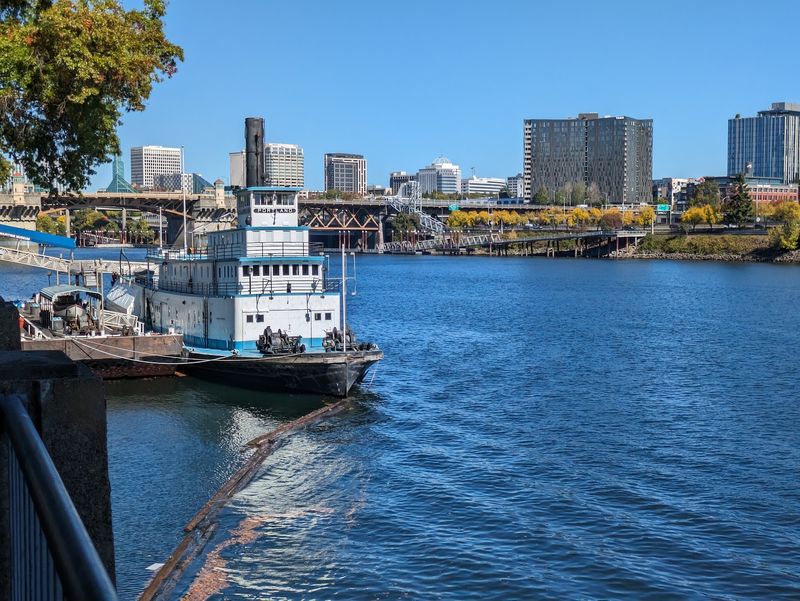
Even before boarding, the setting delivers. The ship sits along Tom McCall Waterfront Park, where the paved path runs for over a mile beside the Willamette.
Bridges stack up in both directions, and the Steel Bridge and Hawthorne Bridge frame the skyline nicely from deck level.
Spring brings cherry blossoms to the Japanese American Historical Plaza just north of here, which makes the walk to the gangway especially pretty. In summer, the lawn fills with events and casual crowds.
Saturday Market operates nearby under the Burnside Bridge, so pairing a tour with browsing craft stalls works well on the same afternoon.
Street parking along Naito Parkway can be tight, and nearby garages fill quickly on event days. Transit or a short walk from downtown is usually easier.
Grab a coffee, stroll the seawall, and let the river set the pace. The whole stretch has a calm, unhurried feel that suits a museum built inside an old working boat.
Making the Most of an Afternoon Aboard
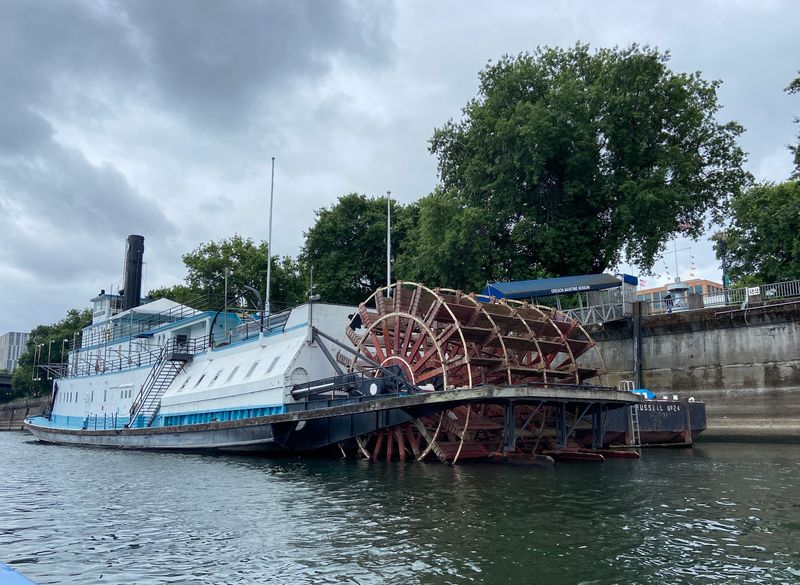
A trip here rewards people who slow down. Rushing through the decks in twenty minutes misses the point entirely, since the value sits in the conversations and the small details.
Plan for an hour minimum, and closer to two if the guide is in a storytelling mood.
Dress for river breezes, which cut cooler than the temperature suggests, and wear shoes with decent grip for the metal stairs. Cameras do well in the pilothouse light, less so in the dim engine spaces.
Consider visiting during restoration periods if you can, since parts normally hidden sometimes sit exposed.
Support the museum however feels right, whether through a donation, a purchase, or simply telling other people about it. Volunteer-run history depends on visitors showing up.
Leaving the ship and stepping back onto the pathway, the contrast between the modern city and the old steam machinery behind you makes the whole afternoon feel worthwhile.
Address: 198 SW Naito Pkwy, Portland, Oregon
