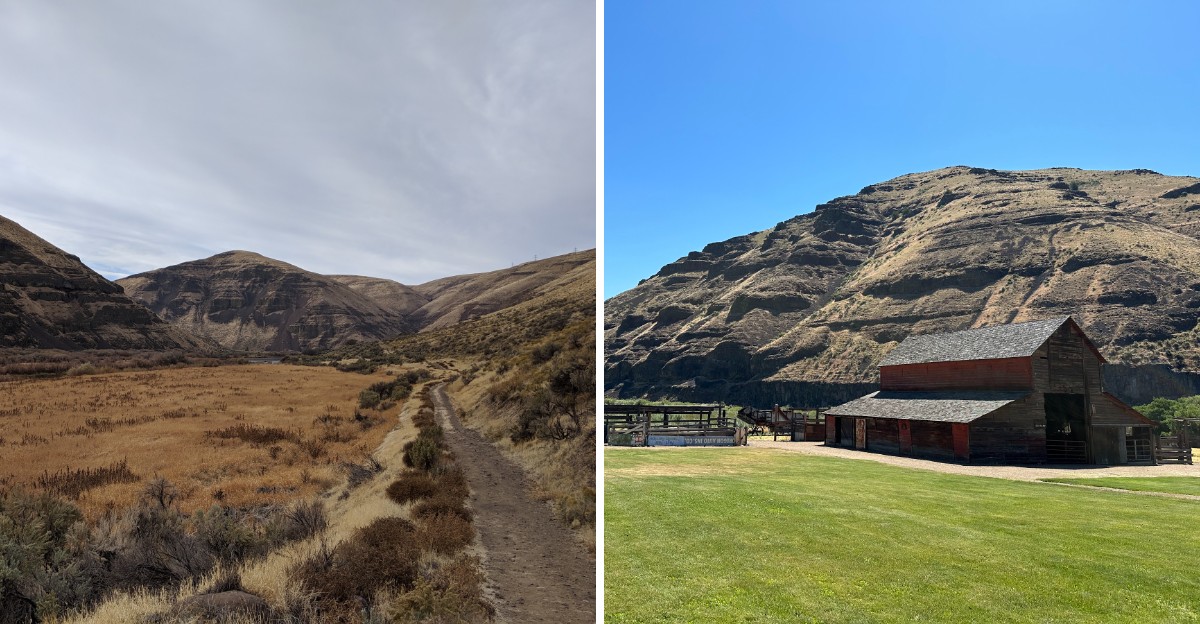
Canyon walls here climb about 1,250 feet above a river that has never been stopped by a single dam. That river runs free for more than 250 miles. Few rivers in the West can say that.
The park sits in the high desert of Oregon, far from city lights. It has zero cell service, so your phone becomes a very expensive flashlight. I like how that forces everyone to look up, look around, and actually notice things.
Bighorn sheep wander the cliffs. Wildflowers pop up every spring. After dark, the stars put on a show so good that the sky earned an official title.
The Canyon Walls Will Make Your Neck Work Overtime
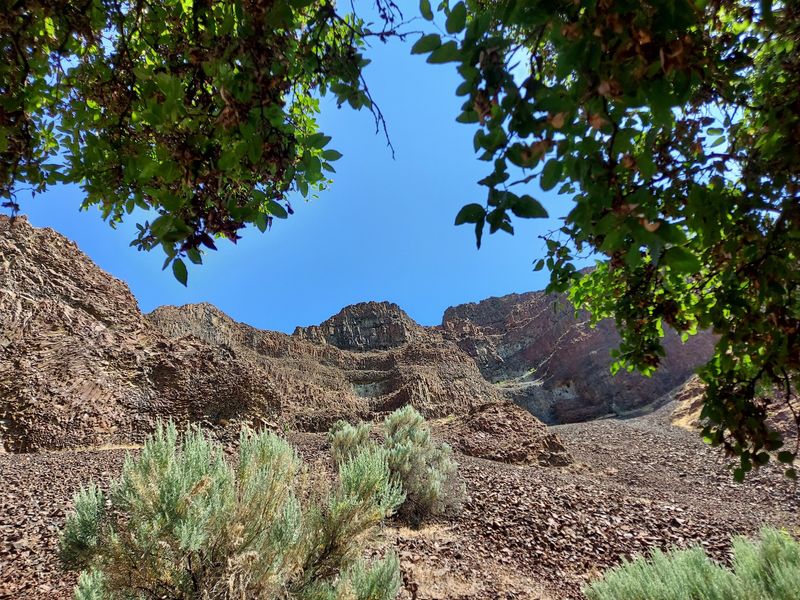
Millions of years of patient river work created what you see at Cottonwood Canyon State Park. The John Day River sliced through basalt and sedimentary rock, leaving cliffs that rise about 1,250 feet above the water.
The result looks less like Oregon and more like a movie set for a distant planet. Vertical basalt walls stack up in dark layers. Deep side canyons branch off in every direction.
Between the cliffs, rocky grasslands and sagebrush stretch for miles. River bottoms add a ribbon of green along the water. The mix of textures changes with the light all day long.
Morning shadows make the walls look sharp and dramatic. By late afternoon, the grass often glows gold against the darker rock. Photographers, take note.
Inside the park, the highest canyon points reach roughly 1,920 feet above sea level. That height gives the landscape a big, open feeling. You can see a long way in almost every direction.
Bring a camera with a wide lens if you have one. A phone works fine too, since you won’t be using it for texting anyway. Just remember to lower it once in a while and simply stare.
A River That Refuses To Be Tamed Runs Right Through It
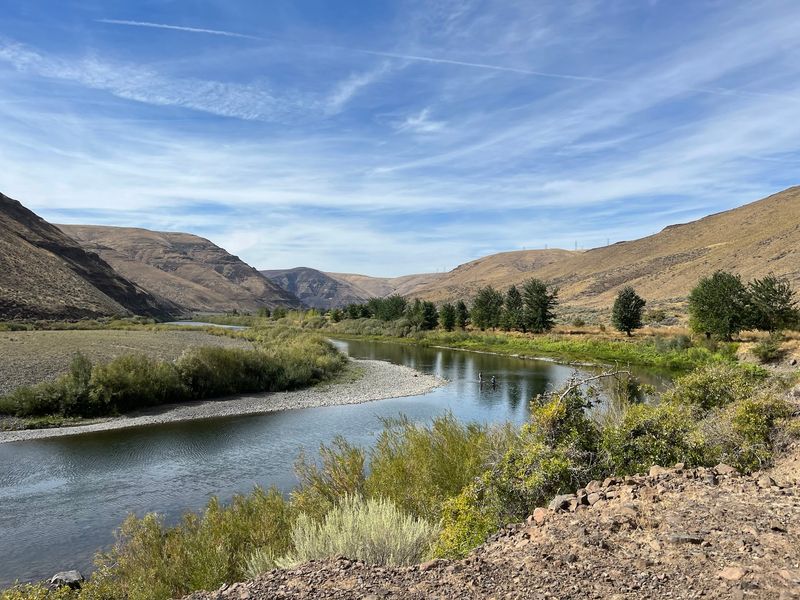
No dams. Not one. The John Day River flows for more than 250 miles without a single barrier, making it one of the longest free-flowing rivers in the West.
About 16 miles of this wild waterway pass through the park. It carries an official Wild and Scenic Waterway designation, which is a fancy way of saying it is special and protected.
Anglers love it for good reason. Wild steelhead run in spring and fall. Smallmouth bass and catfish keep things busy the rest of the time.
The J.S. Burres day-use area works as a popular launch spot. Rafts, kayaks, canoes, and drift boats all start their trips there. Planning a float between Service Creek and Tumwater Falls?
You’ll need an online permit first.
Swimming is possible too, especially where the water moves slower on the northern end. The John Day River offers places to cool off, but visitors should be cautious because currents, water depth, and submerged hazards can change, even where the surface looks calm.
Fishing rules come from the Oregon Department of Fish and Wildlife. Look those up before you cast. A little homework keeps the trip fun and fine-free.
Sheep With Climbing Skills Are Your New Neighbors
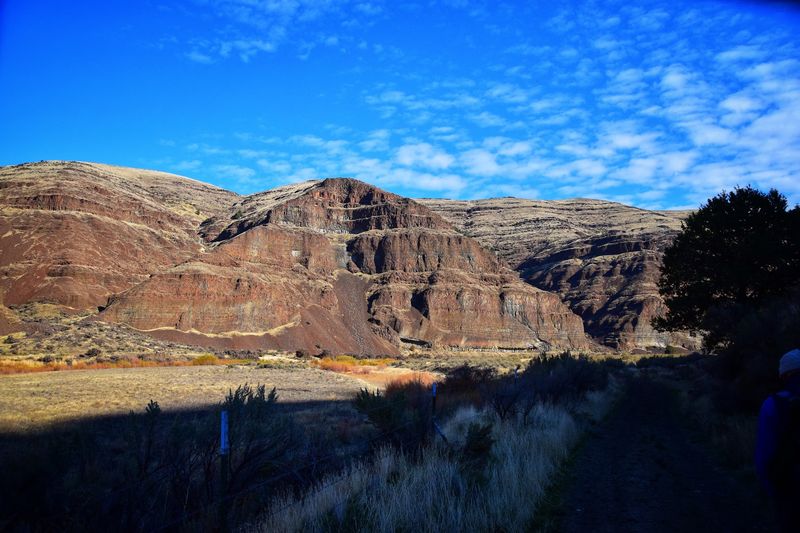
Oregon’s biggest herd of bighorn sheep reportedly calls this canyon home. Those sheep scramble up rock faces that would make a mountain goat nervous.
They aren’t alone out here. Rocky Mountain elk, mule deer, and pronghorn roam the grasslands. Coyotes and white-tailed jackrabbits add to the cast.
Birders get a treat as well. Many migrating and resident birds pass through, and raptors are a real highlight. Keep binoculars around your neck and scan the cliffs and sky.
The rocks shelter reptiles too, including six species of lizards. Western rattlesnakes live here, along with harmless snakes. Watch where you step and where you put your hands.
Cougars also live in the area. Sightings are rare, but smart habits matter. Keep kids close and pets leashed on trails.
Early morning and evening are usually the best times to spot animals moving around. Bring patience and a quiet voice. The canyon rewards people who slow down and pay attention.
Treat every animal as a wild neighbor, not a petting zoo resident. Give them plenty of space, especially the sheep with big curly horns.
Fifteen Miles Of Trail Means Your Legs Get A Say
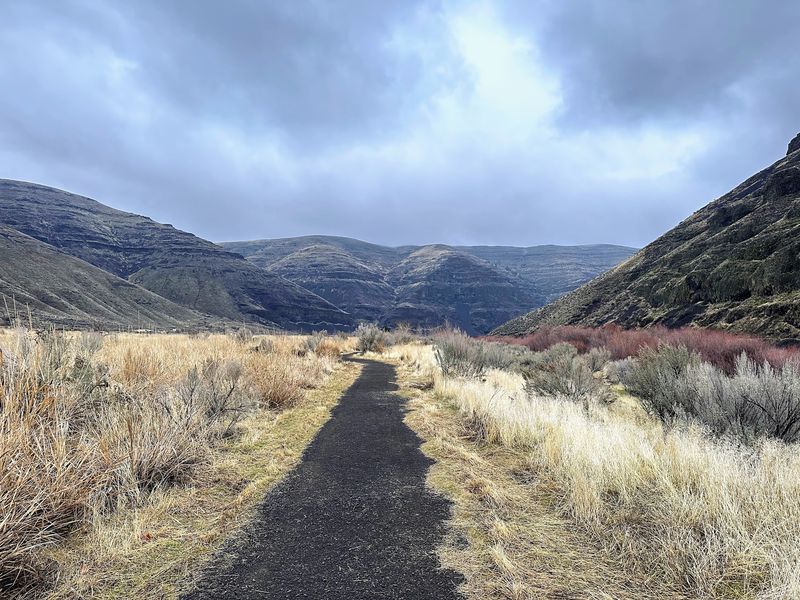
Lace up properly, because the park offers more than 15 miles of maintained trails. Each one gives you a different angle on the canyon.
The Pinnacles Trail runs 4.3 miles one way downstream along the river. Hikers and bikers share it, and the views stay big the whole time.
Got a horse? The Lost Corral Trail welcomes equestrians, plus hikers and bikers. It also stretches 4.3 miles one way, following the John Day River downstream.
For a shorter outing, try the Hard Stone Trail. It goes 1.5 miles one way upstream and is open to foot traffic only. It’s a nice pick for families or a quick evening stroll.
Feeling adventurous? Old ranching roads wander into the backcountry. They aren’t maintained, so plan carefully and bring a map.
Cyclists can explore the Pinnacles and Lost Corral trails, both of which allow bicycles. That’s a sweet bonus if your own bike stayed home.
Shade is scarce out here, so carry more water than you think you need. Sturdy shoes help too, since the ground is rocky. A hat and sunscreen will make you very grateful by mile three.
The Night Sky Here Earned An Official Badge
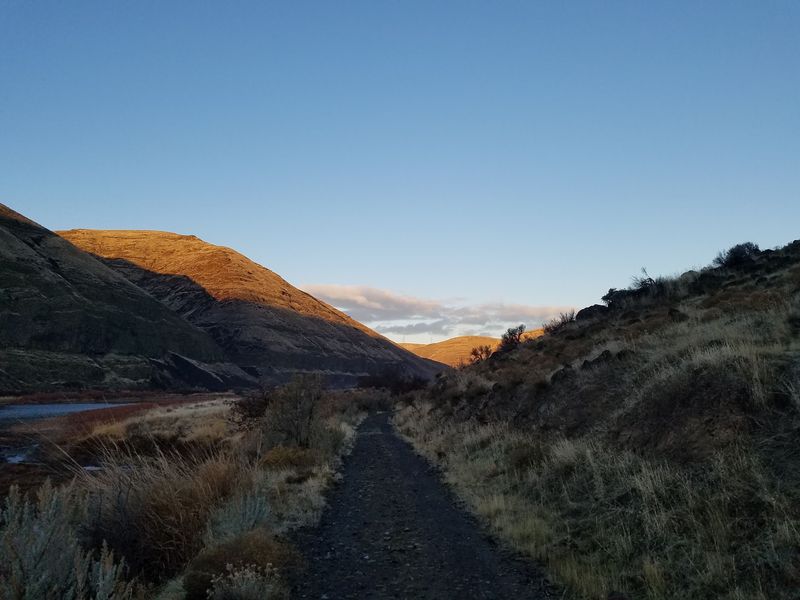
In 2024, Cottonwood Canyon State Park became a certified International Dark Sky Park. That’s a big deal in a world full of streetlights and glowing screens.
The park’s remote spot keeps it far from city light pollution. Park staff also work to keep artificial light low. Together, that creates skies dark enough to make the Milky Way look almost close.
Stargazing events and educational programs happen here too. They teach visitors about the night sky and why protecting darkness matters. Check the park calendar before you go.
Timing makes a huge difference. A bright full moon can wash out many stars. Plan around a new moon for the richest view.
Bring a red flashlight if you have one. Red light helps your eyes stay adjusted to the dark. White light resets that process every time.
A blanket or reclining camp chair turns stargazing into pure comfort. Pack warm layers, since desert nights cool off quickly.
Give your eyes about twenty minutes to adjust. More stars will slowly appear, like the sky is turning up the brightness just for you. Few Oregon spots do this better.
Pick Your Bed: Tent, RV, Cabin, Or Backcountry
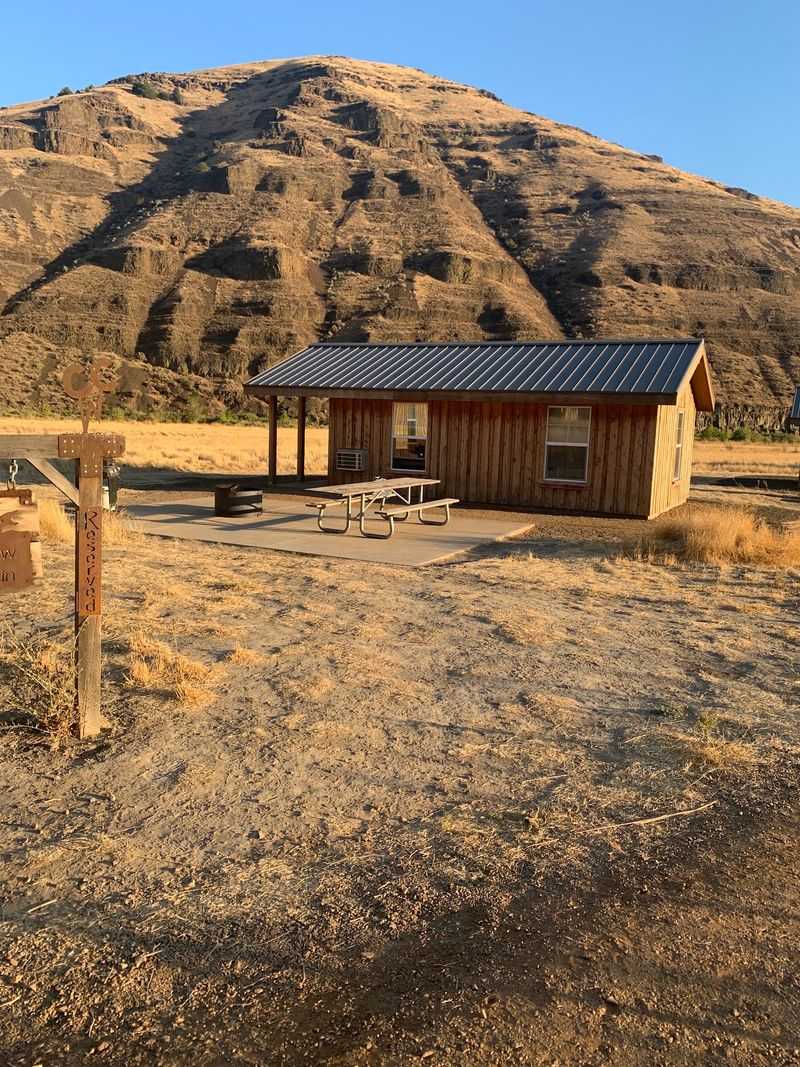
Sleeping options here cover almost every style of camper. Lone Tree Campground has 21 primitive sites for tents or self-contained RVs up to 75 feet long. There are no hookups.
Tent fans can grab one of 14 walk-in sites. They come with tent pads, picnic tables, shared fire rings, and solar charging stations. Some even have wind-blocking structures, which matter more than you’d think.
Prefer real walls? Four rustic cabins are available, and two are pet-friendly. Seven hiker and biker sites serve people arriving under their own power. A group tent camp fits up to 25 people or three self-contained RVs.
Craving true solitude? Backcountry camping is allowed with a hike-in of at least one mile.
Potable water sits in the camp loop, along with vault toilets. Flush toilets and hot showers are within walking distance. That shower feels amazing after a dusty day.
The 21 Lone Tree Campground sites are reservable from April through October and first-come, first-served from November through March, while the 14 walk-in tent sites remain first-come, first-served year-round. Book early for popular weekends.
There’s no RV dump station, so plan accordingly. Also bring heat-treated firewood if you want a campfire, and follow any fire restrictions.
A Ranching Past Still Shapes The Land
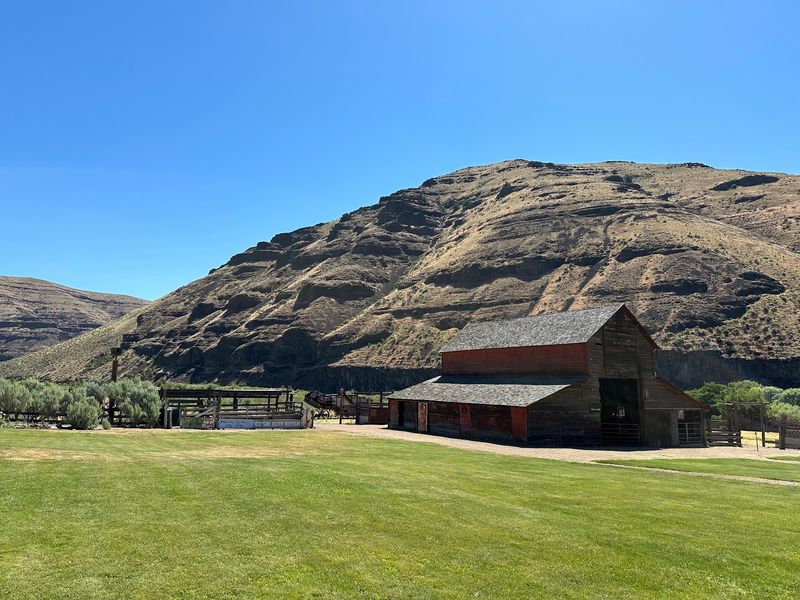
Cattle once grazed where campers now pitch tents. The land was part of a ranch owned by the Murtha and Burres families, going back to the 1930s.
In 1964, J.S. Burres sold his canyon property to Oregon State Parks. His name lives on at the J.S. Burres day-use area along the river.
The bigger story came in 2008. Western Rivers Conservancy bought the Murtha family’s property with help from a no-interest loan from the Wyss Foundation. The Conservancy then sold it to the state for the same price it paid.
That generous move helped create the park. Cottonwood Canyon officially opened to the public on September 25, 2013.
Since then, the state has invested more than 4.6 million dollars to restore the land and build recreation spaces. Oregon Lottery dollars helped fund the learning center, cabins, and restrooms.
Today, old barns and corrals still stand in the day-use area. Interpretive signs share what homesteading life in this canyon was like.
Spend a few minutes reading them. They make you appreciate your hot shower and comfy camp chair a whole lot more.
Learning Happens Under A Roof Out Here Too
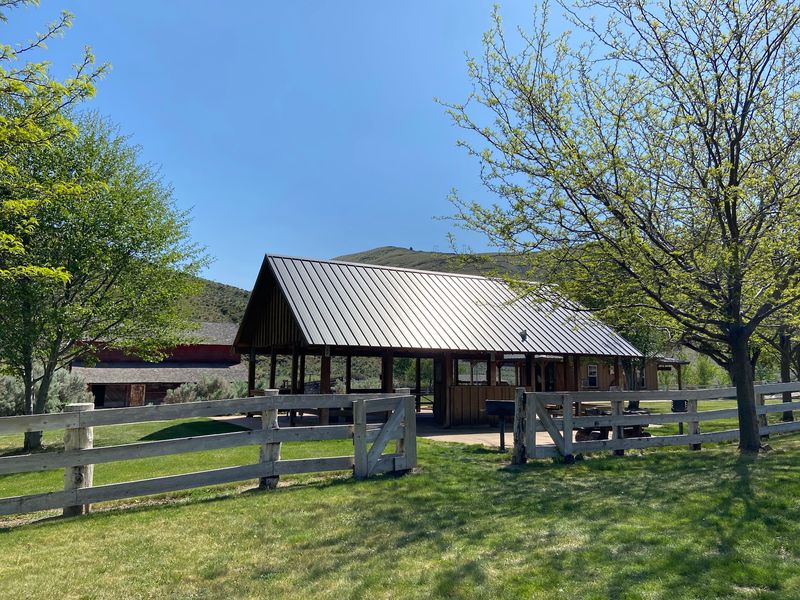
Classrooms usually don’t come with canyon views. The Cottonwood Canyon Experience Center does, and it opened in 2018.
This 1,500-square-foot space works as an indoor classroom and event pavilion. It focuses on environmental education and holds up to 50 people.
Outside, a shaded picnic shelter also fits about 50 guests. It’s a handy spot for family gatherings, school groups, or a long lunch out of the sun.
An interpretive kiosk shares information about the park. Stop there early to get your bearings before heading out on trails or to the river.
The thoughtful touches keep adding up. Flush restrooms and hot showers are available. Some walk-in tent sites include solar-powered charging stations for small devices.
Wildflowers bloom across the canyon in April and May. Spring is a great time to pair a visit to the center with a slow walk outside.
Sagebrush and native grasses cover most of the hillsides. Learning a few plant names first makes the landscape feel friendlier.
Teachers and group leaders, take note. A space like this turns a regular field trip into a full canyon adventure.
Getting There Takes Effort, And That’s The Point
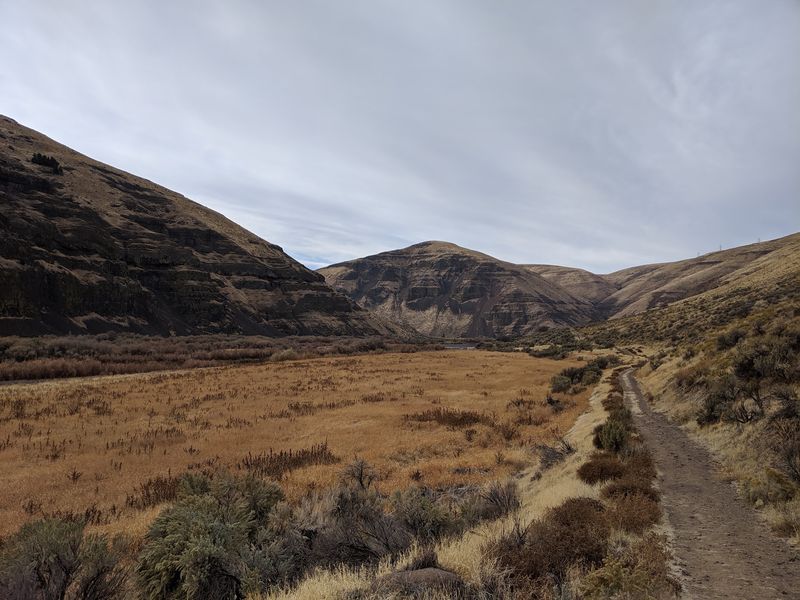
Remote barely covers it. Cottonwood Canyon State Park sits about 23 miles south of Wasco in north-central Oregon, spanning Sherman and Gilliam counties.
The full address is 99989 Highway 206, Wasco, OR 97065. Save the directions before you leave home, since cell coverage disappears inside the park.
Size is another surprise. At more than 8,000 acres, it ranks as Oregon’s second-largest state park. Around 10,000 more acres of Bureau of Land Management land surround it.
Together, that creates over 18,000 acres of shared public space. Plenty of room to spread out and find your own quiet corner.
The park stays open year-round for day use and camping. Each season brings a different mood, from spring flowers to crisp winter weekends.
Pack like you’re heading somewhere far, because you are. Bring extra water, snacks, sun protection, and layers for chilly nights.
Hunting is allowed outside developed areas under state wildlife rules. Wear bright colors on trails during hunting seasons.
Wind can be strong, so stake tents well. Then sit back, breathe the sagebrush air, and enjoy a place that still feels wonderfully wild.
