Quiet storefronts, sleepy sidewalks, absolutely nothing suggesting this town once played a bigger role than its current pace lets on.
History hides well here, tucked behind a Main Street that looks like any other small town at first glance. Buildings from over a century ago still stand though, carrying stories most visitors would never guess just driving through without stopping to actually look closer at this corner of Oregon.
Uncovering a past this substantial from somewhere this understated takes genuine curiosity most travelers skip entirely, assuming quiet automatically means uneventful. That assumption misses the mark completely here.
A sleepy Main Street rarely tells the whole story. Slow down next time you’re driving through Oregon, because this one’s hiding more than it lets on at first glance.
The Town That Packed Up and Moved
Here is a fun fact that surprised me. Dallas did not start where it sits today. Back in the 1840s and 1850s, settlers built a small community a bit north of the current downtown. It went by names like Cynthian, or Cynthiana, before folks settled on Dallas. The trouble was water.
The original spot did not have a reliable supply, and that is a serious problem for any pioneer town trying to grow.
So the residents made a bold call. They shifted the town closer to Rickreall Creek, where water was easier to reach. Picture families hauling belongings, tools, and plans for a future across the valley.
The name Dallas honors George Mifflin Dallas, who served as Vice President of the United States in the 1840s. Interestingly, he never visited the place.
Keep this story in mind while you explore. Every street corner here exists because people decided a better spot was worth the effort. That small decision shaped everything that came after, including the downtown you can stroll through today.
Rickreall Creek and Its Old French Name
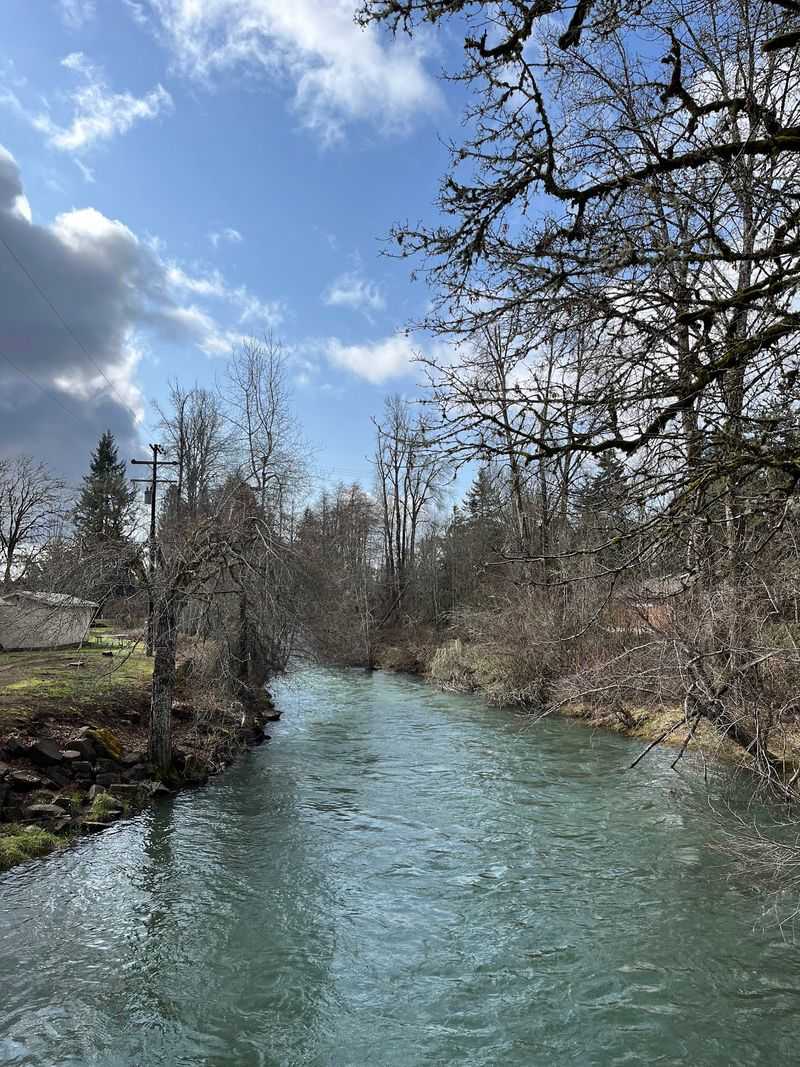
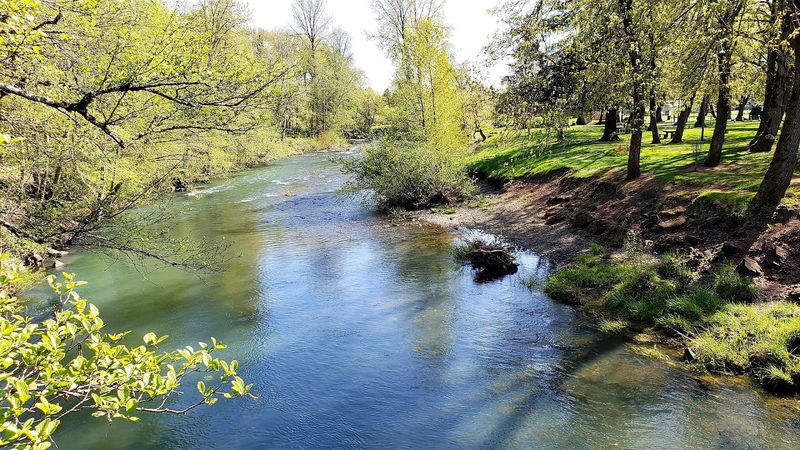
Water has a way of explaining a town. In Dallas, that water is Rickreall Creek, a gentle stream that slips along the edge of the city on its way toward the Willamette River.
Early on, the creek carried a different label. Many people called it La Creole, a name tied to French-speaking fur traders who passed through the region long before settlers arrived. Over time, Rickreall stuck, but you will still spot the older name around town, especially in local history and school names.
Sitting beside the creek is a quiet treat. You hear the steady rush over rocks, maybe a bird or two, and the faint hum of town in the distance. It feels miles from anywhere.
A short walk along the banks near the city park is the easiest way to enjoy it. Bring comfortable shoes, since paths can get muddy after rain, which happens a lot in western Oregon. Kids love tossing small leaves into the current and racing them downstream.
Simple fun, and it connects you with the reason Dallas exists at all.
La Creole Academy and a Love of Learning
Education showed up in Dallas surprisingly early. In the 1850s, residents founded La Creole Academy, a school that drew students from around the area at a time when Oregon was barely a state.
Think about that for a second. Pioneers were still clearing land and building homes, yet they made room for books and lessons. That says a lot about the values of the people who settled here.
The academy changed over the years, and the original buildings are no longer around in their first form. Still, the name lives on in the community, a small reminder that learning mattered from the very beginning. I found it oddly touching, seeing an old school name pop up in modern Dallas.
If you enjoy history, the Dallas Public Library is a friendly place to ask about local records and books on Polk County. Staff often know where to point curious visitors. You might come away with a better sense of how families lived, studied, and dreamed in this valley during its earliest days.
A Courthouse That Steals the Show
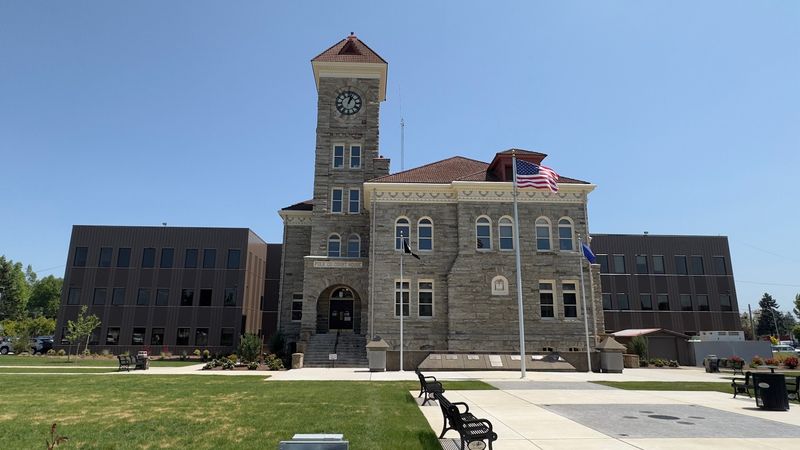
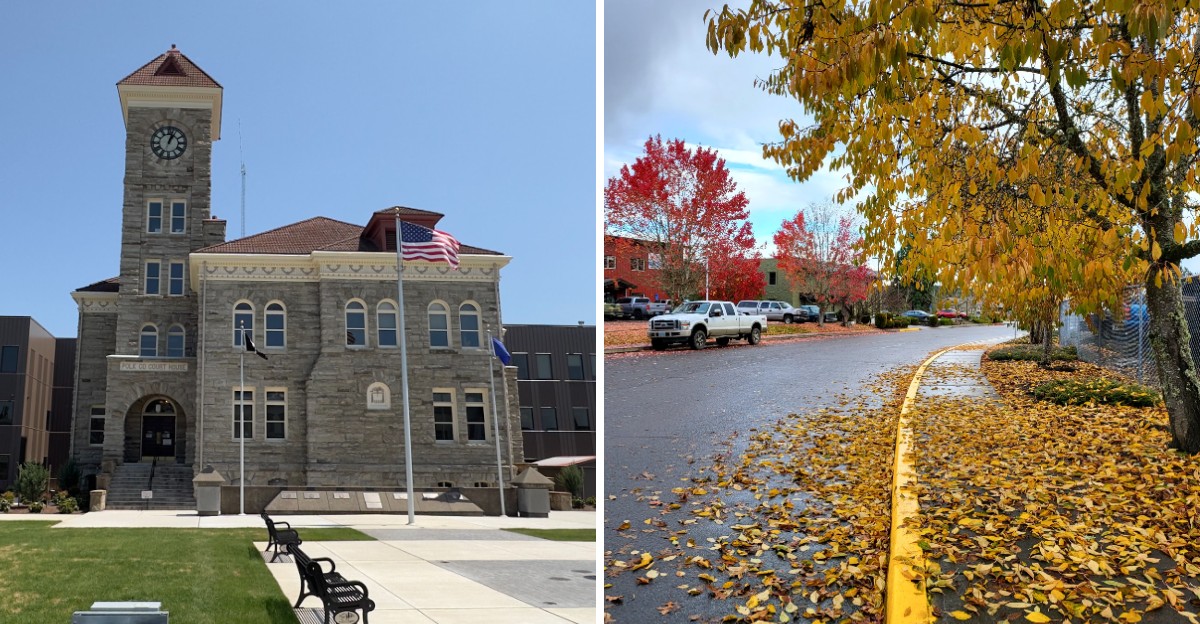
My neck got a workout the first time I saw the Polk County Courthouse. Built from local sandstone around the turn of the 1900s, it rises over Main Street with heavy arches and a tall tower that looks like it belongs in a much bigger city.
The style is often called Richardsonian Romanesque. That just means thick stone walls, rounded arches, and a solid, almost castle-like look. The stone itself came from a quarry not far from town, which makes the building feel rooted in the land around it.
It is still a working courthouse, so treat it with respect if you go inside during business hours. Most visitors are happy just circling the outside. Look closely at the carved details near the entrances and the way the color shifts from tan to warm gold as the sun moves.
Honestly, morning light is the best for photos. Fewer cars, softer shadows, and a calm square around you. Grab a spot on a nearby bench and take a minute to notice how the whole downtown seems arranged around this one proud building at 850 Main St, Dallas, OR 97338.
Brick Storefronts With Long Memories
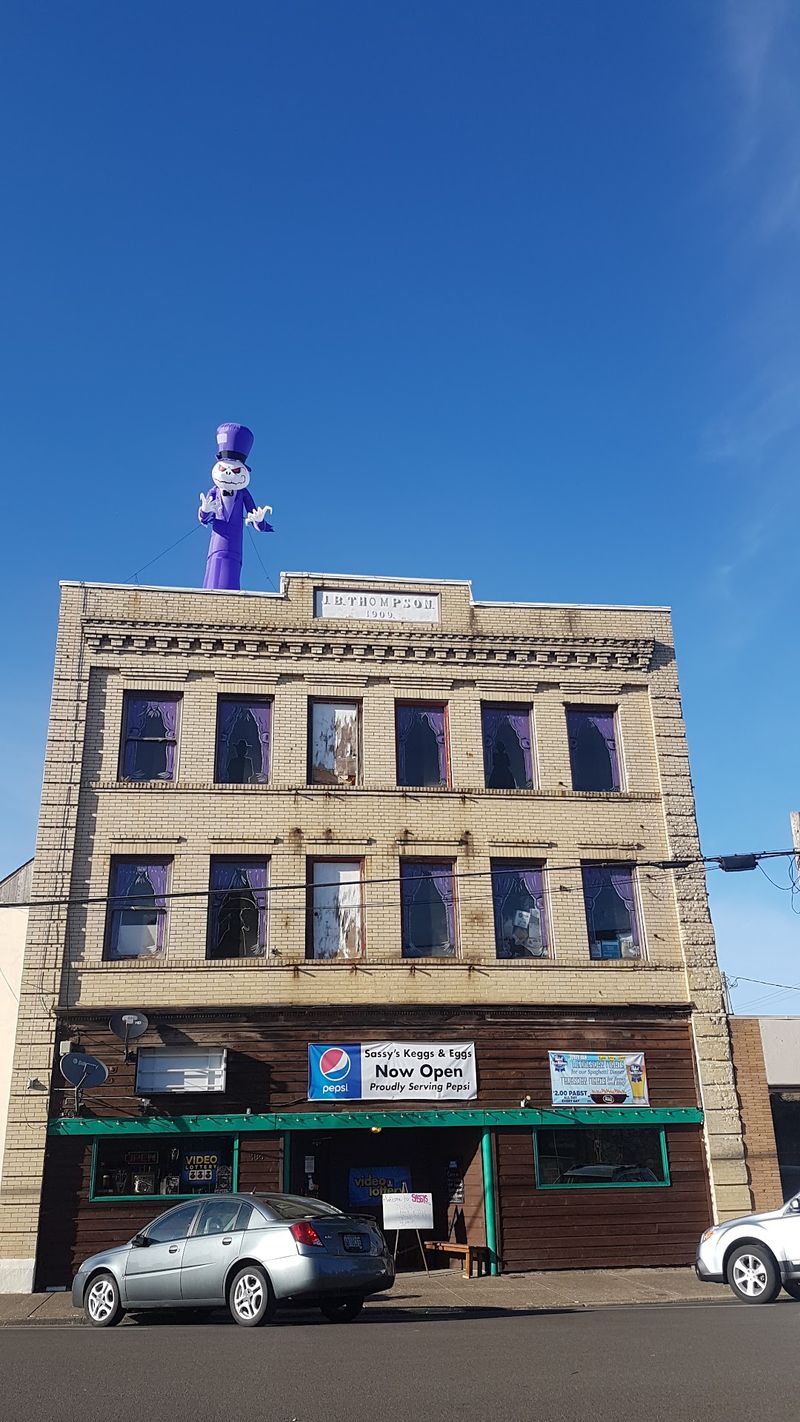
Slow down on Main Street and the buildings start talking. Not literally, of course, but the brick facades, tall windows, and faded details hint at a busy past.
Many of these storefronts date back to the late 1800s and early 1900s, when Dallas served as a busy hub for farmers and workers across Polk County. People came to town to buy supplies, handle business at the courthouse, and catch up on news. Downtown was the place to be.
Today the pace is calmer. You will find local shops, cafes, and small businesses tucked into those old spaces. Some still show original cornices or painted signs if you look up above the doorways.
My tip? Look up. Seriously, most people stare at shop windows and miss the best parts, which are often near the rooflines.
Rail Lines and the Timber Boom
Trees built a big piece of Dallas. The Coast Range sits just west of town, packed with thick forests, and in the early 1900s timber became serious business here.
Railroads made it possible. Rail lines connected Dallas to nearby communities and to Salem, which meant logs and lumber could move out quickly. Mills grew, jobs followed, and the town expanded along with them.
Families arrived to work in the woods and at the mills. Their hard labor shaped neighborhoods, schools, and churches that still stand. It was tough, dangerous work, and it deserves a little appreciation when you pass through.
The timber industry has changed a lot over the decades, but forestry still matters to this part of Oregon. You can see logging trucks on area roads and green hills rolling toward the coast.
Want to feel the connection? Take a scenic drive west of town toward the foothills. The forests close in fast, and the air smells like fir and damp earth.
It helps you understand why so many people once came here chasing work among those towering trees.
Dallas City Park, a Green Escape
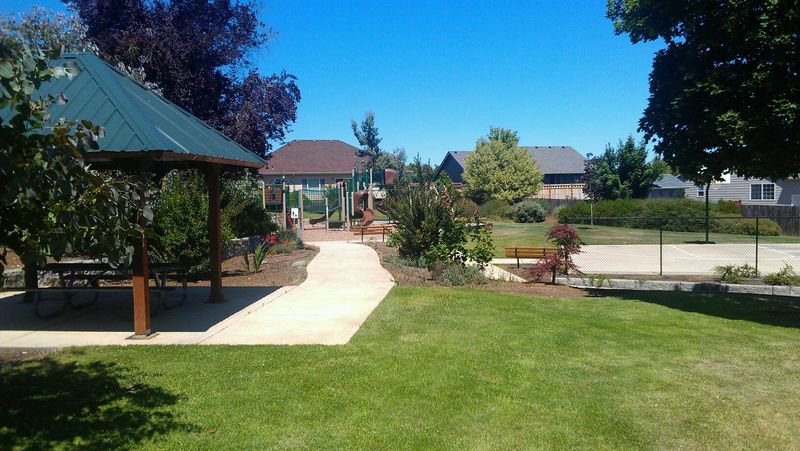
Shade, birdsong, and the sound of kids laughing greeted me at Dallas City Park. It is the kind of spot where locals spend lazy afternoons without thinking twice.
The park stretches along Rickreall Creek, so you get water views along with big trees and open grass. Paths wind through the grounds, making it easy to take a short walk after exploring downtown. There are playground areas, picnic spaces, and plenty of room to spread out.
History sneaks in here too. Parks like this have hosted community gatherings, celebrations, and family reunions for generations. Many of the larger trees have watched the town change for decades.
Pack a simple lunch from a local shop and claim a table. Summer weekends can get lively, so arrive early if you want a prime spot near the creek.
Bring a light jacket even in warm months. Shade under those trees stays cool, and Oregon weather loves surprises. A quick nap on the grass?
Totally allowed. Nobody here will judge you for it, and you might just leave feeling recharged.
Gardens of Native Plants at the Arboretum
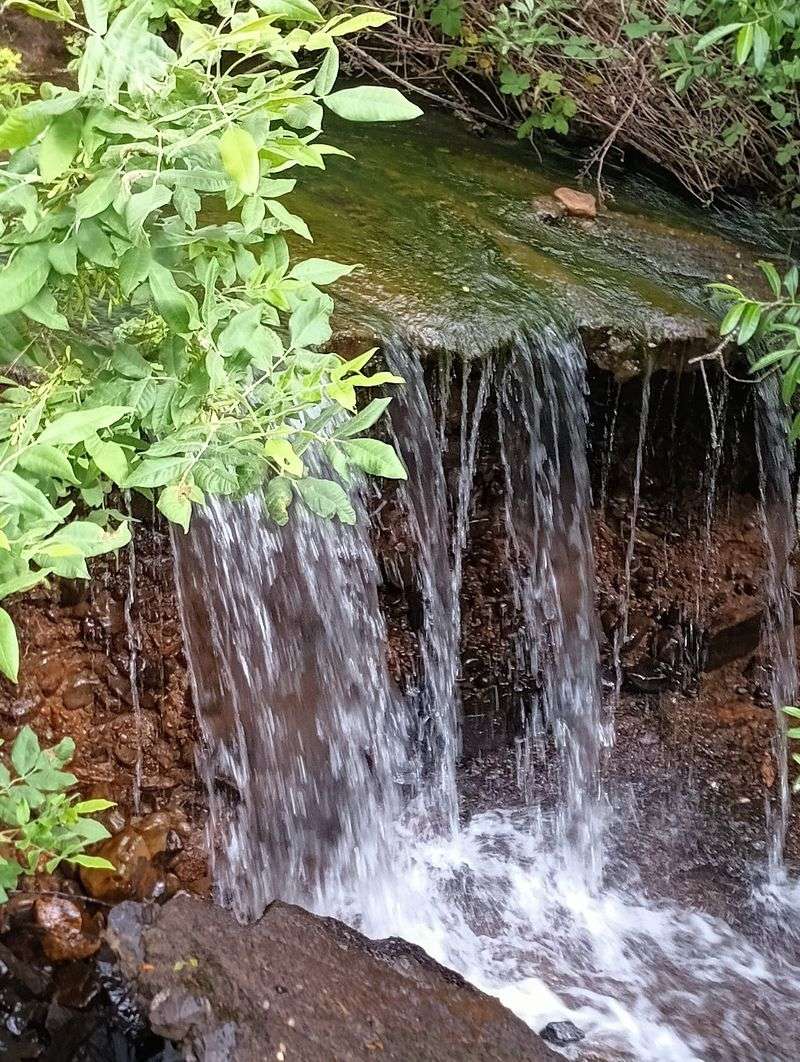
Few small towns have a botanical gem quite like the Delbert Hunter Arboretum and Botanic Garden. Tucked next to Dallas City Park, it focuses on plants native to the Pacific Northwest.
That focus is what makes it special. Instead of flashy imported flowers, you see the ferns, shrubs, wildflowers, and trees that have grown in this region for thousands of years.
Trails loop through different plant areas, and small signs help you learn names along the way. Spring brings color and fresh green growth. Fall offers rich reds and golds.
Volunteers have helped care for the gardens over the years, which gives the place a warm, homegrown feel. It is peaceful in a way that sneaks up on you.
Bring a notebook or your phone camera if you like plants. Kids can turn it into a scavenger hunt, looking for certain leaf shapes or flowers. Wear sturdy shoes, take your time, and enjoy a slower kind of exploring rooted in Oregon’s natural history.
Summer Celebrations With Small Town Spirit
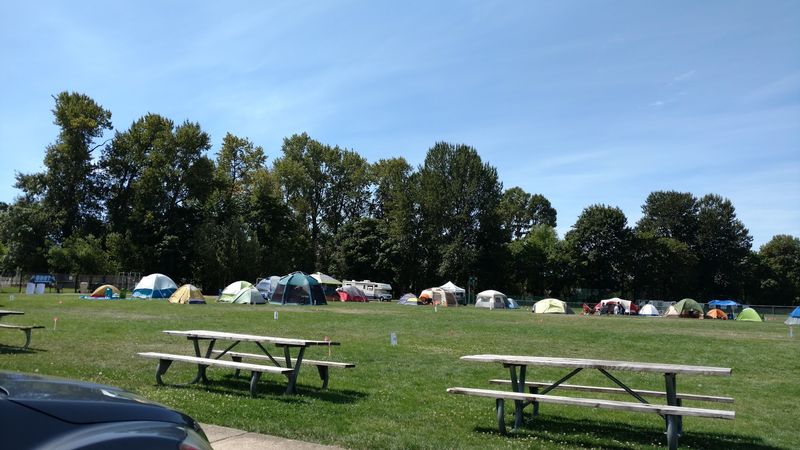
Few things reveal a town’s heart like its celebrations. In Dallas, summer brings community events that fill downtown and the park with music, food, and familiar faces.
Summerfest is a local favorite, with activities that draw families from around Polk County. Parades, vendor booths, and live entertainment give the streets a cheerful buzz. The courthouse watches over it all like a proud grandparent.
Gatherings like these have deep roots. For generations, rural communities used fairs and festivals to celebrate harvests, share news, and simply enjoy each other. Dallas keeps that tradition going in a modern way.
Check the city website before your trip, since dates and details can change from year to year. Arrive early for easier parking, wear sunscreen, and bring a refillable water bottle. Summer in the Willamette Valley can heat up quickly.
Most importantly, chat with a few locals. They often share the best stories about the town’s past.
Planning Your Own Slow Day in Dallas
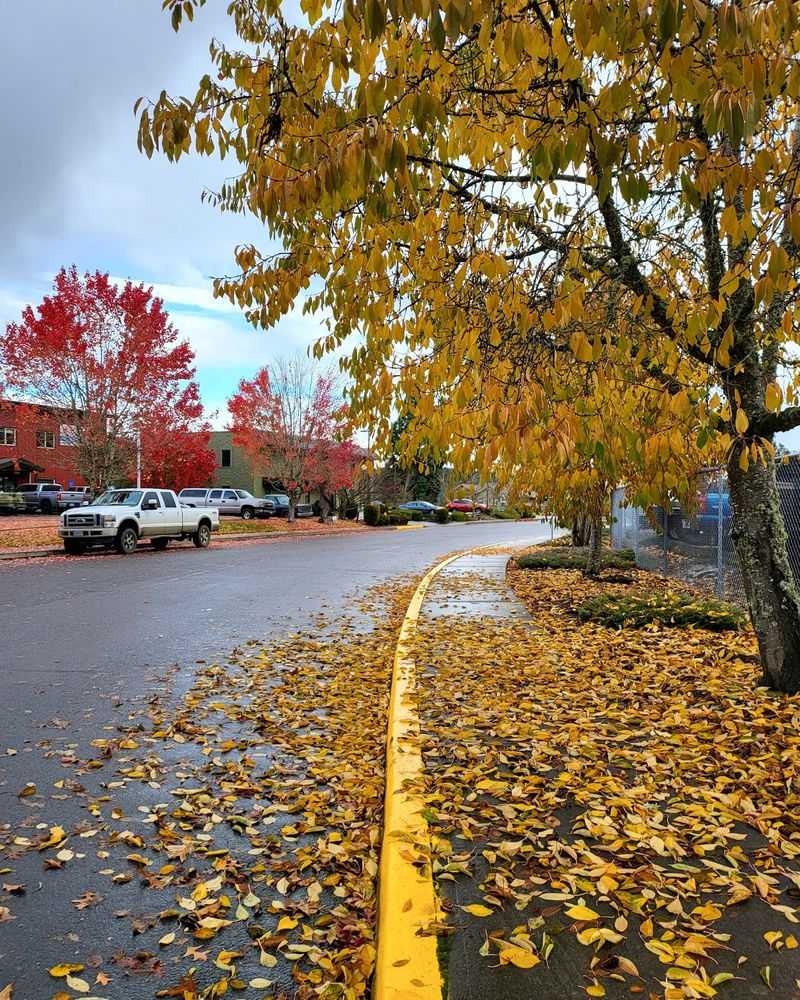
Rushing through Dallas would miss the point entirely. This town rewards people who wander, pause, and pay attention to small details.
Start your morning downtown with a coffee and a lap around the courthouse. Then stroll Main Street and look up at those old rooflines. By late morning, head to the city park and arboretum for fresh air along Rickreall Creek.
Afternoons are perfect for scenic drives. Farmland spreads out in every direction, and the Coast Range foothills sit close by. You can also hop to Salem, only about fifteen miles east, if you want more museums and attractions.
Spring and early fall offer the nicest weather. Fewer crowds, mild temperatures, and lovely colors. Rain gear is still smart, though. This is Oregon, after all.
Visit the city website at ci.dallas.or.us for current events, park info, and local updates before you go. Dallas sits at an easy spot to reach, and you can plug Dallas, Oregon 97338, USA into your map to find your way to this quietly fascinating corner of Polk County.
