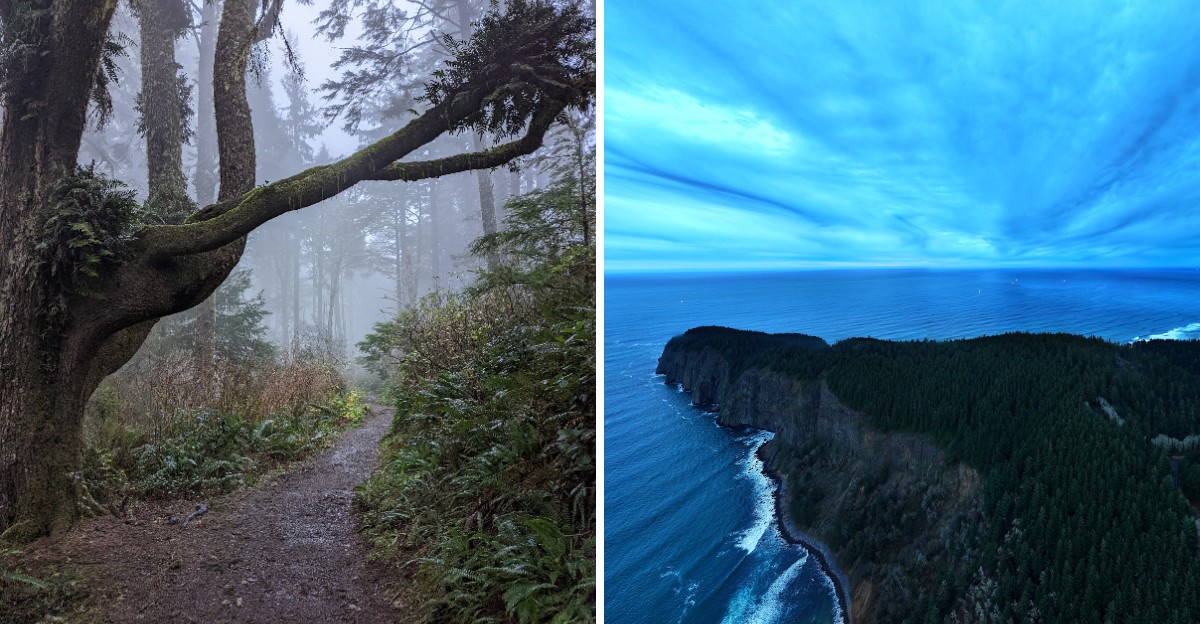
A skinny finger of rock juts about 1.5 miles straight out into the Pacific, and you can hike right to its tip. On a clear day, the view stretches 42 miles north and 39 miles south. That’s a lot of coastline for one pair of eyes.
The path gets there through thick forests of Sitka spruce and hemlock. Then the trees open up, and the ocean seems to surround you on three sides.
I like how the payoff feels earned without being brutal. You’ll deal with mud, roots, and a few wobbly moments, but nothing that calls for climbing gear.
And those cliffs? Some drop about 800 feet to the waves below.
The Ocean Wraps Around You At The Very End
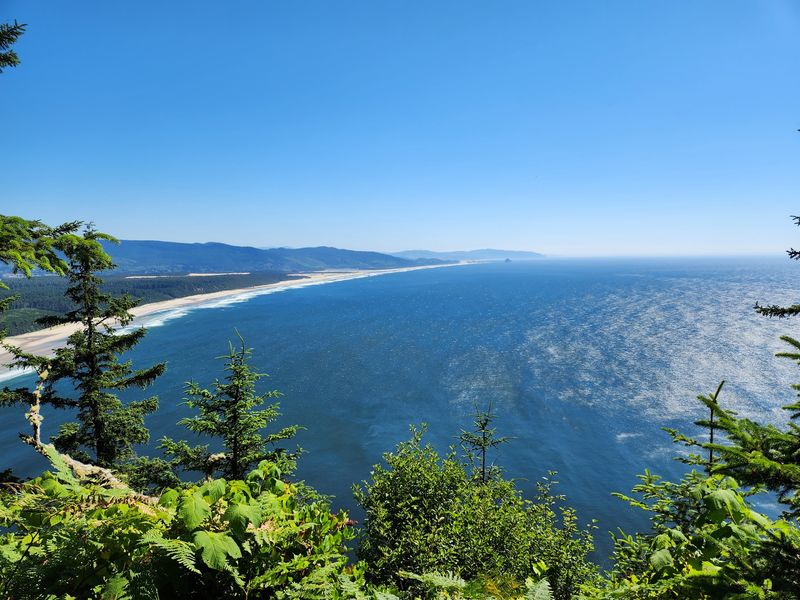
Standing at the tip of the Cape Lookout Trail feels a bit like riding the front of a giant ship. Water spreads out ahead and on both sides, with almost nothing blocking your view.
The trail sits inside Cape Lookout State Park, and the cape itself pushes about 1.5 miles straight out to sea. That odd shape is the whole secret. Most coastal viewpoints look out from the shore, but this one puts you out in the ocean’s business.
On a clear day, you can spot Tillamook Head about 42 miles to the north. Turn around, and Cape Foulweather shows up roughly 39 miles to the south. Suddenly the whole Oregon coast looks like it never ends.
Other landmarks join the lineup too. Look for Cape Kiwanda, Cascade Head, Cape Meares, Three Arch Rocks, and Neahkahnie Mountain. It’s basically a free geography lesson with better scenery.
The end point has no fancy platform or benches. It’s open ground, a little lumpy, so you can sit and soak it in. Pack a snack and give yourself time to look around slowly.
Fog can erase everything, though. Check the weather before you go, because clear skies make this view twice as jaw-dropping.
Your Boots Are About To Get Very Muddy
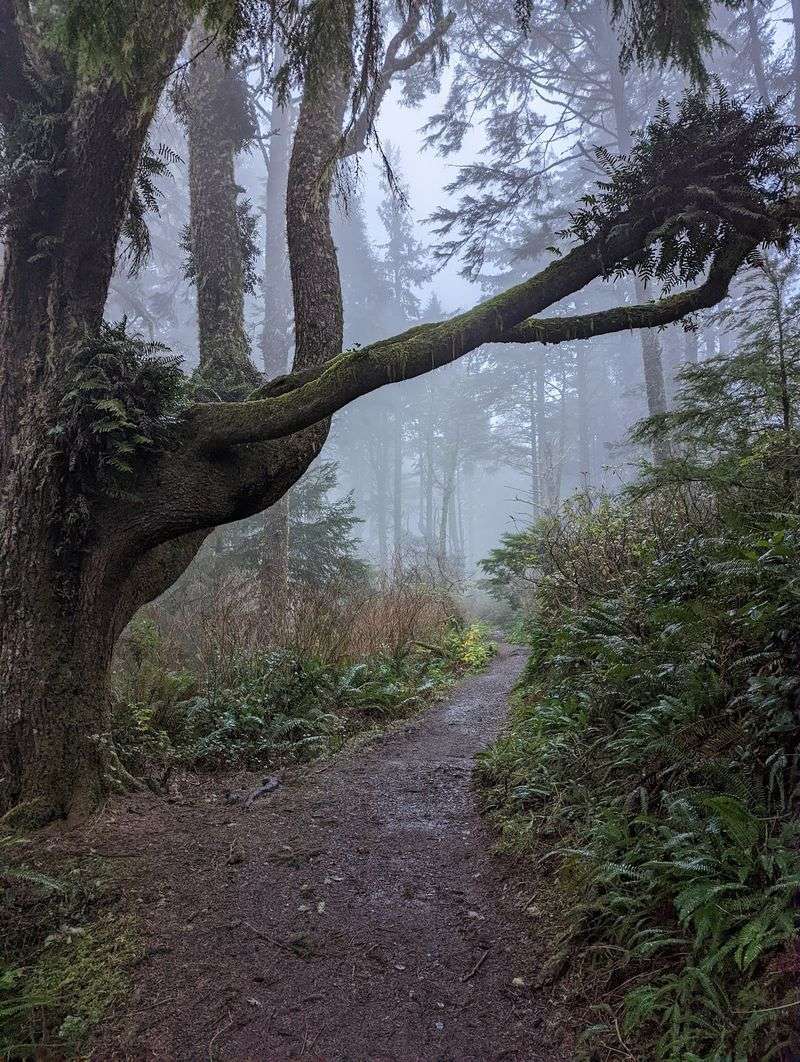
Mud is the trail’s most loyal companion. It shows up in spring, fall, and even in the middle of summer, so plan around it.
The path runs about 5 miles round trip, out and back. It climbs roughly 900 to 1,000 feet, but the climb itself is gradual. The tricky part is the ground under your feet.
Expect rocky stretches, deep puddles, and tons of exposed tree roots. The middle section tends to be the messiest. Some spots turn slick fast after rain, which happens often on this coast.
Waterproof hiking boots are your best friend here. Trekking poles help a lot when you’re picking a path around soggy patches. Fancy sneakers will regret coming along.
Bring a spare pair of shoes for the car ride home. Your floor mats will thank you. A small towel or plastic bag for muddy gear is also a smart move.
The trail is rated moderate, and that label fits well. It’s not a stroll, but it’s also not a mountain climb. Strollers won’t work on the roots and rocks, though. Give yourself plenty of time, and treat the mud like part of the adventure instead of a problem to solve.
Giant Spruce Trees Do Most Of The Talking
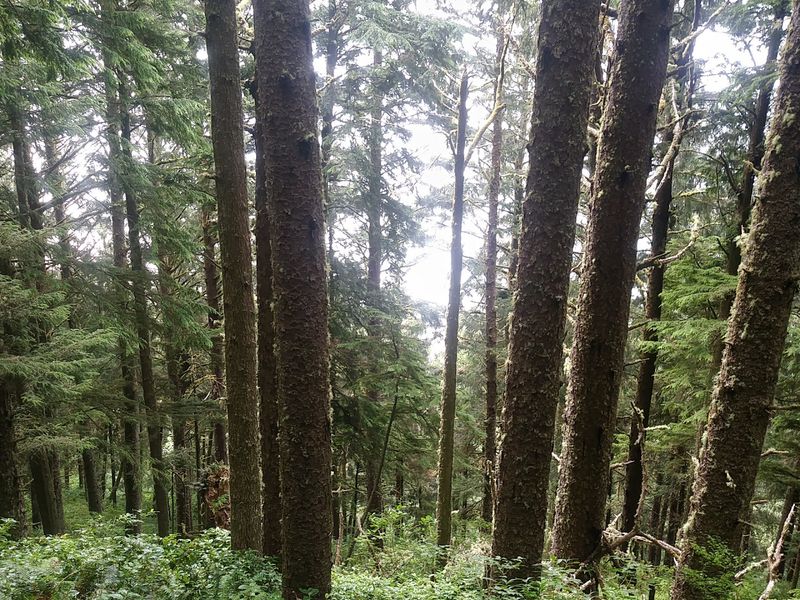
Long before the ocean shows off, the forest gets its turn. Sitka spruce and hemlock crowd the trail, creating a shady green tunnel that feels a world away from the beach.
These trees love the wet coastal air. That same moisture explains the mud, so consider it a fair trade. Mossy branches, ferns, and soft light make the walk feel calm and quiet.
Some trees out here look bent and twisted from years of coastal wind. They lean and curve in shapes that seem almost posed. Photographers can lose a lot of time in this stretch.
Keep an eye on the forest floor too. Wildflowers like trilliums can appear in spring. Wet seasons bring mushrooms of all sizes and colors popping up along the edges.
The forest also breaks open now and then. A few gaps give you early peeks at the ocean far below. These little windows build excitement for the big finish.
Rainy days add their own soundtrack. Drops tapping on leaves and wind moving through branches make the hike feel cozy, even when you’re damp. Just bring a rain jacket and enjoy the green. Oregon really knows how to grow a forest.
Spotting Whales From 800 Feet Up Is A Real Possibility
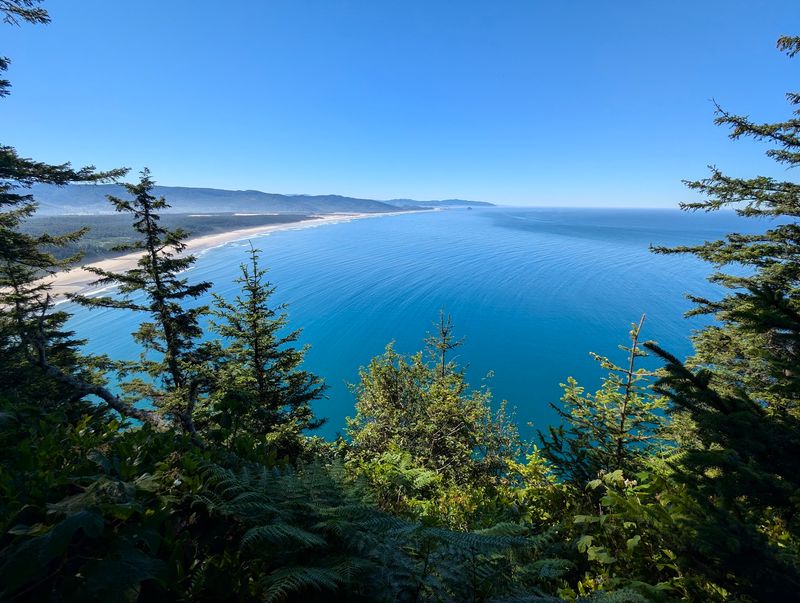
Bring binoculars, and the hike gets a bonus mission. Cape Lookout ranks among the best whale-watching spots on the Oregon coast.
Gray whales migrate past in winter and spring, generally from December through June. The cape sticks so far into the ocean that you’re closer to their path than most shoreline viewers. That’s a pretty great seat for the show.
Look for spouts first. That puff of mist is usually the giveaway before you ever see a back or tail. Calm days with gentle waves make spotting much easier.
Whales aren’t the only stars out here. Sea lions, seals, seabirds, and dolphins may also make an appearance. Orcas have been seen from this point too, though that’s a rare treat.
Patience pays off. Find a safe spot well back from the edge, sit down, and scan the water slowly. Kids especially love turning it into a game of who spots something first.
A zoom lens helps if you want photos. Phones tend to turn distant whales into tiny gray dots. Even without pictures, though, watching a spout rise from that height sticks with you long after the drive home.
Sheer Drop-Offs Mean You’ll Want To Watch Your Step
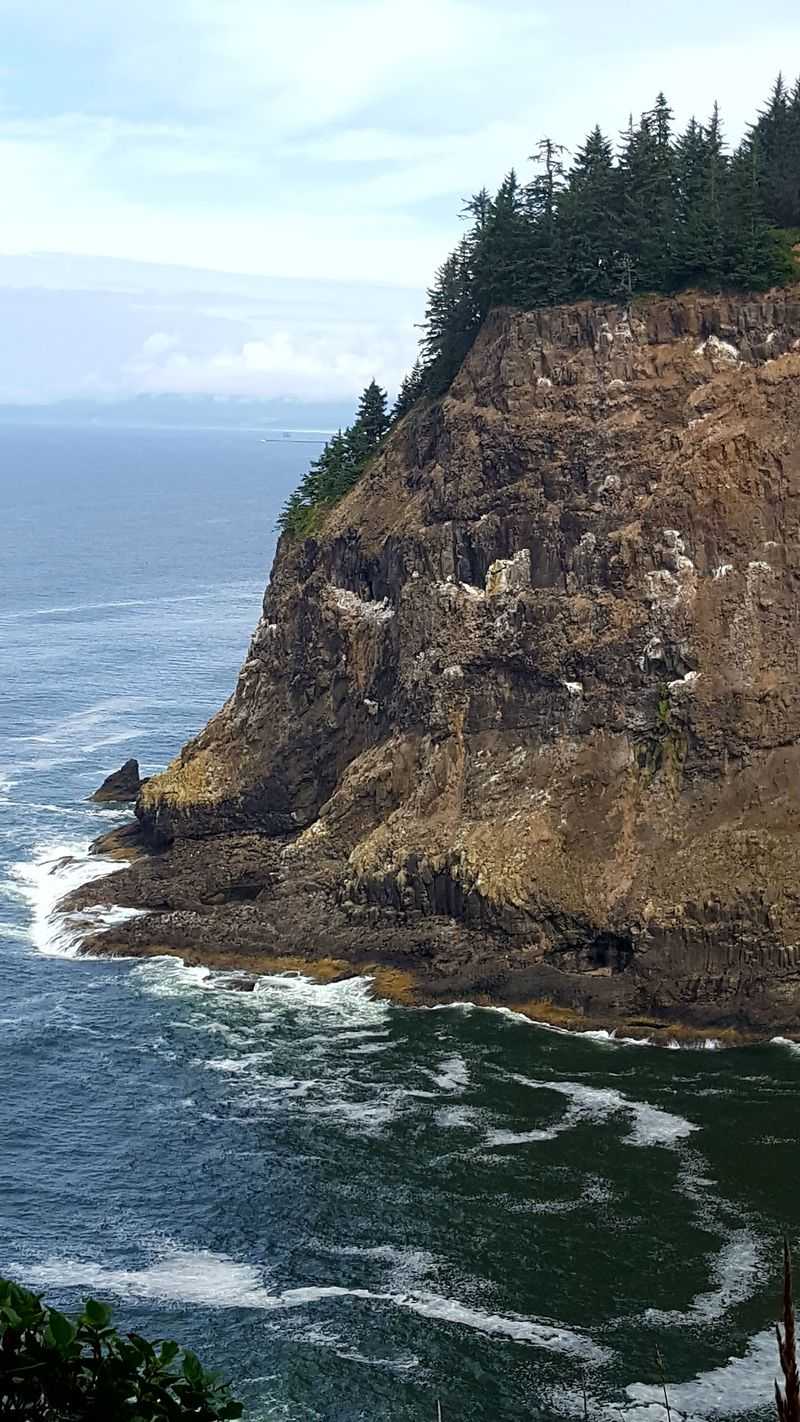
Cliffs on the south side of the cape rise about 800 feet above the waves. That’s taller than many city skyscrapers, with no elevator and no railing in most places.
Parts of the Cape Lookout Trail run close to those steep drop-offs. The views are amazing, but caution matters. Stay on the main path and skip any shortcuts near the edge.
Fog can hide how steep things really are. On gray days, a cliff might look like a gentle slope when it’s anything but. Treat every edge like the real deal.
Dogs are welcome on the trail, but they must stay on a leash. That rule protects your pup and other hikers. A bouncing dog near a cliff makes everyone nervous.
Young kids can do this hike, but keep them close. Holding hands near the open overlooks is a smart habit. Some little legs may also tire out on the roots and mud.
Wind can pick up quickly out here too. A light jacket and a hat that stays put are good ideas. Respect the cliffs, and they’ll reward you with some of the most dramatic scenery in Oregon.
A Quiet Bronze Plaque Tells A Wartime Story
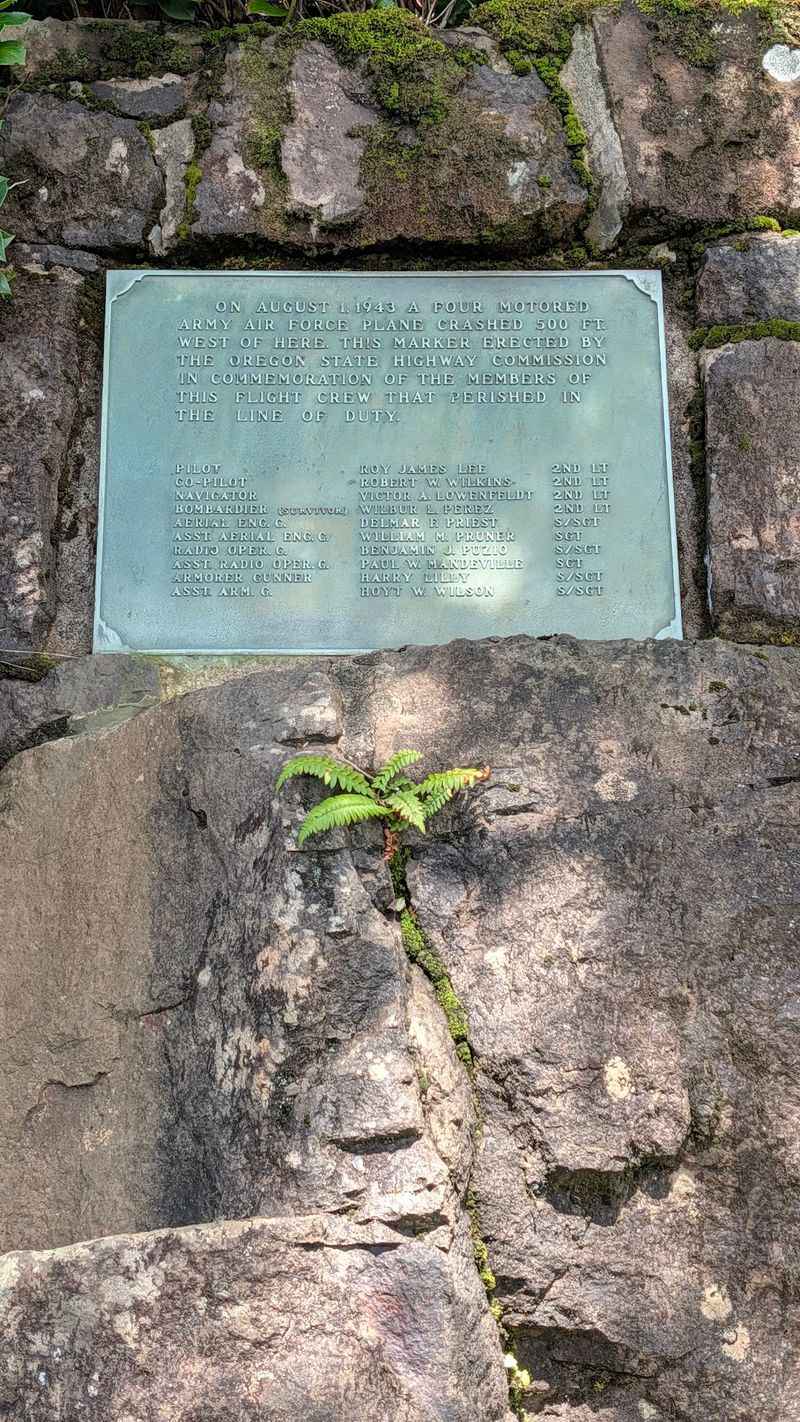
History hides in plain sight along this trail. A bronze plaque set into a rock wall marks a moment from 1943 that many hikers walk right past.
That year, a B-17 Flying Fortress bomber crashed into the cape during World War II. Only one person aboard survived. The plaque honors the crew and reminds visitors how rugged and foggy this headland can be.
It’s a sobering stop, so take a minute there. Reading it adds real weight to a hike that otherwise feels carefree. Kids often have good questions, and it opens up a meaningful talk.
The cape’s story goes back much further too. British fur trader John Meares named it on July 6, 1788. Imagine sailing past this rocky finger with no maps showing what lay beyond.
Knowing that history changes how the place feels. The same cliffs that make the view so grand also made the area dangerous for early travelers and pilots.
Keep your eyes open as you hike the first part of the trail. The plaque is easy to miss if you’re focused on the mud. It’s worth slowing down for, because it connects this pretty spot to bigger stories.
Finding The Trailhead Takes A Scenic Drive
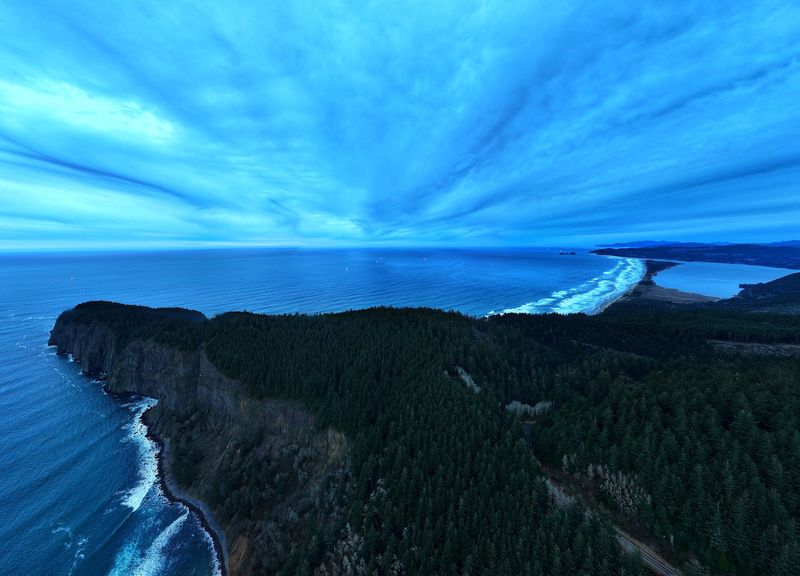
Getting there is half the fun. Most people head west from Highway 101 on Sandlake Road and follow it about 7.5 miles to Cape Lookout Road.
The trailhead’s address is Cape Lookout Trailhead, Cloverdale, OR 97112. Tillamook sits roughly 10 miles away if you need supplies. The area is in southwestern Tillamook County, on a quieter stretch of the coast.
The hiking area is listed as open from 7 a.m. to 9 p.m. daily. Arriving early helps you enjoy calmer trails and softer morning light. Weekdays tend to feel more peaceful too.
The trailhead has a parking area and basic restrooms. Don’t count on running water for washing up. Hand sanitizer and wet wipes are smart things to toss in your bag.
Construction work also affects the park below. The day-use area, campground, and hiker-biker camp are closed for improvements, so check with Oregon State Parks before your trip. Conditions and closures can change.
The drive itself is gorgeous, with forests, bays, and glimpses of the sea. Plan for plenty of curves and slow down to enjoy them. You’re not in a hurry. The cape has been waiting for centuries already.
More Trails And A Famous Scenic Drive Sit Right Nearby
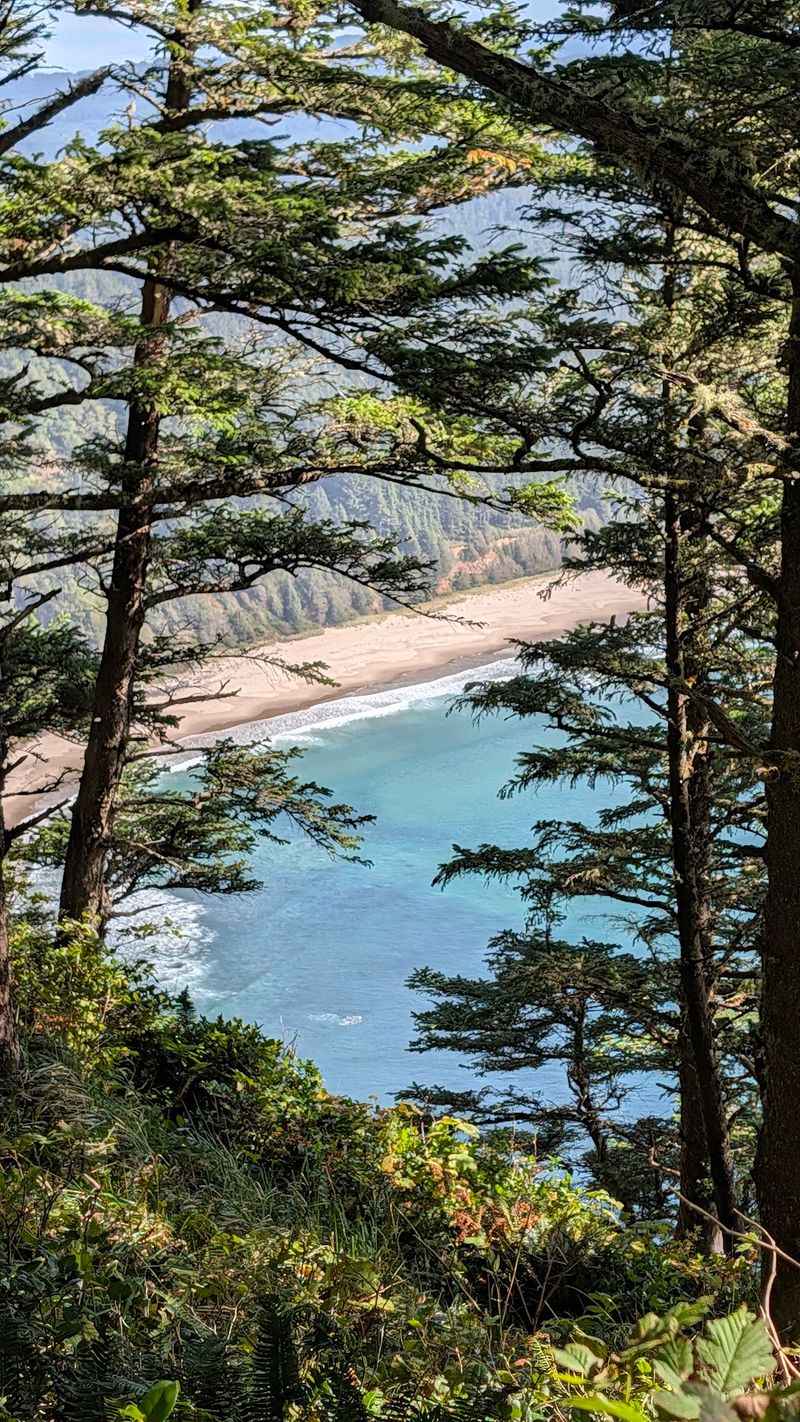
One cape is great, but three is even better. Cape Lookout is a star stop on Oregon’s Three Capes Scenic Route, alongside Cape Meares and Cape Kiwanda.
That makes it easy to build a full day trip. Hike the cape in the morning, then drive to the other two for more coastal views. Each one has its own personality and shape.
Inside Cape Lookout State Park, you’ll find extra hiking choices. The South Trail heads down toward a quieter beach. The shorter Nature Trail normally offers a family-friendly walk, but it begins near the campground registration booth, so visitors should check its accessibility during the current construction closure.
The North Trail is currently closed halfway toward the campground because of ongoing park improvements, although a spur trail provides a connection to Cape Lookout Road. Always check the latest trail updates before you arrive.
The park also connects to miles of beach along the Netarts Spit. That sand spit sits between Netarts Bay and the ocean. Getting onto the sand can be tricky in spots, thanks to a wide cobblestone revetment built to fight erosion.
Staying Overnight Turns One Hike Into A Whole Getaway
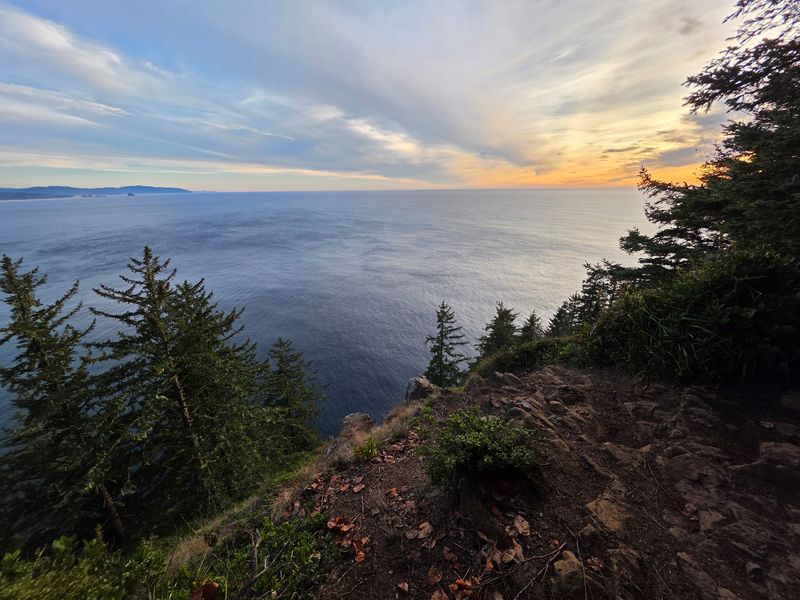
Sunsets don’t need to end with a long drive home. Cape Lookout State Park normally offers year-round camping close to the beach and trails.
Options cover lots of styles. There are tent sites, full-hookup RV spots, yurts, and deluxe cabins. Some cabins even allow pets, so the dog doesn’t miss the fun.
Campers get handy comforts like hot showers and flush toilets. A dump station serves RV travelers. Electric vehicle charging stations are also available in the day-use parking area.
Timing matters right now, though. The campground and day-use area are closed for a big improvement project. Crews are upgrading utilities, repaving, and strengthening the foredune that protects the park.
That work should make future visits even better. Keep an eye on Oregon State Parks updates for reopening news. Once camping returns, book early, since coastal spots fill up quickly.
An overnight stay lets you hike the Cape Lookout Trail fresh in the morning. You could catch soft light, quieter paths, and maybe a whale spout before breakfast. Then spend the afternoon on the beach or exploring the Three Capes route. Honestly, one day here never feels like quite enough.
