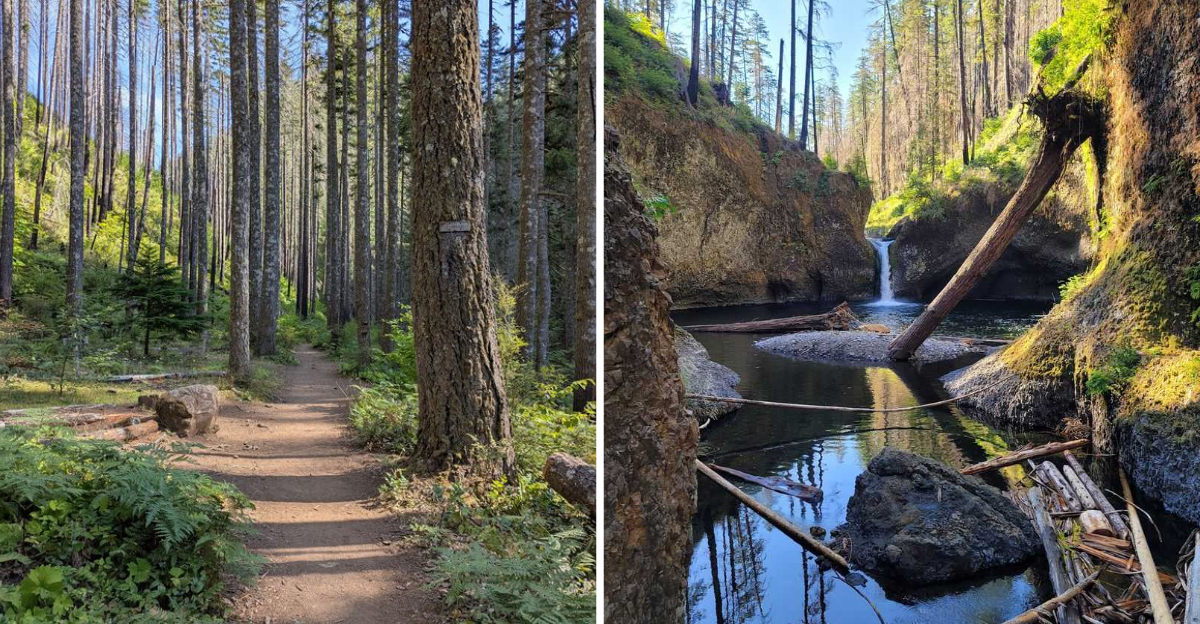
Let’s be honest about this stunning trail through the state’s lush wilderness. The waterfalls are absolutely breathtaking, with cascades tumbling down mossy cliffs at every turn. But there’s a catch that locals know all too well, and I promise you need to hear it before you go.
The beauty here is undeniable, with crystal-clear pools, dramatic drops, and the kind of scenery that makes you reach for your camera constantly. But this trail has earned a reputation among hikers for its persistent tick population that seems to thrive in the dense undergrowth.
Each year, visitors return with stories of the views and more than a few unwelcome souvenirs. This state has countless incredible hikes, but this one demands extra vigilance and proper preparation.
Wear long pants, pack plenty of repellent, and check yourself thoroughly after your adventure. Oregon’s most gorgeous waterfall trail is absolutely worth doing, and trust me, you’ll be glad you came prepared.
The Eagle Creek Trail Experience
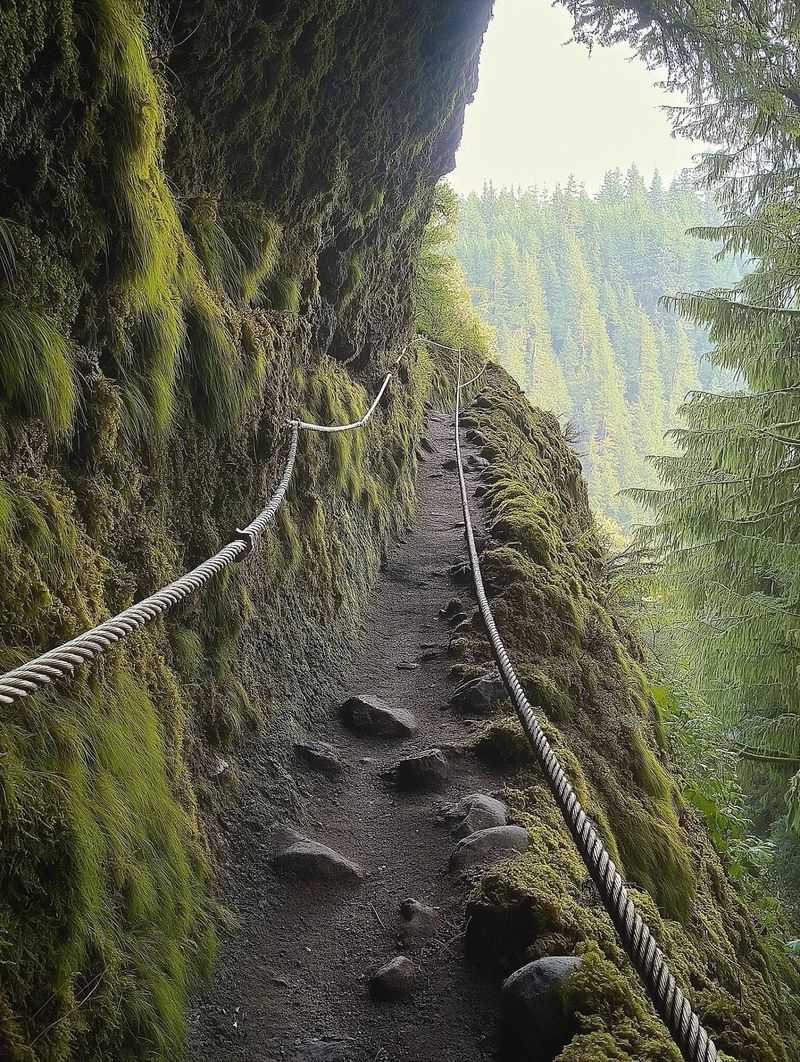
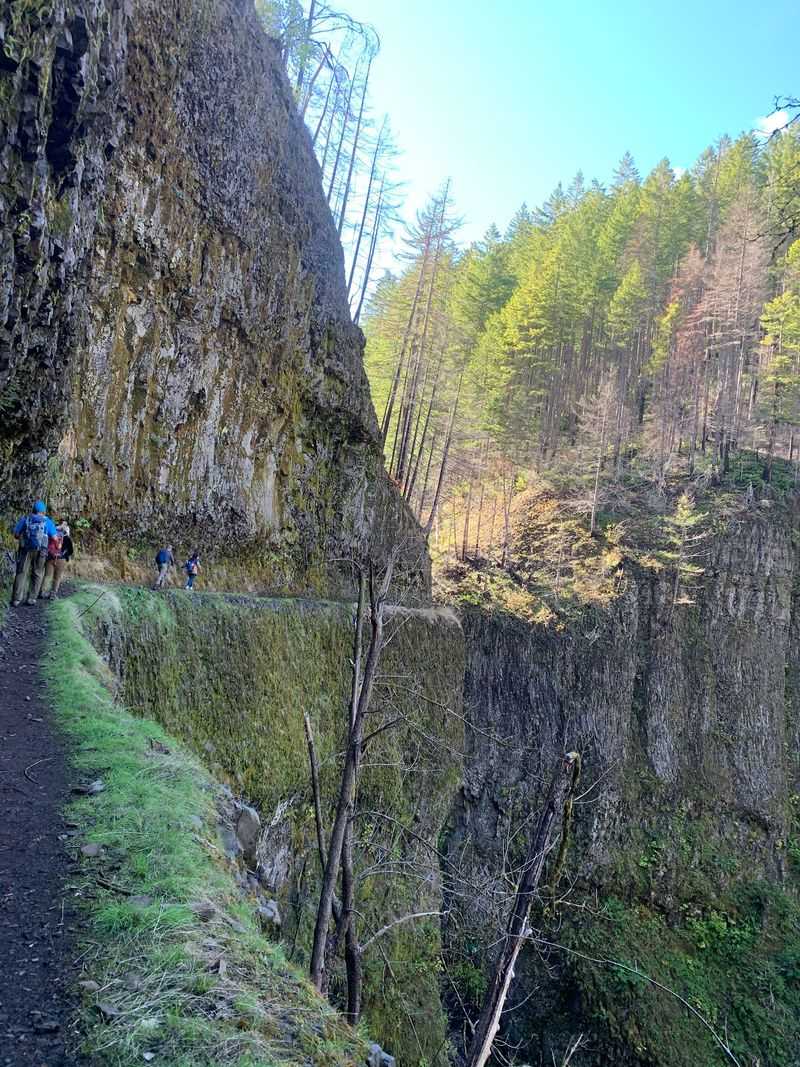
Eagle Creek Trail earns its reputation fast. From the first quarter mile, you are already navigating a path carved directly into sheer basalt cliffs, with a cable handrail bolted into the rock face to keep hikers steady on the narrow ledge. It feels adventurous right away, and that energy does not let up.
The trail follows the creek through a deep canyon draped in ferns and old-growth Douglas fir. The sound of moving water is constant, almost meditative. Every time you round a bend, something new appears, a cascade, a mossy overhang, a shaft of light cutting through the tree canopy.
Hikers of moderate fitness can handle the trail, but it demands attention. The exposed ledges are not suitable for very young children or anyone uncomfortable with heights. Dogs are technically allowed on leash, though the terrain is challenging for them.
Check current conditions with the U.S. Forest Service before planning your visit, as the trail has seen significant closures due to storms and fire damage in recent years.
Punch Bowl Falls, the Star of the Show
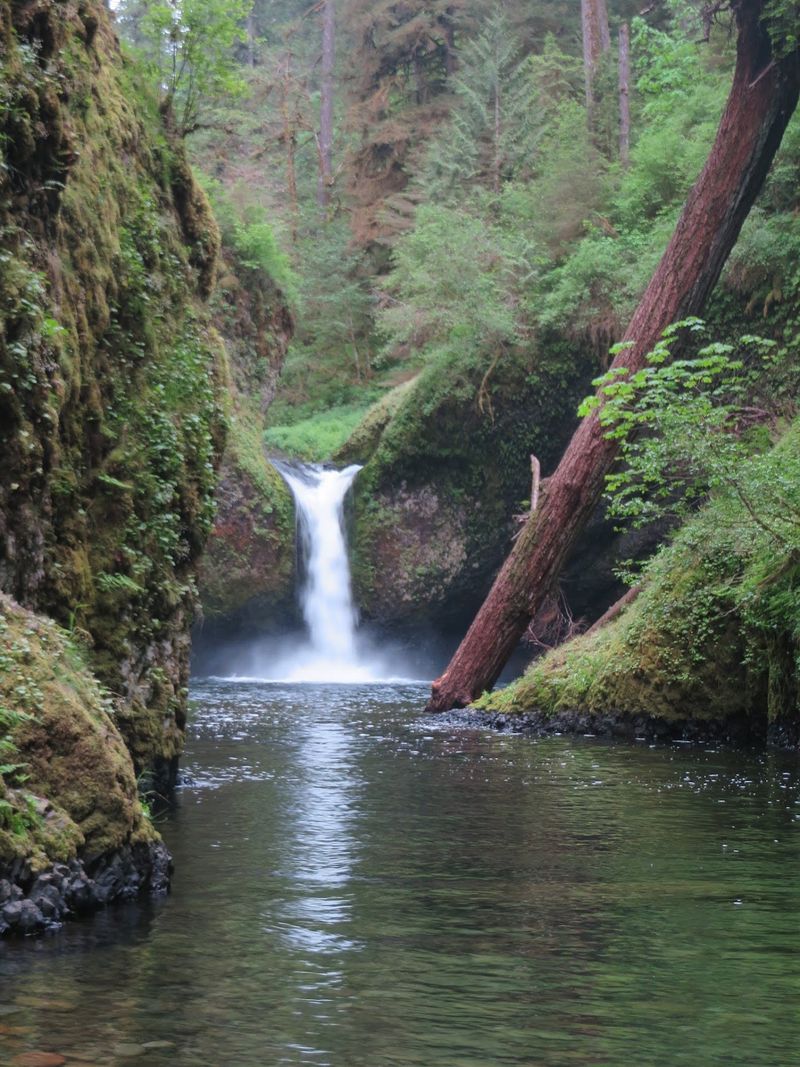
Ask anyone who has hiked Eagle Creek which waterfall stuck with them most, and a huge number will say Punch Bowl Falls without hesitation. The falls drop into a perfectly rounded rock basin, creating a scene so photogenic it almost looks staged.
The water takes on a brilliant turquoise color in the right light, surrounded by dark basalt walls and hanging greenery.
A short side trail leads down to Lower Punch Bowl Falls, which offers a completely different perspective and its own quiet drama. Most hikers make the detour without regret. The two viewpoints together give you a full picture of just how sculpted this canyon really is.
Reaching Punch Bowl Falls takes roughly two miles of hiking from the trailhead, making it an achievable destination even for those who are not up for the full route. Sadly, storm damage in late 2025 destroyed the safety rails near this area, so always check for updates before heading out.
Tunnel Falls, the Unforgettable Highlight
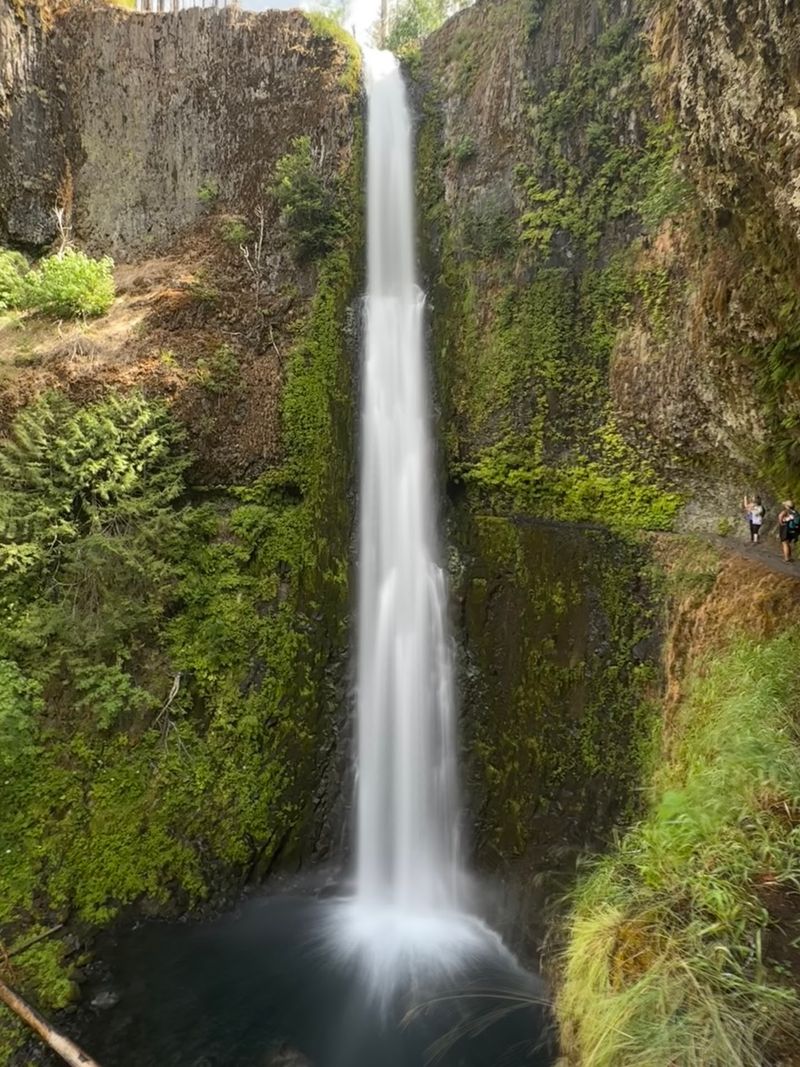
Tunnel Falls is the kind of place that makes you stop mid-step and just stare. The trail passes through a tunnel blasted directly into the rock face behind a 172-foot waterfall, and the roar of the water is absolutely surrounding as you walk through.
Mist fills the air, the rock glistens, and the whole thing feels genuinely surreal.
Getting there requires a longer commitment, roughly six miles from the trailhead one way. That distance keeps the casual crowd thinner and rewards the hikers who push through. The payoff is one of the most memorable trail moments in all of Oregon.
Beyond Tunnel Falls, the trail continues deeper into the canyon, passing additional waterfalls like Wy’east Falls and Grand Union Falls. Most day hikers turn around at Tunnel Falls and call it a perfect outing. If the trail is open when you visit, do not skip this one.
It is genuinely unlike anything else in the Pacific Northwest, and that tunnel moment stays with you long after the hike is done.
Why Ticks Are Such a Real Problem Here
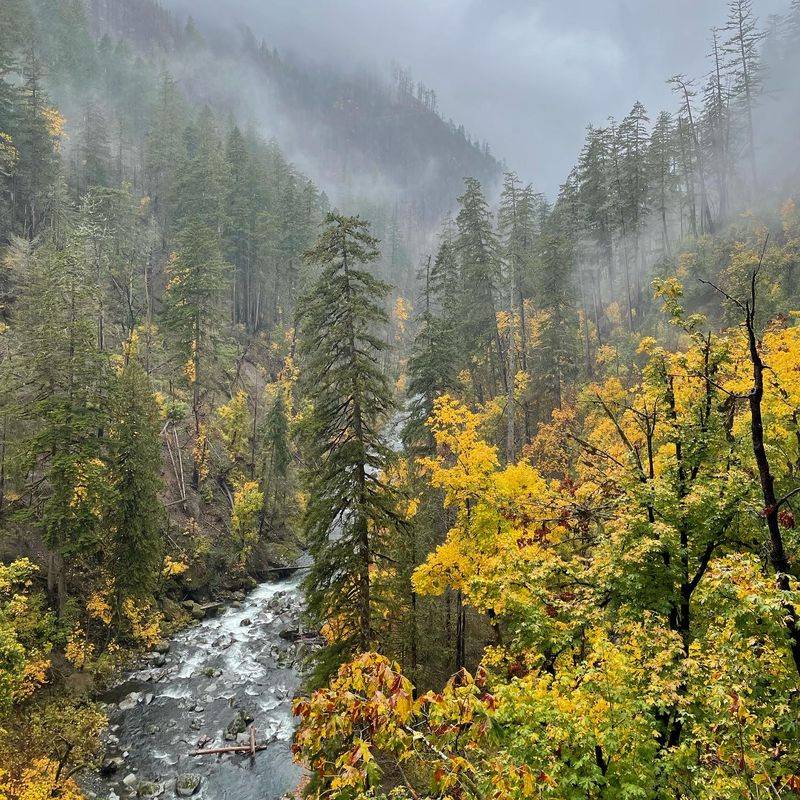
The Columbia River Gorge has a well-earned reputation for tick activity, and Eagle Creek sits right in the heart of it. Ticks thrive in the dry brush, tall grasses, and mixed forest zones that line portions of the trail, particularly east of Cascade Locks.
They are most active in spring and early summer, which unfortunately overlaps with peak hiking season.
Ticks do not jump or fly. They wait on low vegetation and attach themselves as a host brushes past. That means simply walking through overgrown sections of trail is enough to pick one up without even noticing.
Hikers have reported finding ticks on themselves and their dogs after visiting Eagle Creek, so this is not an abstract concern. The risk of Lyme disease makes it worth taking seriously.
Wearing long pants tucked into socks and doing a thorough body check after the hike are all practical steps that significantly reduce your exposure. A small tick removal tool in your pack is a smart addition to any first-aid kit.
How to Dress and Prepare for Tick Season
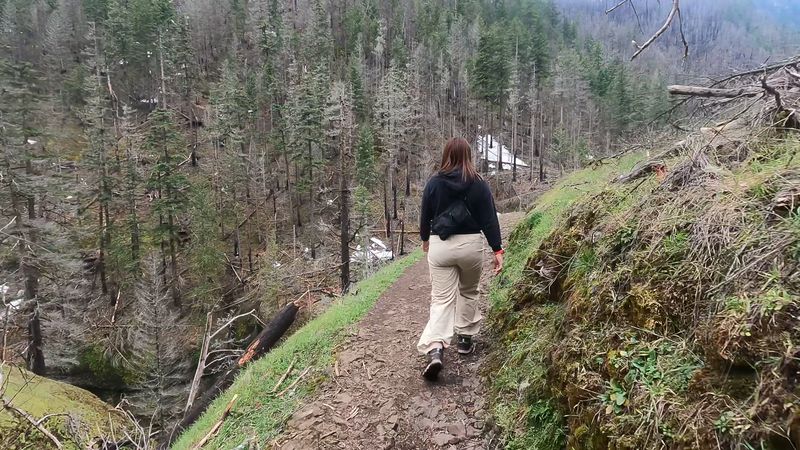
Preparation is everything when it comes to ticks on this trail. Light-colored clothing is genuinely helpful because it makes ticks easier to spot before they find exposed skin. Long pants tucked firmly into socks and a long-sleeved shirt cover the most common attachment points.
Permethrin spray applied to clothing before the hike offers strong protection and remains effective through multiple washes. DEET-based repellents on exposed skin add another layer of defense. Neither option is foolproof, but combining them makes a real difference.
After the hike, do a full body check as soon as possible. Pay close attention to the hairline, behind the knees, underarms, and around the waistband, all spots ticks tend to migrate toward. If you have a hiking partner, check each other’s backs and shoulders.
Ticks can take several hours to fully attach, so a quick post-hike check dramatically lowers the risk of a bite turning into something more serious. Carry a fine-tipped tweezer or a dedicated tick removal tool just in case.
The 2017 Eagle Creek Fire and the Trail’s Recovery
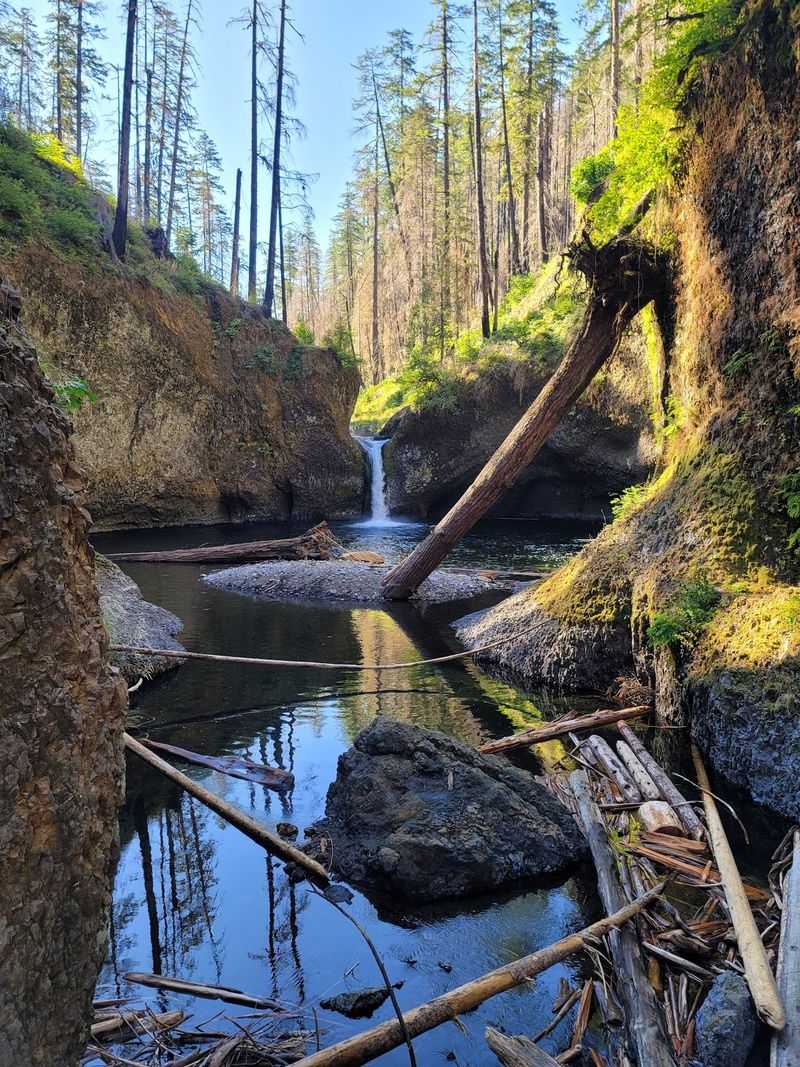
A teenager throwing fireworks into the gorge in September 2017 started one of the most destructive fires in Columbia River Gorge history. The Eagle Creek Fire burned over 50,000 acres and forced the closure of the trail for more than three years.
The trail finally reopened in 2021, and what returned was both haunting and hopeful. Blackened trunks still stand among the trees, silent reminders of how quickly fire can reshape a landscape. But new ferns, wildflowers, and young trees have pushed through the ash.
The recovery is genuinely moving to witness. There is something powerful about a forest that has been through that kind of destruction and is still, visibly, coming back. For hikers, it adds a layer of meaning to the experience that you do not get on trails with untouched scenery.
Current Trail Closures, What You Need to Know Before You Go
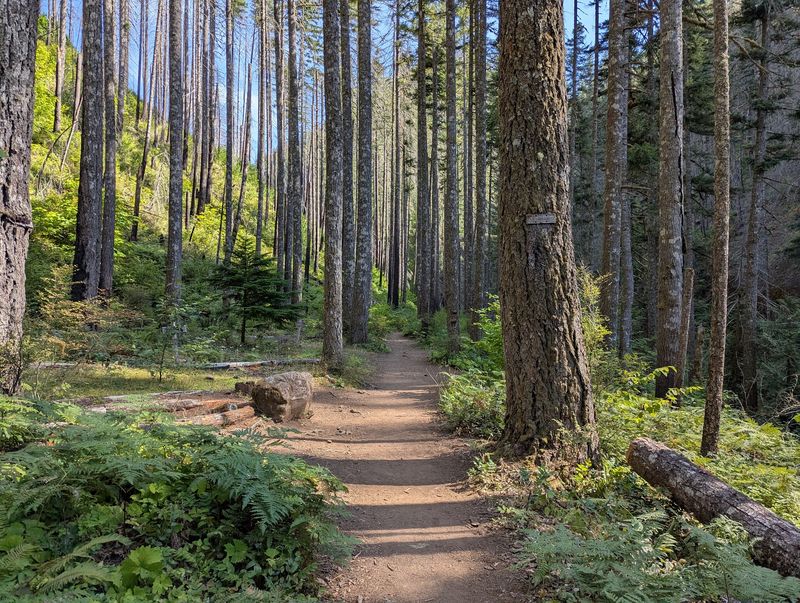
Before you load up the car and head to Cascade Locks, there is something critical to know. As of mid-2026, Eagle Creek Trail is closed to the public due to severe storm damage from December 2025. The storms triggered landslides that buried sections of the trail under several feet of mud.
The U.S. Forest Service has confirmed the damage is extensive and that repairs will take considerable time. No specific reopening date has been set, and the Historic Columbia River Highway State Trail connection between Eagle Creek and Cascade Locks also remains impassable.
This is not the first long closure for Eagle Creek. The fire in 2017 kept it shut for over three years, so patience is part of the relationship with this trail. Check the USDA Forest Service website and the Friends of the Columbia Gorge site for the latest updates before making any plans.
Showing up to a closed trailhead is a frustrating experience that is easy to avoid with a quick online search.
Other Waterfalls Along the Route Worth Knowing
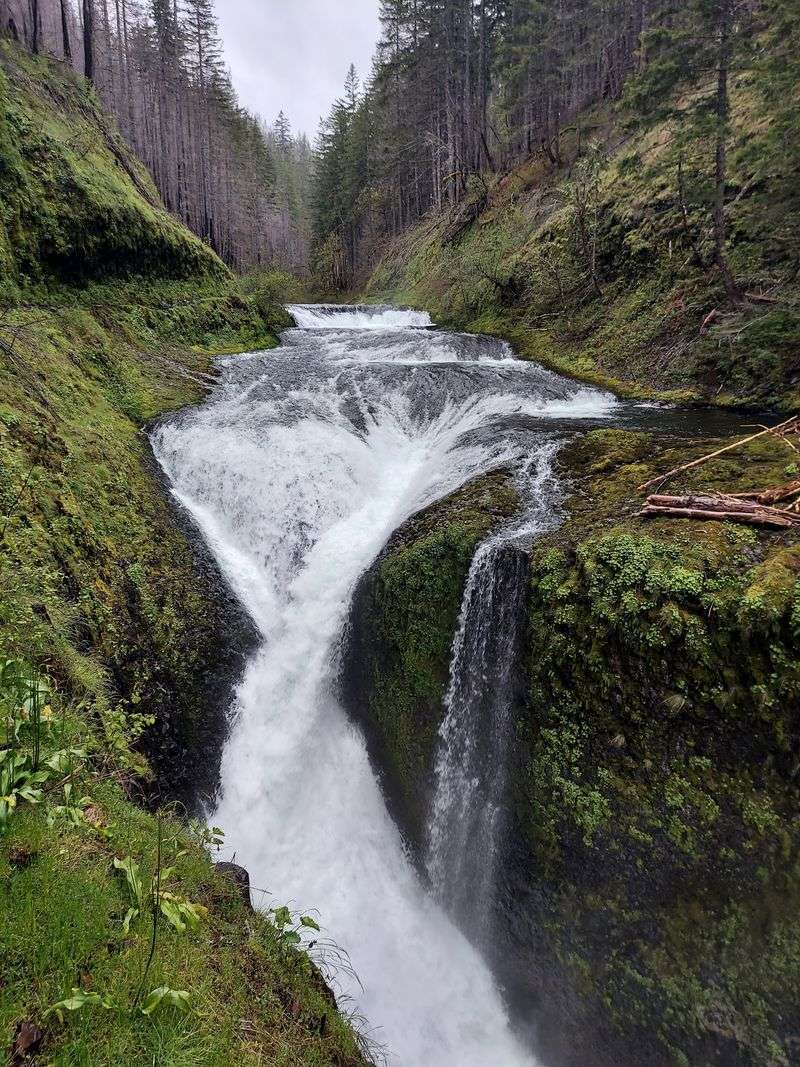
Punch Bowl Falls and Tunnel Falls get most of the attention, but Eagle Creek is lined with waterfalls that deserve recognition in their own right. Metlako Falls is the first major cascade you encounter, visible from a viewpoint above the canyon.
It does not have a direct access trail to the base, but the aerial view is still impressive and worth a pause.
Further along, Loowit Falls appears as a delicate ribbon of water dropping from a high basalt ledge. It is quieter and more subtle than the big names, but there is a real elegance to it. Snoonichuk Falls and Wy’east Falls add more variety as the trail pushes deeper into the canyon.
Grand Union Falls marks one of the farther points on the trail and rewards hikers who commit to the longer miles. Each waterfall has its own personality, its own sound, its own light.
The cumulative effect of hiking past so many cascades in a single day is one of the reasons Eagle Creek consistently ranks among Oregon’s best trails. It is not just one great waterfall. It is a whole collection.
Getting to the Eagle Creek Trailhead
The trailhead sits just off Interstate 84 near Cascade Locks, making it surprisingly accessible from Portland. The drive takes roughly an hour from the city, and the route along the Columbia River is scenic in its own right.
Parking at the trailhead fills up quickly on weekends, especially during spring and summer. Getting there early in the morning is the most reliable strategy, both for a parking spot and for cooler temperatures on the trail.
The lot is free, but a Northwest Forest Pass or America the Beautiful pass is required to park legally.
The address is NE Eagle Creek Loop, Cascade Locks, OR 97014. Cell service can be spotty in the gorge, so download an offline map before you leave home.
Cascade Locks itself is a charming small town with a few dining options worth checking out after the hike, a good reward after a long day on the trail.
Tips for Making the Most of Your Visit
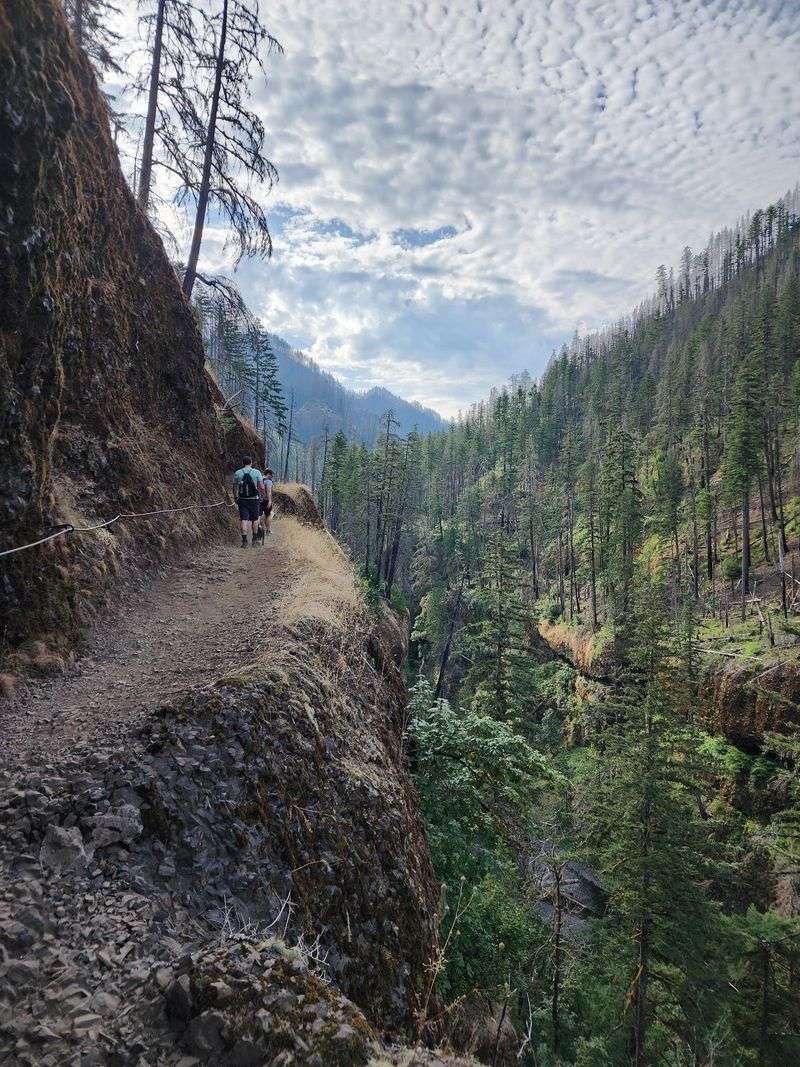
A few practical things can genuinely shape how enjoyable this hike turns out to be. Trekking poles are worth bringing, especially for the narrow ledge sections where balance matters. Waterproof boots or trail shoes with solid grip handle the wet, mossy surfaces much better than regular sneakers.
Bring more water than you think you need. The trail is long, and the physical effort adds up. A water filter or purification tablets let you refill from the creek if necessary, which takes pressure off your pack weight.
Leave no trace principles matter a lot on a trail this popular. Pack out everything you bring in, stay on the marked path to protect the recovering vegetation, and keep noise levels reasonable so others can enjoy the natural soundscape.
This trail has been through a lot. Treating it with care helps ensure it stays open and beautiful for future visitors.
