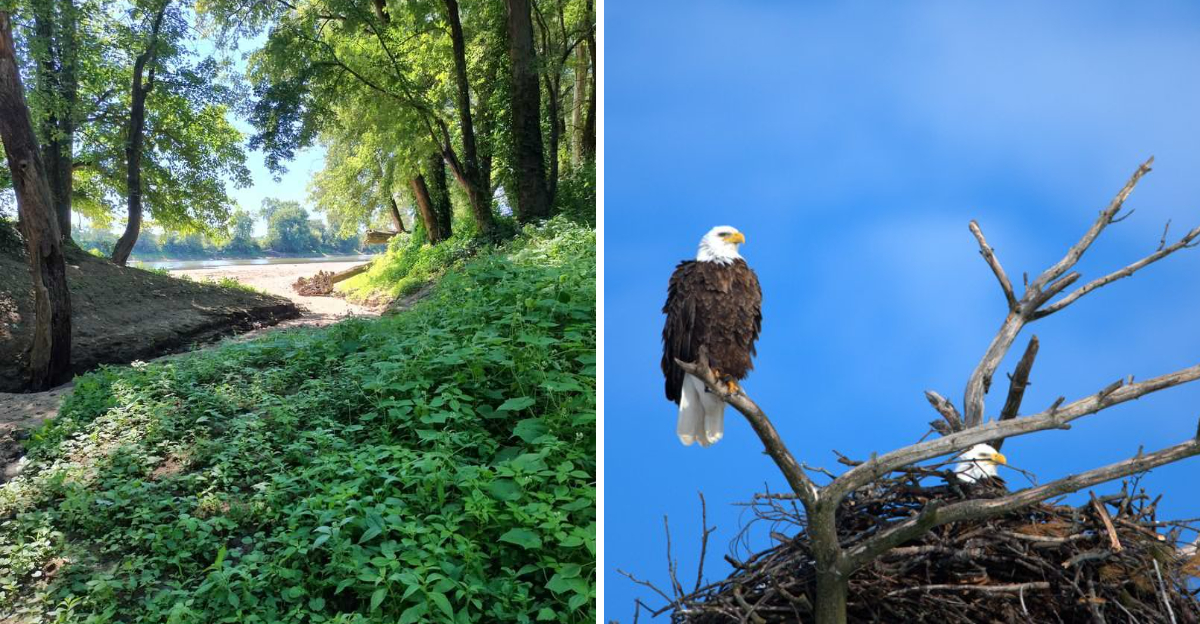
Would you keep your eyes on the trail if bald eagles might be nesting nearby? One Indiana nature area gives visitors a reason to do exactly that, combining a scenic path with rushing river views and opportunities to spot these impressive birds in their natural surroundings.
The landscape offers plenty to enjoy even when the eagles are out of sight, with the flowing water and surrounding habitat creating a peaceful setting for a walk. If you like outdoor destinations where you can slow down and watch for wildlife along the way, this is a memorable place to explore.
A Rare Bald Eagle Nesting Site Right In Tippecanoe County
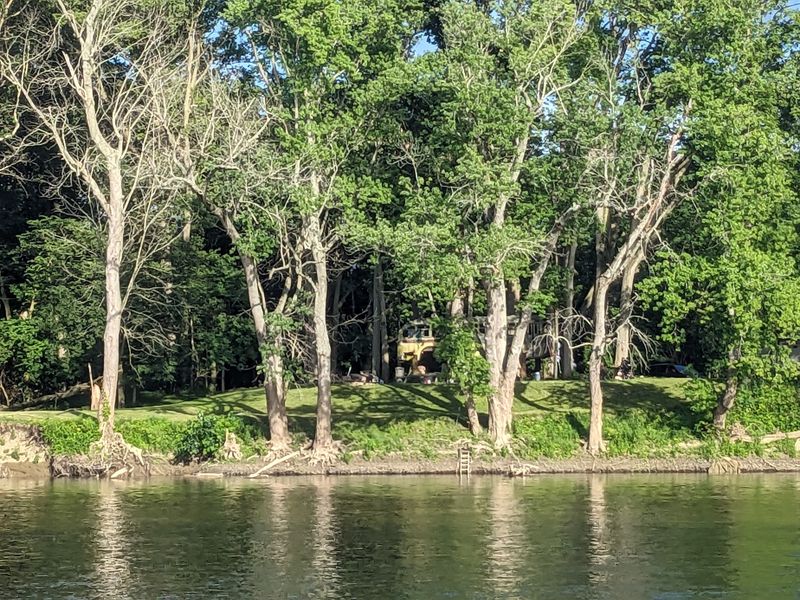
Bald eagles were once nearly gone from Indiana skies, which makes what has been documented at Wabash Bottoms all the more remarkable.
The Janssen Tract, managed by NICHES Land Trust near Lafayette, is home to the first confirmed active bald eagle nest recorded in Tippecanoe County in over a century.
That is not a small thing. That is a genuine conservation milestone sitting right in your backyard.
The nest is visible from the roadside, perched on an island in the Wabash River. You do not need to hike deep into the wilderness or own expensive gear to witness it.
A decent pair of binoculars and a quiet moment by the road is all it takes to spot one of North America’s most iconic birds watching over its home.
Nesting season typically runs from late February through April or May, when the young eagles fledge and begin testing their wings. Outside of that window, bald eagles are generally present in the area year-round, so there is no single bad time to visit.
Just remember that the island and the immediate nest area are protected and not open to the public. Watching from the roadside is both the respectful and responsible way to enjoy this extraordinary sight.
Few places in Indiana offer this kind of up-close eagle encounter without a long drive or a guided tour.
The Wabash River Itself Is Worth The Trip
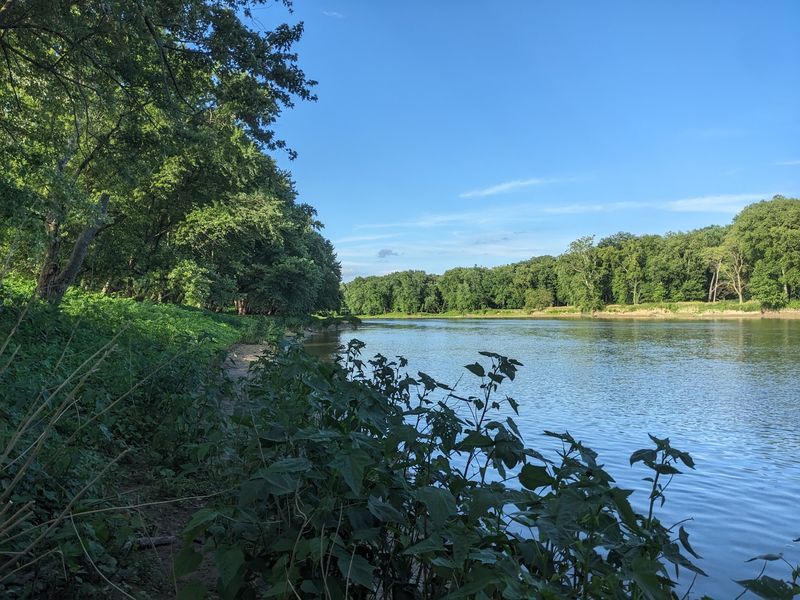
The Wabash River is one of Indiana’s defining natural features, and this stretch near Lafayette shows it at its most untamed. The river flows freely here, carving through bottomland forests and creating the kind of landscape that feels genuinely wild even though it sits close to a mid-sized city.
There is a rhythm to the water that is hard to describe until you have heard it yourself.
When water levels are low, the river reveals sandbars, rocky shallows, and the kind of terrain that makes you want to linger.
Visitors have noted that the out-and-back route along the Wabash Bottoms area is more enjoyable when the river is running calm, giving you a clearer view of the banks and the wildlife that depends on them.
The river’s mood changes with the seasons, and each visit has its own character.
Cottonwood trees line the banks, their leaves flickering silver in the breeze. Sycamores stretch their pale limbs over the water’s edge, and in spring, wildflowers push through the bottomland soil with surprising color.
The Wabash is also one of the longest free-flowing rivers in the eastern United States, which means this is not a tamed or channeled waterway. What you see here is the real thing, moving and breathing the way rivers are supposed to.
That alone makes it worth seeing in person.
Wildflowers and Bottomland Forest That Change With Every Season
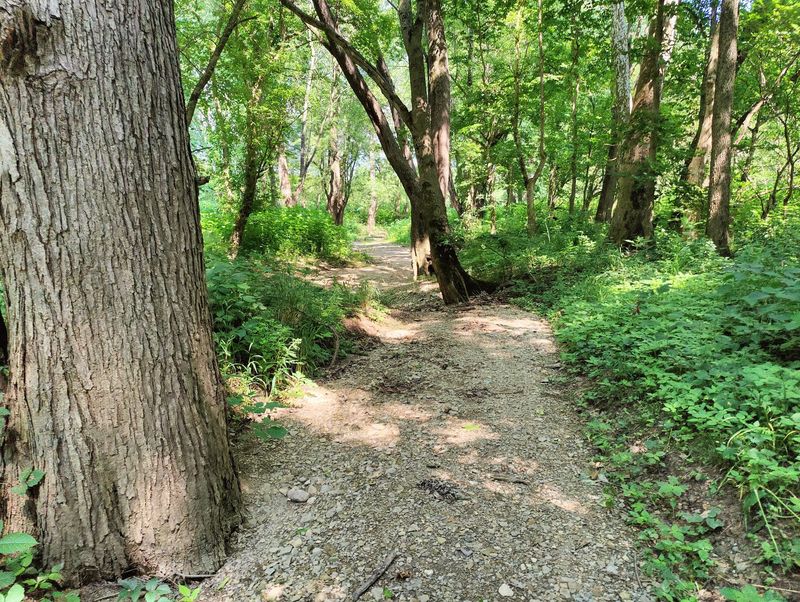
One of the quieter surprises at Wabash Bottoms is how dramatically the landscape shifts depending on when you visit. Spring brings a carpet of wildflowers across the bottomland forest floor, pushing up through fallen leaves before the canopy fills in overhead.
It happens fast, and if you time it right, the color is genuinely stunning.
Buckeye, cottonwood, and sycamore trees make up much of the tree canopy here, each one contributing something different to the atmosphere. In summer, the forest closes in and the shade becomes welcome.
By fall, the whole corridor lights up in amber and gold, reflecting off the river surface in a way that feels almost theatrical.
The NICHES Land Trust manages this preserve with conservation in mind, which means the vegetation here is allowed to grow and cycle naturally. That approach creates a richer habitat for both wildlife and plants, and it shows in the diversity of what you find underfoot and overhead.
Even in winter, the bare trees reveal a structure and scale to the bottomland that is easy to miss when everything is in full leaf. Bringing a simple field guide for wildflowers or trees can turn a casual walk into something genuinely educational.
This is the kind of place where paying attention to small details pays off in a big way, and no two visits ever feel quite the same.
Are You Ready To Experience Real Indiana Wildlife Up Close

Beyond the bald eagles, the Wabash Bottoms area and the wider Heritage Trail corridor are alive with wildlife that most people never expect to find this close to a city. Great blue herons are a common sight along the riverbanks, standing motionless in the shallows like they have all the time in the world.
Waterfowl move through in significant numbers, especially during migration season in spring and fall.
Deer, foxes, and various songbirds also call this habitat home, and if you move quietly, you will be amazed at what simply shows up. The marshy areas along the trail support a food web that keeps this ecosystem genuinely productive.
It is the kind of biodiversity that reminds you how much wild life exists just outside the edges of everyday Indiana life.
Birdwatchers in particular find this corridor rewarding because the mix of river habitat, forest edge, and open wetland attracts a wide variety of species throughout the year. Carrying a small pair of binoculars makes a noticeable difference.
Early morning visits tend to be the most active, with birds calling and moving before the day heats up. If you have never thought of yourself as someone who watches wildlife, this stretch of the Wabash might just change that.
There is something about seeing a heron take flight over open water that stays with you long after you have driven home.
The Wabash Heritage Trail Connects It All Together
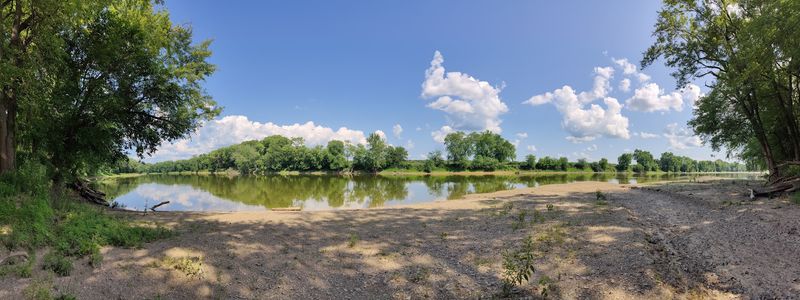
The Wabash Heritage Trail is the thread that ties the Lafayette natural area experience together. Stretching between 13 and 18 miles depending on your route, the trail follows Burnett Creek and the Wabash River through a mix of paved and unpaved sections.
It is accessible for walkers, joggers, and cyclists on the paved portions, making it genuinely usable for a wide range of visitors.
Key access points include Davis Ferry Park, Riehle Plaza, Tapawingo Park, and Tippecanoe Battlefield, each offering its own entry point into the trail system.
The Wabash Heritage Trail Side Park at 306 N River Rd, West Lafayette, IN 47906 is one of the more convenient starting spots, especially for first-time visitors trying to get their bearings.
From any of these entry points, you can pick a direction and let the river guide you.
What makes the trail feel special is how it moves through different environments without ever feeling rushed or crowded. One stretch passes through dense forest, the next opens onto a wide river view, and then you find yourself near a historical marker or a quiet park bench overlooking the water.
The trail does not demand anything of you except a willingness to slow down. I have walked sections of it more than once and noticed something new each time.
That kind of depth is rare in a trail this accessible and this close to everyday life.
History Runs As Deep As The River Here
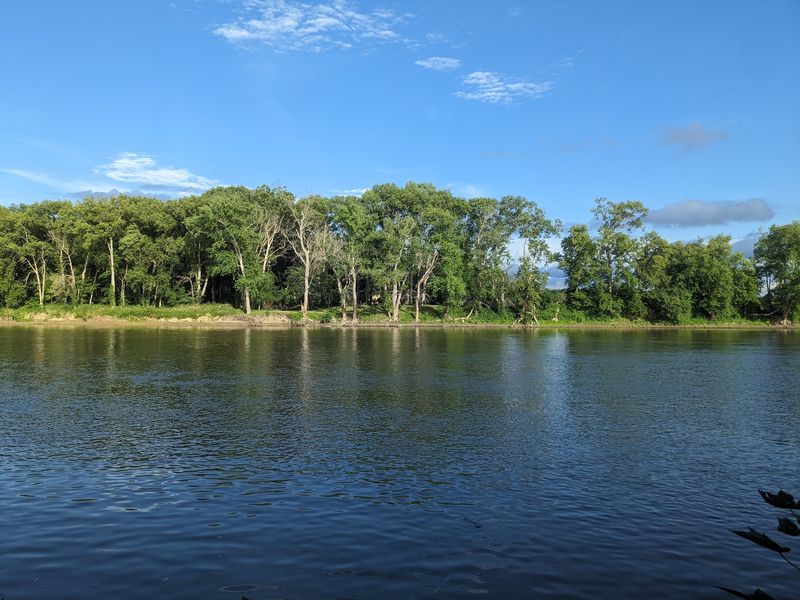
The land along the Wabash River near Lafayette carries centuries of history, and the trail corridor puts you right in the middle of it.
Tippecanoe Battlefield, one of the access points for the Heritage Trail, marks the site of a significant early 19th-century conflict that shaped the future of the American Midwest.
Walking near that ground gives the whole area a different kind of weight.
The Wabash River itself was a major travel and trade corridor for Indigenous communities long before European settlement, and that history is woven into the landscape in ways that are easy to feel even if they are not always easy to see.
Place names, the shape of the land, and the river’s own path all carry traces of that deeper story.
This is not just a nature trail. It is a route through time.
Lafayette as a city grew up alongside the river, and the Heritage Trail reflects that connection between the natural and the human history of the region.
Some sections of the trail pass close to older infrastructure and historic sites that give context to how people have lived and moved along this waterway for generations.
Visiting with that awareness makes the experience richer. The river did not just shape the land.
It shaped the communities, the conflicts, and the culture of this entire part of Indiana, and you can feel that when you walk quietly alongside it.
You Should Not Leave Lafayette Without Seeing This For Yourself
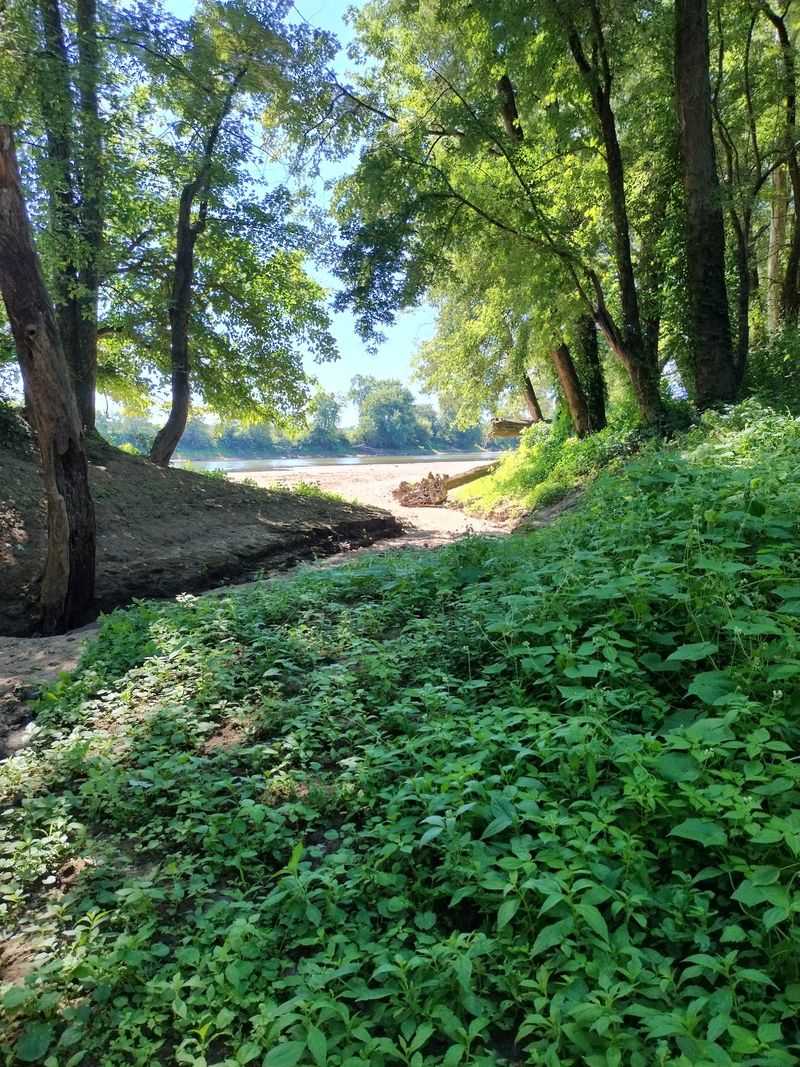
Some places earn their reputation through marketing and crowds. Wabash Bottoms earns it through sheer, quiet authenticity.
There are no gift shops here, no entrance fees, and no crowds jostling for the best view. What you get instead is an honest piece of Indiana nature that has been protected because it genuinely matters.
The preserve is open every day, all hours, which means you can catch it at sunrise when the mist sits low over the river, or in the late afternoon when the light goes gold and every bird seems to be calling at once. That kind of access is rare and worth appreciating.
Not every special place is locked behind a schedule or a fee.
First-time visitors should wear sturdy shoes, especially if they plan to explore any unpaved sections of the Wabash Heritage Trail. The terrain can be uneven, and after rain, some lower areas near the river get soft.
That said, the trail is not technically demanding, and most people with a reasonable level of fitness will find it comfortable and enjoyable. Bringing water, a camera, and a little patience will serve you well.
The eagles will not perform on command, and that is part of what makes spotting one so satisfying. Lafayette is often overlooked on Indiana travel lists, but this trail and this river make a strong case that it absolutely should not be.
Address: 2145 S 950 W, West Lafayette, IN 47906
