Some places are popular for a reason. Others stay quiet for the same reason.
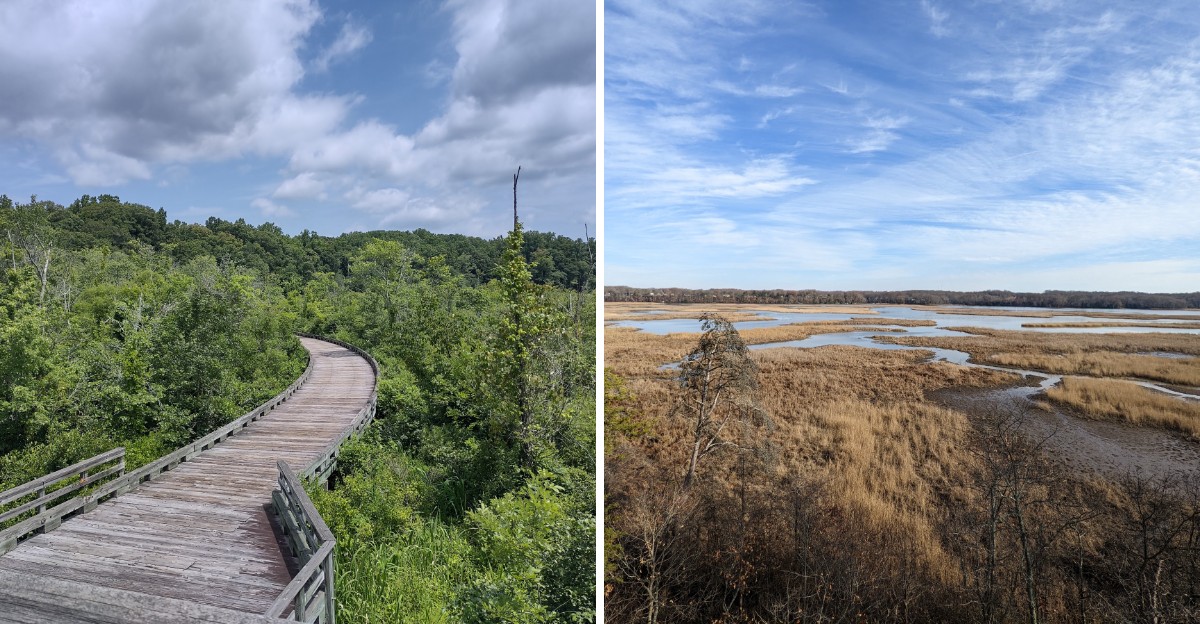
This overlooked Maryland sanctuary falls into the second category. It has everything you need for a peaceful day, trails, water, open space, and benches placed where you actually want to sit.
The crowds never seem to find it, which means you can walk for an hour and hear nothing but birds and wind. You can bring a book, bring a picnic, or bring nothing at all and just sit.
Locals treat it as a regular escape, while visitors often leave wondering why they had never heard of it. A reminder that the best spots are not always the busiest.
The kind of place that resets your day.
A Quiet Corner Most People Drive Right Past
Some places shout for attention, and some just wait patiently for the right visitor. Merkle belongs firmly in the second group.
Many Maryland locals have lived close by for years without knowing it exists.
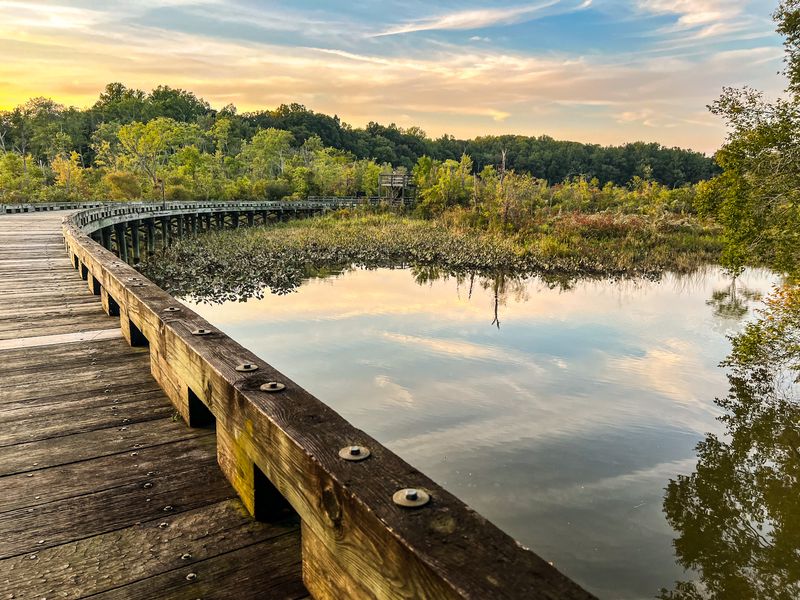
That low profile is a big part of the charm. The sanctuary stretches across roughly 1,670 acres along the Patuxent River, so even on a sunny weekend there is plenty of room to spread out.
Crowded parking lots and packed trails are simply not part of the experience here.
The land is a mix of habitats that blend into each other. Rolling farm fields sit next to tall upland forests, and those forests slope down toward marshes and quiet creeks.
Each area has its own sounds, smells, and pace.
Managed by the Maryland Department of Natural Resources, Merkle balances wildlife protection with public use. Visitors can hike, fish, watch birds, and picnic while the land continues its main job as a safe home for animals.
It also protects important marshland that helps keep the Chesapeake Bay healthy.
A trip here works well for almost anyone. Solo walkers can clear their heads, families can let kids roam, and nature lovers can spend hours looking for wildlife.
Admission is free, which makes it an easy choice for a last-minute outing.
Bring curiosity and comfortable shoes. Leave the rush behind.
The sanctuary rewards slow wandering more than speed, and it tends to stick in the memory long after the drive home.
How One Farmer and His Geese Started It All
Back in 1932, a man named Edgar Merkle had an unusual dream for his Patuxent River farm. He wanted to bring Canada geese back to the area.
So he started a small breeding program, and the results turned out bigger than anyone expected.
Year after year, more geese returned. By 1955, thousands of them were spending their winters on the farm.
Imagine stepping outside to a sky full of honking wings every single morning. It must have been loud, and probably wonderful.
In 1970, the Merkle family sold the land to the State of Maryland. That decision locked in its future as protected ground.
Later, the area received its current name to reflect a wider mission that covers far more than just geese.
Still, the geese remain the stars of the show. Merkle is the largest wintering ground for Canada geese in the state, with more than 5,000 birds gathering here from October through March.
Late afternoon is a great time to watch them glide in over the fields.
The sanctuary sits at 11704 Fenno Rd, Upper Marlboro, MD 20772, about a half-hour drive from many suburbs around Washington, DC. The history makes every visit feel a little richer.
Knowing that one person’s patience shaped this whole landscape adds meaning to a simple walk. Those noisy flocks are a living thank-you note to a farmer with a big idea.
Not bad for a project that began with a few birds.
Four Trails, Four Different Moods
Lace up and pick a personality. Each of the four walking trails at Merkle feels different, and all of them are for hikers only, so there are no bikes zooming past.
The Paw Paw Trail is the friendly one. It is a 1.2-mile loop that passes streams and ponds, and it gets its name from the pawpaw trees growing along the way.
These trees produce large native fruit and serve as host plants for the striking Zebra Swallowtail butterfly.
For something longer, the Poplar Springs Trail runs around 2.6 to 3.0 miles through shady forest. Its big highlight is Merkle’s champion yellow poplar, which towers about 116 feet tall.
Standing beside it makes a person feel pleasantly tiny. Forest birds love this trail too.
The Mounds Trail brings a bit of a workout. At about 2.2 miles, it climbs hills and follows a ravine with views toward Lookout Creek, where curious man-made mounds of earth dot the land.
Legs will notice the elevation.
Then there is the Lookout Creek Trail, a flat figure-eight of under a mile. It winds through forest and wetland with pretty creek views and is reached from the driving tour.
Parts of it can flood, so waterproof boots are smart.
Trails are natural surface, meaning dirt, roots, and leaves underfoot. A hiking stick helps on steeper sections.
Choose one trail for a quick stroll or link a couple together for a fuller day outdoors.
Binoculars Ready, The Birds Are Waiting
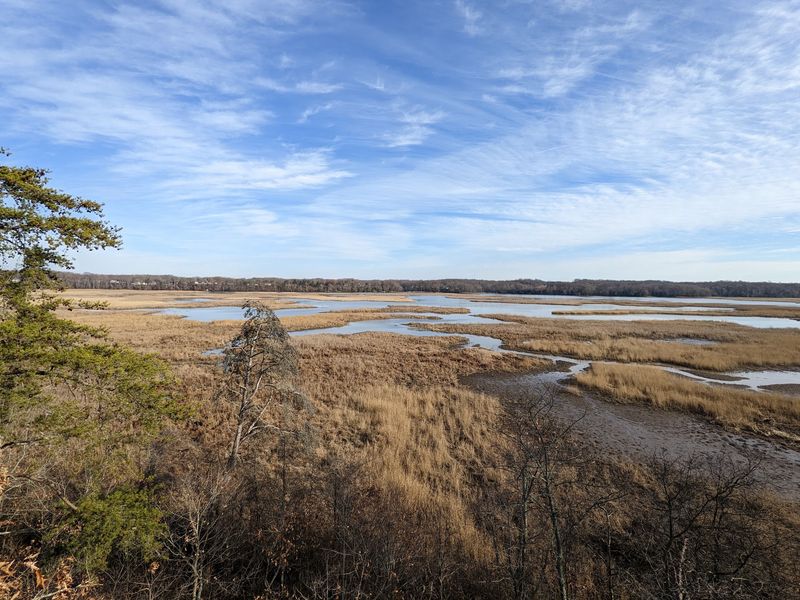
More than 220 bird species have been spotted at Merkle. That number alone explains why birders keep coming back with notebooks and long camera lenses.
The mix of habitats is the secret. Fields, forests, ponds, river, and marsh all sit close together, so one walk can turn up a surprising variety of feathered neighbors.
Fall and winter bring huge numbers of waterfowl, shorebirds, and wading birds to the Patuxent marshes.
Keep an eye on the treetops for Pileated Woodpeckers, which are big, loud, and hard to miss once spotted. Red-headed Woodpeckers and various flycatchers show up too.
With luck, an Eastern Screech-Owl might be hidden into a hollow tree.
Bald eagles and ospreys are regular visitors over the water. Watching an osprey dive feet-first for a fish is the kind of moment worth a whole morning of waiting.
Patience usually pays off here.
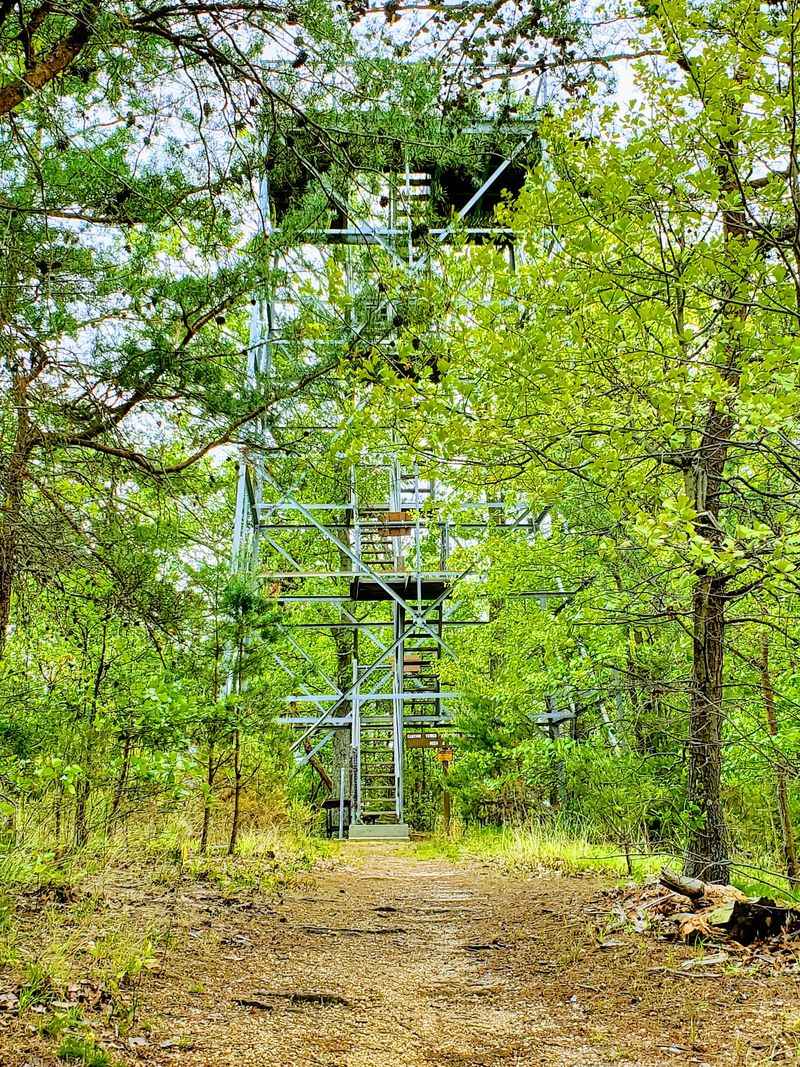
An observation tower gives sweeping views over the river marshes. It is the best spot for scanning distant birds, so bring binoculars or a spotting scope.
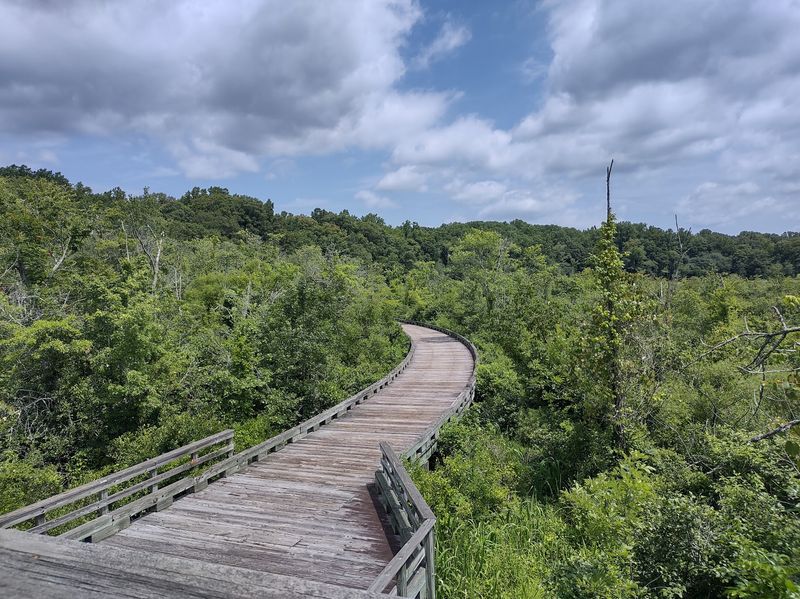
A boardwalk nearby adds another great angle on the wetlands.
The ponds near the visitor center are worth checking as well, since the birds there change with the seasons and water levels. Early mornings tend to be the liveliest time.
Beginners should not feel shy. A simple field guide and a quiet attitude go a long way.
Soon even a casual walker may start recognizing calls and feeling a little thrill with every new sighting.
A Sunday Drive Through Fields and Forest
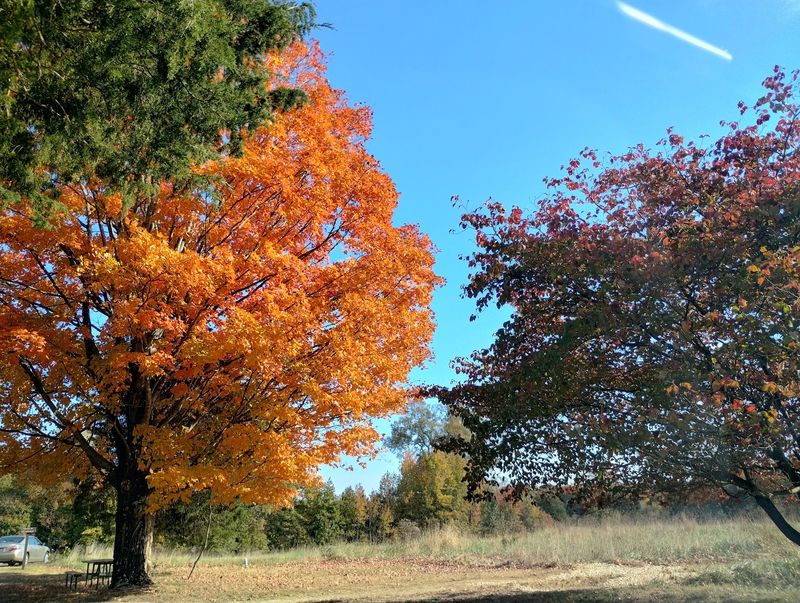
Not every adventure requires hiking boots. The Critical Area Driving Tour lets visitors explore big chunks of Merkle from the comfort of a car seat, which is great news for anyone who prefers a slower pace.
The tour comes in two parts. One section is a two-mile, one-way loop that rolls right through Merkle’s fields and woodlands.
That loop is open to cars and people on foot every day of the year.
The other section starts at Selby’s Landing, at the end of Croom Airport Road inside Patuxent River Park. It connects to Merkle as a one-way route.
Here is the catch, though. Cars can only drive this part on Sundays from 10 a.m. to 3 p.m.
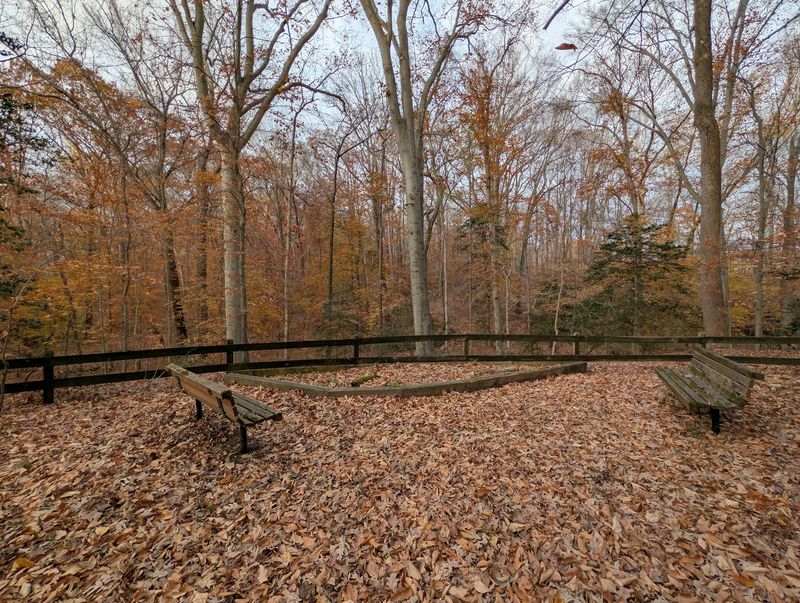
The scenery makes it worth timing the trip. Gravel roads wind past mature forests of beech, yellow poplar, and oak, which glow gold and orange in autumn.
Windows down is the move.
Eventually the route circles a grassy field in front of the Frank Oslislo Visitor Center. During colder months, the drive offers easy access to prime spots for watching waterfowl without a long walk in chilly winds.
This option suits older visitors, families with small kids, or anyone nursing tired legs. Drive slowly, since deer and geese do not follow traffic rules.
Pull over when something catches the eye. The whole point is to take it easy and let the landscape roll by like a calm movie.
Quiet Ponds and Patient Anglers
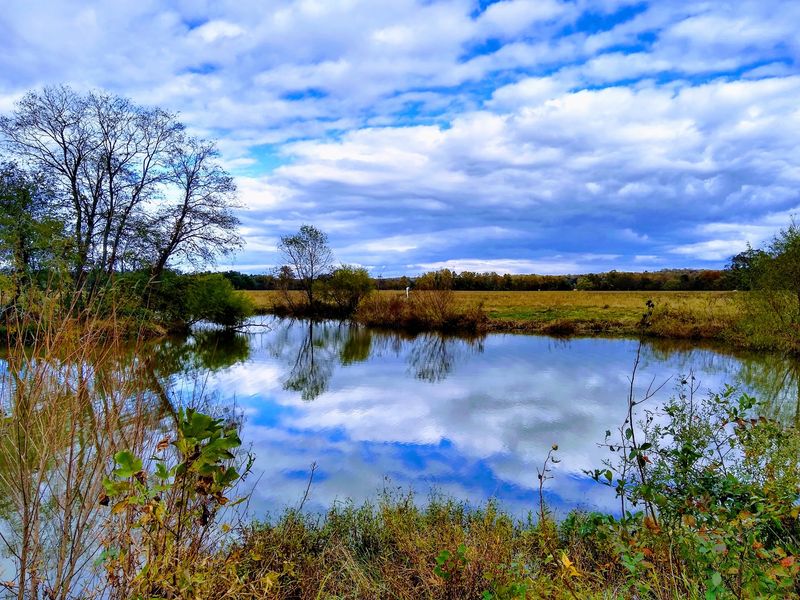
A still pond, a light breeze, and a bobber floating on the water. Few things are more relaxing, and Merkle has five public ponds ready for exactly that.
The ponds hold largemouth bass, bluegill, and other fish. Bluegill are especially good for beginners and kids because they bite often and fight hard for their size.
Bass give more experienced anglers a fun challenge.
Fishing season runs from April through September. That covers the warm months when sitting by the water feels best.
Mornings and early evenings are usually the most active times for fish, and the light is lovely too.
Before heading out, check Maryland’s recreational fishing guide for current rules, licenses, and limits. Regulations can change, and a quick look keeps the day stress-free.
Pack sunscreen, water, and bug spray for summer outings.
Even without a single bite, the ponds are full of life. Turtles sun themselves on logs, frogs plop into the shallows, and dragonflies zip around like tiny helicopters.
Herons sometimes stalk the edges, quietly fishing better than any human.
The Patuxent River beside the sanctuary adds to this watery world. All these waterways support insects, fish, and amphibians that feed the larger web of wildlife.
A camera can be just as fun as a rod here.
Fishing at Merkle is less about the catch and more about slowing down. Watching ripples spread across the surface has a way of melting away a busy week.
Foxes, Turtles, and Sunflowers Too
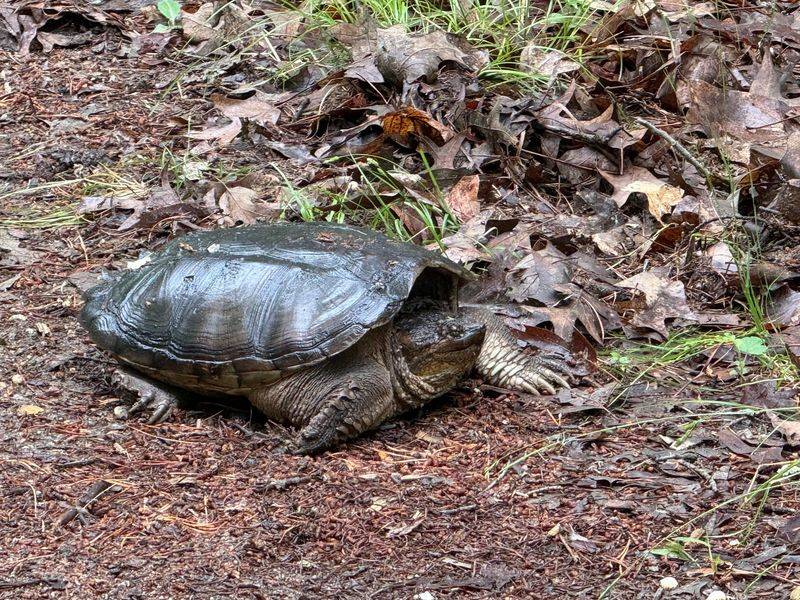
Geese may get the headlines, but plenty of other creatures call Merkle home. Spend enough time here and the supporting cast starts showing up.
White-tailed deer often step out at the edges of fields, especially near dawn and dusk. Red foxes trot along hedgerows, and skunks wander around after dark.
Small mammals scurry through grass and leaf piles all day long.
The forests have their own character. Red maple, green ash, sweetgum, black gum, and pin oak fill the wooded areas.
In fall, sweetgum and black gum turn brilliant shades of red and purple. It is quite a show.
Here is a fun detail. Those farm fields are not just for looks.
The Department of Natural Resources grows crops like corn and millet to feed wintering waterfowl, so the farming actually helps the wildlife.
Sunflower plantings add another layer. They give pollinators like bees and butterflies a place to feed, and later their seeds feed hungry birds and animals.
A sunflower field in bloom is also wonderfully photogenic.
Hedgerows between the fields are managed to grow young, shrubby plants. That kind of habitat helps many key species find shelter and food.
It is careful, thoughtful work that most visitors never notice.
Reptiles and amphibians round out the community. Turtles, snakes, frogs, and salamanders live in the wetter areas.
Walking quietly and scanning low to the ground often reveals the shy residents that hurried visitors miss.
Inside the Frank Oslislo Visitor Center
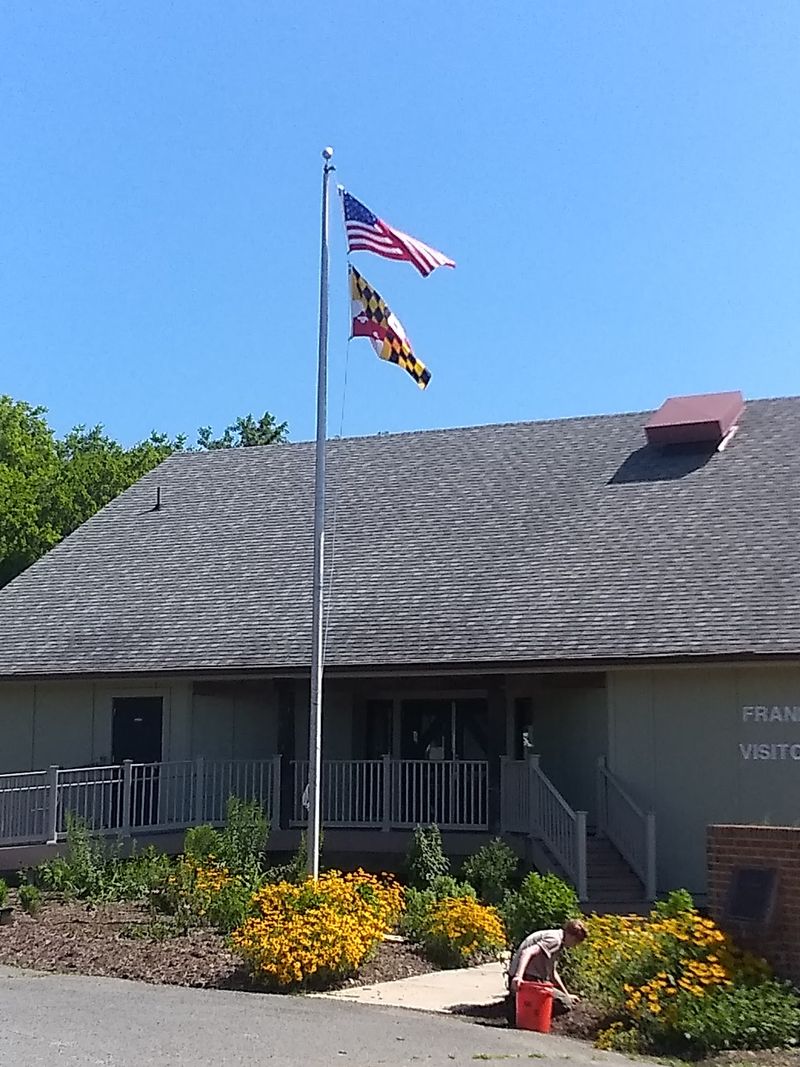
Curious minds will find plenty to explore at the Frank Oslislo Visitor Center. It works as a friendly starting point before heading out to the trails.
Exhibits tell the story of Edgar Merkle and his work bringing back Canada geese. Other displays cover local wildlife and environmental topics, which help make sense of what visitors see outside.
A history corner also covers the War of 1812 on the Patuxent River and local Native American heritage.
Live animal exhibits have featured turtles, snakes, and even an Eastern Screech-Owl. Kids tend to press their noses against the glass.
Honestly, adults do too.
One favorite spot is the bird feeder viewing area. Big windows look out on busy feeders, and binoculars plus field guides are ready to use.
It is a cozy way to learn bird names on a cold day.
Outside, a deck overlooks several freshwater ponds where waterfowl paddle around. A pollinator garden next to the building buzzes with insects and draws in birds during warmer months.
Picnic tables nearby make it easy to linger.
Hours and access have changed over the years. At times the center has operated by reservation only, and visitors have reported closures.
Checking with the Maryland Department of Natural Resources website before a trip is the safest bet.
When it is open, the center adds a lot to a visit. A short stop here turns a simple walk into a richer, more meaningful day.
Smart Tips for an Easy, Calm Visit
A little planning goes a long way toward a smooth day here. Luckily, Merkle keeps things pretty simple.
The grounds are open daily from sunrise to sunset, and there is no admission fee. That makes spontaneous trips easy.
Still, posted hours for some areas can vary, so a quick check of the official park page is wise.
Dogs are welcome on a leash. Owners should clean up after them to keep trails pleasant for everyone.
A happy pup sniffing along the Paw Paw Trail is a pretty common sight.
Footwear matters. Sturdy, waterproof boots handle muddy spots, steep hills, and the occasional flooded section on the creek trail.
A hiking stick adds balance on rougher ground.
Picnic tables near the visitor center are perfect for lunch with a view. Grills and open fires are not allowed, so pack sandwiches, fruit, and snacks instead.
Restrooms can be limited across the property, so plan ahead before heading deep into the trails.
For extra exploring, Patuxent River Park sits right next door. Merkle is also a stop on the Patuxent Water Trail, and outside outfitters rent canoes and kayaks for paddling adventures.
Timing changes everything. Fall and winter bring the giant goose flocks, while spring fills the woods with migrating songbirds and fresh green leaves.
Summer suits anglers and butterfly fans.
Whatever the season, arrive with patience and leave nothing behind. Merkle rewards gentle visitors with quiet beauty that feels miles away from everyday noise.
