The pencil was the plan. Everything after that was a mistake.
One pencil becomes a better pencil. Then there is watercolor paper.
Then a wall of brushes. Then a stack of giant canvases that somehow starts looking like something you absolutely need.
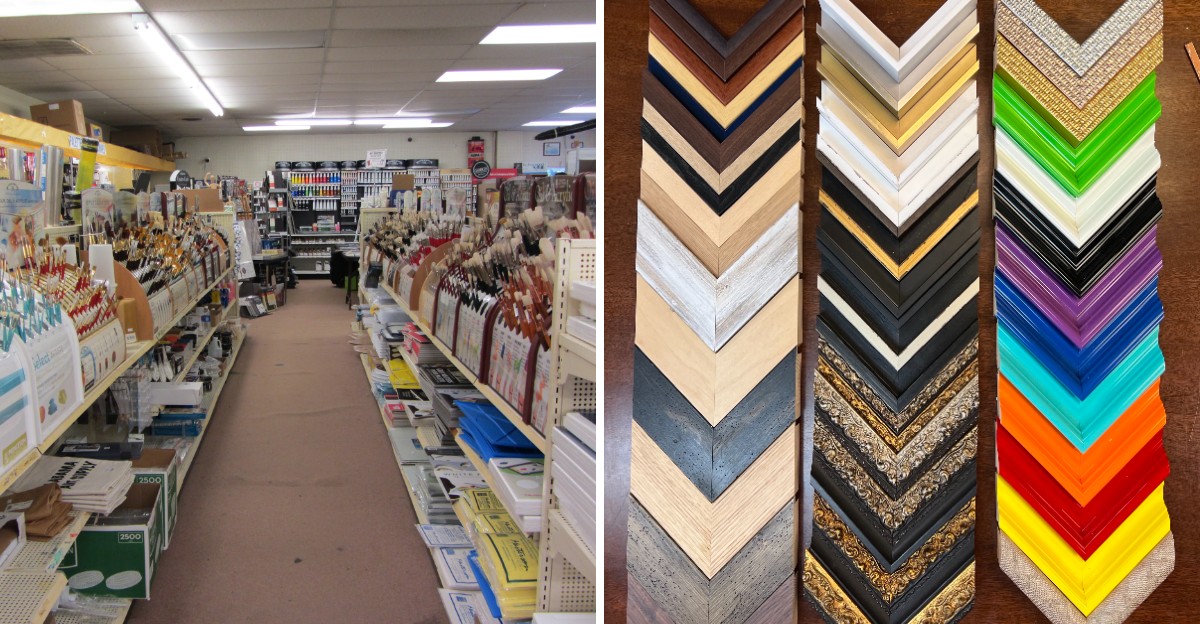
That is the danger of this Alabama art supply store, where shelves are packed so tightly with paints, clay, paper, pencils, and tools that “just grabbing one thing” is almost impossible. The store has been serving artists since 1968, and the years show up in the best way.
It feels used, loved, and genuinely busy. The staff often make art themselves too.
So a shopping question can turn into a ten-minute conversation. And suddenly the pencil was the cheapest part of the trip.
A Story That Started With Missing Ink
Back in 1968, a University of Alabama student named Ken Webster went looking for block printer’s ink in Birmingham and came up empty. That small frustration sparked a big idea.
He started selling art supplies from home, even delivering them to local teachers in his station wagon.
Business grew quickly. By 1970 he had opened a real storefront, and after a couple of moves, the shop settled in 1975 at 1006 23rd Street South, Birmingham, AL 35205, where it still welcomes artists today, just three blocks east of Five Points South in the UAB area.
Fifty-plus years in one spot is rare for any store. It means generations of local painters have bought their first brushes here, then come back years later with their own kids in tow.
Many families now shop as second and third generation customers, which gives the place a sense of comfortable history.
Founder Ken is still part of the store’s story, and visitors sometimes get the chance to meet him. Today the shop also ships orders far beyond Alabama, reaching customers as distant as San Francisco and Toronto.
Here is a tip worth keeping. The location can be a little tricky to spot on a first visit, so check a map before heading out.
Once found, though, it tends to stick in memory, the way a favorite bookstore or old diner does.
Aisles Packed Tighter Than a Paint Box
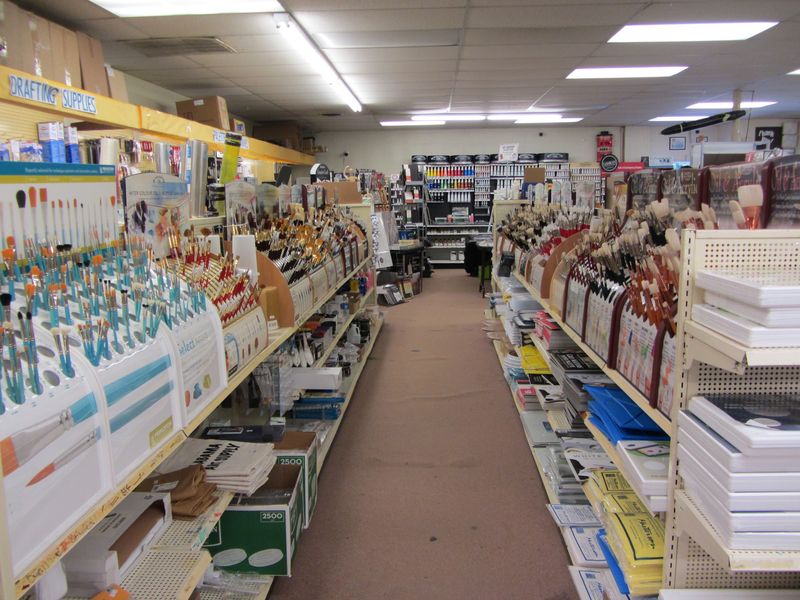
Over 30,000 items. That number alone explains why people lose track of time here.
Every aisle holds something that begs to be picked up, turned over, and tested in the imagination.
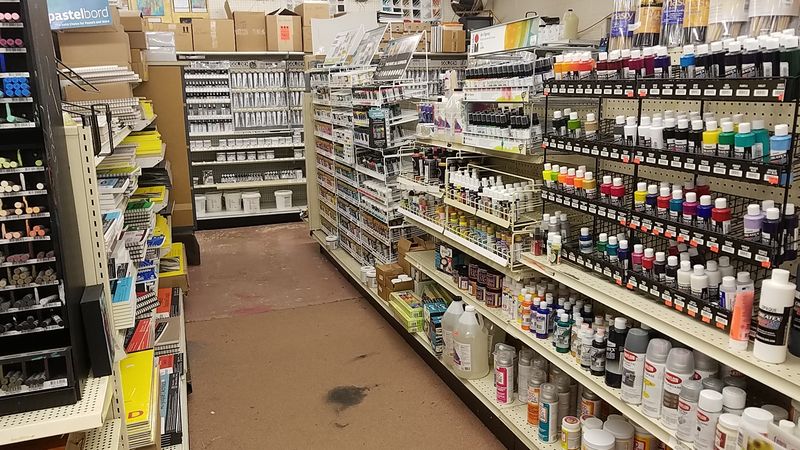
Painters will spot familiar heavy hitters like Daniel Smith watercolors, Golden paints, Winsor and Newton professional acrylics, Gamblin oil colors, and Holbein oils. Sketchers can browse pencils, pens, and markers in shades that range from shy pastels to loud neons.
There are easels, palettes, mediums, and tools that many shoppers would normally have to order online and wait days to receive.
Paper deserves its own shout. The watercolor paper selection gets plenty of love from regulars, and one visitor famously drove all the way from Anniston just to stock up.
That says a lot about a stack of paper.
The store also keeps things fresh by testing and adding new brands over time. So even a frequent shopper might find a surprise tucked between old favorites.
Smart move for first timers? Bring a short list but leave room for curiosity.
A planned grab of one sketchbook can easily become a new set of ink pens and a jar of gesso. Nobody judges.
It is practically a local tradition, and the aisles seem built for wandering rather than rushing straight to the register.
Canvases So Big They Need Their Own Zip Code
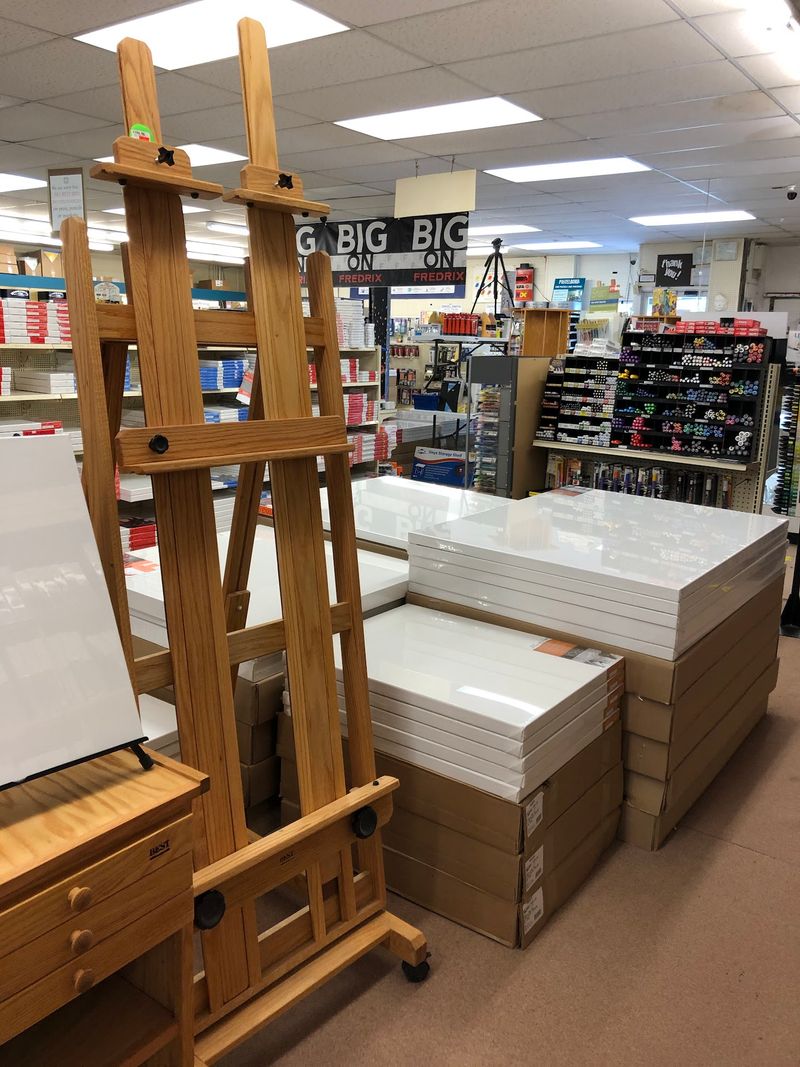
Some shoppers stop dead in their tracks at the canvas section. The biggest ones here are huge, the kind that make a person wonder what could possibly fill all that white space.
A mural-sized dream suddenly looks possible.
Of course, not everyone needs a canvas taller than a kitchen door. Smaller stretched canvases, panels, and pads sit nearby for quick studies and weekend projects.
Beginners can grab a modest size to practice, while seasoned painters can go bold and size up.
Picking the right surface matters more than many people think. Cotton and linen feel different under the brush, and some paints behave better on certain textures.
Staff members can explain these differences in plain language, which saves a lot of trial and error at home.
A fun idea for a family outing is to choose one canvas together and plan a shared painting. Kids love the scale, and adults get to feel a little brave too.
Hauling home a giant canvas takes planning, though. Measure the car first and maybe bring a friend to help carry.
A blanket in the trunk keeps corners safe from dings. It sounds silly until the canvas is halfway out the door and the hatchback suddenly looks very small.
Clay, Glazes, and a Pottery Corner That Means Business
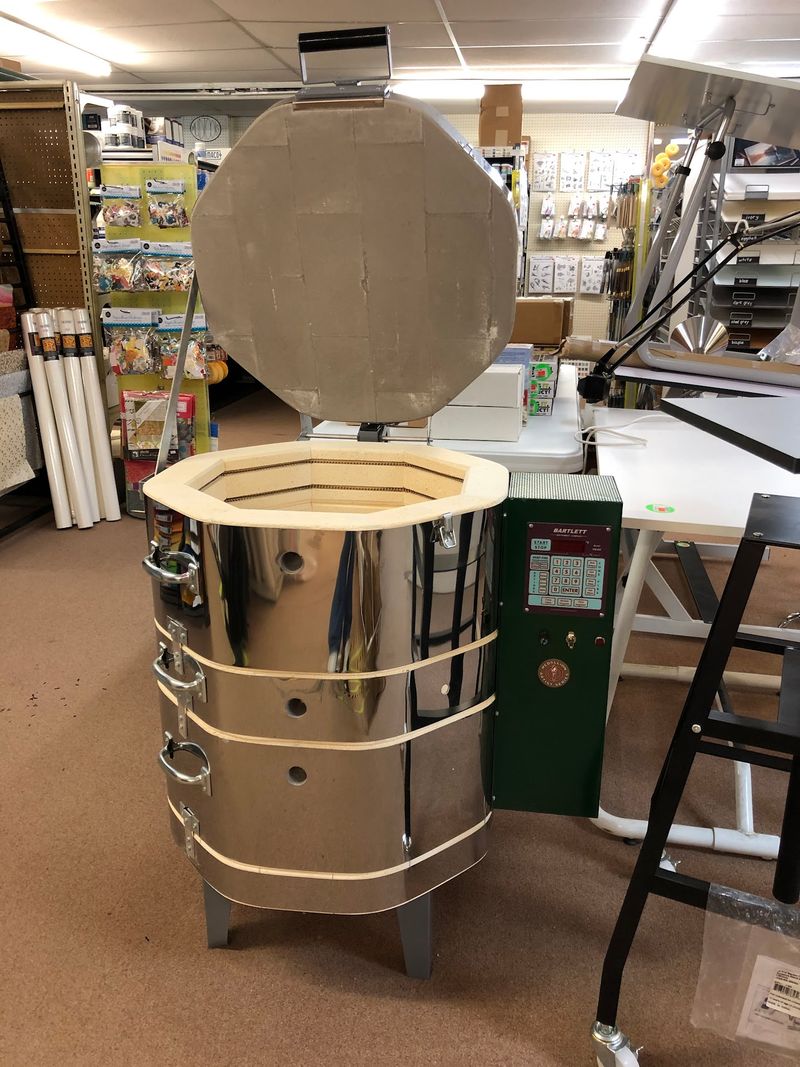
Potters get their own little paradise inside these walls. Alabama Art Supply runs one of the biggest pottery centers in the Southeast, and it shows the moment the shelves of glaze jars come into view.
Brands like Amaco, Mayco, and Spectrum line up in rows of glossy promise. Each jar hints at a finish, from soft matte earth tones to bright, glassy blues.
Then there is the clay, stacked in heavy bags that remind everyone how hands-on this hobby truly is.
The equipment side is just as serious. Shoppers will find Speedball potter’s wheels, Olympic kilns, and Skutt pottery equipment, the kind of gear that turns a garage corner into a working studio.
Teachers, churches, and community programs also shop here for classroom-ready supplies.
Thinking about starting pottery? Begin small.
A bag of air-dry or low-fire clay and a few basic tools can teach a lot before anyone invests in a wheel.
Bigger purchases like kilns call for careful questions. Ask about power needs, size, and warranty details before buying, and write down what the staff explains.
Clear notes make setup at home much smoother. Clay is messy, joyful work, and this corner of the store treats it with real respect.
Friendly Experts Who Actually Make Art
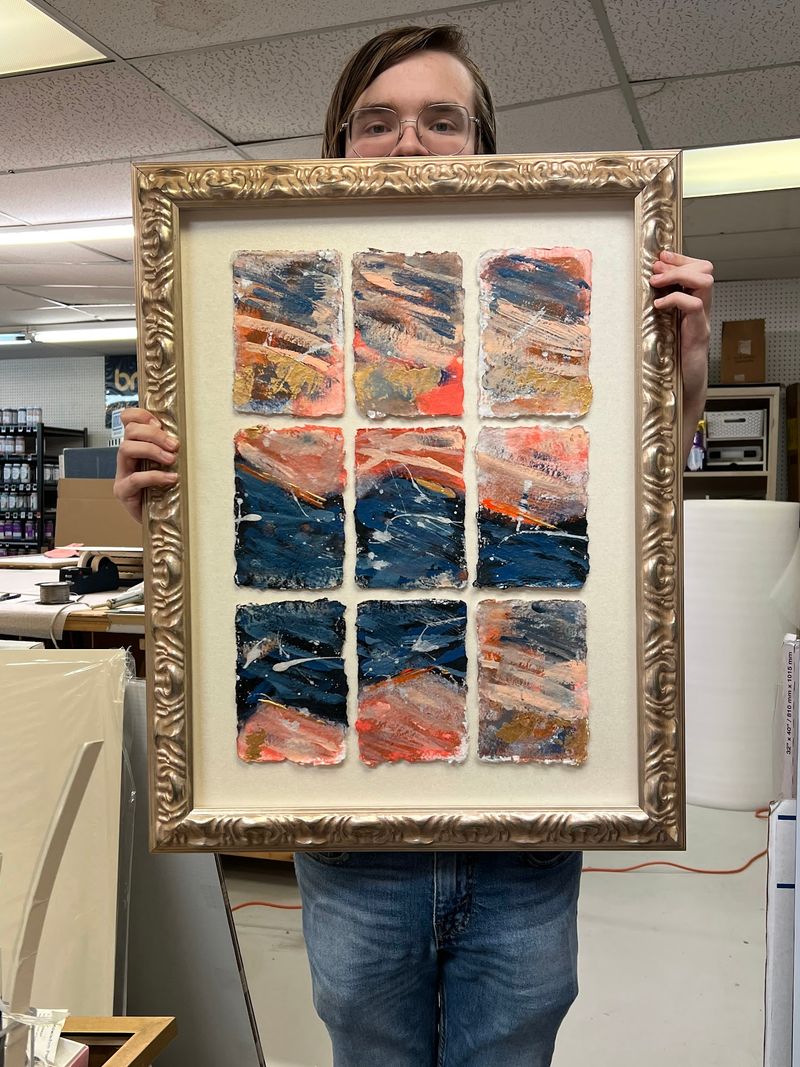
Ask a question about watercolor brushes and the answer might come from someone who paints with them every week. That is the secret sauce here.
Many staff members are working artists, crafters, or framers themselves.
Shoppers often mention how helpful the team is, and the praise comes up again and again. Visitors tend to describe being greeted quickly without feeling crowded.
There is a nice balance. Help is close, but nobody hovers.
The store has even named some of its well-loved team members in public replies. Randy, Julie, and Pam get regular shoutouts, and one watercolor painter on staff named Caleb reportedly sings while he works.
Requests might be accepted. No promises.
So how should a visitor make the most of this? Come with a project in mind and share the details, like the size, the surface, and the look being chased.
Specific questions get specific advice. Someone might suggest a cheaper paper for practice or a better brush for fine lines.
Beginners should not feel shy. The staff talk art with first timers and longtime professionals alike, and no question is too basic.
Leaving with fresh knowledge is almost as good as leaving with new supplies, and it often saves money on things that would not have worked anyway.
Workshops Where Messing Up Is Part of the Plan

Grown-ups rarely get permission to play. The Alabama Art Academy at the store changes that, offering workshops built around the idea of creative playtime for adults and learners of all ages.
Monthly workshops cover art basics, new materials, and fresh techniques. Topics have included watercolor, printmaking, mixed media, and creative journaling, and new instructors and subjects pop up regularly.
Local working artists lead these sessions, so the lessons come from real studio experience.
There are also weekly classes for anyone wanting steady practice. Instructors such as Ron Lewis, Susan Oliver, Susan Ripp, and Cynthia Parsons offer guidance over time.
That rhythm helps skills grow slowly and naturally, which is how most art really improves.
The best part is the attitude. Art here does not need to be perfect or serve a purpose.
Trying a strange color mix or a new material is the whole point.
Someone returning to art after years away will fit right in. So will a total beginner who has not held a brush since grade school.
Check the store website for the current schedule, since class spots can fill up. Arrive a few minutes early to settle in, and wear clothes that can survive a splash or two of paint.
Framing, Perks, and Reasons to Keep Coming Back
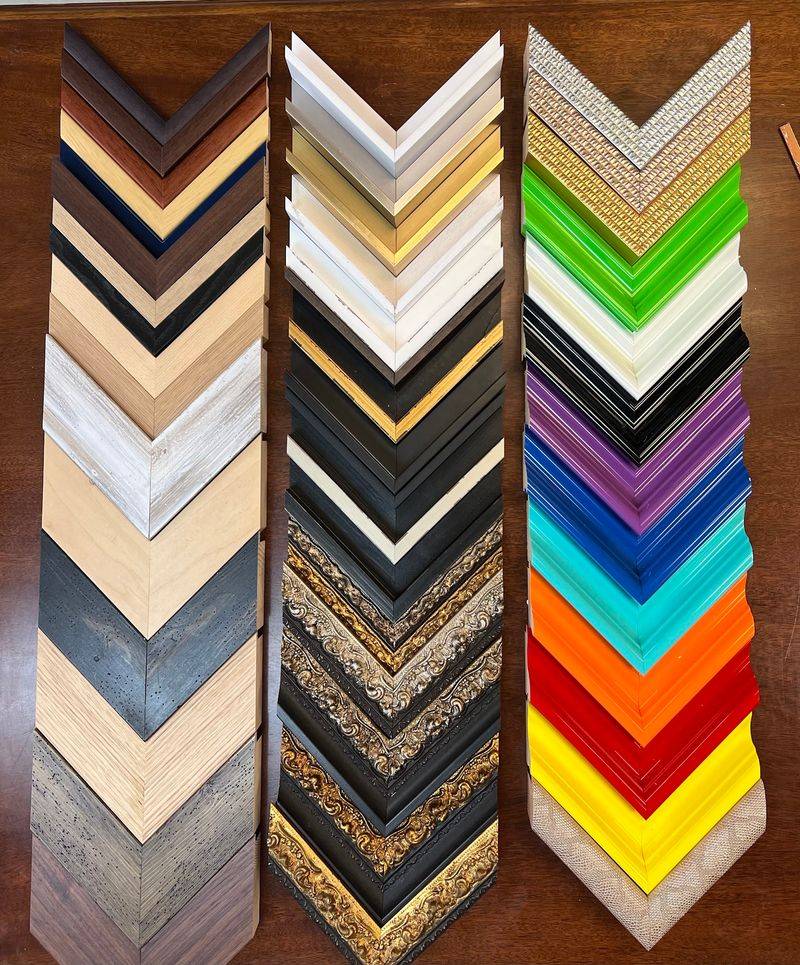
Finished artwork deserves better than a thumbtack. The Custom Framing Shop helps painters, photographers, and collectors pick frames, mats, and glazing that protect a piece while making it shine.
Bring the artwork in person if possible. Seeing frame corners right against the colors makes choices much easier.
A cherished family photo or a child’s first painting can get the same thoughtful care as gallery work.
Then come the perks, and regulars love them. Ken’s Club is an annual discount program with big savings on things like canvas, brushes, clay, and framing.
A free frequent buyer program adds rewards that grow over time, and teachers can ask about educator discounts. Weekly sales keep things interesting too.
Those deals help explain the loyal crowd. Some shoppers even plan road trips around a stop here, including one traveler who called it the favorite pit stop on a long drive home to Mobile.
Planning a visit? The shop is open Monday through Saturday from 10 am to 6 pm and closed on Sundays.
Parking is easy, which makes a relaxed browse even nicer. Doing everything in one place, from buying supplies to framing the final piece, makes this store feel like a true home base for local makers.
