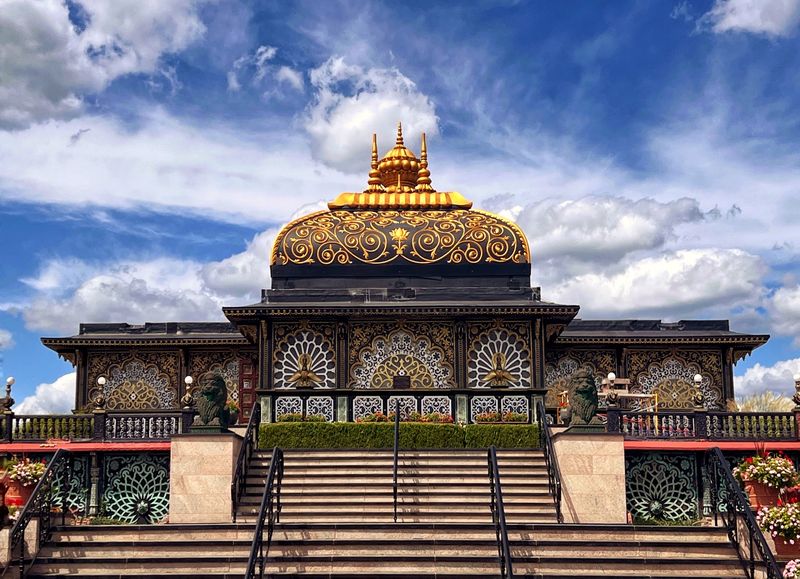
More than 50 kinds of marble and onyx, shipped in from 17 countries, shine inside a palace on a quiet West Virginia ridge. Even better, the people who built it had never laid a stone before they started.
They taught themselves as they went.
That alone would earn a road trip. Then you add 22 karat gold, crystal chandeliers, and stained glass windows.
Outside, peacocks stroll the lawns like they own the deed.
I like how calm it all sounds. A swan pond sits nearby, and an award-winning rose garden blooms in waves all summer.
A spot this fancy usually comes with crowds and fuss, but this one leans toward quiet.
I can’t imagine a stranger or sweeter surprise in the Mountain State hills. So how did a gold-trimmed palace end up out here?
A Gold-Trimmed Surprise Waiting On A Northern Panhandle Ridge
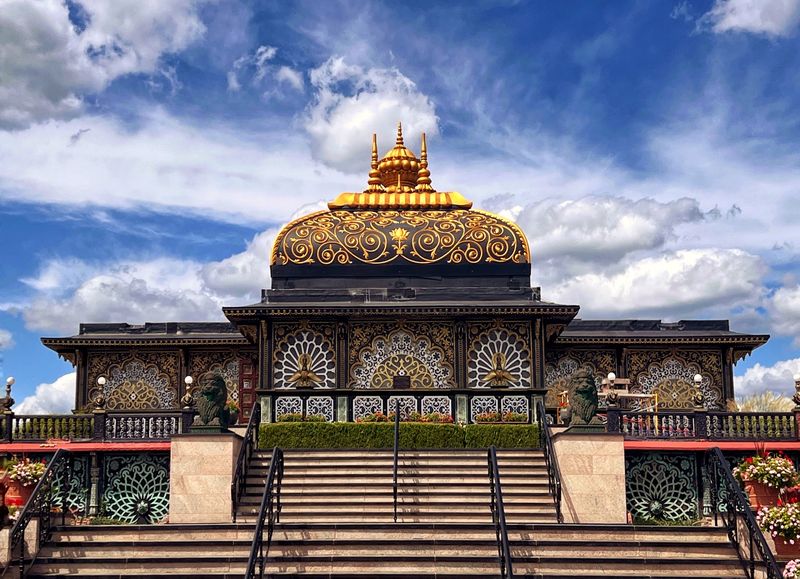
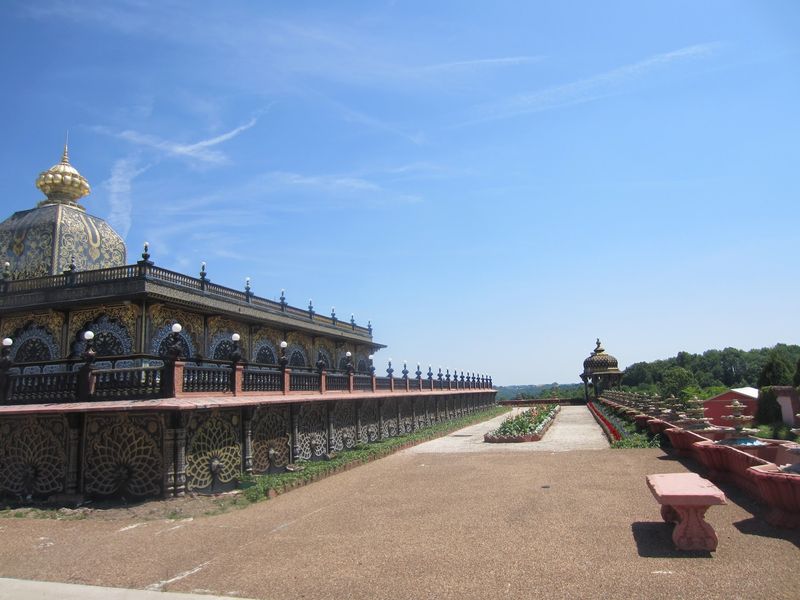
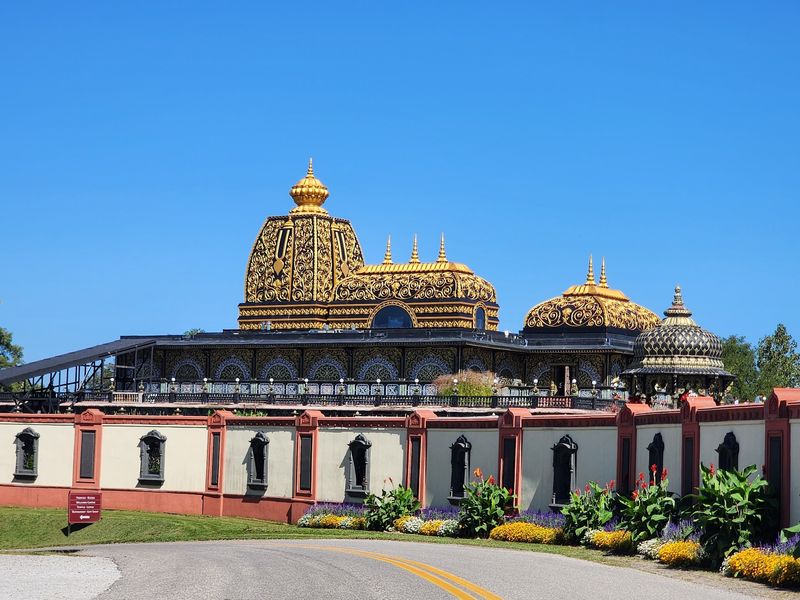
Out in the green hills above the Ohio River valley sits Prabhupada’s Palace of Gold. It belongs to New Vrindaban, a Hare Krishna community near Moundsville in West Virginia.
The scenery leading in is pure Appalachia, with winding roads and rolling ridges. Then domes, arches, and gold trim pop into view like someone misplaced a royal residence.
The palace has earned the nickname America’s Taj Mahal. CNN Travel also named it among eight religious wonders worth visiting in the United States.
That’s quite a resume for a building surrounded by farmland. It still feels grounded, though, because the site remains an active spiritual community and pilgrimage stop.
Visitors can tour the palace, wander the gardens, and stop by a working temple nearby. The grounds also hold ponds, walking paths, a gift shop, a restaurant, and lodging.
More than 30,000 people reportedly visit each year, with summer bringing the busiest stretch. June through September lines up with the roses, which helps explain the draw.
For locals, it’s a reminder that the Northern Panhandle keeps a few surprises up its sleeve. For everyone else, it’s proof that West Virginia hollows can hide almost anything.
Built By Hand With Zero Construction Experience
Here’s a fact that makes contractors blink. The palace was built by untrained, unpaid devotees who learned every skill right on site.
Construction began in 1972. The builders ran their own blacksmith shop, marble cutting area, and kilns to make what they needed.
Many of them were teenagers and young adults at the time. They picked up masonry, metalwork, and woodcarving the slow way, one stubborn piece at a time.
The palace was meant as a home for A.C. Bhaktivedanta Swami Prabhupada.
He founded the International Society for Krishna Consciousness, better known as ISKCON.
Sadly, Prabhupada passed in 1977 before the work wrapped up. The devotees kept going, and the building became a memorial to him around 1979.
That story changes how the place looks. Every carved detail starts to feel personal rather than simply decorative.
The Palace of Gold is also considered eligible for the National Register of Historic Places. That’s a strong nod to its architectural importance.
West Virginians know a thing or two about hard work and handmade pride. A palace raised by beginners with sore hands fits right into that spirit, even with gold leaf on top.
Marble From 17 Countries Under Crystal Chandeliers
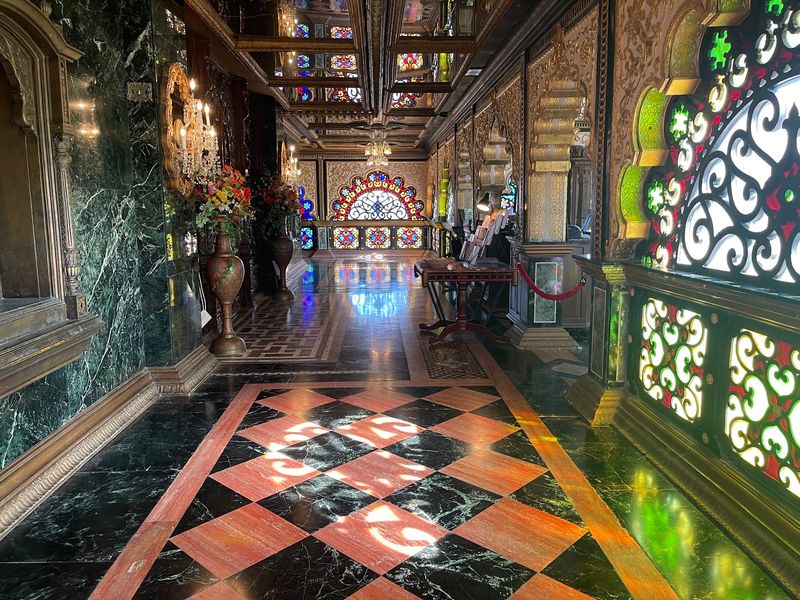
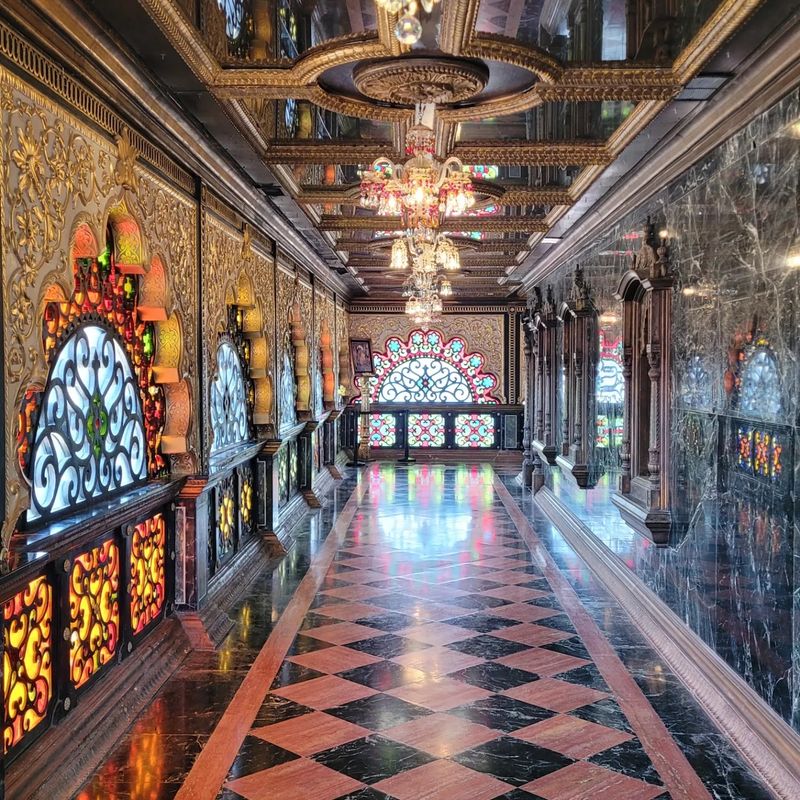
Fifty-plus varieties of marble and onyx line the interior, gathered from 17 countries. Good luck picking a favorite floor.
The building covers more than 8,000 square feet. Inside, you’ll find 22 karat gold accents, stained glass windows, and sparkling crystal chandeliers.
Guided tours lead visitors through the rooms and share how the palace came together. Guides also explain some of the beliefs behind the work, which adds helpful context.
One quick heads-up matters here. Photos aren’t allowed indoors, so your memory has to do the heavy lifting.
Honestly, that might be a gift. You’ll actually look up at the ceilings instead of through a phone screen.
Woodwork, paintings, and intricate carvings fill the space too. The level of detail feels almost unreal once you remember who built it.
Some areas show their age, and restoration work continues across the property. Artisans may even be spotted fixing up pieces during a visit.
That ongoing care feels fitting for a hand-built treasure. A place like this was never going to be a quick paint-and-done job.
Plan to take your shoes off before entering certain buildings, so clean socks are a smart move.
The Peacocks Clearly Run The Place
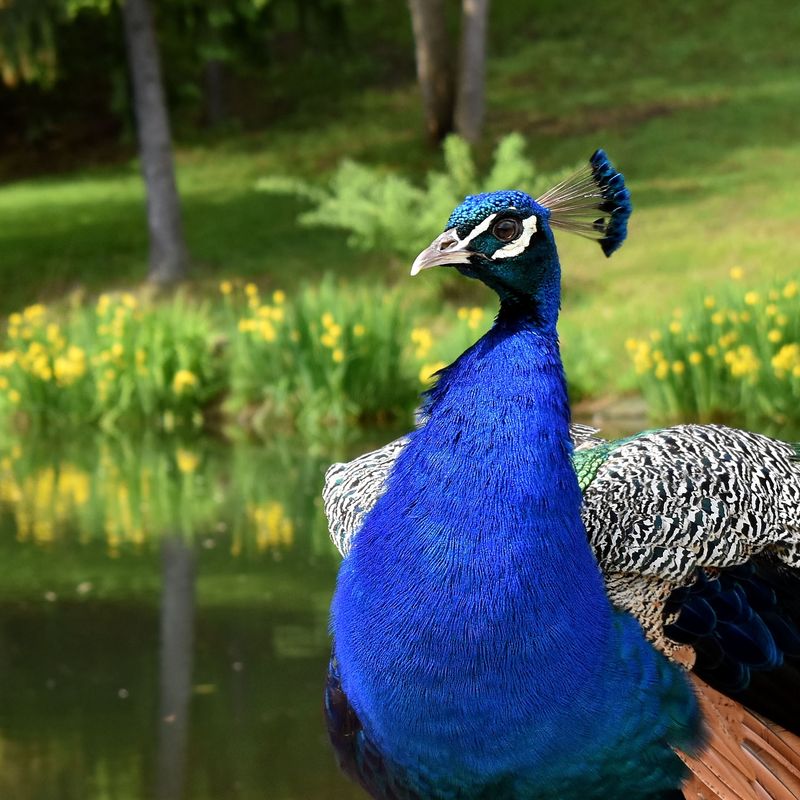
Twenty-five peacocks call the grounds home, and they roam wherever they please. You may hear them long before you spot one.
The sanctuary ties into Krishna tradition, where peacocks hold real cultural meaning. Krishna is often shown wearing a peacock feather, so the birds fit right in.
A self-guided Peacock Walk winds across the property. It’s an easy way to stretch your legs and play feathered hide-and-seek.
Sightings aren’t guaranteed, of course. Peacocks keep their own schedules and answer to nobody, much like a cat with fancier clothes.
Patience can pay off, though. A white peacock and peahens have been seen strolling about too.
Catch one fanning its tail, and you’ll understand the fuss. That shimmering display looks like it was designed to match the palace trim.
Here’s a fun bonus for kids and grandkids. Visitors may collect peacock feathers that have dropped naturally on the grounds.
Please leave the birds themselves in peace, naturally. They’re residents here, not props for a selfie.
Cows and a few friendly community dogs also live on the property. It’s a surprisingly lively barnyard cast for such a serene setting.
Swans, Lily Ponds, And A Golden Boat On The Water
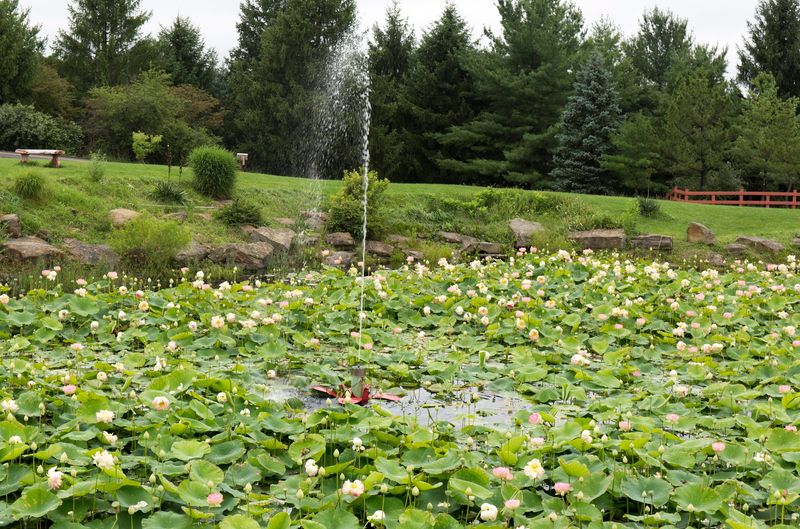
Swans glide across Temple Lake as if they’ve been rehearsing all morning. It’s one of the calmest corners of the whole property.
Floating on that lake is a locally made Swan Boat. Builders crafted it from fiberglass, urethane foam, plastic resin, steel, and gold-plated copper.
Yes, even the boat got the gold treatment. Somebody here really committed to the theme.
Water shows up all over the grounds. Ponds hold koi and goldfish, which flash orange beneath the surface.
Near the palace, terraced gardens step down the hillside. Fountains and a lily pond add soft splashing sounds to the walk.
Lotus blooms have long carried spiritual meaning in Hindu tradition. Seeing water plants here adds another quiet layer to the visit.
Benches and paths make it easy to slow down. Sitting by the water may become your favorite part, and nobody would blame you.
Panoramic hillside views stretch out from beside the palace too. Those rolling West Virginia ridges frame everything beautifully.
Bring a light jacket in spring or fall. Hilltops catch a breeze, and lakeside lingering tends to run longer than planned.
Roses That Bloom In Three Summer Waves
Thousands of rose bushes fill the award-winning garden beside the palace. More than 100 varieties grow there.
Timing matters with roses, and these bloom in three waves. The show runs from early June through September.
June is a popular pick for first-timers. That first flush of color pairs nicely with sunny skies and long daylight.
Late summer still offers plenty to admire. Even off-peak days bring views, gardens, and fresh air worth the trip.
The garden’s position next to the palace makes for lovely photos. Gold trim, green hills, and a sea of petals all land in one frame.
Gardeners will want extra time here. Comparing varieties could easily eat up an hour, especially if you grow roses back home.
The garden also explains part of the summer crowd. Visits peak between June and September, matching the bloom calendar almost perfectly.
Still, the property is large, and many days feel unhurried. Weekdays may offer the most elbow room for wandering.
Wear comfortable shoes for the hillside paths. Terraces and slopes add a little workout between sniffs.
Grandma’s backyard roses might face some stiff competition after this.
Temple Worship, Vegetarian Lunch, And Room To Stay
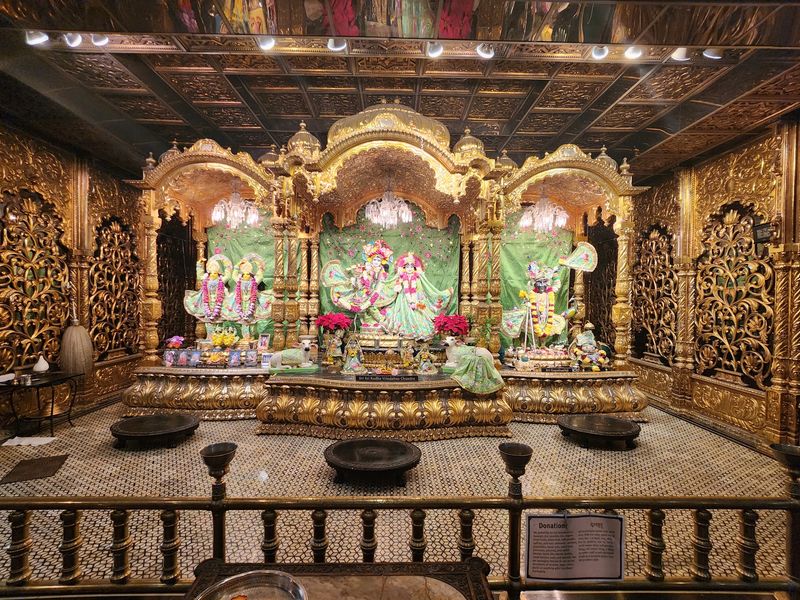
About a quarter mile from the palace stands the Radha Vrindaban Chandra Temple. It’s the central place of worship for New Vrindaban.
Daily ceremonies and meditation take place inside. Visitors can enter, though shoes come off at the door.
The interior features a golden swing and carved teakwood pillars. Stained glass ceilings add color overhead.
Catching an event in the temple can be especially memorable. Guides may also share a short history of Krishna for curious newcomers.
Respect goes a long way here. It’s a sacred space for the community, so quiet manners fit best.
Hungry? The community runs a vegetarian restaurant that’s been highlighted as a top dining option in the Upper Ohio Valley.
Free Indian vegetarian lunches have also been offered at midday. That generosity reflects the community’s welcoming spirit.
The gift shop carries gold-colored statues and wood carvings. It’s a fun stop for a keepsake that won’t show up at any truck stop.
Want more time? Palace Lodge offers overnight stays, and cabins are available too.
Staying over lets you see the grounds in softer morning light. It also turns a day trip into a peaceful mini getaway.
Plan Your Trip Up McCreary’s Ridge
Getting there is half the fun, provided you enjoy curvy country roads. The full address is 3759 McCreary’s Ridge Rd, Moundsville, WV 26041.
Prabhupada’s Palace of Gold opens daily from 10 AM to 4:30 PM. Arriving earlier is wise, since tours may wrap up before closing time.
Start at the Welcome Center for a map. It lists activity times and helps you plan your route around the grounds.
Give yourself a few hours at minimum. Between the palace, temple, gardens, and peacock hunting, time vanishes fast.
Nearby Grand Vue Park makes a handy pairing. It’s home to one of West Virginia’s Almost Heaven swings, perfect for a photo stop.
Families, history buffs, gardeners, and spiritual seekers will all find something here. Anyone who loves handmade craftsmanship will be grinning by the second room.
Visitors simply need an open mind and respectful manners. Nobody pressures guests, so you can explore at your own pace.
So is it worth the drive? A hand-built palace, strutting peacocks, and gliding swans make a pretty convincing case.
Bring clean socks, a curious heart, and maybe a spare pocket for feathers.
