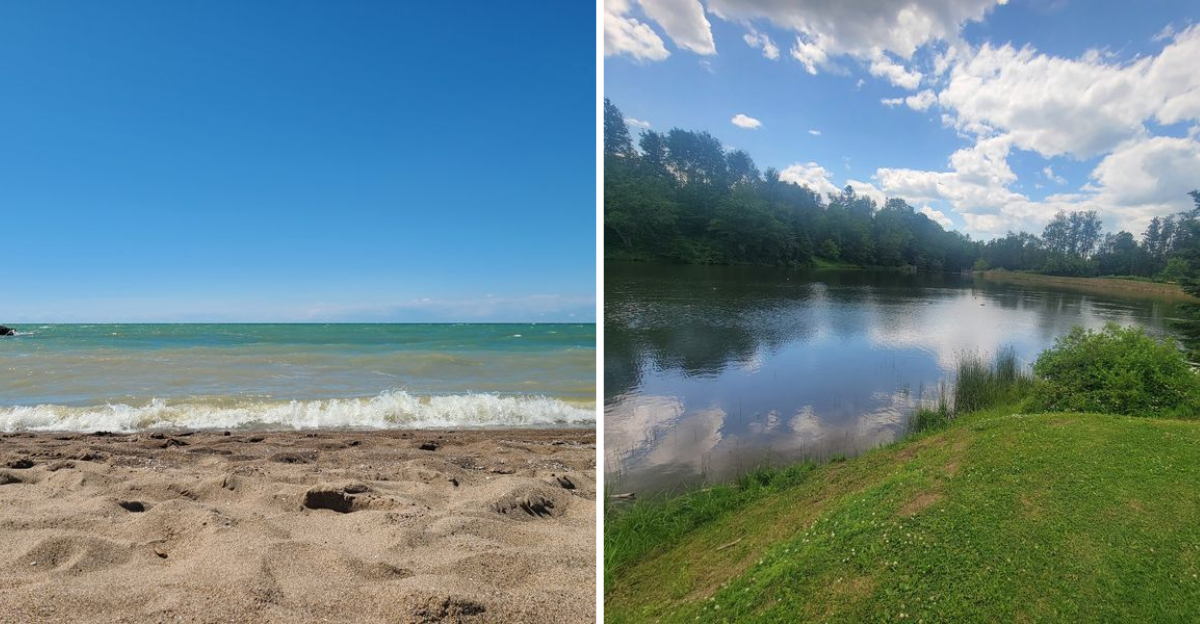
That water sat so still and so clear that the sky reflected right on the surface, and my kayak looked like it was hovering an inch above nothing. Tiny silver fish flicked past under the hull, and a heron stood so quietly along the reeds that I nearly drifted into it.
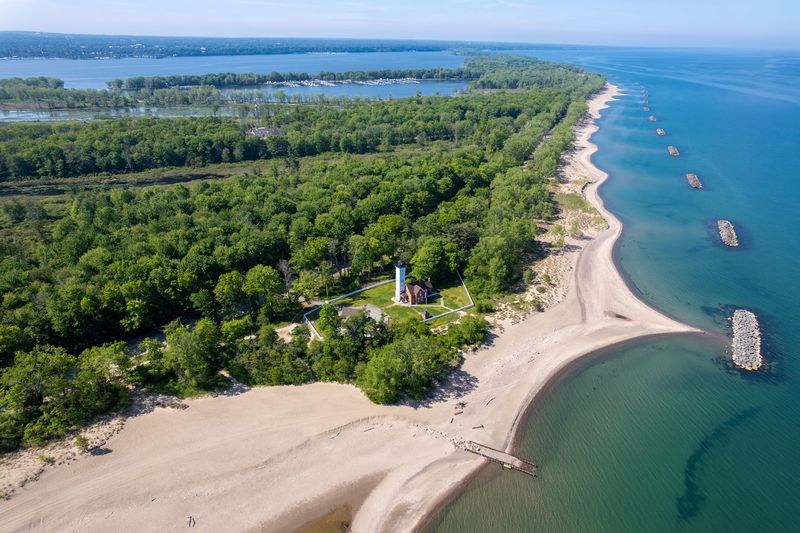
I had come to this Pennsylvania peninsula expecting a nice beach day, not a place that felt like the state had quietly grown its own seashore. The park is a 3,200-acre sand spit that arcs into a Great Lake, and its lagoons are some of the best kayaking in the region.
The area has been designated a National Natural Landmark, and the lagoons are part of a fragile ecosystem that supports a wide variety of bird species and aquatic life. Six hours later I was sunburned, sandy, and already planning a return trip.
The paddle felt more like gliding than working, and the shoreline held its own kind of quiet, with views across the water that reminded me of a coastal escape rather than an inland state park. A place like this is the one to circle on your map.
The Lagoons Where the Water Turns Into a Mirror
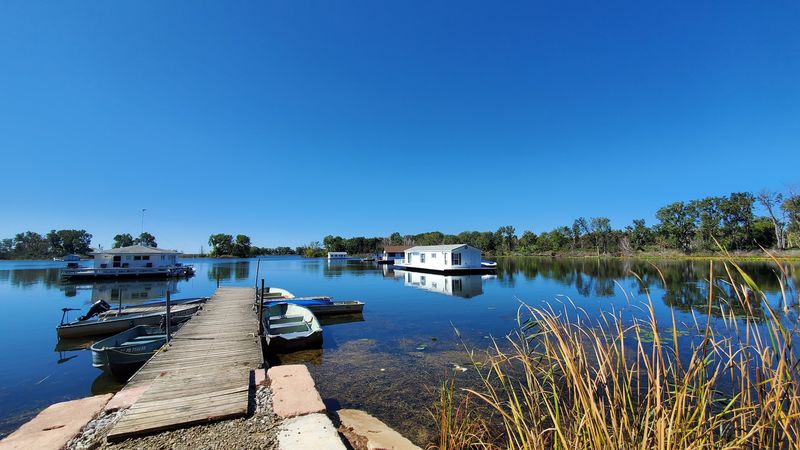
My paddle barely made a sound in the interior lagoons, and that quiet is exactly what makes them special. Motorized boats are not allowed back here, so the water stays smooth enough to read the clouds off it.
The channels are man-made, narrow in spots, and shallow enough that you can watch the bottom slide past. That shallowness is a gift for beginners.
Nobody has to fight waves or worry about wakes from bigger boats. On my trip, the surface only broke when little silvery fish popped up after insects, leaving rings that spread and disappeared.
I found the Lagoon Boat Launch to be the easiest starting point, with parking and picnic tables close by so you can eat before or after you paddle. If you did not bring a boat, Presque Isle Boat Rental, also called the Presque Isle Canoe and Boat Livery, sits on Graveyard Pond near Misery Bay and rents kayaks, canoes, and stand-up paddleboards.
Guided tours are offered too, which helps if you would rather follow someone who knows the turns.
Mornings gave me the calmest water and the softest light. Bring bug spray, because the marsh edges are alive.
My advice is to paddle slowly and let yourself drift now and then. The lagoons reward patience with beavers working near the banks, turtles stacked on logs, and that odd, wonderful feeling of floating on polished glass.
Wildlife Watching From a Boat Seat
Birders were everywhere the day I visited, binoculars up, whispering to each other along the trail edges. Presque Isle sits on the Atlantic Flyway, which turns the peninsula into a rest stop for migrating birds, and more than 339 species have been recorded here over the years.
From a kayak you get a low, quiet view that hiking cannot match. I heard the rattling call of a belted kingfisher before I saw it flash across the channel.
Herons lift off with a wingspan that always looks bigger than it should. Egrets stalk the shallows like they are being paid by the hour.
A beaver crossed in front of me once, calm as anything, and disappeared with a small splash. Under the boat, aquatic plants swayed and small fish scattered whenever my shadow passed over them.
The park stacks a lot of habitats into one landform: beaches, dunes, ponds, marshes, and mature woods. Each zone hosts different plants and animals, which is why every bend can hand you something new.
Goldfinches are a favorite of visitors for good reason, since their yellow is almost silly against green leaves. Turtles sunning on logs are a common sight in warmer months.
My practical tip is simple. Move slowly, stop talking, and stay a respectful distance back.
Wildlife here is used to people but not tame, and the best sightings come to those who let the boat coast.
Pennsylvania’s Only Seashore, Sand and All
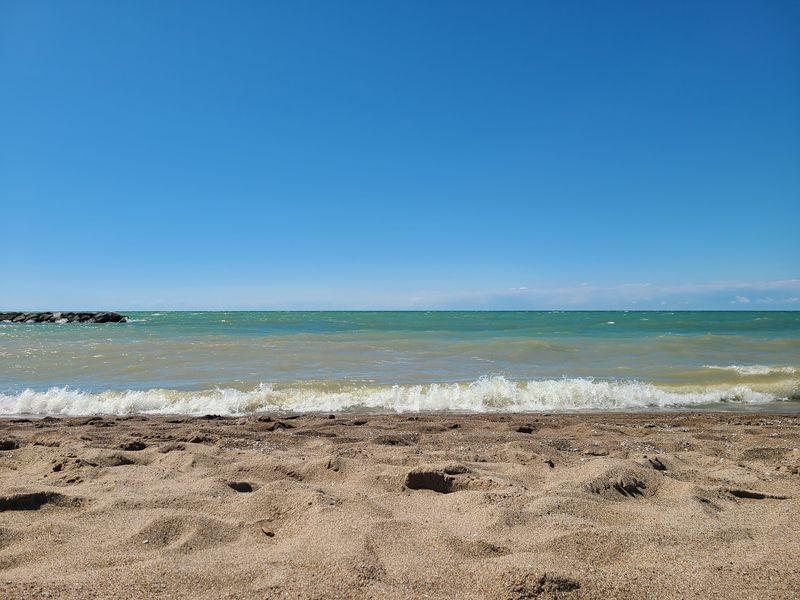
Locals call this place Pennsylvania’s seashore, and after walking a stretch of the eleven miles of beach here I stopped arguing with the label. Lake Erie rolls in with real waves, real sand, and that hazy horizon line you usually only get on the ocean.
The water near shore can look turquoise on a calm day before deepening into blue farther out. Beaches are numbered, and signs near the park entrance tell you which ones have lifeguards on duty.
Those lifeguards take the job seriously. Swimmers stay between the green flags and inside the marked area, so it helps to read the posted rules before you spread out your towel.
Beach 1, Beach 6, and Beach 8 came up again and again in conversations I had, and each has restrooms and picnic tables nearby. Some spots have outdoor rinse showers, which feels luxurious when you are covered in sand.
Water shoes are a smart pack, since a few entry points have stones right at the waterline. Sand mats laid across the beach make access easier for wheelchairs and strollers.
Weekdays were noticeably calmer when I went, with room to stretch out without anyone’s umbrella in my face. Parking lots are generous.
My favorite part came late in the day, when the crowd thinned and the lake turned the color of warm metal. It genuinely felt like a coastline, hundreds of miles from any coast.
A Peninsula That Refuses to Sit Still
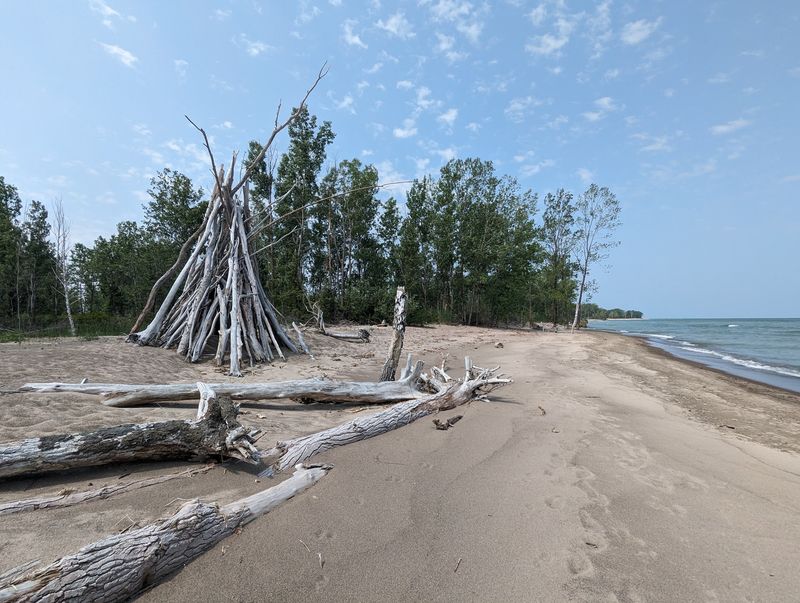
Here is something that surprised me. The whole peninsula is on the move.
Presque Isle covers roughly 3,112 to 3,200 acres of sand that waves and longshore drift keep rearranging, which earned it status as a National Natural Landmark. Geologists trace its foundation to a moraine left behind by the Wisconsin glaciation.
Wind and water have been reworking the shape ever since. Storm waves have breached the narrow neck of the peninsula on several occasions since 1819, briefly turning it into an actual island.
Gull Point, out at the eastern tip, is the most restless corner of all. Sand builds up there, washes away, and builds again, creating fresh dunes and shallow ponds.
That constant reshuffling is why the park holds such a mix of habitats, from bare sand to old woods, sometimes within a short walk of each other. Ecologists point to it as a textbook example of one landscape slowly becoming another.
I hiked out toward the Gull Point Observation Tower on one visit and shared the trail with several birders. Where the path spills onto open beach, the route back into the trees is easy to miss, so keep an eye out for markers and footprints.
Knowing the geology changed how I looked at everything afterward. The curve of the land, the sheltered bay, the odd little ponds behind the dunes all suddenly made sense as parts of one slow, ongoing story.
Trails and the 13.5-Mile Loop on Two Wheels
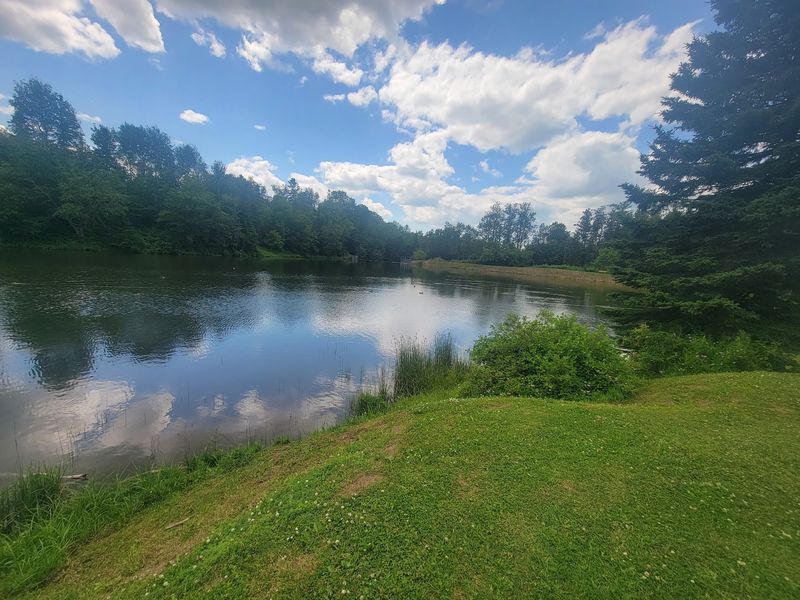
Renting a bike turned out to be my best decision of the whole trip. The Karl Boyes Multi-purpose National Recreation Trail runs a 13.5-mile paved loop around the peninsula, with the open lake on one side and the bay on the other.
Rentals are available near the park entrance, including tandems if you want to test a friendship. Joggers, skaters, and families with kids all share the path, so the pace stays relaxed.
I stopped constantly, which is the point. One overlook gave me the whole sweep of Presque Isle Bay, another put me right above the waterline.
Driving the loop works too, though the speed limit is 25 mph and it is enforced. Honestly, slow is better here anyway.
On foot, the park offers more than eleven miles of interior trails threading through woods, dunes, and marsh. Difficulty ranges from flat and easy to something closer to a proper hike.
The Sidewalk Trail is a favorite for good reason, hugging the edge of a pond before opening onto the bay. Frogs call from the shallows and warblers move through the branches above.
Bug spray belongs in your bag from spring through early fall. So does water, since shade comes and goes.
What struck me most was how quickly the soundscape changed. Two minutes off the road and the traffic noise disappeared, replaced by birdsong and leaves.
Lighthouses, History, and Winter Ice Dunes
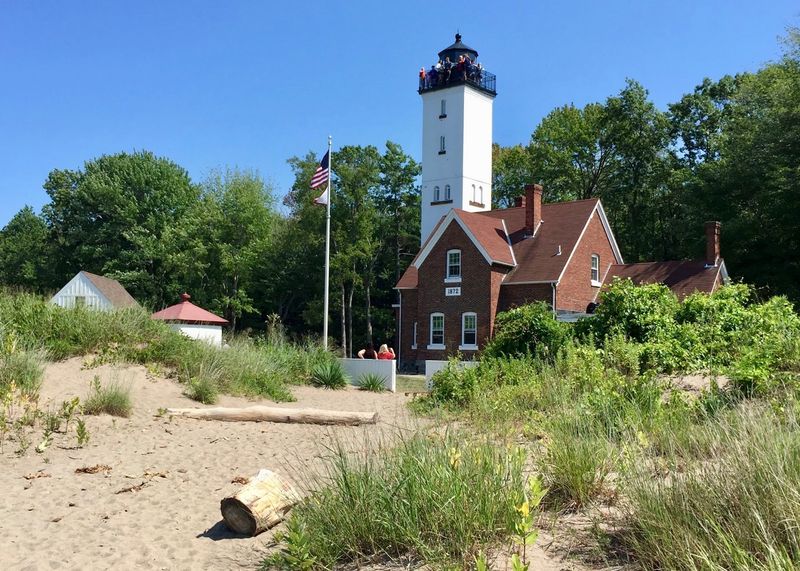
The lighthouse stop is where the park’s history sneaks up on you. Presque Isle Lighthouse still stands among the trees, with a small gift shop and clean restrooms nearby, and climbing it puts the peninsula in perspective.
Out at Perry Monument, the story goes deeper. Presque Isle Bay sheltered Commodore Oliver Hazard Perry’s fleet during the War of 1812, and that harbor helped shape a turning point in American history.
The Tom Ridge Environmental Center at the park entrance fills in the rest. Interactive exhibits explain the ecology, and a 75-foot observation tower lets you look out over the whole landform.
Educational programs run there through the year, which makes it a solid rainy-day backup. I liked it as a first stop, since it framed everything I saw afterward.
Then there is winter, and this is the version most visitors never see. Snow settles over the trails and ice dunes pile up along the Lake Erie shoreline in strange, sculpted mounds.
Cross-country skiing, snowshoeing, and ice fishing all happen here when conditions allow, and skating is possible on the frozen bays when ice thickness is safe. Always check current conditions before stepping onto ice.
The park opens at 6 AM and closes at 9 PM, and I would take that early hour if you can manage it. Sunrise over the bay and sunset over the lake are both worth the alarm.
Address: 301 Peninsula Drive, Erie, Pennsylvania.
