Peacocks strutting past like they own the place are not the first thing you expect at a roadside stop, but that is exactly what happened when a giant T-Rex greeted me instead. A few steps later, the bird marched by with total confidence.
Then the old mansion appeared, and the afternoon plans changed on the spot. Inside waits a museum packed with vampire-hunting kits dating to the 1800s, a hand-carved chair once used in exorcisms, and rooms full of art about good, evil, and the unknown.
The atmosphere feels spooky in a thoughtful way, more history lesson than haunted house. Pennsylvania keeps this treasure in plain sight, and it rewards anyone who stops.
The objects carry stories, the rooms carry weight, and the visit lingers. Hours disappear while wandering the displays.
Leaving without a new favorite spot is impossible.
Antique Kits Built for Hunting Vampires
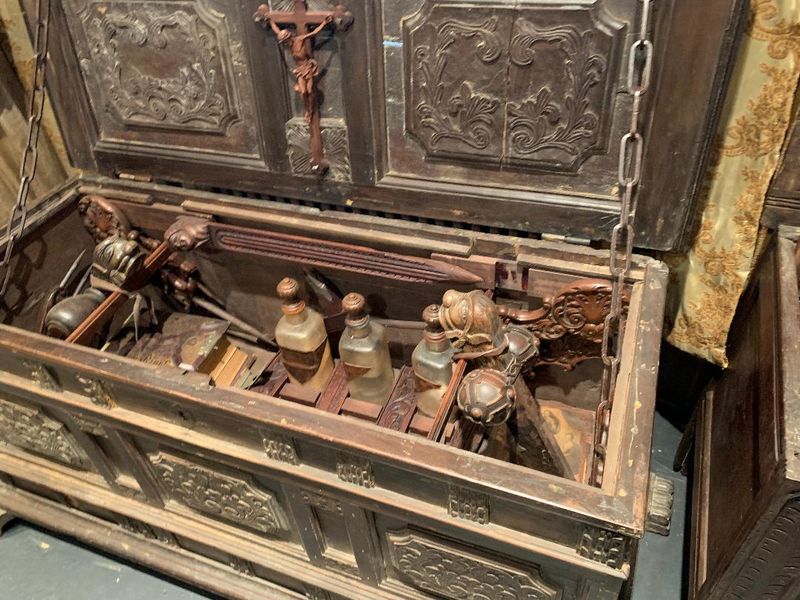
My nose was practically pressed to the glass the first time I saw one of these kits. Each one sits in a wooden box lined with velvet, packed with tiny tools that look like they were made for a very serious and very strange job.
The collection includes vampire-hunting kits and trunks from the 1700s and 1800s.
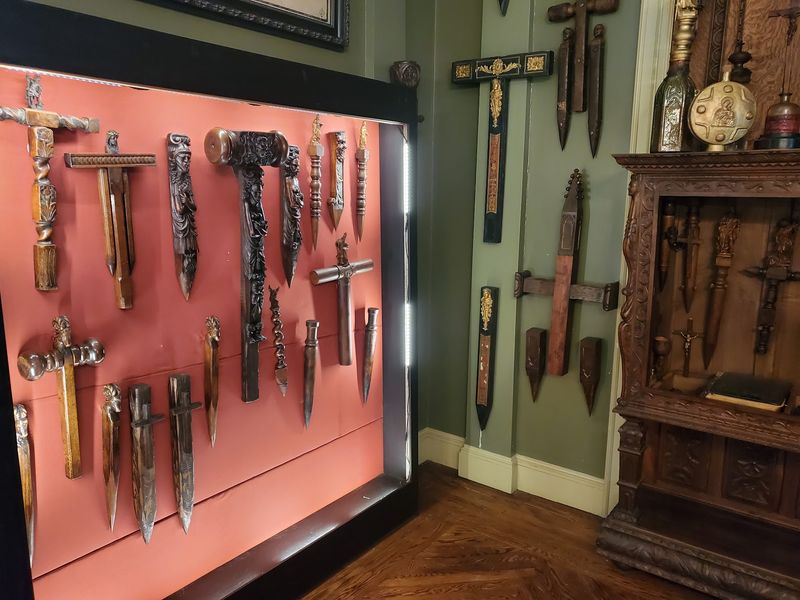
Inside, you will usually spot wooden stakes, little bottles meant for holy water, and crucifixes. Some kits are fancy, with carved handles and neat compartments where every piece clicks into place.
Others look plain and practical, like something a traveler might toss into a bag before a long trip through dark woods.
Two kits get extra attention from visitors. One was reportedly owned by Michael Jackson, and another is linked to the writer Alexander Dumas.
Hearing those names made me look at the boxes a little longer, wondering about the hands that once opened them.
Here is my tip for this room. Slow down and study the small details, like the shape of a stake or the tiny lock on a lid, because the craftsmanship tells its own story about how people once faced their fears.
The Exorcism Chair That Stops Everyone Cold
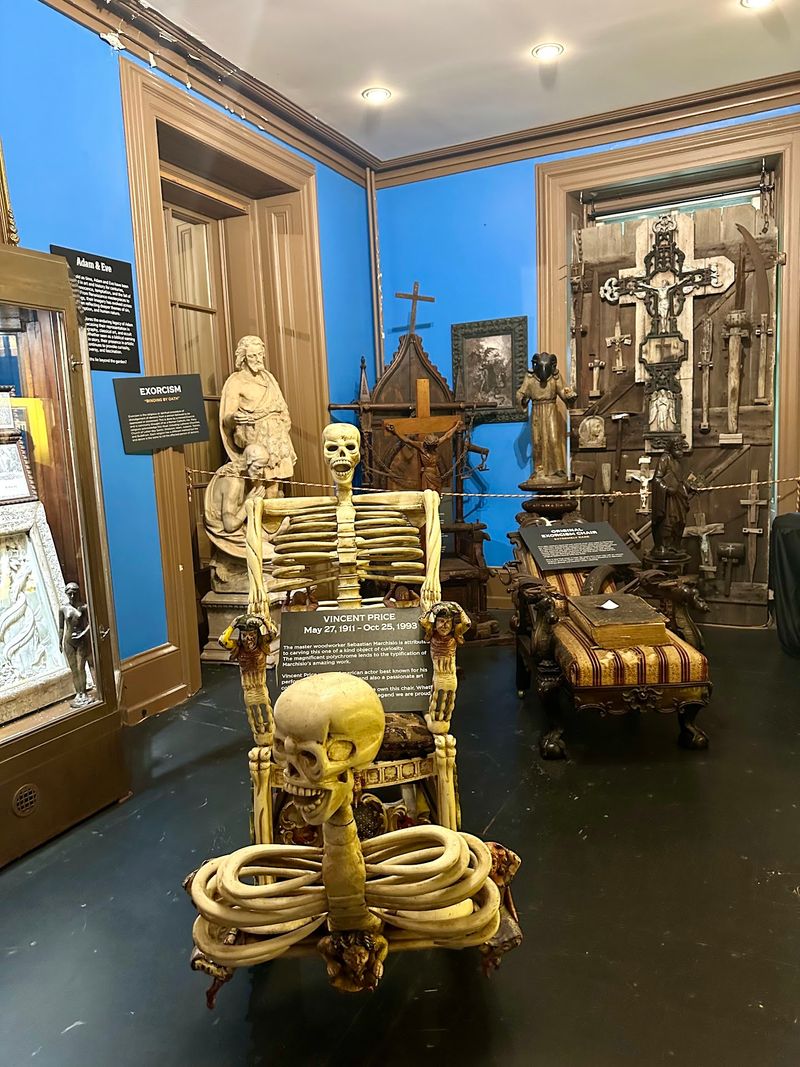
Nobody talked much in this room while I was there. The exorcism chair has a way of making a crowd go quiet, and honestly, I understood why after about ten seconds.
Hand-carved in the 1800s and reportedly from Germany, the chair is fully intact. It has restraining straps built right into the frame and a wooden crucifix attached to it.
A Bible often rests nearby, opened to the Book of Nehemiah, which adds a serious and solemn feel to the whole display.
What struck me most was the woodwork. Someone spent real time carving this piece with care, even though it was meant for a dark purpose.
That mix of beauty and heaviness is what makes it so hard to look away.
If old religious objects make you uneasy, take a calm breath before stepping closer. The museum treats this chair with respect rather than drama, so there are no fake screams or flashing lights here.
My advice is simple. Read the information near the chair and give yourself a moment to think about how people long ago tried to battle what they believed was evil, because that history is the real reason this piece matters.
A Spooky Mansion with Room After Room of Curiosities
Honestly, the Pennsylvania building alone could fool you into thinking it was haunted. The museum lives inside an old home that looks like a mansion straight out of a ghost story, and that sets the mood before you even reach the door.
Once inside, the rooms are crammed with spiritual relics, supernatural curiosities, and art inspired by vampires, demons, and angels. The museum’s mission is to show how folklore, mythology, and faith shaped art through history.
You will see pieces from all over the world, not just Europe.
I noticed something funny as I moved along. The longer I stared at one shelf, the more tiny objects seemed to pop out from behind bigger ones.
There is a lot to take in, so do not rush.
Owner and curator Edmondo Crimi gathered most of these pieces during about 40 years as an antiques dealer. That explains why the collection feels personal and wide-ranging, like a treasure chest built over a lifetime.
Plan for at least an hour indoors. Bring your curiosity, wear comfy shoes for the stairs, and keep your eyes moving up and down, since some of the coolest items hide in corners and high on walls.
Talking Boards in the Seance Room
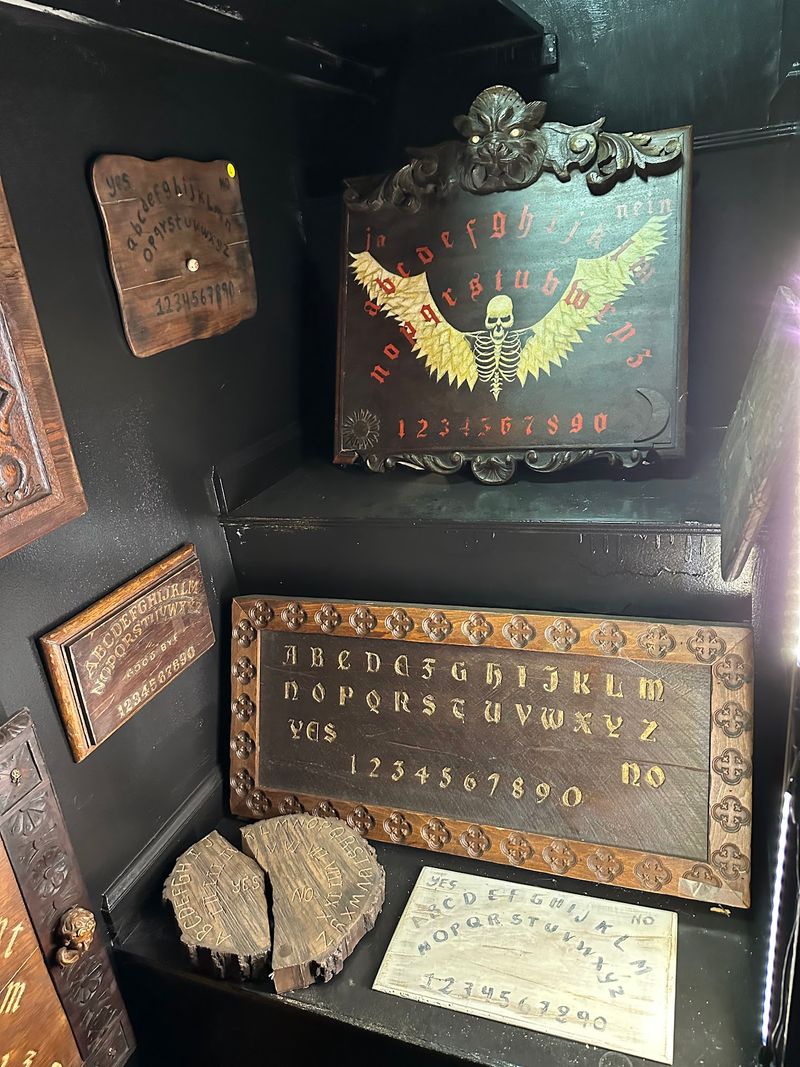
Old board games never looked so mysterious. The seance room holds a collection of vintage talking boards, the kind people once used to try to contact spirits, and they are much more detailed than the modern ones sold in toy stores.
Many boards show letters, numbers, and little pictures of moons, suns, or mysterious faces. Some look worn from years of use, with faded paint along the edges.
I caught myself imagining families gathered around a candlelit table a century ago, fingers resting on the planchette and waiting.
Here is a fun bit of history. Talking boards became a big craze in America in the late 1800s, when many people were fascinated with spirits and the afterlife.
Back then, they were often sold as parlor entertainment.
The room also connects to other fortune-telling tools and time tellers scattered through the museum. Together, they paint a picture of how people tried to find answers about the future and the unknown.
My suggestion is to look closely at the artwork on each board. The fonts, colors, and symbols change a lot from one to the next, and spotting the differences turns the visit into a small, spooky treasure hunt.
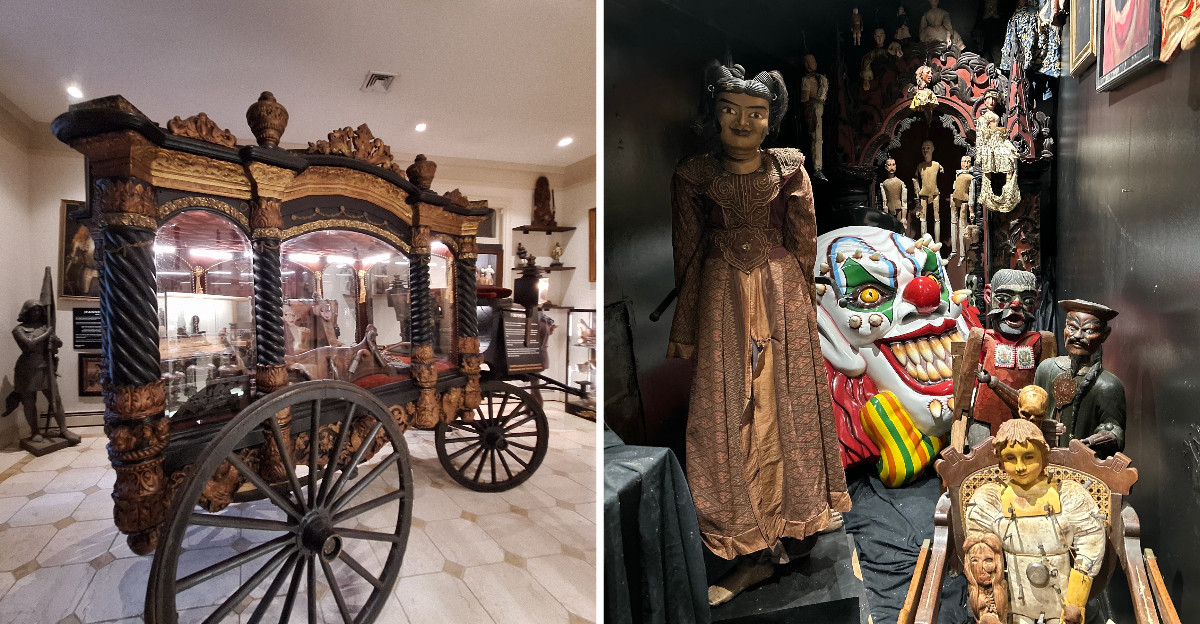
The Doll Room Where Nobody Blinks First
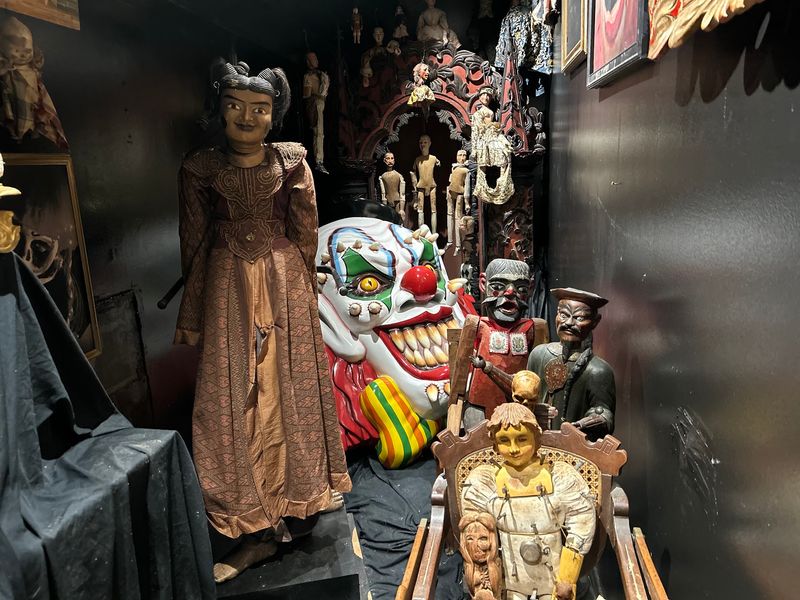
Dozens of glass eyes followed me, or at least it felt that way. The doll room is one of the most talked-about spaces in the museum, and the curator says it sees a lot of paranormal activity.
Antique dolls sit in rows wearing lace dresses, tiny bonnets, and old-fashioned shoes. Some have cracked porcelain faces, while others look almost brand new.
A life-sized doll draws lots of attention, and visitors often joke that she seems to size you up as you pass.
Whether you believe in haunted toys or not, the room is fascinating. Dolls were treasured family objects for generations, and many were passed down from grandparents to grandkids.
That long history is part of why people feel such strong emotions around them.
I laughed at myself for walking a little faster near the end. Still, nothing jumps out here, since this is a real museum and not a scare attraction.
If you visit with younger kids, give them a heads-up before entering. Turning it into a game, like counting how many dolls wear hats, can make the room feel more fun and less creepy for little ones.
Vampire Hunting Hearses and Archangel Michael
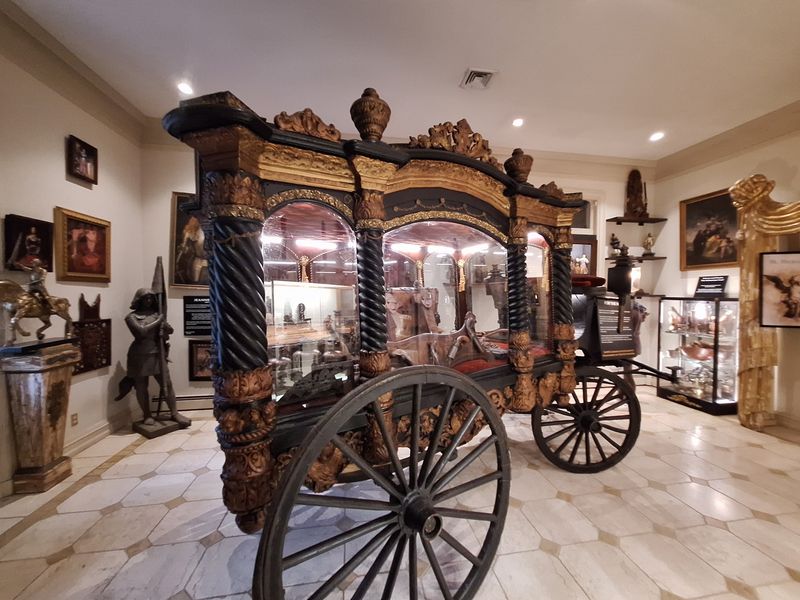
Wait, there are hearses here too? That was my exact reaction when I spotted the antique vampire hunting hearses, which add a dark and dramatic touch to the collection.
These old vehicles are carved and decorated in a way that feels both grim and beautiful. Looking at them, you can picture foggy roads and nervous villagers from centuries past.
They help show how seriously some communities took vampire legends long ago.
On the brighter side, the museum gives lots of space to the archangel Michael. A special sanctum honors him, and his image shows up in art throughout the house.
In many traditions, Michael is the warrior angel who battles evil, so he fits right into the museum’s theme of good versus evil.
I loved this balance. After so many shadowy objects, seeing paintings and statues of a protector felt hopeful and calming.
There is also a cleansing room, where some guests say they feel a strange energy. The curator, an ordained minister, has even offered to talk with visitors who feel overwhelmed.
Take it at your own pace and pause in the brighter spaces whenever you need a breather.
Peacocks, Dinosaurs, and an Antiques Barn Outside
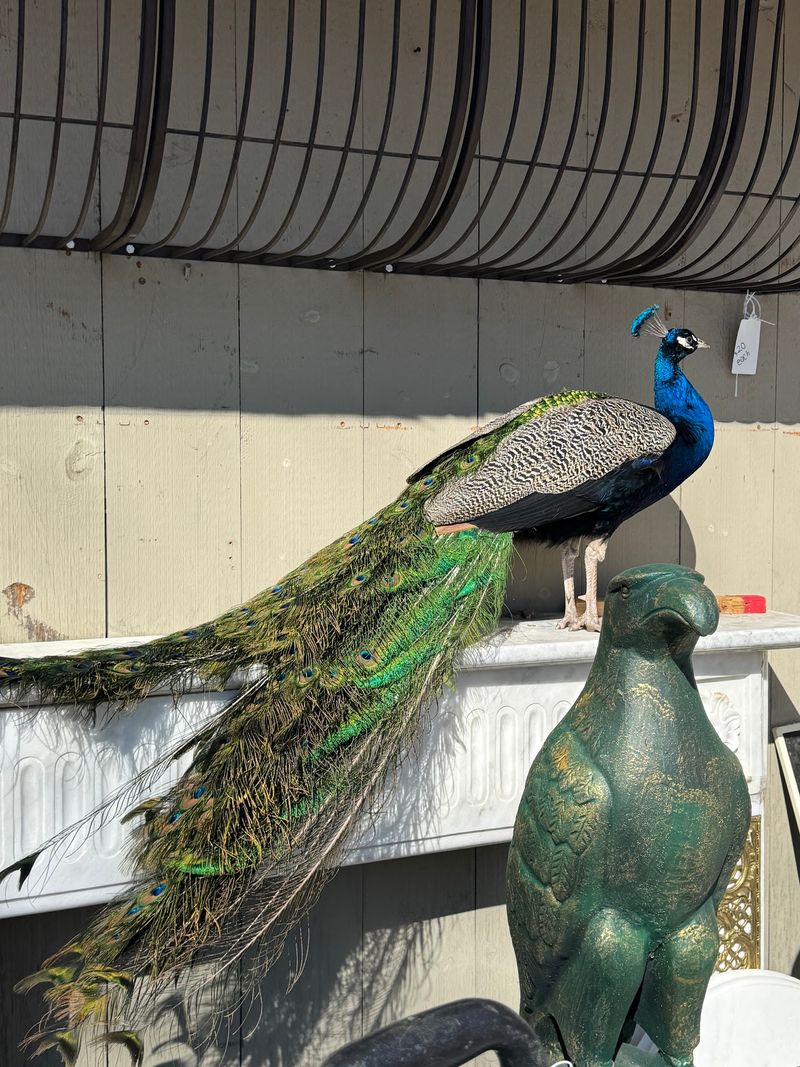
A peacock screeched so loudly I nearly dropped my phone. Out on the grounds, these colorful birds wander freely, fanning their tails near statues like they are posing for photos.
The outdoor area is a wild adventure of its own. Giant dinosaur sculptures, including a towering T-Rex, stand among marble statues, an old iron gazebo, and pieces inspired by Gothic, Asian, and African art.
It feels like an outdoor gallery where anything can appear around the next corner.
Then there is the antiques barn. It is huge and packed with furniture, decor, and odd treasures, which makes sense once you remember the owner spent decades as an antiques dealer.
I could have spent another hour just poking around in there.
For the best visit, save some energy for the outside after touring the museum. Wear sunscreen in summer, bring bug spray on warm days, and keep a respectful distance from the peacocks.
The museum is open Thursday through Sunday from 10 AM to 5 PM, so plan your trip for a weekend afternoon and leave room to wander slowly.
Address: 3686 US-202, Doylestown, Pennsylvania 18902
