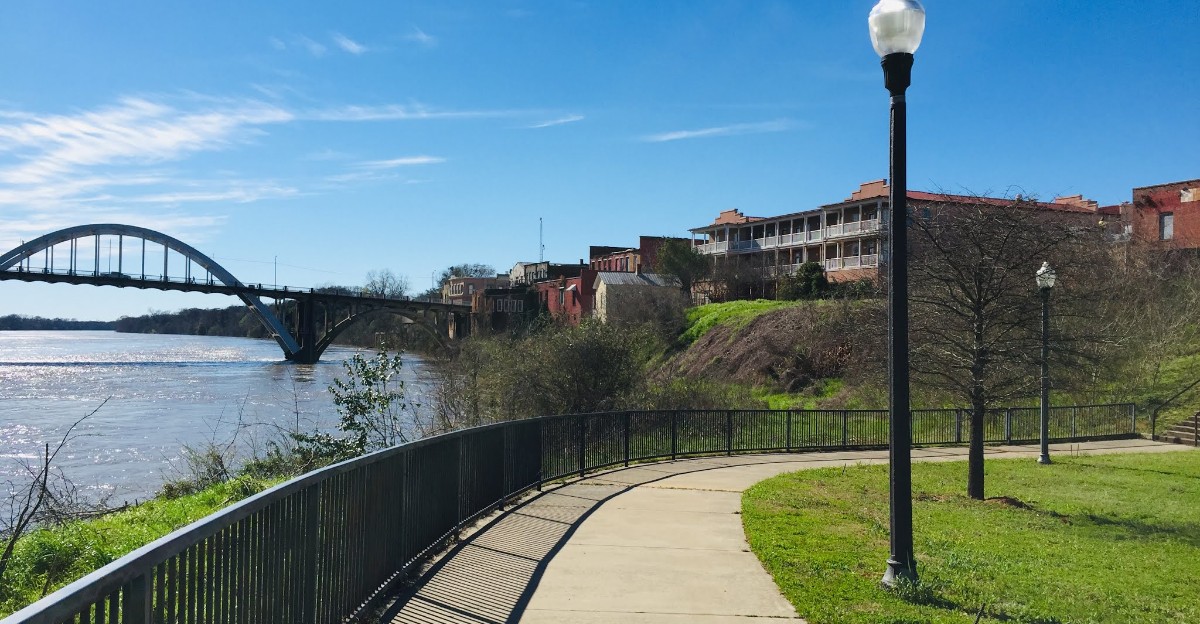
The most famous bridge in Alabama still carries the name of a Confederate general tied to the Ku Klux Klan. And that bridge sits at the edge of a downtown full of lovely old storefronts.
The same town holds the largest contiguous historic district in the state, with more than 1,200 historic structures. Columned mansions and Victorian porches line its tree-shaded streets.
Long before anyone admired those porches, the town served as a hub for the domestic slave trade. In 1965, it became ground zero in the fight for Black Americans to vote.
I think the beauty and the pain belong in the same conversation here, and this town makes that impossible to ignore. Its streets tell two very different stories, from the wealth built on slavery to the courage of those who fought for voting rights.
Walking through this historic district is a chance to understand how one small Southern town helped reshape American democracy.
Cross The Bridge That Made The Whole Country Pay Attention
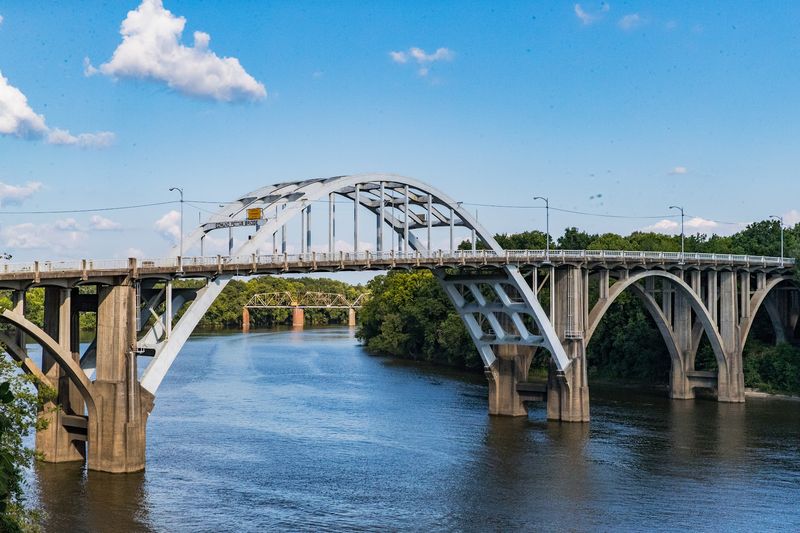
Steel arches and big block letters make the Edmund Pettus Bridge easy to spot in Selma, Alabama. The name on top is the first clue that this river crossing carries a heavy story.
Built in 1940, the bridge honors Edmund Pettus, a Confederate brigadier general. He was also linked to leadership in the Alabama Ku Klux Klan, and the choice of name was no accident.
Then came March 7, 1965. Peaceful marchers set out for Montgomery to demand voting rights, and state troopers attacked them on this bridge.
The day became known as Bloody Sunday. More than 50 people needed hospital care, and the brutal scenes aired on television across the nation.
Shock spread fast. Demonstrations popped up in about 80 cities, and the pressure helped push the Voting Rights Act of 1965 into law.
Today the bridge still carries U.S. Route 80 Business traffic over the Alabama River.
It was named a National Historic Landmark on February 27, 2013.
Walking across it is free, and the sidewalk gives you a clear view of the water below. Take it slowly, because every step lands on ground where ordinary people showed remarkable courage.
A Brick Church Became The Movement’s Command Center
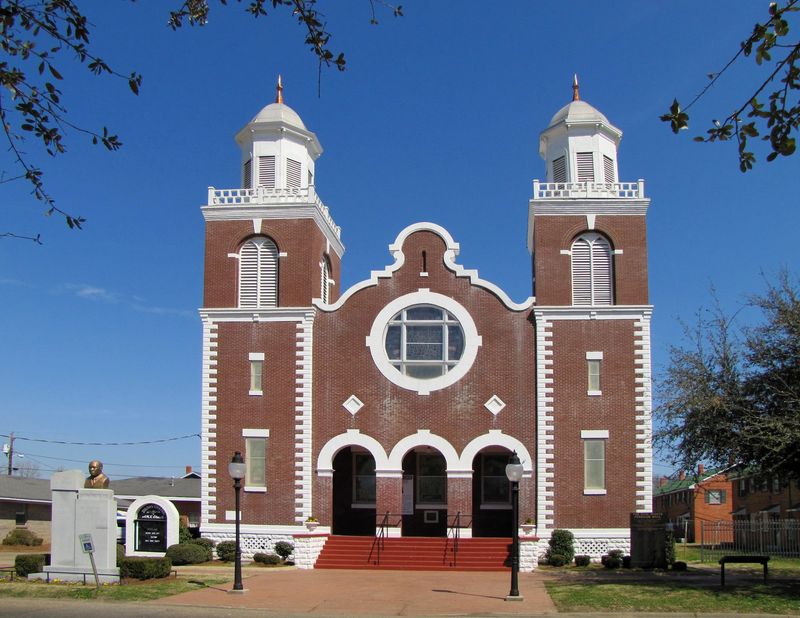
Plenty of churches hold Sunday services. Brown Chapel AME Church held something bigger in 1965, because it served as a central meeting place for the voting rights fight.
You’ll find it at 410 Martin Luther King Jr. Street in Selma. The address alone tells you how deeply this spot connects to the movement.
During the first three months of 1965, the church hosted the Southern Christian Leadership Conference. Organizers planned, prayed, and pushed forward from inside these walls.
Dr. Martin Luther King Jr. spoke here and addressed packed mass meetings. His words helped steady people who were facing real danger for simply wanting to register to vote.
The church also served as a starting point for the Selma to Montgomery marches. Marchers gathered here before heading toward the bridge that would make headlines.
Here’s a practical tip for your trip. Visits are typically by appointment, so plan ahead instead of showing up and hoping for an open door.
It’s still an active place of worship, which makes the visit feel personal. Respectful clothing and a quiet voice go a long way inside a building that carries this much meaning for its community.
Personal Stories Hit Harder Than Any Textbook Here
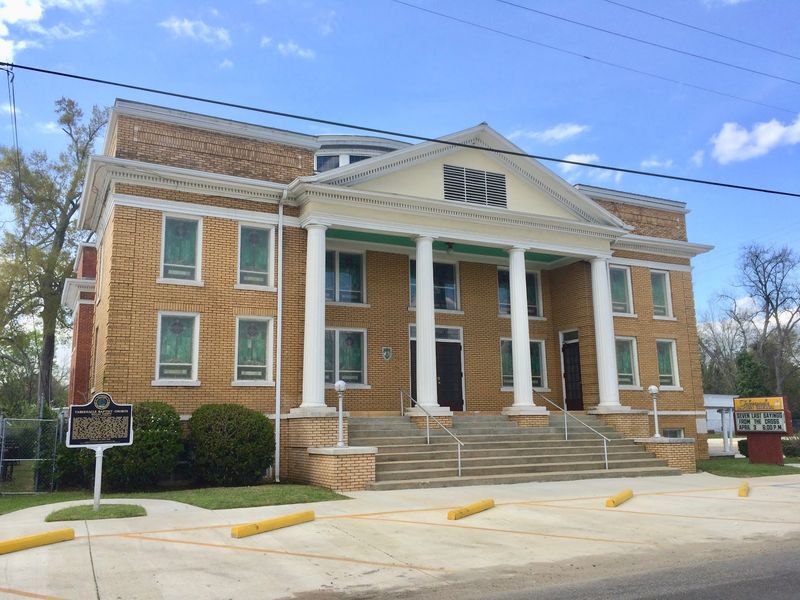
Textbooks give you dates. The National Voting Rights Museum and Institute gives you faces, voices, and the hard details behind those dates.
The museum sits near the Edmund Pettus Bridge, so you can pair the two in one easy stop. That closeness makes the stories feel even more real.
Historical photographs fill the exhibits and show what everyday people faced. You’ll see the struggle for equal voting rights told through the people who lived it.
One exhibit stands out for many visitors. It includes a jail cell like the ones where protesters were held, and standing near it brings the history uncomfortably close.
That’s the point, honestly. The museum doesn’t soften the story, and it helps you understand how much courage it took just to stand in a registration line.
Families with older kids will find plenty to talk about afterward. Ask them what voting means to them now, and the conversation might surprise you.
Give yourself time here instead of rushing through. The personal stories stick with you longer than any plaque, and they make the rest of your Alabama visit feel much more meaningful.
Smart Travelers Start At The Foot Of The Bridge
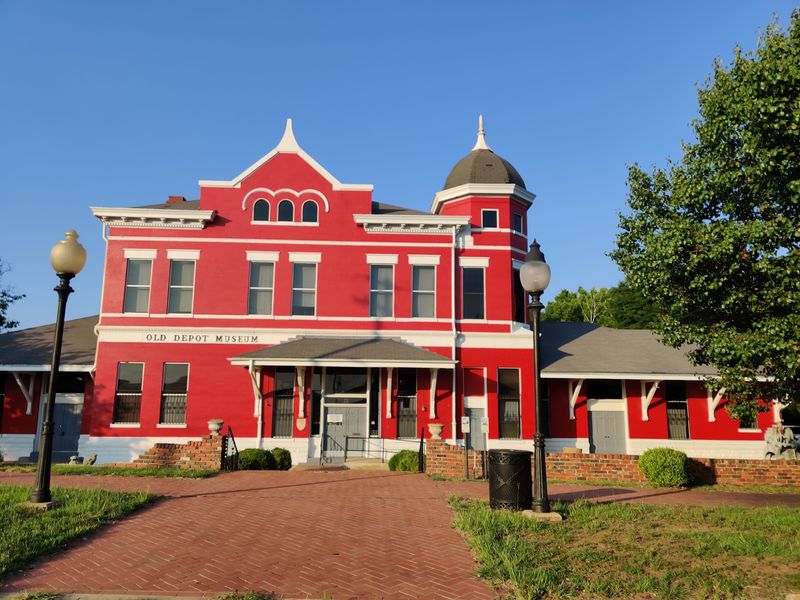
Every good trip needs a starting line. In Selma, the National Park Service manages the official starting point for visitors exploring the voting rights story.
The main Selma Interpretive Center at 2 Broad Street sits right at the foot of the Edmund Pettus Bridge, though it is currently closed for major renovations through 2028. While construction is underway, rangers welcome visitors at a temporary location inside the nearby Selma Welcome Center.
Inside, you’ll still find helpful resources, exhibits, and guidance about the town’s role in the Civil Rights Movement. Staff can give you the big picture before you head out to see the real landmarks.
It also serves as the welcome hub for the Selma to Montgomery National Historic Trail. If you plan to follow the march route, this is where your homework begins.
Hours generally run Monday through Saturday, from 9 a.m. to 4:30 p.m. Sunday visitors should plan around that, or they’ll be staring at a locked door.
Starting here makes the rest of the day easier. You’ll recognize names, dates, and places once you’re out walking, and that turns sightseeing into understanding.
Fifty-Four Miles Of Highway Still Tell The Story
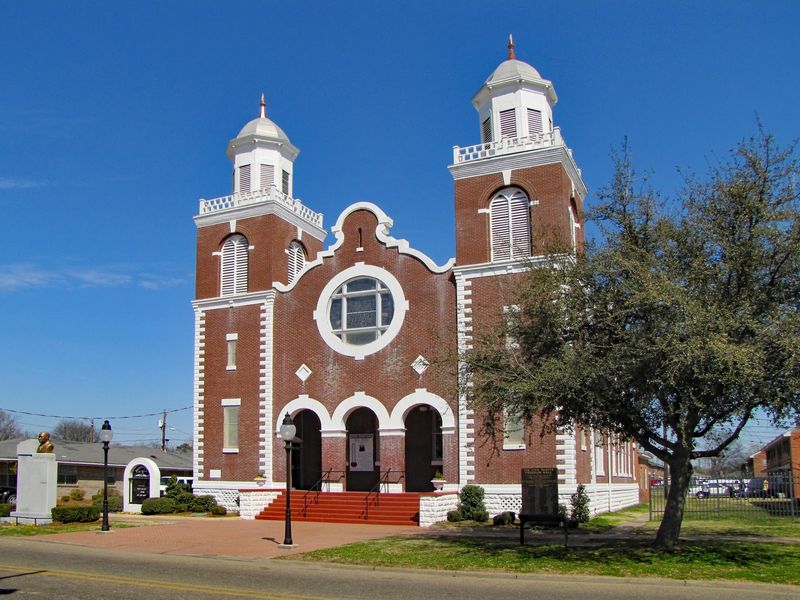
Fifty-four miles doesn’t sound like much in a car. On foot in 1965, it felt like a mountain, especially after what happened on the bridge.
The Selma to Montgomery National Historic Trail follows that same journey. Congress designated it in 1996 to honor the thousands of nonviolent marchers who made the trip.
Dr. Martin Luther King Jr. led those marchers along the route. Their goal was simple and enormous at the same time, the right to vote.
The trail begins at Brown Chapel AME Church in Selma. From there it follows U.S.
Highway 80 and ends at the Alabama State Capitol in Montgomery.
Driving it today gives you plenty of quiet time to think. Wide stretches of countryside make it easy to picture people walking mile after mile in the open.
Interpretive centers and historic markers appear along the way. Pull over and read them, because each one adds another piece to the puzzle.
Pack snacks, water, and a full tank before you leave. Then let the road do the storytelling, one mile at a time, all the way to the capitol steps.
Grand Columns Hide A Complicated Story
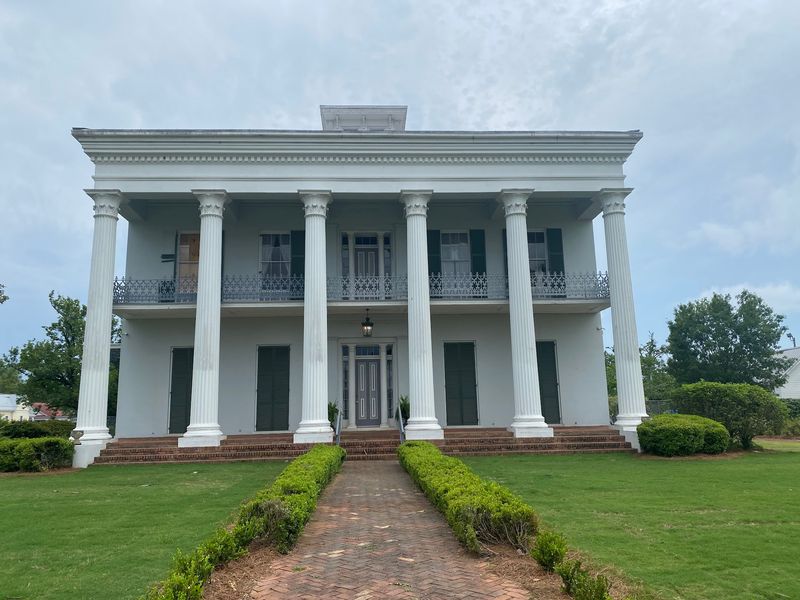
Tall white columns rise in front of Sturdivant Hall like something from an old movie set. The mansion was built in 1856 in the Greek Revival style, and it still looks impressive.
Today it operates as a museum in Selma, Alabama. Period furnishings, art, and artifacts show how wealthy Southern families lived in the 1850s.
Guided tours walk you through the rooms and share details about the families who lived there. The craftsmanship is stunning, and you’ll probably catch yourself staring at the ceilings.
Still, it helps to remember the bigger picture. Selma’s early wealth was tied to a town that served as a center for the domestic slave trade.
That context makes a tour more honest, not less interesting. Fancy rooms tell you about the people at the top, so ask questions about everyone else, too.
History fans and architecture lovers will both find plenty to notice. Bring curiosity, and you’ll leave with a fuller view of how this town grew.
Pair this stop with the civil rights sites for real perspective. Seeing both sides of the town’s past in one day is powerful.
Over 1,200 Old Buildings Make Every Block Worth A Stroll
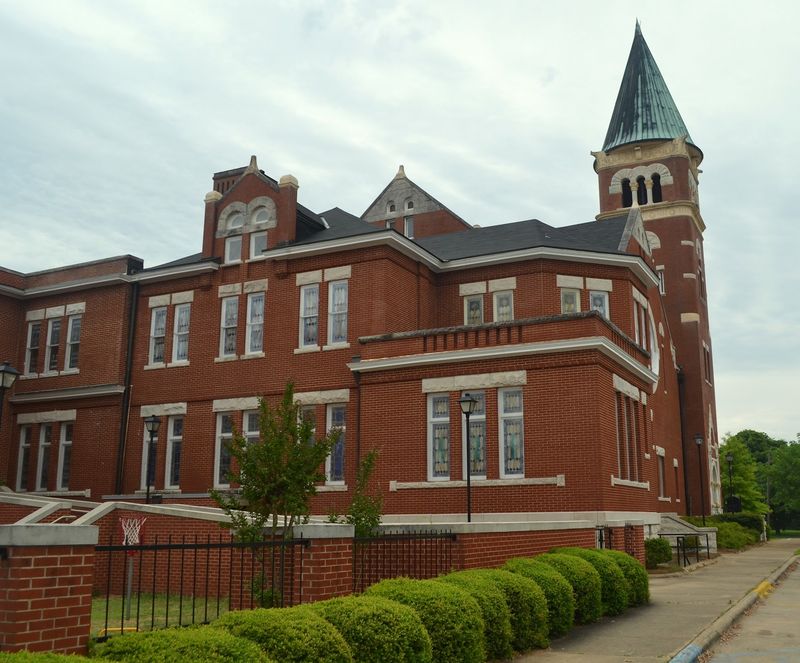
Count the buildings and you’ll lose track fast. Selma holds Alabama’s largest contiguous historic district, with more than 1,200 historic structures.
Tree-lined streets show off Antebellum and Victorian homes. You’ll also spot Italianate, Carpenter Gothic, and Greek Revival touches as you wander.
Downtown has a standout of its own. The Kress Building at 121 Broad Street is a 1931 Art Deco structure, and it adds a sleek look to the Old Town Historic District.
History buffs should also seek out the Joseph T. Smitherman Historic Building.
This Greek Revival landmark was completed in 1847 and now houses a museum about Selma’s history.
It joined the National Register of Historic Places in 1975. The museum is open Tuesday through Saturday, from 9 a.m. to 4 p.m.
Comfortable shoes are your best friend here. Old sidewalks and long blocks reward slow walkers who look up at rooflines and porch details.
Keep the darker history in mind as you admire the views. Some of these lovely streets witnessed hard moments, and knowing that makes each block feel more meaningful.
Alabama’s First Capital Is Now A Ghost Town Nearby
Ghost towns usually belong to the Wild West. Alabama has its own, and it sits just outside Selma.
Old Cahawba Archaeological Park marks the site of Alabama’s first state capital. Once a busy river town, Cahawba slowly emptied out and became a ghost town.
Today you can explore ruins, old streets, and cemeteries. The remains give you a hands-on connection to the state’s earliest days.
It’s a strange and quiet place to wander. Lonely brick ruins standing in open fields make it feel like time simply wandered off.
Outdoor fans get plenty to enjoy here, too. The park offers hiking trails, birdwatching, and canoeing for anyone who wants fresh air with their history.
Bring bug spray, water, and good walking shoes. Southern weather can get warm, and you’ll want to stay comfortable while exploring.
This makes a nice change of pace after the heavier civil rights sites. It still connects to the bigger story of the region, but the setting feels calm and wide open.
Kids who like mysteries will love it. Ask them to guess what each ruined spot used to be.
End Your Day With River Views And Room To Breathe
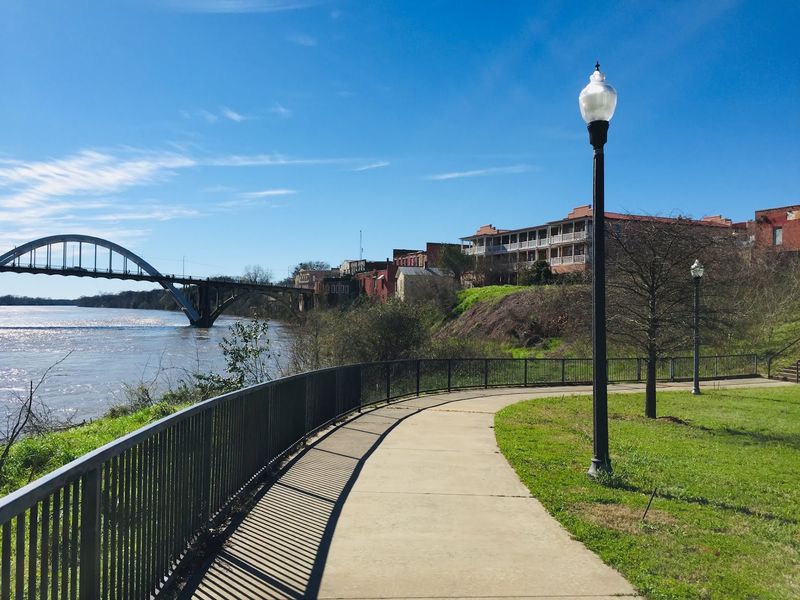
After a day full of heavy history, a riverside stroll sounds pretty good. Historic Water Avenue runs along the Alabama River and offers just that.
From here, you get views of the Edmund Pettus Bridge and Songs of Selma Park. Seeing the bridge from the water’s edge gives it a whole new look.
The area also includes the Bridge Tender’s House and Riverfront Park. Both invite you to slow down and explore one of the town’s most historic corners.
Want more time on the water? The City Marina offers boating and fishing, plus a local restaurant called The Sand Bar.
Bloch Park adds a different kind of local flavor. It has a baseball stadium, a playground, a walking trail, and the local Farmer’s Market.
That mix shows another side of Selma, Alabama. People live, play, and gather here, even as the past stays close by.
Spend your final moments by the river before heading home. The bridge will be right there in view, a reminder that ordinary folks once changed the country from this very spot.
