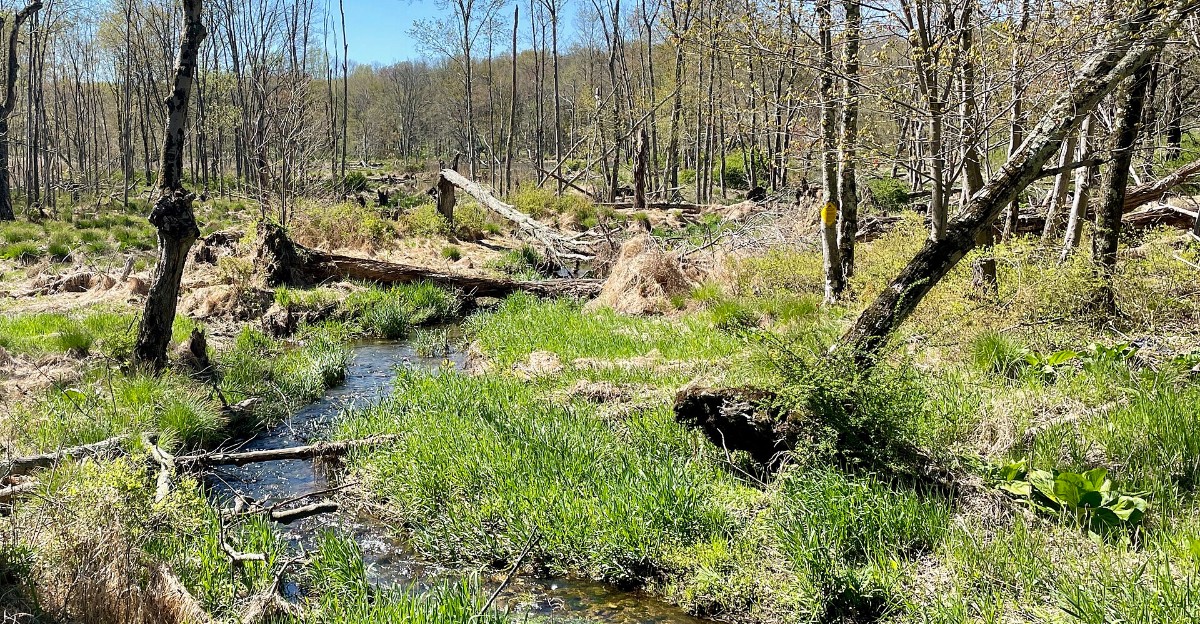
Five ponds, quiet trails, and plenty of room to hear yourself think. Ah, now that’s a refreshing change.
There’s something lovely about finding a nature preserve that doesn’t need a giant waterfall or a dramatic mountain summit to impress you.
This New Jersey escape offers a beautiful mix of open meadows, woodland scenery, and small ponds that make an ordinary walk feel surprisingly rewarding.
The protected landscape is also part of the headwaters of Spruce Run, giving those peaceful little bodies of water a much bigger role in the surrounding environment.
Bring comfortable shoes, keep an eye out for birds, and don’t rush past the quieter corners.
You might arrive expecting a simple afternoon walk and end up appreciating just how much there is to notice when the world finally gets quiet.
Five Ponds Waiting Around Every Bend
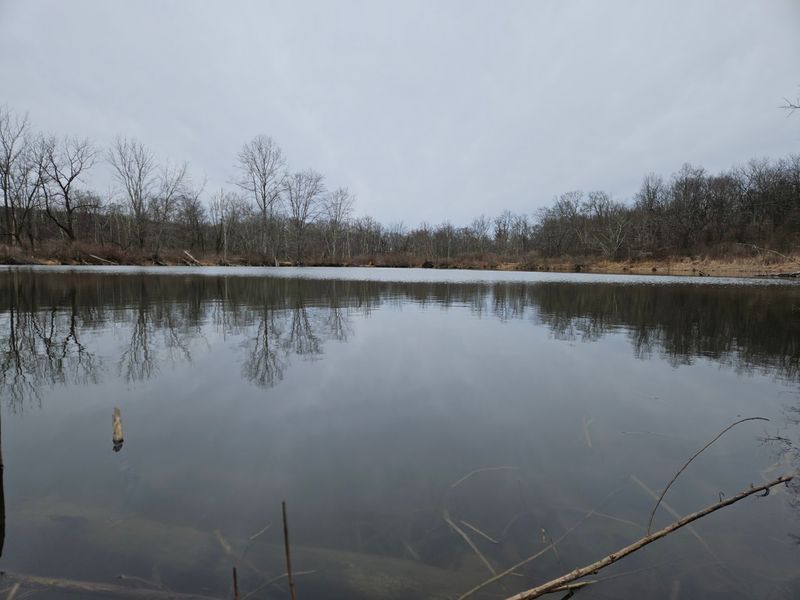
Spotting the first pond felt like finding a hidden coin on the sidewalk. Then came another, and another.
By the fifth, I was grinning.
Crystal Springs Preserve holds five ponds spread across 291 acres of forest, meadow, and farmland. They are not giant lakes, and that is part of the charm.
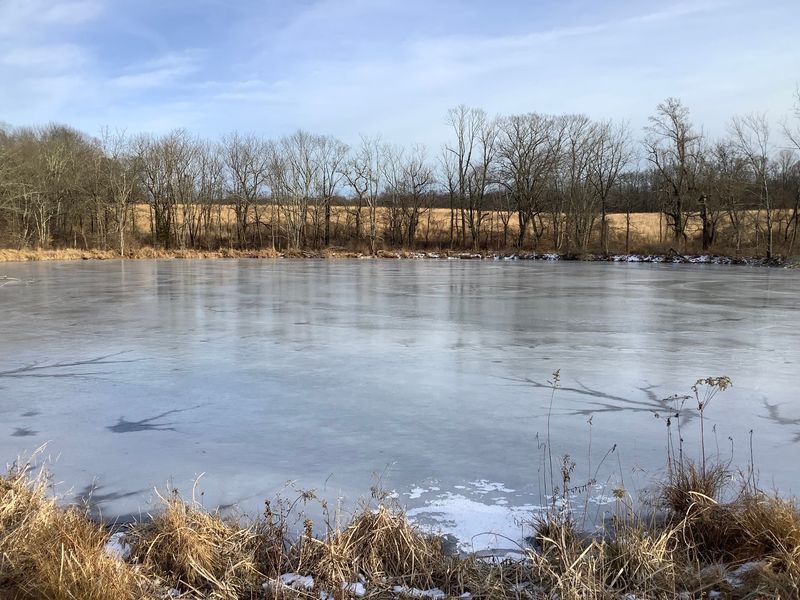
Each one is small enough to feel personal, with grassy edges and trees leaning in for a look at their own reflections.
Here is a fun bit of history. The land was once Crystal Springs Farm, and the owner dug seven man-made ponds for fishing and irrigation.
Five remain today, and nature has slowly made them its own.
Each pond has its own mood depending on the light. Morning brings mist and still water, while afternoon turns the surface bright and sparkly.
Wind can ripple one pond while another stays glassy.
My tip? Plan a loop that lets you see all five.
Bring a small notebook and jot down what you notice at each stop, like a bird, a ripple, or a turtle sunning itself. You will be surprised how different they feel.
Where the Spruce Run Begins Its Journey
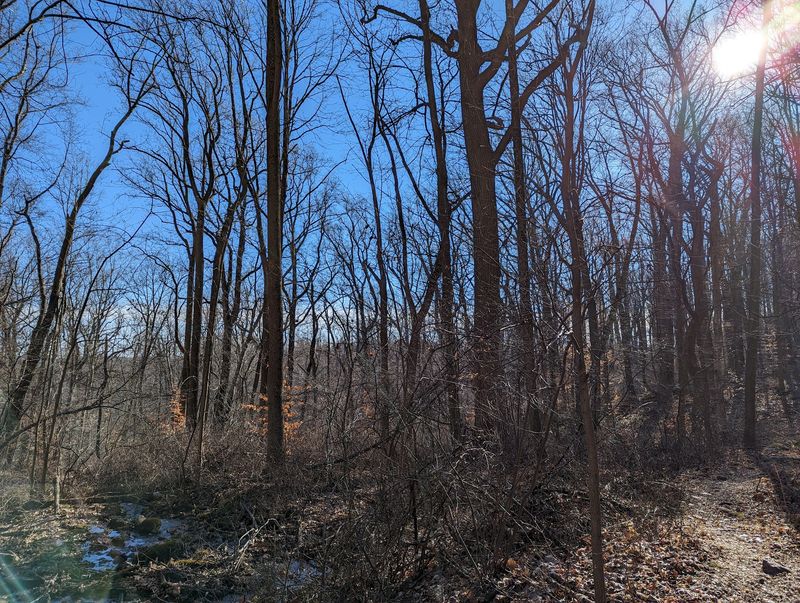
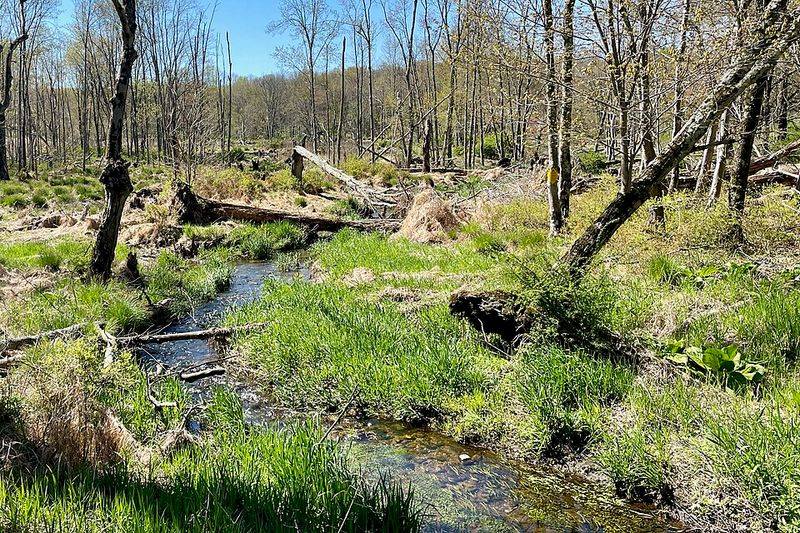
Water has to start somewhere. At this preserve, it starts right under your feet.
The ponds here sit at the headwaters of the Spruce Run, a creek that flows into the Spruce Run Reservoir. That reservoir is an important drinking water source for Hunterdon County and other parts of New Jersey.
So the quiet trickle you hear while hiking is actually the beginning of something much bigger.
I love thinking about that. A single drop might slide out of a pond, wind through the hills, and one day end up in somebody’s kitchen glass miles away.
It makes you look at a muddy stream bank with fresh respect.
Protecting land around headwaters keeps the water cleaner. Forests and meadows act like giant sponges and filters, slowing down runoff and trapping dirt before it reaches the creek.
When you visit, stay on the trails and leave the banks undisturbed. Kids especially enjoy hearing that this little brook helps supply water for thousands of people.
It turns an ordinary stroll into a small science lesson, and a pretty memorable one at that.
Mineral Springs Behind the Name
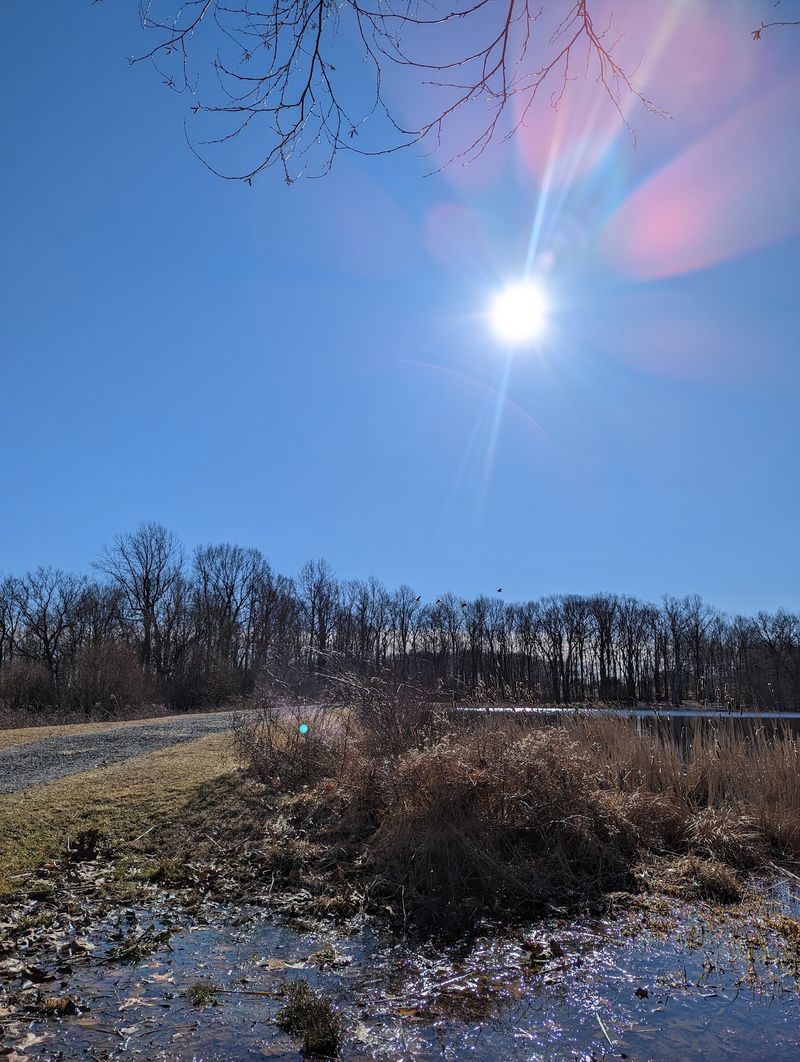
Names usually come from somewhere, and this one comes from the ground itself. The preserve is named for mineral springs found within its boundaries.
These are called chalybeate springs, a fancy word for springs with a lot of iron in the water. Iron can give the water and nearby rocks a reddish or orange tint.
So if you see a rusty color near a seep, that is nature’s chemistry at work, not pollution.
History gets interesting here. Springs in this area were declared a pure water source as early as 1815.
That reputation helped early resort communities grow in the nearby Schooley’s Mountain area, where visitors came looking for healthy water and fresh air.
Standing near the wet spots today, it is easy to picture people long ago traveling by horse and carriage just to sip from springs like these. The old fame has faded, but the water still bubbles.
Please do not drink from any spring or pond, though. Bring your own water bottle.
Admire the colors, snap a photo, and let the history do the refreshing for you.
Easy Trails Hugging the Field Edges
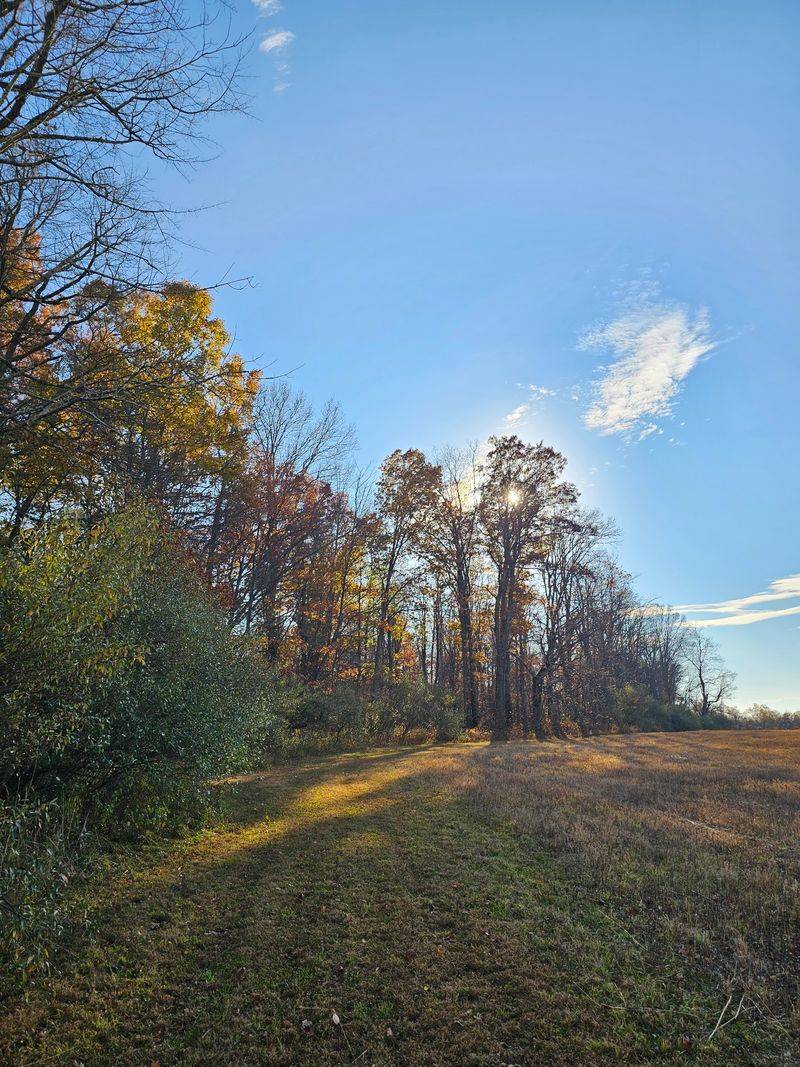
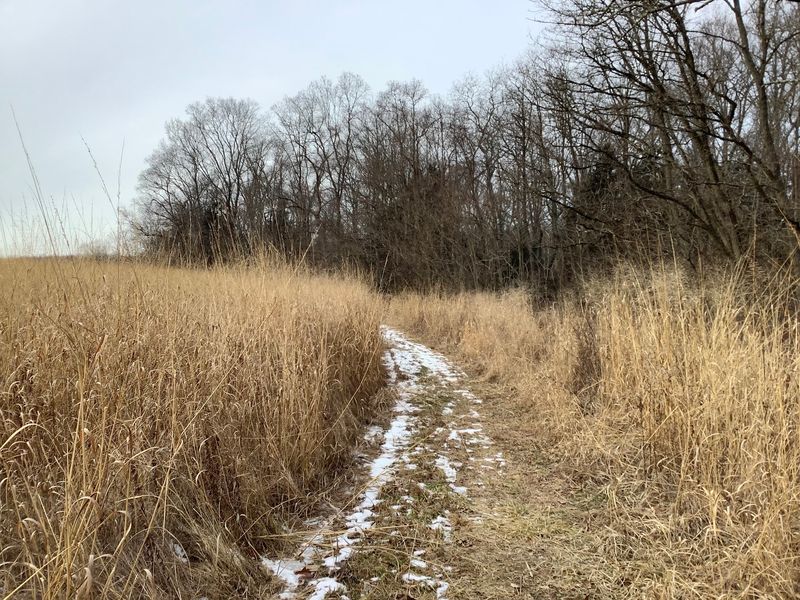
Good news for anyone who prefers wandering over huffing and puffing. The trails here are easy to moderate, and many follow the edges of open fields.
That setup gives you the best of both worlds. On one side, sunny meadows stretch out wide.
On the other, a shady wall of trees waits whenever you need a break from the heat.
Field edges are also prime spots for wildlife. Rabbits dart between grass and brush, and birds flit from branch to stalk.
Keep your eyes moving and you will catch more than you expect.
Paths can be mowed grass rather than packed dirt, so they may get damp after rain or early morning dew. Waterproof shoes are a smart call.
Long pants help too, especially in summer when ticks love tall grass.
Families with younger kids will find the gentle terrain friendly. There are no brutal climbs, just rolling ground and plenty of things to point at.
It is the kind of walk where you can actually chat with your hiking buddy instead of gasping for air.
A Meadow Made for Singing Birds
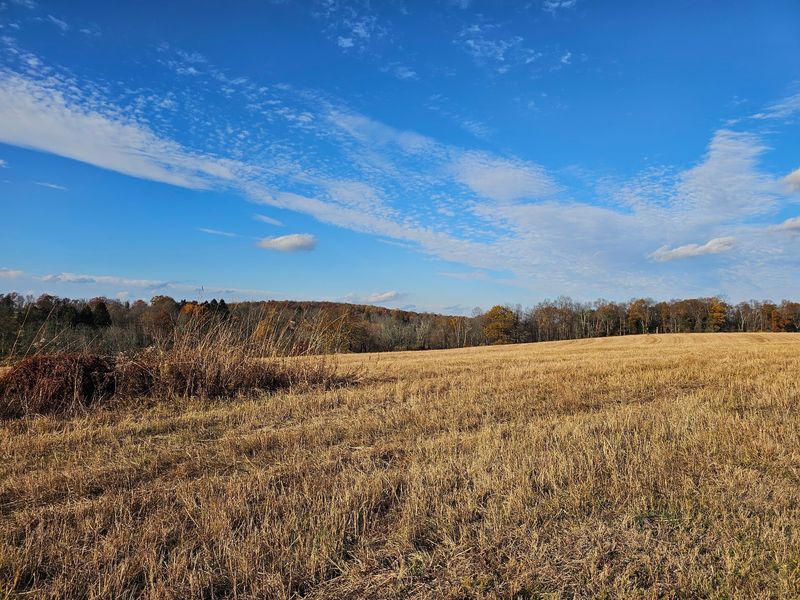
Listen closely in late spring. That bubbly, almost robotic song drifting over the grass might be a Bobolink.
A 40-acre meadow at the preserve is specially managed as grassland bird habitat. The goal is to attract species like the Bobolink and the Eastern Meadowlark.
These birds need large open spaces with tall grass to nest, and that kind of habitat has become harder to find.
Meadowlarks are easy to love. They have bright yellow chests with a black V, like they are wearing a tiny necklace.
Their song is sweet and whistly, perfect for a summer morning.
Grassland birds nest right on the ground, which makes them easy to disturb. Stick to the mowed paths and keep dogs close.
A little care goes a long way for a bird sitting on eggs.
Binoculars will make your visit way more fun here. Even a cheap pair lets you see feathers and faces instead of distant dots.
Early morning is usually the liveliest time, when the meadow sounds like a busy little concert hall.
Busy Beavers and Their Handiwork
Pointy tree stumps are the giveaway. Once you spot one, you start seeing beaver work everywhere.
Beavers are active around the preserve, leaving behind chewed trees, dams, and lodges. Their teeth are strong and never stop growing, so gnawing wood keeps them in shape.
The stumps they leave look a lot like sharpened pencils.
Lodges look like messy piles of sticks and mud in the water. Inside, though, they are cozy homes with underwater entrances that keep predators out.
Clever architects, honestly.
Dams change the land too. By slowing water, beavers create wetlands that help frogs, insects, and birds.
One family of furry engineers can reshape a whole corner of the landscape.
Seeing an actual beaver takes patience. They are most active around dawn and dusk, so a visit near sunrise or sunset gives you the best shot.
Sit quietly near the water and watch for a V-shaped ripple gliding across the surface. If you hear a loud slap, that was a tail warning everyone you have been noticed.
Busted.
Herons, Turtles, and Pond Life
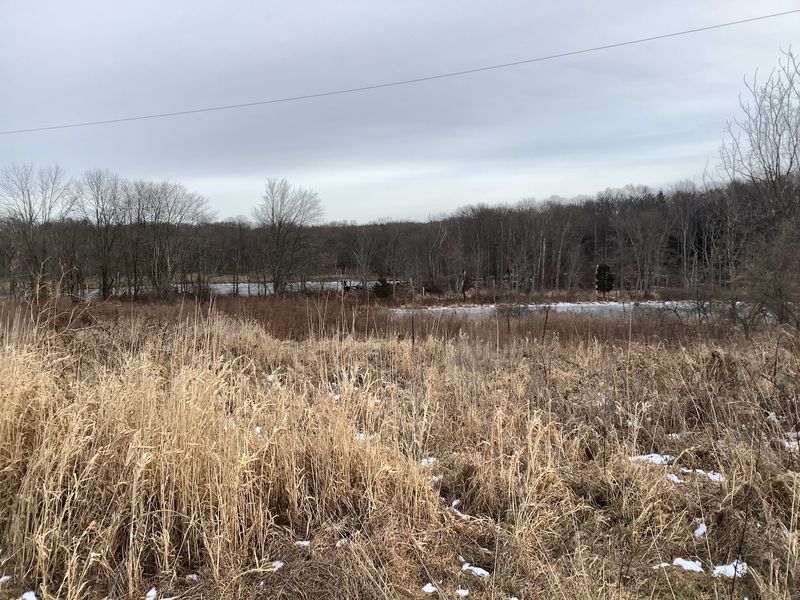
Patience pays off at the water’s edge. A heron can stand frozen for so long that you might mistake it for a stick.
The ponds serve as resting spots for migratory waterfowl and herons. In spring and fall, ducks and other travelers drop in for a snack and a rest before moving on.
Great blue herons are also found in wetlands across the region.
Down at water level, things get even busier. Frogs and turtles live in these ponds, and warm days bring turtles out to bask on logs.
Some stack up like a little reptile pile, all soaking up sunshine.
Frogs announce themselves with plops and croaks. Approach slowly, and you might see eyes peeking just above the surface.
A simple trick works wonders here. Pick one pond, sit for ten quiet minutes, and simply watch.
Movement you missed at first starts popping up, from dragonflies zipping past to a turtle head breaking the water. Bring a field guide or an app to help name what you see.
It turns a quick break into a mini safari.
A Connector to Teetertown Next Door
Ready for more miles? A connector trail links this preserve to Teetertown Preserve right next door.
That makes it easy to stretch a short outing into a longer adventure. You can start among the open fields and ponds, then head into a different landscape with its own woods and terrain.
Two preserves, one walk. Not a bad deal.
The whole area sits within the Highlands region, a rugged belt of hills and forests. The Highlands support all kinds of wildlife, including red-shouldered hawks, cerulean warblers, and long-tailed salamanders.
Keep looking up and down.
Before heading across, grab a trail map or download one to your phone. Cell service can be patchy in hilly country, so saving maps offline is a wise move.
Plan your time carefully, since both areas close at sunset. Pack extra water and snacks if you are going the distance.
Autumn is a lovely season for this combo hike, with crunchy leaves underfoot and cooler air making the longer stretches feel easy and refreshing.
Planning Your Peaceful Visit
Simple places call for simple planning. A few small steps will make your trip smooth and stress-free.
The preserve is open from sunrise to sunset. There is a grass parking area, but no restrooms on site, so plan a pit stop before you arrive.
Trust me on that one.
The land is managed by the Hunterdon County Division of Parks and Recreation. Part of it is still actively farmed by a local farmer under a management plan, so you may see crops growing nearby.
Respect fenced or planted areas and keep to the trails.
Pack water, sunscreen, bug spray, and sturdy shoes. Ticks are common in grassy areas, so do a quick check after your hike.
Binoculars and a camera are great extras.
The property was acquired in 2004 through a team effort by several agencies, protecting it for wildlife and people alike.
Crystal Springs Preserve sits in Lebanon Township, Hunterdon County, near Glen Gardner, NJ 08826, with access points at 20 Pleasant Grove Road, Port Murray, NJ 07865, and off Califon Road, Long Valley, NJ 07853.
