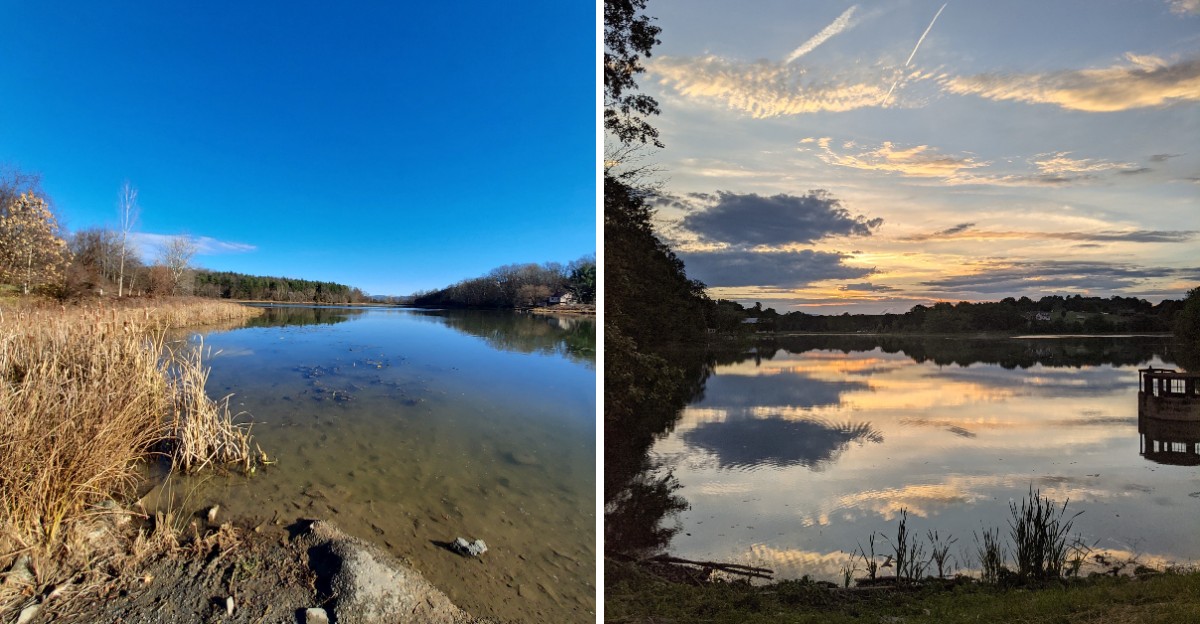
Inspectors found a large wet seepage area in a dam’s core in 2020, and a peaceful little lake has not been the same since. The water got lowered about five feet on purpose.
Lily pads and wildflowers moved into the empty edges.
Now the state plans to tear the whole dam down. A brand-new one will rise 150 feet upstream.
Neighbors, anglers, and even a state senator have opinions about it.
I like how a small fishing spot in Virginia turned into a real community conversation. People clearly care about this water.
That kind of passion tells you a place matters.
So what exactly is changing, and what can you still enjoy right now? The answers are more interesting than you might expect for a lake you can walk around before lunch.
A Soggy Discovery Started The Whole Story
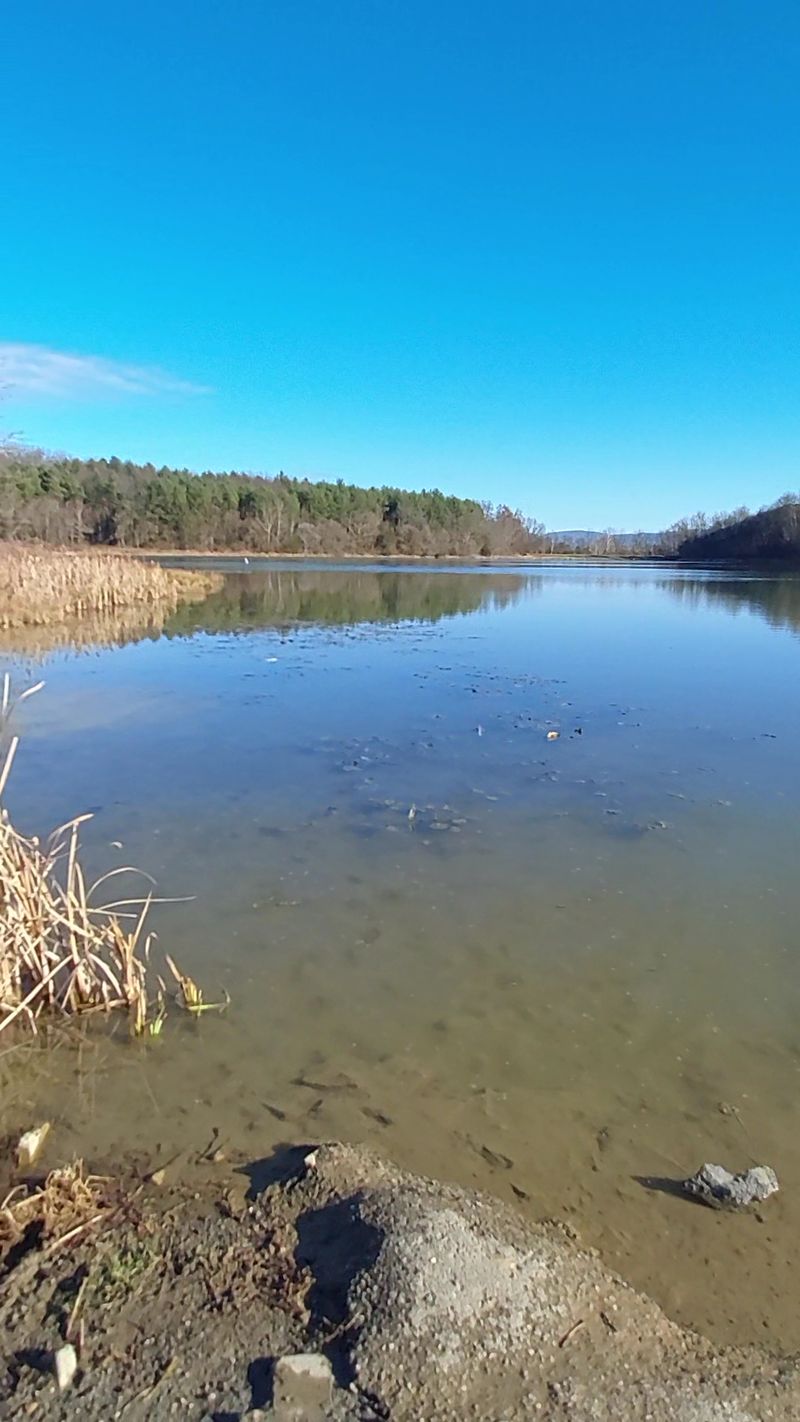
Back in 2020, inspectors checked the old earthen dam at Lake Shenandoah and spotted trouble. They found a large seepage area and worn-out materials inside the dam’s core.
That’s a big deal for a structure built in 1956. Water sneaking through a dam is never the kind of surprise anyone wants.
The problems kept stacking up from there. A flood event also damaged the emergency spillway, which is the backup path water takes during heavy storms.
The Virginia Department of Conservation and Recreation stepped in through its Dam Safety Division. It ordered the lake lowered by about five feet from full pool to reduce risk during high water.
So the drop in water you may notice today is intentional. It’s a safety move, not a drought or a mystery.
The lake is owned and managed by the Virginia Department of Wildlife Resources. That agency now carries the job of fixing things for the long haul.
I believe this backstory helps explain why people feel so strongly. A lake that looked the same for decades suddenly changed shape almost overnight.
Knowing the reason makes a visit feel different. You’re seeing a place in the middle of its own big chapter.
The First Plan Got A Big Thumbs Down
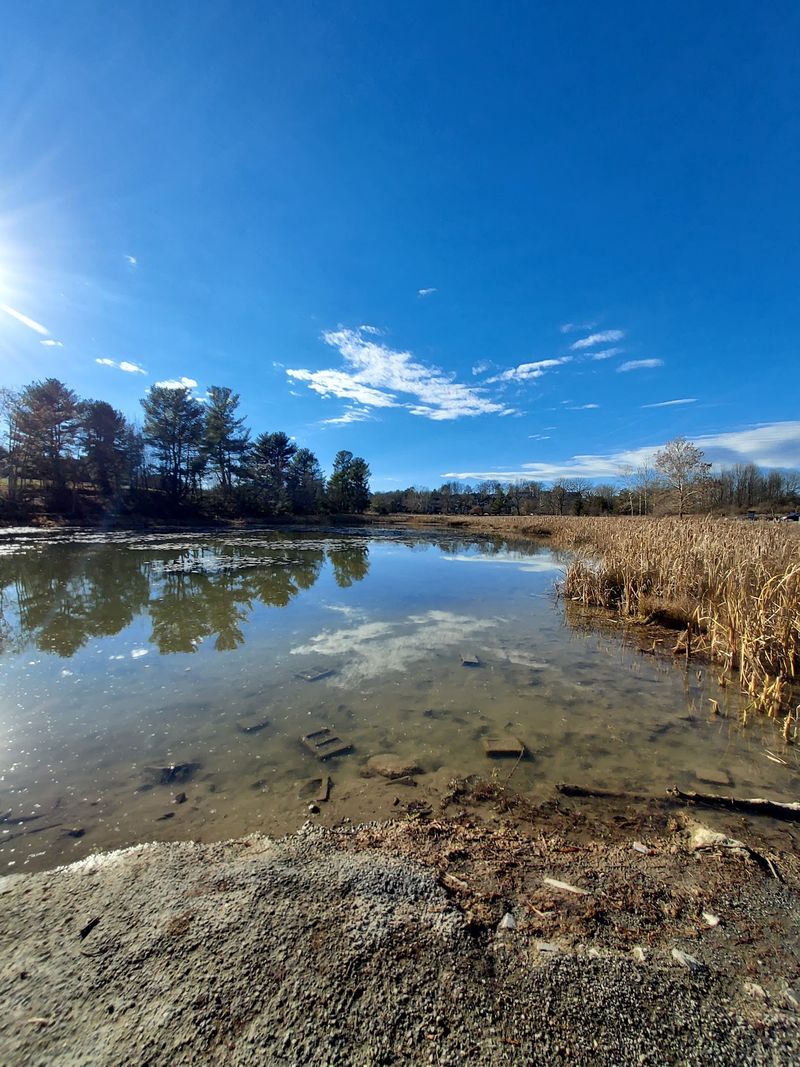
October 2024 was when things got heated. The Virginia Department of Wildlife Resources shared a plan to move the dam 322 feet upstream and keep a lower water level.
Neighbors did not love it. The response was described as great disappointment in the community.
Think about what that plan meant. A shorter lake with less water would have changed the view, the fishing, and the feel of the whole place.
Here’s the encouraging part, though. The agency actually listened and went back to the drawing board.
Its revised goal was a design that would make the community proud. The new approach aims to maximize pool levels while still following state dam safety rules.
I like how this shows public input can shape real decisions. People spoke up, and the plan moved closer to what they wanted.
It’s a useful lesson for anyone who loves a local park. Showing up to meetings and sharing feedback can matter more than you’d guess.
For Lake Shenandoah, that pushback turned a frustrating proposal into a second draft. And the second draft looks a lot more like the lake people remember.
Bigger Water Is Coming, But Not All Of It
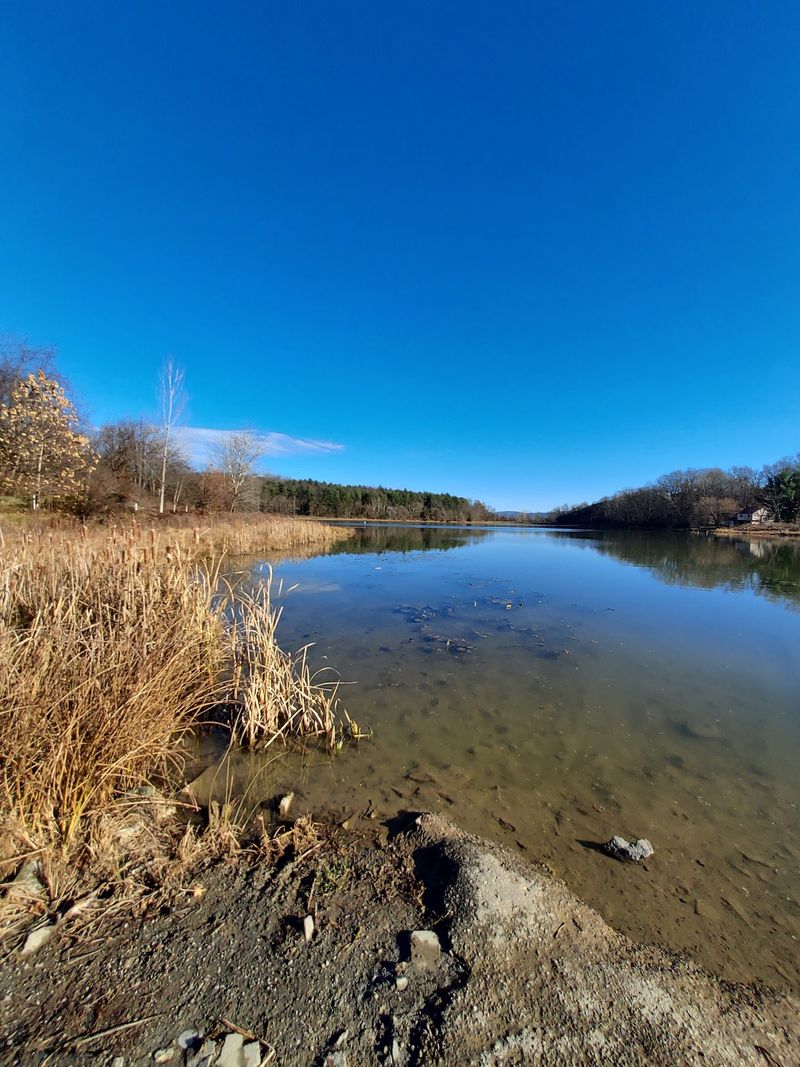
Numbers tell the tricky part of this tale. Additional state funding made a better design possible, and it aims to bring water back to about one foot below the old height.
That sounds like a near-total win. Many folks were thrilled to hear it.
Then come the engineering drawings. According to the Virginia Department of Wildlife Resources’ own plans, the new lake will cover 28.0 acres.
Before the lowering, it covered 38.39 acres. That’s a noticeable difference for a lake this size.
How can water be nearly as high but cover less ground? Moving the dam upstream shortens the lake, so the footprint shrinks even with a higher pool.
This detail keeps the debate alive. Some people focus on the depth, while others focus on the lost surface area.
I can’t imagine an easy answer here. Safety rules, budgets, and community wishes all pull in slightly different directions.
If you visit now, look at the dry edges full of plants. Some of that ground may stay land even after the project wraps up.
Mark Your Calendar For 2027, Probably
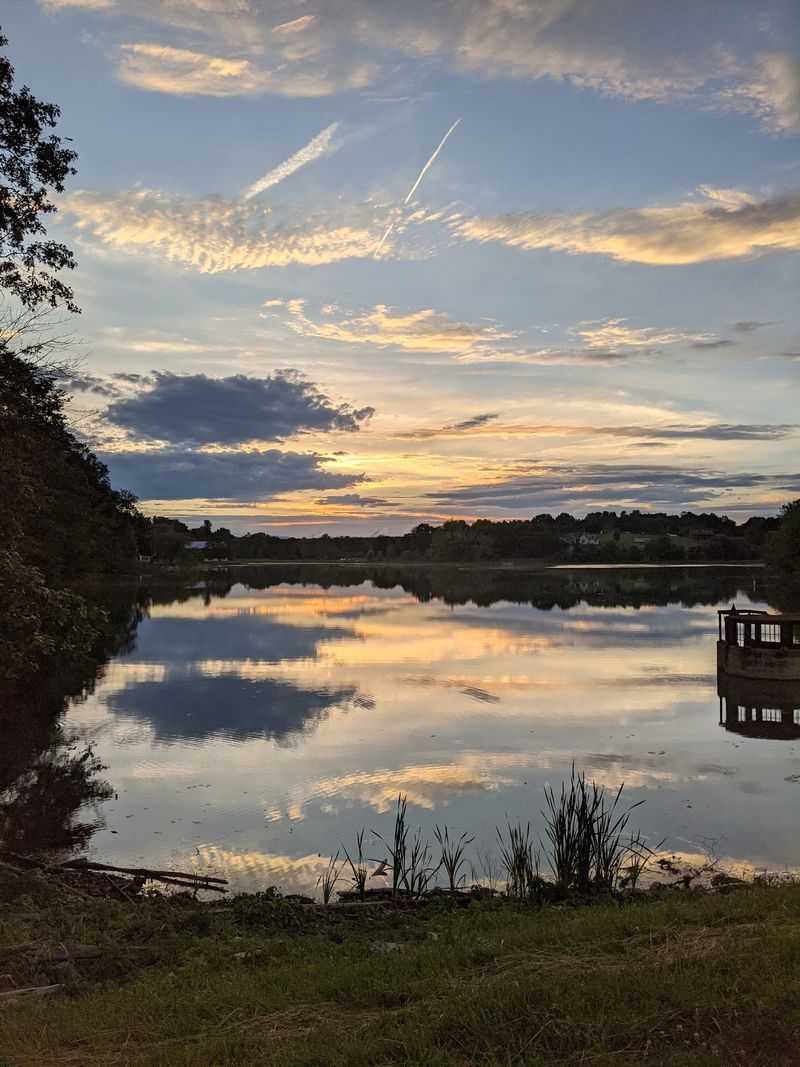
Construction season has a target date. Work is expected to start in late spring of 2027 and finish by the end of that year.
Right now, the project sits in the planning and permitting phase. That’s the paperwork stage, and it’s rarely speedy.
State Senator Mark Obenshain has raised concerns about possible delays. If those happen, the finish line could slide later.
The plan itself is bold. The old dam gets completely demolished, and a new one goes up 150 feet upstream.
One big question is still unanswered. The agency hasn’t shared details yet on how construction will affect the trails or the boat ramp.
My practical advice is simple. Enjoy the lake now, while access looks normal.
Once machines arrive, parts of the area may change for a while. Nobody has confirmed that yet, but it’s smart to plan early visits.
Keep an eye on news from the Virginia Department of Wildlife Resources as 2027 gets closer. A quick check before heading out could save you a wasted trip.
You Can Loop The Whole Lake On Foot
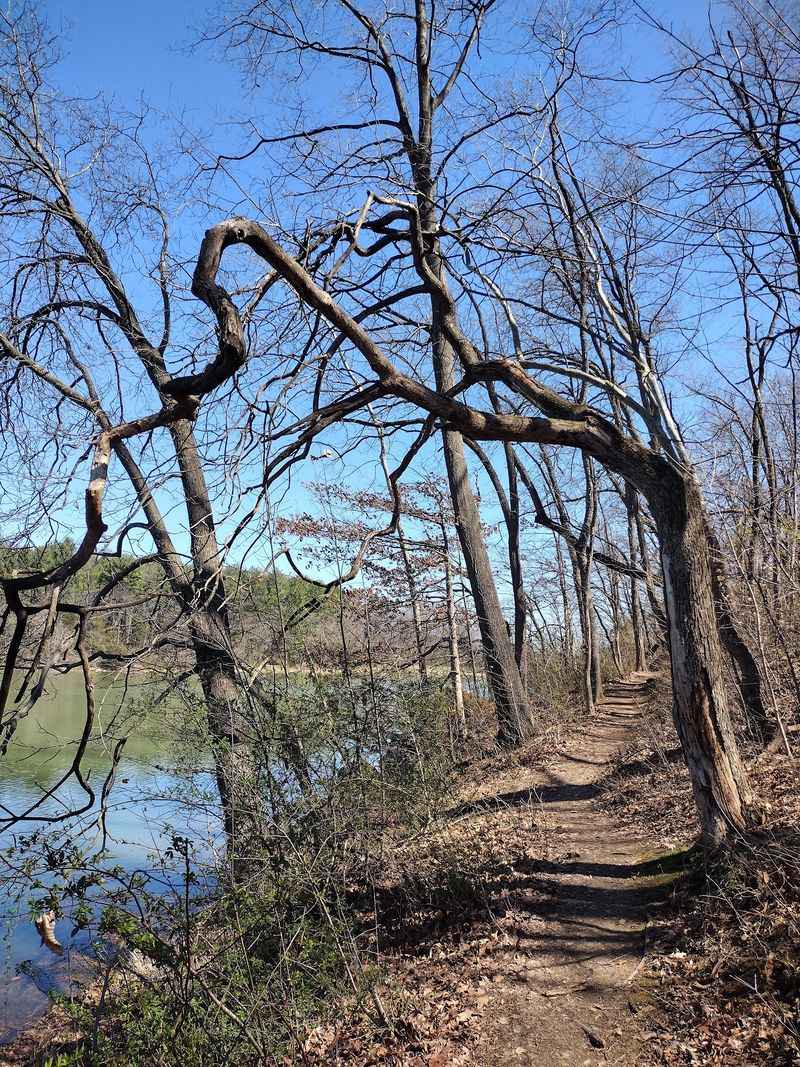
A 1.5-mile loop trail circles Lake Shenandoah, and it’s the star for many visitors. It’s an easy way to see the lake from every angle.
Wildlife viewing is built right into the experience. The trail is listed as a wildlife viewing trail by the state.
Bring comfortable shoes and take your time. A slow walk lets you notice birds, plants, and changes along the shoreline.
The loop passes through a residential area, so mind the route. Staying on the marked path keeps things friendly with the neighbors.
The lowered water has reshaped some of the view. Areas that once held water now sprout plants and wildflowers.
That makes this an unusual moment to walk here. You’re seeing a lake mid-transformation, which won’t last forever.
Morning or late afternoon walks feel especially relaxed. The lake keeps hours of 8 AM to 8 PM every day.
Need a quick outdoor break near town? This loop fits nicely into a short afternoon without a long drive into the mountains.
Bees And Butterflies Got Their Own Path
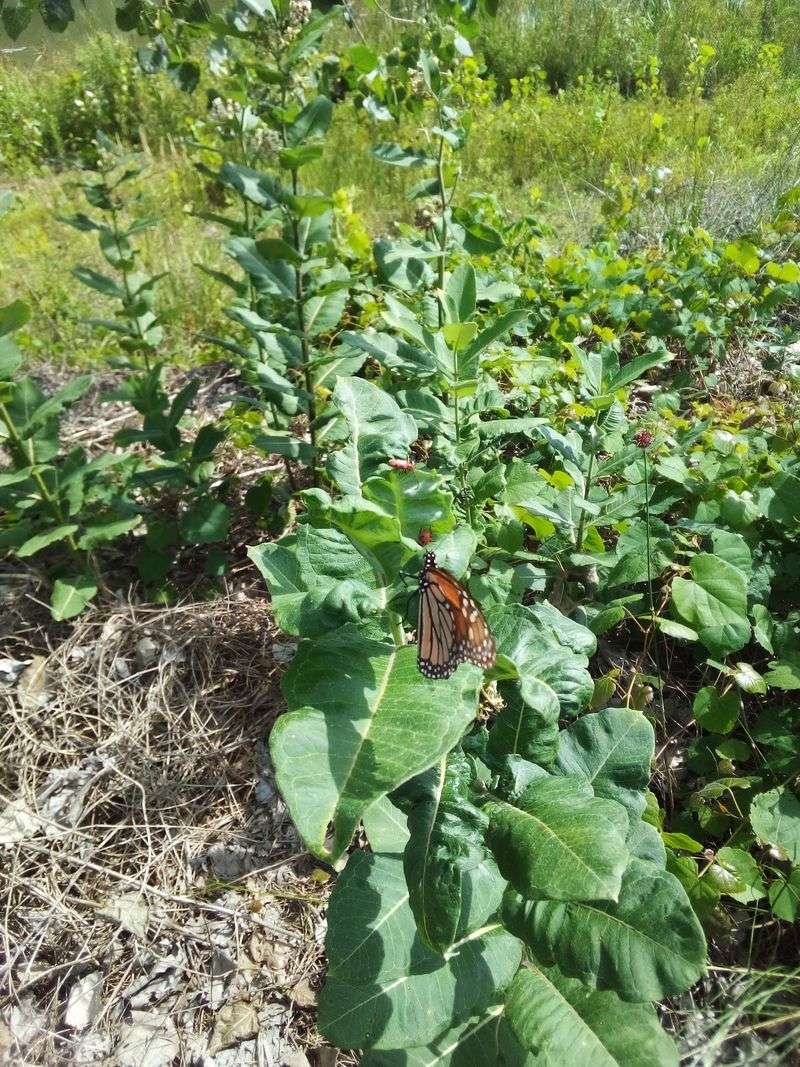
Flowers get serious attention here. Lake Shenandoah is also home to a pollinator trail.
Pollinators include bees, butterflies, and other critters that move pollen between plants. Without them, lots of flowers and crops would struggle.
A pollinator trail gives those helpers plants to feed on. It also gives walkers a colorful reason to slow down.
Kids especially might enjoy this part. Counting butterflies is a lot more fun than counting steps.
Bring a phone or camera if you like photos. Bright blooms and busy insects make great close-up shots.
Try not to pick the flowers, though. Leaving them in place keeps the food supply going for the pollinators.
I like how this feature turns a fishing lake into a small nature lesson. It shows that a lake’s value reaches beyond the water itself.
Summer is usually the busiest time for blooms and buzzing. Still, any season can reveal something new along the path.
Pair the pollinator stop with your loop walk. It adds a gentle, cheerful break between lake views.
Musky In A Neighborhood Lake? Yep
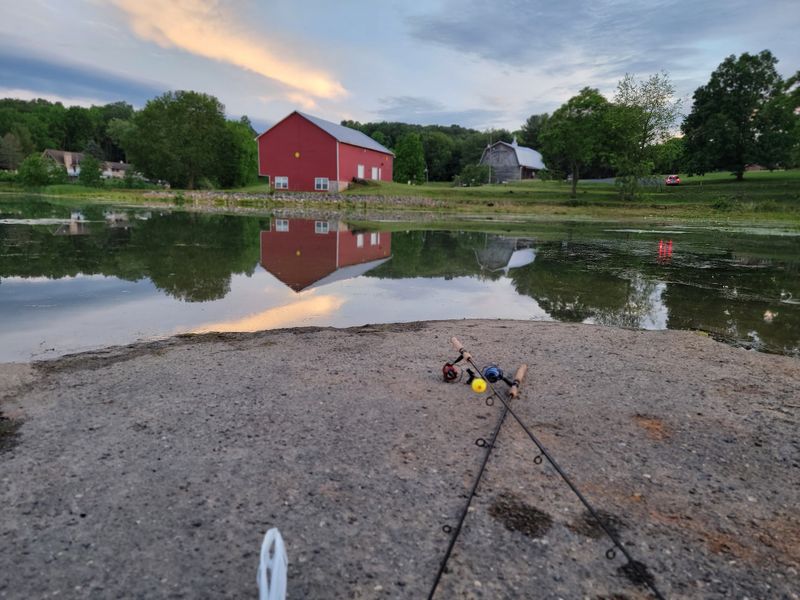
Musky are stocked here every year, which surprises plenty of people. These long, toothy fish are famous for being tough to catch.
They share the water with many other species. Largemouth bass, bluegill, crappie, common carp, and channel catfish all live in Lake Shenandoah.
Anglers have several ways to try their luck. There’s bank fishing, plus a fishing pier for people who like a solid spot to cast.
The lowered water has changed some bank areas. Lily pads and cattails now crowd parts of the shoreline, so finding an open spot can take patience.
Beginners should start simple. Bluegill are a fun first catch and help new anglers build confidence.
Remember the rules before you cast. Visitors 17 and older need an access permit unless they hold a valid Virginia hunting, freshwater fishing, or trapping license.
A current Virginia boat registration also counts. Checking this before you go saves a headache at the lake.
The future dam may reshape fishing spots again. For now, the variety of fish keeps this small lake surprisingly exciting.
Quiet Motors Only Keep Things Peaceful
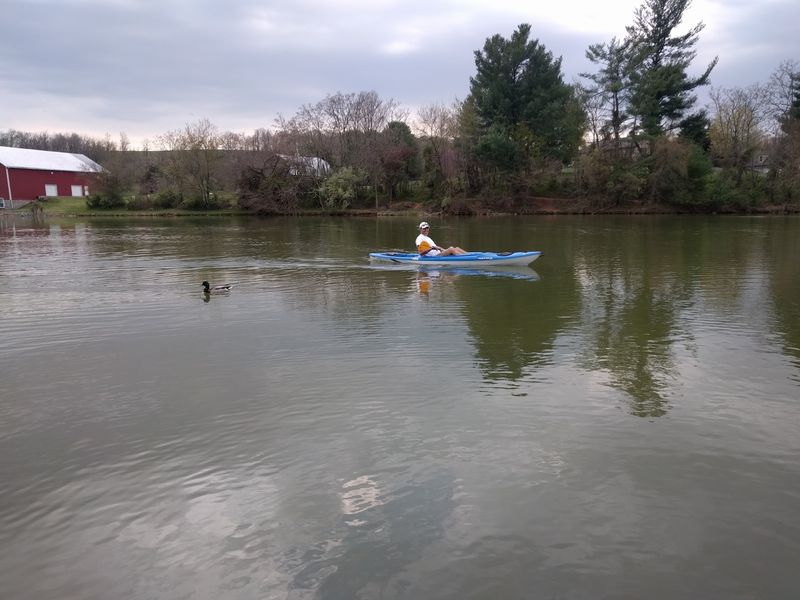
Electric motors are the only motors allowed on the water here. That keeps the lake calm and quiet.
A boat ramp sits ready for anglers and paddlers. Kayaks and canoes fit right in on a lake this size.
No kayak at home? A concessionaire called Baits, Boats and Bobbers offers kayak rentals.
The same spot also sells bait, tackle, and snacks. So you can show up a little underprepared and still have a good day.
Paddling gives you views the trail can’t. You can glide near lily pads and spot birds along quieter edges.
Wear a life jacket, even on calm water. Small lakes can still turn breezy in a hurry.
I believe a kayak is one of the best ways to understand this debate. From the water, you can see how the lowered level shaped the shoreline.
Restrooms are available on site, which helps on longer outings. That’s a welcome detail for families with young paddlers.
Just plan your boating time early. Construction details for the ramp haven’t been shared yet.
Birdwatchers Get A Year-Round Show Minutes From Town
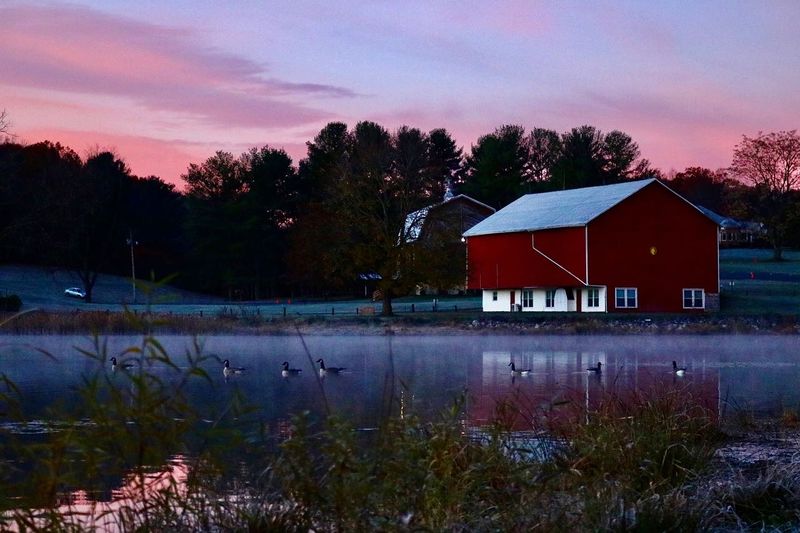
Waterfowl and resident birds visit this lake all year. That makes it a handy spot for birdwatchers who don’t want a long drive.
Lake Shenandoah sits a few miles east of Harrisonburg, Virginia, in Rockingham County. Google lists its address simply as Harrisonburg, VA 22801.
Parking is easy to find. A gravel lot sits on the northwest side of the lake, inside a residential neighborhood.
Being so close to homes gives the lake a different feel. It’s nature with a bit of city just around the corner.
Binoculars are worth packing. They help you spot birds resting on the far shore or hiding in the plants.
Cooler months can bring a different mix of waterfowl. Warmer seasons pair birds with blooming plants and busy insects.
The changing water levels may affect bird habitat over time. That’s one more reason people watch this project closely.
Respect the neighborhood when you visit. Keep noise down and pack out your trash.
A clean, quiet lake benefits birds and people alike. And honestly, that shared care is what this whole debate is about.
