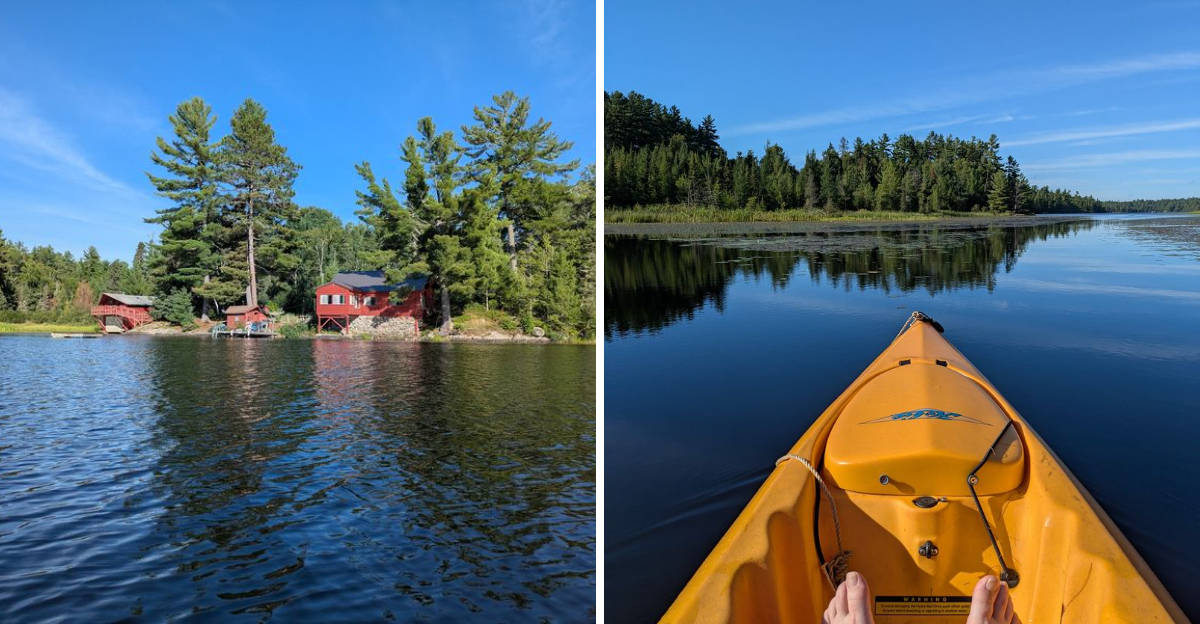
There’s something about a lake so clear you can see your toes when you wade in, especially when it’s tucked deep in the north woods. This remote Minnesota spot delivers exactly that – water so pure it shimmers in shades of blue and green that make you do a double-take.
And the best part? The beaches stay quiet, even in summer.
You won’t find crowds here. No fighting for towel space or dodging frisbees, just you, the lapping waves, and maybe a few seagulls keeping you company. Locals know to bring a chair and arrive early for the sunsets – nature’s nightly show, free of charge.
Find your way to this hidden stretch of shoreline. Minnesota’s clearest water is waiting to prove that you don’t need a passport to find a true escape.
Water Clear Enough To Count Stones On The Bottom
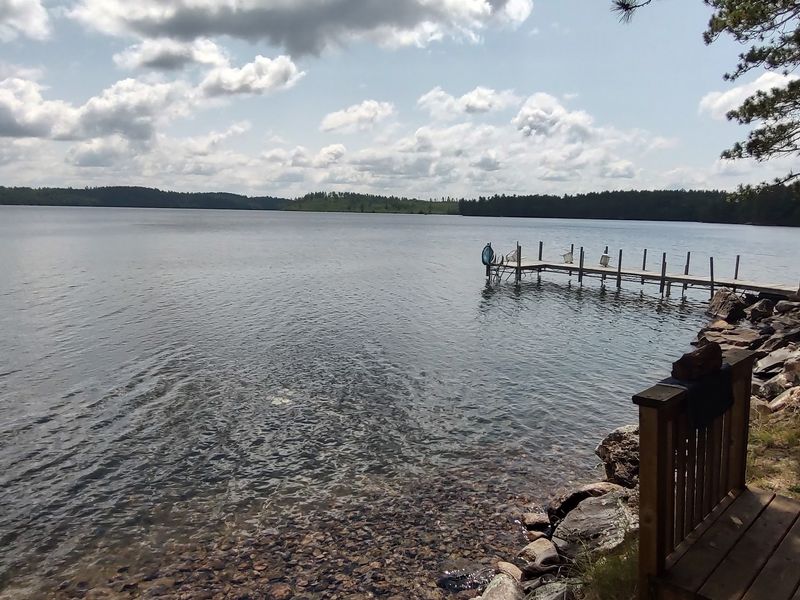
Paddle out a few strokes and the bottom still shows up in sharp detail, rocks, sand ridges, the shadow of the canoe sliding over them. That kind of clarity is rare.
Burntside sits in a granite basin, and that bedrock keeps sediment low, so sunlight reaches deep and the surface takes on a cold, mineral blue. On calm mornings the color shifts from pale turquoise near the shallows to a deep ink shade over the drop-offs.
Depth plays a role as well, with parts of the lake dropping well past a hundred feet, cold enough to hold lake trout through the summer. Shallow bays warm up faster, and those are the spots kids gravitate toward.
Swimmers notice the temperature first. Even in July the water stays brisk, which is part of why it looks so clean.
Bring polarized sunglasses if you have them, since they cut the glare and let you watch fish drift under the boat. A cheap snorkel mask works too.
Water that clear also means every soda can and dropped wrapper is visible for years, so pack out whatever comes in with you.
Quiet Beaches Tucked Behind Screens Of Pine
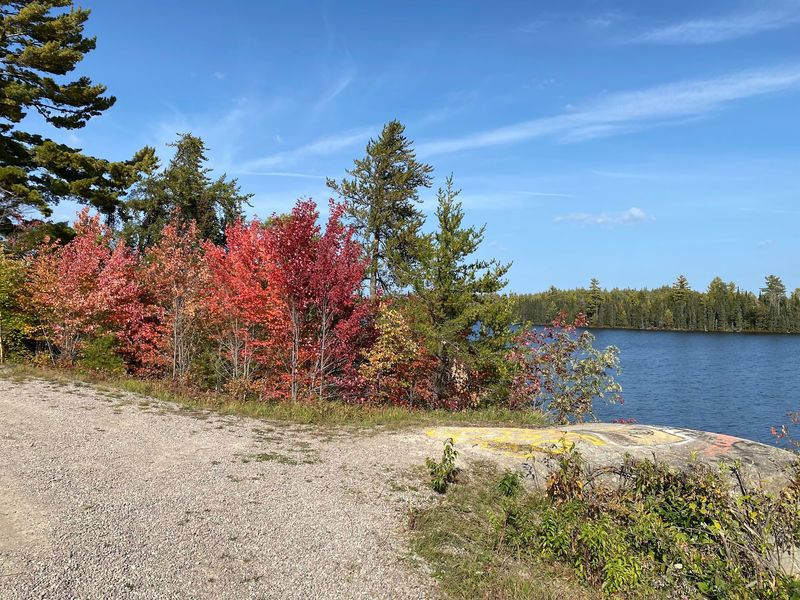
Some of the best swimming spots here are not marked on any map. They hide behind screens of pine and birch, reachable by canoe or a short scramble down from a rocky shoulder.
Sand is coarse and mixed with smooth stones, warm on the surface and cool underneath. Towels flatten out on slabs of granite instead of beach chairs.
Afternoon light hits the water sideways and the whole bay turns silver, which is when most people stop talking and just float.
Public access along the south shore gives day visitors an easy entry point, and paddling east or west from there opens pockets of shoreline where boat traffic thins out fast.
My favorite trick is to land somewhere with a north-facing view, where sun stays on the water longer into the evening. Sunset lasts a while this far north.
Water shoes help, since the bottom shifts between sand and slick rock without much warning. Bug spray earns its keep in early summer.
Keep noise low and give private cabins space, because quiet is the local currency.
The Gravel Crawl Down Van Vac Road
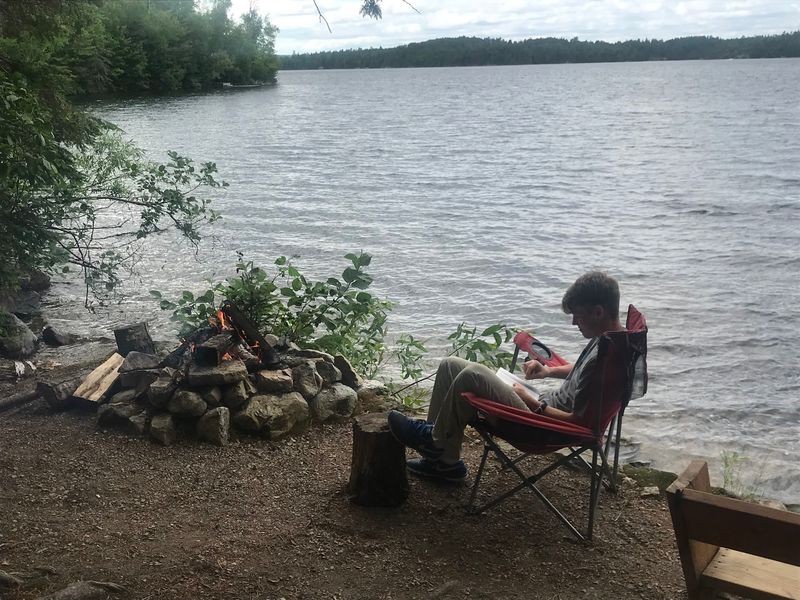
Getting there is half the fun, mostly because the pavement gives way to gravel and the forest closes in overhead. Van Vac Road runs along the southern side of the lake, a narrow ribbon with mailboxes, cabin driveways, and sudden flashes of blue water through the trees.
Drive slowly. Deer step out without warning, and the road has enough dips to rearrange loose gear in the back seat. Cell service gets patchy quickly, so download directions before leaving Ely rather than trusting a signal that comes and goes.
Turnouts are limited and shoulders are soft, which means parking takes some thought if you want to stop for photos.
What I like most is how the noise fades the further in you go. By the time the road bends toward the water, traffic sounds are replaced by wind and the occasional boat motor far off.
Winter changes the whole drive, with snowbanks tall enough to hide the shoreline until you are right on top of it. A spare tire and a full tank are never a bad idea this far north.
Paddling A Maze Of Roughly 125 Islands
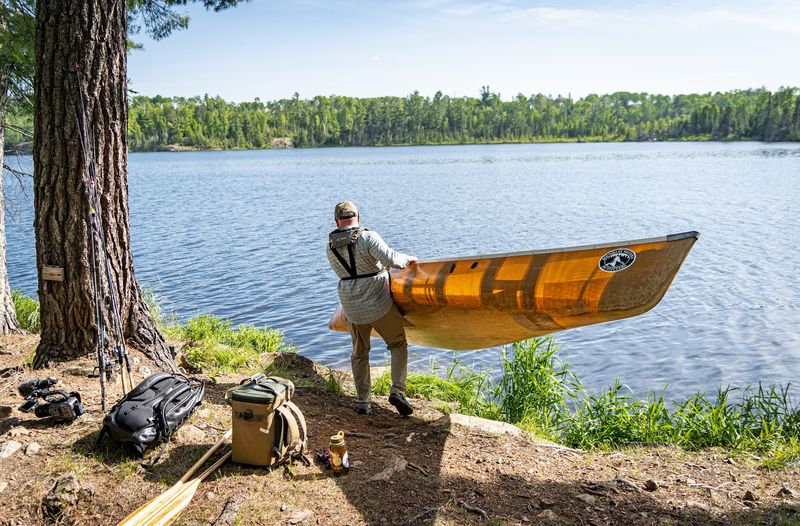
Roughly a hundred and twenty-five islands are scattered across Burntside, which turns a simple paddle into a puzzle of channels and dead ends. Some islands are big enough for cabins. Others hold a single wind-bent pine and a ring of rock.
Navigation matters more than distance out here, because bays repeat themselves and a wrong turn can add an hour. Carry a paper map and keep track of your heading.
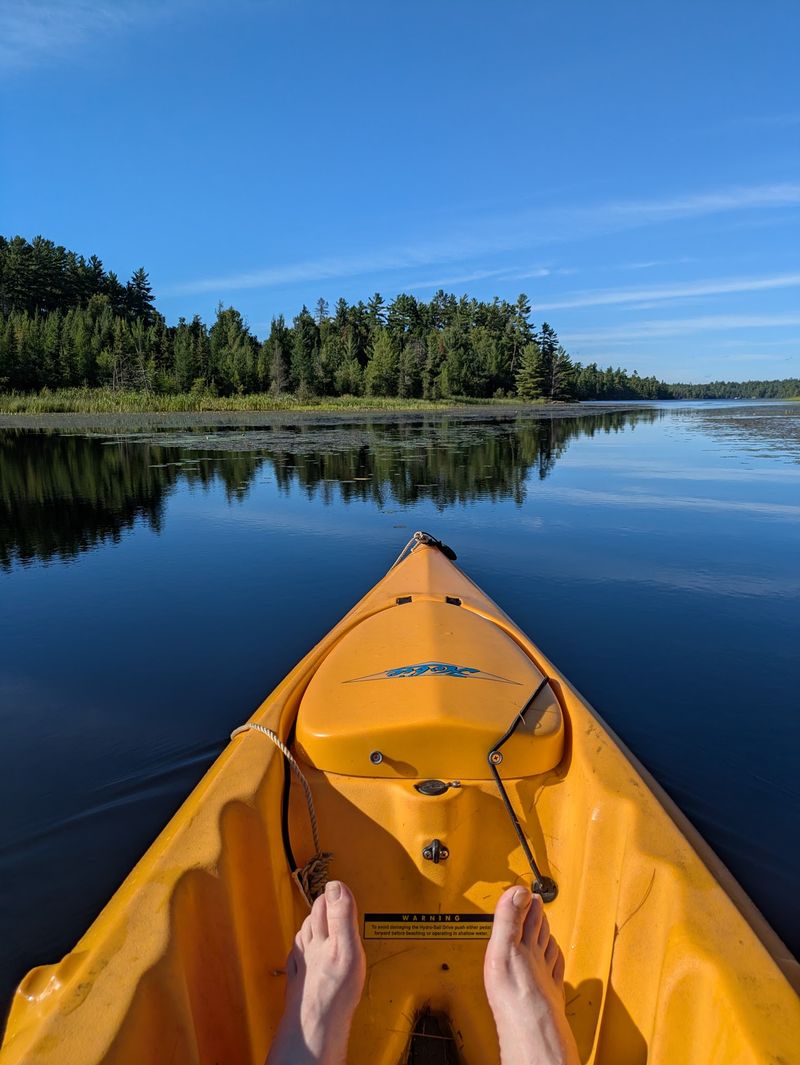
Wind is the other factor, since open stretches build surprisingly steep waves when a west breeze picks up in the afternoon. Early mornings tend to be glassy. Kayaks and canoes both work well, though a kayak handles chop with less drama.
Outfitters in Ely rent gear and can point out routes that keep you sheltered on rougher days.
The lake also serves as a warm-up for the Boundary Waters just north, so plenty of paddlers use it as a test run before longer trips. Portages are not needed here, which makes it friendly for beginners. Life jackets stay on, since the water is cold enough to sap strength fast.
Lake Trout, Smallmouth, And Early Alarm Clocks
Lake trout are the headline fish here, and they are the reason anglers show up before sunrise.
Cold, deep water suits them, with parts of the lake dropping past a hundred feet, so they hold in the depths through summer. Spring and fall bring them closer to the surface.
Smallmouth bass patrol the rocky points and give a scrappy fight on light tackle. Northern pike lurk in weedy bays, and walleye turn up too.
A Minnesota fishing license is required, and regulations for lake trout can differ from the general season, so check current rules before dropping a line.
Ice fishing has its own following, with shacks appearing once the lake locks up in winter.
Clear water makes fish spooky, which is a real thing here. Lighter line, longer casts, and less noise in the boat all help.
Local bait shops in Ely know what is working week to week, and their advice beats guesswork every time. Mornings before the wind builds are prime, and a thermos of coffee makes the early alarm easier. Patience does the rest.
Listening Point And A Writer’s Quiet Corner
Burntside carries a literary footnote that surprises a lot of visitors. Conservationist and writer Sigurd F. Olson kept a small cabin on this shoreline and named the spot Listening Point.
He wrote a book by the same name in 1958, and much of it circles back to the idea of sitting still long enough to notice things.
The site is cared for by the Listening Point Foundation, which runs educational programs and limited visits rather than open daily access. Arrangements need to be made ahead of time.
Even without stepping onto the property, the story changes how the lake reads. Olson’s writing helped build public support for protecting the canoe country north of here.
Sitting on a rock ledge with water lapping below, the whole listening idea makes more sense than it does on paper.
Pack the book if you can find a copy, then read a chapter while the light drops behind the islands. It hits differently with the real lake in front of you.
Century Old Log Cabins Along The Shore
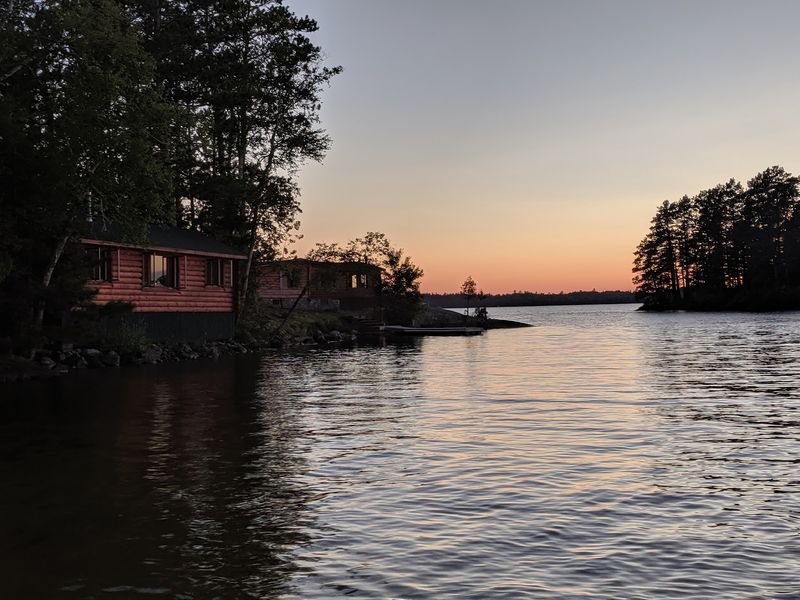
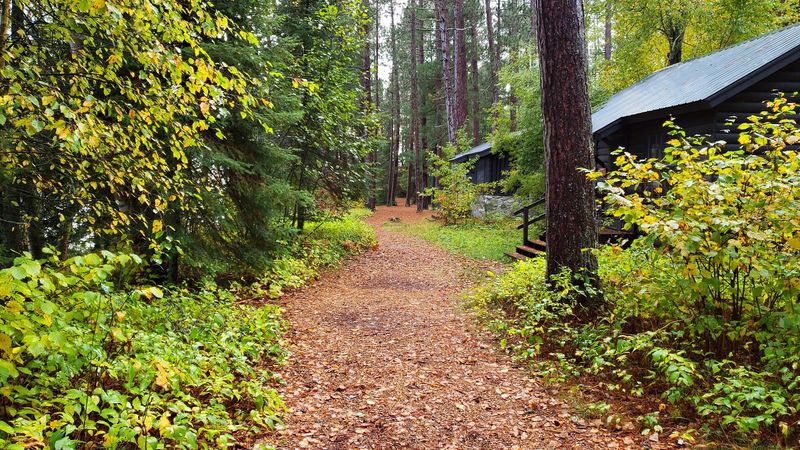
Log walls, stone chimneys, and screened porches set the tone at Burntside Lodge, where some buildings date back to 1913.
The property is listed on the National Register of Historic Places, which is unusual for a resort this far north.
Cabins sit spread out among red pines, close enough to the water that the sound of small waves carries indoors at night. Docks stretch out into the shallows.
Even from a boat, the shoreline architecture stands out, all dark timber and shingled roofs that seem to have grown out of the forest.
Reservations for lakeside cabins tend to fill early for summer weeks, so planning months ahead saves disappointment.
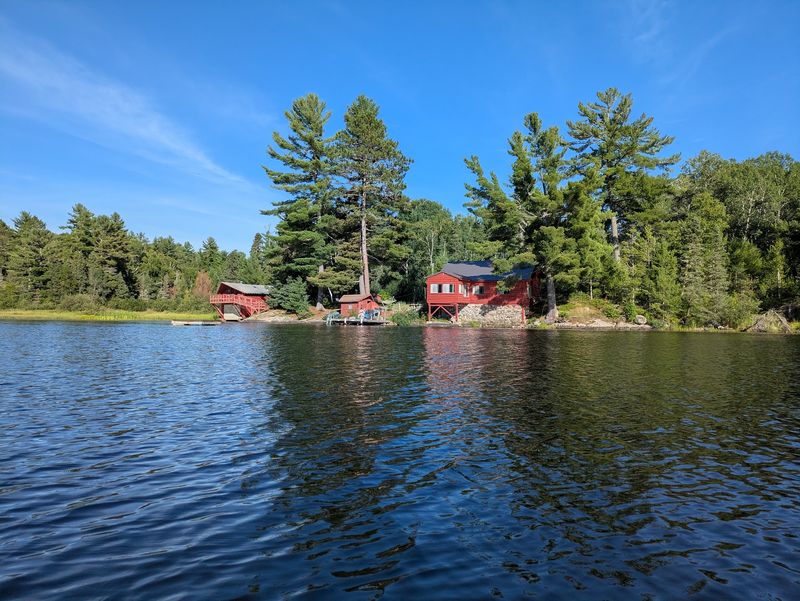
Beyond the lodge, older family cabins line parts of the shore, many passed down through generations. Boat traffic stays modest as a result, and the lake keeps a lived-in, unhurried feel.
If staying on the water is not in the plan, Ely has motels and rentals a short drive away, plus a boat launch for day trips.
History buffs will appreciate how little has been polished away here over the decades.
Rock Ridges, Blueberries, And Forest Footpaths
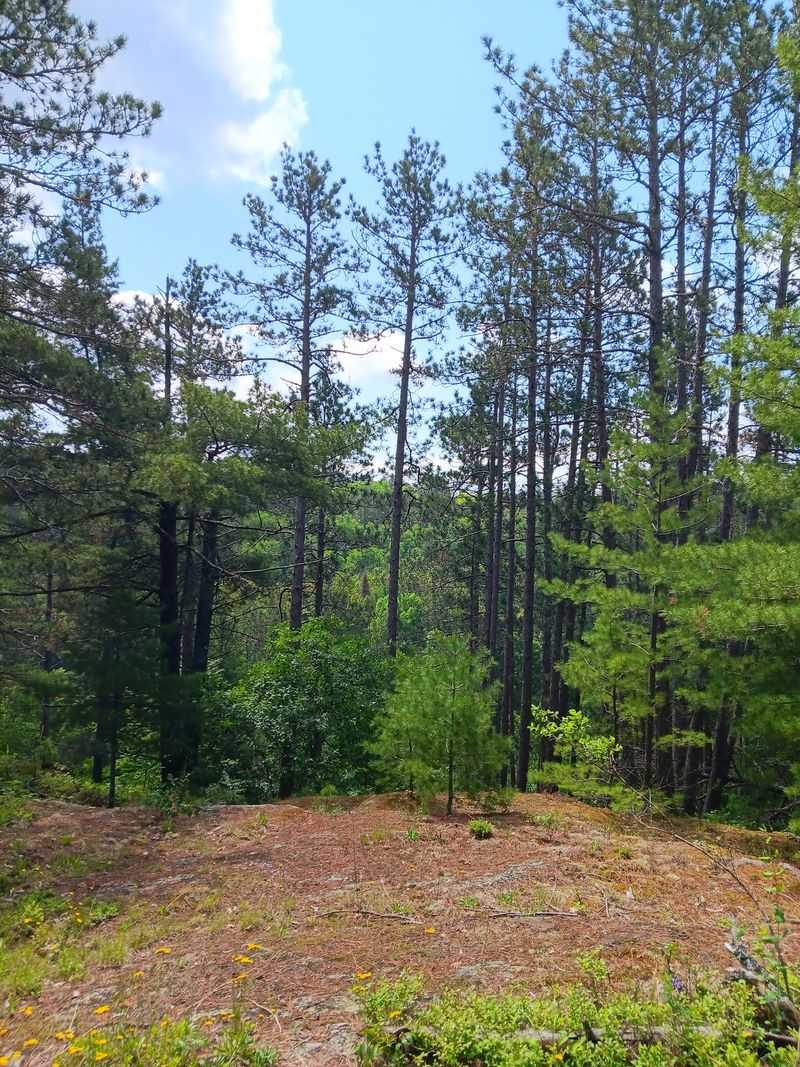
Boots come in handy once the paddling itch is scratched. Forest roads and footpaths thread through the woods around the lake, most of them within Superior National Forest land.
The North Arm area north of Burntside holds a network of trails used for hiking in warm months and skiing once snow arrives.
Bass Lake Trail, reached off the Echo Trail, climbs to overlooks above water and delivers a payoff worth the effort. Roots and rock slabs make footing uneven, so ankle support helps.
Blueberries ripen along sunny ridges in late July, low to the ground and easy to miss unless you slow down.
Maps are worth carrying, since junctions are not always signed clearly and one stand of birch looks a lot like the next.
Ticks are active in spring and early summer, which makes a quick check at the end of a walk a smart habit.
Water bottles empty fast in the heat, so carry more than seems necessary. The lake looks tempting, but treat it before drinking.
Quiet is the reward.
Loon Calls, Eagles, And Neighbors With Fur
Loons run the soundtrack here. Their calls carry across open water at dusk and again before sunrise, and the echo off the shoreline makes them sound closer than they are.
Bald eagles perch on dead pines and scan the shallows, often close enough to see the yellow of their beaks.
Otters show up in family groups, popping heads above the surface with what looks like genuine curiosity. Beavers work the quieter bays after sundown.
Black bears live in these woods, so food goes in the vehicle or a sealed container rather than on a picnic table overnight.
Moose sightings happen, though they are far from guaranteed, and wolves are heard more often than seen.
Binoculars change the whole experience, especially from a canoe drifting along a rocky point at first light.
Give nesting loons plenty of room, since paddling too close can push them off eggs. Watching from a distance is better for the birds and honestly better for photos too.
Mosquitoes are wildlife as well, and June is their month, so plan for long sleeves.
Picking Your Season And Basing Out Of Ely
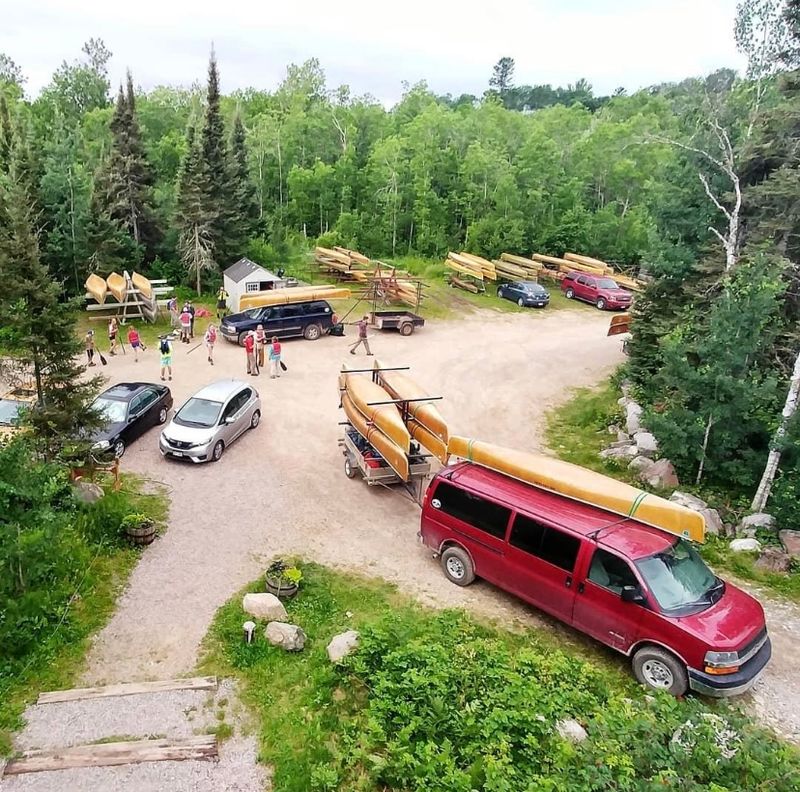
Timing shapes the trip more than anything else. July and August bring warm days, swimmable water, and the busiest stretch on the lake, which by northern Minnesota standards is still pretty calm. September thins the crowds, cools the bugs off, and paints the birch stands gold against dark spruce.
Spring comes late, with ice sometimes lingering into May, so early trips are a gamble. Winter locks the lake under ice, and snowmobiles, skis, and ice fishing take over. Roads get plowed but stay slick, so all-season tires are the bare minimum.
Ely sits just a few miles southeast and works well as a basecamp, with outfitters, groceries, cafes, and the International Wolf Center for a rainy afternoon. Fuel up in town before heading out, since services along the lake road are almost nonexistent.
Whatever the season, layers matter here. Temperatures can swing hard between afternoon sun and a still, cold evening on the water. Anyone wanting clear blue water without the noise will find it holds up.
Address: 2769 Van Vac Rd, Ely, MN 55731
