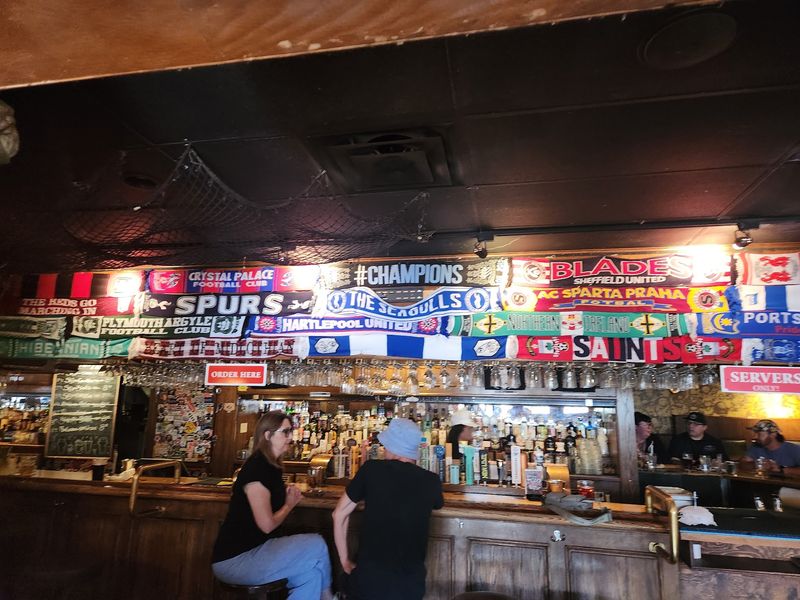
A single dollar bill stapled to a wall is a small thing. Thousands of them, signed and dated by strangers, turn a plain room into a paper scrapbook you can stand inside.
I love that the decor is built by visitors, not designers. Each bill can carry a name, a hometown, a joke, or a doodle.
Together they form a guestbook that keeps growing, one buck at a time.
This quirky habit shows up in remote spots across West Virginia, often down long back roads where the trees crowd the pavement. The farther you drive, the more the paper walls seem to make sense.
I can’t think of a cheaper way to leave a lasting mark on a place. It costs one dollar and a few seconds with a marker.
So what would you write on yours?
1. The Dollar Bill Wall Tradition
Paper money usually leaves a room fast. In a dollar bill bar, it stays put and slowly takes over the walls.
The idea is simple and oddly charming. You sign a bill, add a date or a note, and pin it up for good.
Nobody fully agrees on where the custom began. Many stories point to old taverns where workers left money on the wall so a future round was already paid.
Over time, the practical habit turned into a souvenir ritual. Today it works more like a giant autograph book than a savings plan.
You’ll find versions of the tradition across the country, from beach shacks to mountain lodges. West Virginia fits it especially well because so many of its gathering spots sit far from any town.
Out there, a place becomes a landmark through the people who stop by. The bills prove they were there.
I like that the decor costs the owner almost nothing. Visitors happily decorate for them, one signature at a time.
It’s a small act that adds up fast. A single wall can hold thousands of bills before anyone notices the paint is gone.
2. Why Remote Spots Do It Best
Long drives make people sentimental. By the time you reach a cabin bar at the end of a hollow, you want proof you made the trip.
That’s where the dollar bill wall shines. It turns a quick stop into a memory with your name attached.
Remote places often double as community hubs. They might be the only spot for miles to grab a meal, swap news, or warm up after a day outdoors.
Because of that, the walls collect a wide mix of names. Hunters, hikers, anglers, and families passing through all leave something behind.
You also get a sense of time on those walls. Faded bills sit near crisp new ones, and the dates tell you how long the habit has run.
In a big city, that kind of history gets lost in the shuffle. Deep in the woods, it piles up where everyone can see it.
There’s a practical charm here too. A dollar is about the cheapest souvenir you’ll ever buy.
You don’t carry it home, though. You leave it, and somehow that feels better.
3. Reading the Walls
Bring your reading glasses. The best part of a paper-covered wall is the tiny handwriting.
Some bills carry only a first name. Others hold full love notes, birthday wishes, or a family’s entire roster.
You’ll often spot hometowns written in the margins. It’s fun to see how far people traveled to stand in the same room as you.
Doodles show up too. Stick figures, hearts, and cartoon faces turn George Washington into a supporting actor.
Give yourself a few minutes to wander. The walls reward slow looking more than quick glances.
Kids usually love this part, and it doubles as a sneaky reading game. Ask them to hunt for the oldest date they can find.
Adults tend to get hooked in a different way. You start wondering about the couple who wrote “first trip together” and whether they ever came back.
It’s people-watching without the people. Every bill is a tiny story with no ending, which might be the most interesting kind.
4. Adding Your Own Bill
Here’s the cheapest permanent mark you can make on West Virginia. One dollar, one marker, and a little creativity.
Most dollar bill spots keep markers and staples or tacks handy. Ask the staff how they like it done before you start pinning things up.
Think about what you’ll write ahead of time. A name and date are classic, but a short inside joke can be more fun to find later.
Families often sign one bill together. It’s a nice way to mark a road trip, an anniversary, or a first visit.
Write clearly and use a dark pen. Light ink fades fast once a bill sits under lights for a few years.
Snap a photo after it goes up. With so many bills crowding the wall, finding yours again can turn into a scavenger hunt.
Some people even plan return trips just to check on their bill. That’s a sweet reason to come back.
You won’t get rich off this deal. You will get a story worth far more than a buck.
5. The Ceiling Overflow
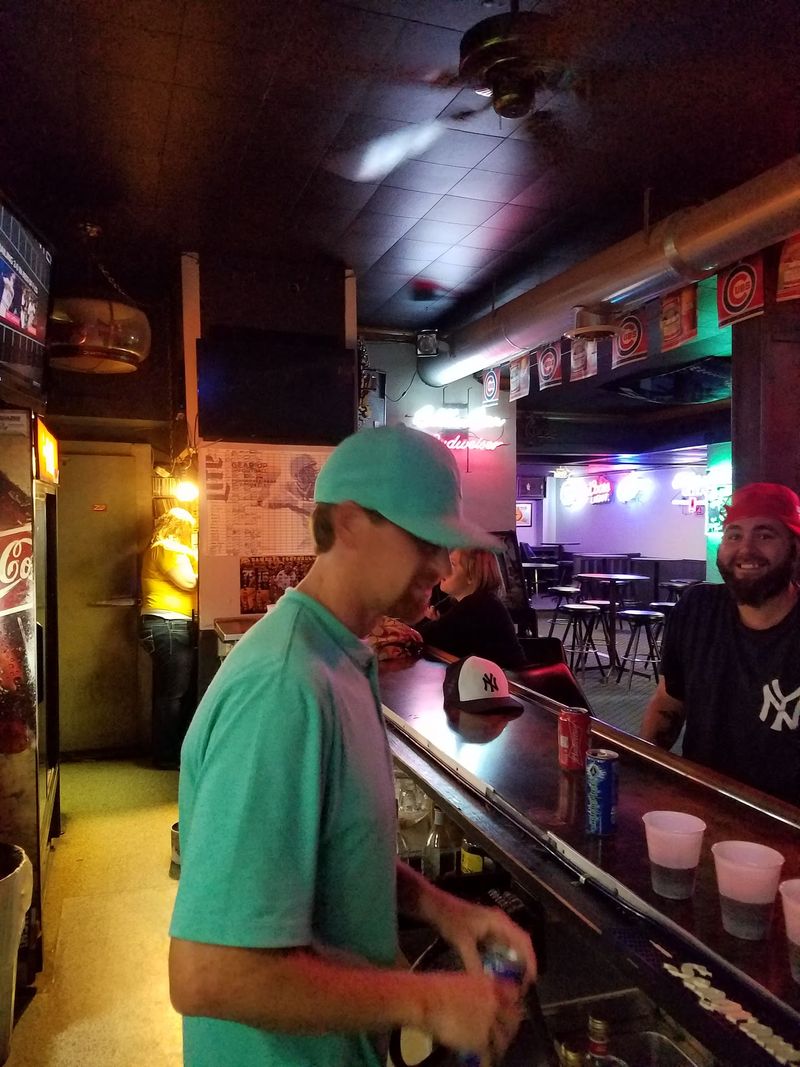
Once the walls fill up, people look up. Ceilings are the natural next frontier for a dollar bill collection.
Looking overhead in a room like this can feel a bit like standing under a paper quilt. Layers overlap until the wood underneath almost vanishes.
Some places even creep onto beams, posts, and doorframes. When every flat surface is taken, visitors get inventive.
You may need to tilt your head and squint. Bills near the top tend to be harder to read but often older.
That’s part of the appeal for repeat visitors. The room keeps changing, so no two trips look quite alike.
A friendly tip for families with little ones: lift them up for a better look. They’ll spot details grown-ups miss.
Ceiling bills also show how long a collection has been building. Thick layers usually mean many years of visitors.
It’s oddly impressive when you think about it. A whole roof’s worth of decor came from people who simply wanted to say hello.
6. What Happens to the Money
Everyone eventually asks the same question. What happens to all that cash?
The answer depends on the owner. Some places leave the bills up for decades and let the collection keep growing.
Others take bills down now and then for cleaning or repairs. Many dollar bill spots around the country reportedly donate that money to local charities.
That’s a lovely twist on the tradition. Your souvenir may one day help a food pantry, a fire department, or a scholarship fund.
If you’re curious, just ask politely. Owners usually enjoy explaining how their own wall works.
One thing to keep in mind is respect. Those bills belong to the business once they go up, so look but don’t pull.
Fire codes can also play a role in how long paper stays on the walls. Some places use treatments or rotate bills to stay safe.
Either way, the dollar does double duty. It decorates for a while, and it may do some good later.
7. Comfort Food on the Side
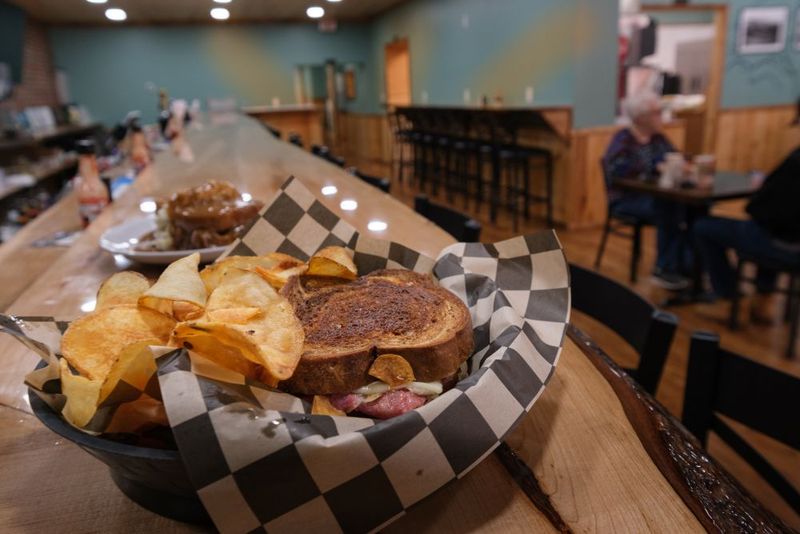
Paper walls are fun, but nobody drives an hour on an empty stomach. Many remote West Virginia taverns double as the local kitchen.
Menus at these country stops often lean toward hearty, simple dishes. Think burgers, sandwiches, and the kind of plates that fuel a day outside.
Every place is different, so check a current menu before you go. Hours can shift with the seasons in rural areas.
Eating while surrounded by thousands of signatures adds a little entertainment to lunch. You’ll probably catch yourself reading the wall between bites.
For families, a sit-down meal makes the trip feel complete. Kids can hunt for funny doodles while the grown-ups relax.
Calling ahead is smart when you’re far from town. Small kitchens may close early or run out of favorites on busy days.
Food also explains why these spots matter so much locally. They feed neighbors, travelers, and weekend explorers alike.
A full belly and a signed dollar is a pretty good trade. Few places offer both under one roof.
8. The Drive Through the Woods
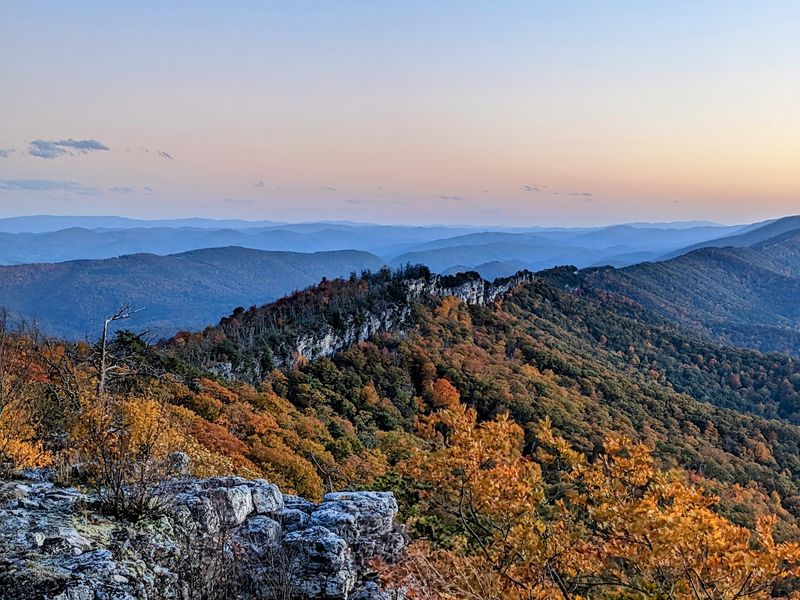
Half the fun happens before you park. Getting to a remote West Virginia hangout often means curvy roads and thick forest.
Plan for slow miles. Mountain roads can twist, climb, and narrow without much warning.
Cell signal can drop out in the hollows. Download your map ahead of time so you aren’t guessing at forks.
Fill your gas tank before leaving the last big town. Stations can be few and far between once the trees close in.
The scenery makes up for the effort. Ridges, creeks, and hardwood forests line many back routes.
Fall is especially pretty when leaves turn gold and red. Spring brings blooming laurel and rhododendron along some roadsides.
Leave extra time for photo stops. You’ll want them, and nobody enjoys rushing a mountain road.
By the time you arrive, the paper walls feel earned. That’s a big part of the magic.
9. Making It a Day Trip
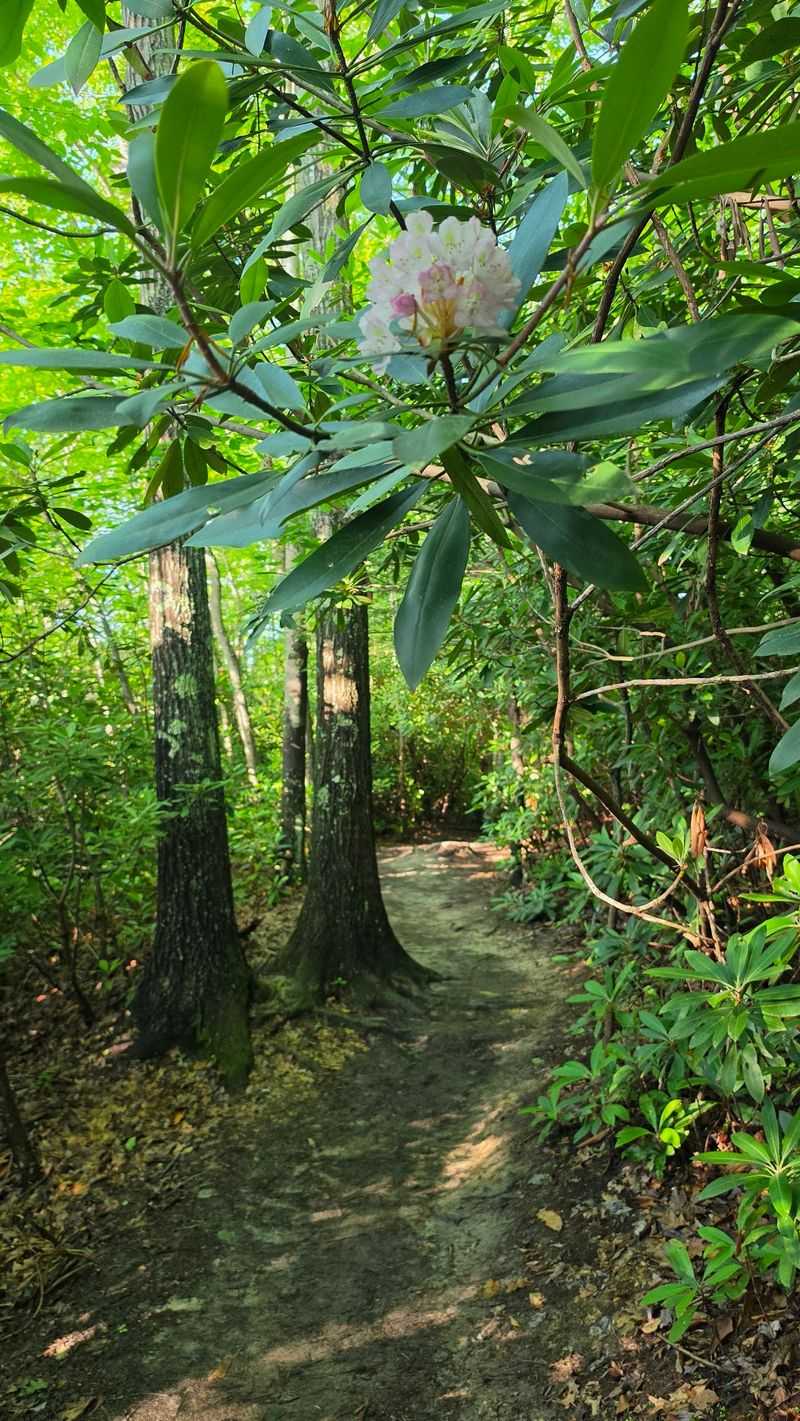
Why stop at one dollar? A remote tavern pairs nicely with a full day outdoors.
Many of these spots sit near rivers, trails, or state forests. That makes them a natural lunch or dinner break between adventures.
Look for nearby hiking paths or fishing access before you go. A morning outside makes the paper walls feel like a reward.
Parents get a breather too. Grabbing a meal in a quirky setting beats another fast-food stop by a mile.
Budget travelers will like the math here. Free trails plus a one-dollar souvenir make for an affordable outing.
Pack layers, since mountain weather can change quickly. A sunny valley morning can turn cool on the ridges.
Bring cash in small bills. You’ll need at least one for the wall, and rural spots sometimes prefer cash.
End the day with your bill pinned up. It’s a tidy bookmark for a good day in the hills.
10. Respecting the Wall
A wall of money runs on trust. Visitors add to it, and nobody takes from it.
Keep your hands to yourself once a bill is up. Tugging or peeling can damage older layers that have survived for years.
Write kind messages only. Families and kids read these walls too, so keep it friendly.
Ask before you photograph other guests. The wall is public, but the people in the room deserve their privacy.
Tip your server and thank the staff. Small rural businesses keep these traditions going through good years and lean ones.
It also helps to visit outside the busiest hours. You’ll have more room to read and more time to find your spot.
West Virginia hospitality tends to meet you halfway. Show respect and you’ll probably feel welcome in no time.
Leave the place better than you found it. In this case, that just means one more signed dollar and a smile.
