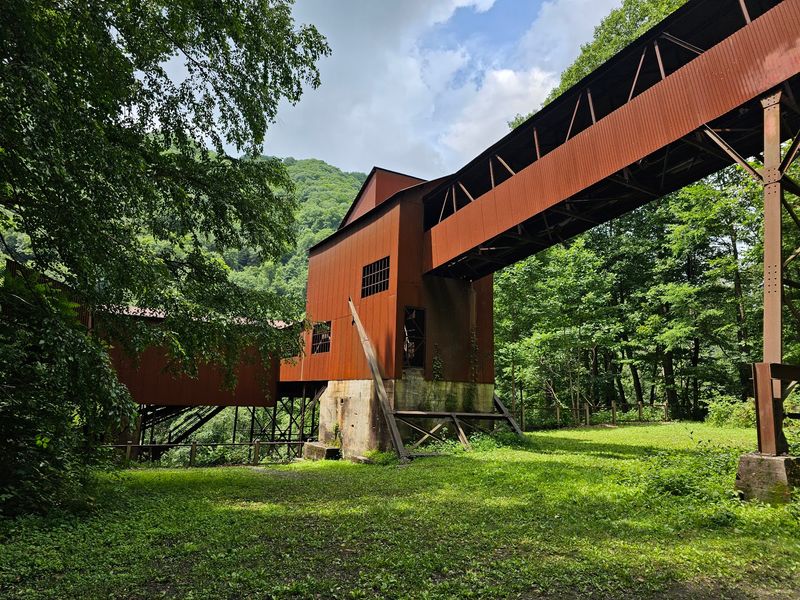
Hikers in one patch of the West Virginia mountains get an unusual warning before they set out. The Army used the land for training during World War II, and old artillery shells may still be hiding in the ground out there.
That same high plateau was once known mostly to botanists, hunters, and a few stubborn backpackers. Now it pops up on social media feeds and weekend trip lists across the region, and the gravel roads leading in feel the difference.
I love that a place this wild still exists, with bogs, meadows, and wind-carved rock on top of the world. I also get why longtime visitors worry about it getting loved a little too hard.
Across the state, quiet gorges, old coal towns, and forgotten rail lines are drawing new crowds too. So where is everyone going, and how do you enjoy these spots without adding to the squeeze?
1. Dolly Sods Wilderness
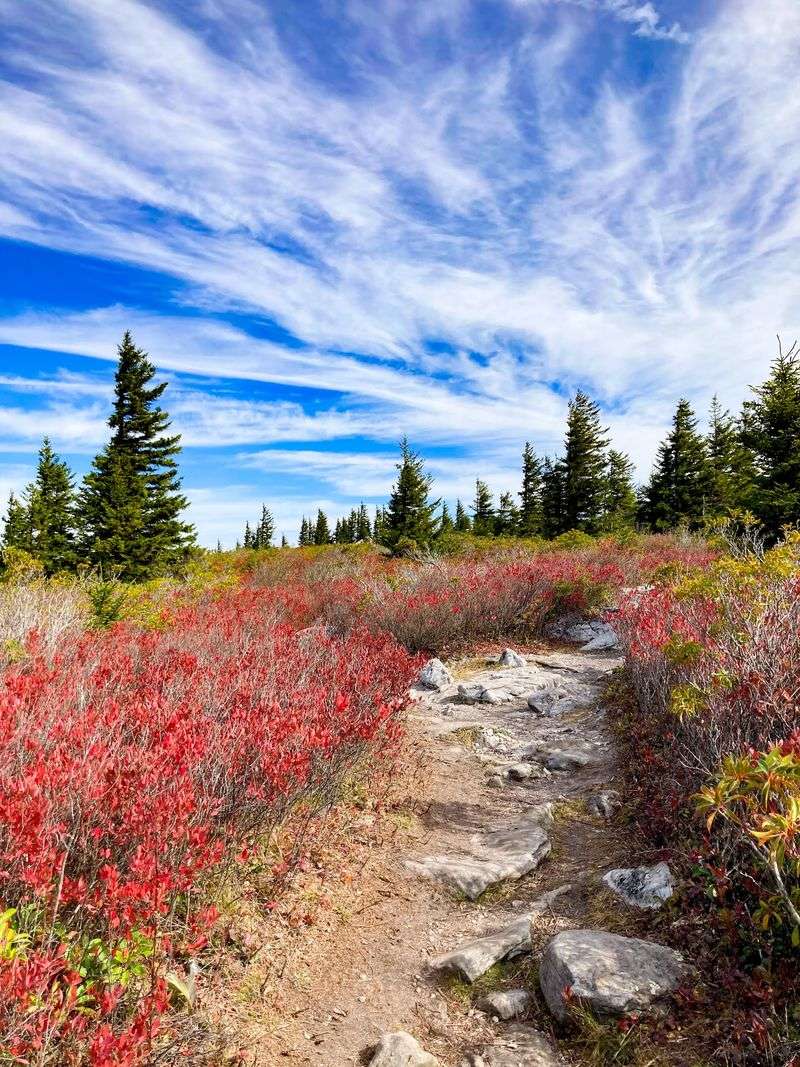
Few wilderness areas come with a warning about World War II artillery, yet that’s part of the deal here. The Army trained on this high plateau during the war, so staying on marked trails is a must.
Once you’re up top, the scenery feels borrowed from somewhere much farther north. Elevations climb from about 2,500 feet to over 4,700, with sphagnum bogs, grassy meadows, and wind-carved sandstone.
You get about 47 miles of trails to explore, and many follow old railroad grades and logging roads. Expect mud, boggy stretches, and water crossings, so waterproof boots earn their keep.
Popularity is the big story now. Dolly Sods has become a social media favorite, and the Forest Service has reportedly worked to manage parking and campsite pressure as visits climbed.
A few rules help protect the place. Camping and open fires aren’t allowed within 300 feet of Forest Road 19 or Forest Road 75, except at Red Creek Campground.
Bikes stay home too, since mechanical devices aren’t permitted on wilderness trails. Forest Road 19 also has scheduled maintenance closures, so check conditions before you load the car.
Address: Access via Forest Road 19 and Forest Road 75, Monongahela National Forest, WV
2. Canyon Rim Visitor Center
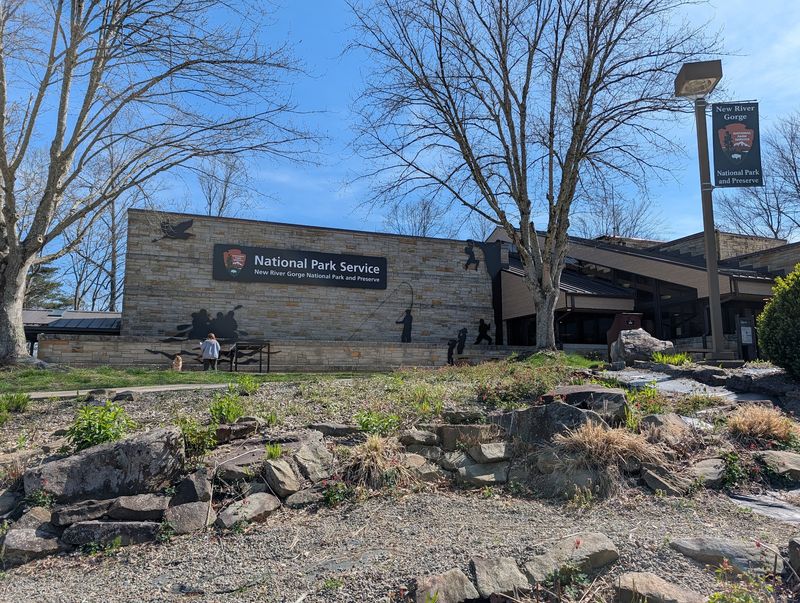
Roughly 300,000 people a year stop at this visitor center, which is a lot of company for a canyon rim. Blame the view, and the national park label that arrived in late 2020.
The building was designed to blend into the gorge, using sandstone and red oak. Inside, an exhibit room covers the area’s history, recreation, and natural history through photos and displays.
New exhibits arrived after a renovation kept the doors closed from January into early March 2024. If you like context before you hike, the 11-minute orientation film is a smart first stop.
Then comes the main event. A boardwalk leads to observation decks facing the New River Gorge Bridge, home to the longest steel arch in the Western Hemisphere.
Hours run daily from 9 a.m. to 5 p.m., except Thanksgiving, Christmas, and New Year’s Day. Arriving early is a solid move on busy summer and fall weekends.
Rangers can also point you toward quieter corners of the park. With so many people funneling through this one spot, a little advice can help you dodge the busiest overlooks.
Address: 162 Visitor Center Rd, Lansing, WV 25862
3. Nuttallburg
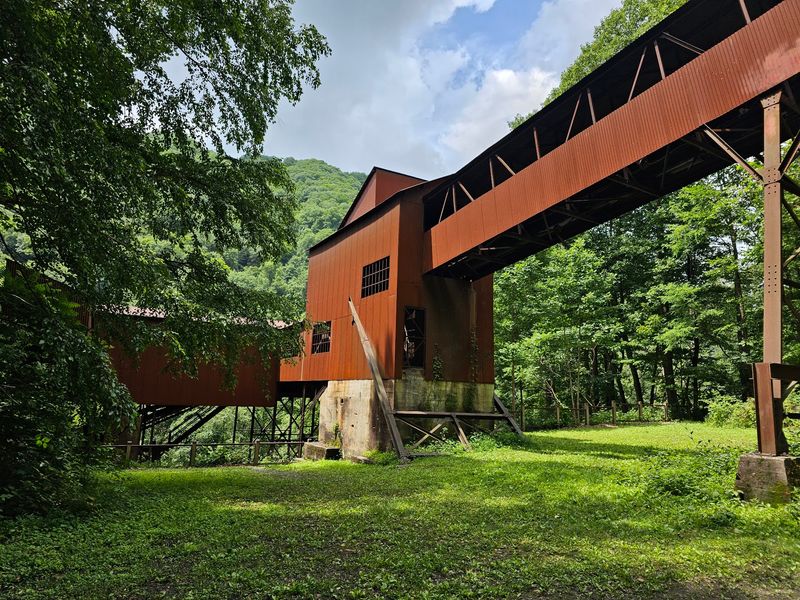
A coal town that once fed America’s furnaces now feeds hikers’ curiosity instead. Nuttallburg sits inside the national park, and its ruins tell the story of West Virginia’s mining boom.
The Nuttallburg Loop runs about 2.5 miles past history you can actually touch. You’ll pass old coke ovens, a large coal tipple, a conveyor, and foundations from homes and public buildings.
Henry Ford reportedly held an interest in the mines here in the 1920s, according to the National Park Service. It’s a fun reminder that this quiet hollow once had big-city connections.
As crowds discover the gorge, sites like this spread visitors beyond the bridge overlooks. That’s good news if you’d rather trade selfie lines for rusting steel and old stone.
Do check trail status before you go. Part of the Keeney’s Creek Rail Trail is closed above the Conveyor Trail junction because of structural damage to the trail and its bridges.
The lower section still connects to the Conveyor Trail, so you can piece together a solid outing. Pack water, take your time, and let the old tipple do the talking.
Address: Nuttallburg, near Winona, WV 25942
4. Cranberry Mountain Nature Center
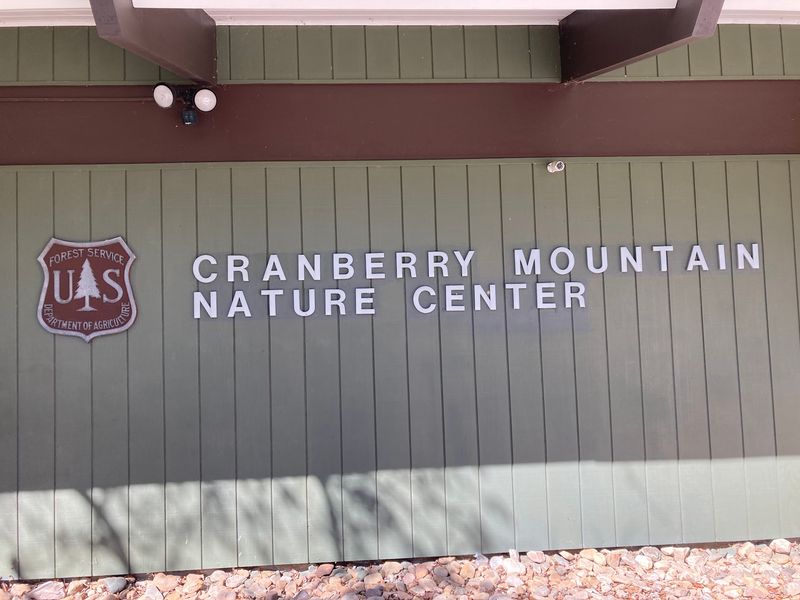
Live native snakes are the welcome committee at this mountain nature center, which is a sentence you don’t read every day. It’s one of only two visitor centers in the Monongahela National Forest.
That makes it a handy pressure valve as more people head into the forest. You can get oriented here before scattering toward the trails, glades, and scenic highways nearby.
Inside, you’ll find an exhibit hall, an auditorium, and a nature store. Outside, native wildflower and pollinator gardens grow alongside two interpretive nature trails.
Timing matters here. The center typically runs daily from mid-April through mid-October, with limited weekend hours in the shoulder months and a winter break from December through March.
Recent posted hours list Thursday through Monday, 9 a.m. to 4:30 p.m., closing at 4 p.m. on Sunday. Double-check before you drive, because mountain roads don’t forgive a wasted trip.
For parents, the snakes are an easy win with curious kids. For you, the gardens and quiet trails make a peaceful break from busier spots in West Virginia.
Address: Junction of Route 150 and Route 39/55, Hillsboro, WV 24946
5. Hatfield McCoy Trails Welcome Center
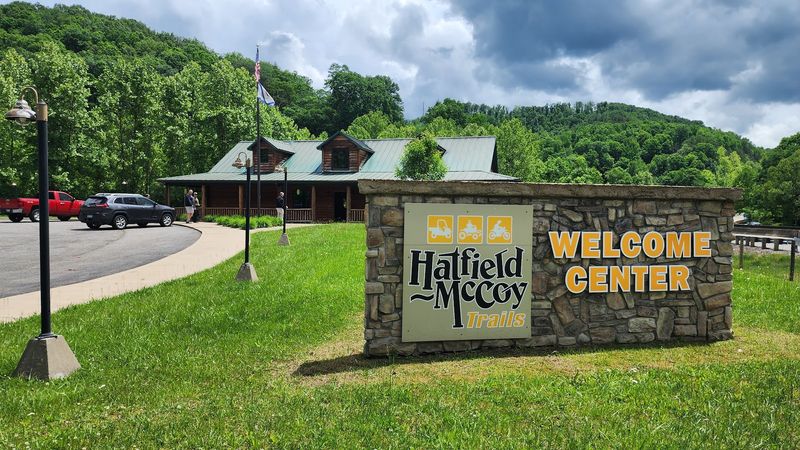
A family feud from the 1800s lent its name to an off-road trail network that now stretches about 500 miles. The Hatfield-McCoy Trails opened in October 2000 with 300 miles, and the growth hasn’t stopped.
Plans call for up to 2,000 miles across eight southern counties. That’s Boone, Lincoln, Logan, McDowell, Mercer, Mingo, Wayne, and Wyoming, for anyone keeping score at home.
Riders need permits, and this welcome center in Julian is one place to grab them. You’ll also find maps, area information, and Hatfield-McCoy Trails merchandise for the souvenir shelf.
Staff are on hand seven days a week from 9 a.m. to 5 p.m., except major holidays. The trails themselves stay open 365 days a year, so there’s no true off-season.
The system welcomes ATVs, UTVs, dirt bikes, mountain bikers, hikers, and horseback riders. Routes range from scenic cruises to tough single track.
Grab a paper map even if you trust your phone. Signal in the hollows can be spotty.
For southern West Virginia, that traffic means new business in towns once tied mostly to coal. It’s a comeback story you can ride right through.
Address: 28 Big Pinnacle Branch Road, Julian, WV 25529
6. Country Roads Byway Visitors Center
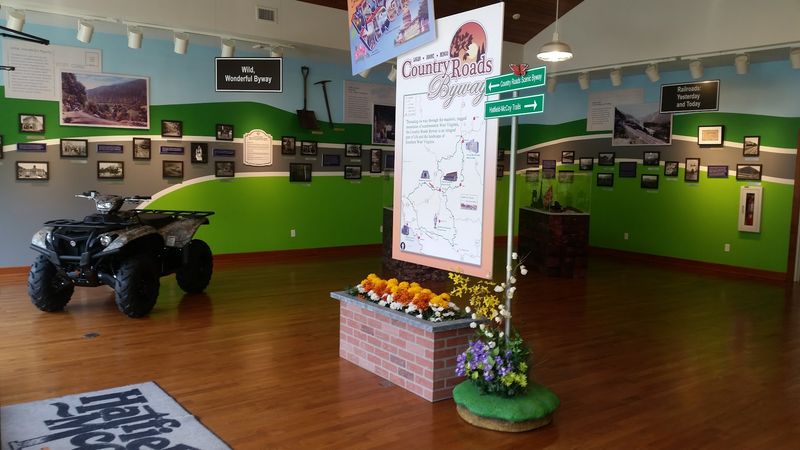
Logan’s visitor center pulls double duty, selling trail permits while sharing the region’s culture and history. That combo fits a county where the land tells stories older than any ATV.
Open seven days a week from 9 a.m. to 5 p.m., it closes only for major holidays. You can pick up permits, maps, and Hatfield-McCoy Trails gear in one stop.
Nearby, the Bearwallow Trail System is known for single track and challenging terrain. It’s also the only system in the Hatfield-McCoy network open to full-size off-road vehicles, alongside ATVs, UTVs, and motorcycles.
That makes Logan a natural base for riders hauling bigger rigs. It also means a town adjusting to a new kind of weekend crowd.
Ask about the cultural side while you’re there. The center shares information on the area’s heritage, which adds depth to a trip built around mud and horsepower.
Early risers can plan routes with staff before heading out. A few minutes of advice beats an hour of wrong turns.
West Virginia’s southern coalfields are writing a new chapter right now. Stopping here first helps you read it properly.
Address: 40 Welcome Center Drive, Logan, WV 25601
7. Greenbrier River Trail
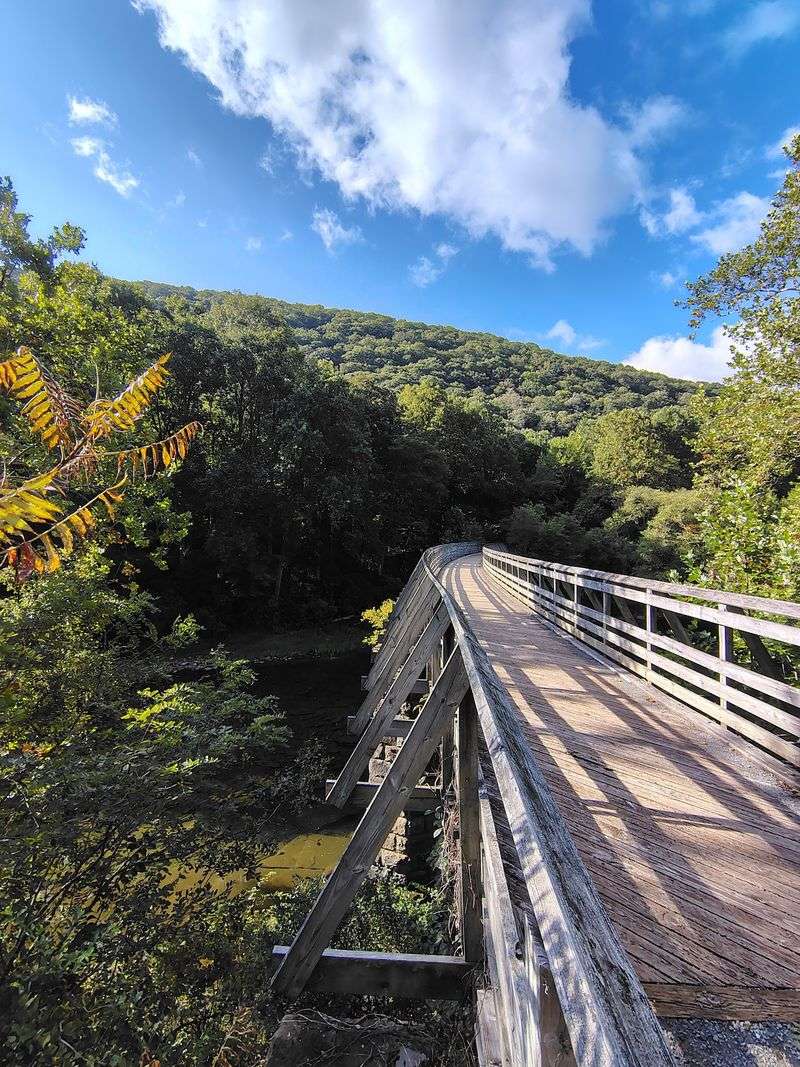
Seventy-seven miles of former railroad now carry bikes instead of freight along the Greenbrier River. It’s often described as one of the longest rail-trails in the Mid-Atlantic.
The grade stays gentle, since trains needed easy slopes. That makes it friendly for casual riders, walkers, and anyone who’d rather not suffer on vacation.
Marlinton is a popular access point along the route. From there, you can ride out and back or book a shuttle for a longer one-way trip.
Shuttle services typically bundle a ride to the trail with a full day’s bike rental. It’s a smart way to rack up big mileage without doubling back.
Growing interest in biking getaways has put this trail on more travelers’ radar. Even so, its sheer length helps spread people out, so finding a stretch to yourself is still possible.
Bring snacks and plan your water stops. Towns along the trail are small, and services can sit far apart.
Picking a cooler morning start helps too. The river views look even better when you’re not rushing to beat the heat.
Address: Trail access in Marlinton, WV 24954
8. Greenbrier Bikes
Adaptive tandems and hand-cycles on the rental list say a lot about who this Marlinton shop wants on the trail. Pretty much anyone, it turns out.
Greenbrier Bikes is a full-service shop renting e-bikes, standard bikes, adaptive tandems, and hand-cycles. That range matters as more families and older riders discover the area.
E-bikes are a sneaky upgrade for parents. You still get the river miles, but your legs might actually have something left for dinner.
The shop also runs shuttles to local trails, including the Greenbrier River Trail and the Monday Lick Trail System. Shuttles save you from planning a car swap, which is half the battle on a long trail.
Repairs and gear sales round out the services. If a chain slips or you forgot gloves, you can sort it out right in town.
Marlinton isn’t a big place, but it’s become a key stop for bike travelers in West Virginia. Shops like this help explain why the crowds keep coming.
Booking rentals ahead is wise in peak season. Popular bikes can go fast when the weather turns perfect.
Address: 916 3rd Ave, Marlinton, WV 24954
9. Blackwater Bikes
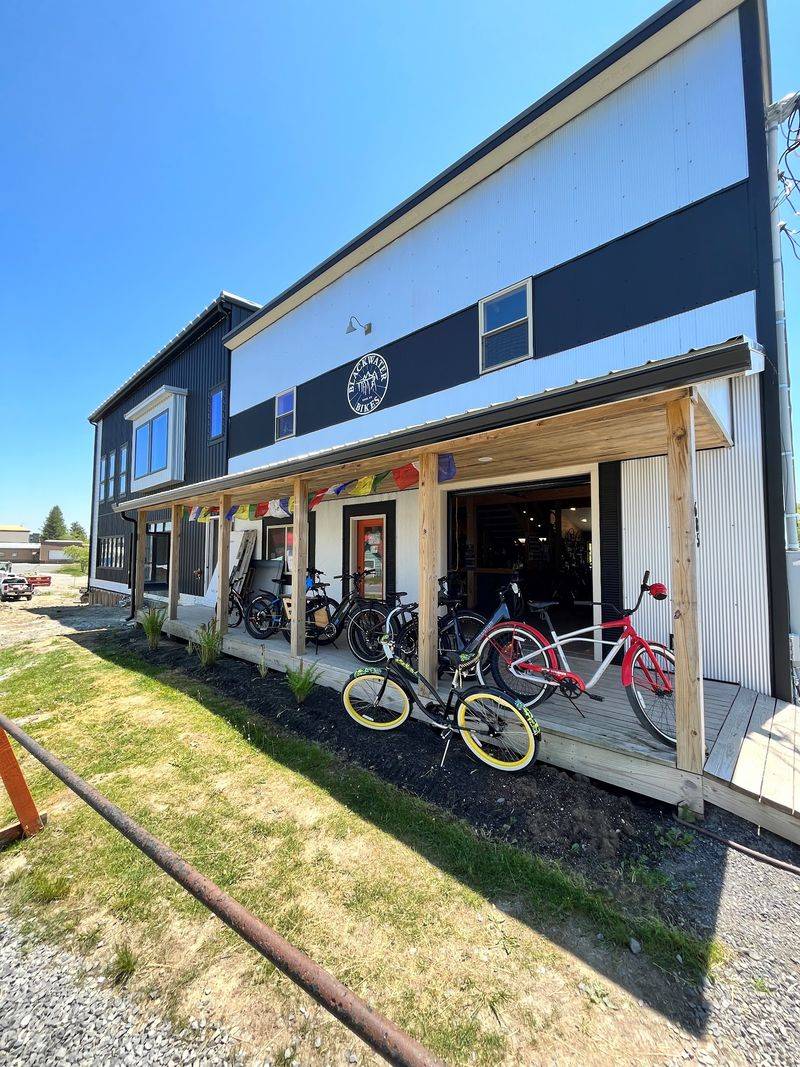
Davis is often called the highest incorporated town in West Virginia, and its bike shop sits right in the thick of the action. Blackwater Bikes offers sales, rentals, and repairs by certified mechanics.
The town works as a launch pad for outdoor fun. Blackwater Falls State Park and Dolly Sods are both close, and the Cheat River draws whitewater paddlers.
Mountain biking in the surrounding Allegheny Mountains is a big part of the appeal. A full-service shop means you can rent a ride instead of strapping bikes to the car.
More visitors have brought more businesses too. A new store called Mountain Trails is opening right next door, a small sign of how busy this corner has become.
That growth cuts both ways for a tiny mountain town. You’ll find more options than before, but weekend sidewalks may feel livelier than longtime fans remember.
Visiting midweek can help. You’ll likely find easier trailhead parking and more time to talk routes with the shop crew.
Address: 685 William Ave, Davis, WV 26260
10. Firecreek BBQ & Steaks
Big days in the gorge build big appetites, and Fayetteville has learned to feed them. The town has grown into the go-to base for New River Gorge adventures.
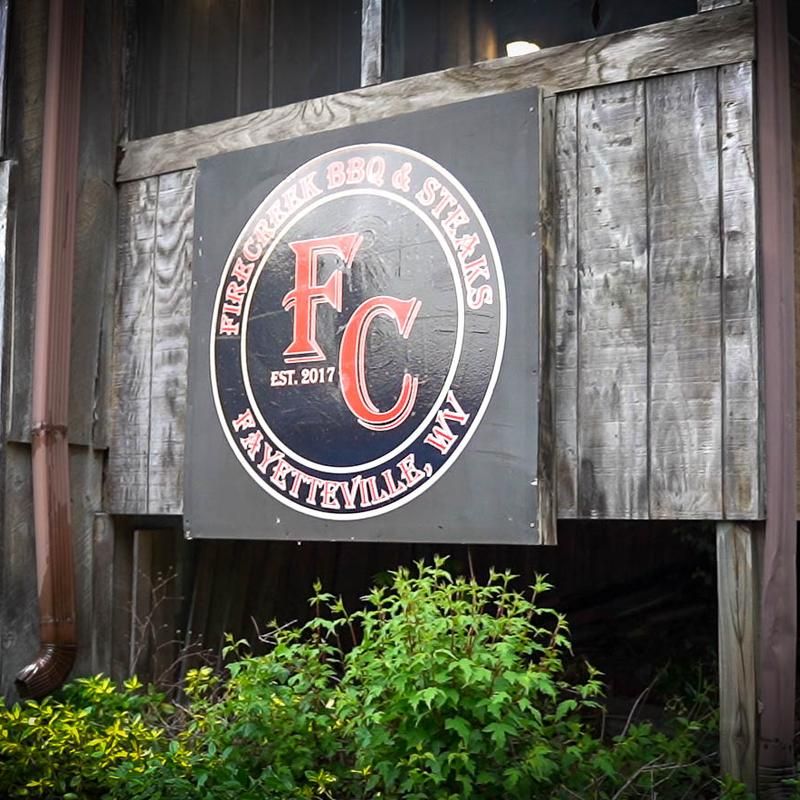
Firecreek BBQ & Steaks keeps the menu focused on ribs, steaks, and comfort-food plates. It’s the kind of food that makes sense after hours on a canyon trail.
Location helps too. The Keller Avenue address keeps it right in town, so there’s no long drive after a long hike.
Fayetteville’s food scene has expanded as the national park gained fame. Cafes, pizza spots, and barbecue joints now give visitors real choices.
One longtime neighbor, Cathedral Cafe, has served the town since 2000 from an old stone church. That mix of old favorites and newer spots shows how the town is changing.
Planning ahead is wise during peak seasons. A town this small can feel the squeeze when the gorge is buzzing.
Grab a plate, swap trail stories, and let West Virginia’s newest national park work up your appetite one more time. Then roll back to the rim for sunset.
Address: 310 Keller Avenue, Fayetteville, WV 25840
