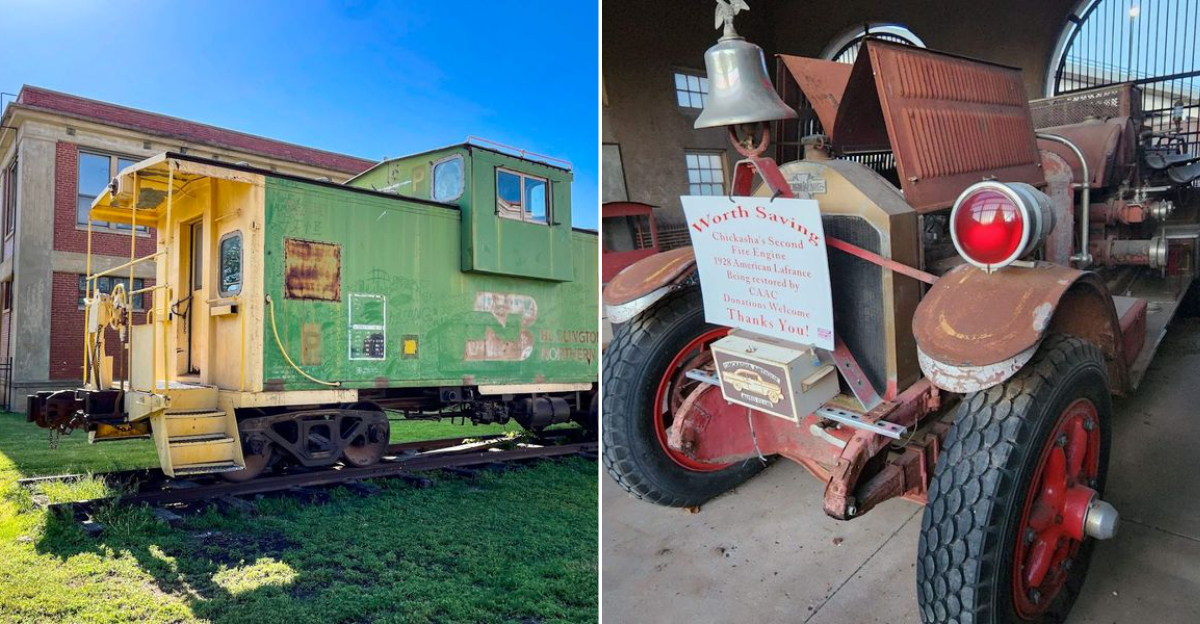
What if a restored train depot held a free antique car museum inside its old walls? That is exactly what you will find in Oklahoma, where a historic station has been transformed into a transportation museum filled with vintage automobiles and train memorabilia.
The building was constructed in the early nineteen hundreds, and the antique auto club that restored it has been preserving the history of early transportation for decades.
You can walk through the same doors where passengers once boarded trains and find yourself surrounded by gleaming classic cars, old photographs, and artifacts from a bygone era.
The museum is free and open to the public, a rare gift that makes this stop even more worthwhile. It is the kind of place where you come for a quick look and end up staying for an hour, reading every plaque and admiring every curve of chrome.
A stop here is a step into the past, and it costs nothing but your curiosity.
The First Look From The Street
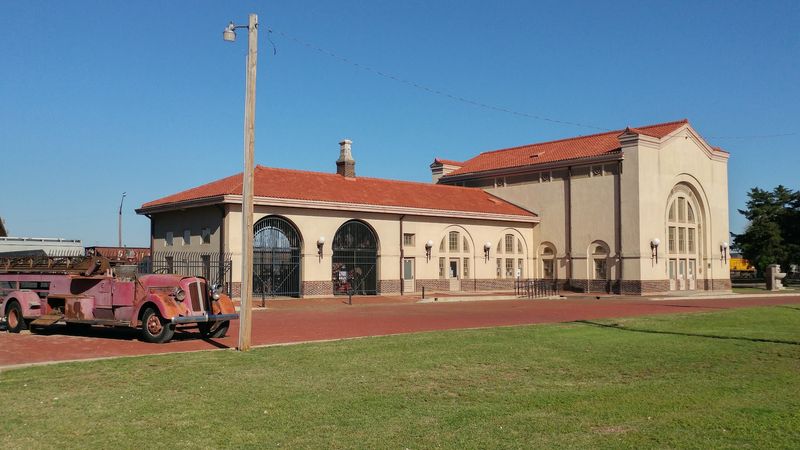
The first thing that got me was how solid and self-assured the building looks, like it has been sitting there long enough to know it does not need to impress anybody. You see the red brick, the roof tiles, and those old railroad lines of the place, and the whole thing feels grounded in a way that newer attractions rarely do.
It looks like Oklahoma history standing right in front of you, and honestly, that alone makes you slow down.
What I appreciated right away was that the depot does not feel overly polished or scrubbed into something artificial for visitors. It still carries that train station personality, which means you can sense movement, waiting, arrivals, and all the everyday life that once ran through here.
Instead of feeling staged, it feels lived with, and that makes the museum inside feel more believable before you even open the door.
There is also something fun about realizing a railroad depot is hiding antique cars, because that is not the combination most people expect. The surprise works in its favor, and it gives the whole stop a slightly offbeat charm that feels very Chickasha.
By the time I walked in, I already had the feeling this place was going to be more memorable than a standard museum visit.
Where You Will Actually Find It
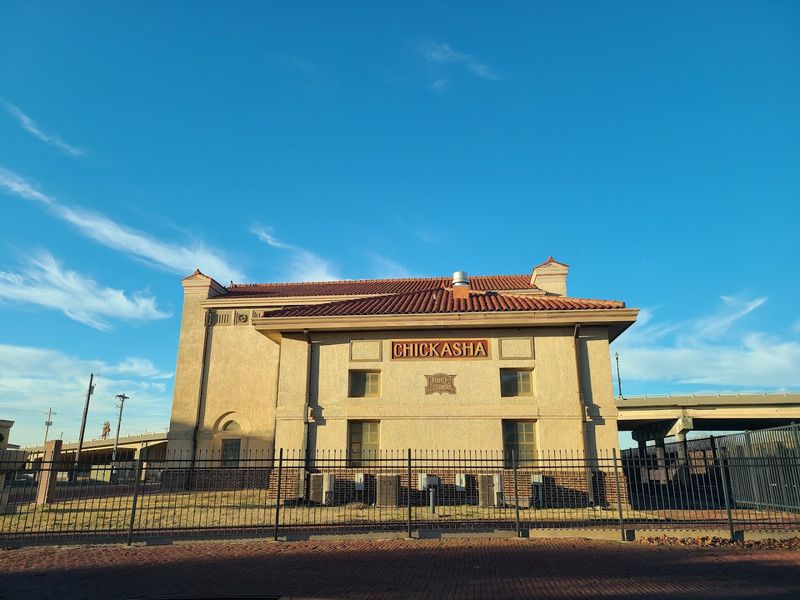
If you are heading over, the place is Rock Island Depot And Antique Auto Museum, 100 E Chickasha Ave, Chickasha, OK 73018, and it sits right where the old railroad energy still feels like part of the town. I always like when a place is easy to understand as soon as you arrive, and this one makes sense the moment you see it.
The depot belongs to downtown rather than floating off by itself, which gives the visit a nice everyday feeling.
That setting matters more than you might think, because you are not just visiting a building with exhibits tucked inside. You are stepping into a piece of Chickasha that helped shape how the town grew, moved, and connected to the rest of Oklahoma.
Once you know that, even the sidewalk outside starts to feel like part of the story instead of just a way to reach the door.
I also liked that the museum feels approachable rather than formal, which suits the location perfectly. You can fold it into a casual day without turning the whole trip into a giant production.
It feels like the kind of place a local would mention almost offhand, and then later you would realize it ended up being one of the things you remembered most.
Why The Building Feels So Important
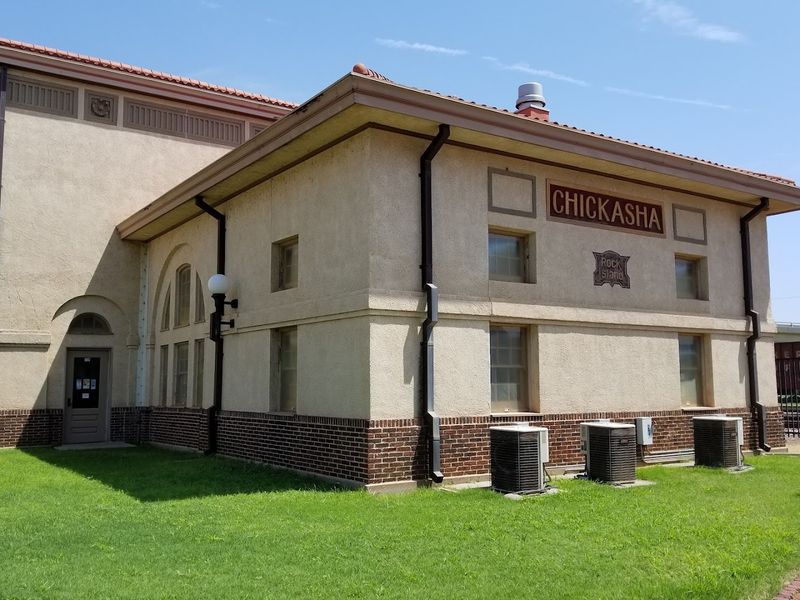
Once you start reading about the depot itself, the whole visit gets deeper in a hurry, because this was not some decorative old building saved only for looks. It mattered to Chickasha in a practical, daily way, moving people, freight, livestock, and all the messy real stuff that helps a town become a town.
You can feel that purpose lingering in the structure, and I think that is why the place has such a steady presence.
There is something really satisfying about standing in a restored station and remembering that railroads shaped huge parts of Oklahoma life. Towns grew around them, local businesses depended on them, and whole routines were built from the arrivals and departures that happened here.
That history can sound abstract when you read it on a marker, but inside this depot, it starts to feel physical and human.
I found myself paying attention to details I might normally breeze past, because the building makes you want to connect the architecture to the stories it held. It is not flashy history, and maybe that is why it lands so well.
You leave with the sense that this depot earned its place, and the restoration did not erase that working spirit that made it matter in the first place.
The Surprise Waiting Inside
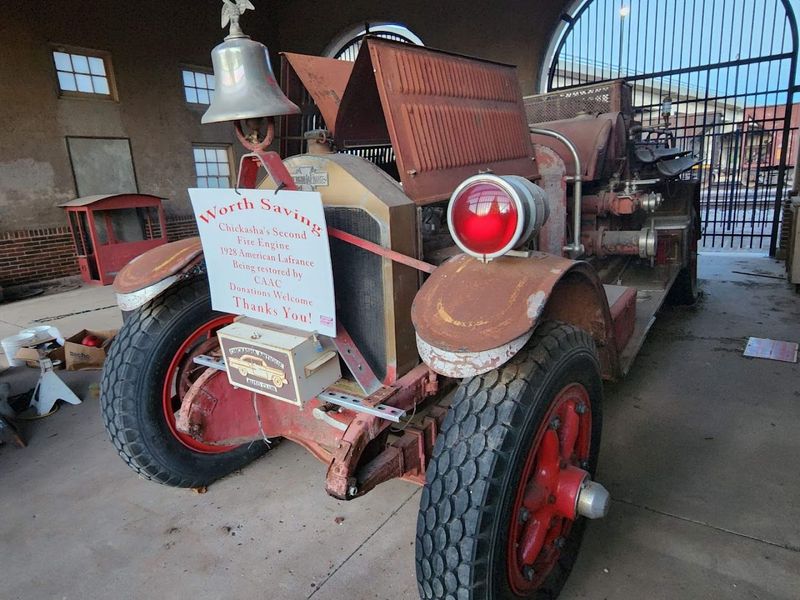
I think the best part of walking in is the quick little mental adjustment you have to make, because your brain says train depot and then suddenly you are looking at antique cars. That unexpected shift gives the museum a friendly energy right away, almost like the building is letting you in on a local secret.
Instead of one-note history, you get layers, and that makes the whole place more fun to wander.
The cars themselves are the kind of display that pull people in even if they did not arrive thinking they cared much about old automobiles. You start noticing curves, paint, trim, steering wheels, and all the design choices that make older vehicles feel so expressive compared with a lot of what we see now.
There is a real warmth to seeing them inside a restored depot, where transportation history from different eras somehow fits together without feeling forced.
What I liked most was that the museum does not come across as slick or overly curated for effect. It feels personal, as if the people behind it genuinely enjoy preserving these machines and sharing them with whoever walks through the door.
That tone matters, because it keeps the experience relaxed, curious, and easy to enjoy at your own pace.
The Fact That Admission Is Free
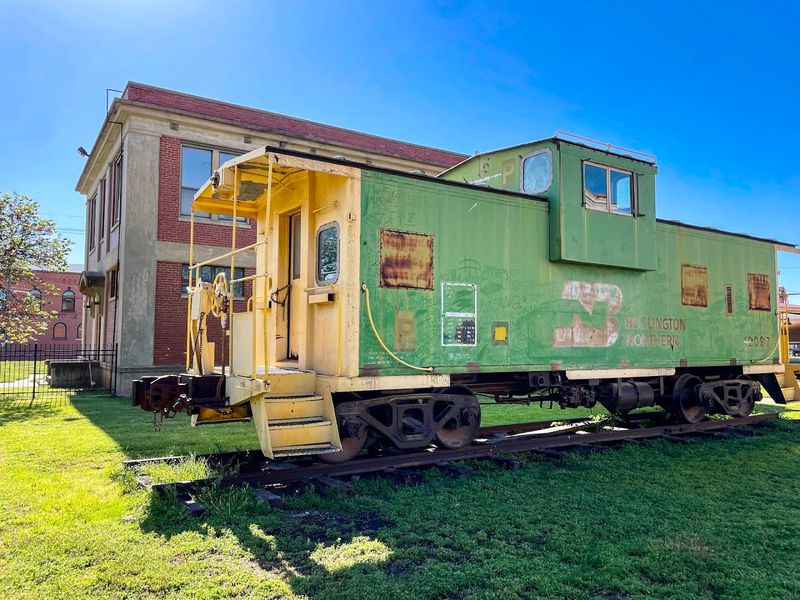
I have to say, the fact that this museum is free changes the mood in the nicest possible way, because you walk in feeling curious instead of calculating whether you need to make the visit worth a ticket. That sounds small, but it really does make you slower and more open to what is around you.
You can just look, read, notice things, and let the place unfold without that pressure hanging over the experience.
Free admission also fits the personality of the depot, at least from where I stood. It makes the museum feel like a community space first and a tourist stop second, which is exactly the kind of place I tend to remember.
In Oklahoma, some of the most affecting places are the ones that seem genuinely meant to be shared, and this one absolutely has that spirit.
There is something refreshing about a museum that does not act like it needs to sell itself through spectacle. It simply opens the door and trusts that the building, the cars, and the local history will do the work.
For visitors, that means you can drop in on a whim, linger if you want, and walk out feeling like you stumbled into a piece of Chickasha that was happy to meet you halfway.
How The Restoration Still Feels Honest
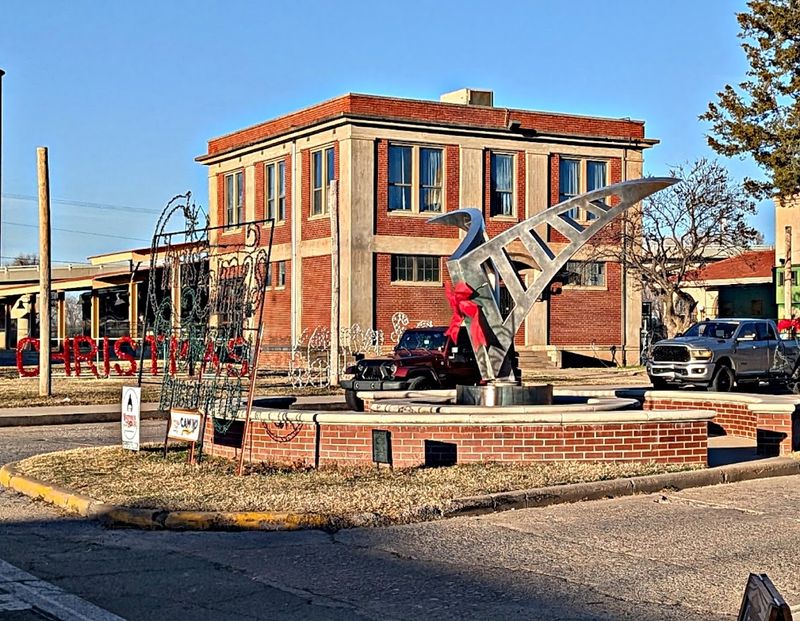
One thing I really respected here was how the restoration still lets the depot feel like a depot. You do not walk in and get the sense that every rough edge was polished away until the building forgot what it used to be.
The place has been cared for, obviously, but it still keeps that old transportation backbone, and that honesty gives the whole museum more character.
The story behind the saving of the building matters, too, because it was not rescued by accident or left to fade quietly into memory. Local people stepped in, restored it, and helped turn it into something the community could keep using instead of just admiring from a distance.
That kind of effort shows up in the atmosphere, and you can feel it in the way the depot seems both preserved and alive.
I think that is why the building never feels precious or sealed off from ordinary life. It stands there as part of Chickasha rather than above it, and that is a harder balance to strike than people realize.
In Oklahoma, plenty of old places tell you they matter, but this one quietly proves it through use, care, and the simple fact that you can still walk through it and feel the purpose beneath the restoration.
A Place That Still Belongs To The Town
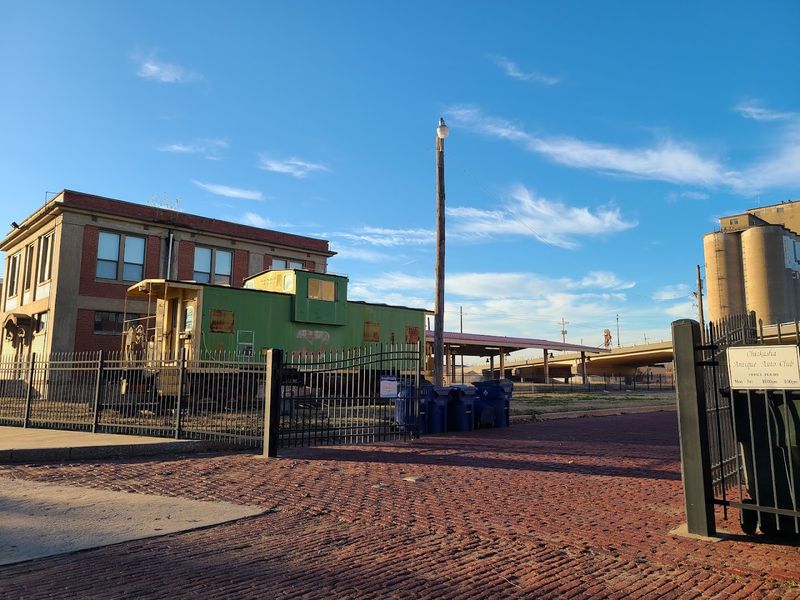
What I found especially appealing was that the depot is not frozen in a single role, like some places that only come alive when visitors show up. It still works as a community landmark, and that gives the whole property a warm, current pulse.
You are not only looking backward here, because the building is still part of how Chickasha gathers, celebrates, and recognizes itself.
That ongoing use makes a huge difference in how the space feels when you are walking through it. Even when things are quiet, you can tell this is the kind of building that hosts events, welcomes people in, and keeps showing up for the town in practical ways.
I like that, because it means the depot is not preserved behind glass in some emotional sense, even while the museum honors its past.
There is also something very Oklahoma about a historic site continuing to serve the people around it rather than becoming overly formal. The building seems comfortable with both memory and motion, which is exactly what a former depot should feel like, if you ask me.
You come away understanding that its story did not stop when the trains did, and that continuation gives the visit a depth that sneaks up on you.
Why This Stop Stays With You
By the time I left, what stayed with me was not just that there were antique cars inside an old train depot, though that is a pretty great sentence on its own. It was the feeling that the whole place had been assembled with affection rather than ambition, and you can sense the difference immediately.
Chickasha comes through here as a town that values memory in a grounded, usable way, not as a performance.
That matters because so many travel stops blur together after a while, especially when they are trying too hard to become the thing you post and then forget. This depot has the opposite effect, because it settles into your mind slowly through texture, story, and the simple surprise of how much it contains.
Long after you leave, you remember the building first, then the cars, then all the smaller exhibits that gave the place its shape.
If a friend asked me whether it is worth pulling over for, I would say yes without overthinking it. Not because it is flashy, and not because it needs a big sales pitch, but because it feels real in a way that is getting harder to find.
In Oklahoma, that kind of stop can end up being the one you talk about most on the drive home.
