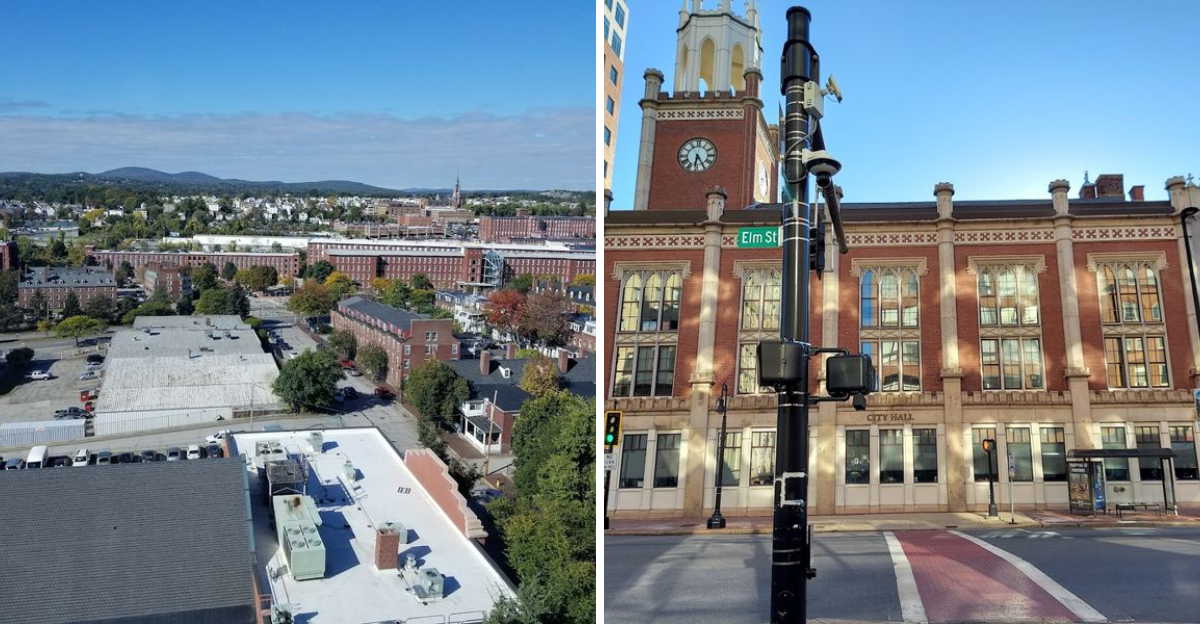
You could be forgiven for thinking you were somewhere else. The brick buildings line the river, and the bridges arch gracefully over the water.
Cafes spill out onto the sidewalks. This riverfront New Hampshire city feels like a little slice of Europe.
The streets are walkable and charming, filled with independent shops and restaurants. The river is the heart of the city, and people gather along its banks to walk, bike, and relax.
I spent a day exploring the city on foot, stopping for coffee and a pastry at a small cafe. The pace of life was slower here, more intentional.
That is the thing about this New Hampshire city. It does not feel like a typical American city.
It feels like somewhere you would want to linger.
The Amoskeag Millyard, Where History Towers Above the River
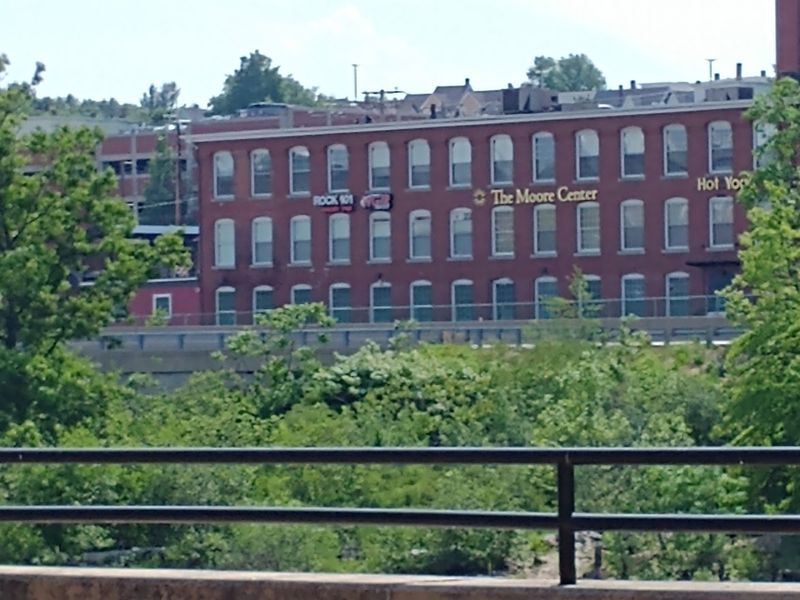
Stand at the edge of the Merrimack River and look up. Rows of towering red-brick mill buildings stretch along the riverbank. For a moment, you’d swear you’d teleported to Manchester, England rather than Manchester, New Hampshire.
The sheer scale of the Amoskeag Millyard is genuinely jaw-dropping, the kind of architectural statement that takes your breath away before you even read a single information plaque.
Once the largest textile manufacturing complex on earth, this walled city of industry spanned over a mile of riverfront. The buildings were engineered with a precision and grandeur that rivaled anything being constructed in Victorian Europe at the time.
Massive windows flood the interiors with light, and the brickwork carries an almost musical rhythm as it repeats across every facade.
Today, the Millyard hums with a completely different energy. Creative businesses, tech startups, and cultural organizations have moved into these magnificent shells, giving old bones a thrillingly modern heartbeat.
Walking the grounds feels like flipping through a history book that somehow stayed alive. Every arch, every loading dock, every cobblestone pathway adds another chapter to the story of how Manchester, New Hampshire became the city it is today.
Currier Museum of Art, A Grand Tour Without the Jet Lag

Art lovers, prepare to have your expectations completely shattered in the best possible way. The Currier Museum of Art in Manchester, New Hampshire punches so far above its weight class that walking through its galleries feels like stumbling into a major European institution by happy accident.
Picasso, Matisse, Monet. Yes, those names, right here in New Hampshire.
The collection spans centuries of American and European masterwork, displayed in galleries that feel both intimate and impressive. Natural light pours through carefully designed spaces, making every painting glow with a warmth that even the finest museums in Paris would envy.
The Currier doesn’t just hang art on walls; it creates conversations between pieces that span continents and centuries.
Here’s the detail that always stops people cold. The Currier owns and operates the Zimmerman House, one of only a handful of Frank Lloyd Wright-designed residences open to the public, and the only one in all of New England.
Touring it feels like stepping inside Wright’s mind. Back inside the main museum building, an Italian Renaissance-inspired room with a mosaic floor adds yet another layer of unexpected European elegance.
The Currier Museum of Art, located at 150 Ash Street, is the kind of place that makes you rearrange your entire afternoon.
Palace Theatre, Old-World Glamour on Hanover Street
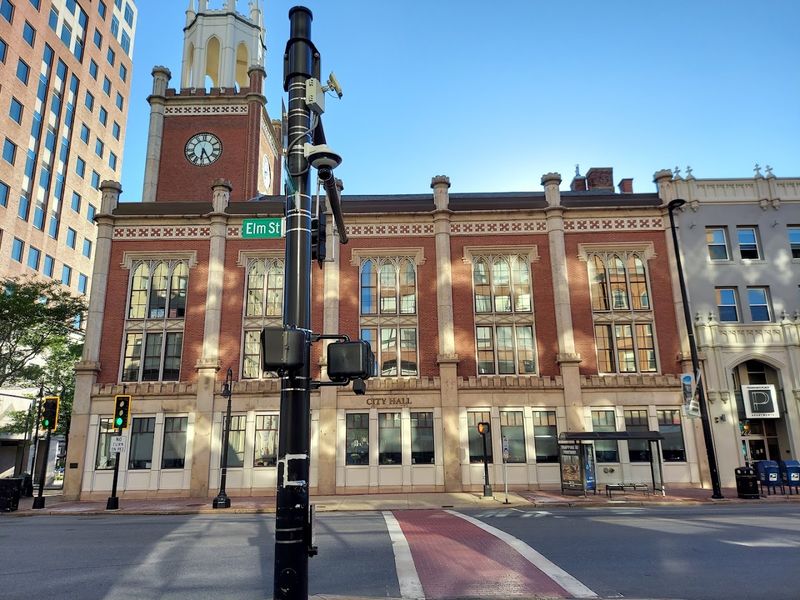
There’s a moment when you walk into the Palace Theatre and your jaw just quietly drops. Located at 80 Hanover Street in downtown Manchester, this beautifully restored venue wraps you in old-world elegance the second you step through its doors.
Gilded details, plush seating, and a ceiling that seems designed specifically to make you feel like royalty all come together in one gloriously theatrical package.
Manchester’s Palace Theatre has been captivating audiences for well over a century, and it shows absolutely no signs of slowing down. The programming swings confidently across Broadway-style productions, live concerts, comedy shows, and family performances, making it one of the most versatile stages in all of New Hampshire.
The acoustics alone are worth the visit.
Downtown Manchester once earned the nickname “The Great White Way” thanks to its concentration of entertainment venues, and the Palace Theatre is the crown jewel of that legacy.
Sitting inside during a performance, you feel the accumulated energy of generations of audiences who sat in those same seats, laughed at those same stages, and left feeling genuinely alive.
Great theater does that to you. The Palace Theatre does it consistently, and with a style that very few venues anywhere can match.
The Manchester Riverwalk, A Stroll That Clears Your Head

Some cities have rivers and some cities live by them. Manchester, New Hampshire falls firmly into the second category.
The Manchester Riverwalk runs along the Merrimack with an easy, unhurried charm that invites you to slow down, breathe deeply, and actually notice where you are. It’s the kind of path that makes you feel like you’ve earned something just by being on it.
Public art installations appear at unexpected intervals along the route, turning a simple walk into a gallery experience that happens to have a river view. Sculptures, murals, and creative installations reflect the city’s commitment to weaving creativity into everyday life.
The gentle sound of moving water provides a soundtrack that no playlist could improve upon.
Arms Park sits tucked into a bend of the riverbank, offering benches positioned perfectly for watching the Merrimack do its thing. A pedestrian bridge nearby opens up fresh angles on the water and the mill buildings that frame it so dramatically.
Morning light on the river hits the old brick facades in a way that makes even the most casual smartphone photographer feel like an artist. This stretch of riverfront is where Manchester reveals its quieter, more contemplative side, and it’s genuinely lovely.
The Millyard Museum, Industrial History With Real Soul
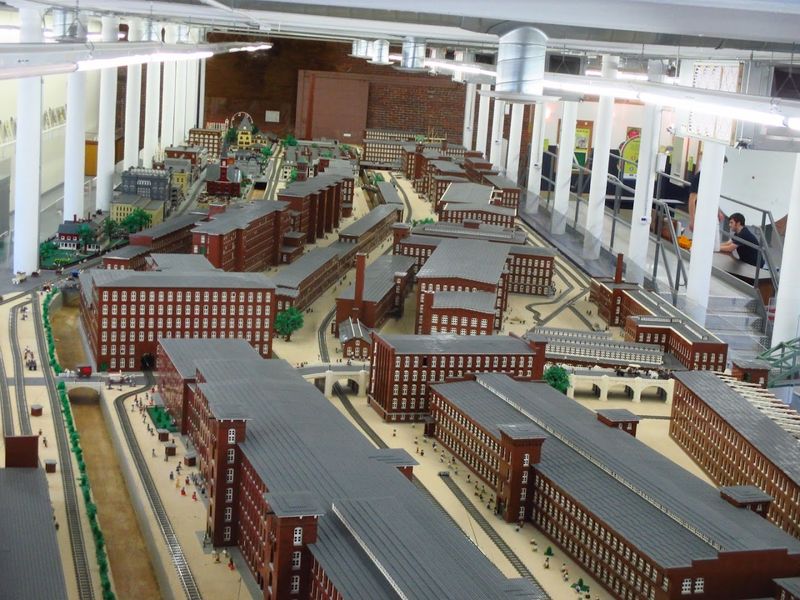
History museums can sometimes feel like homework. The Millyard Museum at 200 Bedford Street in Manchester, New Hampshire is the delightful exception to that rule.
It’s housed inside one of the Amoskeag Millyard’s beautifully renovated brick buildings. The museum tells the story of how a river, some ambitious engineering, and thousands of hardworking people built one of the most remarkable industrial cities in American history.
The exhibits move at a pace that keeps you genuinely engaged. You learn about the Abenaki people who lived along the Merrimack long before the mills arrived.
Then, you follow the story through the explosive rise of the Amoskeag Manufacturing Company and its eventual decline.
Each chapter feels surprisingly personal, anchored by artifacts and stories that connect the big historical sweep to individual human lives.
What strikes me most about the Millyard Museum is how it refuses to romanticize or oversimplify. The complexity of industrial life, the triumphs and the hardships, all of it gets honest treatment.
Walking out, you see the surrounding mill buildings with completely new eyes. Manchester, New Hampshire is a city that understands its own story, and the Millyard Museum is where that self-awareness is most beautifully on display.
Cat Alley, Where Quirky Street Art Steals the Show
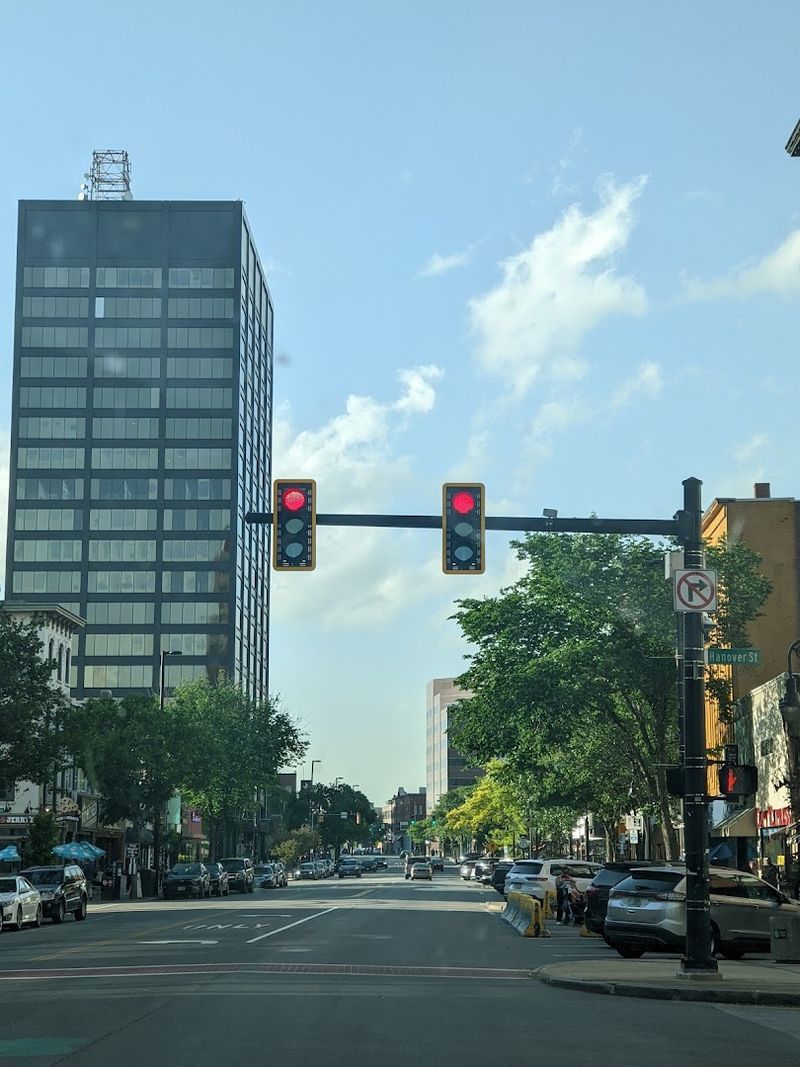
Not every great travel moment happens at a famous landmark. Sometimes a city reveals its truest personality in the unexpected corners, and Cat Alley in downtown Manchester is exactly that kind of discovery.
This narrow urban passage is packed with colorful murals, whimsical cat-themed artwork, and the kind of creative energy that makes you stop, smile, and reach for your camera.
Local artists have transformed what could have been a forgettable alleyway into a genuine destination. The work ranges from playful and cartoonish to surprisingly sophisticated, with every square inch of wall space contributing to a visual conversation that feels both spontaneous and intentional.
It has the unmistakable quality of art made by people who actually love their city.
Cat Alley is the kind of place that reminds you why walkable cities matter. You can’t experience it from a car window or a tour bus.
You have to show up on foot, let yourself wander, and be willing to look closely at things that aren’t marked on any official map. Manchester, New Hampshire rewards exactly that kind of curious exploration.
The alley has become a beloved gathering point for locals and a genuinely surprising delight for anyone visiting New Hampshire for the first time.
Downtown Manchester, A Walkable District With Real Character
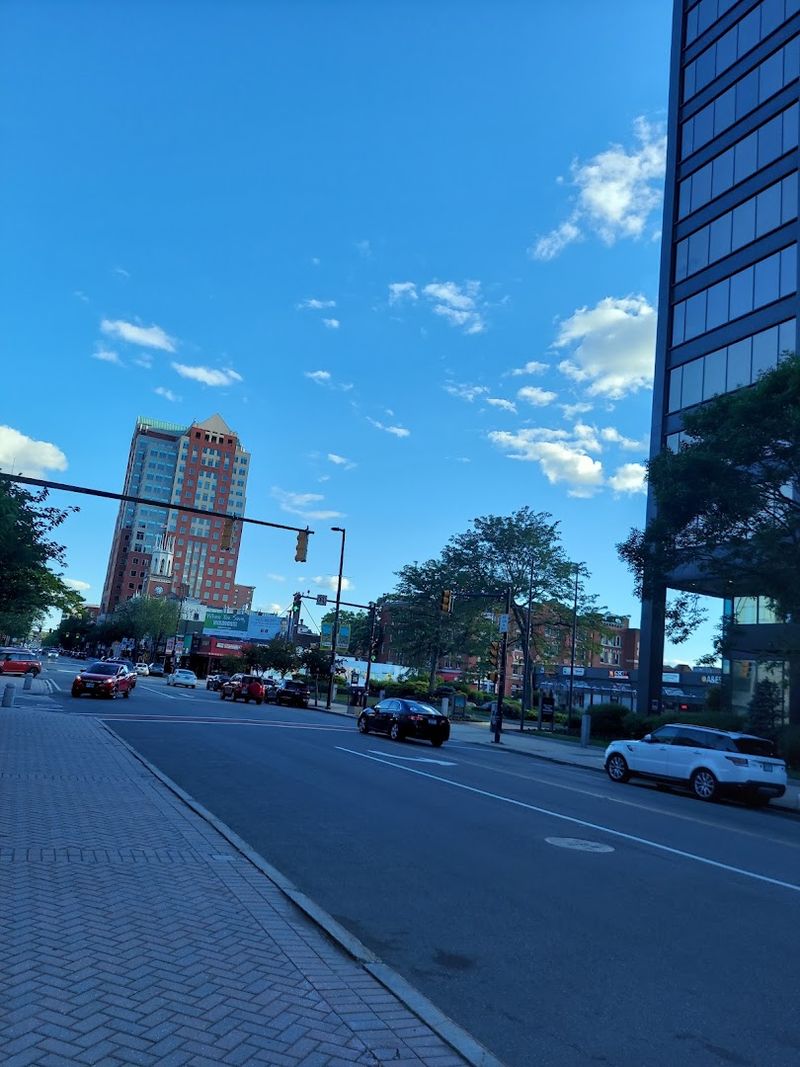
Downtown Manchester moves at a pace that feels refreshingly human. The streets are wide enough to breathe.
They’re lined with historic brick storefronts that have been doing their architectural thing since the nineteenth century. The overall atmosphere carries that rare combination of energy and ease that most cities spend decades trying to manufacture.
Boutique galleries sit beside artisan bakeries, cozy cafes share blocks with independent bookshops, and every other storefront seems to be doing something interesting. The mix feels organic rather than curated, which is exactly what makes it work.
Manchester, New Hampshire has developed a downtown that serves its own community first and happens to be wonderful for visitors as a happy side effect.
Pedestrian improvements have made the experience even more enjoyable in recent years, with streetscaping that encourages you to slow down and actually look at where you are. On weekends, the downtown fills with a lively social scene that spills out of restaurants and venues onto the sidewalks.
Events, markets, and pop-up happenings add layers of spontaneity to an already dynamic district. This is a downtown that earns your affection gradually, block by block, until you realize you’ve been walking for two hours and haven’t checked your phone once.
Derryfield Park, Where the City Meets the Wild

Every great European city has its green lung, that sprawling park where urban life exhales and nature takes over. Manchester, New Hampshire has Derryfield Park, and it delivers that same essential contrast between city energy and natural quiet with impressive conviction.
Trails wind through dense woodland, offering the kind of immersive forest experience that genuinely surprises people who assumed this was purely an urban destination.
The park’s trail network ranges from gentle loops suitable for a casual afternoon wander to more challenging routes that reward effort with elevated views across the city and surrounding landscape. Weston Observatory, a nineteenth-century stone structure perched at the park’s high point, adds a wonderfully atmospheric touch.
Standing near it on a clear day, you get a perspective on Manchester that completely reframes everything you’ve seen at street level.
Derryfield Park also hosts outdoor events and community gatherings that reflect the city’s strong sense of local identity. Families, runners, dog walkers, and nature enthusiasts all share the space with an easy coexistence that speaks well of Manchester as a community.
After a morning of exploring mill buildings and art museums, an afternoon in Derryfield Park provides exactly the kind of reset your senses need before heading back out to discover more of what New Hampshire’s most continental city has to offer.
European-Inspired Dining Scene, Flavor With a Continental Accent
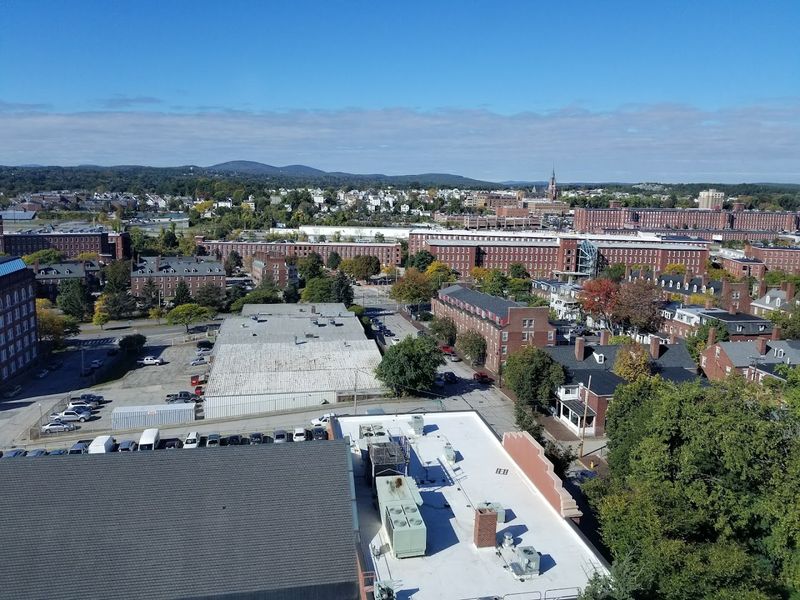
Manchester’s food scene has quietly grown into something worth making a detour for. Across the city, restaurants are doing genuinely exciting things with locally sourced ingredients.
A notable number of them carry a distinctly European sensibility in both their cooking philosophy and their atmosphere.
Exposed brick, candlelight, and unhurried service set a tone that encourages you to actually enjoy your meal rather than rush through it.
Italian-influenced spots serve house-made pasta with an authenticity that makes you wonder if someone’s nonna is working in the back kitchen. French-leaning bistros bring a quiet sophistication to the New Hampshire dining landscape, plating seasonal ingredients with the kind of care that suggests deep respect for both the produce and the diner.
The Millyard area, with its dramatic mill building settings and river views, provides some of the most atmospheric dining environments in the entire city.
What makes Manchester’s restaurant culture genuinely appealing is its refusal to be pretentious about any of it. Great food, beautiful settings, and warm hospitality combine without the stuffiness that sometimes accompanies European-inspired dining elsewhere.
You can dress up or dress down, arrive with a reservation or walk in on a whim, and still leave feeling like the city treated you exceptionally well. That accessibility is its own kind of sophistication.
Plan Your Visit to Manchester, New Hampshire
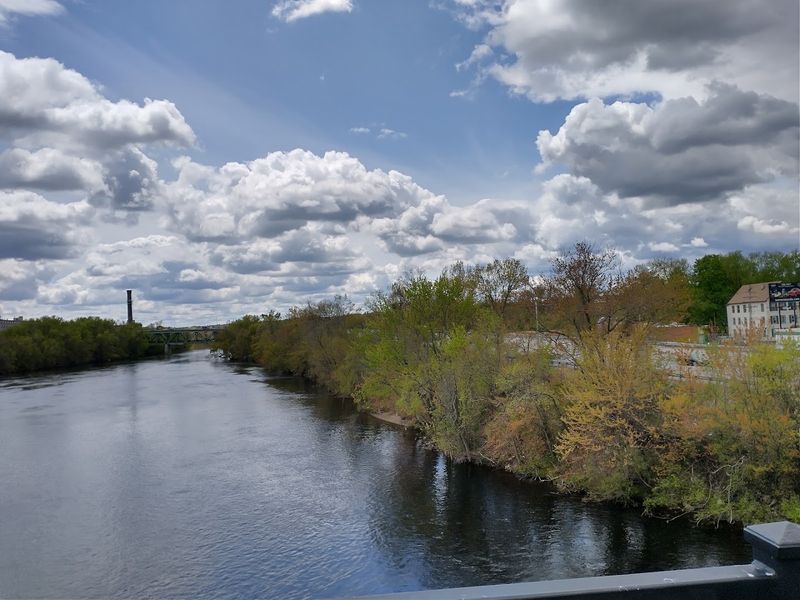
Getting to Manchester is genuinely easy, which makes the whole European-city-without-the-flight-cost proposition even more appealing. The city sits in southern New Hampshire, making it accessible from Boston and the broader New England region without any of the logistical headaches that international travel involves.
A long weekend gives you enough time to hit the major highlights without feeling rushed.
Start your visit at the Amoskeag Millyard and work your way through the Millyard Museum at 200 Bedford Street before the afternoon light hits the brick facades. Save an evening for the Palace Theatre at 80 Hanover Street, where a live performance transforms a good trip into a genuinely memorable one.
Build in at least one morning for the Currier Museum of Art at 150 Ash Street, and leave your afternoon open for wherever curiosity takes you.
Manchester, New Hampshire rewards the kind of traveler who walks slowly, looks up often, and isn’t afraid to turn down an unmarked alley just to see what’s there. The city has layers, and each one is more interesting than the last.
Pack comfortable shoes, bring your camera, and let one of New England’s most underrated cities show you exactly what it’s made of. You won’t regret making the trip.
