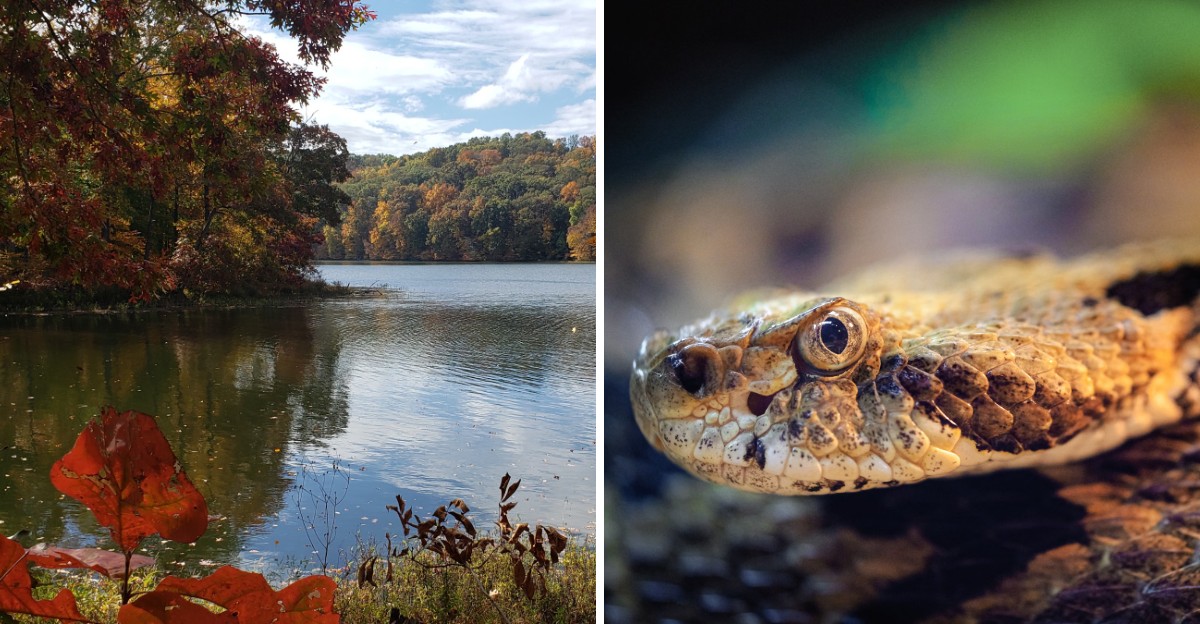
The trail makes a noise. You stop.
Not because the noise is especially loud. Because it came from the leaves.
That is enough to make every hiker suddenly much more interested in where they are putting their feet. This Indiana forest has rugged trails and a quiet lake, but it also protects habitat for the state’s endangered timber rattlesnake.
That does not mean the woods are some kind of snake obstacle course. It means wildlife is part of the landscape, whether visitors see it or not.
The best way to enjoy the forest is simple: stay on the trail, watch where you step, and give animals plenty of space. Once that becomes the routine, the rustling leaves start sounding less alarming and a lot more interesting.
A Rugged Climb With a Reward
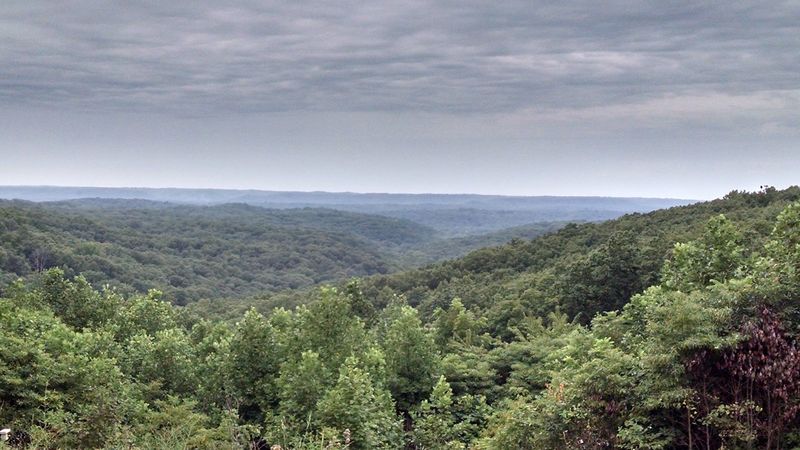
Some trails make hikers earn the view, and Yellowwood has climbs that do exactly that. The forest’s hills can feel surprisingly steep, especially where roots cross the path and fallen leaves hide the ground beneath them.
Sturdy shoes with good grip are a better choice than smooth soles, even for a hike that looks short on a map. Take the uphill stretches at a comfortable pace, then stop where the trail allows to enjoy the quiet among the trees.
High King Trail is known for a short, steep climb, while Scarce O’ Fat Trail offers a longer outing through the same rugged landscape. Trail lengths and conditions can change, so check a current forest map before setting out.
A shorter route is not always an easier one here. After rain, muddy spots and slick slopes call for extra care; on dry days, loose leaves can make footing tricky too.
The reward is more than a view. Climbing slowly leaves time to notice ridges, changing tree shapes, and the way sunlight reaches the forest floor in patches.
Keep a little distance between hikers on narrow slopes, carry water, and turn around before anyone gets too tired for the return trip. If a trail becomes hard to follow, retrace the last clear marker rather than cutting through the woods.
That simple habit protects the forest and helps keep the day enjoyable. It also makes the walk feel like an adventure instead of a race.
Timber Rattlesnakes Deserve Room

A leaf pile can look empty until something inside it moves. Yellowwood State Forest provides habitat for timber rattlesnakes, a species listed as endangered in Indiana, so watching the ground is part of a thoughtful hike.
That does not mean visitors should expect to see a snake at every turn. It means giving wildlife space and paying attention before placing a hand or foot where the view is blocked.
Stay on marked trails, step over logs only after checking the far side, and avoid reaching into rock gaps or thick brush. Closed shoes and long pants can make rough ground more comfortable, but they do not replace careful habits.
If a snake appears, stop, move back slowly, and leave it alone. Never try to touch, move, corner, or photograph it from close range.
Keep children nearby and dogs under close control wherever pets are permitted.
Timber rattlesnakes have an important place in the forest because they eat small animals and are part of its natural balance. Their endangered status is a reason for care, not fear or a search for a close encounter.
Give any snake a clear path away and choose another stretch of trail if needed. For an emergency, move to safety and call 911; do not delay care to identify the snake.
A watchful hiker can enjoy Yellowwood’s wild side without putting people or wildlife at risk. That is the kind of respect this forest deserves.
The Lake Slows Everything Down
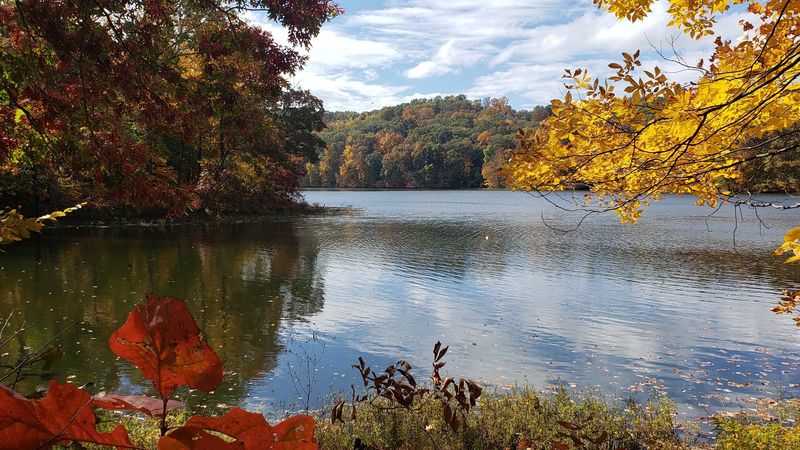
After a climb through the hills, Yellowwood Lake offers a welcome change of pace. The water sits among wooded slopes, with sheltered edges that can look different as the light shifts across them.
Pause near the shore and the details begin to stand out: a ripple crossing a quiet cove, tree reflections breaking apart, and birds moving between branches. It is a good place to rest without feeling that the visit has stopped.
Visitors can explore the lake from shore or bring a suitable boat to an established launch, following current forest rules for boating. A kayak or canoe makes it easier to take in the shoreline slowly, but a life jacket belongs on every paddler.
Check the weather before launching, since wind and storms can change a calm outing quickly. Keep clear of the dam and other restricted areas, and use designated access points rather than pushing through plants along the bank.
Yellowwood Lake also gives hikers an easy way to shape the day. Start with a trail, save a lakeside break for later, and leave enough daylight to find the way back.
Pack water and a snack, then carry out every wrapper. Fishing is another option for visitors who follow Indiana license requirements and current regulations.
Even without a boat or fishing rod, the lake has a quiet pull. A few minutes beside the water can make the forest’s steep trails feel farther away than they really are.
That contrast is part of the fun.
A Night Among the Trees
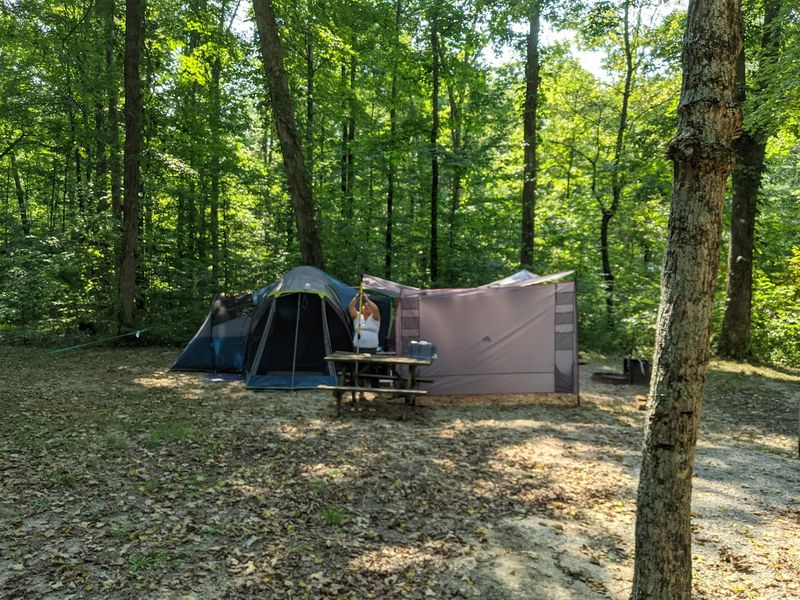
Evening changes the mood at Yellowwood when the day’s trail plans give way to a campsite beneath tall trees. Camping gives visitors time to hear the forest after dark and see it again in the early light, when a lake visit or a short walk can feel entirely new.
The setting is appealing, but it is best approached with a practical packing list. Bring lighting, drinking water, weather ready clothing, and a map that works without phone service.
Yellowwood offers camping areas, including more basic options, so check current site details and rules before arriving. Do not assume every campsite has electrical hookups or water close by.
Choose an established site, keep food secured, and follow posted guidance on fires. Rain can make a comfortable spot muddy and a trail slick by morning, so an extra dry layer and sturdy footwear are useful.
Quiet hours matter because sound travels easily between sites and through the trees.
Camping also makes it easier to avoid rushing a hike. Rather than squeezing every trail into one afternoon, visitors can pick a route that fits their energy and save the lake for another part of the trip.
Use a flashlight when moving around camp at night and watch where feet and hands go, just as on the trails. Leave plants, rocks, and wildlife undisturbed.
When the campsite is clean at departure, the next visitor gets the same chance to settle in and enjoy the forest.
Little Details Along the Creeks
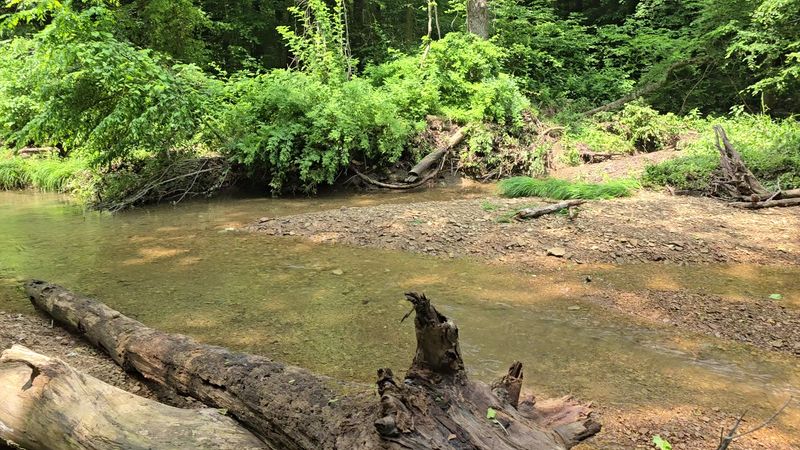
A creek crossing can turn an ordinary stretch of trail into the part everyone remembers. Water slips around stones, damp soil holds footprints, and the air often feels cooler near the streambed.
Yellowwood’s wooded drainages reward hikers who slow down and look closely without leaving the marked route. Small scenes are easy to miss when the only goal is reaching the next trail sign.
Creeks can also change quickly after rain. A crossing that looks simple in dry weather may be slippery or harder to pass when water rises, so turn back if the footing is uncertain.
Use a map rather than following a stream in hopes that it will lead to a trail. Keep shoes on when crossing where permitted, test each step, and avoid climbing unstable banks.
Muddy edges need care too, since trampling them can damage plants and send soil into the water.
These lower spots offer another way to notice how the forest works. Leaves gather in shallow bends, fallen branches create shelter for small creatures, and water carries signs of recent weather through the hills.
Watch from the trail instead of lifting rocks or disturbing animals. A close look at a creek may reveal more than a rushed hike across a ridge.
Bring a small bag for any litter found along the way, but never reach into hidden spaces to collect it. The simplest choice is often the best one: pause, listen, and let the water keep moving.
Every Season Changes the Trail
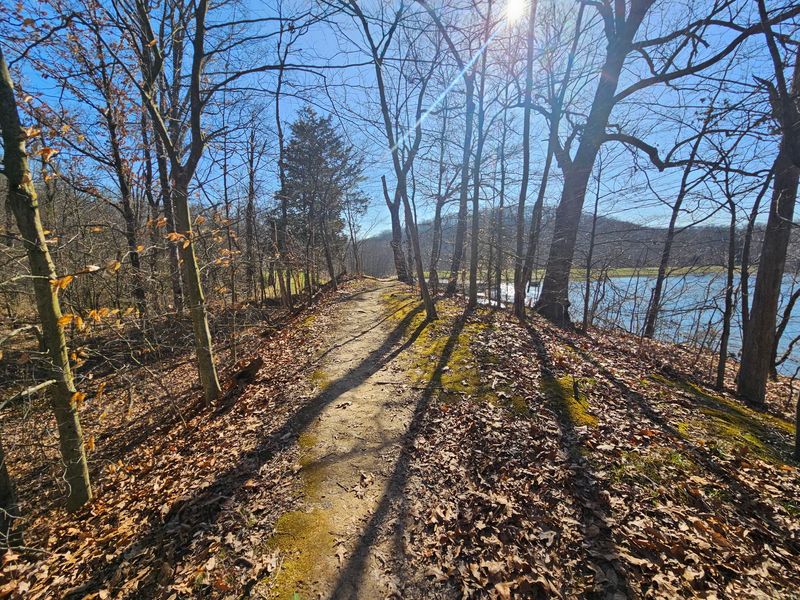
The same Yellowwood trail can seem like a different place from one season to the next. Spring brings new leaves and wildflowers, summer fills the woods with deep shade, and fall spreads color across the hills.
Winter opens views through bare branches while adding its own cold weather challenges. Choosing when to visit is less about finding a single best month and more about preparing for the conditions of that day.
In spring, expect muddy stretches and avoid stepping around them onto fragile plants. Summer hikers should carry plenty of water, check for ticks afterward, and plan strenuous climbs for cooler hours.
Fall leaves make the forest colorful but can cover roots and loose stones, so keep watching the ground. In winter, short daylight hours call for an earlier start, and wet or icy sections may make a familiar route harder than expected.
Seasonal change also makes repeated visits worthwhile. A familiar slope may show flowers one month and long views through the trees another; a lakeside stop can shift from bright reflections to a quiet, gray scene.
Dress in layers when temperatures may change during the hike, and check the forecast before traveling. Mark a turnaround time that leaves daylight for the return.
Taking photographs from the trail protects plants and keeps visitors clear of hidden wildlife. No season removes the need to watch each step, but every season gives Yellowwood a fresh way to hold a visitor’s attention for a while.
Room for a Longer Adventure
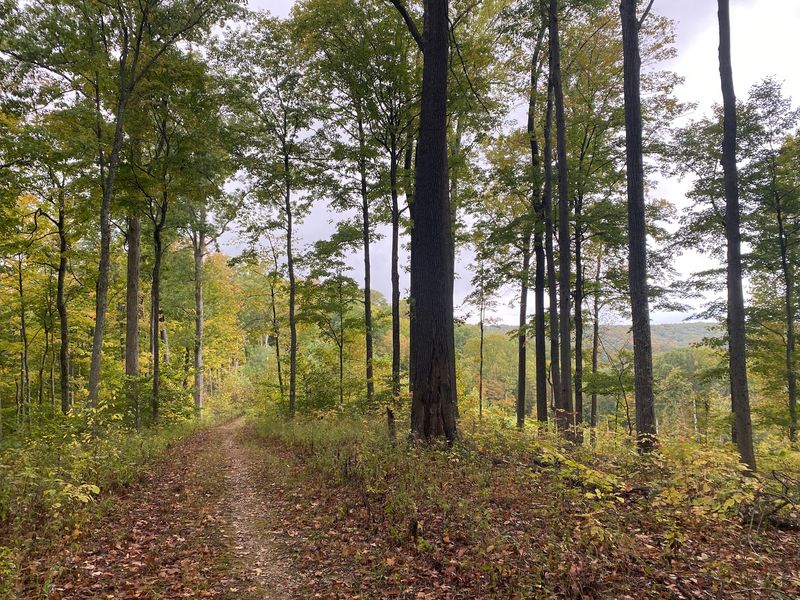
For hikers with time and energy to spare, Yellowwood offers more than a quick loop near the lake. The Tecumseh Trail passes through the forest and can turn a visit into a longer walk across rolling country.
Long routes have a different rhythm: the first mile feels easy, then every junction and water break matters more. That is part of their appeal, as long as the plan matches the people making the trip.
Study a current map before choosing a section, since a point to point hike may require a pickup or a return walk. Tell someone the planned route and expected finish time.
Carry enough water and food for delays, plus a charged phone, though service should not be taken for granted. Check trail notices, wear shoes suited to uneven ground, and allow more time than the distance alone suggests.
A route that crosses several hills can feel longer than its mileage.
Yellowwood State Forest is listed at 772 Yellowwood Lake Rd, Nashville, IN 47448, a useful starting detail when planning the drive. Once there, use official signs and the forest map to locate the intended trailhead rather than assuming every path begins by the lake.
Longer walks are a chance to notice how ridges, valleys, and quiet stretches fit together. There is no prize for pushing past a safe turnaround time.
Finish with enough energy to look around, because the way back deserves attention too.
