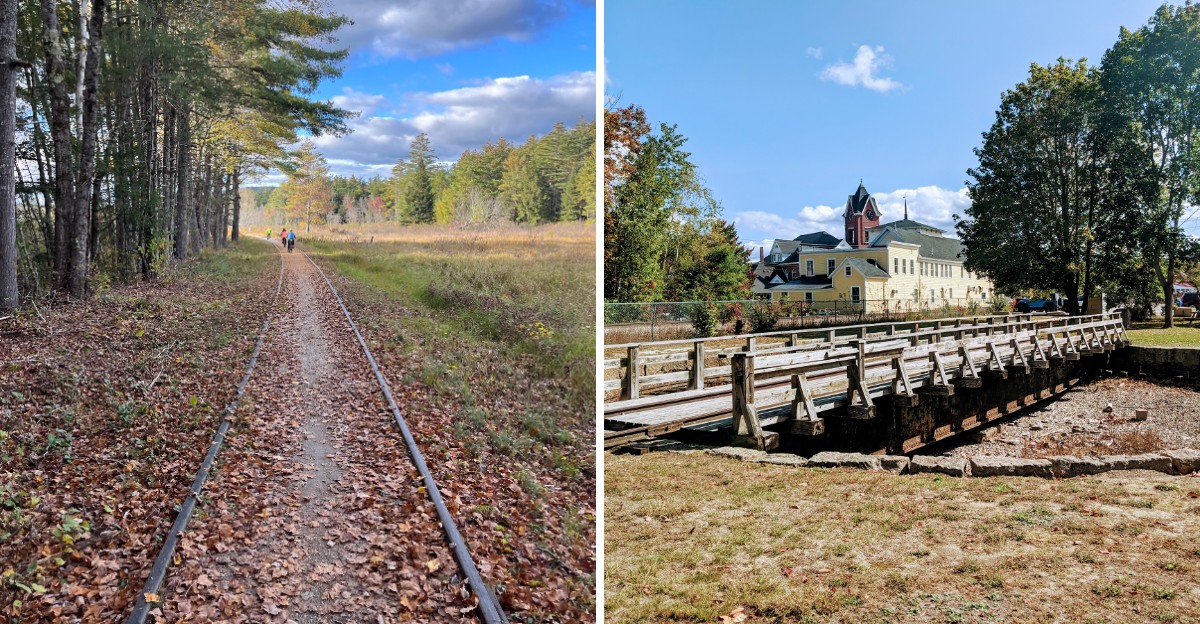
Twelve miles of old railroad corridor, complete with historic trestles and views across lakes and wetlands? That’s a lot of scenery packed into a single trail, especially when the route follows a piece of transportation history.
The New Hampshire trail traces a former railroad line through wooded areas, past waterways, and across bridges that recall its earlier purpose. Its relatively gentle terrain makes portions of the route appealing for walking and other permitted recreational activities.
I like how former railroads can become places where people enjoy the landscape at a completely different pace. You can admire the old trestles, watch for wildlife near the wetlands, and appreciate views that might be easy to miss from a road.
The changing surroundings keep the journey interesting. And those historic bridges add a little extra character to an already scenic outing.
Those Rails Beside You Are Still Very Much In Use
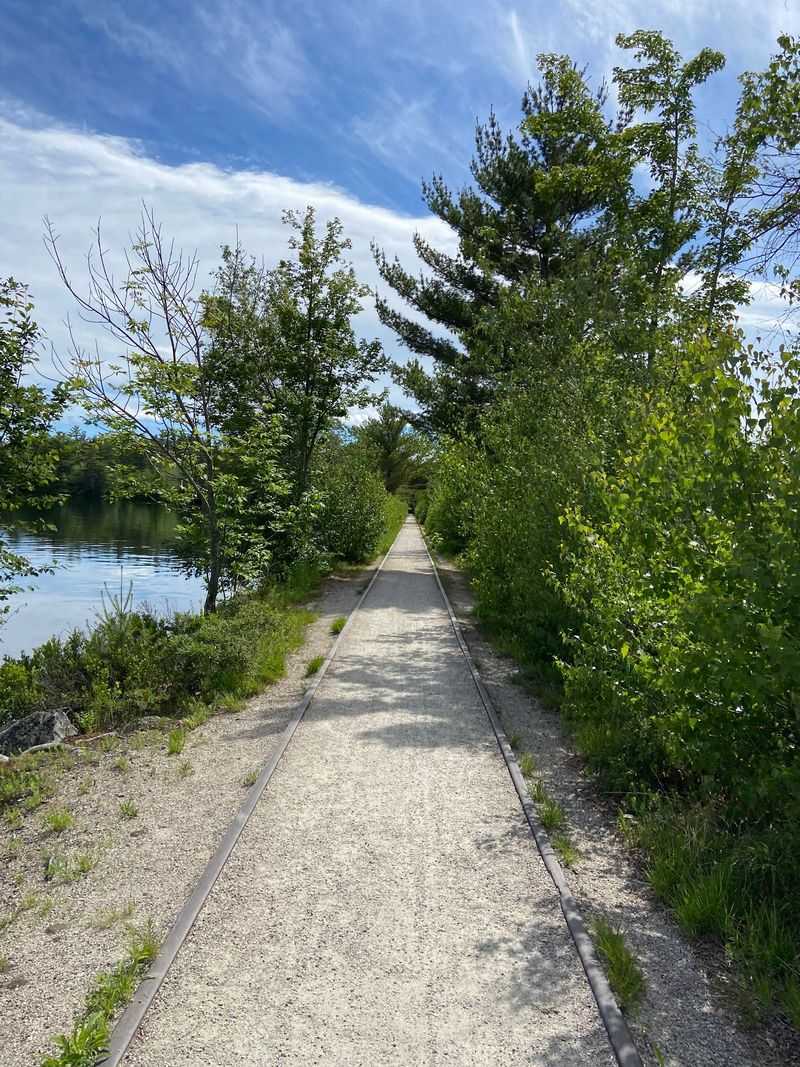
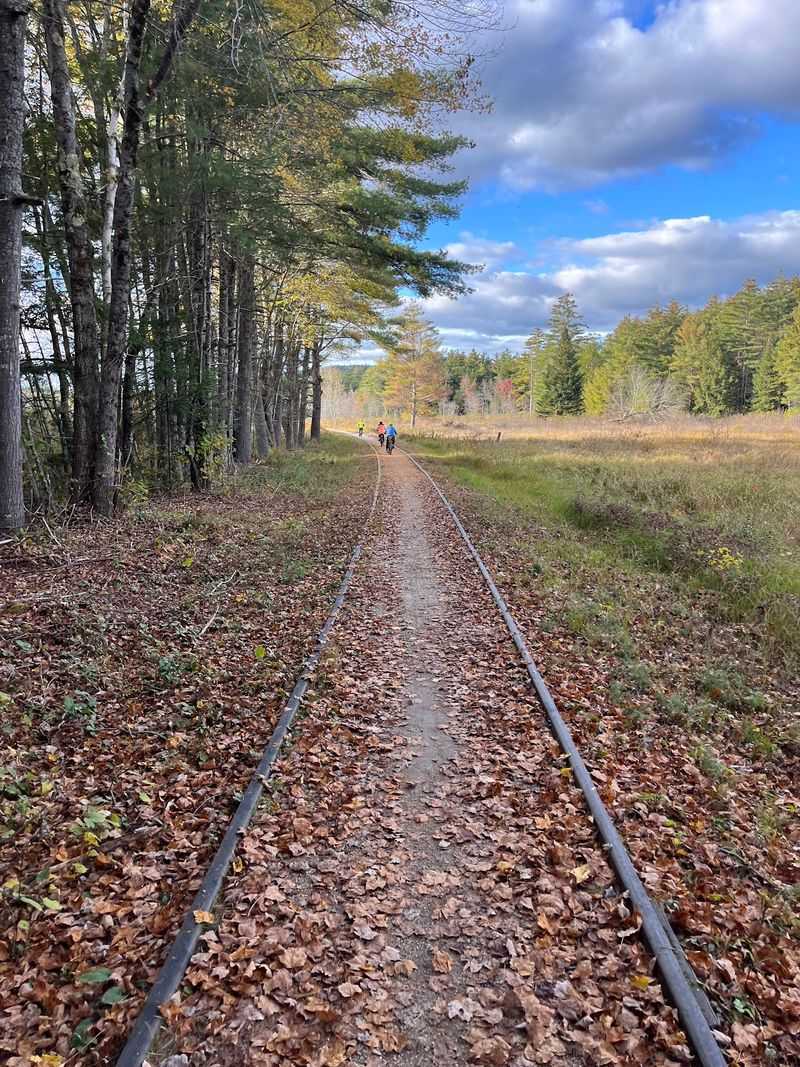
Most rail trails rip up the tracks and pave over the past. The Cotton Valley Rail Trail kept every rail in place, from one end to the other.
That choice makes it pretty rare. It’s one of only three trails managed by New Hampshire’s Department of Natural and Cultural Resources with this rail-with-trail setup.
So who uses the tracks? Local rail car clubs run refurbished rail motor cars along the line.
These small, boxy machines once carried track crews, and now they carry hobbyists keeping that history rolling.
Spotting one is a treat for kids and grown-ups alike. It feels a bit like a parade showed up just for you.
The Cotton Valley Rail Trail Club earned state permission to use the tracks back in the early 1990s. Its headquarters sits at 64 Governor John Wentworth Highway in Wolfeboro, which also serves as a parking option.
Here’s a practical tip worth remembering. Some stretches of the path run directly between the rails, so bikers should take care moving on and off the tracks.
Cross rails at a sharp angle and slow down a little. Your tires, and your pride, will thank you later.
Water On Both Sides Makes These Causeways Unforgettable
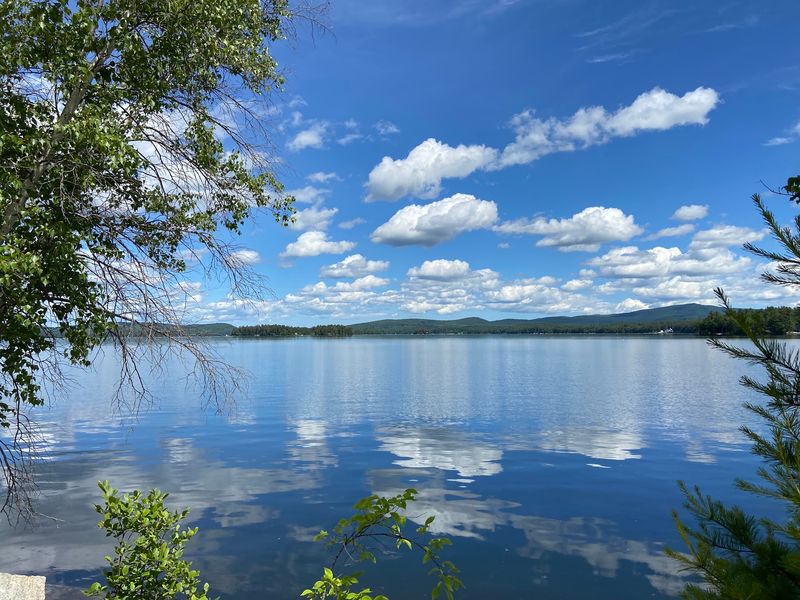
Lake views are nice. Lake views on your left and your right at the same time are something else entirely.
Two causeways give the Cotton Valley Rail Trail its showstopper moments. One crosses Crescent Lake, while another winds along Lake Wentworth near Wolfeboro.
On these narrow strips, water often surrounds the path on both sides. It feels a little like walking across the lake without getting your sneakers wet.
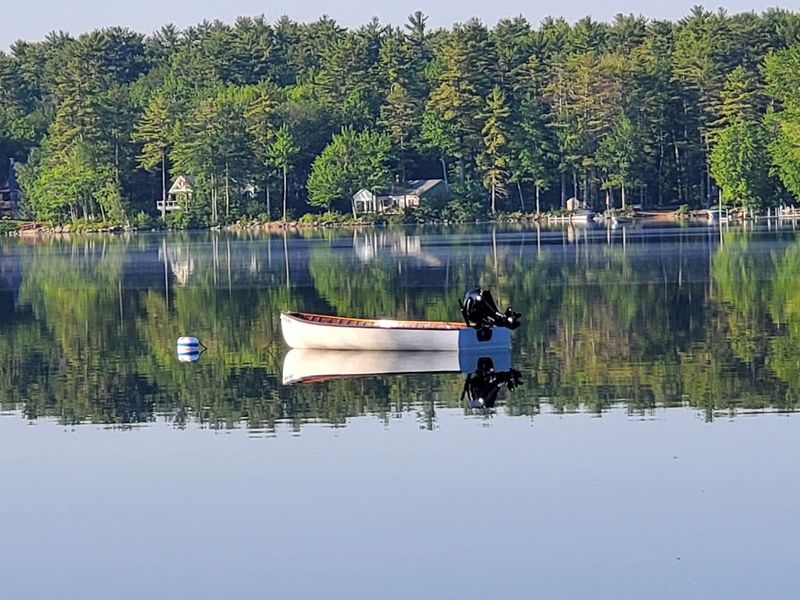
Bring your camera, or at least a fully charged phone. Calm mornings can turn the water into a mirror for the trees and sky.
These stretches also make great spots to pause and breathe. There’s no rush when the scenery is doing this much work.
A few friendly reminders help everyone enjoy the views. Causeways are narrow, so stay to one side when stopping for photos.
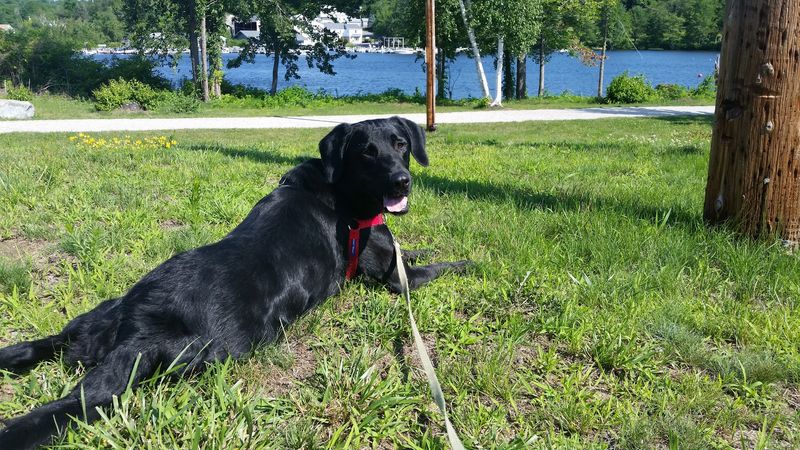
Keep dogs leashed and close, since the rules require a leash anyway. Riders coming up behind you will appreciate a little room.
Fall brings bright leaves reflecting in the water. Summer offers soft breezes off the lake that feel great on a warm day, and honestly, no season looks bad out here.
Old Trestles And Wooden Bridges Turn Every Mile Into A Little Adventure
Crossing a historic railroad trestle never gets old. Trains once rumbled over these same spans, and now your footsteps or bike tires take their place.
The Cotton Valley Rail Trail crosses several of these old trestles. Numerous wooden bridges also span streams and marshy areas throughout the route.
Each crossing offers a fresh view. You might look down at slow water, cattails, or a stream sliding under the tracks.
Bridges make terrific wildlife-watching spots, too. Wetlands below attract birds, and staying quiet gives you better odds of seeing something.
Photographers love these crossings for a good reason. Rails, wooden beams, and open water create neat lines that frame a picture nicely.
Cyclists should slow down a bit on bridges. Surfaces can change from gravel to wood, and the rails run close by.
Families with little ones can turn bridges into a fun game. Count them along the way, or let kids guess what’s hiding in the marsh.
Frogs, ducks, and herons are all fair guesses. Nobody needs to know how many times you guessed wrong.
The Story Begins With An 1872 Steam Train To The Lake
On August 19, 1872, the Wolfeborough Railroad Company opened a brand-new branch line. It linked Sanbornville to Wolfeboro, carrying freight and passengers toward Lake Winnipesaukee.
The Eastern Railroad later ran the line. After that, the Boston and Maine Railroad took over operations.
Passenger service on the B&M ended in 1936. Freight kept going for a while, but it eventually stopped paying off.
A tourist railroad used the line until it closed in 1986. The State of New Hampshire then acquired the corridor.
In the early 1990s, a group called the Trails, Rails, Action Committee began a big project. That group later became the Cotton Valley Trail Committee.
Their goal was turning the quiet corridor into a multi-use path. Building it took years of volunteer work, planning, and patience.
The full 12-mile route finally connected Wolfeboro to Wakefield in 2017. A Golden Spike Ceremony at Cotton Valley Station marked the big moment.
That’s a fun nod to railroad tradition. Today, the Cotton Valley Rail Trail lets you travel the same path those early trains followed, just at a slower pace.
Start Your Trip Steps From The Water In Downtown Wolfeboro
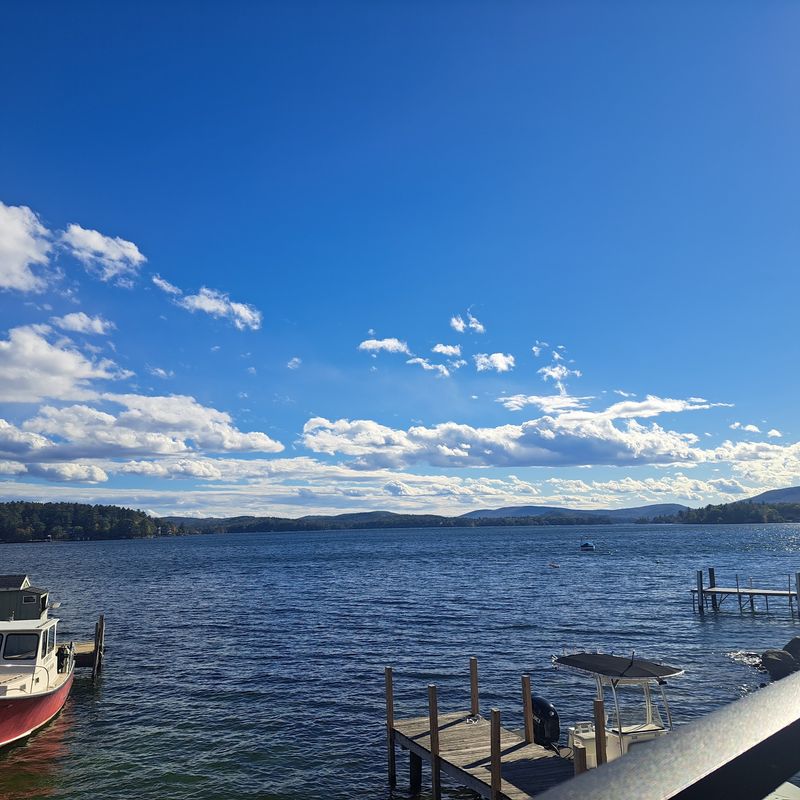
Few trailheads come with a lake across the street. The Wolfeboro start sits at the Old Railroad Depot on Depot Street, facing Lake Winnipesaukee’s Back Bay.
It’s close to the center of town, which makes planning easy. The official trailhead address is Railroad Avenue, Wolfeboro, NH 03894.
Parking is available at the depot. Portable restrooms may show up there seasonally, so plan ahead during cooler months.
Starting in town has real perks. You can grab snacks or supplies nearby before heading out on the path.
The first stretch near town includes some paved sections. Farther out, the surface mostly switches to hard-packed gravel, sometimes called crusite.
Hybrid or mountain bikes handle that mix best. Skinny road tires can work, but they won’t love every mile.
Remember that the trail runs 12 miles one way. Going all the way and back means a 24-mile round trip, which is a big day for many riders.
Shorter out-and-back trips work great, too. Turn around whenever your legs start sending complaint letters.
Keep Your Eyes Peeled For Sheep Passes And Signal Boxes
Sheep once had their own tunnels here. Small pass-throughs under the rail line near Bryant Road and Cotton Mountain Road let them cross safely below the tracks.
These remnants hint at the area’s farming past. Back then, trains and livestock had to share the same countryside.
Plenty of other clues dot the route. Look for old train tracks, signal boxes, and historical markers along the way.
Cotton Valley Station is another stop worth a closer look. It’s also where the Golden Spike Ceremony celebrated the trail’s completion in 2017.
Turning your ride into a history hunt adds a fun twist. Kids especially enjoy searching for markers like a scavenger hunt.
Reading the signs takes only a minute or two. Those quick stops add meaning to the miles you’re covering.
New Hampshire has plenty of pretty paths. Few of them show their railroad roots this clearly, from the rails underfoot to the stations along the way.
So slow down now and then. The best details here don’t shout, and you might miss a sheep tunnel if you’re pedaling too fast.
Plan A Break At Fernald Station Or A Swim At Albee Beach
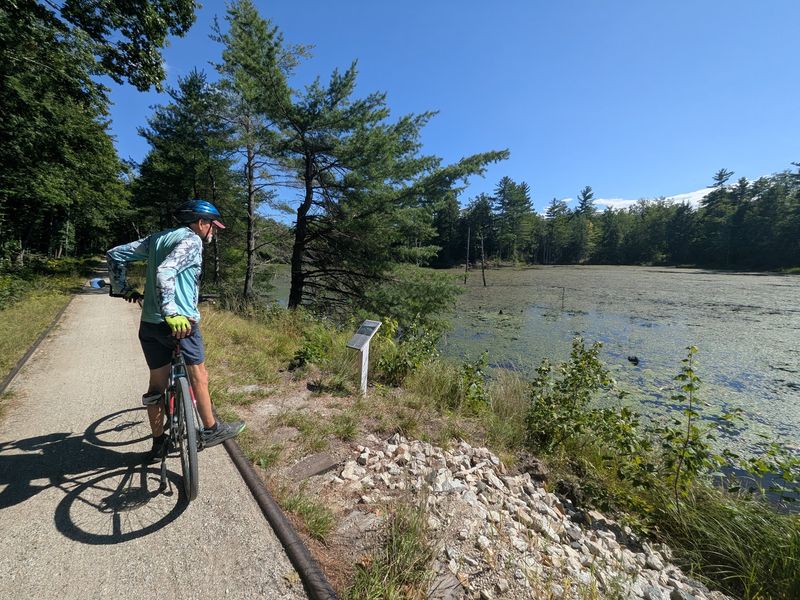
Snack breaks deserve a good setting. Near Fernald Station, where the trail meets State Route 109, a resting point offers a restroom, picnic benches, and a shelter.
That makes it a handy halfway-style stop. Refill water, stretch your legs, and maybe eat that sandwich you’ve been thinking about.
Benches and picnic tables also appear along other parts of the trail. You don’t need to push hard between breaks.
Summer visitors get an extra bonus. The trail provides access to Albee Beach on Lake Wentworth.
A beach stop changes the whole feel of the day. Pack a towel and swimsuit if the weather looks warm.
Fishing is another option along the route. Bring your gear and check state fishing rules before casting a line.
Plan supplies carefully, since amenities are spaced out. Carry water, sunscreen, and bug spray, especially near the wetlands.
Mosquitoes enjoy marshes as much as birds do. Unlike the birds, they’re not much fun to watch, so come prepared.
Snow Turns The Same Path Into A Winter Playground
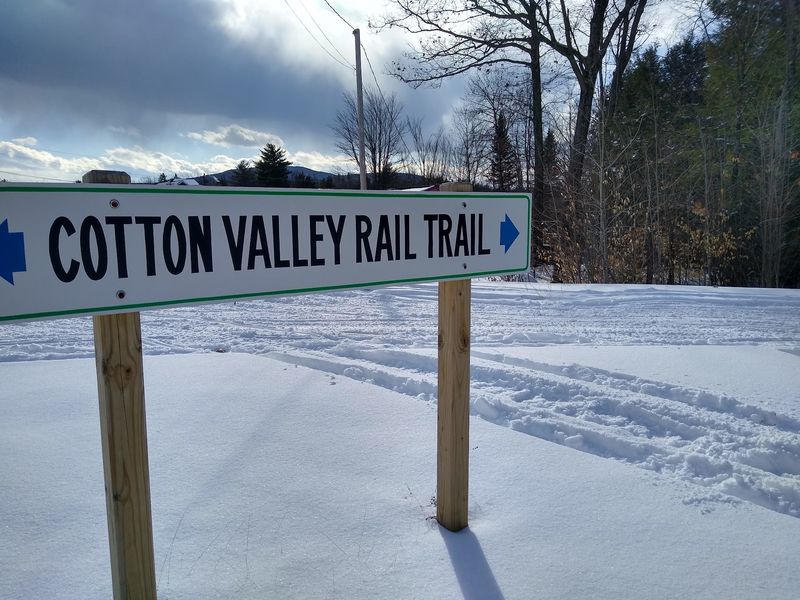
Summer gets the spotlight, but winter quietly steals the show. The Cotton Valley Rail Trail stays open year-round from dawn to dusk.
When snow falls, the trail becomes a spot for cross-country skiing. Snowmobiling also takes place along the route in winter.
The flat grades work well for beginner skiers. You can focus on finding your rhythm instead of battling steep hills.
Snowy wetlands and frozen lakes look completely different from their summer selves. Spring and fall bring their own colors and moods, too.
Walkers and runners use the path in every season. Dogs can come along on a leash, which makes it a nice daily outing for pups.
Winter visits need a little extra planning. Dress in layers, start early, and remember that daylight runs short in New Hampshire’s colder months.
Share the trail kindly with snowmobiles and skiers. Staying aware keeps everyone happy and safe.
Hot cocoa back in town makes a great finish. Honestly, it might be the best reward for chilly cheeks.
A Spinning Railroad Turntable Waits At The Finish Line
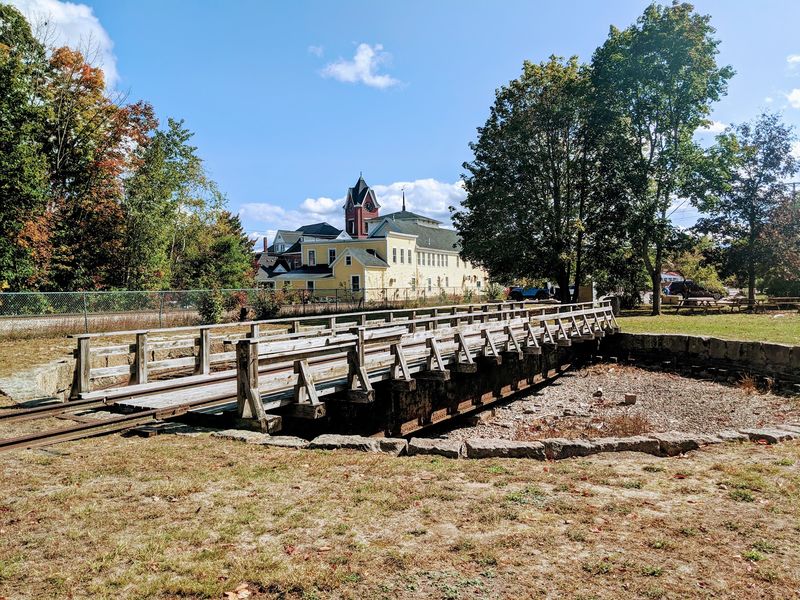
Finish lines rarely come with a giant piece of railroad machinery. At the eastern end in Sanbornville, Turntable Park shows off a refurbished Boston and Maine Railroad turntable.
Turntables once spun locomotives around so they could head back the other way. It’s a clever bit of engineering that kids find surprisingly cool.
Turntable Park sits on High Street in Sanbornville, part of Wakefield. Parking is available there, so you can start from this end instead.
Another access point sits at the Wakefield Parks and Recreation Department on Meadow Street. That gives you even more flexible options.
Many people arrange a car at each end for a one-way trip. That way, you enjoy all 12 miles without doubling back.
The trail is handicap accessible between Wolfeboro and Wakefield. The exception is a one-mile section between Clark Road in Brookfield and Route 16.
Planning around that stretch helps visitors using wheelchairs or adaptive bikes. Everyone else can roll on through.
Wolfeboro, Brookfield, and Wakefield all share this path. Ending at a spinning relic feels like the perfect final chapter for the Cotton Valley Rail Trail.
